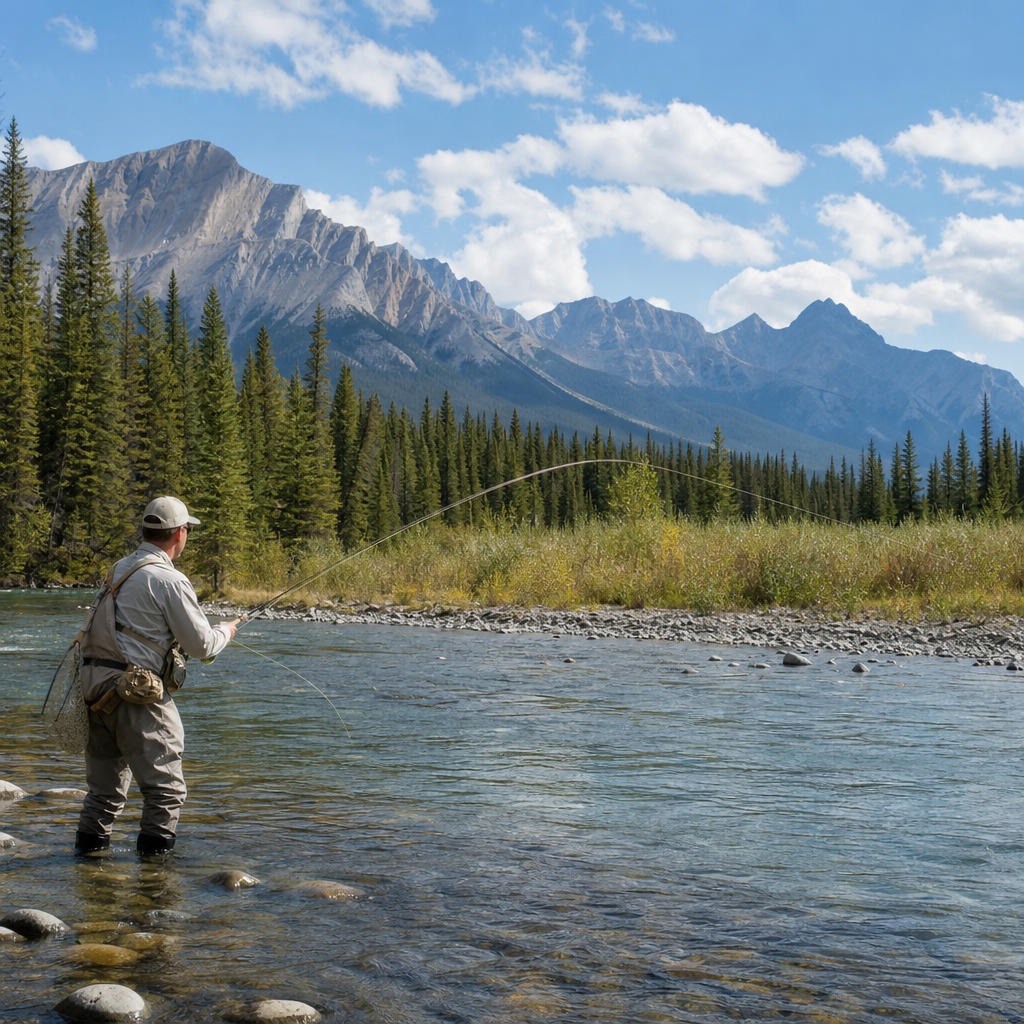
Fly fishing in the Canadian Rockies offers some of the most varied trout water in North America, combining cold freestone rivers, glacier-fed lakes, spring creeks, and dramatic mountain scenery within a relatively compact region. For anglers building a serious destination list, this area belongs near the top because it delivers native fish, strong hatches, public access, and a long tradition of conservation-minded guiding. In practical terms, the Canadian Rockies usually refers to the mountain corridor running through western Alberta and eastern British Columbia, including famous systems near Banff, Jasper, Kananaskis, Crowsnest Pass, and the Elk Valley. For fly anglers, “top locations” does not simply mean pretty places. It means waters with reliable fish populations, workable access, fishable seasons, and a style of angling that rewards skill rather than luck. I have fished this region in high runoff, low autumn flows, and during brief windows when everything aligns and trout feed confidently for hours. Those experiences teach the same lesson every season: success here comes from matching the right river to the right month and technique. This hub article covers the leading destinations across the Canadian Rockies and places them in a broader North America context, helping you decide where each river fits within a larger fly fishing travel plan.
Compared with many well-known destinations farther south, the Canadian Rockies stand out for water quality, intact habitat, and the chance to pursue wild trout in landscapes that still feel genuinely expansive. Anglers commonly target westslope cutthroat trout, bull trout, rainbow trout, brown trout, brook trout, mountain whitefish, and, in selected waters, lake trout and grayling. Regulations vary sharply by drainage, and that matters. Some rivers are catch-and-release only for trout, some protect native species with seasonal closures, and some restrict tackle or bait in ways visiting anglers need to understand before stepping into the water. Weather also shapes strategy more than many first-time visitors expect. Snowpack, glacial melt, and afternoon storms can shift clarity and flows quickly, especially from late spring into mid-summer. That is why choosing among the best fly fishing locations in the Canadian Rockies starts with knowing each watershed’s character. The Bow is not the Oldman. The Elk is not the Athabasca. The best trip plans account for species, timing, access, and conservation rules together, not as separate decisions.
Why the Canadian Rockies matter within North America fly fishing
As a North America fly fishing hub, the Canadian Rockies deserve attention because they offer a distinct blend of wilderness, infrastructure, and fish diversity that complements better-known U.S. destinations such as Montana, Idaho, Wyoming, and Colorado. The region has enough roads, towns, lodges, and licensed guides to support travel, yet many stretches still fish with a remote feel. In destination planning, that combination is rare. A week based around Calgary, Canmore, Fernie, Jasper, or Pincher Creek can put anglers on multiple river types without requiring long transfers between fisheries. That flexibility makes the Rockies especially useful for mixed-skill groups or anglers who want a backup plan when runoff colors one drainage but leaves another in shape.
The Canadian Rockies also matter because they preserve native fish stories that have disappeared elsewhere. Alberta’s remaining pure-strain westslope cutthroat populations are fragile and heavily managed. Bull trout, the provincial fish of Alberta, require cold, connected habitat and are excellent indicators of watershed health. In southeastern British Columbia, the Elk River system has become internationally recognized for large cutthroat trout feeding on prolific aquatic and terrestrial insect cycles. Those fisheries sit within a continental conversation about native trout conservation, water allocation, forestry, mining, and recreation pressure. When anglers visit responsibly, they participate in that story rather than simply consume a destination.
The Bow River: the most accessible blue-ribbon option
If one river represents fly fishing in the Canadian Rockies for many traveling anglers, it is the Bow River. Flowing east from Banff through Canmore and Calgary, the Bow is a large tailwater-freestone hybrid system shaped by dam management, urban influence, and rich aquatic productivity. It is famous for strong populations of rainbow and brown trout, with fish over twenty inches a realistic possibility rather than a fantasy. Guided float trips dominate the lower river near Calgary because the scale of the water, the number of productive side seams, and the distance between best runs all favor drift boats. For first-time visitors seeking the most reliable shot at numbers and size, this is usually the safest recommendation.
The Bow fishes well with nymphs year-round when conditions allow, but its reputation is equally tied to streamer fishing and selective dry-fly windows. Blue-winged olives, caddis, Pale Morning Duns, and late-season midge activity can all create excellent surface feeding. During hopper season, grassy banks become high-value targets, especially when flows are stable and afternoons stay warm. The river’s greatest advantage is consistency. Even when mountain streams are blown out, sections of the Bow often remain fishable. Its main tradeoff is pressure. Near Calgary, anglers share water with many boats, wade anglers, and city recreation users. Still, in North American destination terms, few urban-adjacent trout rivers offer this combination of access, trout density, and scenery.
The Elk River and tributaries: cutthroat country at its best
For anglers who prioritize native trout behavior and classic dry-fly water, the Elk River in British Columbia stands among the top locations in the Canadian Rockies. Running through Fernie and the broader Elk Valley, the river is internationally known for westslope cutthroat trout that feed aggressively on stoneflies, caddis, mayflies, and terrestrials. It is not a secret fishery, but it earns its reputation honestly. On good summer and early fall days, fish move readily for attractor dries, hopper-dropper rigs, and medium-sized streamers. The surrounding network, including the Bull, Wigwam, Fording, Michel, St. Mary, and upper tributaries, gives skilled anglers multiple options depending on water level and weather.
What makes the Elk system special is not simply fish numbers but how the fish feed. In many reaches, trout hold in visible seams, riffles, and soft edges that reward careful approach and accurate presentation. This creates an experience closer to what many anglers imagine when they think about mountain river fly fishing: sight targets, rising fish, pocket water, and a high chance of surface eats. The caution is that current mining concerns in the valley, especially selenium impacts associated with coal development, have made watershed stewardship a central issue. Anglers should understand that enjoying this fishery goes hand in hand with supporting strong monitoring and habitat protection.
Crowsnest Pass and the Oldman system: variety, wading, and classic pocket water
Southwestern Alberta’s Crowsnest Pass region is one of the best areas for anglers who want several fishable rivers within short driving distance. The Crowsnest River itself is a relatively small, accessible, insect-rich stream with healthy populations of brown and rainbow trout. Nearby, the Castle, Livingstone, and upper Oldman system add freestone options with different gradient, clarity, and seasonal timing. This cluster works exceptionally well for wading anglers who prefer covering water on foot rather than spending a day in a drift boat. It also suits returning visitors, because one week rarely reveals everything these rivers can offer under changing flows.
Technically, Crowsnest rewards precise but adaptable fishing. Spring and early summer often demand nymphing in heavier runs and softer buckets. By mid to late summer, caddis, PMDs, drakes, and terrestrial patterns create dry-fly opportunities, especially in the evening. In autumn, streamer fishing improves as browns become more aggressive. The area’s major advantage is diversity within a compact road network. Its limitation is vulnerability to runoff, wind, and temperature swings. In some years, a small weather change can make one creek excellent and another nearly unfishable. That is exactly why experienced travelers like this region: mobility becomes a genuine tactical edge.
| Location | Primary Species | Best Time | Best Approach | Main Advantage |
|---|---|---|---|---|
| Bow River | Rainbow, brown | April to October | Float nymphs, streamers, hoppers | Consistency and trophy potential |
| Elk River | Westslope cutthroat | July to September | Dry flies, hopper-dropper | Exceptional surface action |
| Crowsnest/Oldman | Brown, rainbow, cutthroat | June to October | Wade fishing with dries and nymphs | Multiple rivers close together |
| Athabasca | Bull trout, rainbow, mountain whitefish | Late June to September | Streamers, nymphs | Big water with wild character |
Banff, Kananaskis, and mountain lakes: scenic water with technical challenges
Many travelers assume the national parks automatically provide the best fishing, but that is only partly true. Banff and Kananaskis deliver spectacular settings and worthwhile opportunities, yet they are not simple numbers fisheries. The upper Bow, Spray, Kananaskis, Highwood headwaters, and several backcountry lakes can fish very well under the right conditions, especially for cutthroat, rainbow, brook trout, and whitefish. However, these waters are often colder, clearer, and more seasonally volatile than lower-elevation rivers. Fish densities can be lower, and presentation matters more. Anglers who equate scenery with easy catching often leave disappointed.
That said, these areas are important because they offer a different style of Canadian Rockies fly fishing. Small dry flies on clear currents, hiking into alpine lakes after ice-out, and watching a cutthroat slide from under a rock ledge are experiences many anglers value more than raw catch totals. Parks Canada and Alberta regulations can be strict, and rightly so. Seasonal closures, species protections, and decontamination awareness are essential in fragile mountain systems. For destination planning, Banff and Kananaskis fit best as technical add-ons to a broader trip, not the only stop unless solitude and scenery are the main objectives.
Jasper and the Athabasca drainage: wild scale and bull trout appeal
North in Jasper National Park and beyond, the Athabasca drainage brings a larger, wilder feel. The Athabasca River itself is broad, powerful, and highly responsive to melt and weather, but when it settles into shape it can produce excellent fishing for bull trout, rainbow trout, mountain whitefish, and seasonal lake-run fish in connected systems. Tributaries and nearby waters, including the Miette, Maligne, Snaring, and selected lakes, add variety. This is not the easiest part of the Rockies for beginners, yet it is one of the most rewarding for anglers who appreciate mobile fish, streamer eats, and low-density water.
Bull trout deserve special mention because they define much of the Athabasca region’s appeal. Despite the name, bull trout are char, not true trout, and they thrive in very cold, clean water. They are apex predators and often respond best to swung or stripped streamers that imitate juvenile fish or sculpins. Because bull trout are sensitive and often protected by specific regulations, proper handling is essential: barbless hooks, minimal air exposure, and no hero shots on warm banks. In my experience, anglers who come to Jasper expecting easy hatch fishing miss the point. The attraction is scale, wildness, and the possibility of a truly memorable predatory fish.
How to choose the right trip by month, skill level, and travel style
The best Canadian Rockies fly fishing destination depends less on reputation than on timing and goals. Late May through June often brings runoff, though tailwaters and lower sections may still fish. July is the transition month when many freestones come into shape, high-country access improves, and terrestrials begin to matter. August and September are the most dependable months for traveling anglers because flows usually stabilize, roads are open, and both dry-fly and nymph fishing can be excellent. October can be outstanding for streamers and lower pressure, but weather risk increases sharply, especially at elevation.
Skill level matters too. Beginners usually do best on the Bow with a guide, where boat positioning and proven rigs shorten the learning curve. Intermediate wade anglers often thrive in Crowsnest Pass because the water teaches reading seams, riffles, and banks clearly. Experienced dry-fly anglers should prioritize the Elk, particularly when hopper and caddis activity peaks. Anglers seeking a broader North America itinerary can pair the Canadian Rockies with Montana, Idaho, or Yellowstone-country trips, but they should not treat the border as a minor detail. Licensing, invasive species rules, felt-sole restrictions, and tackle regulations can all differ. A well-planned trip respects those distinctions and fishes better because of it.
Guides, access, gear, and conservation priorities
Hiring a guide is often worth it in the Canadian Rockies, not because these rivers are impossible alone, but because local knowledge compresses trial and error dramatically. On the Bow, a guide improves boat access and helps anglers understand changing side channels, productive shelves, and seasonal bug timing. In the Elk Valley and Crowsnest, guides can steer visitors away from overfished water and toward tributaries or reaches matched to current conditions. Reputable outfitters also explain regulations clearly, which reduces accidental violations involving closures, species identification, and retention rules.
Gear should reflect cold water, mixed weather, and diverse river sizes. A nine-foot five-weight covers most dry-fly and light nymph work, while a six-weight is more practical for the Bow, streamer fishing, and windy afternoons. Breathable waders are useful even in summer because snowmelt keeps water temperatures low. Carry split shot, strike indicators, buoyant attractor dries, caddis and mayfly patterns, stonefly nymphs, streamers, and a range of tippet from 3X to 6X. Most important, treat conservation as part of the trip, not an afterthought. Clean gear to prevent aquatic invasive spread, respect redds in autumn, support watershed groups, and stay informed about mining, flow management, and native trout recovery issues. The Canadian Rockies remain a premier fly fishing destination precisely because these waters are still worth protecting.
For anglers researching fly fishing destinations across North America, the Canadian Rockies should be seen as a cornerstone region rather than a side trip. The Bow delivers dependable big-river trout fishing with easy travel access. The Elk offers some of the continent’s most memorable cutthroat dry-fly action. Crowsnest Pass rewards wading anglers with variety and classic freestone texture. Banff, Kananaskis, and Jasper add scenic, technical, and wild options that broaden what a single trip can become. Each location has a best season, a best method, and a distinct conservation context, so the smartest travel plans match expectations to the water instead of chasing reputation alone.
The main benefit of choosing the Canadian Rockies is range. Few regions let you fish productive urban-edge water one day, aggressive native cutthroat rivers the next, and remote bull trout country after that, all within a coherent travel circuit. Start by picking your month, then choose whether your priority is dry flies, trophy potential, wade fishing, or wilderness feel. From there, build your itinerary around one anchor river and one backup region. If you are planning your next fly fishing destination in North America, put the Canadian Rockies at the top of the shortlist and begin mapping the rivers that match your style.
Frequently Asked Questions
What are the best fly fishing locations in the Canadian Rockies?
The best fly fishing locations in the Canadian Rockies usually include a mix of famous rivers, smaller technical streams, and productive mountain lakes. For many anglers, the Bow River near Banff and Canmore is the headline destination because it offers strong trout numbers, dependable insect life, excellent drift-boat water in some stretches, and easy access from major travel hubs. The upper Bow is especially attractive for wade anglers who want classic Rocky Mountain scenery combined with realistic shots at healthy wild trout. The Elk River system in southeastern British Columbia is another top-tier choice, particularly for cutthroat trout and varied water types that include riffles, runs, side channels, and smaller tributaries.
The Oldman, Crowsnest, Castle, and Livingston systems in Alberta are also widely respected, especially by anglers looking for less crowded water and a more exploration-driven experience. These rivers can provide excellent dry-fly fishing during the right windows and often reward anglers who are willing to cover water carefully. Spring creeks and tailwaters in the broader Rockies region add another layer of variety, giving experienced fly fishers technical conditions where presentation matters as much as fly choice. Glacier-fed lakes and alpine waters are worth including as well, particularly in midsummer when stillwater trout fishing can be outstanding.
If you are building a destination list, the strongest approach is not to focus on a single “best” spot, but on a cluster of waters within a region. One of the major advantages of the Canadian Rockies is how much diversity exists within a relatively compact area. An angler can often fish a larger river one day, a clear tributary the next, and a lake or spring creek after that. That variety is exactly what makes the region so compelling for serious fly fishers.
What kinds of fish can you catch while fly fishing in the Canadian Rockies?
Trout are the main attraction, and the Canadian Rockies offer an impressive range of species depending on the watershed and the specific river or lake. Westslope cutthroat trout are among the most sought-after fish in the region because they are native to parts of the Rockies, beautifully marked, and often willing to rise to dry flies in classic pocket water and riffled runs. Bull trout are another iconic species, valued for their power and predatory behavior, although regulations around targeting them can be strict and vary significantly by area. Rainbow trout, brown trout, and brook trout are also present in many waters, whether naturally occurring, established populations, or historically introduced fish depending on the drainage.
In larger rivers, anglers may find mixed fisheries where cutthroat, rainbow, and brown trout all play a role. In smaller mountain streams, native trout often become the primary focus, with the experience centered as much on habitat and scenery as on fish size. Lake fisheries can add further diversity, including stocked trout in some systems and wild fish in others. Grayling may also be available in select northern or regional waters, though they are not the dominant species in the better-known southern Rockies destination circuits.
The key point is that the fishery is not one-dimensional. Some destinations are ideal for anglers chasing native trout in intimate freestone water, while others are better for bigger fish, streamer opportunities, or highly visual dry-fly fishing. Before visiting, it is essential to study local regulations and species protections. In the Canadian Rockies, conservation is taken seriously, and many of the most valued fisheries depend on catch-and-release ethics, careful fish handling, and seasonal closures that protect spawning or vulnerable populations.
When is the best time of year to fly fish in the Canadian Rockies?
The best time to fly fish in the Canadian Rockies depends on the type of water you want to fish and the style of angling you enjoy most, but in general the prime season runs from late spring through early fall. Summer is the most popular window because access is easiest, insect activity is reliable, and many rivers settle into productive shape after runoff. In June and early July, snowmelt can make some freestone rivers high, cold, and difficult to fish effectively, especially in years with a deep mountain snowpack. That does not mean the region is unfishable during runoff, but it does mean water selection becomes critical. Tailwaters, spring creeks, and certain tributaries often fish better than big freestone systems during peak melt.
By mid to late summer, many rivers and streams enter a highly attractive phase for fly anglers. Terrestrial fishing improves, dry-dropper tactics become more consistent, and clear water conditions return across much of the region. July through September is often the sweet spot for anglers seeking a combination of comfortable weather, visible feeding fish, and access to a wide range of rivers and lakes. High-elevation stillwaters and alpine fisheries are also most accessible in this period.
Early fall can be exceptional. Cooler nights, fewer anglers, aggressive pre-winter feeding behavior, and beautiful autumn scenery make September one of the standout months in many Rockies fisheries. Hatches may become more specialized, but streamer fishing and dry-fly opportunities can both be excellent. The main caution is that mountain weather changes quickly, and some waters may be affected by temperature swings, snowfall, or seasonal regulations. The smartest planning strategy is to choose a travel period, then match your target rivers to expected water conditions rather than assuming every fishery will peak at the same time.
Do you need a guide for fly fishing in the Canadian Rockies?
No, you do not always need a guide, but hiring one can dramatically improve the quality of your trip, especially if you are visiting from outside the region or trying to maximize a limited number of fishing days. The Canadian Rockies offer significant public access, which is one of the reasons the area is so appealing, but the sheer range of water types can make the learning curve steeper than many visitors expect. A knowledgeable local guide helps with river selection, seasonal timing, fly choice, access points, safety, local etiquette, and current regulations. That guidance can save days of trial and error.
Guides are especially valuable during runoff periods, on unfamiliar drift-boat stretches, and on technical waters where productive holding lies are subtle. They also provide insight into conservation practices and help anglers understand how to fish sensitive fisheries responsibly. In a destination known for native trout and carefully managed waters, that local knowledge matters. For anglers who are experienced and enjoy exploration, fishing without a guide can still be very rewarding, particularly on well-documented public rivers and streams. The region supports both independent anglers and guided guests very well.
A practical compromise is to book a guide for your first day or two, then spend the rest of the trip fishing on your own with a much stronger understanding of current conditions. That approach often gives anglers the best of both worlds: expert local insight up front, followed by the freedom to explore confidently. Whether guided or unguided, success in the Canadian Rockies usually comes from flexibility, respect for the resource, and a willingness to match your tactics to changing mountain conditions.
What gear and flies should you bring for fly fishing in the Canadian Rockies?
A versatile trout setup is the best starting point for the Canadian Rockies. For most river fishing, a 9-foot 5-weight rod is the all-around standard because it can handle dry flies, nymph rigs, and lighter streamers across a broad range of water. Many anglers also bring a 4-weight for smaller streams and more delicate dry-fly presentations, or a 6-weight for streamer fishing, windy conditions, and larger rivers. A floating line covers most situations, but sink-tip options can be useful if you plan to fish deeper runs or target larger predatory trout. Waders are usually recommended even in summer because mountain water stays cold, and quality wading boots with reliable traction are important on slick freestone river bottoms.
Your fly selection should reflect the region’s variety. A strong box typically includes mayfly, caddis, and stonefly dries; attractor patterns such as stimulators and parachutes; terrestrials like hoppers, ants, and beetles; beadhead nymphs in natural and attractor colors; stonefly nymphs; caddis pupae; and a modest selection of streamers. During midsummer and early fall, terrestrial patterns can be especially effective, while nymphing remains a dependable tactic throughout much of the season. On certain rivers, matching smaller mayflies or caddis becomes more important, particularly during concentrated hatch periods or on clearer, more technical water.
Do not overlook practical items. Polarized sunglasses are essential for reading water and spotting fish. Layered clothing is critical because mountain weather can shift from warm sun to cold rain quickly. Bear spray may be advisable in some backcountry or less-trafficked areas, depending on local guidance. Most importantly, bring a current understanding of regulations for each specific water you plan to fish. In the Canadian Rockies, tackle restrictions, seasonal closures, species protections, and bait or hook rules may change from one river to the next. Good preparation is not just about catching more fish; it is part of fishing the region responsibly.