Choosing between hopper and beetle flies is a practical question every warm-weather trout angler faces, because both are proven terrestrial patterns, yet they solve different problems on the water. In fly fishing, “terrestrial” means an insect or land-based food item that falls or gets blown into rivers, streams, and lakes rather than hatching from the water itself. Grasshoppers, crickets, beetles, ants, and inchworms all fit that category, and fish often key on them aggressively from midsummer into early fall. I have relied on terrestrials on Western freestones, Appalachian pocket water, and meadow spring creeks, and one lesson keeps repeating: the better fly is the one that matches how fish are feeding, where they are holding, and what level of visibility the water allows. As a hub within fly patterns and tying, this guide explains the main types of flies behind the hopper-versus-beetle decision, how each pattern behaves, when each shines, and how to choose with confidence.
Hopper flies imitate adult grasshoppers or, more broadly, larger leggy terrestrials that create a substantial surface footprint. Beetle flies imitate hard-bodied beetles, especially the small black foam styles that land softly and sit low in the film. Both catch trout, bass, panfish, and even carp, but they do so for different reasons. Hoppers excel when fish want a bigger meal, need help locating food in broken currents, or are looking along grassy banks where naturals drop in. Beetles often outperform when trout are selective, the water is clear and flat, and fish are sipping small morsels with little surface disturbance. Understanding that distinction matters because terrestrial fishing is rarely random. It is driven by season, bank vegetation, current speed, light levels, and fish position. If you know what each pattern communicates to a fish, your fly choice stops being a guess and becomes a repeatable system.
What counts as a terrestrial fly, and where do hoppers and beetles fit?
Within the broader category of types of flies, terrestrial flies are one branch alongside dry flies, nymphs, emergers, streamers, and wet flies. Dry flies usually imitate aquatic adults such as mayflies, caddisflies, and stoneflies. Nymphs imitate immature underwater stages. Streamers suggest baitfish, leeches, or large prey. Terrestrials differ because they originate on land, then enter the drift accidentally. That accident is exactly why trout trust them. A hopper tumbling from a hay field or a beetle blown from overhanging brush appears vulnerable, calorie-rich, and easy to intercept. Fish do not need a hatch to eat them.
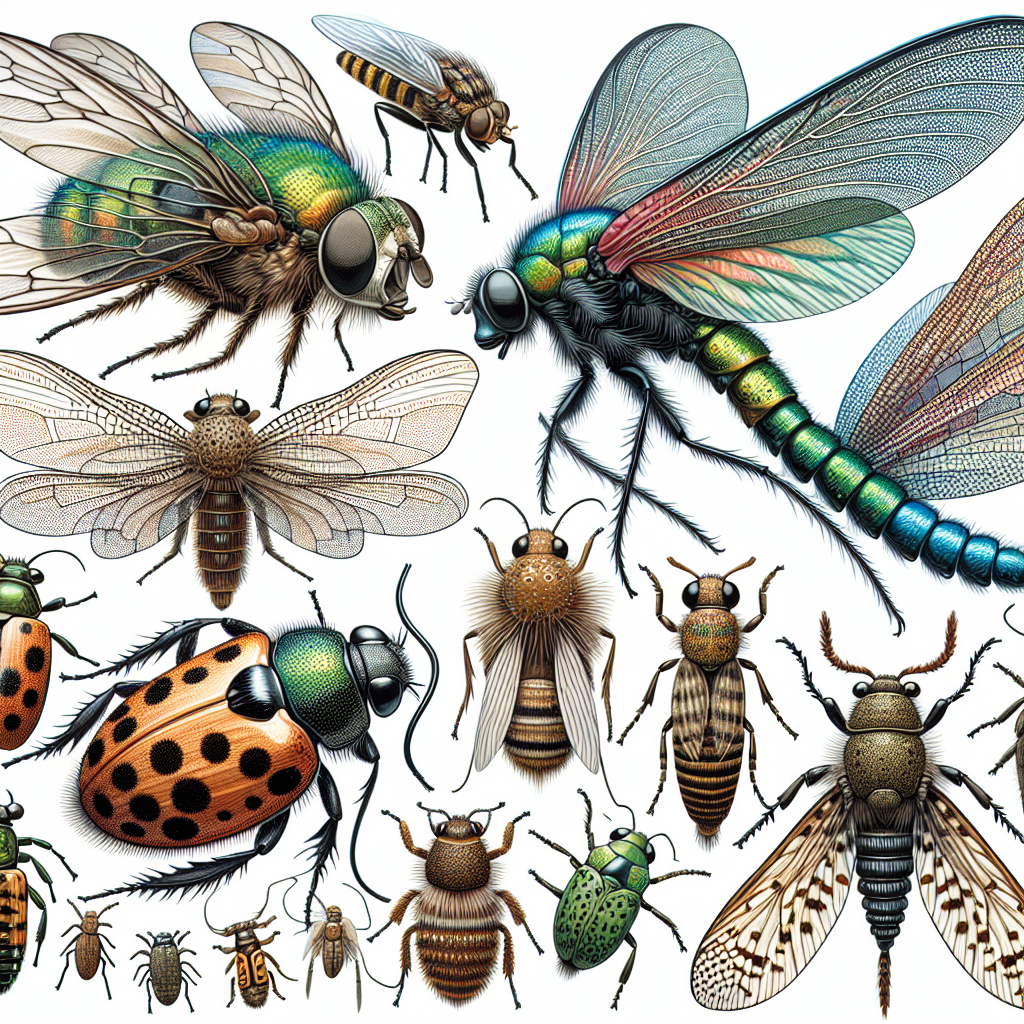
Hopper patterns include classics such as Dave’s Hopper, Joe’s Hopper, the Letort Hopper, and modern foam flies like the Chernobyl Ant, Morrish Hopper, and Thunder Thighs. Beetle patterns include the simple Foam Beetle, Fur Beetle, Japanese Beetle imitations, and peacock-herl or CDC beetles tied to sit flush in the film. As a rule, hopper flies are larger, commonly tied from size 6 through 12, while beetles are often size 10 through 18, with black being the standard fish-catching color. These are not rigid limits, but they reflect how naturals look on most trout water.
When hopper flies work better
Hopper flies work better when fish are willing to move for food, when currents are broken enough that a larger silhouette helps, and when bankside habitat actually supports grasshoppers. Late July through September is the classic window in much of the American West. By then, streamside grasses are mature, hay fields are dry, and afternoon wind regularly dumps naturals into the water. In those conditions, trout often station themselves inches off grassy undercuts, beneath overhanging weeds, or in foam lines beside cutbanks. A size 8 or 10 hopper is not just visible; it is expected.
The biggest advantage of a hopper is profile. On freestone rivers like the Madison, Yellowstone, or Deschutes, I want a fly that remains easy to track at distance, floats after repeated drifts, and can suspend a dropper nymph when needed. Foam hoppers and hybrid attractor terrestrials do that extremely well. They also land with enough presence to imitate a struggling natural. That small plop is often an asset, not a flaw, especially near undercut banks where a real hopper enters the water abruptly. Trout conditioned to that sound will turn fast.
Hoppers also excel as searching patterns. If you are prospecting likely structure rather than matching visible rises, a hopper covers water efficiently. It can be dead-drifted tight to cover, twitched subtly at the end of the drift, or skated across seams in windy conditions. Larger fish in particular respond to the caloric reward. A sixteen-inch trout gains more from a size 8 hopper than from a sparse size 16 beetle, so the fish may abandon caution in rougher water. That is one reason guides often start clients with hopper-dropper rigs on summer afternoons: the fly is visible, buoyant, and capable of drawing decisive takes.
When beetle flies work better
Beetle flies work better when fish are feeding with precision, when the surface is calm, and when the naturals present a small, low-floating profile. Many anglers underestimate how often trout eat beetles. On spring creeks, beaver ponds, and meadow streams, beetles can be the most dependable terrestrial of the season because they appear constantly, not just during a heavy wind event. Trees, alders, willows, and streamside brush shed beetles all day. Trout learn that a tiny dark oval in the film is a safe, common meal.
The hallmark of a productive beetle pattern is subtlety. A good foam beetle sits low, often with just a bit of foam or indicator post showing above the surface. In flat water, that matters. Trout inspecting food in slow current reject flies that ride too high or throw unnatural shadows. A black beetle in size 14 or 16 lands quietly, drifts naturally, and resembles dozens of actual species without requiring exact entomological matching. On technical water like Pennsylvania limestone creeks or the Henry’s Fork banks, I have seen trout refuse splashy hoppers and then eat a beetle on the next drift.
Beetles also outperform under overhanging vegetation. When casting beneath branches, you often need a compact fly that slips into narrow windows and does not snag as easily as rubber-legged hopper designs. Because beetles are dense in silhouette and simple in shape, fish identify them instantly. They are especially strong during bright midafternoon periods when many anglers assume dry-fly action is over. A quiet beetle dropped six inches from the grass can wake up trout that ignored larger attractors all morning.
Direct comparison: size, visibility, drift, and fish response
The fastest way to choose between hopper vs. beetle flies is to compare four factors: natural food source, water texture, fish mood, and presentation distance. If grasshoppers are abundant, the bank is grassy, and water is choppy, a hopper usually leads. If streamside brush or trees dominate, the current is smooth, and trout are rising delicately, a beetle usually leads. Visibility to the angler should not be confused with realism to the fish. Hoppers are easier for you to see; beetles are often easier for trout to trust.
| Factor | Hopper Flies | Beetle Flies |
|---|---|---|
| Typical hook sizes | 6-12 | 10-18 |
| Best water type | Broken currents, banks, riffle edges | Glides, undercuts, calm seams, overhangs |
| Primary strength | High visibility and bigger meal signal | Subtle, natural profile and quiet landing |
| Ideal season window | Mid to late summer through early fall | Summer through early fall, often all day |
| Common mistake | Too large for clear, flat water | Too small to track in rough current |
Fish response is shaped by energy economics. In turbulent water, trout have less time to inspect and favor an obvious target, which pushes the advantage toward hoppers. In slick water, they have more time to inspect, which shifts the edge toward beetles. Hooking percentages can differ too. Beetle eats are often clean sips because the fly sits low. Hopper takes can be explosive, but fish sometimes slash at oversized foam patterns without fully eating them. If you miss two quick hopper eats, downsizing or switching to a beetle is often the correct adjustment.
Fly design and tying considerations that affect performance
Pattern category matters, but specific design matters almost as much. I have tested commercially tied and hand-tied terrestrials side by side, and small tying choices change outcomes. On hoppers, the key variables are body bulk, leg placement, underbody color, and buoyancy. Deer hair heads and turkey wings look excellent, but foam bodies float longer and require less maintenance. Rubber legs add motion, yet overly long legs can twist leaders and cause refusals in clear water. Tan, golden, pink, and olive all produce, but local hopper coloration usually trends toward subdued earth tones rather than neon.
On beetles, simplicity wins. Black foam over peacock herl remains one of the most reliable combinations in fly fishing because it creates both silhouette and iridescent life. A small tuft of white poly yarn improves visibility without changing the footprint much. Too much hackle is a common problem; it makes the fly sit unnaturally high. For selective trout, I prefer sparse legs or no legs at all. Japanese beetle patterns with copper, green, or peacock accents can be deadly where those insects are common, particularly near agricultural edges and suburban rivers.
Hook choice affects both float attitude and landing ratio. A standard dry-fly hook works for many beetles, but short-shank wide-gap hooks improve hookups on foam terrestrials. For hoppers, curved or straight nymph hooks are sometimes used in foam styles to support larger bodies, though a dedicated dry hook often balances better. Floatant strategy differs as well. Powder desiccant works nicely on natural-material hoppers; paste floatant on CDC beetles is usually a mistake because it mats fibers. These details seem small until a difficult fish refuses three drifts in a row.
How to choose on the water and build a reliable terrestrial box
If you want a dependable system, start by reading the banks before you tie on a fly. Grass, hay, and meadow edges suggest hoppers. Brush, berry canes, and overhanging limbs suggest beetles. Then read the water. Fast pocket water, riffled banks, and windy afternoons support hopper use. Slow slicks, side channels, and cutbanks with gentle foam lines support beetles. Finally, read the rises. Splashy head-and-shoulder eats indicate confidence and mobility. Tiny dimples under branches point strongly toward beetles or ants.
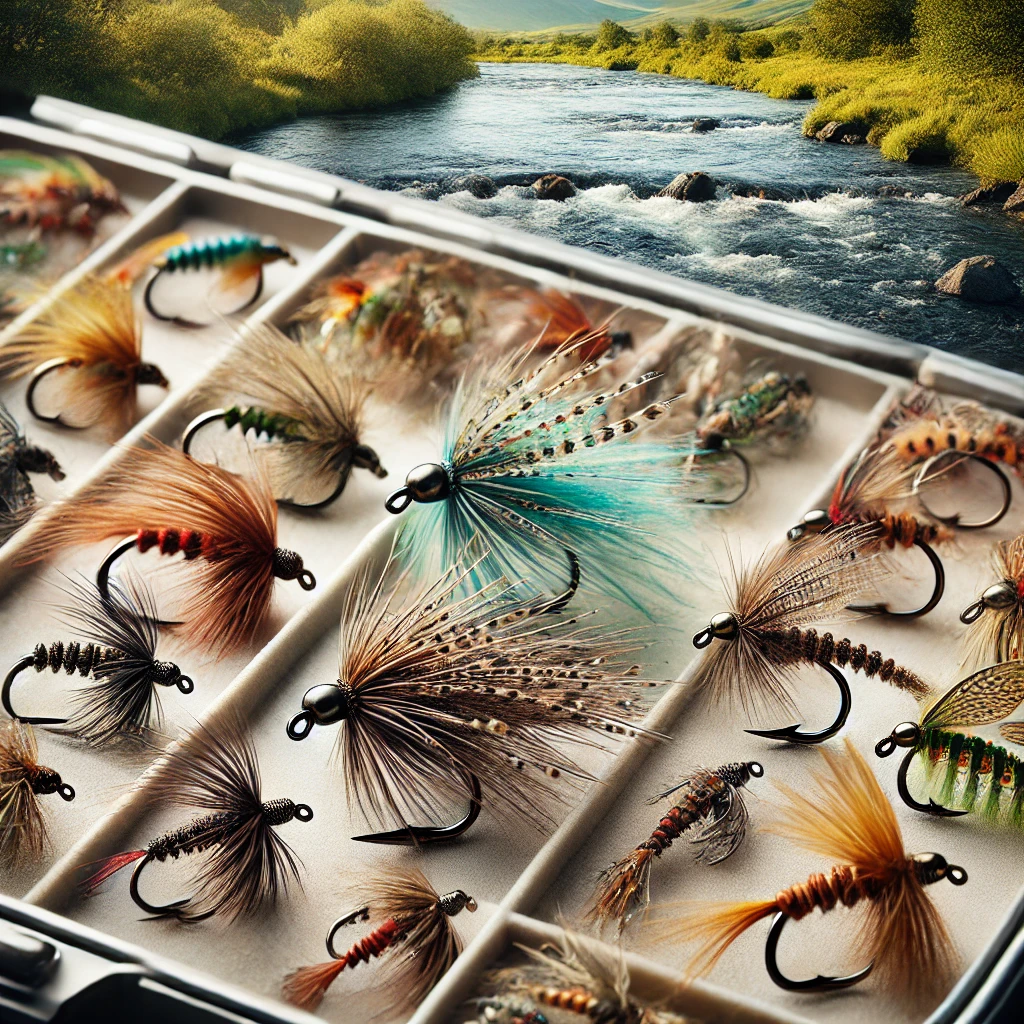
A useful terrestrial box should cover the main types of flies within this niche rather than duplicate the same pattern endlessly. Carry foam hoppers in sizes 8, 10, and 12; slimmer natural hoppers in 10 and 12 for flat water; black foam beetles in 12, 14, and 16; and ant patterns in 14 through 18 because ants often rescue the day when both hoppers and beetles fail. Add one or two attractor terrestrials like a Chubby Chernobyl for rough water and visibility. That spread gives you the core sub-pillar set for terrestrial fishing while linking naturally to broader fly pattern categories such as dries, droppers, and specialty attractors.
Presentation completes the choice. Fish hoppers close to banks first, often within inches of the edge, with deliberate mends to extend the drift. Fish beetles with softer landings and longer leaders, especially in clear water. After every refusal, change one variable: size, profile, or placement. Do not keep repeating the same drift with the same fly and expect a different result.
Hopper vs. beetle flies is not a contest with one permanent winner; it is a decision about conditions, forage, and trout behavior. Hoppers are usually better when fish need help seeing the fly, when currents are broken, and when grassy banks are dropping large meals into the drift. Beetles are usually better when trout are selective, currents are smooth, and overhanging vegetation supplies a steady trickle of small dark insects. Knowing that difference gives you more than two patterns to choose from. It gives you a framework for understanding terrestrial types of flies as a whole.
For most anglers, the smartest approach is simple: carry both, start with the pattern that matches the bank and water texture, and let fish tell you when to switch. Build your box around proven sizes, keep your tying sparse where realism matters, and pay attention to how the fly lands and rides. When you do, terrestrials stop feeling seasonal and become one of the most reliable dry-fly strategies of the year. Review your current fly box, add the missing hopper and beetle sizes, and put the comparison to work on your next summer session.
Frequently Asked Questions
What is the main difference between hopper flies and beetle flies when fishing terrestrials?
The biggest difference is profile, visibility, and the type of feeding response they trigger. Hopper flies imitate larger land insects such as grasshoppers and crickets, while beetle flies imitate compact, hard-bodied beetles that commonly fall into the water from streamside grass, brush, and overhanging trees. A hopper is usually a much bigger mouthful, lands with more presence, and is easier for both trout and anglers to see. That makes it an excellent searching pattern when you want to cover water, draw attention, or fish faster currents and broken pocket water.
Beetle flies, by contrast, are subtler and often more versatile than many anglers realize. Real beetles are extremely common in summer and early fall, and trout often eat them confidently because they appear helpless, natural, and low-risk. Beetle patterns sit lower in the film, create a smaller silhouette, and can be deadly on selective fish in clear, slower water where an oversized hopper may look too aggressive. If hoppers are the high-visibility power option, beetles are often the quiet, dependable producer that keeps catching fish after trout have refused bulkier patterns.
In practical terms, choose a hopper when you want flotation, visibility, and a strong terrestrial signal. Choose a beetle when you want a cleaner, smaller, more natural drift, especially during bright conditions, low water, or on pressured trout. Neither is universally better; each matches a different feeding mood and water type.
When should I fish a hopper instead of a beetle fly?
A hopper usually gets the nod when conditions favor a larger, more visible presentation. That often means midsummer through early fall, especially on windy afternoons when grasshoppers are active in bankside meadows and likely to get blown into the water. Hoppers shine on rivers with grassy banks, undercut edges, cutbanks, and riffle-to-run transitions where trout expect larger terrestrials to tumble past. They are also excellent when you need buoyancy for a dry-dropper setup, because most hopper patterns are built from foam, deer hair, or other high-floating materials.
You should also lean toward a hopper when you are trying to prospect rather than precisely match a likely food item. A larger hopper can pull fish from under banks, boulders, and pocket water because it is easy to spot and suggests a calorie-rich meal worth chasing. On rough water, hopper patterns remain visible to you and to trout, which is a real tactical advantage. In stained water, a hopper’s bigger footprint and stronger silhouette can outperform a tiny beetle that simply disappears in the chop.
That said, “fish a hopper” does not always mean fish the biggest pattern in your box. Size still matters. On smaller streams or on days when trout are eating terrestrials but seem hesitant, downsizing to a modest hopper can make a major difference. The key is to use the hopper when you want to show fish something substantial, easy to track, and seasonally believable near grassy structure and warm-weather banks.
In what situations do beetle flies usually work better than hoppers?
Beetle flies often work better when trout are feeding carefully, the water is clear and calm, or the fish have seen plenty of larger dry flies. Beetles are one of the most reliable “everyday” terrestrials because they are common almost everywhere there is bank vegetation, brush, or overhanging trees. Unlike hoppers, which can be somewhat habitat-specific and strongly seasonal, beetles show up consistently in many trout environments throughout the warm months. That makes them a highly dependable choice when you know fish are looking up but do not want to commit to a large pattern.
Beetles excel on spring creeks, meadow streams, slick glides, and slow seams where trout have time to inspect a fly. A low-floating beetle with a simple foam back and sparse legs can look extremely natural, especially if it lands softly and drifts without drag. Fish that refuse hoppers will often eat a beetle because it appears less imposing and more realistic. Beetles are also excellent close to shaded banks, beneath overhanging branches, and alongside logjams where real beetles frequently tumble into the water.
Another important point is that beetles are strong “change-up” flies. If you have moved a fish on a hopper but did not get a take, following up with a beetle can be a smart adjustment. The smaller profile, subtler landing, and lower-riding posture often convert fish that were interested but unconvinced. In short, beetles usually work better when trout are selective, conditions are calm, or you need a more understated terrestrial presentation.
How do water conditions and trout behavior help determine whether a hopper or beetle is the better choice?
Water type is one of the best decision-makers. In fast riffles, pocket water, broken seams, and places where drag is harder to detect, hopper flies are often the better tool. Their larger size helps them stay visible in rough water, and trout in these environments generally have less time to inspect a fly. A hopper can get quick, aggressive eats simply because it stands out and looks worth the effort. If trout are opportunistic and holding near structure, a hopper is often the more efficient pattern for covering water.
In slow pools, tailouts, glassy runs, and clear flats, beetles frequently take the lead. Trout in these settings see a fly longer, study its drift more carefully, and reject anything that looks too bulky, too stiff, or too splashy. A beetle’s compact silhouette and lower profile blend into these conditions better. If you notice subtle rises, hesitant follows, or refusals to larger dries, that is a strong signal to try a beetle.
Trout behavior matters just as much as current speed. Aggressive fish willing to move can crush hoppers, particularly near grassy banks during windy, sunny afternoons. More cautious fish, especially on heavily pressured waters, often respond better to beetles because they appear more natural and less conspicuous. If fish are slashing at the surface or reacting explosively, a hopper is a logical starting point. If they are sipping gently or inspecting and refusing, a beetle is often the smarter choice. Reading both the water and the fish usually tells you which terrestrial is more likely to succeed.
If I can only carry one terrestrial pattern for warm-weather trout, should it be a hopper or a beetle?
If you want the most universally useful single pattern, many anglers would argue for a beetle. Beetles are remarkably consistent across a wide range of streams, rivers, and even stillwaters, and they keep producing when conditions are tough, fish are pressured, or the water is low and clear. They are less specific than hoppers in terms of habitat, and trout rarely seem surprised to see one. A well-tied beetle in a couple of sizes can handle more scenarios than people expect, especially if your goal is steady effectiveness rather than maximum visibility.
However, if your fishing style leans toward covering water, fishing dry-dropper rigs, or targeting freestone trout in riffled, bank-oriented water, a hopper may be the better one-pattern answer. It is easier to see, floats heavier droppers better, and can draw aggressive strikes from fish that might ignore a tiny terrestrial. For anglers who fish a lot of western rivers, meadow banks, and windy summer afternoons, a hopper can be the more practical all-around choice simply because it doubles as both an attractor and an imitation.
The most honest answer is that the better “one fly” depends on where and how you fish. If your waters are technical, clear, and moderately pressured, choose a beetle. If your waters are bigger, rougher, grass-lined, or well suited to prospecting, choose a hopper. And if you can carry both, that is ideal: start with the hopper when you need visibility and search power, then switch to the beetle when trout want a more refined terrestrial meal.