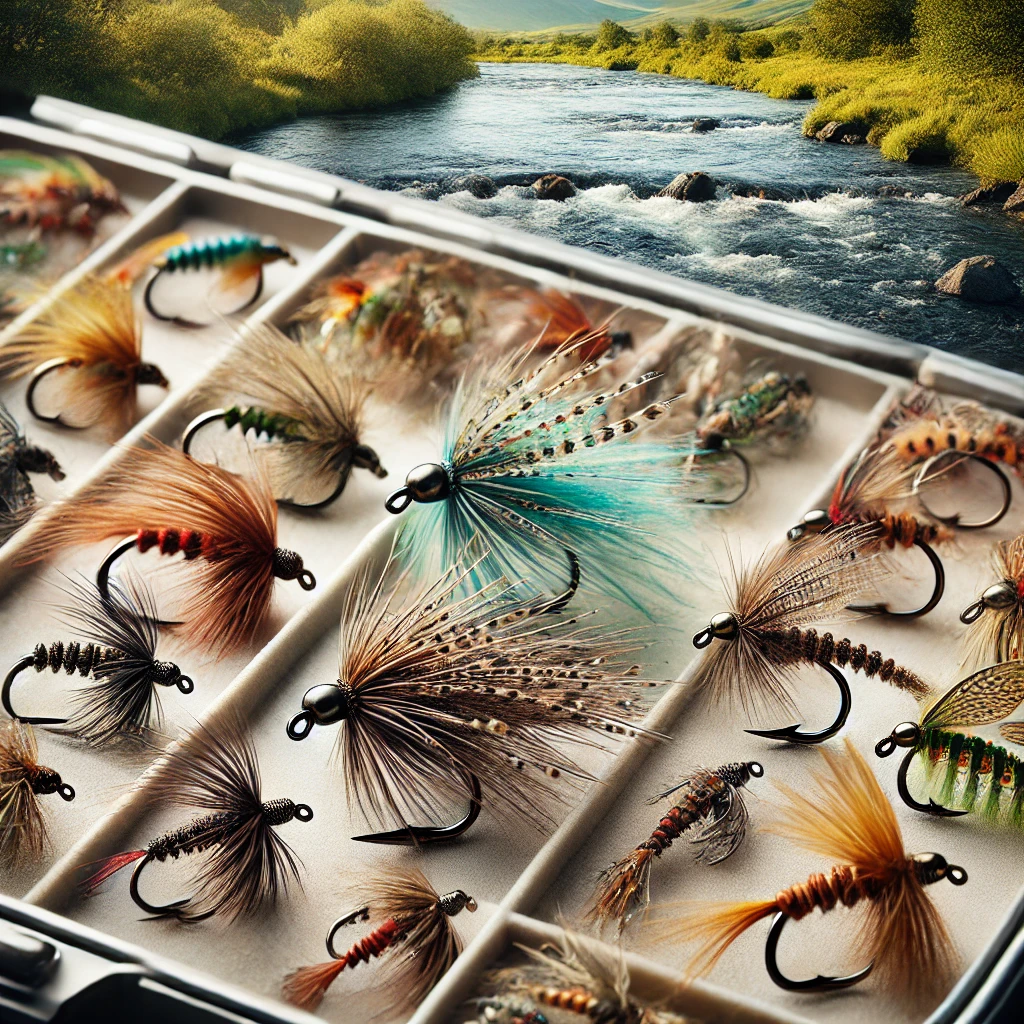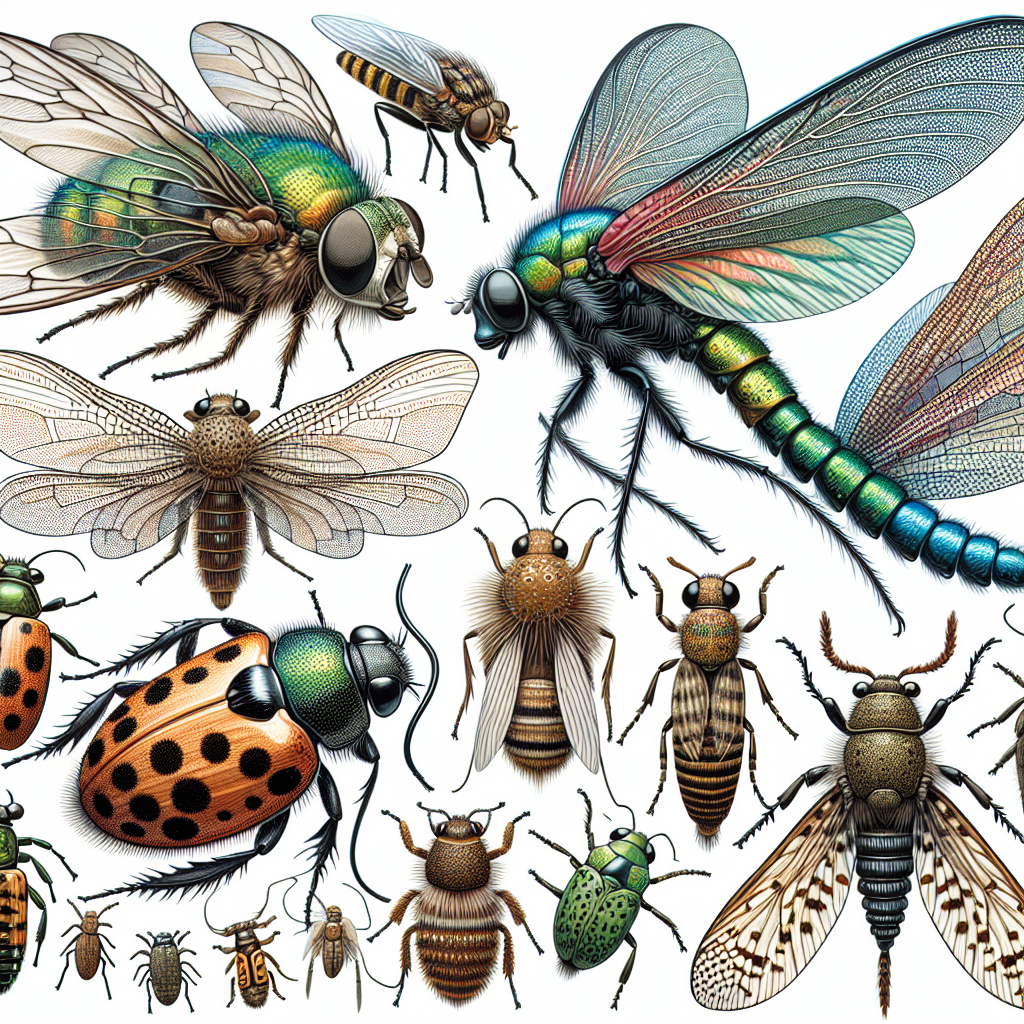
Choosing between a stonefly nymph and Pat’s Rubber Legs is really a question of matching water conditions, fish behavior, and the role each fly plays in your box. Within fly patterns and tying, “types of flies” usually means dry flies, emergers, nymphs, wet flies, streamers, terrestrials, and specialty attractors, but on many trout rivers the practical decision starts subsurface. If fish are feeding deep in current, your nymph choice drives both presentation and confidence. I have fished and tied both patterns across freestone rivers, tailwaters, and pocketwater, and they are not interchangeable even though they overlap.
A stonefly nymph, in the strict sense, imitates the immature stage of stonefly species such as Salmonflies, Golden Stones, Skwalas, and Little Black Stones. It is built to suggest segmentation, legs, wingcase, weight, and profile close to the natural insect. Pat’s Rubber Legs, by contrast, is a suggestive attractor nymph descended from large rubber-legged stonefly concepts. It often passes as a stonefly, but it also triggers strikes because of movement, silhouette, and visibility rather than exact realism. That distinction matters when current speed, water color, depth, and trout pressure change.
This article serves as a hub for types of flies by using this comparison to show how anglers should think about fly categories. Realistic nymphs answer matching-the-hatch problems. Attractor nymphs solve search and reaction problems. Streamers cover baitfish and territorial responses. Dry flies target surface feeding lanes. Emergers and soft hackles bridge stages. Terrestrials exploit seasonal land-based food. Understanding where a stonefly nymph and Pat’s Rubber Legs fit gives you a practical framework for every other fly family as well.
It matters because trout do not eat flies in a vacuum. They eat what is available, visible, and worth the energy. In cold, clear water with selective fish, details like body taper, leg placement, and natural color can decide the day. In high, off-color runoff, those same details can matter less than displacement, contrast, and getting the fly down fast. A good angler therefore reads water first, then picks the fly type. Pattern names are useful, but water conditions are the real organizing principle.
Where these patterns fit within types of flies
In the broad taxonomy of fly patterns, both of these flies sit in the nymph category, specifically subsurface trout nymphs intended to imitate or suggest large aquatic insects. That said, they represent two different branches of nymph design. A classic stonefly nymph is an imitation pattern. Common examples include the Kaufmann Stone, 20 Incher, Bitch Creek in some versions, Burk’s Golden Stone, and more anatomically specific patterns tied for Salmonflies or Skwalas. These patterns use biots, goose quill tails, turkey wingcases, dubbed thoraxes, and weighted underbodies to mirror real insects.
Pat’s Rubber Legs belongs to the attractor side of nymphs. It is usually tied with chenille or dubbed bodies, a heavily weighted underbody or bead, and rubber legs extending from the thorax and rear. It can imitate a stonefly nymph broadly, but its real power comes from a leggy, animated profile that fish can identify quickly in turbulent water. In the same way a Woolly Bugger is not a precise match to any one prey item yet catches trout almost everywhere, Pat’s Rubber Legs succeeds by being close enough while remaining easy to see and hard to ignore.
That distinction helps clarify types of flies as a whole. Some flies are imitative, built to copy a specific food form and stage. Others are impressionistic, preserving the right size, silhouette, or movement without exact detail. Others are pure attractors, designed to provoke a response. Most productive fly boxes include all three. When anglers ask what fly types they need, the practical answer is this: carry realistic patterns for selective conditions, suggestive patterns for mixed signals, and attractors for speed, color, and dirty water. Stonefly nymphs and Pat’s Rubber Legs anchor the second and third parts of that system.
Stonefly nymph fundamentals: what it imitates and when it excels
Stoneflies are among the most important large nymphs in trout streams because they live for one to four years underwater, making them available far longer than a brief hatch window suggests. Species in the families Perlidae and Pteronarcyidae, including Golden Stones and Salmonflies, thrive in well-oxygenated riffles and rocky substrates. Their bodies are flattened, segmented, and strong-swimming only over short distances; most of the time they crawl, cling, or tumble. Trout learn that these insects are calorie-dense. A size 4 to 10 stonefly nymph is a substantial meal compared with a size 18 mayfly nymph.
A realistic stonefly nymph excels when trout have time to inspect the fly or when natural stoneflies are genuinely abundant. Late winter Skwala periods, pre-runoff Golden Stone activity, and summer pocketwater all create windows where profile and tone matter. In clear water, olive, brown, black, amber, and golden shades often outfish louder combinations. Weight is critical because natural stoneflies hug bottom. I usually want the imitation near the streambed, ticking rocks without constant snagging. Split shot, tungsten beads, lead-free wire, and tight-line rigs all help maintain that contact zone.
Another advantage of realistic stonefly nymphs is predictability in pressured fisheries. On rivers that see daily nymph traffic, trout often distinguish between generic bugs and flies that drift with the right shape and restraint. Slimmer patterns can outperform bulky attractors in low flows because they sink efficiently and do not create excess drag. They also pair well in two-fly rigs: a larger stonefly as the anchor and a small mayfly, midge, or caddis dropper trailing behind. In that setup, the stonefly is not only a food item but also a delivery tool for the smaller fly.
Pat’s Rubber Legs fundamentals: why it works beyond imitation
Pat’s Rubber Legs became famous because it solves several river problems at once. It is easy to tie, durable, heavily weighted, and visible to both trout and anglers. More importantly, its rubber legs continue moving even when the drift is imperfect. Microcurrents, slight lifts, and bottom turbulence animate the appendages in a way natural materials cannot always match. In high-gradient freestone rivers, that movement can be the trigger. Trout positioned behind rocks or in side seams have little time to decide. A chunky, mobile profile drifting through their lane often wins the reaction.
Color also expands the pattern beyond strict stonefly use. Coffee and black, brown and orange, black and blue, and even tan combinations all have their place. The dark silhouette reads well in stained water, while bright hotspots can help fish locate the fly during runoff. I have seen Pat’s Rubber Legs fish effectively in conditions where true stonefly nymphs were not especially active simply because the fly acted as a general large-food signal. It can suggest cranefly larvae, hellgrammite-like bulk, or just a tumbling mouthful. Trout do not require taxonomic perfection to eat.
There are limits, and they are worth stating plainly. Pat’s can be too bulky for flat water, too loud for ultra-clear tailwaters, and too leggy when fish are keyed to smaller insects. Rubber legs can also foul around the hook bend if tied too long or cast with poor turnover. But when depth, speed, and visibility are the main obstacles, few flies solve them better. It is one of the best anchor flies ever created for indicator nymphing, contact nymphing, and high-water searching because it gets down, stays noticeable, and holds up after many fish.
Matching water conditions: depth, clarity, flow, and temperature
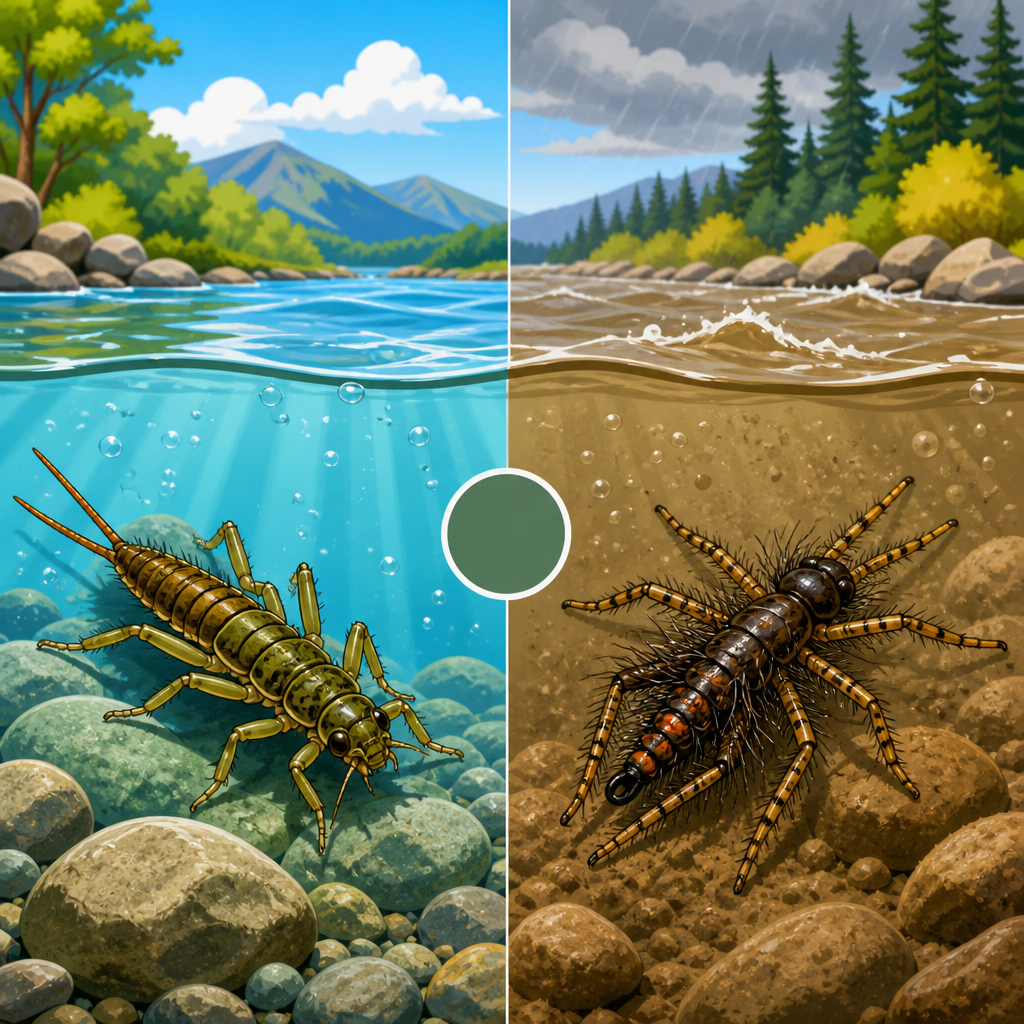
If you want a direct rule, use realistic stonefly nymphs when fish can inspect, and use Pat’s Rubber Legs when fish must decide quickly. Water clarity is the first filter. In clear water, especially under low flows and bright skies, a natural stonefly pattern generally produces more consistent eats. In off-color water with one to three feet of visibility, Pat’s gains an edge because contrast and motion matter more than perfect segmentation. During heavy runoff with less than a foot of visibility, black or dark brown Pat’s patterns are often easier for trout to track than carefully tied naturals.
Depth and current speed come next. Deep, fast slots favor flies with substantial weight and a broad target profile, which explains why Pat’s is so effective in pocketwater, plunge pools, and boulder gardens. Realistic stonefly nymphs can work there too, but many anglers underweight them or choose versions with too much drag-inducing material. In slower runs and shelves where trout hold near bottom but have longer viewing windows, a slimmer realistic pattern often drifts more convincingly. Water temperature matters as well. Cold fish in winter and early spring may prefer a precise bottom-hugging presentation over a bulky fly that rises unnaturally during mends.
| Water condition | Better starting choice | Why |
|---|---|---|
| Clear, low flow | Realistic stonefly nymph | Fish inspect longer; natural profile and subdued color matter more |
| Moderately stained, medium flow | Pat’s Rubber Legs | Movement and silhouette improve detection without needing exact detail |
| Deep pocketwater | Pat’s Rubber Legs | Weight and bulk help reach the strike zone and trigger quick reactions |
| Slow runs with pressured trout | Realistic stonefly nymph | Cleaner drift and imitative shape reduce refusal rates |
| Pre-hatch stonefly periods | Realistic stonefly nymph | Natural abundance increases the value of matching size and tone |
The final variable is bottom structure. Stoneflies live around cobble, rubble, and broken rock. When you see that substrate, a realistic stonefly case gets stronger. Pat’s still belongs there, but if the river lacks meaningful stonefly habitat and instead features soft sediment or weedy channels, it may be functioning mainly as an attractor. That is fine as long as you know why you are fishing it. Effective fly selection is not about believing a story; it is about understanding the feeding problem each pattern solves.
Rigging, presentation, and how each fly supports a system
Presentation often decides more fish than pattern choice, but the pattern influences how a rig behaves. A stonefly nymph usually excels when presented as part of a controlled dead drift with near-bottom contact. On a Euro-nymphing leader, a jigged stonefly with a tungsten bead can lead the rig or serve as the point fly, while a lighter perdigon, pheasant tail, or caddis pupa rides above or below depending on local regulations. Under an indicator, a weighted stonefly can act as the anchor, but I often downsize the body profile in clear water to reduce unnatural resistance.
Pat’s Rubber Legs shines in suspension and contact rigs because it combines traction and attraction. As an indicator anchor, it turns over split shot well and remains visible enough that many fish simply eat the top fly. In high sticks and short drifts, it gets noticed immediately when drifting through seams, plunge buckets, and cushion water. I often fish it six to twelve inches above a smaller confidence fly such as a zebra midge, Rainbow Warrior, or caddis larva during runoff. The larger pattern pulls the rig into the zone; the smaller pattern converts fish that are interested but cautious.
Hook design and weight distribution matter for both. Curved-shank hooks can create a stronger silhouette for some stonefly imitations, while jig hooks reduce bottom snagging. Tungsten beads sink faster than brass and are usually worth the extra cost in fast water. Rubber-leg length should roughly match the body length or shorter; overly long legs foul and look unnatural. Most importantly, adjust based on drift quality. If your stonefly nymph never touches bottom, add weight. If your Pat’s hangs every cast, shorten the drop or lighten the system. Matching water conditions includes matching sink rate.
How this comparison guides your broader fly pattern selection
The reason this discussion belongs at the center of a types-of-flies hub is that it teaches a repeatable method for choosing any pattern. First identify where in the water column fish are feeding. Second determine whether the situation rewards imitation or detection. Third pick the category that best fits the food form and current speed. The same logic applies outside nymphs. A sparse Parachute Adams handles visible but selective surface feeding better than a foam attractor. A baitfish streamer beats an insect pattern when trout are chasing sculpins. A soft hackle excels when insects are ascending.
For building a balanced fly box, think in functional groups rather than brand names. Carry realistic mayfly nymphs, caddis larvae and pupae, stonefly nymphs, attractor nymphs like Pat’s, a few midge patterns, dry flies in dun and hopper forms, and streamers in both slim and bulky profiles. This structure mirrors how guides and experienced anglers organize decisions on the water. You are not trying to own every pattern ever tied. You are trying to cover the major feeding scenarios with confidence patterns that match water type, visibility, and prey size.
For anglers developing tying skills, this comparison is equally useful. Tying realistic stonefly nymphs teaches segmentation, taper, wingcase proportion, and durable leg placement. Tying Pat’s Rubber Legs teaches speed, consistency, weighting, and practical durability. Both belong on the bench because they develop different competencies. More importantly, they teach judgment. The best tiers are not the people who can only produce beautiful flies. They are the anglers who know which design choices matter in a specific river condition and which details can be ignored without losing effectiveness.
Conclusion
Stonefly nymph versus Pat’s Rubber Legs is not a debate over which pattern is universally better. It is a lesson in how fly types function. Choose a realistic stonefly nymph when trout can inspect the fly, natural stoneflies are present, and a clean bottom-level drift is the main requirement. Choose Pat’s Rubber Legs when current is pushy, water is colored, depth is significant, and movement plus visibility need to do more work. Both catch fish consistently because both answer real conditions, but they answer different ones.
As a hub for types of flies, this comparison offers the broader takeaway every angler needs: categorize patterns by job, not just by name. Imitative flies match specific food. Suggestive flies bridge uncertainty. Attractor flies create chances in difficult water. Once you organize your box that way, every decision becomes simpler, from choosing a dry fly for a hatch to selecting a streamer for aggressive fish. Water conditions lead; fly patterns follow.
Use this framework the next time you approach a run. Read clarity, depth, current, substrate, and fish pressure first. Then tie on the fly that solves that exact problem, whether it is a natural stonefly nymph or a hard-working Pat’s Rubber Legs. Build the rest of your fly selection the same way, and your choices in every category will become more consistent, efficient, and effective.
Frequently Asked Questions
What is the main difference between a stonefly nymph and Pat’s Rubber Legs?
The main difference is that a traditional stonefly nymph is usually tied to imitate the shape, proportions, and behavior of a natural stonefly in a more literal way, while Pat’s Rubber Legs is often fished as a larger, more suggestive attractor nymph that still resembles a stonefly but adds movement, bulk, and visibility. A realistic stonefly nymph typically features a slimmer profile, a more segmented abdomen, a defined thorax, and materials chosen to imitate the natural insect closely. That makes it an excellent match when trout are clearly keyed in on actual stonefly nymphs drifting near the bottom.
Pat’s Rubber Legs, by contrast, is built to get noticed. Its chenille body, rubber legs, and often heavier overall silhouette make it highly effective in turbulent current, stained water, and situations where fish need a larger target or a stronger trigger. The fly does not have to be perfectly realistic to work. In fact, much of its success comes from the impression it gives off: protein-rich, alive, and easy to detect. It can suggest a stonefly nymph, but it can also function as a general attractor pattern that prompts reaction strikes.
In practical terms, the decision is less about whether one is “better” and more about what job you need the fly to do. If you want a closer hatch match in clear water or technical conditions, a dedicated stonefly nymph often gets the nod. If you need a confidence fly that pushes water, stands out, and fishes well as the anchor in a deep nymph rig, Pat’s Rubber Legs is hard to beat.
When should I choose a realistic stonefly nymph over Pat’s Rubber Legs?
A realistic stonefly nymph is usually the better choice when water clarity is good, fish are seeing flies well, and trout have time to inspect what is drifting by. In clear flows, especially on rivers with healthy stonefly populations, fish can become selective enough that profile, size, and color matter more than anglers sometimes think. In those moments, a slimmer and more natural-looking stonefly nymph often outperforms a bulkier attractor because it matches the insects trout are actually used to eating.
It is also a smart choice when fish are holding in softer seams, moderate depth, or feeding lanes where the drift itself matters as much as the fly. A realistic pattern tends to look more convincing during a clean, natural dead drift. If trout are eating subsurface insects without much aggression, you generally want subtlety rather than exaggeration. That is especially true during periods leading up to or during stonefly movement when naturals are present in meaningful numbers.
Another important factor is pressure. On heavily fished water, trout often see plenty of big, high-contrast attractor nymphs. A more imitative stonefly can separate your presentation from what everyone else is showing them. It can also be a better dropper behind a larger lead fly, giving the fish a realistic second option after the bigger pattern gets their attention. If conditions are technical, trout are wary, or you are trying to imitate a specific food source rather than simply trigger a response, the stonefly nymph deserves first consideration.
In what water conditions does Pat’s Rubber Legs usually outperform a stonefly nymph?
Pat’s Rubber Legs often shines in faster, deeper, or slightly off-color water where visibility and movement become more important than exact imitation. In heavy current, trout have less time to study a drifting fly, so a bold pattern that creates a strong impression can be the right answer. The rubber legs pulse and kick in the current, the larger body gives fish a substantial target, and the pattern is easy for trout to pick out even when the water is broken or turbulent.
It is especially effective after runoff, during high water, or anytime the river has a bit of stain. In those conditions, fish are frequently hugging the bottom and looking for calorie-rich meals that do not require much effort to intercept. Pat’s Rubber Legs fits that feeding window very well. It gets down, shows up, and suggests a lot of food in one package. Even when trout are not specifically focused on stoneflies, they often respond to it because it reads as a worthwhile opportunity.
This pattern also excels as a lead fly in a two-fly setup. Its weight and profile help carry the rig, and it can draw attention while a smaller, more realistic nymph trails behind it. On many Western-style trout rivers, anglers rely on Pat’s not only as an imitation but also as a searching pattern for pocket water, plunge runs, and deep seams. When the river is pushy, the fish are opportunistic, or you need a fly that maintains effectiveness in imperfect visibility, Pat’s Rubber Legs often has the edge.
How should I adjust size, color, and rigging based on water conditions?
Start by thinking about visibility, depth, and current speed. In clearer and lower water, downsizing usually helps. A more natural stonefly nymph in sizes that match local insects can look far less intrusive and produce more confident eats. In darker, faster, or deeper water, moving up in size with Pat’s Rubber Legs often makes sense because the fish need help finding the fly, and a larger silhouette travels better through turbulent current.
Color matters too, but usually within a sensible range. For realistic stonefly nymphs, common natural tones such as black, dark brown, golden brown, and olive-brown tend to cover most situations. For Pat’s Rubber Legs, black and coffee-and-black combinations are staples because they create contrast and remain visible in a variety of conditions. In dirty water, darker flies often stand out better as a strong silhouette. In clearer water, more subdued and natural shades usually blend in more convincingly with the food trout already expect to see.
Rigging is where many anglers either solve or create the problem. If you are fishing deep and fast water, Pat’s Rubber Legs is often best used as the point or anchor fly with enough weight to keep the drift near the bottom. A smaller stonefly nymph or another natural nymph can then be added as a trailer. In shallower or more technical water, a single realistic stonefly under an indicator, tight-line setup, or short-line presentation may drift more cleanly and snag less. The key is to match not just the fly, but the whole system, to the water in front of you. Depth control, drift quality, and contact with the fly are just as important as pattern choice.
Can I carry both patterns and use them together effectively?
Absolutely, and in many rivers that is one of the smartest ways to cover changing conditions. Carrying both a realistic stonefly nymph and Pat’s Rubber Legs gives you a flexible subsurface system rather than forcing you into a single style of presentation. One fly can serve as the attention-getter and the other as the natural follow-up. This is especially useful when you know trout are feeding deep, but you are not yet sure whether they want a close match or a stronger trigger.
A very effective approach is to fish Pat’s Rubber Legs as the lead fly and trail a more imitative stonefly nymph behind it. Pat’s helps the rig sink, adds motion, and attracts fish in broken current. The realistic nymph then offers a subtler target if the trout slide over for a look but hesitate on the larger attractor. That combination covers both aggressive and selective fish at the same time. It also lets you learn quickly from the fish’s response, because the pattern that gets eaten first tells you something about mood and feeding preference.
There is also strategic value in rotating between them during the day. Morning flows, light levels, and water color can favor one style, while afternoon clarity or changing fish behavior can shift the advantage to the other. Anglers who consistently catch fish subsurface are usually not thinking in rigid terms like “imitative versus attractor” as opposing camps. They are thinking about function. What gets down? What is visible? What looks believable in this current? What are the fish willing to commit to right now? Keeping both patterns in your box gives you answers to all of those questions and makes you far more adaptable on the water.