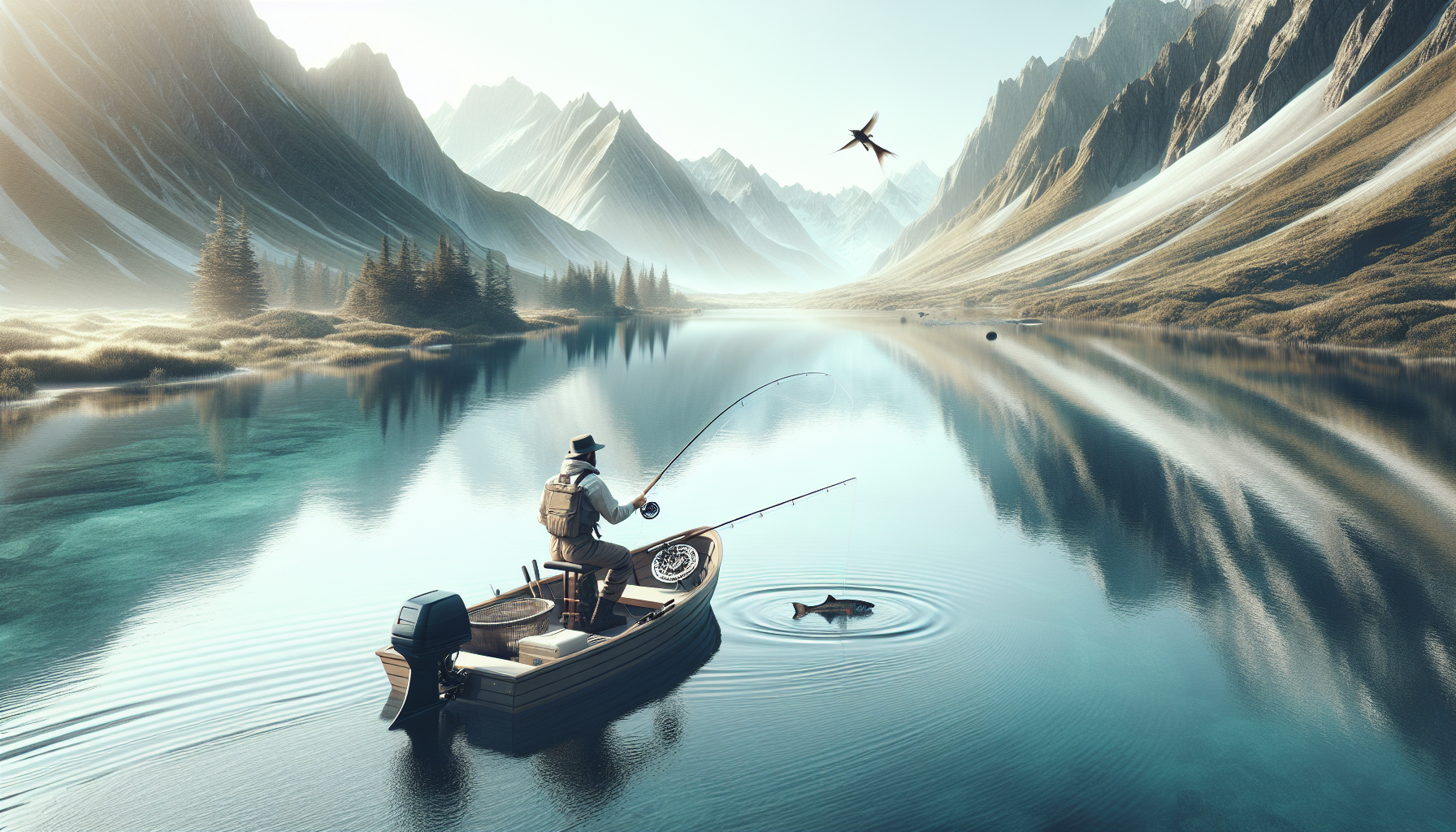
Fly fishing expeditions combine technical angling, remote travel, and deliberate planning into one of the most rewarding forms of outdoor adventure. In the “Fly Fishing Destinations” landscape, adventure fly fishing refers to trips that go beyond easy roadside access and simple day outings, often involving backcountry rivers, floatplane access, rafts, mountain hikes, saltwater skiffs, or multi-day camp logistics. I have planned and fished these trips across trout streams, coastal flats, and wilderness float routes, and the pattern is always the same: the best expeditions are not built around luck. They are built around research, timing, permits, safety systems, species knowledge, and realistic expectations.
For anglers searching “how to plan a fly fishing expedition,” the answer starts with defining the trip correctly. A destination trip is not automatically an expedition. An expedition usually includes higher uncertainty, more complex logistics, and more self-reliance. That could mean targeting sea-run brown trout in Tierra del Fuego, walking into alpine cutthroat water in the Rockies, floating for Arctic grayling in Alaska, or poling for permit in remote Caribbean fisheries. The fish matter, but the structure of the trip matters just as much. Weather windows, access constraints, gear failure, local regulations, guiding quality, and emergency planning all have direct effects on success.
This matters because fly anglers often underprepare for the parts of the trip that determine whether they actually fish well once they arrive. I have seen anglers spend thousands on travel and lodges, then lose valuable days because they brought the wrong line densities, skipped wader repair supplies, misunderstood local insect timing, or arrived with no plan for wind, cold, or altitude. Adventure fly fishing rewards detail. If you want this subtopic hub to guide your next trip, think of it as the framework connecting destination research, species strategy, seasonal timing, tackle selection, and field execution into one dependable system.
Choose the Right Expedition Style and Destination
The first planning decision is not which fly to tie on. It is what kind of adventure fly fishing experience you actually want. In practice, most expeditions fit into four categories: remote lodge-based trips, mobile float trips, backpacking or hike-in trips, and saltwater mothership or skiff-supported programs. Each format changes your packing list, physical demands, cost, and risk profile. A week at a wilderness trout lodge in Alaska has very different failure points than a do-it-yourself trek into a high-elevation headwater basin or a liveaboard trip for giant trevally.
Destination choice should begin with target species, access model, and seasonal stability. If your priority is numbers of fish and forgiving conditions, a Western trout river during a strong late summer terrestrial window may outperform a glamorous but technically difficult international destination. If your goal is a once-in-a-lifetime specimen, such as taimen in Mongolia or dorado in Bolivia, you need to accept higher costs, weather disruption, and more specialized tackle. Matching ambition to skill is one of the smartest expedition decisions an angler can make.
Use a shortlisting process. Start with species: trout, salmon, steelhead, bonefish, tarpon, permit, pike, musky, peacock bass, golden dorado, taimen, grayling, or char. Then evaluate seasonality, average water conditions, political stability, travel complexity, and fishery management. Serious anglers should look for fisheries with clear conservation rules, catch-and-release standards, and credible local operators. In my experience, destinations with strong guide culture and transparent regulations almost always produce better fishing and a better overall trip.
As the hub page for this subtopic, this article supports deeper planning around regional destination guides, species-specific travel articles, and gear breakdowns. When you compare those resources, keep one principle in mind: the ideal destination is not the most famous one. It is the one that matches your budget, casting ability, mobility, and appetite for uncertainty.
Time the Trip Around Fish Behavior, Water Conditions, and Weather
The best time for an expedition is the period when fish are available, water conditions are stable enough to fish effectively, and travel logistics are still reliable. Searchers often ask, “When should I book a fly fishing expedition?” The direct answer is this: book around biological windows first, weather patterns second, and your vacation calendar last. Fish behavior is driven by temperature, flow, migration, forage, tides, and light. Ignore those variables and even elite destinations can fish poorly.
For trout expeditions, runoff timing, water temperature, and food sources are central. A freestone river in June may be blown out in one year and perfect in another. Tailwaters can offer more consistency, but hatches still determine the style of fishing. For salmon and steelhead, run timing is everything, and local week-by-week historical data matters more than broad monthly averages. For saltwater species, tides, moon phase, cloud cover, and wind shape daily opportunity. Permit fishing, for example, can collapse under sustained wind even when fish are present. Bonefish are generally more forgiving, while tarpon often demand precise migration timing.
Ask outfitters for specifics, not generic assurances. Good questions include: What were the water levels during the same week in the last five seasons? What percentage of fishing days were affected by weather? What average fly size and line class were most effective last year? Which weeks are best for numbers versus trophy fish? Reliable operators answer directly and usually provide realistic tradeoffs instead of selling every week as prime time.
| Expedition Type | Key Timing Variable | Best Planning Question | Common Mistake |
|---|---|---|---|
| Freestone trout river | Runoff and insect calendar | When do flows usually become wadable? | Booking only by month, not flow history |
| Steelhead trip | Run timing and water clarity | Which weeks historically hold the freshest fish? | Assuming all “fall” dates fish the same |
| Bonefish flat | Tides and wind | What wind speeds reduce visibility on your flats? | Ignoring moon and daily tidal range |
| Tarpon migration | Migration pulse and weather | When do large fish usually arrive in numbers? | Choosing cheapest shoulder dates |
| Backcountry float trip | River level and temperature | What flows are safe and productive for floating? | Underestimating how fast conditions change |
Build a timing plan with a primary week and a backup option. That single step has saved several of my trips. If low snowpack changes runoff, if cyclonic weather hits the tropics, or if wildfire smoke affects access in the West, you need alternatives already researched. Adventure fly fishing is not about controlling nature; it is about planning around predictable uncertainty.
Build the Logistics: Budget, Permits, Travel, and Local Support
Expedition logistics are where many promising trips fail. A complete budget should include guiding or lodge costs, licenses, conservation stamps, flights, excess baggage, accommodations before and after the trip, transfers, gratuities, travel insurance, satellite communication if independent, and tackle replacement. For international travel, add visa requirements, customs rules for rods and reels, and currency planning. For remote domestic trips, account for bush flights, shuttle fees, raft rentals, bear-resistant food storage, and emergency extraction possibilities.
Permits and regulations deserve early attention. Many premier fisheries operate under limited access systems, indigenous land permissions, marine park rules, or seasonal closures. In the United States, backcountry permits can open months in advance and disappear quickly. In Patagonia, private water access rules vary by region. In the Bahamas, angling regulations and guide requirements can change. If a destination has a permit or licensing layer, handle it first; flights and lodging are secondary until access is secure.
Local support is a force multiplier. Even highly experienced anglers benefit from at least part of a trip with a respected guide, outfitter, or logistics fixer. Guides provide more than fish spotting. They shorten learning curves, validate safety decisions, solve transportation problems, and often know the current condition of roads, launches, camps, and crossing points. On a remote pike trip I planned, the guide’s warning about low water changed our boat choice and likely saved two days of frustration. That is the practical value of local knowledge.
Travel documents and emergency contacts should be organized in both paper and digital form. I keep passport copies, insurance details, permit numbers, charter contacts, medication lists, and evacuation information in a waterproof pouch and in offline phone files. If your destination is remote enough to qualify as an expedition, assume poor signal, delayed baggage, and weather-driven schedule changes. Redundancy is not excessive; it is standard operating procedure.
Select Gear That Matches the Fishery, Not Just the Species
Anglers often ask, “What gear do I need for an adventure fly fishing trip?” The accurate answer is that gear should be chosen for the fishery’s conditions, not just the fish itself. A 6-weight may be right for trout in one place and completely wrong in another if wind, stream size, or fly size differ. Start with the local casting problem: distance, wind, fly weight, water depth, and fish size. Then choose rod weights, reels, lines, leaders, and clothing that solve that problem consistently.
For trout expeditions, a 4- to 6-weight setup covers most situations, but line choice matters more than many anglers admit. On stillwaters or deep river edges, sinking lines dramatically outfish floating lines. For steelhead and salmon, two-handed rods may improve swing coverage and reduce fatigue. For saltwater, reel drag quality and corrosion resistance are non-negotiable. Bonefish tolerate many decent setups; permit, tarpon, and giant trevally expose weak reels, poor knots, and undergunned leaders immediately.
Bring backups for critical systems. On serious trips, I pack spare fly lines, extra leaders and tippet in the correct diameters, a second pair of pliers, hook files, headlamp batteries, ferrule wax, UV cure resin, and a compact repair kit with Aquaseal, zip ties, and waterproof tape. Waders, boots, and rain gear should be tested before departure, not trusted because they were fine last season. If you are traveling by air, carry on your rods, reels, essential medications, one day of technical clothing, and a minimal fly box so delayed luggage does not erase your opening day.
Flies should be selected by forage, visibility, and water type. Exact imitation matters on some spring creeks and may matter less on aggressive predator trips, but confidence patterns are not enough. Ask what actually moved fish in recent weeks. Named patterns such as Clouser Minnows, EP baitfish, Chubby Chernobyls, Squirmy Worms, Intruders, Crazy Charlies, Game Changers, and balanced leeches all have specific roles. A good expedition box is not large because it is random; it is large because it covers defined scenarios efficiently.
Prepare for Safety, Fitness, and On-the-Water Decision Making
Adventure fly fishing has real consequences when conditions deteriorate. Safety planning should cover wading risk, boating risk, wildlife encounters, weather exposure, navigation, hydration, and communication. The first question is simple: what can go wrong here, specifically? In Alaska, that may mean cold water, bears, and aircraft delays. In tropical saltwater, it may mean heat stress, sun exposure, coral cuts, and changing tides. In mountain terrain, think lightning, altitude, slips, and creek crossings. Good planning names hazards clearly and then assigns a control measure to each one.
Fitness matters more than many anglers expect. A trip can demand repeated uphill approaches, long hours standing on a skiff deck, sustained double-hauling in wind, or carrying camp gear over uneven ground. If your body fails, your fishing collapses even if the destination is perfect. Before demanding trips, I train for the exact movement pattern involved: walking with a loaded pack, balance work, shoulder mobility, and repetitive casting practice. This is not elite-athlete preparation; it is practical injury prevention.
Decision making on the water separates successful expeditions from expensive scenery tours. Productive anglers adjust quickly when the original plan stops working. If the river is too high to wade safely, switch to side channels or streamer water from the bank. If wind kills sight fishing, move to mangroves, channels, or blind-casting edges that still hold fish. If temperatures spike, fish early and late and protect the resource by minimizing handling stress. Adaptation is not a backup skill. On expedition trips, it is the core skill.
Finally, respect fish handling and local conservation norms. Use appropriate landing tools, keep fish wet, pinch barbs where sensible, revive fish fully, and know when not to fish because temperatures or spawning conditions make pressure irresponsible. The best adventure fly fishing is not just memorable. It leaves the fishery healthy for the next angler and the next season.
Use This Hub to Plan Better Destination-Specific Trips
This hub page is designed to anchor the “Adventure Fly Fishing” section within the larger “Fly Fishing Destinations” topic. Use it as your starting point for choosing a fishery, then move deeper into destination guides, species calendars, gear articles, guide-selection advice, and seasonal planning resources. The biggest takeaway is straightforward: successful fly fishing expeditions are won before the first cast. Choose a destination that fits your skill and goals, book around fish behavior, lock in permits and logistics early, pack for the real conditions, and build a safety plan that assumes variables will change.
After years of planning remote trips, I can say the anglers who have the best experiences are rarely the ones chasing hype. They are the ones who ask precise questions, prepare redundancies, and stay flexible once they arrive. That approach improves catch rates, protects budgets, and reduces preventable mistakes. It also makes the trip itself more satisfying, because you spend less time reacting and more time fishing with purpose.
If you are building your next adventure fly fishing plan, start with your target species and season, then map logistics and gear around that choice. Use this page as your expedition checklist, and continue into the related destination content to narrow your options with confidence. The right preparation turns a distant idea into a fishable, safe, and unforgettable adventure.
Frequently Asked Questions
What should I consider first when planning a fly fishing expedition?
Start by defining the kind of experience you want, because that decision shapes every other part of the trip. Some fly fishing expeditions are built around remote trout rivers reached by hiking or raft, while others focus on saltwater flats accessed by skiff, floatplane, or lodge-based travel. Your target species, preferred water type, tolerance for weather, and comfort with backcountry logistics all matter. A trip for wild trout in a mountain drainage requires very different preparation than a coastal expedition for bonefish, tarpon, or sea-run species.
Once you know the style of trip, research seasonality in depth. Water levels, migration windows, insect hatches, spawning closures, storms, tides, and air temperatures can determine whether a destination is merely fishable or truly exceptional. It is also important to understand access. Some destinations look straightforward on a map but involve permits, local guides, bush flights, shuttle coordination, border crossings, or specialized gear transport rules. Remote travel adds cost and complexity, so it helps to create a realistic budget early that includes not just rods and flies, but transportation, licenses, lodging or camp support, food, emergency communication, and contingency funds.
Finally, match the trip to your skill level and physical readiness. Adventure fly fishing often means long days, difficult wading, rowing, carrying gear, casting in wind, or managing fish in fast current or moving saltwater. A well-planned expedition should challenge you, but not overwhelm you. If you are new to a fishery or destination type, hiring a reputable guide for at least part of the trip can dramatically improve safety, efficiency, and your understanding of local conditions.
How do I choose the right destination for an adventure fly fishing trip?
The best destination is not always the most famous one; it is the one that fits your goals, timing, budget, and experience. Begin with the species you want to pursue and the style of fishing you enjoy most. If you love reading moving water and making technical presentations, a remote trout river may be ideal. If you prefer visual fishing and quick shots at cruising fish, shallow coastal flats might be a better fit. If you want a true expedition feel, consider destinations that require rafts, fly-in access, or multi-day camping, but be honest about whether you want rugged self-supported travel or a professionally organized trip with logistics handled for you.
Pay close attention to travel reliability and environmental volatility. Weather can cancel bush flights, blow out rivers, or make open-water crossings unsafe. Tidal systems can affect where and when fish are available. In mountainous regions, runoff can radically change water clarity and flow. A destination with incredible fishing potential may still be a poor choice if your travel window falls into an unstable period. This is where local knowledge becomes critical. Outfitters, experienced guides, and regional fishing reports can give you a much clearer picture than marketing materials alone.
Also consider how remote you want to be. True expedition travel offers solitude and exceptional water, but it also reduces your margin for error. Medical help may be far away, weather delays can strand you, and equipment failure matters more. For some anglers, that tradeoff is exactly the appeal. For others, a destination that blends wild fishing with manageable support is the smarter choice. A strong destination decision balances fish quality, access, conditions, safety, and the type of adventure you actually want to remember fondly.
What gear is essential for a multi-day fly fishing expedition?
Essential gear starts with a dependable rod and reel setup matched to the species and environment, but expedition planning should always include redundancy. On remote trips, a broken rod tip, failed fly line, leaking waders, or damaged boot can significantly impact your fishing. Whenever possible, bring a backup rod, extra leader material, spare tippet in the sizes you use most, replacement flies in proven patterns, and a second fly line if the destination is far from resupply. Saltwater anglers should also think about corrosion resistance, while backcountry freshwater anglers should prioritize durability and repairability.
Clothing and personal gear are just as important as tackle. Expedition fishing often means prolonged exposure to rain, cold mornings, intense sun, abrasive terrain, or freezing water. Layering systems, waterproof outerwear, proper wading gear, warm insulation, sun protection, polarized glasses, gloves when appropriate, and dry storage for clothing and electronics are non-negotiable. If the trip involves camps, rafts, or backpacking components, weight and packability become more important, but weather protection should never be compromised simply to save space.
Do not overlook safety and support equipment. A first-aid kit, satellite communicator or emergency beacon, headlamp, knife or multi-tool, fire-starting materials where appropriate, map or GPS resources, water treatment, and repair items for rods, rafts, tents, or waders can make the difference between inconvenience and emergency. If you are traveling by air, organize gear to meet baggage and transport rules, especially for fuel, tools, flies, and batteries. Good expedition gear is not just about fishing effectively; it is about staying functional, safe, and adaptable when conditions change.
Should I book a guide or outfitter, or can I plan the expedition myself?
That depends on the complexity of the destination and your experience with that type of fishing and travel. Self-planned expeditions can be deeply rewarding, especially if you enjoy research, route planning, camp systems, and solving logistical challenges. They also offer flexibility and can sometimes reduce costs. However, many adventure fly fishing trips involve variables that are easy to underestimate: river permits, local regulations, access rights, weather windows, shuttle timing, tide planning, bear-safe food storage, satellite communication, emergency contingencies, and fish behavior that changes dramatically with local conditions. In remote settings, local expertise is not a luxury; it is often a major safety and success factor.
A quality guide or outfitter can compress years of learning into a few days. They can put you on fish faster, help refine your technique for the specific fishery, and handle transportation, camp logistics, meals, and risk management. This is especially valuable in places where reading tides, navigating braided rivers, operating drift boats or skiffs, or dealing with wildlife hazards requires specialized knowledge. Even highly skilled anglers often benefit from guided support when exploring a new region for the first time.
A balanced approach works well for many travelers. You might hire a guide for the first part of the trip to learn the water, effective flies, safe access points, and daily rhythm of the fishery, then continue on your own with better information. When evaluating outfitters, look beyond catch photos. Ask about safety protocols, communication systems, equipment quality, weather contingency plans, conservation ethics, and how they tailor trips to different ability levels. A good outfitter should improve not only your catch rate, but the overall quality, safety, and confidence of your expedition.
How can I prepare for weather, safety, and unexpected problems on a remote fly fishing trip?
The best way to prepare is to assume that something will not go exactly as planned. Weather delays, lost luggage, high water, broken gear, vehicle issues, missed flights, and rapidly changing fishing conditions are normal parts of expedition travel. Start by building flexibility into your itinerary. Avoid connections that leave no margin, arrive early if remote transport is involved, and keep critical items such as wading layers, medications, documents, and a small core tackle kit in carry-on luggage whenever possible. If the trip depends on a floatplane, raft launch, or weather-sensitive transfer, having buffer time can save the entire experience.
Safety preparation should be practical and specific to the environment. In bear country, know food storage and encounter protocols. In saltwater environments, understand heat stress, sun exposure, dehydration, and boat safety. In mountain or backcountry settings, think about hypothermia, swift water, navigation, and communication limitations. Share a detailed itinerary with someone at home, know the nearest emergency resources, and carry a reliable satellite communication device when cell coverage is uncertain. Everyone in the group should understand basic first-aid procedures and what to do if conditions force a change in plans.
Just as important, prepare mentally to adapt. Experienced expedition anglers do not expect perfect conditions; they build systems that allow them to respond calmly. That may mean switching from wading to bank fishing during high water, moving to side channels when main flows are unsafe, changing fly size and presentation in poor visibility, or simply accepting a weather day and protecting the rest of the trip. Adventure fly fishing rewards preparation, but it equally rewards judgment. The goal is not to force the original plan at all costs. The goal is to return safely after making the most of changing conditions in a smart, measured way.