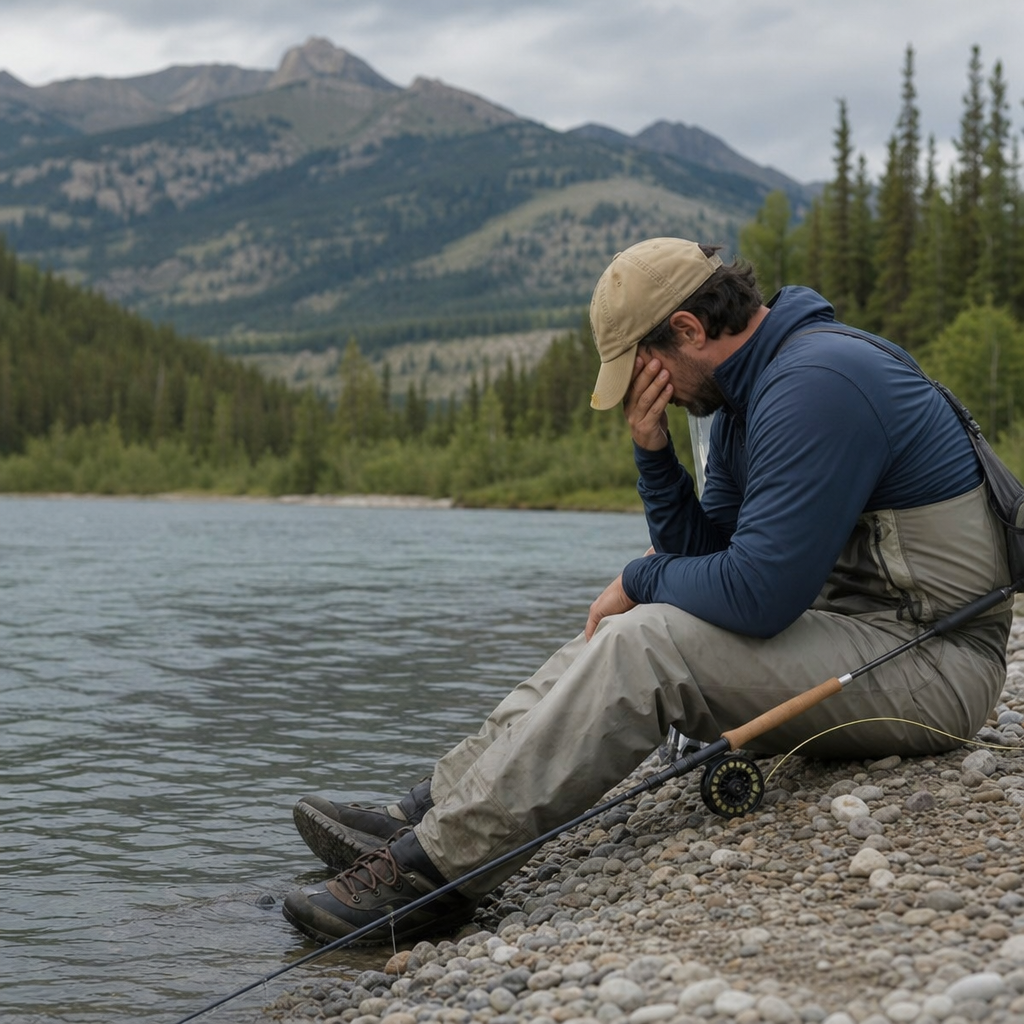
Jet lag can turn a dream fly fishing trip into a foggy, frustrating first week if you land exhausted, sleep at the wrong hours, and hit the river before your body clock catches up. On international fly fishing travel, jet lag is the mismatch between your internal circadian rhythm and the local time at your destination, usually caused by crossing multiple time zones too quickly for the body to adjust. I have seen it derail anglers headed to Patagonia, Iceland, New Zealand, and the Seychelles: they arrive with premium guides booked, ideal water conditions, and expensive permits in hand, yet spend the first sessions missing takes, tying poor knots, and fading by midafternoon. That matters because fly fishing demands timing, balance, visual focus, and sound judgment. Wading fast currents, rowing unfamiliar water, handling hooks, and making decisions about weather and access are all harder when sleep deprived. The good news is that jet lag is manageable with planning, disciplined timing, smart inflight habits, and a realistic first days strategy that protects both your health and your fishing performance.
This guide explains how to deal with jet lag on a fly fishing trip as a complete hub for international travel tips. It covers what causes jet lag, when it hits hardest, how to prepare before departure, what to do on travel day, how to recover after arrival, and how to plan your fishing schedule so the trip starts strong instead of feeling wasted. It also addresses common questions anglers ask: Should you take melatonin? Is caffeine helpful or harmful? How do hydration, alcohol, compression socks, daylight exposure, and meal timing affect recovery? What changes if you are carrying rods, waders, reels, and medications through long-haul airports? By treating recovery as part of trip logistics, just like leader selection or permit paperwork, you give yourself the best chance to fish well from day one and enjoy the destination you traveled so far to reach.
Understand why jet lag hits anglers so hard
Jet lag is not just tiredness. It is a temporary disruption of the body’s central clock, largely regulated by light exposure, melatonin secretion, core body temperature, and habitual sleep timing. Eastbound travel usually feels harder because advancing your sleep schedule is biologically tougher than delaying it. A six-hour shift to Iceland from the U.S. East Coast, or a ten- to thirteen-hour shift to New Zealand from North America, can produce insomnia at local bedtime, early waking, poor reaction time, stomach upset, and reduced concentration. Those symptoms directly affect casting mechanics, line management, reading water, and safe movement on uneven banks.
Fly fishing amplifies the problem because the sport often begins early, requires sustained visual attention, and takes place in cold, windy, or remote conditions. On a flats skiff, delayed reaction by even two seconds can mean missing a permit or bonefish shot. On a trout river, fatigue makes anglers rush mends, set the hook late, or stumble while crossing. Guides notice it immediately. The clients who say they are “fine” after an overnight flight often struggle to process instructions, remember fly changes, or maintain tempo through the morning. Understanding that jet lag is a performance issue, not merely a comfort issue, is the first step toward solving it.
Start adjusting before you leave home
The best jet lag strategy starts three to five days before departure. If you are traveling east, begin shifting bedtime and wake time earlier by thirty to sixty minutes per day. If you are traveling west, move them later. This partial adjustment reduces the size of the time-zone jump and makes the first night abroad much easier. I also advise anglers to adjust meal timing at the same pace, because appetite cues reinforce the sleep schedule. If dinner in Argentina will happen at 9:00 p.m. local time, start nudging your main meal toward that window before travel.
Use light deliberately. Morning light advances the body clock, while evening light delays it. For eastbound trips, get bright light soon after waking and reduce bright evening exposure. For westbound trips, seek later daylight and avoid very early bright light when possible. A light box can help during winter departures, but natural outdoor light is usually enough if used consistently. At the same time, cut sleep debt before travel. Many anglers stay up late packing, working, or checking hatch reports, then try to “sleep on the plane.” That is a mistake. Starting tired makes jet lag worse, reduces immune resilience, and increases the chance of getting sick on arrival.
Plan the itinerary around recovery, not just airfare
The cheapest or fastest ticket is not always the best ticket for a fishing trip. When I book complex international itineraries, I evaluate arrival time, connection stress, overnight duration, and transfer requirements alongside cost. Landing at 6:00 a.m. after fragmented cabin sleep and then driving four hours to a lodge is far harder than arriving midafternoon, checking in, having a light meal, and sleeping at local bedtime. If the destination is remote, such as a Tierra del Fuego sea-run brown trout camp or an outer atoll operation, an overnight city stop can save the trip.
Build a buffer day whenever budget permits. A single recovery day protects against delayed bags, missed rod tubes, weather-diverted charters, and the inevitable brain fog of long-haul travel. It also creates room to buy terminal tackle, re-rig reels, and organize licenses without rushing. Anglers often resist paying for a nonfishing day, but in practice that day improves the quality of every session that follows. If you cannot add a full day, at least avoid scheduling your most technical guided day first. Put the easier float, stocked stillwater, or informal DIY session up front, and save the demanding sight-fishing day for after your body clock improves.
Use travel day habits that reduce fatigue
On departure day, switch your watch and phone to destination time once you board the first long-haul leg. This simple step changes your decision making around meals, naps, and caffeine. Hydration also matters more than most anglers realize. Aircraft cabins are dry, and dehydration worsens headaches, fatigue, and constipation. Drink water steadily, not all at once, and add electrolytes if you tend to cramp or travel with heavy gear. Limit alcohol. A celebratory airport beer or inflight wine may feel harmless, but alcohol fragments sleep, increases dehydration, and leaves you dull on arrival.
Dress for circulation and temperature changes. Compression socks are worthwhile on long flights, especially for older anglers or anyone with risk factors for venous problems. Walk the aisle every couple of hours, flex the ankles in your seat, and avoid spending the entire flight slumped over a carry-on rod case. Choose meals carefully. Very heavy, salty food makes sleep and hydration harder. A lighter meal with protein and complex carbohydrates is usually better. If sleep aligns with destination nighttime, use an eye mask, neck pillow, earplugs, and a sleep routine you trust. If it does not, stay awake and save sleep for the proper local window.
| Jet lag tactic | Best use | Why it helps anglers |
|---|---|---|
| Shift sleep before departure | 3 to 5 days before travel | Reduces circadian mismatch and improves first-night sleep |
| Morning or evening light exposure | Based on eastbound or westbound travel | Speeds body clock adjustment more effectively than willpower |
| Hydrate and limit alcohol | Flight day and arrival day | Preserves focus, reduces headaches, and supports wading safety |
| Recovery day on itinerary | After long-haul arrival | Protects guided days, gear setup, and decision making |
| Delay hard fishing sessions | First 24 to 48 hours | Prevents mistakes in casting, knots, boat handling, and navigation |
Manage sleep aids, caffeine, and melatonin carefully
Many anglers ask whether melatonin works. In my experience, it can help when used as a timing tool rather than a sedative. Low doses, often around 0.5 to 3 milligrams, taken near the intended local bedtime may support adjustment, particularly after eastbound travel. More is not necessarily better. Higher doses can leave some travelers groggy or vivid-dreaming the next morning. Because products vary, use a reputable brand and test it at home before relying on it abroad. If you take prescription sleep medication, consult your physician before travel, especially if you will be fishing, driving left-side roads, or handling boats shortly after waking.
Caffeine is useful when timed well and harmful when used indiscriminately. Early local morning caffeine can reinforce wakefulness and improve alertness for the first session. Late afternoon caffeine can push bedtime back and prolong jet lag. A practical rule is to stop six to eight hours before planned sleep, adjusting for your sensitivity. Avoid the cycle of sleeping poorly, overcaffeinating, crashing, and napping too late. Short naps can help, but keep them to about twenty to thirty minutes, or ninety minutes if you truly need a full cycle, and do not take them near evening. The goal is adaptation, not temporary survival.
Reset quickly after arrival at the destination
Once you land, daylight is your strongest tool. Get outside as soon as practical, even if the weather is poor. A walk, easy casting session, or simple tackle organization in natural light helps anchor the new time zone. Eat on local time, not your home schedule. If you arrive in the morning, stay awake until at least early evening unless safety demands a nap. If you arrive in the evening, keep the first night simple: light dinner, hydration, shower, minimal screen exposure, and bed at a normal local hour.
Keep expectations realistic for the first forty-eight hours. Your body may feel awake while your coordination and judgment remain impaired. That is when avoidable mistakes happen: leaving passports in lodge dryers, dropping reels on boat ramps, forgetting forceps, or wading too aggressively in glacial rivers. Use checklists. I recommend a small arrival checklist covering documents, medication, rod tubes, wader boots, flies, charging cables, and guide meeting times. This is also the right time to inspect gear that traveled in the hold. Confirm that rod sections, reel drag settings, and fly boxes survived transit before you are standing riverside in low light.
Match your fishing plan to your recovery curve
The smartest anglers do not try to fish at full intensity immediately. They sequence the trip. Day one is for orientation: get licenses in order, review local regulations, scout access points, stretch after travel, and fish an easy window if energy allows. Day two is for moderate effort, often with extra breaks and simple tactics such as indicator nymphing, streamer swings, or blind casting over forgiving water. Save technical dry-fly sight fishing, permit hunting, long hikes into backcountry beats, or demanding spey days for when sleep normalizes and your reactions sharpen.
Communicate honestly with your guide. A good guide would rather know you are jet-lagged than watch you make poor decisions with hooks, oars, or wading staff placement. Ask for a later start if dawn is not critical, or request a lunch break long enough to reset. On DIY trips, be even more conservative because there is no guide to compensate for your slower processing. The same principle applies to driving. International fly fishing often includes unfamiliar roads, opposite-side traffic, gravel tracks, ferry transfers, and livestock hazards. If you are deeply fatigued, hire the transfer, split the drive, or stay the night en route rather than forcing it.
Protect health, paperwork, and gear during international travel
Jet lag rarely travels alone. Long-haul anglers also deal with customs forms, medication rules, biosecurity checks, and baggage risk. Keep critical items in your carry-on: one change of technical clothing, prescription medications in original packaging, glasses, documents, a small fly box, leaders, and at least one rod if airline dimensions allow. Countries such as New Zealand and Chile can scrutinize boots and waders for mud, seeds, and organic residue, so clean and dry gear thoroughly before departure. Biosecurity delays are harder to manage when you are tired and disoriented.
Insurance is another overlooked piece of recovery planning. Trip interruption, baggage coverage, emergency medical protection, and evacuation services matter more on remote fishing itineraries than on ordinary vacations. Fatigue increases small errors, and small errors become expensive when charters, guide days, or lodges are involved. Finally, respect your limitations. If jet lag is severe, if you feel ill, or if altitude, heat, or cold compounds the problem, step back for a day. Missing one session is better than risking injury, lost gear, or a ruined week. Plan your next international fly fishing trip with recovery built in, and you will fish sharper, safer, and happier from the moment you reach the water.
The core lesson is simple: jet lag is predictable, and predictable problems can be managed. Adjust your schedule before departure, choose flights that support sleep instead of sabotaging it, hydrate consistently, control light exposure, use caffeine and melatonin with care, and give yourself at least a little recovery time on arrival. For fly anglers, that preparation pays off immediately in safer wading, better casting rhythm, cleaner knot tying, sharper observation, and more enjoyable time with guides, lodges, and travel partners. International fly fishing is too expensive and too rare to spend the opening days half awake.
Think of recovery as part of your tackle system. Just as you would not show up in Patagonia without the right leaders or head to the flats with a rusty hook, you should not cross oceans without a jet lag plan. Build one into every trip brief, packing list, and itinerary review. Then use this hub as your starting point for the rest of your international travel preparation, from gear transport and documentation to destination timing and first-day logistics. If you plan well, your body clock will stop working against you, and the water you traveled so far to fish will finally get your full attention.
Frequently Asked Questions
What is jet lag, and why does it hit so hard on a fly fishing trip?
Jet lag is the disconnect between your internal body clock and the local time where you have landed. When you cross several time zones quickly, your circadian rhythm does not instantly reset just because the plane touched down. Your body may still think it is midnight when the guide is expecting you on the river at 7:00 a.m., or it may push you wide awake at 2:00 a.m. when you desperately need sleep before a long day of wading, casting, and travel. On a fly fishing trip, that mismatch tends to feel worse because the days are physically demanding and highly structured. Early starts, long transfers, changing weather, technical casting, boat rides, and the concentration required to read water all magnify the effects of poor sleep and mental fog.
For anglers, the consequences are more than simple tiredness. Jet lag can reduce coordination, slow reaction time, dull judgment, and make it harder to notice subtle takes or make accurate presentations. That matters whether you are stalking trout in Patagonia, timing casts to Atlantic salmon in Iceland, sight fishing in the Seychelles, or adjusting to seasonal daylight patterns in New Zealand. It can also affect mood and patience, which becomes especially noticeable when travel logistics, gear changes, and unfamiliar fisheries already demand flexibility. In short, jet lag hits hard on fly fishing trips because the sport asks a lot from both mind and body, and there is very little room for low energy if you want to enjoy the trip and fish well.
How can I prepare before I leave so jet lag does not ruin the first few days?
The best way to deal with jet lag is to start before departure, not after arrival. If possible, begin shifting your sleep and wake times a few days ahead of the trip toward your destination time zone. Even moving your bedtime and wake-up time by 30 to 60 minutes per day can make a real difference, especially on long-haul international itineraries. If you are flying east, going to bed earlier before departure usually helps; if you are flying west, staying up a little later can be useful. You should also pay attention to your meal timing, since eating on a schedule closer to destination time can help reinforce the adjustment.
Just as important is arriving with as little sleep debt as possible. Many anglers make the mistake of pushing hard at work, packing at the last minute, sleeping poorly the night before departure, and assuming they will “catch up on the plane.” That rarely works well. A better strategy is to prioritize sleep for several nights before you travel, hydrate consistently, and keep alcohol to a minimum in the final 24 to 48 hours before takeoff. It also helps to choose flights strategically if you can. Routes that allow you to sleep during your destination’s nighttime, or arrive with enough time for a soft first day, are usually worth it. When planning a serious fly fishing trip, especially one with expensive lodge days or limited prime tides, paying attention to timing can protect the quality of the entire experience.
What should I do during the flight to reduce jet lag as much as possible?
What you do in the air matters more than many travelers realize. Start by setting your watch or phone to destination time once you board. That simple shift encourages you to think in local time and begin aligning your behavior accordingly. If it will be nighttime at your destination during the flight, do your best to sleep. Use an eye mask, neck pillow, earplugs or noise-canceling headphones, and avoid unnecessary screen time that can keep your brain stimulated. If it will be daytime at your destination, stay more alert, keep cabin naps short, and expose yourself to as much light as practical.
Hydration is another major factor. Long flights are dehydrating, and dehydration can make fatigue, headaches, and general travel misery feel much worse. Drink water regularly throughout the flight, and be cautious with alcohol. A drink or two may feel relaxing, but alcohol often fragments sleep and leaves you more depleted on arrival. The same goes for overdoing caffeine. Used carefully, caffeine can help you stay awake at the right time, but too much can leave you jittery, dehydrated, and unable to sleep when you finally need rest. It is also smart to move around every few hours, stretch, and avoid sitting rigidly for an entire long-haul segment. A little movement improves circulation and often helps you feel less sluggish when you land, which is especially valuable if your first day includes transfers, unpacking rods, and getting organized for fishing.
What is the best way to recover after I arrive at my destination?
The fastest recovery usually comes from committing to local time immediately. Once you arrive, act as though your body is already on destination time, even if it does not feel natural yet. Get outside in daylight as soon as you can, because light exposure is one of the strongest tools for resetting your internal clock. Morning light is especially helpful if you need to shift earlier, which is often the case after eastbound travel. Light movement also helps. A walk, easy unpacking, gentle stretching, or a relaxed first afternoon around the lodge can help your body settle without exhausting you before the adjustment has started.
You should also be smart about naps. A short nap can be useful if you are completely drained, but keep it brief and early enough that it does not interfere with nighttime sleep. As a rule, a 20- to 30-minute nap is safer than sleeping for several hours in the afternoon and then staring at the ceiling all night. Eat meals on local time, hydrate steadily, and avoid the temptation to compensate with excessive caffeine late in the day. If your schedule allows, do not make your first day your hardest fishing day. A softer arrival day or half-day session can preserve energy, reduce frustration, and let you enjoy the fishery once your focus catches up. Many experienced traveling anglers build in at least one buffer day for exactly this reason, especially when the trip involves major time-zone changes and physically demanding fishing.
Can I still fish well while jet-lagged, and when should I worry that it is more than normal travel fatigue?
Yes, you can still fish while jet-lagged, but it helps to adjust your expectations and your strategy. On the first day or two, focus on efficiency rather than trying to fish at full intensity from dawn to dark. Keep your gear organized, simplify your fly choices, and slow down your approach. Jet lag tends to increase mental errors: missed knots, forgotten tippet changes, poor line management, careless wading decisions, and rushed casting. If you know you are not sharp yet, build a little margin into the day. Double-check leaders, hydrate more than you think you need to, take breaks, and listen carefully to the guide. This is especially important in remote fisheries where conditions, currents, boats, or wading terrain demand full attention.
That said, there is a point where normal jet lag may be mixed with something else. If you have severe dizziness, chest pain, shortness of breath, significant dehydration, confusion beyond ordinary fatigue, or symptoms that do not improve over several days, it is worth taking the situation seriously. International travel can layer sleep loss, dehydration, altitude changes, illness exposure, and physical overexertion on top of circadian disruption. Most jet lag improves gradually as you align with local time, but if you feel progressively worse rather than better, you should not just assume it is part of the trip. For most anglers, though, the practical reality is this: accept that the first day or two may not be your sharpest, manage your energy wisely, and let the trip build. Once your body clock catches up, your casting, concentration, and enjoyment usually come back quickly.