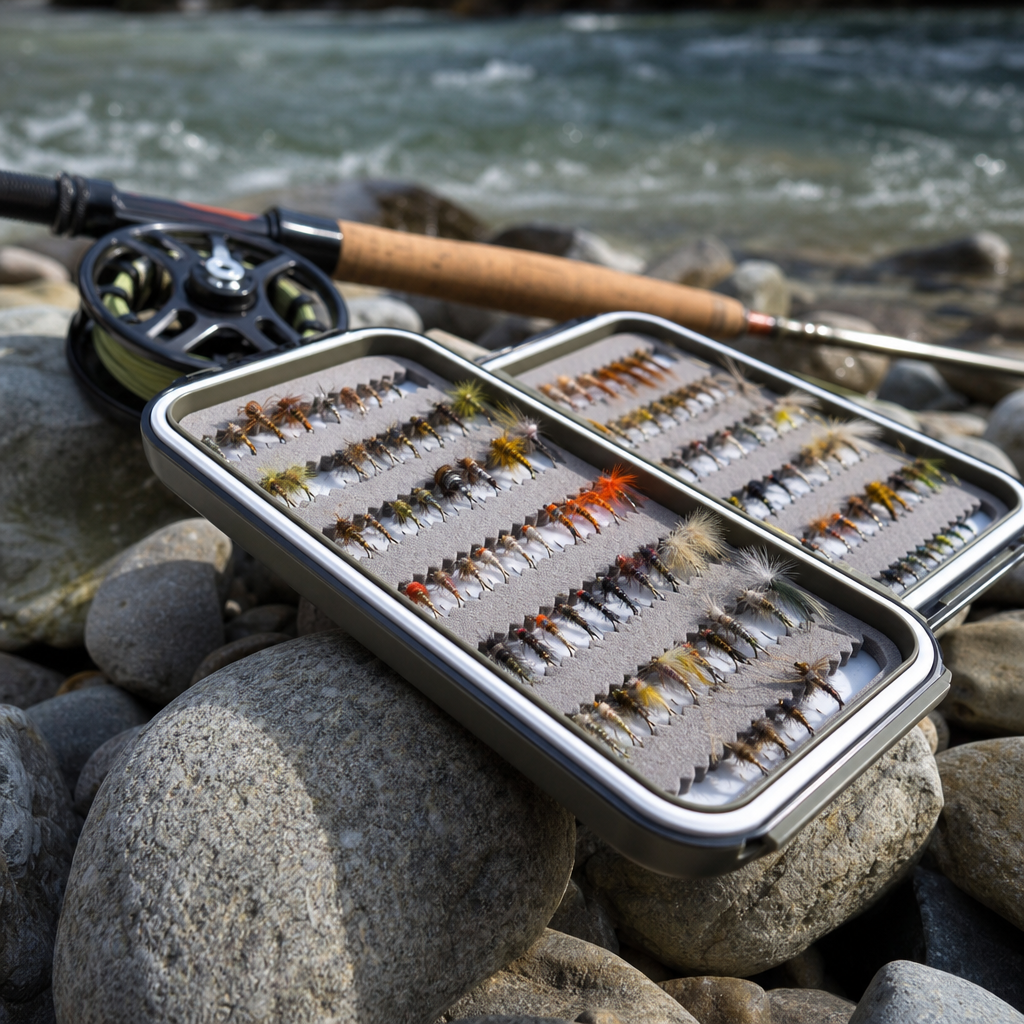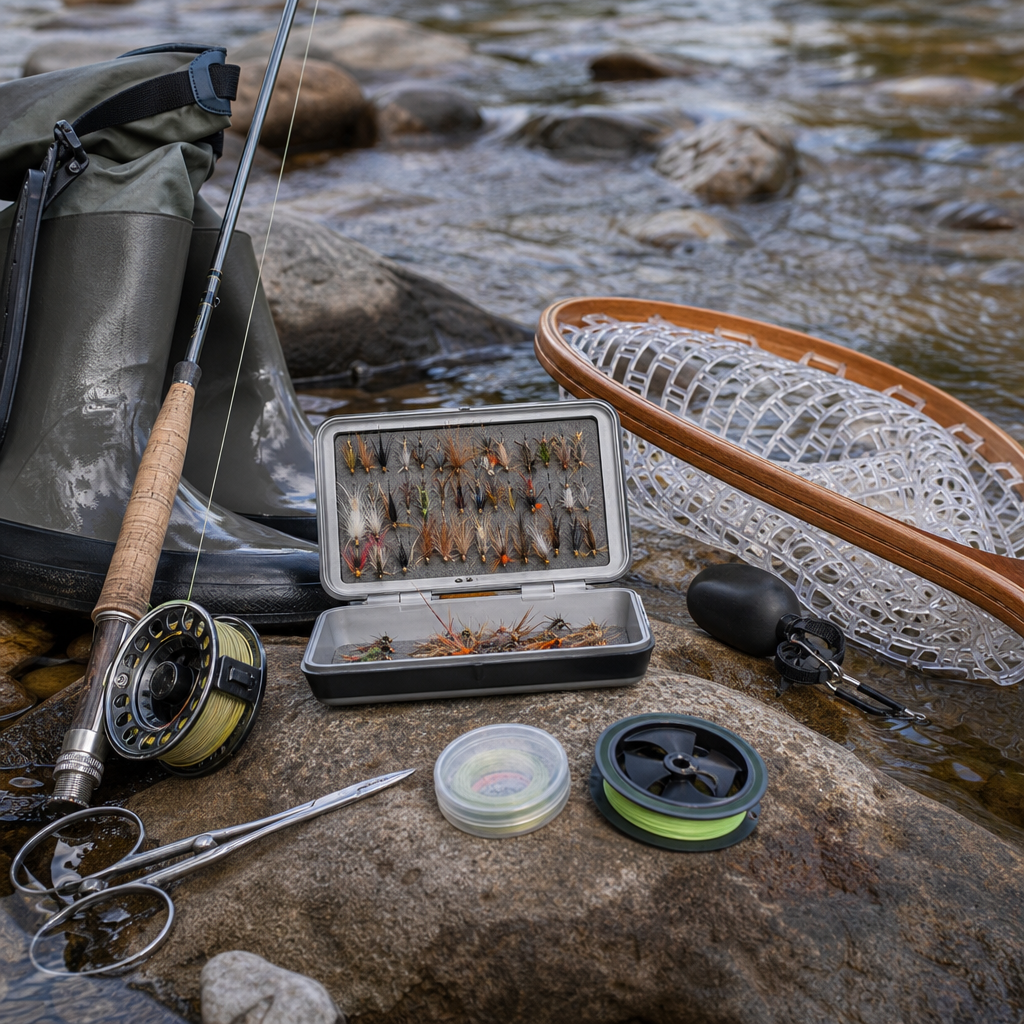
Choosing the right fly fishing rod in 2026 matters more than ever because modern rod design has become highly specialized, and the difference between an average setup and a dialed-in one shows up immediately in casting accuracy, fish fighting control, and long-term enjoyment on the water. A fly fishing rod is the primary tool that transfers casting energy from your hand to the fly line, and its length, line weight, action, taper, material, and build quality directly affect how efficiently you present flies in rivers, lakes, salt flats, and surf. After testing premium and mid-tier rods across trout streams, warmwater ponds, and coastal fisheries, I can say the current market rewards anglers who match a rod to a realistic use case instead of chasing hype. That is why a carefully ranked list of the top fly fishing rods for 2026 is useful: it helps anglers understand not just which models are popular, but which rods solve specific problems. In this guide, I cover ten standout rods, explain what each does best, and clarify how to choose based on target species, casting style, and value.
What makes a fly fishing rod one of the best in 2026
The best fly fishing rods for 2026 combine strong recovery speed, low swing weight, consistent tracking, and practical fishability rather than showroom flash alone. In plain terms, recovery speed is how quickly the rod stops wobbling after the cast; faster recovery usually means tighter loops and better distance. Swing weight is how heavy the rod feels in motion, which affects fatigue over a full day. Tracking describes whether the rod tip stays on a clean path during the casting stroke. Good rods also need durable guides, quality cork, reliable reel seats, and ferrules that stay secure after hours of use.
Most high-end rods now use advanced graphite layups with proprietary resin systems to reduce excess material while preserving hoop strength. Brands such as Sage, G. Loomis, Orvis, Winston, Scott, and Hardy continue to lead because they refine taper design instead of only making rods stiffer. That distinction matters. A powerful rod that cannot protect light tippet or load at fishing distance is not versatile. By contrast, a well-designed fast-action rod can cast twenty feet accurately, mend line efficiently, and still reach across a windy run when needed. For this ranking, I prioritized all-around performance, build consistency, warranty reputation, and how each rod behaves in real conditions rather than parking-lot hero casts.
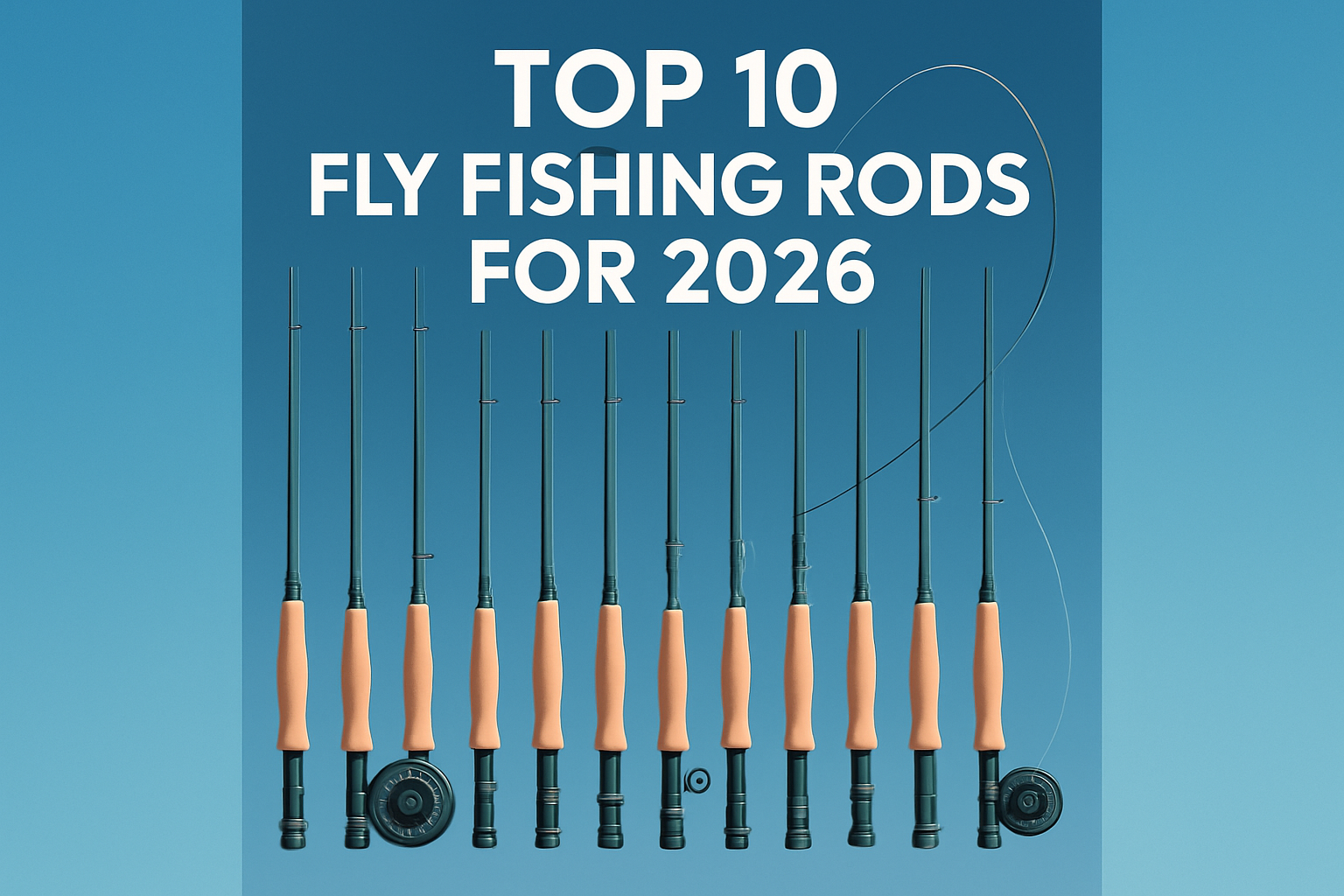
Top 10 fly fishing rods for 2026 ranked
The following rods stand out because each excels in a defined role while remaining credible as a serious fishing tool. If you want a direct answer, the best overall fly fishing rod for most anglers in 2026 is the Sage R8 Core in a 9-foot 5-weight because it balances feel, power, and versatility better than anything else I have cast recently.
| Rank | Rod | Best Use | Action | Why It Stands Out |
|---|---|---|---|---|
| 1 | Sage R8 Core | All-around freshwater | Fast | Exceptional tracking, feel, and range |
| 2 | G. Loomis NRX+ Fly | Technical trout and power casting | Fast | Light in hand with elite recovery speed |
| 3 | Orvis Helios D | Distance and wind | Fast | Outstanding accuracy at long range |
| 4 | Scott Centric | Dry flies and versatility | Fast | Smooth power with precise presentation |
| 5 | Winston Air 2 | Trout feel and finesse | Medium-fast | Superb touch without feeling soft |
| 6 | Hardy Marksman Z | Big rivers and varied techniques | Fast | Strong butt section and stable loops |
| 7 | Thomas & Thomas Avantt II | Premium all-around performance | Fast | Refined taper with excellent line control |
| 8 | Redington TRACE | Best value performance | Medium-fast | High fishability at a lower price point |
| 9 | Echo Trout X | Budget-conscious trout anglers | Fast | Capable, durable, and easy to fish |
| 10 | Douglas Sky G | Presentation-focused freshwater fishing | Fast | Light feel with polished dry-fly performance |
Best overall fly fishing rod: Sage R8 Core
The Sage R8 Core earns the top spot because it does more things well than any other rod in the current field. In a 9-foot 5-weight, it loads cleanly at short range, carries a lot of line without collapsing, and recovers so efficiently that timing mistakes do not punish the caster as harshly as they do with ultra-stiff designs. On medium trout rivers, this is the kind of rod that can throw a size 18 parachute dry, roll cast from under an overhang, then switch to a two-fly nymph rig with enough authority to mend line across multiple current seams.
What separates the R8 Core from many premium competitors is usable feel. Sage describes its material platform around improved connection and sensation, and while marketing language should always be filtered, on the water the rod genuinely communicates load well. That translates into better casting feedback for intermediate anglers and more deliberate control for experienced casters. If you fish one rod for trout, light bass, and general freshwater work, this is the safest high-end recommendation for 2026.
Best premium fast-action rods for accuracy and power
The G. Loomis NRX+ Fly and Orvis Helios D are the clearest picks for anglers who want top-tier power tools. The NRX+ feels exceptionally light in hand and tracks with very little lateral drift, which is why strong casters often love it for technical trout work where loop shape and drift control matter. I have found the 5-weight and 6-weight models especially effective when fishing larger western rivers that demand reach mends, long leaders, and occasional distance with weighted flies. The rod is quick, but not dead. It still provides enough feedback to stay useful at practical fishing distances.
The Orvis Helios D remains one of the most purpose-built distance rods in the category. Orvis has emphasized accuracy metrics in its Helios family, and the D version is the stronger, more line-speed-oriented option. This is the rod I would hand to an angler facing routine wind, boat fishing with streamers, or making long shots on stillwater. It is not the softest dry-fly instrument in close, but when conditions turn difficult, line speed solves problems. If you regularly cast farther than fifty feet, or fish saltwater species where quick second shots matter, Helios D deserves serious consideration.
Best versatile trout rods for presentation and control
Scott Centric, Winston Air 2, and Thomas & Thomas Avantt II all serve anglers who want premium trout performance without locking themselves into one extreme. The Scott Centric is one of the most complete dry-fly-to-nymph rods available. It has fast-action backbone, but the tip remains sufficiently responsive for accurate presentations at normal trout distances. On spring creeks and freestones alike, it gives that rare sense of directing the line rather than forcing it. Scott’s finish quality and ferrule fit also remain among the best in the industry.
The Winston Air 2 is the finesse choice for anglers who value touch, tippet protection, and pleasant casting rhythm. Winston rods have long been associated with feel, and the Air 2 keeps that identity while adding enough backbone to stay relevant in modern fishing situations. If your ideal day involves dry flies, small indicators, and medium-distance presentations, this rod is a joy rather than just a tool. The Thomas & Thomas Avantt II lands between those personalities. It is refined, crisp, and highly capable across techniques, making it a strong alternative for anglers who want premium craftsmanship and excellent line management without the harsher personality of a pure distance rod.
Best specialty and value fly rods for 2026
Hardy Marksman Z, Redington TRACE, Echo Trout X, and Douglas Sky G round out the list by covering important needs that many buyers actually have. The Hardy Marksman Z is a strong choice for anglers fishing bigger rivers, heavier nymph rigs, streamers, or mixed conditions where a rod must handle both presentation and force. Hardy has a long reputation in fly tackle, and this rod feels designed by people who understand fishing first, catalog language second. It generates stable loops and has enough lower-section power to manage longer casts and bigger fish confidently.
For value, the Redington TRACE is the standout. It is not merely “good for the money”; it is genuinely good. The action is friendly, the blank is light enough for long sessions, and the rod handles common freshwater techniques with less compromise than many mid-priced models. Beginners can grow into it, and experienced anglers can fish it seriously without feeling under-gunned. Echo Trout X offers another practical option, especially for anglers who want crisp trout performance on a tighter budget. Douglas Sky G, meanwhile, is a smart pick for presentation-oriented anglers who prioritize lightness and line feel. It does not dominate every category, but in dry-fly and general trout applications it remains highly relevant.
How to choose the right fly fishing rod in 2026
If you are wondering what fly fishing rod length and weight to buy, the direct answer for most anglers is a 9-foot 5-weight. That setup remains the most versatile choice for trout and general freshwater fishing because it balances casting range, mending ability, and fly size flexibility. A 4-weight leans lighter for dry flies and smaller water, while a 6-weight adds authority for wind, larger flies, and bass. For saltwater, 8-weight rods remain the standard all-around choice for species such as bonefish, redfish, and school-size stripers.
Action matters just as much as line weight. Fast-action rods generate line speed and handle wind better, but they demand cleaner timing and often feel less forgiving to new anglers. Medium-fast rods usually cast more intuitively at short and medium range and protect lighter tippets better. Also consider line pairing. Many rods improve dramatically when matched with the right taper, such as SA Amplitude Infinity, Rio Gold, Rio Technical Trout, or Airflo Universal Taper. I routinely tell anglers not to judge a rod after one parking-lot cast with the wrong line. Finally, evaluate warranty support, guide quality, reel seat security, and actual fishing conditions before buying. The best fly fishing rod is the one that fits your water, your flies, and your casting stroke.
The top 10 fly fishing rods for 2026 show how advanced the category has become, but they also reinforce a simple truth: the best rod is not the most expensive one, it is the one matched correctly to the way you fish. Sage R8 Core leads because it offers the best all-around balance of power, feel, and usability. G. Loomis NRX+ Fly and Orvis Helios D dominate for anglers who prioritize speed, distance, and tracking. Scott Centric, Winston Air 2, and Thomas & Thomas Avantt II excel for trout anglers who want presentation and control. Hardy Marksman Z brings muscle and versatility, while Redington TRACE, Echo Trout X, and Douglas Sky G prove that smart buyers can find excellent performance outside the most hyped flagship tier.
When comparing fly fishing rods in 2026, start with your target species, average casting distance, and most common fly styles. Then narrow your list by action, rod weight, and budget. That process will save money and produce better days on the water than chasing brand prestige alone. If you are ready to upgrade, shortlist two or three models from this guide, cast them with the line you actually plan to fish, and choose the rod that feels natural in your hand. That is the fastest route to better loops, better drifts, and more fish landed.
Frequently Asked Questions
1. How do I choose the best fly fishing rod for my skill level and the type of fishing I do?
The best fly fishing rod for you depends on three core factors: your experience level, the species you target, and the waters you fish most often. Beginners usually benefit from a versatile, forgiving rod that helps load easily and makes timing less critical. In most cases, a 9-foot, 5-weight rod is the safest all-around starting point because it handles a wide range of trout fishing situations, works well on rivers and lakes, and gives newer anglers enough feedback to improve casting mechanics without feeling overly technical or demanding.
Intermediate and advanced anglers often benefit from choosing a rod based on more specialized needs. If you fish small creeks, a shorter and lighter rod may improve presentation and maneuverability. If you throw streamers, nymph rigs, or larger flies in wind, you may want a faster-action rod with more backbone. Anglers targeting bass, pike, steelhead, salmon, or saltwater species will typically need heavier line weights and stronger blanks to cast larger flies and control more powerful fish. In 2026, rod designs are more purpose-built than ever, so it pays to match the rod not just to the fish, but also to your casting style and preferred techniques.
A good rule is to think in terms of your “most common day on the water,” not your rarest one. If 80 percent of your fishing is trout on medium rivers, buy the rod that excels there rather than one designed for occasional specialty trips. The right rod should feel balanced, responsive, and intuitive in your hand. A top-rated rod is only the best choice if it fits how you actually fish.
2. What do fly rod length, weight, and action really mean, and how do they affect performance?
These three terms are the foundation of fly rod selection, and understanding them makes it much easier to compare rods intelligently. Rod length affects line control, casting reach, mending ability, and fish fighting leverage. A standard 9-foot rod offers strong all-around performance, which is why it remains so popular. Longer rods can improve nymphing, mending, and line management, while shorter rods are often better in tight, brushy environments where accuracy and compact casting matter more than distance.
Rod weight refers to the fly line size the rod is built to cast, not the physical weight of the rod itself. Lighter weights, such as 3-weight or 4-weight rods, are typically used for small trout, panfish, and delicate presentations. A 5-weight or 6-weight rod is often considered the most versatile range for general freshwater fishing. Heavier rods, such as 7-weight through 10-weight and beyond, are designed for bigger fish, stronger winds, larger flies, and more demanding conditions. Choosing the right line weight affects everything from casting comfort to your ability to protect light tippet or pressure a strong fish effectively.
Action describes where and how the rod flexes under load. Fast-action rods bend mostly in the upper section and usually provide higher line speed, tighter loops, and better performance in wind or at distance. Medium-action rods flex deeper and often feel smoother and more forgiving, which many anglers appreciate for dry fly fishing or general versatility. Slow-action rods bend more throughout the blank and can offer excellent touch at short range, though they are less common in mainstream all-around designs today. In practical terms, rod action influences timing, feel, recovery speed, and how easy a rod is to cast well. In 2026, many premium rods are engineered to blend power and feel more effectively than older designs, but the best choice still comes down to what feels natural and efficient in your hand.
3. Are expensive fly fishing rods really worth it in 2026?
They can be, but only if their advantages line up with the way you fish. Premium fly rods in 2026 often feature more refined carbon materials, improved resin systems, better blank recovery, lighter swing weight, tighter component tolerances, and stronger quality control. On the water, that can translate into cleaner loop formation, better tracking, more casting efficiency, greater sensitivity, and less fatigue over a full day of fishing. Experienced anglers usually notice these performance gains quickly, especially in technical situations involving wind, distance, repeated false casts, or highly accurate presentations.
That said, not every angler needs to spend top dollar to get an excellent fishing experience. Mid-range rods have improved dramatically, and many now offer performance that would have been considered premium just a few years ago. For casual anglers, beginners, or those building a complete setup on a budget, a well-made mid-priced rod can deliver outstanding value. In many situations, proper line pairing, good casting fundamentals, and balanced gear matter just as much as the price tag on the rod.
The smartest way to judge value is to consider how often you fish and how demanding your conditions are. If you are on the water constantly, fish technical rivers, travel for destination trips, or simply appreciate the difference that higher-end gear provides, a premium rod may be well worth the investment. If you fish a handful of times each season, a capable mid-tier rod may be the more practical choice. Price alone does not determine whether a rod is right for you; performance fit, reliability, and enjoyment do.
4. What rod weight is best for trout, bass, and other common fly fishing species?
For trout, the most broadly useful choice is usually a 5-weight rod. It is versatile enough for dry flies, nymphs, small streamers, and a wide range of river and lake conditions. A 4-weight can be a great option for anglers who prioritize finesse, lighter presentations, and smaller waters, while a 6-weight becomes useful when wind, bigger rivers, heavier rigs, or larger trout are part of the equation. If your trout fishing includes a lot of indicator nymphing or streamer work, stepping up in power can make a noticeable difference in casting control and fish handling.
For bass, a 6-weight to 8-weight rod is generally the sweet spot, depending on fly size and the cover you fish around. Largemouth bass often require bigger, more wind-resistant flies, so a 7-weight or 8-weight is commonly preferred. Smallmouth anglers sometimes like a 6-weight or 7-weight, especially in rivers where versatility and repeated casting matter. The goal is not just fighting strength, but the ability to cast bulky patterns efficiently and turn fish away from weeds, timber, or structure.
For larger species such as steelhead, salmon, pike, carp, redfish, bonefish, and light saltwater game fish, line weight becomes even more specialized. A 7-weight or 8-weight can work well for steelhead and many inshore species. Pike often call for an 8-weight or heavier because of large flies and powerful runs. Saltwater anglers commonly move into the 8-weight to 10-weight range for better wind penetration, corrosion-resistant hardware, and fish-fighting authority. The key is matching the rod not only to the species, but also to fly size, conditions, and the amount of control you need once the fish is hooked.
5. What should I look for when comparing the top fly fishing rods on a 2026 best-of list?
Start by looking beyond brand reputation and focusing on how each rod is intended to perform. A strong 2026 best-of list should tell you whether a rod is designed for all-around trout fishing, technical dry fly work, euro nymphing, streamer fishing, warmwater use, or saltwater applications. The more specialized modern rods become, the more important it is to understand the design purpose behind the blank. A rod that ranks highly for distance and power may not be the best option for anglers who value close-range feel and presentation.
Pay close attention to line weight, length, action, overall feel, and recovery speed. Also consider practical build details such as guide quality, reel seat construction, cork grade, ferrule fit, and warranty support. In 2026, many top rods also stand out because of reduced swing weight and improved balance, which can make a huge difference during long days of repetitive casting. Reviews that mention tracking, accuracy, loop control, and versatility are especially helpful because they describe what the rod actually does on the water rather than just listing specs.
Finally, compare each rod in terms of who it is really for. The best rod for a beginner is not always the best rod for an expert, and the best rod for a drift boat angler may not suit someone fishing tight mountain streams. The most useful best-of lists identify strengths, trade-offs, and ideal use cases clearly. When you evaluate rods through that lens, you are far more likely to choose one that improves your casting, boosts confidence, and genuinely enhances your time on the water.