Choosing between floating and sinking fly lines shapes almost every part of a day on the water, from how fast a fly reaches feeding fish to how naturally it drifts through the strike zone. In fly fishing, the line is not just a delivery cord; it is the primary control system that determines depth, swing speed, mending range, and strike detection. Floating fly lines stay on or near the surface because their coating is less dense than water, while sinking fly lines use denser coatings or cores to descend at measured rates, often described in inches per second. Anglers comparing floating vs. sinking fly lines are really comparing two different strategies for presenting a fly. This matters because trout, bass, pike, steelhead, and saltwater species all shift feeding depth with temperature, current, oxygen, and bait location. I have tested both line types across freestone rivers, stillwaters, and tidal flats, and the wrong line consistently created more problems than the wrong fly pattern. As a gear reviews hub, this guide explains performance, use cases, and buying criteria clearly so readers can evaluate lines, leaders, and setups across the rest of the category with confidence. If you understand when each line excels, you make smarter purchases, fish more efficiently, and avoid carrying expensive spools that duplicate the same job on the water.
What Floating Fly Lines Do Best
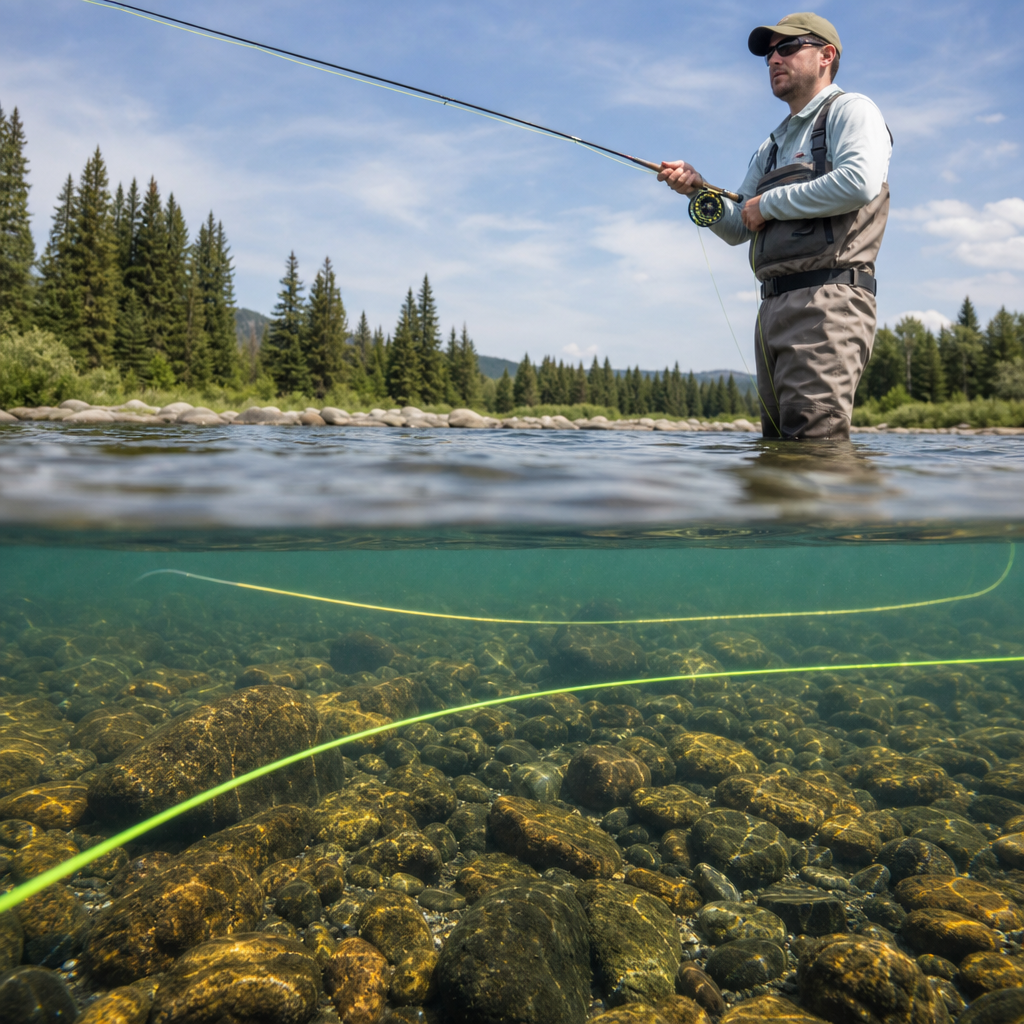
Floating fly lines are the default recommendation for good reason: they are the most versatile line style for dry flies, nymphing under an indicator, small streamers in shallow water, and general instruction. Because the line remains on the surface, an angler can mend upstream or downstream to control drag, reposition the belly during a drift, and keep more line off conflicting currents. In practical terms, that means better dry-fly presentations to rising trout and more controlled dead drifts with nymph rigs. Most beginners learn with a weight-forward floating line because it loads the rod predictably and makes line management visible. Premium examples from Scientific Anglers, Rio, Airflo, and Cortland often include textured coatings, low-stretch cores, or specialized tapers for trout, bass, or saltwater use. A floating line also works well from kayaks, drift boats, and bank positions where line pickup matters. If a fish changes lanes, you can lift and recast quickly without stripping a sunken head back to the rod tip.
The strengths of floating lines are most obvious in rivers and shallow lakes. On a spring creek, a true-to-weight trout taper lets you deliver long leaders and small dries softly. On a bass pond, a more aggressive taper turns over deer-hair poppers and foam bugs. In both cases, surface flotation supports visual strike detection and easier line control. There are limitations, however. Once fish hold deeper than a few feet, especially in wind or current, a floating line forces you to rely on weighted flies, split shot, or very long leaders. That can work, but turnover suffers and depth control becomes inconsistent. I see many anglers try to make one floating line cover every scenario; for gear reviews, that is where product differences matter. Coating slickness, head length, taper design, and core stiffness change how well a floating line shoots, mends, and handles cold or tropical conditions.
What Sinking Fly Lines Do Best
Sinking fly lines are built to reach a defined depth efficiently and stay there during the retrieve or swing. Instead of fighting buoyancy with extra weight, they use density to carry the fly into the feeding zone. Full-sinking lines descend along their full length, while sink-tip and interchangeable-tip systems combine a floating running section with a sinking front section. Manufacturers usually rate sink speed from slow intermediate lines, around 1 to 2 inches per second, up to very fast Type 6 or Type 8 lines that can exceed 6 inches per second. That rating matters because depth control is a math problem: count the line down, then retrieve at a speed that keeps the fly near the target level. In lakes, this is often the cleanest way to present chironomids, leeches, baitfish, and damselfly nymphs to trout cruising below surface chop. In rivers, sink tips are standard tools for swinging streamers and intruders to steelhead, salmon, and large trout.
The main advantage of a sinking line is consistency at depth. A weighted streamer on a floating line may dip and rise through the retrieve, especially in current, but a properly chosen sink tip tracks far more steadily. I rely on intermediate lines in clear stillwater when fish suspend just below the surface film and become line-shy in flat light. A clear intermediate line cuts surface tension without the splash and wake of a floating line, which can matter for selective trout. Fast-sinking heads excel when wind prevents long leaders from turning over or when river currents push weighted flies above holding fish. The tradeoff is control. You cannot mend a full-sinking line like a floater, line pickup is slower, and recasting often requires stripping in more line. For this reason, many experienced anglers carry both styles and switch based on depth, current speed, and fly size rather than loyalty to one system.
Depth, Presentation, and Fish Behavior
The best answer to floating vs. sinking fly lines starts with where fish are feeding. Surface-oriented fish call for a floating line because natural drift, gentle landing, and mending matter more than depth. Fish holding mid-column or near bottom usually favor sinking systems because the line brings the fly to them faster and more predictably. Water temperature strongly affects this decision. In cold water, trout and bass often conserve energy and feed deeper, where an intermediate or sink-tip line keeps streamers in front of them longer. During hatches, the same fish may slide upward and make a floating line the clearly superior choice. Current also changes everything. In a deep run, a floating line with split shot may drift too high due to drag from faster surface water, while a sink tip penetrates the lower seam and slows to the speed fish expect from prey.
Retrieve style matters just as much as depth. If you want a fly to swim horizontally like a baitfish, a sinking line generally produces the truest path. If you want a fly to hover, twitch, or dead drift naturally, a floating line usually gives you better control. Many poor product reviews happen because anglers judge a line outside its intended role. A fast-sinking line feels clumsy on a dry-fly rod because it is solving a different problem. A delicate floating trout line will not drive a large articulated streamer into a headwind with much authority. Ask three direct questions before buying: how deep are the fish, how do I want the fly to move, and how much line control do I need after the cast? Those questions narrow the field faster than brand loyalty.
Key Gear Review Criteria When Comparing Lines
When reviewing fly lines, I score them on taper design, grain consistency, coating durability, shootability, flotation or sink uniformity, memory, and temperature range. Taper determines how energy transfers from rod to fly. A short, aggressive head turns over wind-resistant flies and indicators, while a longer front taper lands smaller flies more gently. Grain weight must match the rod and fishing style. Some modern lines are built half-size heavy to load fast-action rods quickly, but they can feel overloaded on moderate rods. Coating formulation affects slickness, buoyancy, and longevity. Polyurethane coatings, used by Airflo, are known for resisting some cracking issues associated with PVC lines, while PVC-based lines from major brands can be exceptionally supple and high performing when maintained properly. Core material matters too. Braided multifilament cores stay flexible in cold water, while monofilament cores reduce stretch and memory in some warmwater and saltwater applications.
Uniform performance separates premium lines from budget options. A floating line should actually float high at the tip after a season of use, not just when new. A sinking line should descend evenly rather than hinging or creating an exaggerated belly between the running line and head. Welded loops, line ID markings, and taper diagrams printed on packaging are small details that improve real usability. In my own testing, lines that clean easily and resist micro-cracking deliver more consistent shooting over time than lines that feel great only in the first few trips.
| Line type | Best uses | Main strengths | Main drawbacks |
|---|---|---|---|
| Floating | Dry flies, indicator nymphing, shallow streamers, teaching | Mends easily, lifts fast, excels at drag-free drifts | Limited depth without added weight |
| Intermediate | Stillwater trout, shallow saltwater, subsurface presentations | Quiet entry, steady subsurface tracking | Less mending control than floating lines |
| Sink-tip | Rivers, swinging flies, moderate-depth streamers | Combines depth with manageable line control | Can hinge if leader and fly are mismatched |
| Full sinking | Deep lakes, fast runs, deep baitfish retrieves | Reaches depth quickly and stays there | Harder pickup, slower recasts, limited mending |
How to Choose by Water Type and Species
For trout rivers, a weight-forward floating line remains the core purchase because it covers dry flies, dry-dropper rigs, and many nymphing applications. Add a sink tip when streamer fishing becomes a major part of the plan. On stillwaters, the conversation shifts. A floater is still useful for indicators and surface activity, but an intermediate line is often the most versatile second spool because many trout feed just below the chop. If your lakes exceed ten feet regularly and fish hold deep through summer, a faster full-sinking line becomes essential. Bass anglers can start with a floating line for poppers, frogs, and shallow bugs, then add an intermediate or sink-tip line for subsurface baitfish patterns around weed edges and drop-offs. Pike anglers often prefer aggressive floating lines for large surface and shallow flies, plus sink tips for colder periods when fish hold deeper. In saltwater, flats species such as bonefish usually call for floating tropical lines, while striped bass, false albacore, and other mobile predators often reward intermediate and sinking heads.
Species behavior should guide leader length and line density together. For example, carp in skinny water are easier with floating lines and long leaders because you need stealth and precise placement. Great Lakes steelhead in deeper slots often respond better to sink tips that present egg patterns or streamers at eye level. Musky anglers throwing large flies from boats may use integrated sinking heads to maintain depth beside structure. This hub exists to support gear reviews across those niches: once you know your dominant water type and target species, line recommendations become far more precise and product comparisons become more meaningful.
Common Buying Mistakes and Smart Recommendations
The most common mistake is buying by rod weight alone and ignoring application. A 6-weight floating trout line and a 6-weight streamer line may both fit the rod, yet perform completely differently. Another mistake is choosing the fastest sinking line available under the assumption that deeper is always better. If fish are suspended at six feet, a Type 8 line can drop below them too quickly and force an unnatural retrieve. Anglers also underrate line maintenance. Cleaning with approved dressing, stretching coils before fishing, and storing spools away from heat can noticeably extend performance. Budget matters, but line quality deserves priority because the fly line is the cast. A premium line usually improves fishing more than a premium reel.
If you are building a practical quiver, start with a high-quality floating line matched to your rod and primary fishing style. Make that the anchor purchase. Your second line should solve the most common problem the floating line cannot. For many trout anglers, that is an intermediate or sink-tip line for streamers and lakes. For warmwater anglers, it may be a short-head aggressive floater plus an intermediate line. Read taper charts, sink-rate charts, and manufacturer temperature recommendations carefully, then compare them against your local conditions rather than marketing labels alone. The best gear review standard is simple: choose the line that keeps your fly in the feeding zone longest while preserving the presentation the fish will accept. Use that principle across every review in this Product Reviews and Recommendations hub, and your buying decisions will become more efficient, more defensible, and far more successful on the water. Compare your current setup, identify the depth problem you face most often, and make your next fly line purchase solve that exact problem.
Frequently Asked Questions
What is the main difference between floating and sinking fly lines?
The core difference is where the line rides in the water column and how that changes presentation. A floating fly line is built to stay on or very near the surface, which makes it the most versatile choice for dry flies, shallow nymphing, indicator rigs, and many streamer techniques where line control matters more than rapid depth. Because it remains on top, an angler can mend easily, pick up and recast quickly, and track the drift with less resistance from current seams. That surface position also makes strike detection more visual and often more immediate.
A sinking fly line, by contrast, is designed to get below the surface film and carry the fly down into deeper holding water. Depending on the line type, it may sink uniformly along its full length or only in the tip section. The purpose is simple: reach fish that are feeding well below the surface and keep the fly in the strike zone longer. Once submerged, the line changes the entire system. Casting timing feels different, mending becomes limited, and the fly’s swing speed, depth, and tension are affected by current at multiple levels of the water column. In practical terms, floating lines maximize control and adaptability, while sinking lines maximize depth and subsurface efficiency.
When should I choose a floating fly line over a sinking fly line?
Choose a floating fly line when presentation, line management, and flexibility are the top priorities. It is usually the best option in shallow water, moderate current, and situations where fish are feeding near the surface or in the upper part of the water column. If you are fishing dry flies, emergers, dry-dropper setups, strike indicators, or lightly weighted nymphs, a floating line is typically the standard because it allows for clean drifts and frequent mends. It also excels when you need to reposition line quickly to reduce drag, change angles, or make repeated casts to visible fish.
Floating lines are also often the smarter choice for anglers who want one line to cover the widest variety of conditions. On rivers, they are especially valuable because current speed varies across the channel, and being able to mend line on the surface helps maintain a natural drift. On lakes and ponds, a floating line is still useful for surface activity, shallow cruising fish, and presentations where the fly itself is weighted enough to get to the target depth without submerging the entire line. In many cases, anglers can fish deeper than expected with a floating line simply by adjusting leader length, fly weight, and retrieve speed. If the fish are not consistently deep, and if line control matters more than rapid descent, a floating line is usually the more efficient and forgiving tool.
When is a sinking fly line the better choice?
A sinking fly line becomes the better choice when fish are holding deeper than a floating line can reach effectively or consistently. This happens often in cold water, bright conditions, fast runs with depth, deep pools, lakes, reservoirs, and saltwater scenarios where bait and predators are below the surface. If you are counting on a weighted fly and long leader alone to get down, there comes a point where the system becomes inefficient. The fly may sink too slowly, drift above the fish, or rise too much during the retrieve or swing. A sinking line solves that problem by taking the connection to the fly deeper and keeping it there.
It is especially effective for streamer fishing, down-and-across presentations, deep nymphing in certain situations, and stillwater techniques where exact depth matters. In lakes, for example, trout often suspend at a very specific level, and a sinking line allows you to count down and repeatedly present the fly at that same depth. In rivers, a sink-tip or full sinking line can help a swung fly cut through surface current and track more naturally where fish are actually holding. The key point is that a sinking line is not just about getting down fast; it is about maintaining depth throughout the retrieve or swing. When the strike zone is clearly below the upper layers and fish are not willing to move far, a sinking line often provides a major advantage.
How do floating and sinking fly lines affect casting, mending, and strike detection?
Floating and sinking lines create very different levels of control before, during, and after the cast. A floating line is generally easier to pick up from the water, easier to recast, and simpler to mend because it stays on the surface where the angler can move it without fighting subsurface tension. That makes it ideal for upstream and across-stream presentations, technical drifts, and any situation where current management is part of the presentation. It also tends to be more forgiving for anglers learning timing, because the line can be reset quickly and line position is visible throughout the drift.
Sinking lines require a more deliberate casting approach. Because part or all of the line is underwater, the angler usually needs to let it straighten, then lift and roll or water-load the line before making the next cast. Mending is limited once the line sinks, especially with full sinking models, because the current is acting on the line below the surface rather than on top of it. That can be beneficial if the goal is to reduce surface current interference, but it also means less mid-drift correction. Strike detection changes as well. With floating lines, takes are often seen through line movement, an indicator, or surface disturbance. With sinking lines, strikes may feel like a stop, a pull, a sudden heaviness, or a sharp tap during the retrieve or swing. In short, floating lines provide superior visual control and drift management, while sinking lines provide better direct contact at depth, though often with less ability to adjust once the line is in position.
Do I need both floating and sinking fly lines, or can one line handle most situations?
Many anglers can do a great deal with a floating line alone, especially on rivers and streams where versatility matters more than specialized depth control. A quality floating line can cover dry flies, nymphs, small streamers, and general-purpose fishing across a broad range of conditions. For someone building a first setup or fishing mostly shallow to moderate depths, a floating line is usually the best starting point because it teaches line control, supports the widest variety of techniques, and remains useful no matter how advanced the angler becomes.
That said, owning both line types is the most complete solution if you regularly fish different water types or seasonal conditions. A floating line handles surface and near-surface work better than anything else, but it cannot match the efficiency of a true sinking line when fish are deep and holding there consistently. Likewise, a sinking line is excellent for depth, but it is not a replacement for the finesse and mending ability of a floater. Many experienced fly fishers eventually settle on a simple system: a floating line for most river fishing and general use, plus either a sink-tip or full sinking line for streamers, lakes, deep runs, or cold-water periods. If you must choose only one, start with floating. If you want to fish the entire water column with confidence, adding a sinking option is a smart and often game-changing upgrade.