Choosing the right waders can determine whether a fly fishing day ends with steady casting and warm legs or with cold water creeping into your boots by midmorning. In 2025, the best fly fishing waders combine waterproof-breathable fabrics, durable seam construction, smart pocket layouts, and fit systems that support long hikes, river scrambling, and repeated kneeling on gravel bars. This guide to the top 5 waders for fly fishing in 2025 is designed as a hub within gear reviews, helping anglers compare leading models, understand the features that matter, and narrow choices based on climate, budget, and fishing style.
Waders are waterproof garments that allow anglers to stand in rivers, lakes, and surf while staying dry. Most modern fly fishing waders are chest waders made from multilayer laminate fabrics with taped seams, integrated gravel guards, articulated legs, and neoprene stockingfeet that pair with separate wading boots. The core terms matter. Breathability refers to how well moisture vapor escapes during exertion. Denier indicates yarn thickness and usually signals abrasion resistance. Stockingfoot means the wader ends in neoprene socks, while bootfoot means boots are attached. In my experience fitting, testing, and comparing waders over many seasons, the real performance differences show up in seam durability, lower-leg reinforcement, suspender comfort, and whether a brand’s cut matches your body and layering needs.
This topic matters because waders are expensive, safety-critical gear. Poor fit leads to fatigue and blisters. Weak fabrics fail where anglers kneel, bushwhack, or slide over rock. Bad pocket design slows knot changes and fly swaps. A strong review hub should do more than rank products; it should explain who each model is for, what tradeoffs come with the price, and how the best options compare across durability, comfort, and value. The five models below represent the most compelling choices in the premium, upper-midrange, and value tiers for serious fly anglers in 2025.
How to Evaluate Fly Fishing Waders in 2025
Before looking at individual picks, it helps to know the buying criteria. The best fly fishing waders are judged on six factors: waterproof integrity, breathability, abrasion resistance, mobility, storage, and fit range. Waterproof integrity comes from seam taping quality, zipper execution when a model includes a front zip, and consistency in the laminate. Breathability matters most for anglers hiking into tailwaters, covering bank structure, or fishing through warm spring and fall afternoons. Abrasion resistance is concentrated in the seat, knees, and lower legs, where brush, hooks, and sharp rock cause most damage. Mobility depends on patterning, gusset design, and how well the stockingfoot transitions into the ankle without bunching.
Storage is often overlooked. Good waders place handwarmer pockets high enough to stay useful under a wading belt, include secure internal pockets for licenses or phones in waterproof pouches, and make room for tippet, indicators, and split shot without forcing anglers into a bulky chest pack. Fit range is equally important. The top brands now offer short, king, long, and stout sizing, which matters because poor fit stresses seams and reduces breathability by trapping moisture where fabric bunches. If you fish in cold weather, leave room for base and insulating layers. If you fish summer freestones, a trimmer fit improves mobility.
One more rule from repeated field use: price alone does not predict satisfaction. Premium waders often justify their cost through better cut, stronger reinforcement, and better warranty support, but the best value model is the one that matches your frequency of use. An angler fishing sixty days a year needs a different wader than someone fishing six weekends each fall.
Top 5 Waders for Fly Fishing in 2025
The strongest overall lineup this year comes from brands with proven repair networks, consistent sizing, and fabrics tested across trout, steelhead, and light saltwater use. The five best options are Simms G3 Guide Stockingfoot, Patagonia Swiftcurrent Expedition Zip-Front, Orvis PRO HDZ, Redington Sonic-Pro HDZ, and Frogg Toggs Hellbender Pro. Each fills a distinct role rather than competing on the exact same strengths.
| Model | Best For | Key Strength | Main Tradeoff |
|---|---|---|---|
| Simms G3 Guide Stockingfoot | Frequent trout anglers | Balanced durability and fit | Premium price without front zip |
| Patagonia Swiftcurrent Expedition Zip-Front | Long days and layered cold-weather fishing | Comfort, storage, front-entry convenience | Heavier than lighter-duty waders |
| Orvis PRO HDZ | Guides and hard-use anglers | Tough fabric and excellent zipper design | Stiffer feel out of the box |
| Redington Sonic-Pro HDZ | Upper-midrange buyers | Strong feature set for the money | Less refined fit than premium leaders |
| Frogg Toggs Hellbender Pro | Budget-conscious anglers | Accessible price and practical basics | Lower long-term durability |
The Simms G3 Guide remains the benchmark for many anglers because it does almost everything well. The fit is athletic without being restrictive, the suspender system stays comfortable through all-day wear, and the lower-leg durability is proven on rocky Western rivers and brushy Eastern streams alike. I have consistently found the G3 easy to recommend for anglers who fish often and want one dependable non-zip chest wader. Its tradeoff is simple: at this price, some anglers will expect a front zipper.
Patagonia’s Swiftcurrent Expedition Zip-Front stands out for thoughtful design. The zip entry is convenient for layering and comfort during long sessions, the pocket organization is excellent, and the cut works especially well for anglers who move between drift boats and walk-and-wade days. It is one of the best cold-weather waders because the pattern leaves room for insulation without becoming baggy. The downside is bulk. If you mainly fish warm months and short sessions, it can feel more substantial than necessary.
The Orvis PRO HDZ is built for abuse. Its zipper is smooth and confidence-inspiring, the fabric package is notably rugged, and the overall construction targets guides, boat anglers, and anyone repeatedly kneeling on gravel, trailer decks, and boat ramps. Compared with softer-feeling waders, the Orvis can feel a bit stiff at first, but that stiffness often correlates with the durability many hard-use anglers want.
Redington’s Sonic-Pro HDZ has been a strong recommendation in the upper-midrange because it delivers a true front-zip platform at a lower cost than many flagship competitors. The seam construction and feature set are practical, and the mobility is better than earlier generations from value-focused brands. The fit is not as dialed in as Simms or Patagonia for every body type, but the price-to-performance ratio is excellent for anglers stepping up from entry-level gear.
Frogg Toggs Hellbender Pro earns its place by addressing a different buyer entirely. For occasional anglers, beginners, or those assembling a full setup on a strict budget, it provides the essential functions needed for trout fishing without forcing a premium spend. It is not the best choice for a hundred-day season, but for modest use it represents honest value.
Which Wader Is Best for Your Fishing Style
If you fish technical trout rivers twenty or more days each season, buy for durability first and fit second only by a small margin. In that use case, the Simms G3 Guide and Orvis PRO HDZ are the safest recommendations. They are built for repeated river miles, kneeling, and contact with wood, rock, and boat hardware. If comfort and organization matter most during long sessions, the Patagonia Swiftcurrent Expedition Zip-Front is arguably the most pleasant wader to live in all day.
If you split time between destination trips and local weekends, the Redington Sonic-Pro HDZ hits a smart middle ground. It gives you front-zip convenience and enough durability for regular use while preserving budget for boots, lines, and outerwear. For new anglers still deciding how often they will wade, the Frogg Toggs Hellbender Pro avoids overcommitting financially. Spend the savings on a properly fitted boot and quality merino socks, because comfort starts at the footbed.
Fishing environment also changes the answer. Freestone rivers with boulder hopping demand reinforced lower legs and reliable gravel guards. Spring creeks and tailwaters with easier access reward breathability and lighter overall feel. Steelhead anglers often appreciate front zips and heavier fabrics because weather, hiking, and all-day wear make convenience and weather protection more important. Saltwater flats fishing usually calls for specialized lighter wading systems, so these five are strongest in freshwater and general-purpose use rather than tropical flats applications.
Key Features That Separate Great Waders from Average Ones
The most important feature in 2025 is not a zipper or a logo; it is patterning. Well-patterned waders reduce seam stress by matching natural leg and torso movement. Articulated knees, a gusseted crotch, and a clean transition around the ankle matter every time you climb a bank or step across current seams. Fabric layering is next. Premium models typically place heavier denier materials in the seat and legs while preserving breathability in the upper body. That zoned construction is more effective than making the entire wader uniformly heavy.
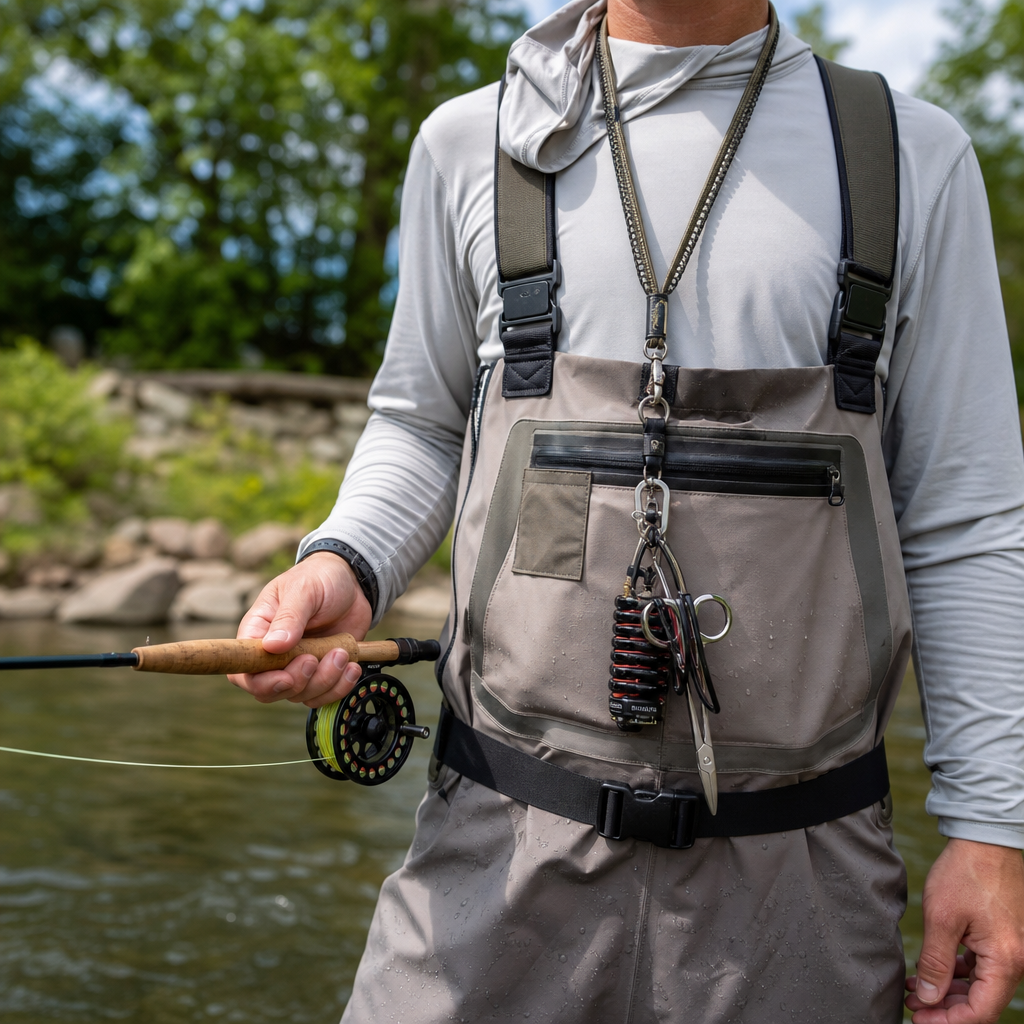
Pocket design separates polished products from merely functional ones. The best chest waders now include dual handwarmer pockets, interior zip storage, and external chest storage that does not interfere with stripping baskets, slings, or pack straps. Small details matter too: low-profile buckles reduce pressure under packs, removable kneepads help some anglers, and quality gravel guards keep debris out of boots better than flashy marketing ever will.
Repairability is another major factor. Simms, Patagonia, and Orvis all offer established repair or warranty pathways, which becomes important after seasons of pinholes, hook snags, or seam wear. In practical terms, a more expensive wader with dependable repair support can cost less over five years than replacing two or three cheaper pairs.
Care, Maintenance, and When to Replace Waders
Even the best fly fishing waders fail early if they are stored wet, packed with mud, or dried in direct heat. After use, rinse grit from gravel guards and neoprene feet, especially if you fish silty rivers or walk long distances. Hang waders to dry inside out first, then reverse them once the interior is dry. Wash occasionally with a technical fabric cleaner rather than standard detergent, which can leave residues that reduce breathability. If the outer fabric wets out, restore water repellency with a treatment recommended by the manufacturer.
For leaks, start with the feet and lower legs, where abrasion is most common. Pinholes can often be found by turning the wader inside out and applying rubbing alcohol to suspicious areas; darkened spots commonly indicate leakage points. Aquaseal or manufacturer-approved patches work well for small damage, but seam failures and zipper issues usually justify professional repair. Replace waders when repairs become frequent, when delamination spreads, or when fit no longer matches your layering and mobility needs. Most serious anglers are better served by replacing a deteriorating pair before a major trip than squeezing out one uncertain season.
Final Verdict on the Top 5 Waders for Fly Fishing in 2025
The best wader for most committed fly anglers in 2025 is still the Simms G3 Guide Stockingfoot because it offers the most balanced blend of fit, durability, and day-long fishability. If you want premium comfort and front-zip convenience, choose the Patagonia Swiftcurrent Expedition Zip-Front. If your priority is hard-use toughness, the Orvis PRO HDZ is a standout. If value matters most in a serious feature set, the Redington Sonic-Pro HDZ is the smartest buy. If you need dependable entry-level performance, the Frogg Toggs Hellbender Pro covers the basics without wasting money.
As a gear reviews hub, the real takeaway is that no single model is best for everyone. Match your wader to your fishing frequency, climate, access style, and tolerance for weight versus durability. Get the fit right, care for the fabric properly, and buy from a brand with real repair support. Those three decisions matter more than marketing claims. Use this shortlist to narrow your options, then compare sizing charts, boot compatibility, and warranty details before buying. If you are building or upgrading your kit this season, start with the wader that fits your actual water time, not the one with the loudest label.
Frequently Asked Questions
What should I look for when choosing the best fly fishing waders in 2025?
Start with fabric performance, because that is the foundation of any reliable pair of fly fishing waders. In 2025, the best options typically use multi-layer waterproof-breathable materials that are designed to keep outside water out while allowing heat and sweat to escape during long walks, uphill approaches, and warmer weather fishing. Breathability matters more than many anglers realize. If your waders trap too much heat and moisture inside, you can end up feeling damp and uncomfortable even when they never leak. Along with fabric quality, pay close attention to seam construction. Reinforced, well-taped seams are essential for durability, especially in high-stress areas like the knees, seat, and crotch.
Fit is equally important. Good waders should allow a full range of motion for wading, climbing over rocks, crouching on riverbanks, and hiking to remote water without feeling restrictive or baggy. A modern ergonomic cut, articulated knees, and adjustable suspenders can make a major difference in all-day comfort. Storage layout also matters. Many of the top fly fishing waders in 2025 feature thoughtfully placed chest pockets, zippered handwarmer pockets, interior security pockets, and tool docking points that make it easier to keep tippet, leaders, forceps, and small fly boxes organized. Finally, think about how and where you fish most often. Cold freestone rivers, technical tailwaters, warm-weather trout streams, and rugged backcountry access all place different demands on your gear, so the best choice is the pair that matches your fishing style rather than simply the one with the longest feature list.
Are expensive fly fishing waders really worth it compared to budget models?
In many cases, yes, especially for anglers who fish often or put their gear through tough conditions. Premium waders usually justify their higher price through better fabric technology, stronger seam construction, more durable gravel guards, improved fit, and smarter feature design. Those advantages show up over time. A higher-end pair is often better at staying dry during repeated use, holding up to abrasion from brush and rock, and remaining comfortable during long days on the water. If you fish several times a month, hike into rivers, or spend full days standing in current, investing in a quality pair can save frustration and replacement costs down the line.
That said, budget waders still have a place. Casual anglers, beginners, or anyone who only fishes a handful of times each season may not need the most advanced model on the market. The key is being realistic about your use. Less expensive waders can work well for occasional trips, but they often cut costs in areas like seam durability, breathability, pocket design, and long-term comfort. Over time, those compromises can become obvious. If this guide to the top 5 waders for fly fishing in 2025 includes products across multiple price points, the best value may not be the cheapest option, but rather the one that offers the strongest balance of durability, performance, and comfort for the amount of fishing you actually do.
How important is breathability in fly fishing waders?
Breathability is one of the most important features in modern fly fishing waders, and it becomes even more critical as anglers demand more versatility from one pair across changing weather and longer hikes. Waterproofing keeps river water out, but breathability helps moisture vapor from sweat escape before it condenses inside the waders. Without that balance, even a technically waterproof pair can feel clammy and uncomfortable. This is especially noticeable during active fishing days that involve trail walking, moving between runs, climbing embankments, or fishing through changing temperatures from cold mornings to warm afternoons.
Highly breathable waders also improve layering flexibility. When the fabric regulates internal moisture better, your base and mid-layers stay drier, which helps maintain warmth in cold conditions and comfort in mild ones. That means you are less likely to overheat while hiking in and less likely to feel chilled once you stop moving and spend time standing in current. For anglers comparing top-rated waders in 2025, breathability should be viewed as a core performance feature rather than a luxury. It directly affects comfort, endurance, and how long you can fish effectively without needing to stop and adjust layers or deal with moisture buildup.
Should I choose stockingfoot or bootfoot waders for fly fishing?
For most fly anglers, stockingfoot waders are the preferred choice, and they dominate the higher-end market for good reason. Stockingfoot models are designed to be paired with separate wading boots, which gives you more control over fit, support, traction, and overall performance. This setup is particularly useful for fly fishing because it allows anglers to choose boots suited to specific river conditions, whether that means felt soles where legal, sticky rubber outsoles, or boots with studs for slick rock. Stockingfoot systems also tend to offer better walking comfort on uneven terrain and make it easier to dial in your setup if you hike significant distances to reach the water.
Bootfoot waders still offer advantages in certain situations. They are quick to put on, convenient for short outings, and popular in colder conditions where some anglers appreciate the integrated warmth and simplicity. They can also make sense for stillwater, boat fishing, or less technical access points. However, bootfoot models generally provide less customization, can feel bulkier for long walks, and may not offer the same level of support and traction as a dedicated wading boot. For an article focused on the top 5 waders for fly fishing in 2025, stockingfoot waders will usually be the standard recommendation unless your fishing is especially casual, cold-weather focused, or centered around convenience over hiking mobility.
How can I make my fly fishing waders last longer?
Proper care has a major impact on wader lifespan, even with premium models. The first rule is to dry them thoroughly after every trip. Turn them inside out first so interior moisture from perspiration can evaporate, then dry the exterior before storing them. Never leave wet waders crumpled in a vehicle or gear bag, because trapped moisture can lead to odor, mildew, fabric breakdown, and premature seam wear. It also helps to rinse off mud, sand, and grit, especially after fishing silty rivers or scrambling through abrasive terrain. Fine debris can gradually wear down fabric and stress seams if it is allowed to remain trapped around gravel guards, booties, and folded areas.
Storage and field habits matter too. Hang waders in a cool, dry place away from direct sunlight and extreme heat, both of which can damage waterproof membranes and adhesives over time. When putting them on or taking them off, avoid standing on the neoprene booties with sharp objects nearby, and be careful around hooks, thorns, and barbed wire. Use layering that fits well rather than bulky clothing that puts excess strain on seams. It is also smart to inspect your waders regularly for pinholes, worn knees, seam stress, or abrasion points, because small issues are easier to repair before they turn into full leaks. In short, the best waders for fly fishing in 2025 are built to handle serious use, but consistent maintenance is still what turns a good purchase into gear that performs season after season.