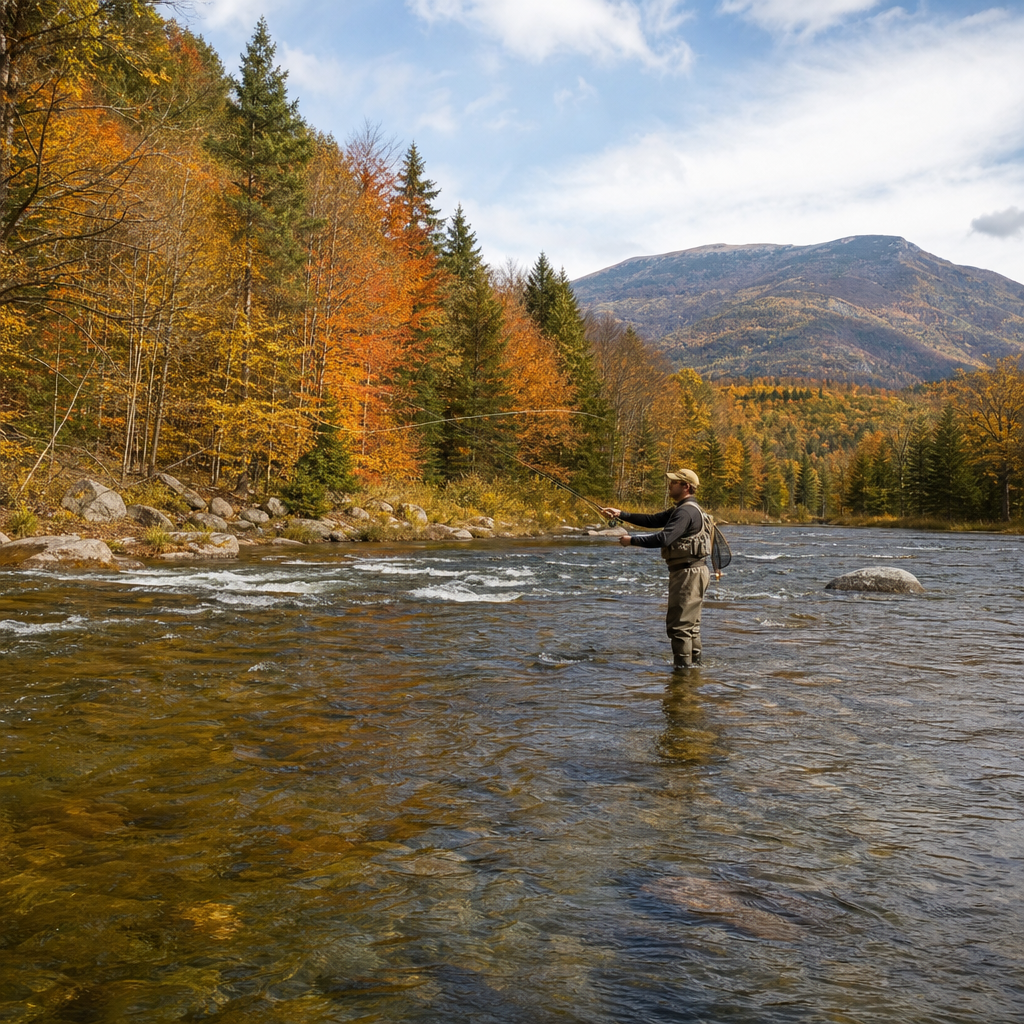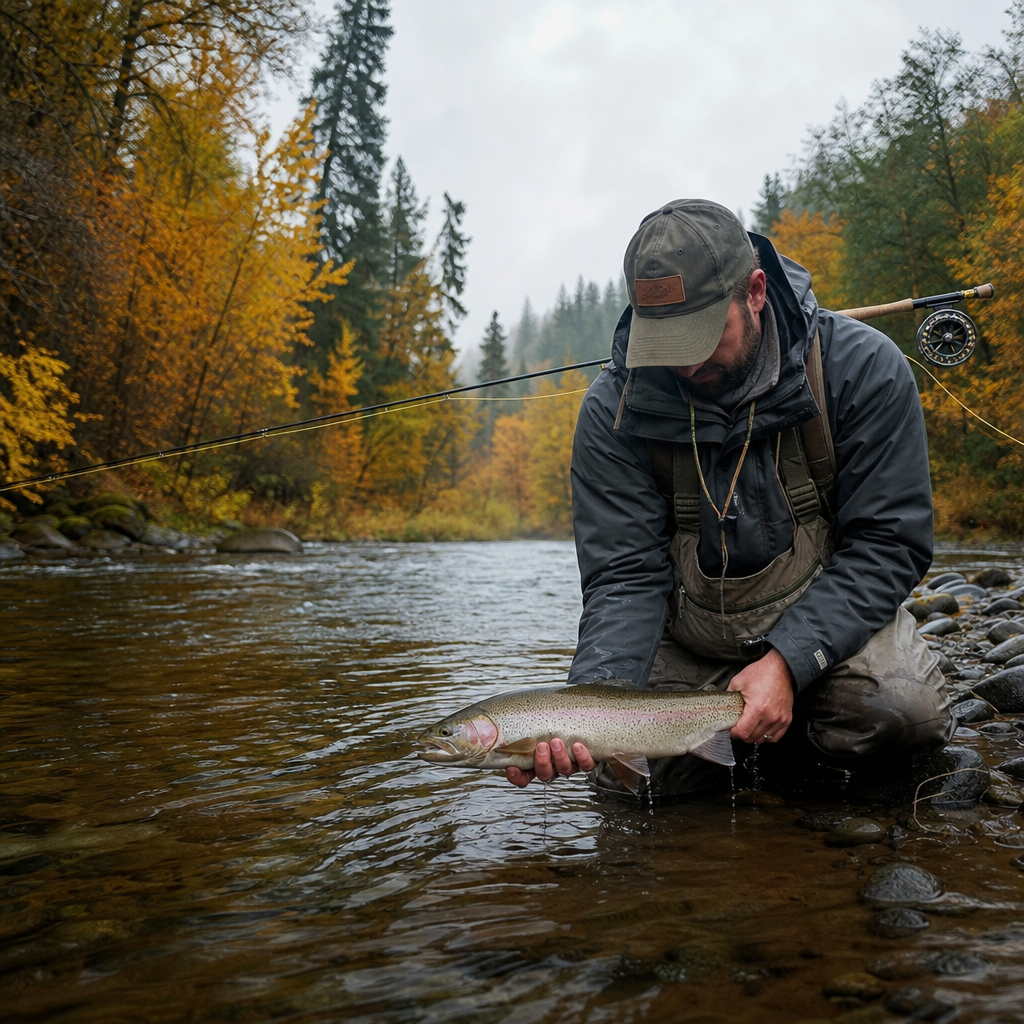
Late spring fly fishing is the point where cold-water patterns give way to summer behavior, and understanding that transition is what turns inconsistent outings into reliably productive days. For trout anglers, late spring usually means water temperatures climbing through the high 40s and 50s, flows dropping from peak runoff toward fishable levels, and insect activity broadening from a few headline hatches into a full menu of mayflies, caddis, stoneflies, midges, and terrestrials. As someone who plans entire seasons around this window, I treat it as the hinge between two different fisheries: the cautious, temperature-limited trout of early spring and the more mobile, selective fish of summer. This period matters because trout are feeding aggressively after winter, rivers are changing fast, and a single week can alter access, visibility, holding water, and fly choice.
Spring fly fishing, in practical terms, covers the progression from ice-out and pre-runoff through runoff, late spring stabilization, and the first stable summer-like conditions. A hub page on spring fly fishing needs to connect those phases, because success in late spring depends on reading what came before. Snowpack determines runoff intensity. Air temperature swings influence water temperature. Reservoir releases, freestone drainage, tailwater consistency, and spring creek clarity all shape where fish can comfortably hold and where anglers can effectively present a fly. By late spring, many rivers fish best during narrow windows: a few degrees of warming can trigger surface feeding, while an afternoon spike in color or discharge can shut down visibility. The angler who recognizes the transition sees opportunities others miss.
Late spring is also when technique starts to branch. Nymphing remains the highest-percentage approach on many rivers, but dry-fly windows lengthen, streamer fishing can be excellent during off-color flows, and dry-dropper setups begin to make sense as banks warm. If you are building your understanding of spring fly fishing, this article serves as the hub: it frames insect timing, runoff strategy, river types, gear adjustments, safety, and fish behavior so you can move confidently into more specialized tactics. The goal is simple: understand what changes in late spring, why those changes happen, and how to respond with better location choices, cleaner presentations, and more realistic expectations.
How Late Spring Changes Trout Behavior
Trout behavior in late spring is driven by three variables more than any others: water temperature, current speed, and food availability. When water warms into the low-to-mid 50s, trout generally feed more frequently and move farther to intercept food than they did in early spring. At the same time, post-runoff currents can still be strong, so fish conserve energy by holding near seams, soft shelves, inside bends, flooded banks, current breaks behind boulders, and the slower edges below riffles. I find that many anglers still fish winter water too long in late spring. They target only the deepest, slowest buckets, while trout have already shifted toward transitional lies where speed and oxygen are balanced with easy feeding lanes.
On freestone rivers, this often means the best late spring trout water is neither the heaviest main flow nor the dead water on the bank, but the cushion between them. Trout sit where drifting nymphs, emergers, and dislodged worms funnel predictably past their position. On tailwaters and spring creeks, the shift is subtler. Stable water can push fish into more selective feeding behavior sooner, especially during consistent afternoon hatches. Brown trout and rainbow trout both respond to this seasonal increase in food, but not always the same way. Rainbows often become highly active around mayfly and caddis emergences, while larger browns may continue to favor subsurface presentations in lower light, under cutbanks, or near structure.
The key point for spring fly fishing is that trout in late spring are not randomly “more active.” They are repositioning to exploit changing hydraulics and richer drift. If you can identify where moderate current meets protection, and where insect life concentrates, you can find fish even when a river looks big and confusing.
Reading Water During Runoff and Stabilization
Many of the best late spring fly fishing days happen when rivers are not fully clear but are dropping into shape. Water with 12 to 24 inches of visibility is often ideal because trout feel secure, bright light penetrates enough for feeding, and many food items are moving. During runoff, anglers who insist on classic summer riffles usually struggle. The productive late spring approach is to simplify the river into fishable categories: soft edge water, protected mid-river structure, tributary confluences, side channels, tailouts with reduced push, and flooded banks where worms, beetles, and stonefly nymphs wash in.
When I scout an unfamiliar river in late spring, I first check whether the hydrograph is rising, peaking, or dropping. A stable or slightly dropping line is usually worth far more than a perfect color reading at one moment, because trout settle into predictable lies when flow changes slow down. Next, I look at water clarity in the margins. If I can see my boot in shin-deep water and distinguish bottom shape, I can usually fish effectively with nymphs or streamers. If visibility is only a few inches, I shift to tributaries, tailwaters, lakes, or spring creeks. This is why spring fly fishing is as much about choosing the right water type as choosing the right fly.
Late spring stabilization also creates short but excellent windows on freestones. Morning may still be cold and slow, midday can improve as water warms a degree or two, and evening may bring both hatch activity and reduced angling pressure. Rivers that were unfishable a week earlier can suddenly produce along inside seams, pocket water margins, and slow shelves below riffles. The angler who keeps checking conditions often hits these windows first.
Best Late Spring Hatches and Matching the Food Base
The most reliable late spring hatches vary by region, but the seasonal pattern is consistent: insect diversity expands, and trout begin feeding opportunistically on both emergers and adults. Blue-winged olives can remain important on cool, cloudy days. March Browns, Gray Drakes, Green Drakes, Pale Morning Duns, caddis species, Salmonflies, Golden Stones, and Yellow Sallies all enter the conversation depending on elevation and watershed. Midges never disappear, and in many rivers they still matter during cold mornings. Sculpins, juvenile trout, leeches, annelids, and worms remain legitimate food sources, especially in stained water.
Anglers often ask the central spring fly fishing question: should you fish the hatch you see or the food source fish are most likely taking? Late spring rewards honest observation. Splashy rises in riffle edges can point to caddis adults or emergers. Slow, rhythmic sips in foam lines often indicate mayfly duns or cripples. No surface activity at all can still mean trout are feeding hard on ascending nymphs. I frequently start with a two-fly nymph rig built around a larger anchor pattern and a smaller imitative fly, then switch quickly if I see consistent rise forms.
| Condition | Likely Food Source | Best Starting Approach |
|---|---|---|
| Cold, cloudy afternoon | Blue-winged olives, midges | Small nymphs, then delicate dries if rises appear |
| Dropping freestone with stain | Stonefly nymphs, worms, caddis pupae | Heavy nymph rig near banks and seams |
| Warm evening with fluttering adults | Caddis emergence and egg-laying | Swing pupae, then skittering or dead-drift adults |
| Big western hatch window | Salmonflies or Golden Stones | Dry-dropper tight to banks and structure |
| Clear tailwater midday | PMDs or midge emergers | Long leader, fine tippet, precise drift |
Matching the hatch in late spring does not always mean exact imitation. Profile, size, stage, and drift often matter more than perfect color. A caddis pupa fished just below the film can outproduce a carefully chosen adult if trout are intercepting emergers. Likewise, a size 16 mayfly comparadun in the right lane beats a more exact fly with drag. The lesson is straightforward: identify the most vulnerable life stage, then present it naturally.
Tactics, Rigging, and Gear for the Transition to Summer
Nymphing remains the foundation of late spring fly fishing because it covers changing depths, mixed currents, and inconsistent feeding levels. On larger rivers, I often use a nine-foot 5-weight or 6-weight with enough backbone to mend line and handle split shot or tungsten flies. In off-color runoff conditions, a short-line or indicator setup with a stonefly nymph, worm, perdigon, or caddis pupa is efficient. As rivers clear, I lengthen leaders, reduce weight, and shrink the point fly. On technical spring creeks and tailwaters, 5X or 6X and controlled slack become more important than adding flies or weight.
Dry-fly fishing improves markedly in late spring, but presentation standards rise too. Fish that have moved into feeding lanes will inspect duns, cripples, and spent adults carefully in softer water. Reach casts, aerial mends, and position matter more than hero casting distance. During caddis events, I regularly fish two modes: dead-drifted pupae before the hatch, then animated adults across the surface once egg-laying starts. Streamers are still underused in spring. High flows dislodge baitfish, and brown trout especially will ambush larger prey along banks, wood, and seam lines. A weighted sculpin pattern stripped slowly across a soft shelf can move the best fish of the day.
As late spring turns toward summer, dry-dropper rigs become increasingly effective on meadow streams, pocket water, and cutbank edges. This is also when polarized glasses, a thermometer, and local flow data become as important as fly selection. Good spring anglers measure conditions rather than guessing. If your drifts are poor, your tippet is too heavy for the hatch, or your split shot is hanging constantly, changing flies is rarely the real answer.
Choosing Rivers, Timing Trips, and Avoiding Common Mistakes
Not all waters transition at the same speed. Freestone rivers usually offer the most dramatic late spring change because snowmelt and rain control both flow and clarity. Tailwaters provide consistency when runoff blows out nearby streams. Spring creeks often remain clear and insect-rich but demand finer presentations. Lakes and ponds can be excellent backups, especially where chironomids, callibaetis, or leeches are active. One of the most practical spring fly fishing habits is building a rotating plan rather than fixating on one river. I commonly keep three options ready: a freestone if flows drop overnight, a tailwater if releases stay stable, and a small tributary if everything else turns brown.
Timing matters as much as destination. In late spring, many rivers fish best from late morning through evening because overnight lows suppress early activity. However, this is not universal. Tailwaters can fish well all day, and some big bug events happen at first light or during the final hour. Checking USGS gauges, state flow reports, and local shop updates saves time, but interpretation matters. A river at 1,500 cubic feet per second may be ideal in one canyon and too high in another. Learn the fishable ranges for your home waters and note them after every trip.
The most common mistakes are predictable: fishing water that is still too fast, wading too aggressively, refusing to adjust depth, ignoring insect stage, and staying after conditions clearly deteriorate. Safety mistakes matter too. Cold runoff is powerful, even when banks look calm. A wading staff, studs, and conservative crossing decisions prevent accidents. Spring rewards mobility and humility. If a river is wrong, leave and find better water.
Why This Season Deserves a Dedicated Hub
Spring fly fishing is not one technique or one hatch calendar. It is a chain of transitions, and late spring sits at the center because it connects runoff tactics, post-winter trout behavior, hatch matching, and the first true summer feeding patterns. That is why this topic deserves a dedicated hub under seasons and conditions. Anglers searching for spring guidance are rarely asking only one question. They want to know when runoff peaks, which rivers clear first, how to fish caddis emergers, whether streamers still work, when a dry-dropper becomes viable, how water temperature affects feeding, and what gear changes improve control. A useful hub page should answer those questions clearly and point toward deeper coverage of each subtopic.
If you remember only a few principles, make them these: follow water temperature and flow trends, not the calendar alone; target soft structure near food-rich current; match insect stage before obsessing over exact color; and choose rivers based on stability, not hope. Late spring can feel inconsistent, but it becomes far more predictable once you view it as a transition to summer rather than the end of spring. That mindset improves trip planning, fly selection, and on-the-water decision making.
Use this page as your starting point for the broader spring fly fishing season, then apply its framework to the specific rivers, hatches, and conditions you fish most often. Keep notes on flows, temperatures, insect activity, and productive lies. Over time, those records will show you exactly when your waters make the jump from spring uncertainty to summer opportunity, and that is when late spring fly fishing becomes one of the most rewarding periods of the year.
Frequently Asked Questions
1. What makes late spring fly fishing different from early spring or full summer?
Late spring is a true transition period, and that is exactly why it can be so productive for anglers who pay attention to changing conditions. In early spring, trout behavior is still heavily shaped by cold water, limited bug activity, and slower feeding windows. Fish tend to hold in softer water, conserve energy, and key on smaller, more predictable food sources like midges and early mayflies. By full summer, water temperatures are warmer, flows are more stable, insect life is abundant, and trout have generally settled into more consistent seasonal patterns, including early and late feeding windows and stronger responses to terrestrials.
Late spring sits right between those two phases. Water temperatures often rise through the high 40s and 50s, which increases trout metabolism and encourages more active feeding. At the same time, runoff begins to recede from its peak, though clarity and flow can still change quickly depending on snowmelt, rain, and nightly temperatures. This means fish start spreading into more classic feeding lies such as seams, riffle edges, drop-offs, and current breaks rather than staying only in winter-style shelter water.
Another major difference is the diversity of food available. Instead of waiting on one narrow hatch window, trout begin seeing a wider menu that can include mayflies, caddis, stoneflies, midges, worms, attractor nymphs, and even the first terrestrials near grassy banks. That broader menu often rewards anglers who stay flexible. On one day, fish may want a nymph rig fished deep along soft edges during higher flows. On the next, the same river may produce solid dry-fly action in riffles during a caddis emergence. In short, late spring is less about one fixed pattern and more about reading the daily shift from cold-water habits toward summer behavior.
2. How do trout behavior and holding water change during the late spring transition?
As late spring progresses, trout gradually shift from energy-saving positions toward feeding-oriented lies. In colder water, trout often remain close to the bottom in slow to moderate current where they can hold without burning calories. As temperatures warm, they become more willing to move for food and occupy water that offers a better balance of oxygen, current, and drifting insects. This often means you will find them along current seams, at the heads of pools, in riffle transitions, behind rocks, along cutbanks, and in softer pockets beside heavier flow.
Dropping runoff is a big part of this equation. During peak flows, trout commonly hug banks, back eddies, flooded edges, side channels, and protected inside bends because the main current is simply too strong. As flows come down and visibility improves, more of the river becomes fishable, and trout redistribute into traditional feeding lanes. That is one reason late spring can feel inconsistent if you fish the same exact spots the same exact way every outing. The water may look familiar, but the fish may have shifted only a few feet, or moved from bank shelter into riffles and seams where food delivery has improved.
Late spring trout are also opportunistic. Because insect life is increasing, fish may switch from bottom-oriented feeding to suspended feeding or surface feeding during hatch windows. A run that seems dead on a deep nymph rig at noon can come alive with rising fish later in the day when caddis or mayflies begin to emerge. Smart anglers adjust by watching for clues: occasional rises, flashes beneath the surface, shucks on rocks, birds working over the water, or trout shifting higher in the column. The more you treat trout as active responders to temperature, flow, and food availability, the easier it becomes to stay on fish during this transition.
3. What fly patterns work best in late spring as rivers transition toward summer?
Late spring rewards versatility more than rigid fly selection. A well-rounded box should cover nymphs, emergers, dries, and a few attractor or high-water options. On the subsurface side, pheasant tails, hare’s ears, perdigons, caddis pupae, stonefly nymphs, midge larvae, and soft hackles are all reliable starting points because they imitate a broad range of natural food. If flows are still elevated or stained, larger nymphs, worms, and attractor patterns can be especially effective since they are easier for trout to see and often match the opportunistic feeding that happens during runoff conditions.
As hatches broaden, matching the life stage matters as much as matching the insect. During late spring, trout often feed heavily on emergers and pupae because these insects are vulnerable and concentrated in the drift. That means an angler who only ties on a dry after seeing a few rises may miss the better subsurface window just before the hatch peaks. A caddis pupa, mayfly emerger, or soft hackle swung through likely holding water can outfish both standard nymphs and dries when fish are keyed on ascending insects.
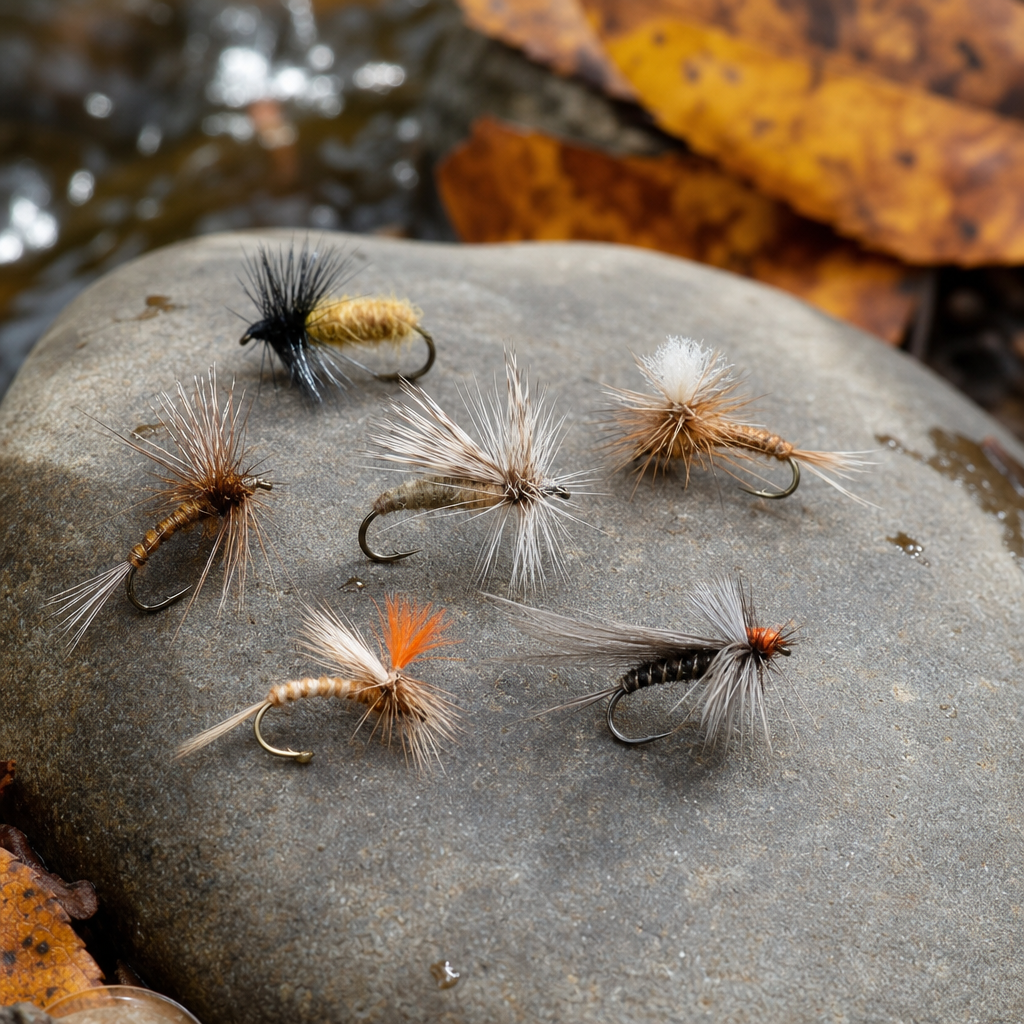
Dry-fly options should include common late spring staples such as parachute Adams variations, elk hair caddis, caddis cripples, mayfly duns, stonefly adults where relevant, and attractor dries for searching riffles. It is also wise to begin carrying a few small terrestrials, especially if you are fishing lower elevations, meadow streams, or grassy banks where beetles and ants start becoming part of the food supply. The key is not to overcomplicate it. Build your approach around categories: small bugs for cool mornings, bigger search nymphs for pushy water, caddis and mayflies for hatch periods, and terrestrials or attractors for covering water once summer influence begins to show.
4. How should I adjust my tactics when runoff is dropping but conditions still change day to day?
The best approach is to fish the conditions you have that day instead of the season you think it should be. Late spring can deliver clear flows one morning, off-color water by afternoon, and a completely different river after a warm night or a spike in melt. Because of that, successful anglers begin with a condition-based plan. If flows are still high or slightly stained, start close to the bank, target softer water, use enough weight to reach the strike zone, and choose flies with size, movement, or visibility. If flows have dropped and clarity is improving, begin expanding your focus to seams, riffles, transition lanes, and feeding shelves where trout can intercept drifting insects more efficiently.
Depth control is usually the biggest tactical factor. During this period, many missed opportunities come from fishing too shallow. Trout may be active, but they still often hold near the bottom until insects become abundant in the upper water column. Indicator nymphing with regular adjustments to weight and depth is highly effective, but tight-line methods can also shine in pocket water and shorter runs where direct contact helps detect subtle takes. As conditions stabilize, do not be afraid to lighten the rig, shorten the dropper, or swing emergers and soft hackles through the middle of the water column when fish begin transitioning upward.
Timing also matters. Cooler mornings may still favor nymphing, especially on tailwaters or freestones influenced by overnight snowmelt. As the day warms, insect activity often builds, and the afternoon can bring the best hatch action. Watch water temperature if possible. Even a few degrees of warming can trigger more consistent feeding. Finally, keep moving and keep observing. Late spring is not always a “set up in one run all day” season. Cover water, reevaluate after every major change in light, temperature, or clarity, and let trout behavior tell you when to stay deep, when to fish emergers, and when to look up for surface activity.
5. What are the biggest mistakes anglers make in late spring, and how can they avoid them?
One of the most common mistakes is assuming the river is fishing like early spring long after trout have already begun shifting into more active feeding patterns. Anglers may keep pounding only the slowest winter-type water with small flies when fish have moved into feeding seams, riffle edges, and moderate current where insect drift is stronger. The fix is to treat late spring as a progression, not a static season. Start by checking water temperature, flow, and clarity, then choose water types that match what trout are likely doing under those conditions.
Another frequent mistake is failing to adapt to changing bug activity. Late spring is rarely about one insect all day. You may begin with midges or small mayflies, shift into caddis pupae by midday, and see fish willing to take dries later on. Anglers who do best in this period pay close attention to what is happening in real time rather than fishing the fly that worked last week. Turn over rocks, look for shucks, watch the air above the river, and notice whether rises are splashy, subtle, or absent. Those observations tell you whether trout are taking nymphs, emergers, or adults.
A third mistake is poor rigging for the water level. In higher or pushier late spring flows, many anglers simply do not fish deep enough or with enough control. On the other hand, once flows drop and clear, some continue using overly heavy rigs that drag unnaturally and spook fish in softer water. The answer is constant adjustment. Change split shot, change leader length