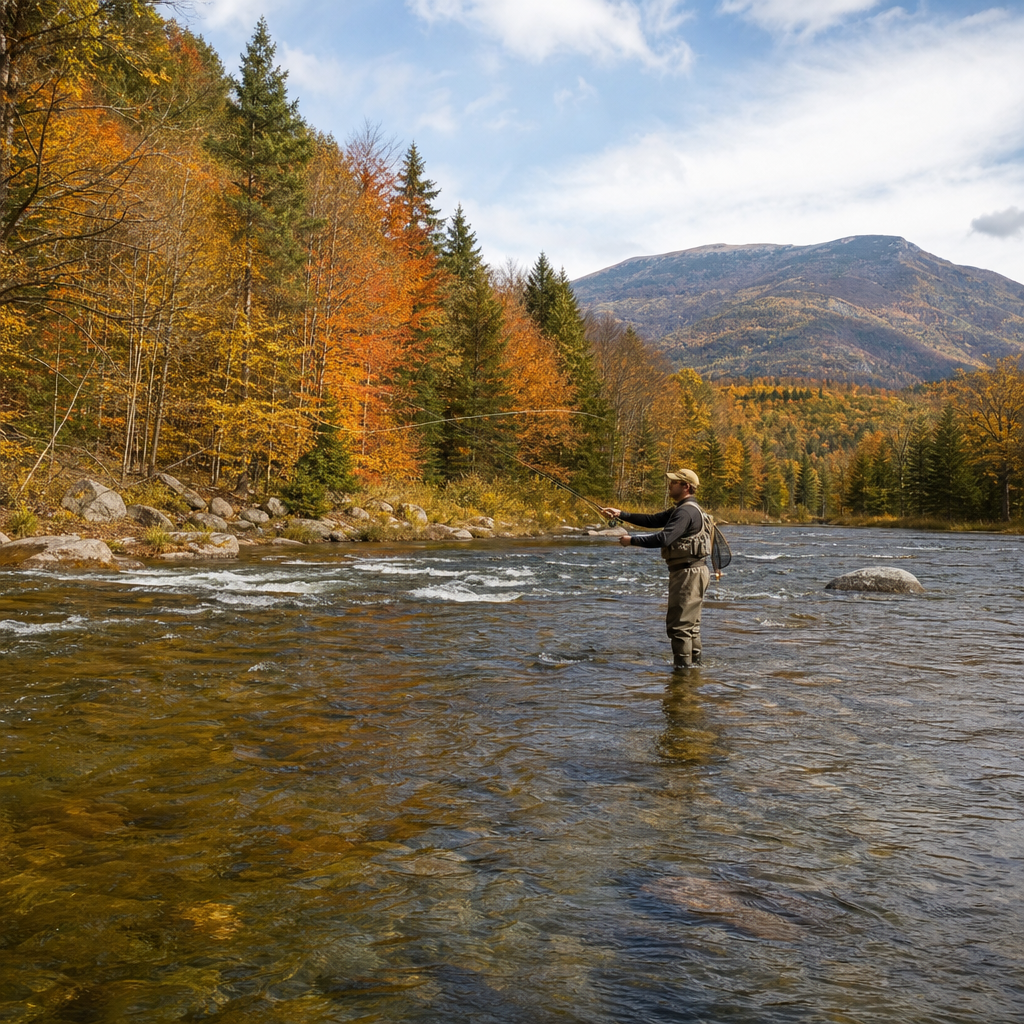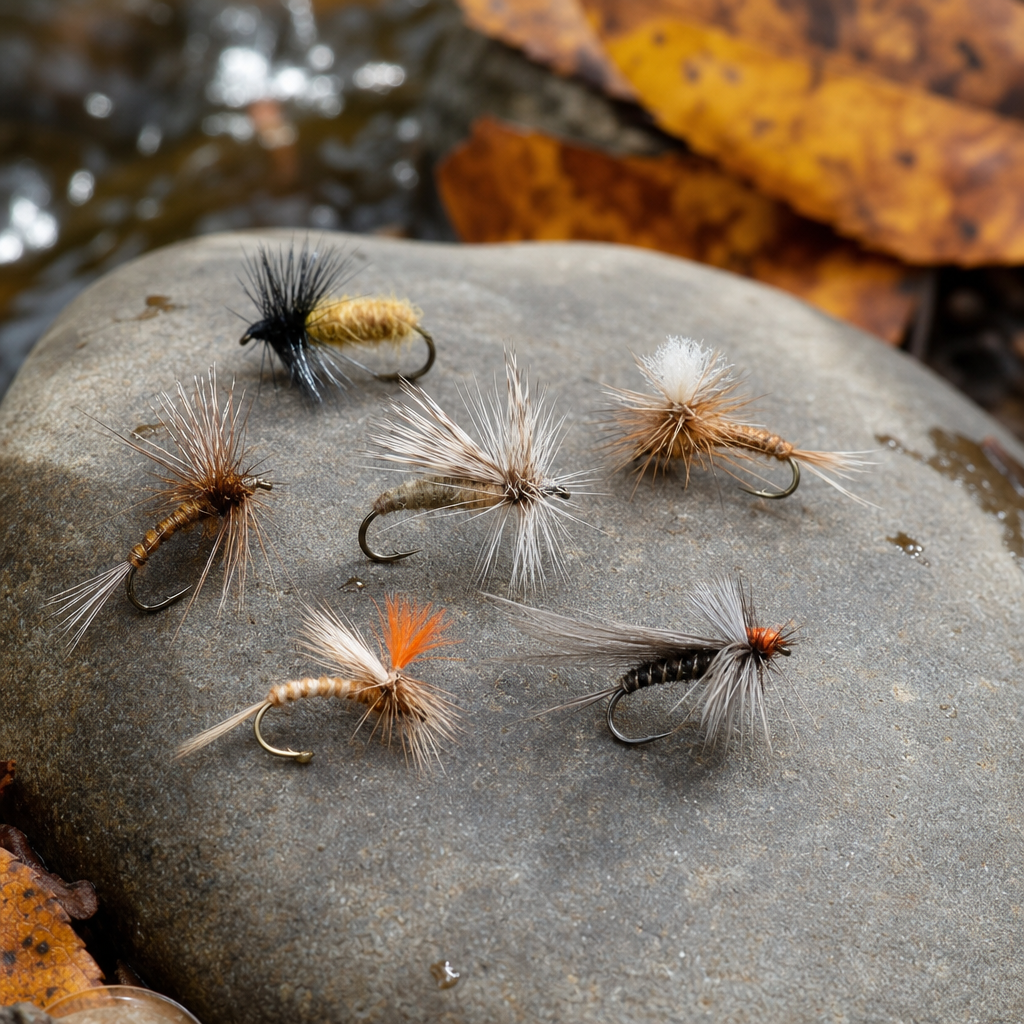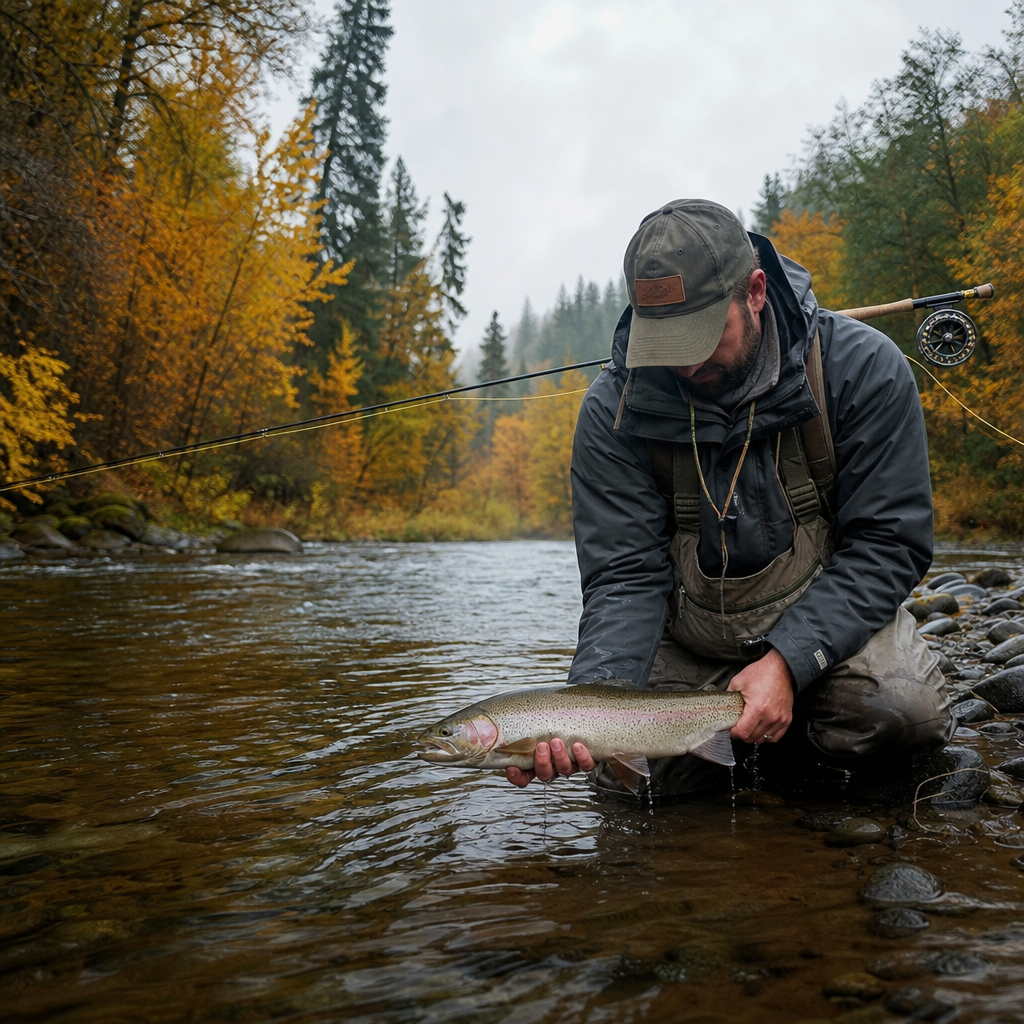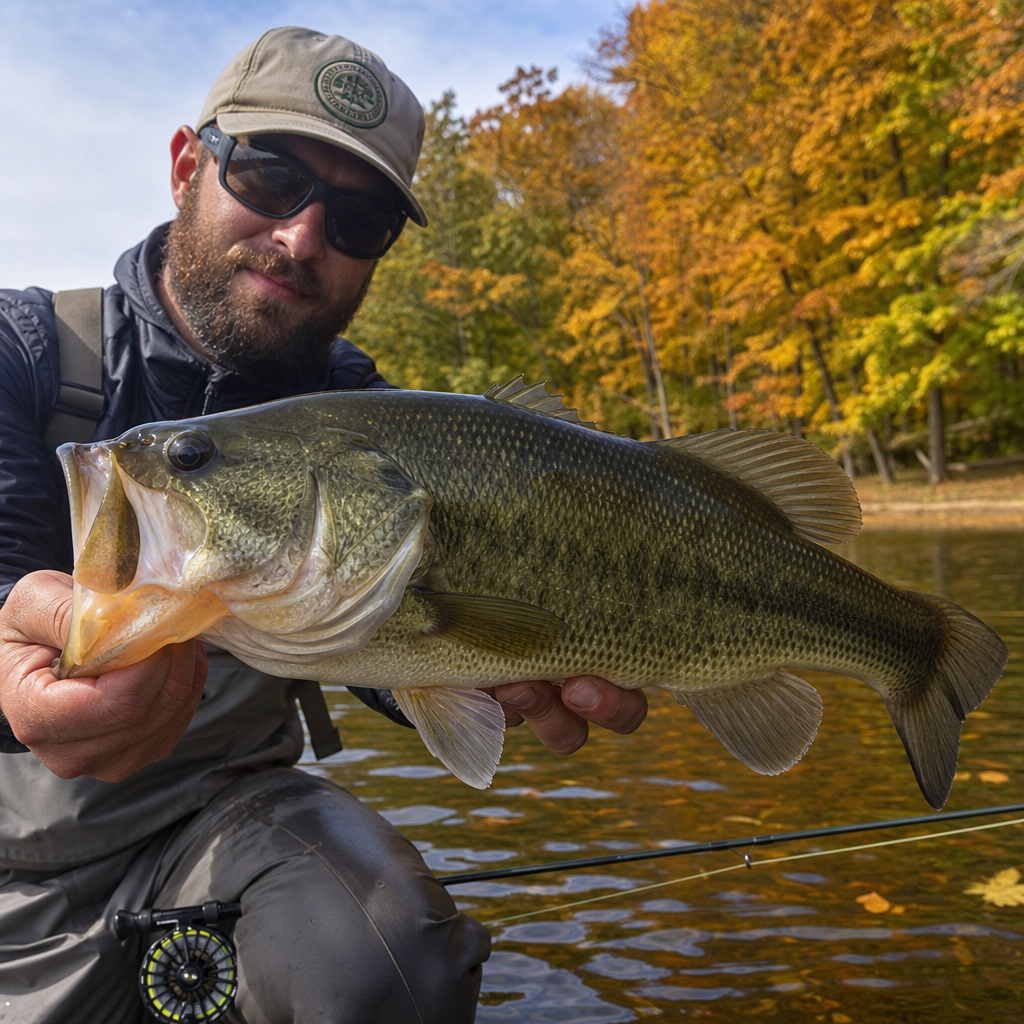
Spring fly fishing in North America offers the most dynamic mix of hatches, water conditions, and species behavior that anglers will see all year, which is why it deserves a dedicated planning guide rather than a simple list of places. In practical terms, spring fly fishing means the period between ice-out or late-winter thaw and the stable warmth of summer, when rivers run high with snowmelt, tailwaters often fish best, and trout, bass, and migratory fish feed aggressively around changing temperatures. I have planned spring trips across Western freestones, Eastern limestone creeks, Southern tailwaters, and coastal estuaries, and the same lesson keeps proving true: destination choice matters more in spring than in any other season because a great river in July can be nearly unfishable in April. Water temperature, runoff timing, insect emergence, access, and local regulations all shape success. For anglers building a spring fly fishing calendar, North America is exceptional because it includes technical tailwaters with year-round trout, famous mayfly rivers, striped bass estuaries, Great Lakes steelhead systems, and mountain streams that turn on for only a few prime weeks. This hub article explains where to go, when to go, what makes each destination productive, and how to match spring conditions to your goals, whether you want dry-fly trout, streamer eats, migratory fish, or reliable action during unpredictable weather.
Spring is also the season when many anglers ask the same direct questions: Where can I avoid muddy runoff? Which fisheries are best for hatches? What destinations suit beginners? Where are the biggest fish most catchable? The answer starts with understanding categories. Tailwaters are rivers controlled by dams; they usually have colder, clearer, more stable flows and often outperform freestones during runoff. Freestone rivers depend on natural snowpack and rain, so they can swing from clear and wadable to blown out in a day. Spring creeks emerge from groundwater and stay comparatively clear and temperature stable, but they usually demand precise presentation. Anadromous systems, including steelhead and striped bass fisheries, shine in spring because fish migrate with temperature and bait movement. If you treat all spring water the same, you will fish at the wrong time with the wrong expectations. If you match destination to conditions, spring becomes the season of opportunity: pre-runoff windows in the Rockies, Hendricksons in the East, midge and BWO action on tailwaters, smallmouth in warming rivers, carp on sunny flats, and stripers pushing into estuaries. The best spring fly fishing destinations in North America are the places where these seasonal variables line up consistently enough that traveling anglers can plan with confidence.
What Makes a Great Spring Fly Fishing Destination
A great spring fly fishing destination has three traits: dependable fishable water, a predictable food source, and a timing window broad enough for travel planning. In my experience, the most dependable spring waters are tailwaters such as the South Platte in Colorado or the White River in Arkansas, spring creeks such as Pennsylvania’s limestone streams, and lower-elevation systems that warm early. Predictable food sources matter because spring fish feed selectively when insect life concentrates. Blue-winged olives, midges, caddis, skwalas, March Browns, Hendricksons, and baitfish all create repeatable opportunities. A broad timing window matters because spring weather shifts quickly. A destination that fishes for six weeks is more forgiving than one requiring perfect runoff timing over four days.
Access and regulation stability also matter. Some of the best spring fly fishing in North America happens on rivers with clear public access, quality guide infrastructure, and in-season lodging. Others are technically excellent but harder to recommend broadly because changing flows, private land, or short-run timing narrow the odds. This hub focuses on destinations with enough consistency to serve as anchor trips and enough variety to support related planning articles on hatches, runoff, gear, and species-specific tactics.
Best Western Trout Destinations for Spring Fly Fishing
The American West dominates spring fly fishing conversations for good reason, but the best destinations are not always the most famous summer rivers. The Bighorn River in Montana is one of the most dependable spring trout fisheries on the continent. As a tailwater below Yellowtail Dam, it offers stable temperatures, prolific midges and blue-winged olives, and trout densities that support steady action even in difficult weather. Cloud cover, light rain, and moderate wind often improve Bighorn fishing because they extend BWO activity. Anglers can nymph, fish small dries, or strip streamers for larger browns before heavier summer pressure arrives.
The Green River below Flaming Gorge in Utah is another premier spring destination. Sections A and B are especially productive before runoff affects tributaries downstream. The river’s clear water, large trout population, and reliable midge and BWO activity make it a classic shoulder-season fishery. Spring also means fewer recreational boaters than summer. For anglers willing to fish from a drift boat or book a guide, the Green offers one of the best combinations of scenery, trout size, and consistency in the West.
Colorado’s South Platte system deserves hub-level attention because it includes several distinct spring options. Cheesman Canyon and Deckers can be technical but fish well with midges, BWOs, and streamers, especially on overcast days. Spinney Mountain Reservoir’s Dream Stream often produces trophy trout in spring as fish move through the spawning cycle, though ethics and regulations require careful attention around redds and closures. The Arkansas River near Salida and Canon City can be excellent in the pre-runoff window, particularly on warmer afternoons when caddis and small mayflies become active.
Idaho’s Henry’s Fork is often framed as a summer dry-fly destination, but its spring shoulder season rewards anglers who value less pressure and strong subsurface fishing. Depending on snowpack, the lower river and nearby waters can provide midge, BWO, and early caddis action. In Montana, the Missouri River near Craig may be the most complete spring trout package in the region: stable tailwater flows, heavy midge and BWO hatches, good streamer fishing, and broad access. When anglers ask me for one Western river that remains fishable through unstable spring weather, the Missouri is always near the top of the list.
Best Eastern and Southern Spring Fly Fishing Destinations
Eastern and Southern waters become especially valuable in spring because many fishable windows open before major Western runoff. Pennsylvania’s limestone country, including Penns Creek, Spring Creek, and nearby spring-fed systems, is foundational spring trout water. The Hendrickson hatch in the broader Northeast is iconic for a reason: it can bring large trout to the surface in daylight after a long winter. Spring Creek offers temperature stability and year-round technical fishing, while Penns Creek combines bigger water with excellent mayfly activity. Presentation quality matters here more than fly quantity.
The Delaware River system in New York and Pennsylvania is one of North America’s elite spring dry-fly fisheries. Its wild trout, significant hatches of blue-winged olives, caddis, Hendricksons, and later March Browns, plus broad floatable reaches, create a destination that rewards both advanced and improving anglers. The tradeoff is complexity: flows, temperatures, and branch choice matter, and hiring a guide for at least a day dramatically shortens the learning curve.
In the South, the White River in Arkansas and the Norfolk tailwater are outstanding spring trout destinations. Generated flows can be high, but those same dam releases create cold, fertile habitat capable of producing large browns and rainbows. The White is particularly famous for trophy brown trout, and spring streamer fishing there can be excellent when generation schedules align. Tennessee’s South Holston and Watauga rivers are equally important. The South Holston’s sulfur hatches are among the most reliable bug events in Southern trout fishing, while both rivers offer consistent nymphing and dry-fly opportunities through much of spring.
Smoky Mountain anglers should not overlook the Clinch and Hiwassee tailwaters, and the freestone streams of the Great Smoky Mountains National Park can fish well in lower, warmer elevations before heavy rain events. For anglers who want a spring trip with easier travel logistics, lower crowds than marquee Western rivers, and realistic chances at quality trout, the Southern Appalachians deserve a permanent place on the shortlist.
Steelhead, Stripers, and Warmwater Opportunities
Not every great spring fly fishing destination revolves around trout. Great Lakes steelhead rivers in Ohio, Pennsylvania, New York, and Michigan offer some of the most exciting spring fishing in North America. Tributaries such as the Salmon River in New York, Pennsylvania’s Erie tribs, and Michigan systems like the Manistee and Pere Marquette can hold fresh fish moving on warming flows. Egg patterns, nymphs, and streamers all have a place, and timing depends heavily on rainfall and water clarity. Spring steelhead is rarely easy, but when conditions line up, the combination of powerful fish and wadable rivers is hard to match.
For saltwater fly anglers, spring striped bass migration is a major seasonal target. The Chesapeake Bay tributaries, the Connecticut River, and Rhode Island estuaries can all produce excellent action as water warms and baitfish move. In these fisheries, the destination is often less about one famous pool and more about a network of tidal creeks, flats, marsh edges, and river mouths. Intermediate lines, baitfish patterns, and attention to tide stages matter more than hatch matching. A warm spell can accelerate the bite dramatically, making local reports essential.
Warmwater anglers should also look at spring smallmouth bass fisheries before summer recreational pressure peaks. The Buffalo National River and other Ozark streams, Tennessee rivers, and portions of the Susquehanna drainage can provide aggressive prespawn fish willing to eat crawfish patterns, baitfish streamers, and topwater flies during warmer windows. Carp fishing also begins to shine on sunny spring afternoons in lakes and backwaters across the continent. If your goal is visual fishing and steady shots at strong fish in shallow water, carp may be the most underrated spring fly target available.
How to Choose the Right Destination by Conditions
The smartest way to choose among the best spring fly fishing destinations in North America is to start with conditions, not reputation. Use snowpack maps, USGS stream gauges, local shop reports, and dam release schedules before you book. If runoff risk is high, choose a tailwater. If you want dry flies, prioritize rivers with named spring hatches and moderate daily temperature swings. If you want large fish, consider pre-spawn or post-spawn movements on trout tailwaters, spring steelhead runs, or migratory stripers. If you need beginner-friendly fishing, pick destinations with forgiving access, stable flows, and multiple effective techniques.
| Goal | Best Destination Type | Examples | Why It Works in Spring |
|---|---|---|---|
| Reliable trout action | Tailwater | Bighorn, Missouri, White | Stable flows, clear water, consistent midges and BWOs |
| Classic dry-fly fishing | Limestone creek or hatch river | Delaware, Penns Creek, South Holston | Predictable mayfly and sulfur hatches bring fish up |
| Trophy trout | Technical tailwater | South Platte, White, Green | Large fish feed actively before summer pressure peaks |
| Migratory fish | Steelhead river or striper estuary | Salmon River, Erie tribs, Chesapeake tributaries | Seasonal fish movements concentrate opportunities |
| Lower-cost road trip | Regional smallmouth or Southern trout water | Ozarks, Smokies, Watauga | Longer fishable windows and easier logistics |
Gear should follow destination. On technical trout water, I carry 9-foot 4- or 5-weight rods, long leaders, split shot, and small midges and mayflies. On spring creeks, fluorocarbon tippet and reach casts matter. On steelhead rivers, switch rods and stronger tippet improve control. For stripers and smallmouth, sink tips or intermediate lines and articulated baitfish patterns cover water efficiently. The point is simple: spring rewards anglers who plan specifically. Generic gear and generic timing produce generic results.
Planning, Ethics, and Making This Hub Your Starting Point
Every spring trip should include three final checks: regulations, spawning considerations, and backup water. Regulations change by river section and species, especially around seasonal closures, fly-only zones, and hook rules. Spawning awareness is critical. Trout, steelhead, and bass all have vulnerable periods in spring, and ethical anglers avoid targeting paired fish on redds or visibly spawning beds. Focus instead on pre-spawn staging fish, post-spawn recovery fish where legal, or species not currently spawning in your selected water. This is not just good practice; it protects the resource that makes spring fishing special.
Backup water matters because spring weather is volatile. On guided trips I have seen Plan A blown out by overnight rain, while a nearby tailwater or spring creek saved the entire week. Build flexibility into flights, lodging, and expectations. If you are new to a destination, use local fly shops as intelligence centers. Shops track insect timing, river levels, drift boat access, and recent fish behavior more accurately than generic travel sites. They also point you toward nearby fisheries, which is exactly how a sub-pillar topic should work: one hub article gives the overview, and deeper destination, hatch, gear, and tactics articles help you act on it.
The best spring fly fishing destinations in North America are not defined by fame alone. They are defined by seasonal fit. Choose tailwaters when runoff threatens, hatch rivers when dry-fly timing peaks, steelhead and striper systems when migration is on, and warmwater rivers when trout streams are unstable. The benefit of understanding spring fly fishing at this level is confidence. You stop guessing, start reading conditions correctly, and travel with a realistic plan for success. Use this hub as your starting point, then map your season around the destination type, species, and timing that match your goals. Spring offers short windows, but with the right destination, those windows can produce the best fishing of the year.
Frequently Asked Questions
What makes spring one of the best seasons for fly fishing in North America?
Spring is widely considered one of the most rewarding times to fly fish in North America because it combines strong fish activity, diverse insect hatches, and constantly changing water conditions that can create excellent opportunities for prepared anglers. After winter, many fish begin feeding more aggressively as water temperatures rise and natural food sources become more available. Trout often shift from cold-weather holding patterns into more active feeding behavior, while smallmouth bass, largemouth bass, steelhead, and other migratory or transitional species also become more predictable in certain systems. In many regions, spring is the first long window of the year when fish are consistently willing to move for nymphs, streamers, and dry flies.
What makes spring especially dynamic is that it is not a single uniform season. Conditions can range from late-winter tailwater fishing with midges and small mayflies to full snowmelt runoff, pre-spawn bass movements, caddis explosions, and major mayfly hatches depending on the latitude, elevation, and river type. A spring destination that fishes poorly during peak runoff may still offer excellent action on a nearby tailwater, spring creek, lake, or warmwater fishery. That variety is a major reason spring deserves more planning than a simple “best places” list. Successful anglers think in terms of timing, water source, fish behavior, and insect activity rather than just choosing a famous river.
Which types of spring fly fishing destinations are usually the most reliable?
The most reliable spring fly fishing destinations are usually tailwaters, spring creeks, lower-elevation freestone rivers that warm early, and warmwater fisheries that become active before summer crowds arrive. Tailwaters are often at the top of the list because dams regulate flow and temperature, which can reduce the effects of runoff and create more stable fishing conditions during a season when many freestone rivers become high, cold, and off-color. That is why destinations like the San Juan in New Mexico, the White River in Arkansas, and certain sections of the South Platte in Colorado are so often mentioned in spring planning conversations. Even when surrounding rivers are blown out, tailwaters can remain fishable and highly productive.
Spring creeks are another dependable option because they tend to maintain relatively constant water temperatures and clear flows. These fisheries often reward technical anglers with steady midge, mayfly, and scud-based opportunities. Lower-elevation rivers in milder climates can also turn on early, especially in parts of the Southeast and Pacific Northwest. Meanwhile, warmwater destinations for smallmouth bass and carp can be excellent in spring, particularly during pre-spawn periods when fish move shallow and feed with purpose. The key takeaway is that the “best” spring destination is often the fishery least affected by extreme snowmelt and most aligned with the seasonal behavior of the target species.
How do runoff and changing water conditions affect where I should fish in spring?
Runoff is one of the biggest factors in spring fly fishing, especially in western and northern regions where snowpack drives river levels. As temperatures rise, melting snow sends cold, fast, often dirty water into freestone rivers. That can make some famous trout streams difficult or temporarily unfishable, especially during peak melt. However, runoff does not mean spring fishing is ruined; it simply means anglers need to be strategic. When freestones rise and discolor, many anglers shift to tailwaters below dams, spring creeks, tributaries that clear faster, lakes, or lower river sections where flows stabilize sooner. Reading regional water reports and hydrographs becomes just as important as choosing flies.
Changing conditions also affect how fish position themselves. In high water, trout often move closer to banks, behind structure, along soft seams, and into slower side channels where they can hold without burning energy. That means anglers who adjust their tactics can still fish effectively even when flows are elevated. Heavier nymph rigs, streamers with strong profiles, and flies in darker colors often work well in stained water. On the other hand, when spring conditions are stable and water temperatures rise into productive ranges, fish may spread out, feed more visibly, and key on emergences or surface activity. The best spring destinations are often not the ones with the prettiest scenery, but the ones where flow stability, fish access, and seasonal timing line up in your favor.
What species should anglers target on a spring fly fishing trip in North America?
Spring offers a broad mix of species, which is one of the reasons it is such an exciting season to plan around. Trout are the obvious centerpiece for many fly anglers, and for good reason. Rainbow, brown, brook, and cutthroat trout often feed actively in spring, particularly on nymphs, emergers, streamers, and early dry fly hatches. Tailwaters can provide especially consistent trout action, while spring creeks and lower-elevation freestones may offer more hatch-driven fishing as the season progresses. Depending on location, spring can also be an outstanding time for larger pre-runoff trout that are willing to eat streamers in colder but stable water.
Beyond trout, spring is an excellent time to target smallmouth bass, especially in rivers that warm earlier than surrounding trout water. Pre-spawn bass often become aggressive and can be caught on crayfish patterns, baitfish imitations, and topwater flies later in the season. Steelhead and salmon may also be prime targets in certain regions during spring migrations. In some areas, carp begin to wake up in shallow flats and backwaters, creating highly visual sight-fishing opportunities. Striped bass runs, shad migrations, and regional warmwater options can also make spring one of the most versatile seasons on the continent. The right species to target depends on your timing, preferred style of fishing, and willingness to adapt to weather and water conditions.
How should I plan a spring fly fishing trip to improve my chances of success?
Planning a successful spring fly fishing trip starts with timing and flexibility. Instead of choosing a destination based only on reputation, match the fishery to the specific week you plan to travel. Research average water temperatures, historical runoff timing, hatch calendars, and species movement patterns. A river that is excellent in early April may be in full runoff by late May, while a tailwater or southern smallmouth fishery could be hitting its stride at exactly that same time. Local fly shops, guides, and state agency flow data are some of the best resources available because spring conditions can change quickly from one drainage to the next. It is smart to build backup options into your trip, such as a nearby tailwater, lake, or tributary in case your first-choice river becomes unfishable.
Tackle and fly selection matter as well. Spring anglers should usually carry a range of setups, including nymphing gear for subsurface work, streamers for aggressive fish in higher or stained water, and dry-fly options for hatch windows. Layered clothing, rain gear, and wading precautions are essential because spring weather can shift from warm sun to snow, wind, or cold rain in a single day. If runoff is a concern, focus on edges, slower water, and protected structure rather than forcing casts into heavy current. Above all, keep expectations flexible and fish the conditions in front of you. The anglers who do best in spring are rarely the ones chasing a single famous hatch at all costs; they are the ones who understand seasonal transitions and adjust their destination, tactics, and target species accordingly.