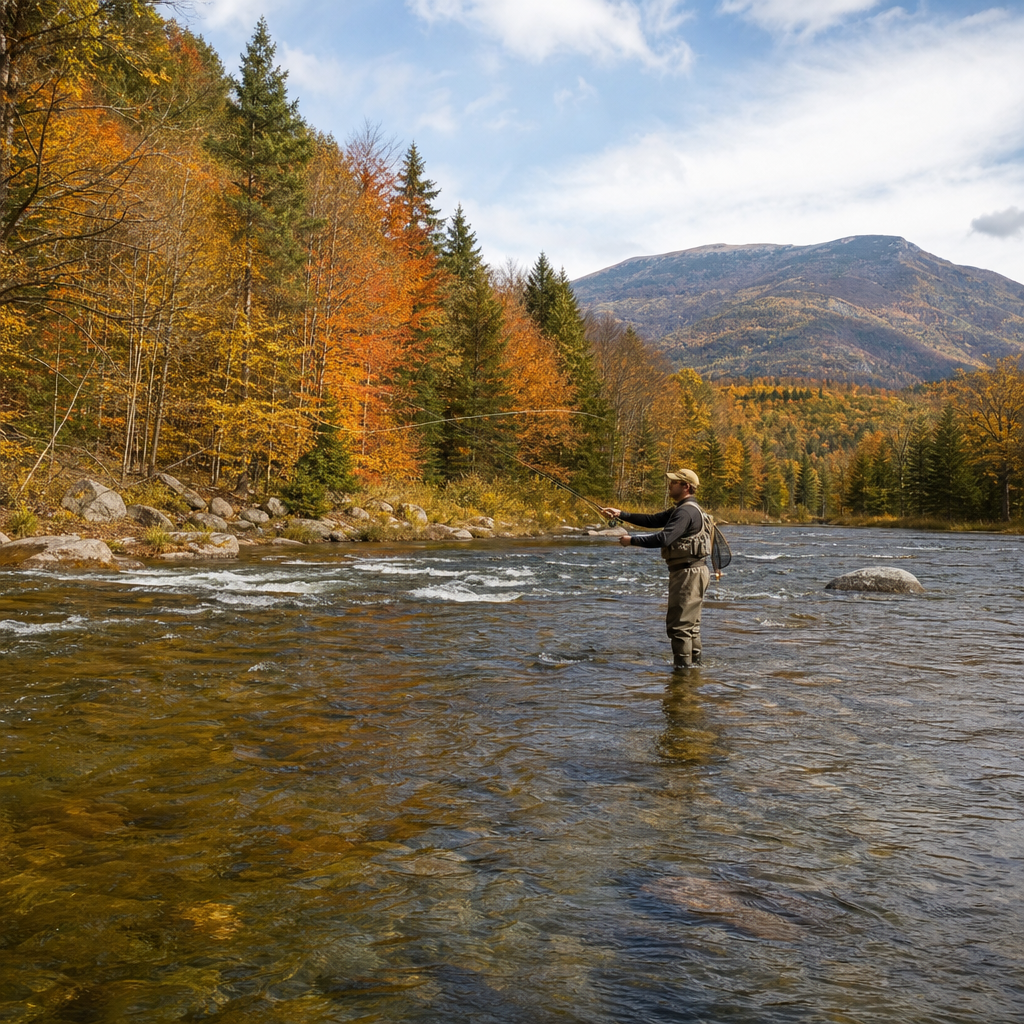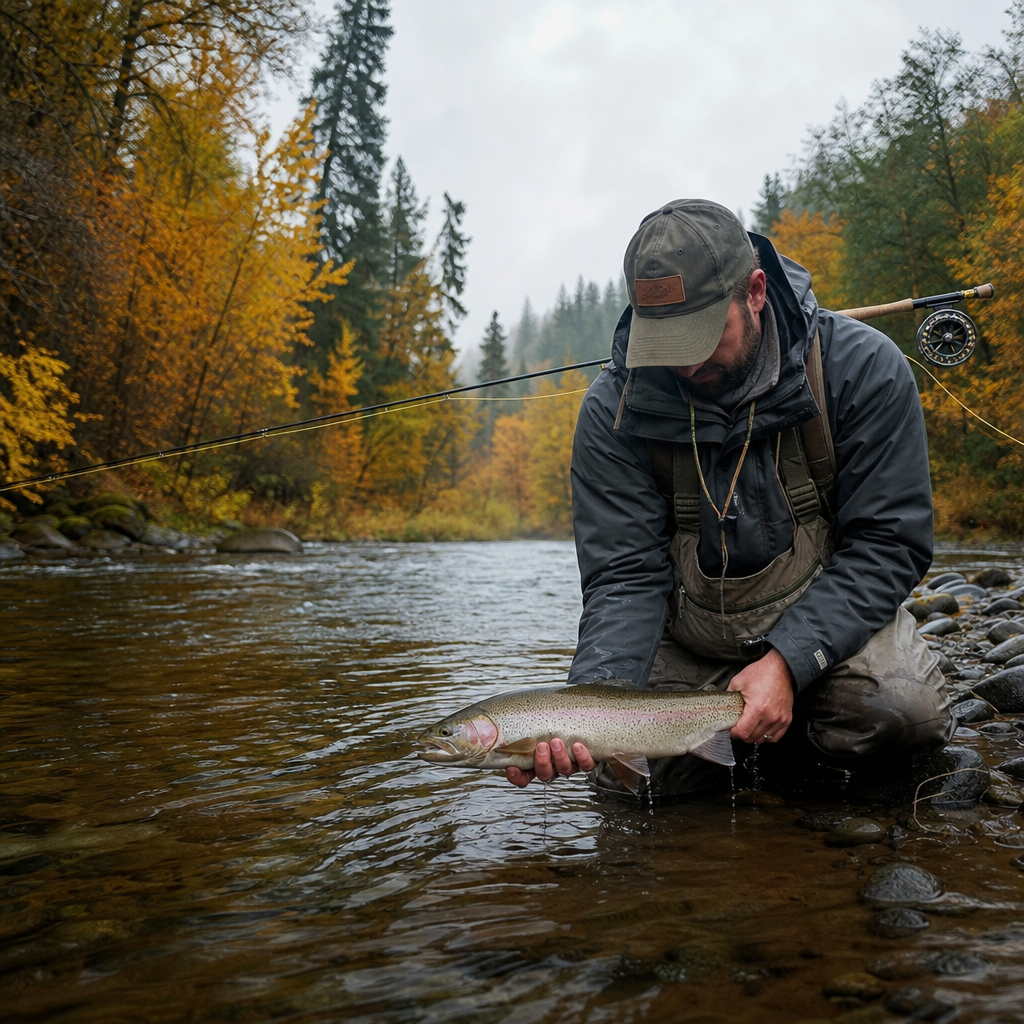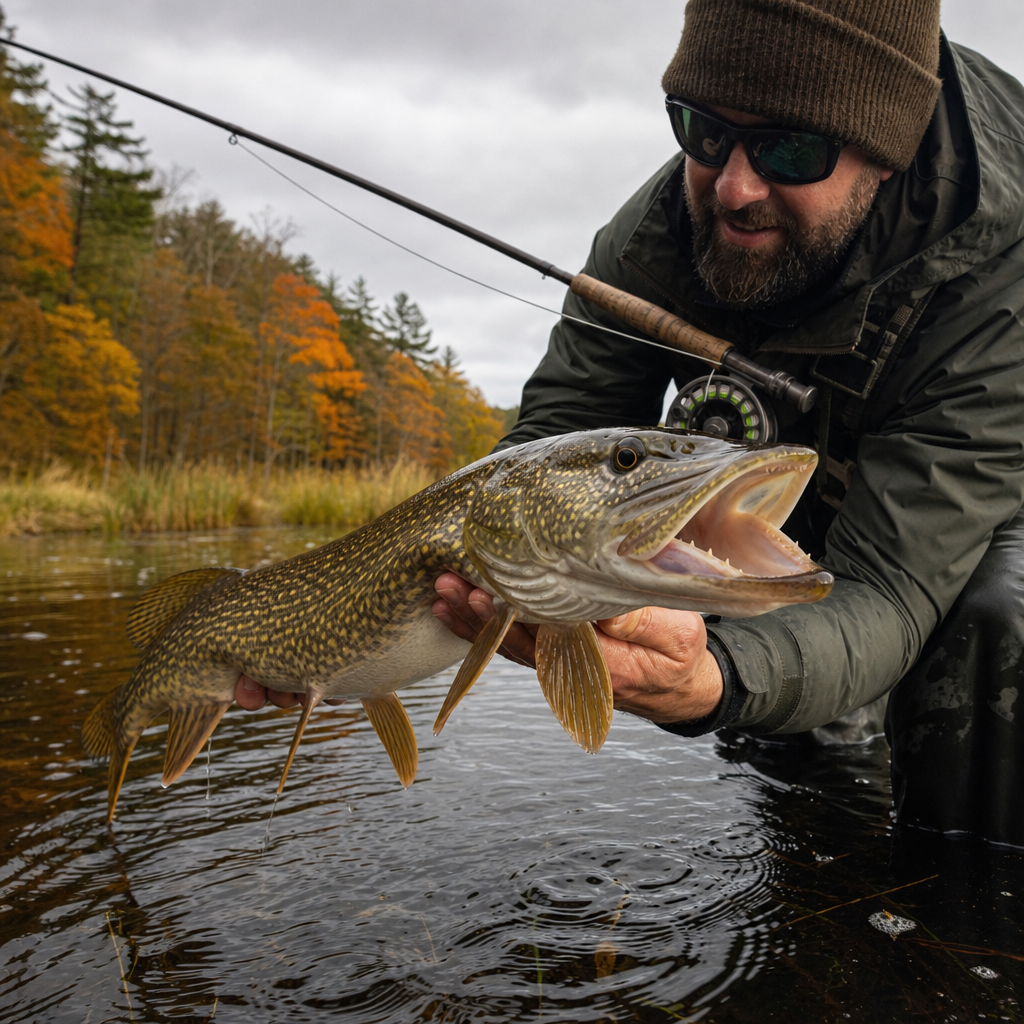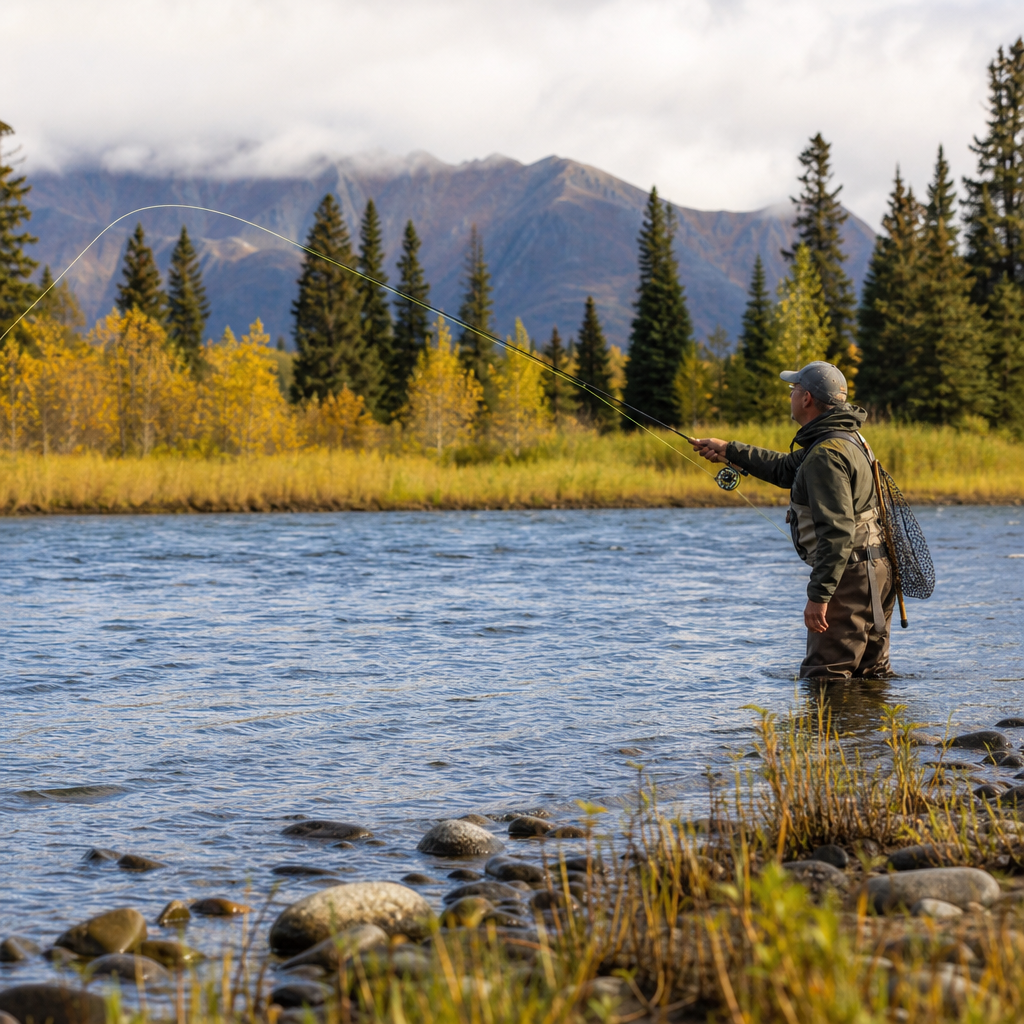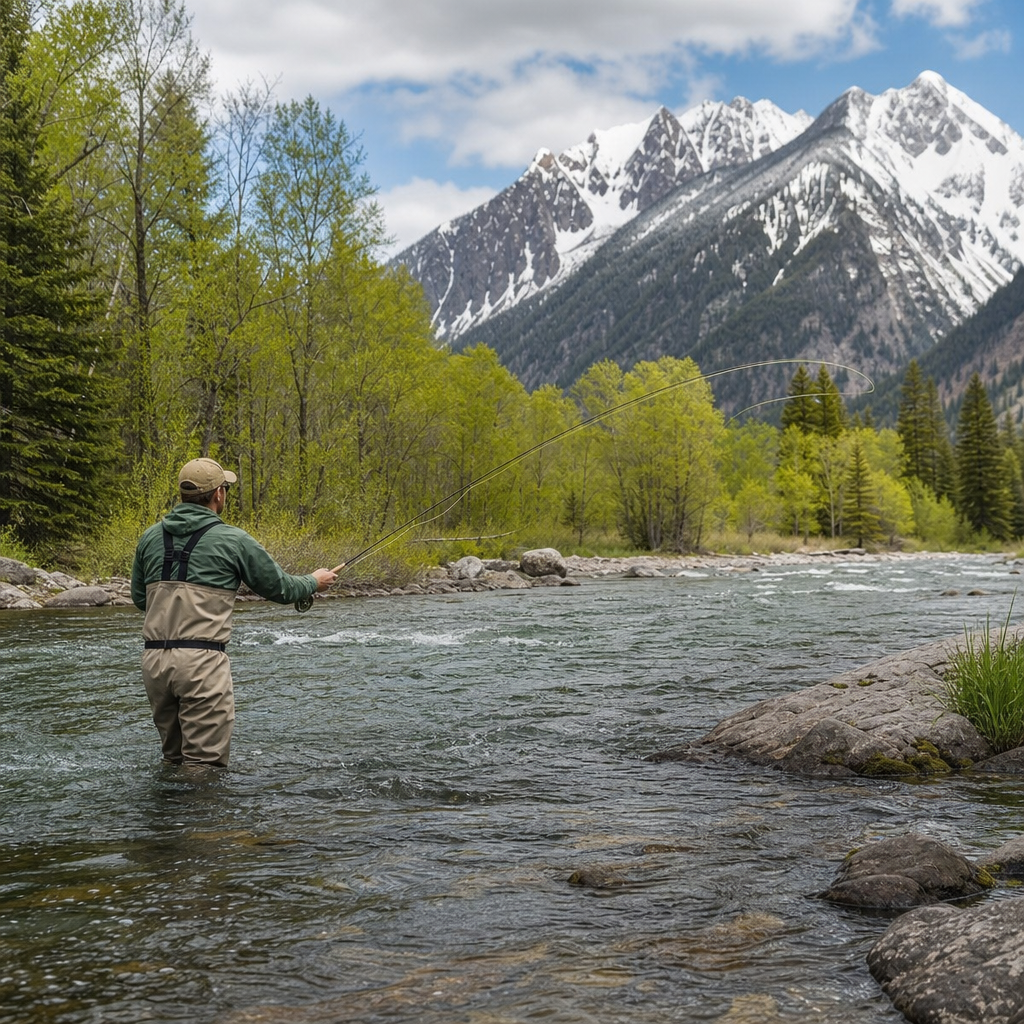
Spring fly fishing in rivers is the season when moving water wakes up, trout shift from winter holding lies, aquatic insects reappear in meaningful numbers, and anglers who understand changing temperatures can find some of the most consistent action of the year. In practical terms, spring begins when river temperatures climb out of winter lethargy, snowmelt starts influencing flow, and fish begin feeding with greater regularity before, during, and after spawning cycles depending on species and latitude. For trout anglers especially, spring fly fishing means reading unstable conditions well: one day brings clear moderate flows and blue-winged olives, the next delivers cold runoff, soft banks, and fish stacked in slow seams. I have spent many springs guiding and scouting freestone and tailwater rivers, and the pattern is always the same: success comes less from heroic casting than from understanding water temperature, current speed, food sources, and fish positioning. That is why spring matters. It is a transition season, and transitional seasons reward anglers who can adapt quickly. This article serves as a hub for spring fly fishing in rivers, covering the core techniques, fly choices, river conditions, trout behavior, safety considerations, and gear adjustments that consistently produce fish. If you want a simple definition, spring fly fishing is the practice of matching fly presentation to cold-to-cool water conditions, fluctuating flows, and early-season insect activity. If you want better results, you need to know where trout move, what they eat first, how runoff changes holding water, and when to switch from nymphs to streamers to dry flies. Master those shifts, and spring becomes less unpredictable and far more productive.
How spring river conditions change trout behavior
The first rule of spring fly fishing is that trout respond to temperature before they respond to the calendar. In many rivers, feeding activity increases notably once water reaches the low to mid 40s Fahrenheit, and it often accelerates in the upper 40s to low 50s when insect life becomes more dependable. Brown trout, rainbow trout, and cutthroat all use current differently in cold water than they do in summer. During late winter and very early spring, they conserve energy in softer edges, tailouts with gentle depth, inside seams, and slower slots beside stronger currents. As the water warms even a few degrees in the afternoon, they slide toward feeding lanes where drifting nymphs become available. On freestone rivers, snowmelt and rain can raise flows quickly, so trout often hold tighter to banks, behind midstream structure, or in slower side channels. On tailwaters, spring can be more stable, but generation schedules still alter depth and speed, so checking dam releases is not optional. A common mistake is fishing classic summer riffles too hard when water is cold and high. In spring, productive water is often a half-step softer than you expect. Look for current seams that deliver food without forcing trout to fight the flow. If the river colors up slightly, that can help rather than hurt, because fish feel secure and move shallower. If visibility drops below about a foot, presentations generally need more weight, larger profiles, or both.
Best spring fly fishing techniques for rivers
Nymphing is the foundation technique for spring fly fishing because most trout feed subsurface most of the time, especially before major hatches stabilize. A tight-line setup excels in pocket water and defined seams where you need direct contact, fast sink rates, and precise drifts. An indicator rig covers broader runs and deeper buckets more efficiently, particularly when flows are inconsistent. In guided spring trips, I usually begin with a two-fly nymph rig: a heavier anchor fly such as a stonefly nymph or tungsten pheasant tail, followed by a smaller mayfly or midge pattern on a dropper. The point is not just variety. The heavier fly sets depth, while the trailer often gets eaten by fish keying on smaller natural insects. Depth control matters more than exact pattern choice on many spring days. If your flies are not occasionally ticking bottom, they are probably too high in the water column.
Streamer fishing becomes especially effective in spring because higher flows dislodge baitfish and juvenile trout, and pre-spawn or post-spawn aggression can trigger violent takes from larger fish. Cast quartering downstream or across current, mend to control sink, then vary retrieve speed until fish show preference. In cold water, slower strips with pauses often outperform a fast retrieve. In stained water, choose streamers with stronger silhouettes such as black, olive, or white articulated patterns. Dry-fly fishing can be excellent during specific windows, particularly on overcast days with blue-winged olive hatches or during caddis emergence. The key is timing. Early spring surface action often happens from late morning through midafternoon, when water temperature peaks. If fish rise sporadically, a dry-dropper rig lets you cover both surface and subsurface feeding. Presentation still rules. Dead-drift the dry naturally, avoid drag, and set lightly because spring trout often sip emergers rather than crush adults.
Reading spring water: where to cast first
Spring river reading is about identifying feeding lanes adjacent to refuge water. Trout want calories, but they do not want to burn them. Start by fishing the soft edges of current transitions: inside bends, current seams below riffles, side cushions near boulders, and shelves where depth drops from two feet to four. During runoff, flooded banks can become prime holding water because worms, insects, and terrestrial debris wash in there. I have seen anglers walk past inches-from-the-bank slots that held the best fish of the day simply because the water looked too shallow. In reality, slightly off-color spring water gives trout cover, and they use it aggressively.
Riffles are not irrelevant in spring, but they become productive only when temperature and oxygen align with feeding activity. Focus first on the tail of pools, softer riffle margins, and bucket water below structure. On sunny afternoons, shallow shelves with dark bottoms can warm faster and draw both bugs and fish. In tailwaters with stable temperatures, look for conveyor-belt seams where food accumulates consistently. In freestones after rain, prioritize slower side channels and back eddies where trout escape the main push while intercepting drifting nymphs. A useful discipline is to read a run from slowest to fastest rather than the reverse. That habit keeps you from overfishing obvious heavy water and helps you find the softer spring lies that often produce immediately.
Effective spring flies and when to use them
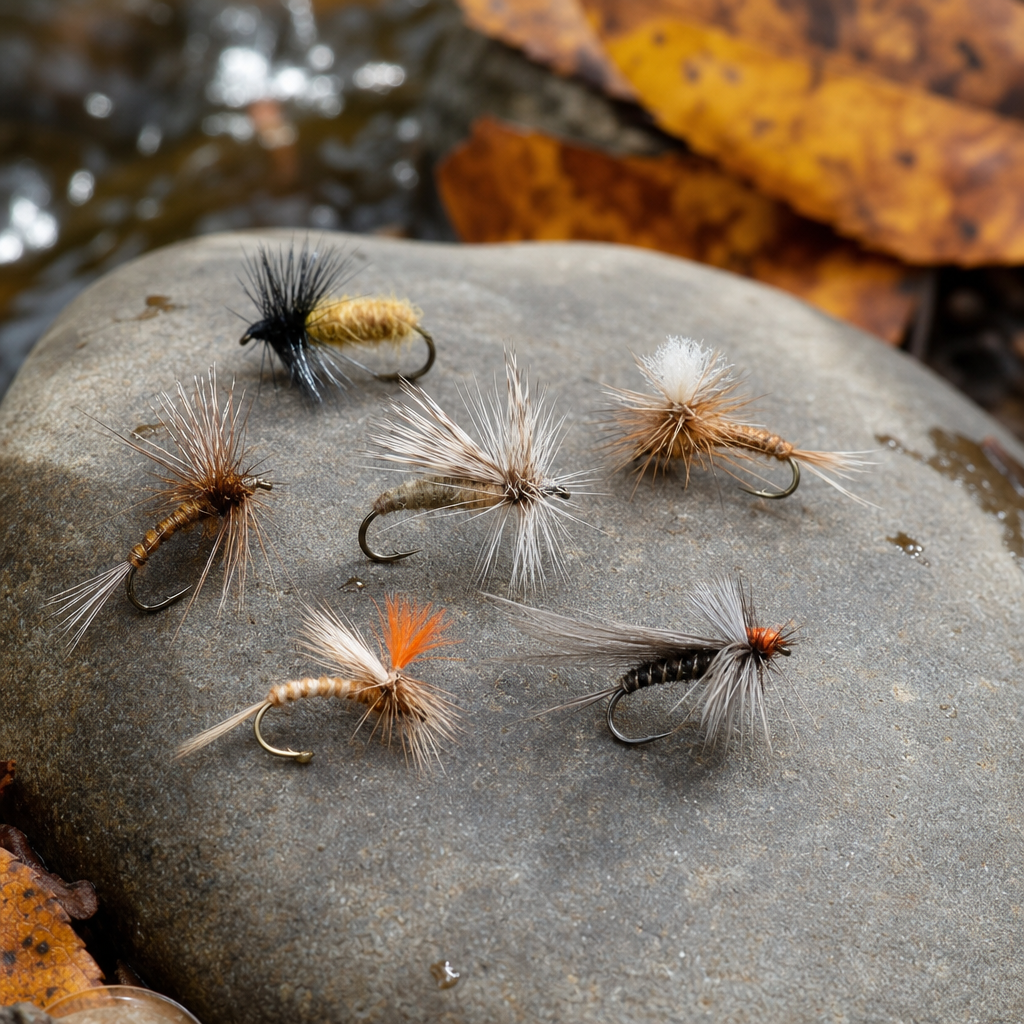
The best spring fly selection covers mayflies, caddis, stoneflies, midges, worms, and baitfish. Exact hatch timing varies by region, but the categories remain reliable. For nymphs, carry pheasant tails, hare’s ears, perdigons, zebra midges, baetis nymphs, and stonefly patterns in sizes that match local rivers, usually from 12 to 20 depending on species. In higher water, San Juan worms and egg patterns can be effective where legal and appropriate, especially after rain or around spawning activity. For dries, blue-winged olive duns and emergers are essential because baetis hatches are a defining spring event on many rivers. Elk hair caddis, parachute Adams, Griffith’s gnats, and small emergers round out a practical box. For streamers, woolly buggers, sculpin patterns, and articulated baitfish imitations cover most situations.
| Condition | Best Fly Type | Typical Sizes | Why It Works |
|---|---|---|---|
| Cold, clear morning | Midge or small mayfly nymph | 16–20 | Trout feed selectively and hold deep with limited movement |
| Warming afternoon | Baetis nymph, emerger, or BWO dry | 18–22 | Increasing insect activity brings fish into feeding lanes and surface film |
| High stained flow | Stonefly nymph, worm, or dark streamer | 6–12 | Larger profile improves visibility and matches dislodged food |
| Moderate flow with caddis activity | Caddis pupa or adult | 14–18 | Emergence often triggers aggressive takes in riffle seams |
Do not overcomplicate pattern choice, but do match size and depth carefully. In spring, a generic fly in the right lane and depth often beats an exact imitation drifting too high. If refusals occur, first reduce drag, then adjust fly size, then change pattern. That sequence saves time and catches more fish.
Gear, leaders, and presentation adjustments
A 9-foot 4-weight or 5-weight rod handles most spring trout rivers well, though a 6-weight helps with larger streamers and windy runoff conditions. Floating lines cover the majority of situations because nymph rigs, dry-dropper setups, and many streamer presentations can all be managed from the surface. Leaders should match technique, not habit. For indicator nymphing, longer leaders from 9 to 12 feet provide reach and depth control. For dry flies, taper matters more, especially when fish are selective in clear low spring windows. For streamers, a shorter stouter leader turns over heavier flies and improves control.
Tippet diameter is a tradeoff between sink rate, stealth, and abrasion resistance. In cold clear water with small baetis, 5X or 6X may be necessary. In high spring flows with stoneflies or streamers, 3X or 4X is often smarter and safer. Weight placement also matters. Split shot should bring flies near the strike zone quickly without making the drift look unnatural. Strike indicators need to suspend the rig cleanly and respond to subtle takes. Seasonal presentation details are decisive: cast slightly upstream to extend dead drift, mend immediately to remove drag, and lead the flies just enough to stay in contact without pulling them unnaturally. In spring, fish often eat softly. Any pause, twitch, or unnatural stop in the indicator or sighter deserves a hook set. Better anglers miss fewer spring trout because they react early, not because trout take harder.
Safety, timing, and common spring mistakes
Spring rivers can be dangerous. Snowmelt raises flows, undercuts banks, and keeps water cold enough for rapid loss of coordination. A wading staff, studded boots where permitted, and a zipped wading belt are basic precautions, not extras. Avoid crossing strong channels when conditions are rising, and remember that muddy edges can collapse. Check weather, stream gauges, and release schedules before you leave. The U.S. Geological Survey gauge network and dam operator alerts are among the most useful planning tools for river anglers because they show whether a river is fishable, merely high, or unsafe.
Timing is another major advantage in spring. Midday to late afternoon often outperforms dawn because water temperature rises, insects hatch, and trout feed more freely. That is especially true after cold nights. Conversely, after warm rain or during stable overcast conditions, morning can be productive sooner. The biggest mistakes I see are fishing too fast, wading too deep, ignoring soft bank water, and refusing to change rigs when conditions change. Another common error is assuming dirty water kills the bite. Often, slightly stained spring water improves fishing if visibility remains sufficient for trout to track a fly. The best spring anglers stay mobile, monitor temperature trends, and treat every change in light, flow, and bug activity as a tactical signal.
Spring fly fishing in rivers rewards anglers who think like observers instead of tourists. The season is not random. Trout follow temperature, current efficiency, and food availability, and each of those variables can be read on the water if you slow down and pay attention. Start with the basic framework: find softer holding water near feeding lanes, fish nymphs deep until conditions prove otherwise, switch to streamers when flows rise or bigger fish get aggressive, and be ready for short but excellent dry-fly windows during baetis or caddis activity. Match fly size and weight to the river’s clarity and speed, not just to what worked on your last trip. Use stream gauges, release data, and stream thermometers to plan intelligently. Respect cold water and unstable footing. Most important, let the river tell you what phase of spring you are in, because early spring, prespawn warming, and runoff all fish differently.
As a hub for spring fly fishing, this guide gives you the core system that supports every related topic under seasonal conditions: reading runoff, timing hatches, choosing flies, and adapting presentation through rapid weather swings. If you apply these principles on your next river trip, you will spend less time guessing and more time fishing productive water with confidence. Pick a river, check the flows, rig for depth, and let spring show you where the trout have moved.
Frequently Asked Questions
When is the best time to fish rivers in spring?
The best time to fish rivers in spring is usually tied more to water temperature, flow conditions, and insect activity than to the calendar itself. Early in the season, trout and other river fish are still transitioning out of winter patterns, so the most productive windows are often the warmest parts of the day, typically late morning through mid-afternoon. As water temperatures climb out of the upper 30s and into the 40s and 50s, fish become noticeably more active and begin feeding more consistently. That change can happen quickly during a stretch of sunny weather, or more slowly in snowmelt-driven systems where runoff keeps water cold.
Another major factor is daily stability. Spring weather can be volatile, but fish generally respond well to gradual warming trends, slightly elevated but fishable flows, and overcast days that encourage longer feeding periods. During pre-runoff conditions, rivers often fish exceptionally well because flows are up just enough to move food while still allowing good visibility and manageable presentations. Once heavy snowmelt pushes rivers high and off-color, fishing can become tougher, although edges, seams, side channels, and softer water can still produce.
Pay close attention to local hatches as well. Blue-winged olives, midges, caddis, and early stoneflies can all trigger excellent feeding in spring. If you see bugs in the air or drifting in the film, timing your day around that emergence can be more important than simply starting at dawn. In many rivers, spring offers some of the year’s most dependable action precisely because fish are shifting into stronger feeding habits, and anglers who match their outings to warming water and manageable flow conditions usually do best.
What fly patterns work best for spring river fishing?
Spring fly selection is most effective when built around three core food sources: subsurface nymphs, emerging insects, and opportunistic larger meals. In many rivers, nymphing remains the foundation because trout do a great deal of their feeding below the surface while water is still cool and flows are often elevated. Productive patterns commonly include pheasant tails, hare’s ears, prince nymphs, zebra midges, caddis larvae, midge larvae and pupae, stonefly nymphs, and small mayfly imitations. In early spring, sizes are often smaller and more natural, but as the season progresses, larger attractor nymphs and more hatch-specific patterns become increasingly important.
Dry flies and emergers come into play whenever insect activity builds. Blue-winged olive emergers, parachute-style mayfly patterns, elk hair caddis, soft hackles, and cripple patterns can all be excellent choices, especially during overcast afternoons or warming trends. Emergers are especially useful in spring because fish frequently key on insects trapped in or just under the surface film rather than on fully emerged adults. If you see subtle rises, noses just breaking the surface, or fish refusing high-floating dries, switching to an emerger or soft hackle is often the answer.
Streamers also deserve serious attention in spring. Higher flows, stained water, aggressive pre-spawn or post-winter feeding, and territorial behavior can all make larger baitfish, leech, and sculpin patterns very effective. Woolly buggers, conehead streamers, zonkers, and articulated flies can move bigger fish, particularly along banks, drop-offs, undercut structure, and current seams. A smart spring fly box covers all three categories: confidence nymphs for searching, hatch-matching dries and emergers for feeding windows, and streamers for covering water and targeting larger, more aggressive fish.
How should I adjust my techniques for changing spring river conditions?
Spring river fishing rewards anglers who stay flexible. Water levels can rise quickly from rain or snowmelt, temperatures can swing from cold mornings to warm afternoons, and fish often relocate as conditions change. In practical terms, that means your presentation, fly weight, depth, and target water all need to be adjusted throughout the day. If flows are cold and moderate, fish may still hold in slower winter-type lies such as deeper runs, soft seams, and tailouts with easy access to food. As the water warms and fish become more active, they often slide into riffle edges, transitional current, and feeding lanes where drifting insects are more concentrated.
Nymphing is usually the most adaptable technique in spring, but success depends on proper depth and drift. Use enough weight to get flies near the bottom without constant snagging, and adjust your strike indicator or leader setup so your flies travel naturally through the strike zone. In faster or higher water, fish often hug softer edges and current breaks to conserve energy, so short, controlled drifts close to structure can outperform long casts. In clearer, lower spring conditions, longer leaders, finer tippet, and a more careful approach may be necessary, especially when fish are feeding selectively.
Streamer tactics should also change with the river. In off-color or high water, bigger patterns with more movement and a slower, deliberate retrieve can help fish locate the fly. In clear water, downsizing and varying retrieve speed often produces more follows and eats. For dry-fly situations, focus on matching not just the bug but the stage of emergence and the type of drift. Spring fish often reward accuracy and natural movement more than distance. The key principle is simple: let conditions tell you where fish can feed efficiently, then adapt your technique so the fly reaches that water in a realistic way.
Where do trout hold in rivers during the spring?
Trout holding water in spring changes as the season progresses, which is why understanding transitions is so important. Early in spring, when water is still cold, trout often remain near slower wintering areas such as deeper pools, gentle tailouts, slow seams, and runs where they can feed without expending much energy. They are usually not spread evenly through the river at this stage. Instead, they hold where current brings food to them while allowing them to stay comfortable in relatively stable water.
As temperatures rise and insect life becomes more active, trout begin shifting into more classic feeding positions. Look for riffle drop-offs, the softer edges of faster runs, current seams beside heavier flow, inside bends, submerged structure, undercut banks, and the transitional water between pools and riffles. These areas offer a balance of oxygen, food delivery, and protection. In rivers affected by snowmelt or spring runoff, fish often move closer to the banks, into side channels, behind boulders, or into any softer water that reduces current pressure. If the main current is too strong, trout will rarely sit in it for long; they will hold just adjacent to it where they can intercept drifting food efficiently.
Spawning cycles can also influence location depending on the species and local regulations. Some fish may stage near tributary mouths, gravel areas, or migration routes before or after spawning, while others may be more widely distributed. It is important to identify and avoid actively spawning fish and visible redds, which are shallow, cleaned gravel nests. Ethical spring fishing means targeting fish that are feeding naturally rather than disturbing spawning activity. In general, the most productive spring anglers are those who read the river in terms of energy efficiency: where can a trout rest comfortably, avoid excessive current, and still get a steady supply of food? That answer usually leads you to the right water.
What are the most important spring fly fishing tips for success and safety on rivers?
The most important spring tip is to let river conditions drive your decisions. Check flows, water temperature, weather patterns, and clarity before you go, because spring rivers can change fast. A river that looks ideal one afternoon may be high, cold, and difficult the next morning after overnight rain or accelerated snowmelt. If possible, carry a thermometer and use it. Small temperature increases often make a big difference in fish activity, and knowing whether the river is 42 degrees or 50 degrees gives you a much better sense of where fish may be holding and how actively they are likely to feed.
Presentation and observation matter just as much as fly choice. Start by watching the water for a few minutes before fishing. Look for rising fish, drifting insects, sheltered soft water, and subtle feeding lanes. Cover likely holding water methodically instead of rushing from spot to spot. Make repeated drifts through productive seams at different depths before moving on. In spring, a minor adjustment in weight, indicator depth, fly size, or target lane can turn a slow session into a productive one. It also helps to carry a range of tippet sizes, split shot, strike indicators, and flies that cover nymphs, emergers, dries, and streamers so you can respond to changing conditions instead of forcing one approach all day.
Safety is especially important in spring because rivers are often colder, faster, and less forgiving than they appear. Wading can be hazardous during runoff or even during moderate flows when the bottom is slick and visibility is reduced. Use a wading staff if needed, wear proper traction, and do not push into fast water just to reach a cast. Cold water can also increase risk if you fall, so fish with caution and avoid unnecessary exposure. Finally, respect spawning fish, private property, and local seasonal rules. Success in spring comes from combining good river reading, adaptable technique, and sound judgment. Anglers who stay observant, fish the conditions