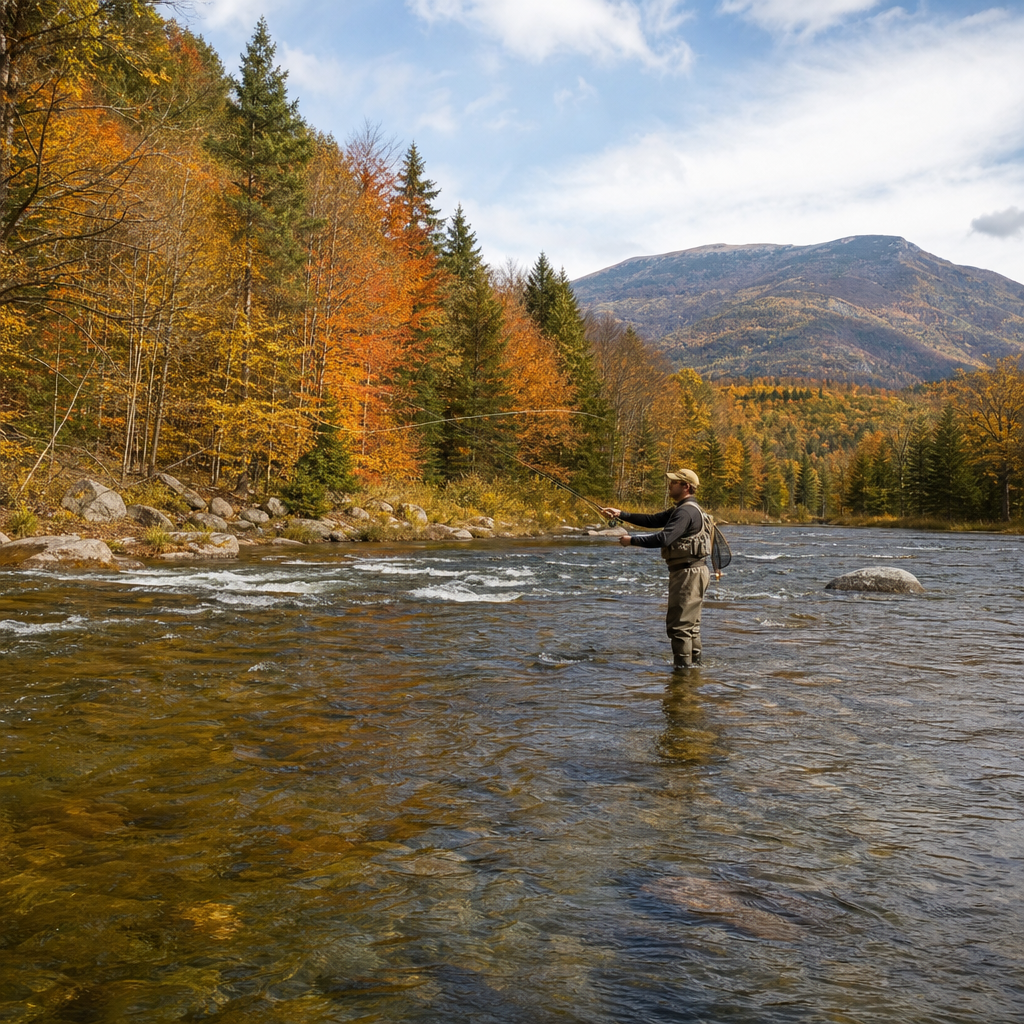
Spring fly fishing is the period when trout shift from winter conservation to active feeding, and choosing the best spring fly patterns for trout often determines whether a day feels technical and frustrating or steady and rewarding. In practical terms, spring usually means cold mornings, rising water, fluctuating clarity, and the first dependable hatches of the year. For anglers, it is a season of transition: midges can still dominate, blue-winged olives become critical on many rivers, caddis begin to appear, and larger food forms such as stonefly nymphs, worms, and streamers can suddenly outproduce delicate dries after rain or snowmelt.
A fly pattern is simply an artificial imitation designed to represent a trout food source or trigger a feeding response. In spring, the most productive categories are nymphs, emergers, dry flies, and streamers. Each matches a different feeding lane. Nymphs cover subsurface insects before they hatch. Emergers imitate insects trapped in or just under the film, a stage trout often target selectively. Dry flies imitate adults floating on the surface. Streamers represent minnows, leeches, or larger prey and excel when trout become opportunistic. Because spring conditions can swing sharply within a single day, the best spring fly box is not a collection of random favorites. It is a system built around water temperature, river height, hatch timing, and the speed of the current being fished.
This matters because trout metabolism rises with warming water, but not evenly. I have seen spring days where fish ignored a clean drifted dry at noon, then moved three feet to crush a size 18 emerger at 2 p.m., only to switch back to heavier nymphs after clouds, wind, and runoff colored the river. That inconsistency is exactly why spring fly selection deserves a hub article. Anglers need a framework, not just a list. If you understand what trout are eating, where in the column they are feeding, and how weather changes behavior, you can move from guessing to making informed pattern changes. The flies below are the core patterns I rely on through March, April, and May on freestones, tailwaters, and spring creeks, and they form the foundation for deeper articles on hatches, runoff tactics, and water conditions.
How spring changes trout feeding behavior
Spring trout behavior is driven by water temperature, flow, oxygen, and food availability. In many rivers, the most consistent feeding begins when temperatures move out of the high 30s and low 40s Fahrenheit and into the mid 40s to low 50s. Trout still avoid unnecessary movement in very cold water, so they often hold in softer seams, slower shelf water, and inside edges where they can intercept nymphs without burning energy. As water warms during the day, fish slide into riffle tails, current tongues, and shallow feeding flats where hatching insects concentrate. That midday warming window is why spring anglers often fish better from late morning through midafternoon than at dawn.
River type also changes pattern choice. Tailwaters usually maintain steadier temperatures and support reliable midge and blue-winged olive activity, so smaller imitative flies matter more. Freestone streams react faster to rain and snowmelt, making larger stoneflies, attractor nymphs, San Juan Worms, and streamers especially effective during rising or stained flows. Spring creeks reward precision with tiny nymphs, emergers, and cripples because insect populations are dense and trout have time to inspect. Across all three, the same rule applies: start by identifying whether trout are feeding deep, in the film, or on top. Then choose flies that fit that lane instead of tying on the hatch everyone else is talking about in the parking area.
The best spring fly patterns for trout
The most dependable spring flies imitate the food sources trout encounter every day, not only the dramatic hatch moments. A balanced spring selection should cover midge larvae and pupae, mayfly nymphs and emergers, caddis, stoneflies, worms, eggs in some systems, and baitfish. Sizes usually range from 20 to 8, with color choices centered on olive, black, brown, tan, cream, and occasionally pink or red for high-water triggers. Weight matters as much as profile. In cold spring water, a perfect imitation that never reaches the feeding lane underperforms a slightly less exact fly that gets down quickly and drifts naturally.
| Pattern | Best Spring Use | Typical Sizes | Key Colors |
|---|---|---|---|
| Pheasant Tail Nymph | General mayfly nymph imitation in clear water | 14-20 | Natural brown, olive |
| Hare’s Ear Nymph | Search pattern during mixed hatches | 12-18 | Tan, olive, natural |
| Zebra Midge | Cold mornings and tailwater winter-spring overlap | 18-22 | Black, red, olive |
| RS2 | Emerging midges and small mayflies | 18-22 | Gray, olive, black |
| Parachute Adams | General dry fly for mayflies and mixed rises | 14-20 | Gray |
| Elk Hair Caddis | Early caddis activity and skittering adults | 14-18 | Tan, olive, brown |
| Pat’s Rubber Legs | High water, stonefly nymphs, runoff conditions | 6-12 | Black, coffee, brown |
| Woolly Bugger | Stained water and aggressive pre-spawn feeding | 4-10 | Black, olive, white |
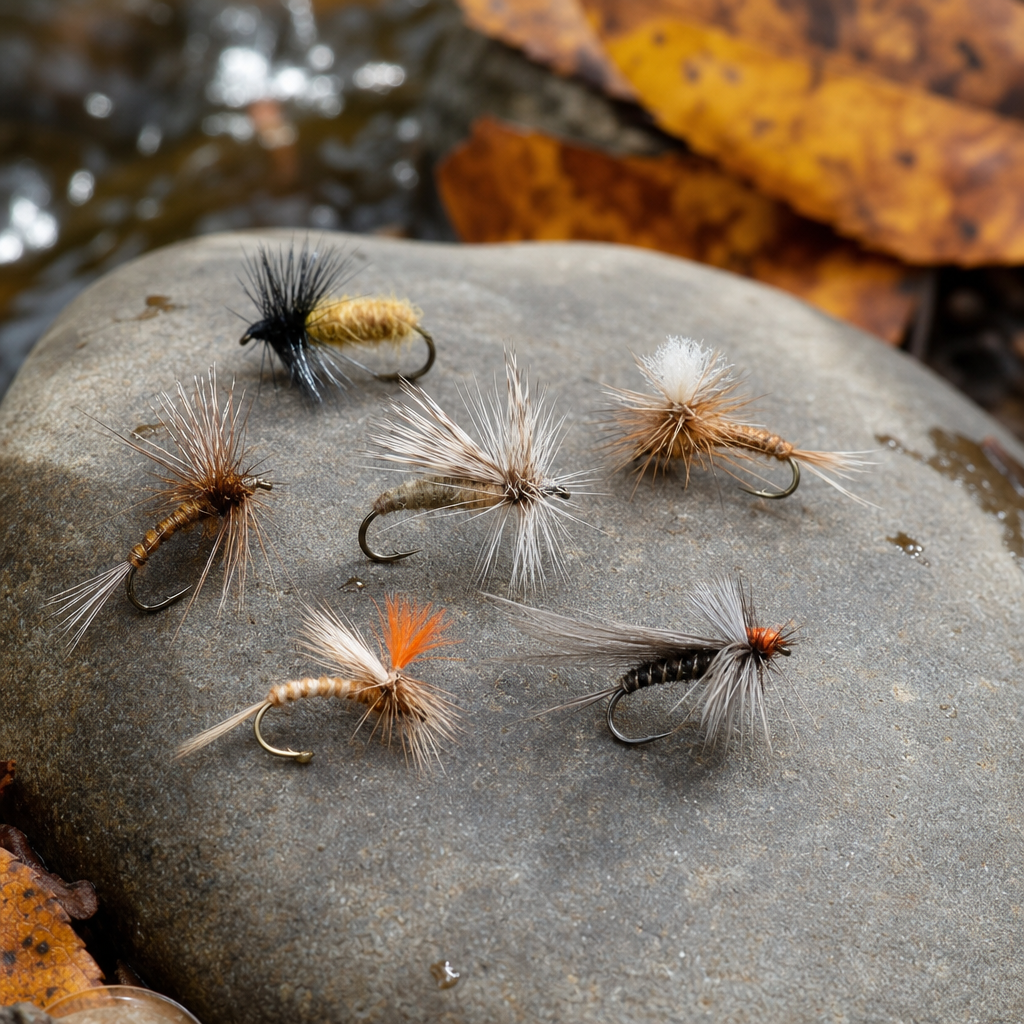
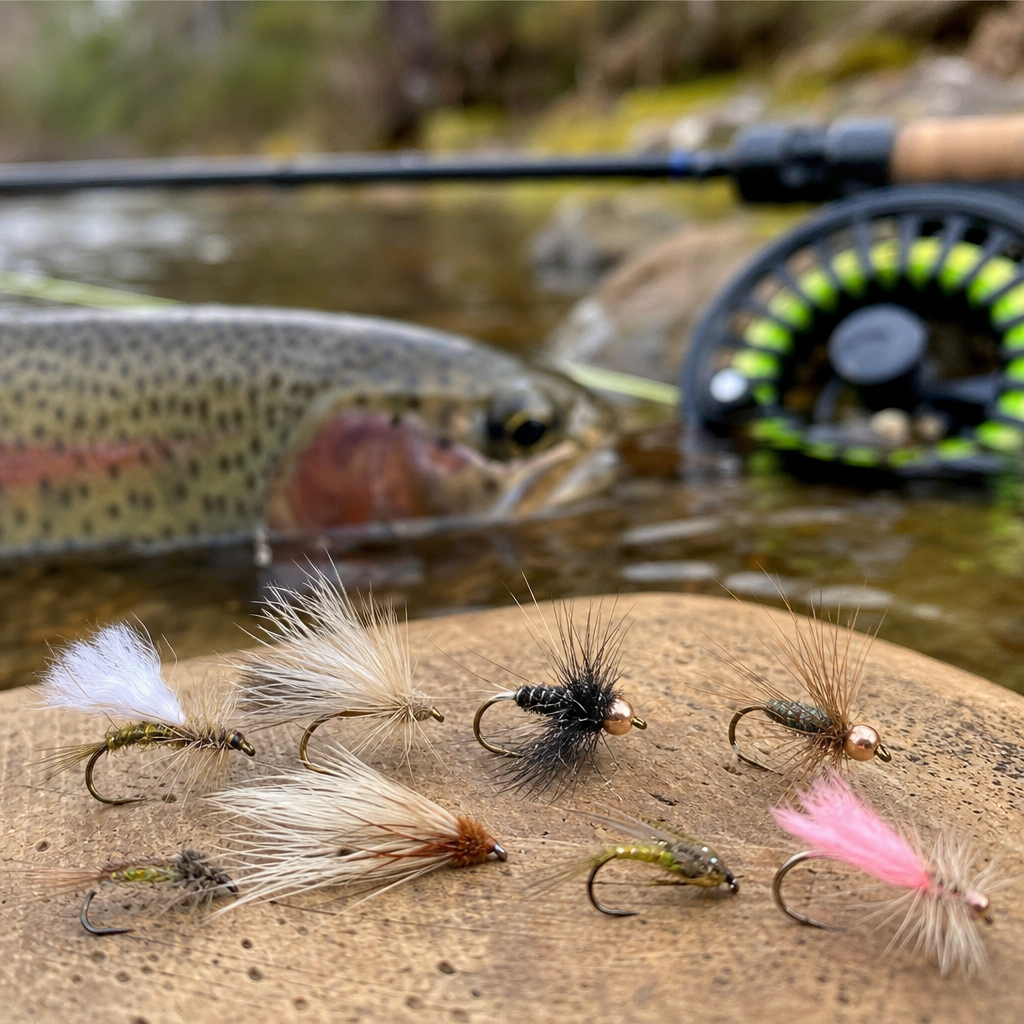
If I had to narrow the list to true spring staples, I would start with the Pheasant Tail, Hare’s Ear, Zebra Midge, RS2, Soft Hackle Pheasant Tail, Parachute Adams, Elk Hair Caddis, Pat’s Rubber Legs, San Juan Worm, and Woolly Bugger. The Pheasant Tail remains one of the best spring fly patterns for trout because it suggests baetis and many other slim mayfly nymphs. A Hare’s Ear adds buggy texture and passes for multiple aquatic insects when trout are not keyed on one species. Zebra Midges are indispensable in cold clear water, especially on technical tailwaters. The RS2 is deadly when fish refuse fully surfaced dries and feed just under the film on emergers.
For rougher or off-color water, bigger patterns gain value. Pat’s Rubber Legs moves fish during spring runoff because stoneflies dislodge in heavy current and the rubber legs create a strong outline. The San Juan Worm is not elegant, but after rain it is one of the most practical trout flies in existence because real worms do wash into rivers. A black or olive Woolly Bugger covers baitfish, leeches, and general movement, and it often converts larger trout when nymph rigs only find smaller fish. On the surface, a Parachute Adams is the best all-around answer when rises begin but the hatch is hard to identify. During early caddis activity, an Elk Hair Caddis skated or dead drifted can be the cleanest solution of the day.
Matching spring hatches with confidence
The central hatches of spring fly fishing are usually midges, blue-winged olives, early caddis, and in some waters March Browns, Hendricksons, or stoneflies. Midges matter first because they hatch in cold water and provide year-round calories. If you see tiny rises with little splash and no visible adults, start with a Zebra Midge, Griffith’s Gnat, or a small RS2. Blue-winged olives become critical on cloudy, damp afternoons. Their nymphs are slim and active, so a size 16 to 20 Pheasant Tail, Baetis nymph, or olive RS2 is a better fit than a chunky attractor. During a surface event, trout frequently prefer emergers or cripples over clean high-floating dries because naturals struggle in the film before escape.
Caddis often arrive with more obvious energy. Adults can flutter, bounce, and skate, and trout may respond with splashier rises than they show on mayflies. Before adults appear, caddis pupae ascending through the water column are prime targets, so soft hackles and caddis pupa patterns deserve a permanent place in a spring box. On larger freestones, early stoneflies can also influence trout behavior even when no obvious hatch occurs. Their nymphs are available to fish for weeks. That is why larger dark nymphs produce steadily in spring pocket water and along banks. If you are unsure what is happening, turn over a few rocks in shallow water, inspect the size and color of the insects clinging there, and let that direct your first fly change.
How to choose patterns by water conditions
Water clarity and flow should control your spring fly selection as much as hatch charts do. In clear, low, or moderate spring flows, natural profiles and lighter tippet typically outperform oversized attractors. This is where small Pheasant Tails, RS2s, unweighted or lightly weighted soft hackles, and precise dry flies shine. In stained water, trout have less time to inspect, so flies that push profile, contrast, and movement become more efficient. Black stoneflies, red or pink worms, flashy perdigons, and streamers all gain value because they are easier to locate. The common mistake is fishing the same delicate setup through every condition. Spring punishes that habit.
Depth is the second variable. In heavy runoff or cold deep runs, use enough weight to achieve bottom-oriented drifts quickly. Split shot, tungsten beads, and two-fly rigs are practical tools, not compromises. Conversely, when trout slide into softer shallows during a hatch, too much weight drags flies unnaturally below the feeding lane. I regularly shorten indicator distance, remove one shot, and switch from a heavy anchor fly to an emerger when fish begin showing in the film. Wind also matters. A breezy spring afternoon can knock adults onto the water and make a previously quiet bank productive with dries or soft hackles. Choosing patterns by conditions means reading the whole river, not only the insect chart.
Building a spring fly box that actually covers the season
A useful spring box is compact but layered. For nymphs, carry Pheasant Tails and Hare’s Ears in sizes 14 through 18, Zebra Midges in 18 through 22, a few olive baetis nymphs, Pat’s Rubber Legs in 8 through 12, and San Juan Worms in red, pink, and wine. Add RS2s and soft hackles in 16 through 20 for the transition zone between deep nymphing and surface feeding. For dries, include Parachute Adams, Griffith’s Gnats, small BWO patterns, and tan or olive Elk Hair Caddis. For streamers, a simple set of black, olive, and white Woolly Buggers covers most spring situations better than a dozen novelty patterns.
Organization matters more than many anglers admit. I separate cold-water confidence flies from hatch-specific patterns so I can adjust fast during the day. One row holds midges and baetis, another larger runoff flies, and another dries and emergers. That saves time when fingers are cold and the hatch window is short. Good spring fly fishing is often about making the right change ten minutes sooner. It also pays to carry duplicates. Spring branches, fast current, and split-shot rigs eat flies. Running out of your only effective size 20 olive emerger during a BWO hatch is avoidable and expensive.
Common mistakes in spring fly fishing
The biggest mistake is assuming spring trout always want surface flies because hatches become visible again. In reality, most spring feeding still happens below the surface, and many of the best days are won on nymphs before the first rise appears. Another mistake is fishing too early in the morning during cold snaps. Unless you are on a stable tailwater, waiting for water temperatures to climb a few degrees often improves catch rates dramatically. Anglers also underweight flies in fast spring current, producing attractive casts but poor drifts. If your nymphs are not occasionally ticking bottom in deeper runs, you are probably above the fish.
A final error is changing patterns without diagnosing the refusal. If trout ignore your fly, ask whether the issue is depth, drift, size, profile, or stage of insect emergence. Many refusals that seem like pattern problems are actually presentation errors. I have watched anglers cycle through ten dries while trout kept eating emergers six inches under the film. Spring rewards observation. Watch rise forms, inspect insects, note water temperature trends, and let those clues drive your next move.
Spring fly fishing rewards anglers who think in systems instead of single miracle flies. The best spring fly patterns for trout are dependable because they match how trout actually feed during changing temperatures, mixed hatches, and unstable flows. Start with versatile subsurface patterns such as Pheasant Tails, Hare’s Ears, Zebra Midges, RS2s, and Pat’s Rubber Legs. Add practical surface options like Parachute Adams and Elk Hair Caddis. Keep San Juan Worms and Woolly Buggers ready for runoff, stained water, or larger opportunistic fish. Then adjust according to river type, hatch stage, depth, and clarity rather than habit.
As the hub for spring fly fishing under seasons and conditions, this guide should help you make faster, better decisions across the entire season. When you know why a fly works, you can adapt from tailwater midge mornings to freestone runoff afternoons without rebuilding your approach from scratch. Use this article as your baseline, build your spring box around these proven patterns, and review your local hatch timing before your next trip. A smarter box and a sharper framework will catch more trout this spring.
Frequently Asked Questions
What are the best spring fly patterns for trout overall?
The best spring fly patterns for trout usually match the stage of the season and the conditions on the water, but a few categories consistently produce. In early spring, midge patterns are hard to beat because they remain one of the most reliable food sources when water temperatures are still cold and insect activity is limited. Zebra Midges, Griffith’s Gnats, and small midge pupae in black, red, olive, or cream should always be in a spring box. As the season progresses, blue-winged olive patterns become essential on many rivers. Parachute BWOs, BWO emerger patterns, and slim olive nymphs are especially effective during cloudy, damp days when these mayflies hatch heavily.
Caddis begin to matter more as spring advances, especially in freestone systems and tailwaters with dependable emergence windows. Elk Hair Caddis, caddis pupae, and soft hackle patterns can all be excellent choices. March Browns, Pale Morning Duns in some regions, and attractor-style nymphs such as Pheasant Tails, Hare’s Ears, and Prince Nymphs also deserve space in your lineup because they imitate a broad range of emerging insects and can produce even when no obvious hatch is happening. If runoff or stained water becomes a factor, larger flies like San Juan Worms, stonefly nymphs, streamers, and leech patterns often outperform delicate dry flies because trout can see them more easily and they suggest a substantial meal. In practical terms, a well-rounded spring selection should include midges, BWOs, caddis, general mayfly nymphs, worms, and a few small streamers. That combination covers the most common feeding scenarios trout encounter during the spring transition.
How should I choose spring fly patterns when water is cold, high, or slightly off-color?
Cold, high, and slightly stained water changes how trout feed, and your fly selection should reflect that. In cold water, trout often hold in softer current seams, slower pockets, and edges where they can conserve energy while still intercepting food. That means your flies need to get down quickly and stay in the strike zone. Weighted nymphs such as tungsten Zebra Midges, Pheasant Tails, Hare’s Ears, and jig-style perdigons can be very effective because they sink fast and drift naturally close to the bottom, where trout are most likely feeding. In especially cold conditions, smaller patterns usually outperform oversized flies unless recent rain or runoff has introduced a lot of worms, debris, or dislodged larger nymphs into the system.
When flows rise and clarity drops a bit, visibility becomes just as important as imitation. This is when patterns like San Juan Worms, egg flies in fisheries where they make sense, dark stonefly nymphs, and streamers in black, olive, or white can produce extremely well. A trout in stained water may only have a short window to inspect your fly, so stronger silhouettes, slightly larger sizes, and flies with movement become more effective. You do not necessarily need bright, flashy flies every time the river colors up, but you do want patterns that stand out. In these conditions, think in terms of profile and contrast. Black streamers, dark olive nymphs, and worms in red or pink often provide exactly that. If the water is only lightly stained, try adding one more visible fly as the point fly in a two-fly nymph rig while keeping a more natural dropper behind it. That approach often lets you cover both attraction and realism in one drift.
Are dry flies effective in spring, or should I mostly fish nymphs and streamers?
Dry flies can be very effective in spring, but nymphs are usually the more consistent tool throughout the day. Spring is famous for transition conditions: cold mornings, uneven hatch timing, and changing water levels. During those periods, trout spend a lot of time feeding subsurface on midges, mayfly nymphs, caddis pupae, and other drifting food. That is why nymphs often carry the day, especially early and late, or whenever no visible surface activity is happening. A well-presented nymph rig simply covers more likely feeding behavior in typical spring conditions.
That said, some of the most memorable spring trout fishing happens on top. Blue-winged olive hatches can create excellent dry-fly opportunities, particularly on overcast, drizzly days. Midges can also bring trout to the surface in softer pools and tailouts, and caddis can trigger splashy, aggressive rises later in the season. The key is to watch not only for obvious rises but also for subtle feeding signs such as head-and-tail sips, porpoising fish, or trout suspended just below the film. In many spring scenarios, emerger patterns are the bridge between nymphing and dry-fly fishing. If trout are feeding near the surface but refusing standard dries, a BWO emerger, RS2, soft hackle, or a midge pupa suspended just under the film can outperform a high-floating dry by a wide margin. So the best answer is not to choose one approach exclusively. Start with nymphs when the day is quiet, switch to dries when a hatch clearly develops, and keep emergers ready for those in-between moments when trout are feeding selectively in the film.
What sizes and colors work best for spring trout flies?
Spring fly sizes and colors are usually dictated by the insects trout are actually seeing, and in many fisheries that means starting smaller than many anglers expect. Midges commonly fall in the size 18 to 24 range, while blue-winged olive nymphs, emergers, and duns are often most effective from about size 16 to 20. Caddis patterns frequently fish well in sizes 14 to 18 depending on the species and river. General searching nymphs like Hare’s Ears and Pheasant Tails often produce in sizes 14 to 18, while stoneflies, worms, and streamers can be larger when flows rise or water loses clarity.
Color matters, but in spring it often pays to stay natural first. Black, olive, brown, gray, cream, and tan are foundational colors because they match many of the dominant early-season insects. For midge patterns, black and red are staples, with olive and cream also useful. BWOs are usually best represented with olive, gray-olive, or dun tones. Caddis pupae and adults often fish well in tan, olive, or brown. In off-color water, however, visibility can matter more than exact color matching. That is where red or pink worms, darker streamers, or flies with subtle flash can shine. A smart spring box balances precise matching flies with a few confidence patterns designed to be seen in tougher conditions. If you are unsure where to start, choose a natural olive or brown nymph, a black midge, a tan caddis, and one higher-visibility option for stained water. That simple spread covers a surprising amount of spring trout fishing.
How do I know when to switch from one spring fly pattern to another?
The right time to switch patterns usually comes down to what the trout and river are telling you. If you are getting good drifts with a properly presented fly and not touching fish, it may be time to change either size, depth, or pattern type. In spring, depth is often the first adjustment to make because trout frequently hold near the bottom in cold water. Before abandoning a fly entirely, ask whether it is drifting where fish can actually eat it. Adding weight, lengthening tippet, or adjusting indicator depth can turn a slow outing around without changing the pattern itself. If depth is correct and the presentation is clean, then start refining the imitation.
Watch for clues. If insects are present but trout are not rising, they may be feeding on nymphs or emergers rather than adults. If fish rise but refuse your dry, your fly may be the wrong size, profile, or stage of emergence. If flows increase and the water colors up, shifting from tiny natural flies to more visible nymphs, worms, or streamers often makes sense. If a hatch starts, switch quickly to the dominant insect instead of hoping a generic pattern continues to work. Successful spring anglers are rarely changing flies at random; they are making logical adjustments based on insect activity, light, water temperature, clarity, trout location, and response. A good rule is this: change depth first, change size second, change pattern stage third, and change color or style after that. That process keeps your decisions disciplined and usually leads you to the productive spring fly faster.