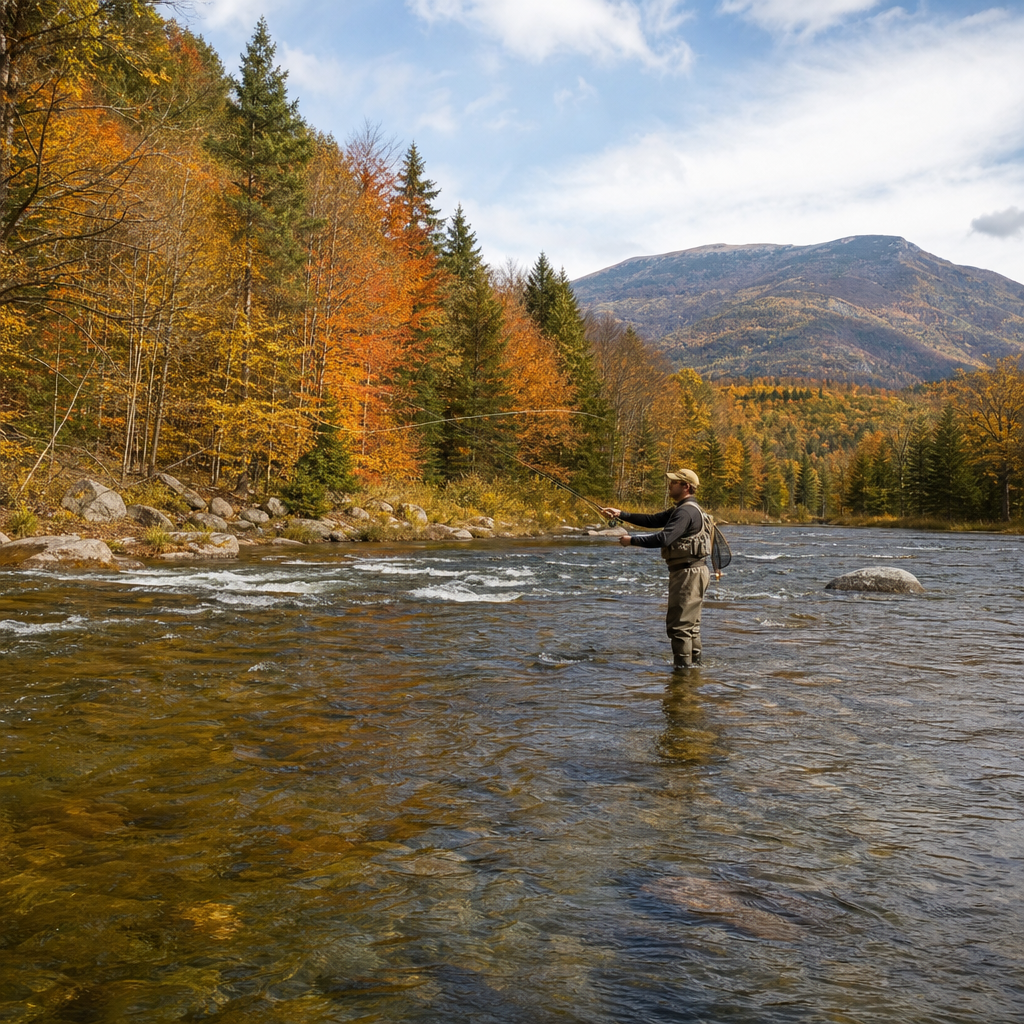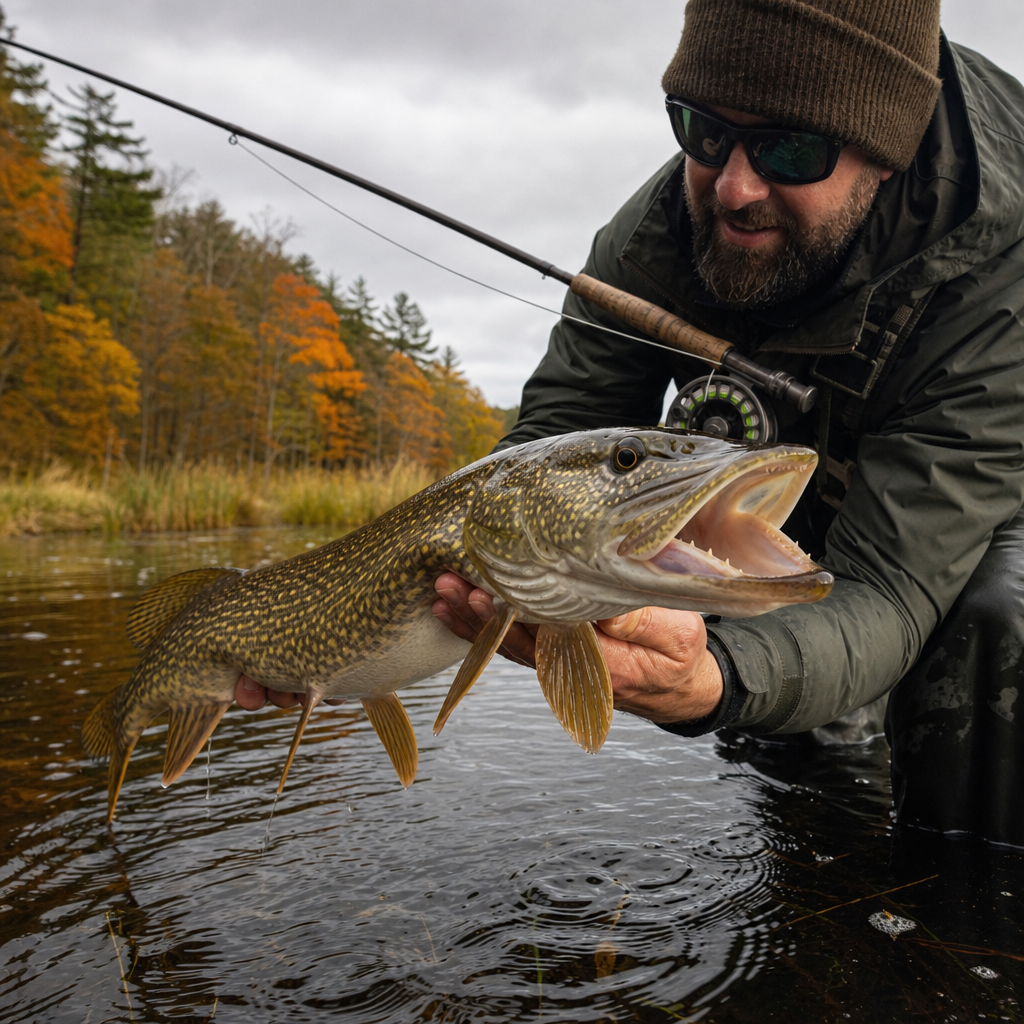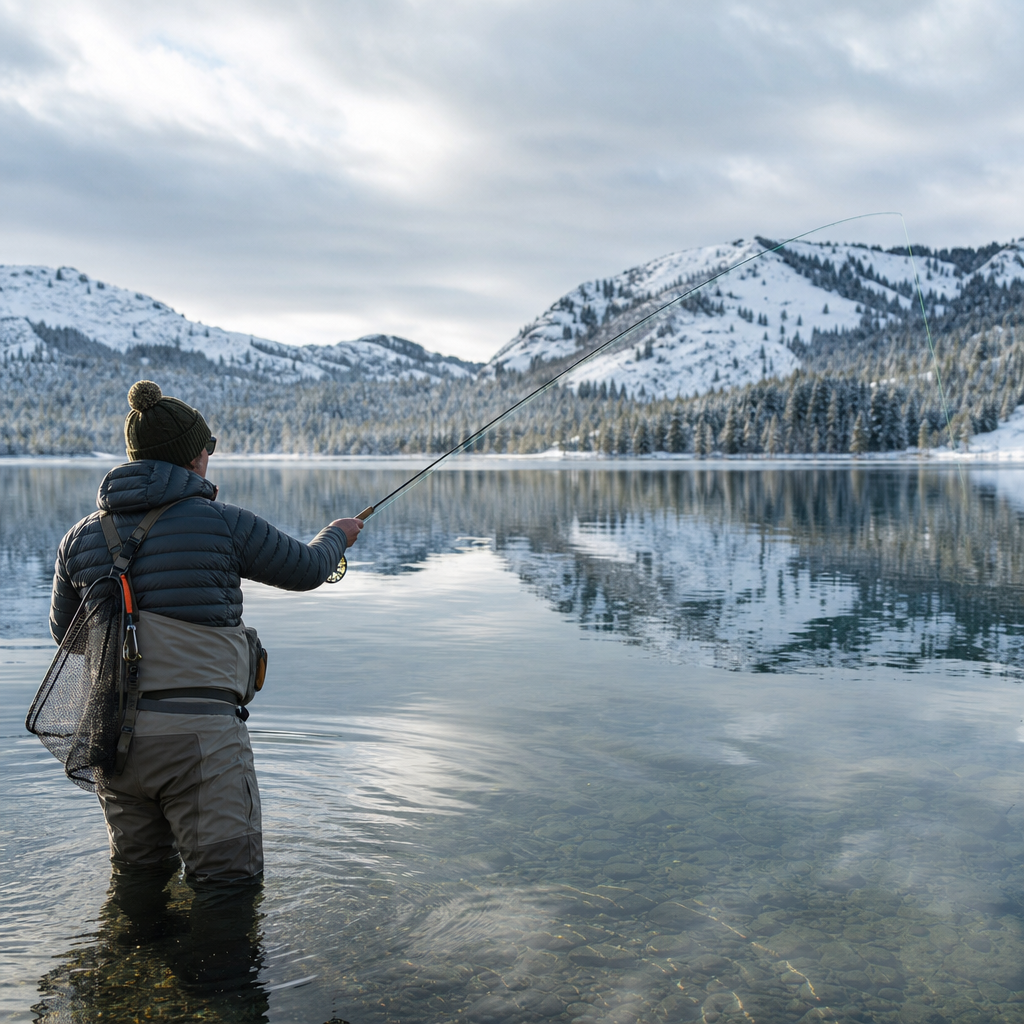
Winter fly fishing in lakes rewards anglers who understand cold-water fish behavior, adjust presentations to slower metabolisms, and prepare carefully for harsh conditions. In this hub guide to winter fly fishing, I will cover the core tactics, gear choices, safety considerations, and seasonal patterns that consistently matter when lakes turn cold. Winter fly fishing refers to pursuing trout and other stillwater species during the coldest part of the year, when water temperatures are low, insect activity is reduced, and fish often hold deeper or feed in short, concentrated windows. Lakes behave differently from rivers in winter because they stratify less predictably, respond to wind, and can offer stable feeding zones near drop-offs, shoals, springs, and weed edges.
This matters because winter can produce some of the most technical and satisfying stillwater fishing of the year. Anglers who stop after autumn miss days with low pressure from other fishermen, clear water, and trout that will eat well-presented midges, leeches, balanced flies, and baitfish patterns. I have spent many winter days on natural lakes and reservoirs where a small change in depth, retrieve speed, or leader length turned a blank outing into a steady session. The difference was rarely luck. It was almost always understanding what cold conditions do to oxygen, light penetration, forage movement, and trout energy budgets. If you want a reliable starting point for winter lake fishing, this article is designed to be that foundation and to connect the major decisions you need to make before exploring more specialized tactics.
How Winter Changes Lake Fish Behavior
The first question most anglers ask is simple: where are the fish in winter? In lakes, trout usually seek the most comfortable combination of temperature, oxygen, and food, while minimizing energy use. In many trout lakes, that means fish are not randomly scattered. They often hold along breaklines, near inflows, above submerged structure, around marl shelves, close to green weedbeds that still support invertebrates, or over deeper basins where suspended chironomids and zooplankton are available. Brown trout may cruise shorelines in low light, especially where minnows are present. Rainbow trout frequently suspend at a specific depth band. Lake trout, where present, often remain deeper and require more precise line control.
Cold water slows digestion and reduces how far fish will move to intercept prey. That is why winter fly fishing usually demands tighter presentations and better depth management than spring. A trout that might rise three feet in May may move only inches in January. On clear, calm days, fish can become extremely depth-specific, holding at ten feet over twenty feet of water or cruising a shelf that drops from six to twelve feet. Electronics help, but they are not mandatory. Watch for subtle clues: occasional dimples from midges, bait flickers, loons working a zone, or a repeatable take point during a retrieve. Those details reveal the feeding lane.
Weather also shapes behavior. Stable high-pressure periods often mean clear water and selective fish, while an approaching front can trigger brief feeding before conditions worsen. Wind is not just an inconvenience; in lakes it is a conveyor belt for food. A light wind can stack chironomid shucks, dislodge scuds, and push bait toward a bank. Some of my best winter sessions came by targeting the windward side of a point and counting down flies just off the drop. The fish were there because food was there, and in winter the shortest path to success is usually to fish where the lake concentrates calories.
Essential Gear for Winter Fly Fishing in Lakes
A practical winter stillwater setup starts with a 9- to 10-foot 5- or 6-weight rod for most trout applications. A 6-weight handles indicator rigs, long leaders, and moderate wind better, while a 5-weight offers a little more finesse on calm days. Pair it with a large-arbor reel that retrieves quickly and has a smooth drag, especially if you may encounter larger rainbows or holdover browns. Floating lines remain important for indicator chironomid fishing, shallow nymphing, and shoreline retrieves, but winter anglers should also carry a clear intermediate and at least one sink line, often type 3 or type 5. Depth control is more important than pattern changes on many days.
Leaders and tippet should match presentation, not habit. For indicator fishing, longer leaders from 12 to 18 feet are standard because flies often need to hang just above the bottom or within a narrow suspended layer. For intermediates and sink lines, shorter leaders from 4 to 8 feet reduce hinging and improve contact. Fluorocarbon is useful because it sinks, resists abrasion, and remains manageable in cold water, though quality nylon is still excellent for some floating-line applications. Winter fish can be selective, but going too light creates unnecessary break-offs when fish roll at depth or when ice forms in guides and delays pressure changes.
Clothing and boat control are part of your fishing system. Breathable waders layered with merino or synthetic insulation, waterproof gloves you can cast in, and a warm hat are basic requirements. If you fish from a tube, pontoon, pram, or skiff, always wear a properly fitted personal flotation device. Hypothermia develops faster than many anglers realize, and winter shorelines can be slick with frozen mud or algae. A thermometer, forceps, a rubber net, and polarized glasses matter as much as any fly box. The thermometer in particular is a decision tool. A one- or two-degree difference near an inflow, darker bank, or shallow shelf can explain why fish are active in one zone and absent in another.
Best Winter Fly Patterns and When to Use Them
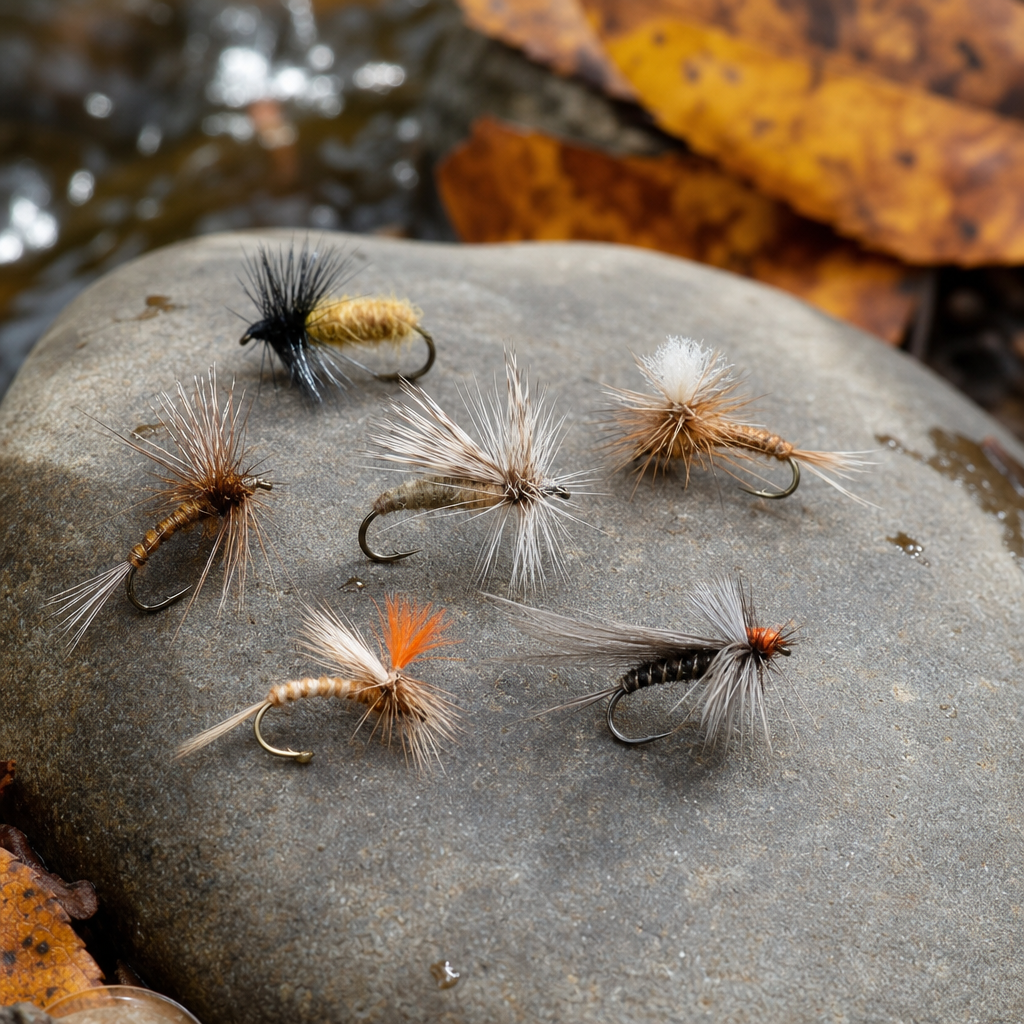
The most dependable winter fly fishing patterns for lakes imitate food sources that remain available in cold water: chironomids, midges, scuds, damselfly nymphs, leeches, and small baitfish. Chironomids are often the backbone pattern because midge larvae and pupae are present year-round and can hatch in very cold conditions. Red, black, olive, and wine chironomids in sizes 12 to 18 are standard. Balanced leeches, especially in black, maroon, or olive, excel under indicators because they suspend horizontally and suggest an easy meal. Small thread midges and buzzer-style pupa patterns are effective when fish are focused and the water is clear.
Scuds and freshwater shrimp patterns shine in fertile lakes with weed growth, marl, or shallow flats. In these systems, a tan, gray, pink, or olive scud fished slowly on an intermediate line can outfish more traditional winter flies. Leeches remain productive because they are large enough to justify the energy cost of a strike. Woolly Buggers, micro leeches, and rabbit-strip leeches all have their place, but size matters. In winter, a sparse size 10 or 12 often outfishes a bulky size 6 because it moves subtly and matches the smaller prey fish are willing to chase.
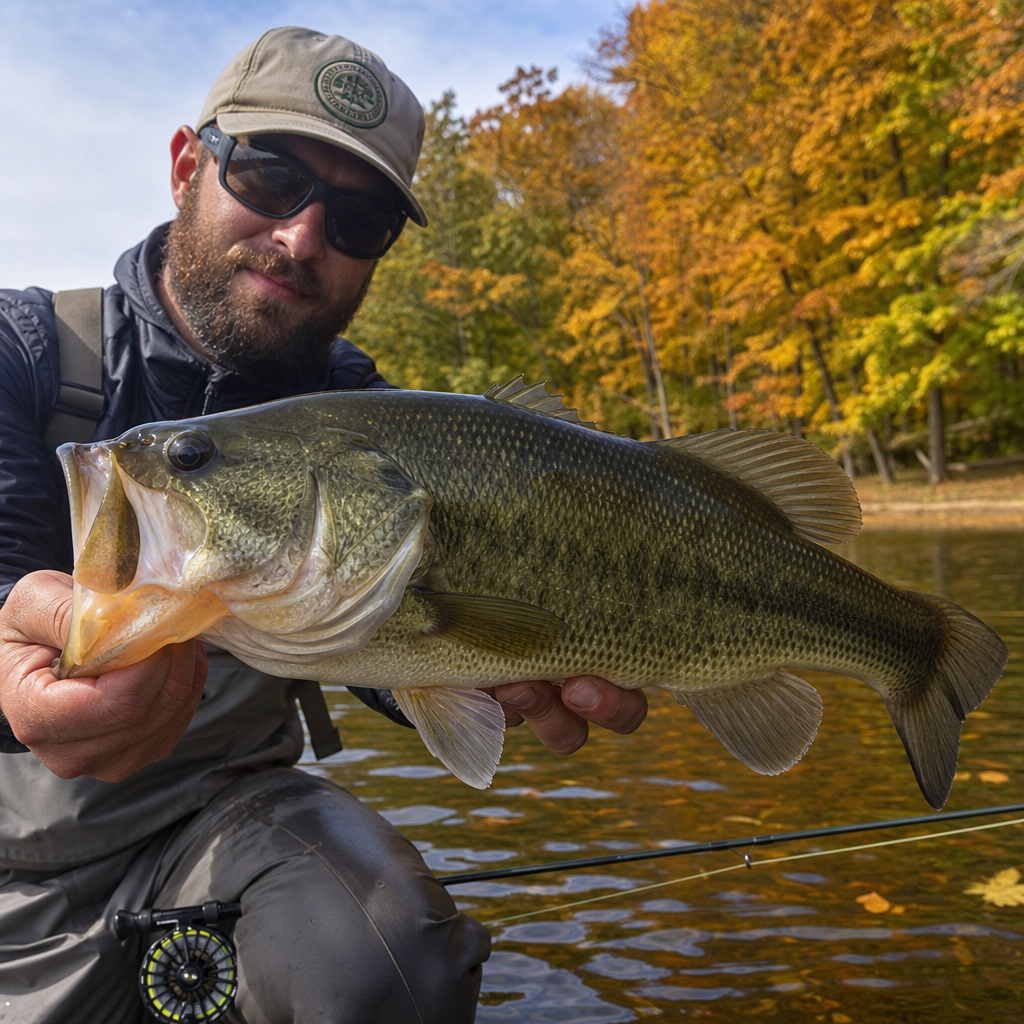
When minnows are present, especially around marinas, rocky shorelines, or inlet mouths, slim baitfish patterns become important. A small white-and-olive streamer, a gray ghost style pattern, or a sparse zonker can trigger aggressive takes from browns and larger rainbows. The key is restraint. Winter streamer fishing in lakes is not usually about ripping six-inch flies at high speed. It is about clean silhouettes, moderate sink rates, and pauses long enough for a following fish to commit.
| Pattern Type | Common Sizes | Best Situation | Presentation |
|---|---|---|---|
| Chironomid pupa | 12–18 | Suspended fish over basins or shoals | Under indicator, nearly static |
| Balanced leech | 10–14 | Cold, clear water with light movement | Indicator with occasional inch-long twitch |
| Scud | 12–16 | Weedy, fertile lakes and marl flats | Slow hand-twist on intermediate |
| Micro leech/Woolly Bugger | 10–12 | Searching banks, drop-offs, and points | Slow strips with pauses |
| Small baitfish | 6–10 | Minnow-rich shorelines and inlets | Strip-pause on intermediate or sink line |
Proven Winter Presentations and Lake Tactics
If there is one winter fly fishing technique every lake angler should learn, it is fishing chironomids under an indicator at a precise depth. Set your fly to suspend just above the level where trout are holding or just off the bottom in shallow water. Cast, let the rig settle fully, and resist moving it too much. Tiny adjustments create enough life. Many takes are subtle hesitations rather than plunging indicators, so watch closely. This method works because chironomid pupae naturally ascend slowly, and winter trout often prefer prey that appears trapped and vulnerable. On difficult days, changing depth by twelve inches can matter more than changing color.
The second high-percentage method is the slow retrieve with an intermediate or sink line. Cast across a drop-off, count the fly down, and use either a hand-twist retrieve or short, gentle strips with long pauses. This keeps the fly in the strike zone and matches the reduced pace of winter prey. I often begin with a black balanced leech or slim bugger on a clear intermediate along points that fall into ten to fifteen feet of water. If I contact fish but miss takes, I shorten the strips and extend the pause. Trout in cold water frequently track a fly before inhaling it when it stalls.
Bank anglers should not assume they are at a disadvantage. Some excellent winter fish are caught from shore where shelves, inflows, bridges, and windblown bays bring food close. Focus on accessible structure: the first drop beyond a shallow shelf, the mouth of a creek, the edge of remnant weeds, or a marina wall that absorbs sunlight. Fan casts at different depths before moving. If one fish takes at the end of a long count, repeat that count exactly. Consistency is a tactical edge in winter because productive lanes are often narrow. Float tube and boat anglers gain mobility, but they also need discipline. Drifting over fish too quickly is a common mistake. Use anchors, drogue socks, or controlled positioning to keep presentations repeatable.
Timing, Safety, and Common Mistakes
The best time for winter lake fishing is usually not dawn by default. In many lakes, the most consistent action starts late morning and improves into early afternoon, after sunlight has had time to slightly warm shallow zones or stimulate limited insect activity. Overcast days can spread the window out, while bright calm days may reward the warmest hour rather than the earliest. Track water temperature, cloud cover, wind direction, and take times in a logbook. After a few trips, patterns emerge that are more reliable than general seasonal advice. Winter success often belongs to anglers who notice recurring details rather than chasing dramatic theories.
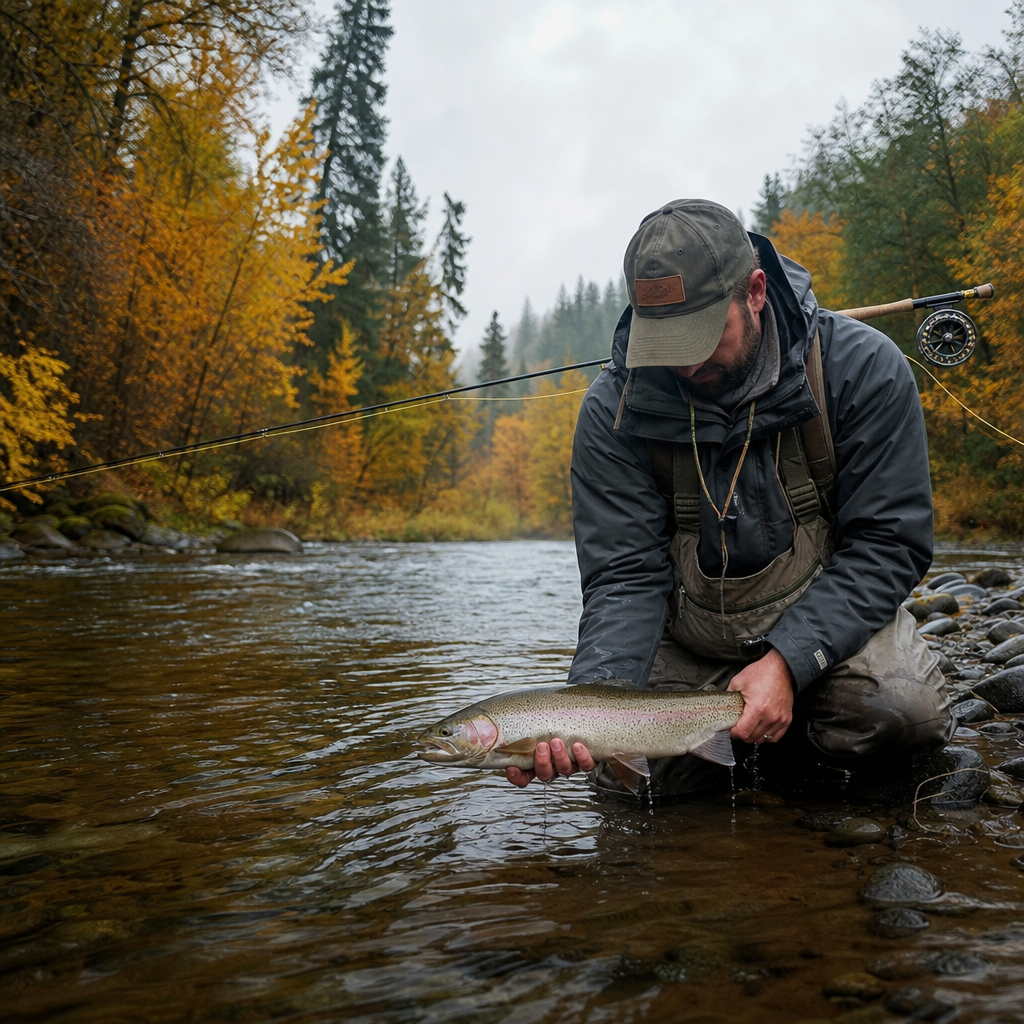
Safety deserves equal weight. Cold shock can incapacitate even strong swimmers within minutes, and small craft are less forgiving in winter wind. Check local regulations, launch conditions, and ice forecasts before leaving home. Avoid wading unknown soft-bottom areas, and keep dry clothing in a waterproof bag. If shore ice forms, do not try to break your way into marginal water. Fish handling also matters in cold weather. Use a rubber net, keep fish in the water as much as possible, and avoid touching gills. Trout already face metabolic stress in winter, and careful release practices improve survival.
Most winter fly fishing mistakes are predictable. Anglers fish too fast, too shallow, or with too little confidence in one method. They change flies every five minutes but never verify depth. They ignore the windward bank, overlook subtle structure, or leave before the midday window opens. Another frequent error is carrying only floating lines. A lake can look lifeless when fish are suspended twelve feet down, yet become manageable as soon as you switch to an intermediate and count accurately. Winter rewards patience, record keeping, and methodical adjustments. Start with food sources the lake actually has, fish them at the right depth, and give each location enough time to tell you something useful.
Winter fly fishing in lakes is demanding, but it is also highly learnable when you break it into fish behavior, depth control, fly selection, and safe execution. Trout in cold stillwater are not impossible; they are simply less willing to waste energy, which means your job is to put an easy meal directly in front of them. Focus on proven winter foods such as chironomids, scuds, leeches, and small baitfish. Match your line and leader to the depth you need, fish slower than you think is necessary, and pay close attention to repeatable clues like wind direction, shelf edges, and the exact count before a strike.
As the hub for winter fly fishing within seasonal and conditional tactics, this guide gives you the framework for every follow-up topic: indicators, sink lines, shore strategies, reservoir approaches, and cold-weather safety. The main benefit of mastering winter lake fishing is simple: you gain productive water and dependable opportunities at a time when many anglers stay home. Start with one lake, carry a thermometer, log your conditions, and commit to fishing one presentation thoroughly before changing. That disciplined approach will teach you more this winter than a dozen random trips in easier seasons.
Frequently Asked Questions
What changes most about fish behavior in lakes during winter, and how should that affect your fly fishing approach?
In winter, the biggest change is that fish generally conserve energy. Trout and other stillwater species do not stop feeding, but they become far less willing to chase fast-moving prey over long distances. Cold water slows their metabolism, which means they often hold in areas where they can feed efficiently without burning unnecessary energy. In lakes, that usually translates to more time spent near stable water temperatures, along drop-offs, over soft-bottom basins, near submerged structure, or in zones where food naturally collects. Fish may suspend at very specific depths rather than cruise widely, so depth control becomes more important than it is in warmer months.
That behavioral shift should shape every part of your strategy. Start by slowing down your presentation dramatically. Long pauses, gentle figure-eight retrieves, short hand-twist retrieves, and subtle movement often outfish anything aggressive. Your flies should stay in the strike zone as long as possible because winter fish are more likely to inspect and sip than chase and smash. It also helps to think in terms of efficiency: locate fish first, then refine depth, retrieve speed, and fly profile instead of constantly covering water at random. If you are not getting interest, the adjustment that matters most is often depth rather than pattern. In winter lake fishing, anglers who fish slower, deeper, and more deliberately usually do better than those who rely on covering water quickly.
What are the best fly patterns and presentations for winter fly fishing in lakes?
Winter lake fishing is usually most consistent with flies that imitate food sources fish can capture easily in cold conditions. Balanced leeches, small baitfish patterns, chironomid imitations, scuds, damsel nymphs fished very slowly, and simple woolly bugger-style patterns all have a place. In many lakes, chironomids become especially important because midges remain available even when other insect activity is limited. A carefully suspended chironomid under an indicator can be one of the most reliable winter presentations when fish are feeding at a defined depth. Likewise, balanced leeches under an indicator or on a very slow retrieve can be highly effective because they hover naturally and stay in front of fish for a long time.
Presentation matters as much as pattern choice. If you are fishing from shore, focus on steep banks, drop-offs, inlets, outlet areas where legal, and wind-swept shorelines that may concentrate food. If you are fishing from a boat, tube, or pontoon where conditions safely allow, use electronics or methodical counting to identify the depth where fish are holding. Suspended presentations are excellent when fish are stationary, while slow retrieves with intermediate or full-sinking lines work well when fish are cruising just off bottom or along contours. Keep movement subtle. Tiny strips, a hand-twist retrieve, or a near-motionless hang can trigger more takes than a standard strip retrieve. In winter, confidence often comes from fishing fewer flies more precisely rather than cycling through dozens of patterns without changing depth and speed.
What gear setup works best for winter fly fishing on lakes?
A practical winter lake setup balances fishability, warmth, and control. For most trout lakes, a 5- or 6-weight rod is a versatile choice, with a 9-foot rod being standard and easy to manage in cold weather. If you expect larger fish, deeper presentations, or windy open-water conditions, a 6-weight often gives you a little more authority. Reels should have a smooth drag and enough capacity for the lines you plan to use, but line selection is usually the more important decision. A floating line is useful for indicator fishing with chironomids or balanced leeches, while an intermediate line is excellent for slow, level retrieves in shallow to mid-depth water. In deeper water or when fish are hugging bottom contours, a type III or similar sinking line can help maintain proper depth with less guesswork.
Leader and tippet choices should support stealth and presentation without becoming so fine that winter conditions make them frustrating to manage. In clear lakes, longer leaders can help, especially under indicators, but they should still be practical in wind and freezing temperatures. Clothing and safety gear are just as important as tackle. Layering is essential, and dexterity matters, so many anglers prefer a glove system that allows them to expose fingertips briefly without fully sacrificing warmth. Waders, quality boots with reliable traction, a warm hat, polarized glasses, a landing net, and dry spare clothing are all smart additions. If you are fishing from a float tube, pontoon, or boat, a properly fitted personal flotation device is non-negotiable. Winter gear should not only help you catch fish; it should allow you to fish effectively for hours without cold or wet conditions forcing you off the water early.
How do you find the right depth and location when winter fishing a lake with flies?
Finding fish in winter starts with understanding that lake fish often become more depth-oriented and location-specific than they are in warmer seasons. They are usually not scattered everywhere. Instead, they tend to gather where temperature, oxygen, structure, and food overlap in a way that minimizes energy use. Productive zones often include the first major drop from shore, submerged humps adjacent to deeper water, edges of weed beds that remain viable, creek mouths where regulations permit fishing, and areas where wind has pushed food into a shoreline or bay. On some days, fish may hold surprisingly shallow during the warmest period of the afternoon, especially if sunlight has slightly influenced nearshore temperatures. On other days, they may suspend over much deeper water and barely move vertically.
The most dependable way to dial this in is to treat depth as a system rather than a guess. If you are fishing under an indicator, start at a known depth and adjust in measured increments until you contact fish or bottom. If you are retrieving, count your fly down consistently and track exactly when strikes happen. Repeatability is everything. Once you identify a productive depth band, stay disciplined and keep your flies there. Watch for clues such as subtle follows, light takes, or fish rolling, but remember that winter fish often feed without obvious surface signs. A fish finder can be extremely useful from a boat, but even without electronics, methodical coverage of likely structures and depth levels can reveal a pattern. In winter, anglers who pay close attention to small details like contour, depth count, and the timing of a take often unlock the day.
What safety and cold-weather preparation should anglers prioritize during winter fly fishing on lakes?
Winter lake fishing can be excellent, but it demands a serious approach to safety. Cold air, cold water, ice, wind, and short daylight hours can turn a normal outing into a dangerous one quickly. The first priority is to respect cold-water immersion risk. Even strong swimmers can become incapacitated rapidly after falling into icy water, so if you are fishing from any kind of watercraft, wear a life jacket at all times. Before launching, evaluate wind, access points, ice along the shoreline, and how quickly conditions may change. Lakes can look calm at one hour and become difficult or unsafe the next, especially in exposed basins. If conditions are questionable, shore fishing may be the better decision.
Preparation also means planning for comfort and decision-making. Bring extra dry layers, protect your hands, and pack warm drinks and high-energy food. Tell someone where you are going and when you expect to return, especially if you are fishing remote water in winter. Keep your phone protected but accessible, and avoid pushing too far from your exit point late in the day when temperatures drop. Traction matters on icy banks, docks, and boat ramps, so move carefully and use appropriate footwear. From a fishing perspective, staying warm and dry is not just about comfort; it helps you tie knots better, detect subtle strikes, and think clearly. The most successful winter anglers are usually the ones who prepare thoroughly, fish within safe limits, and understand that no good bite is worth gambling with cold-water safety.