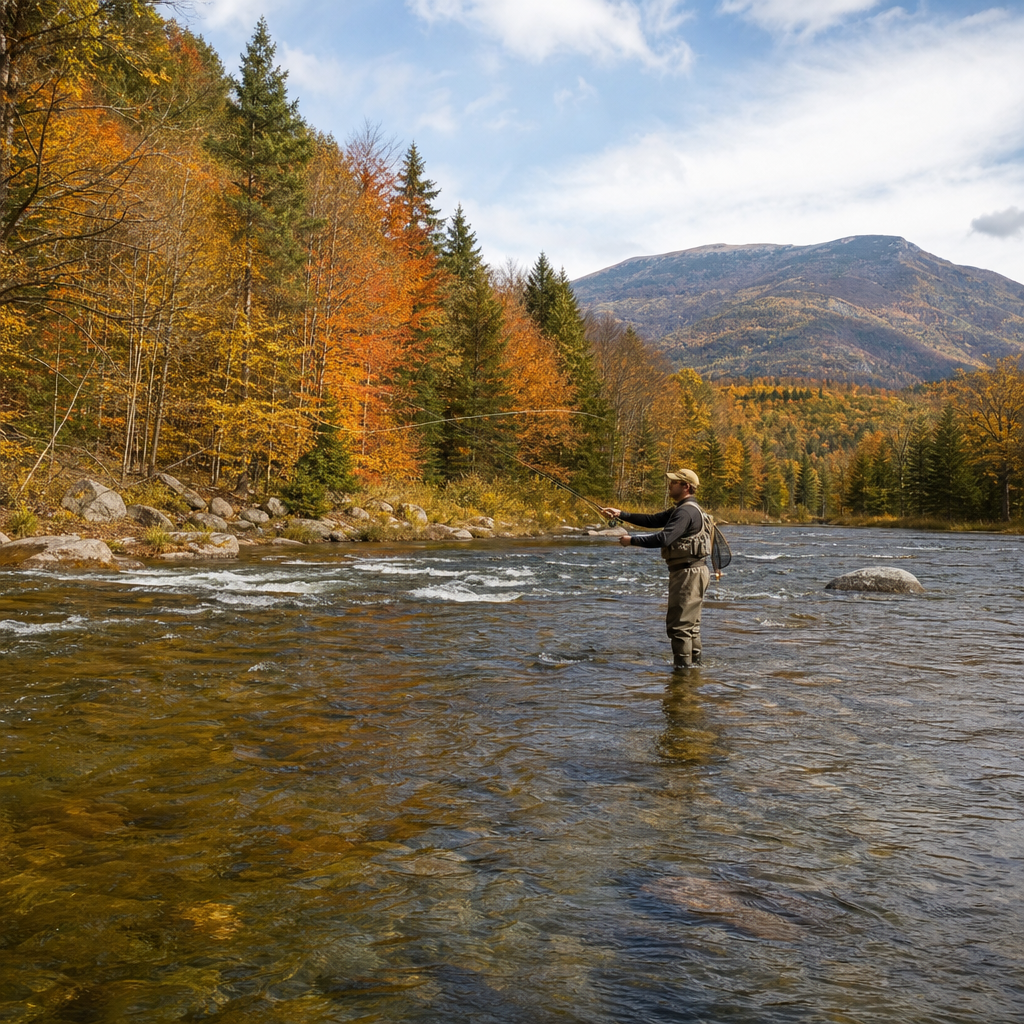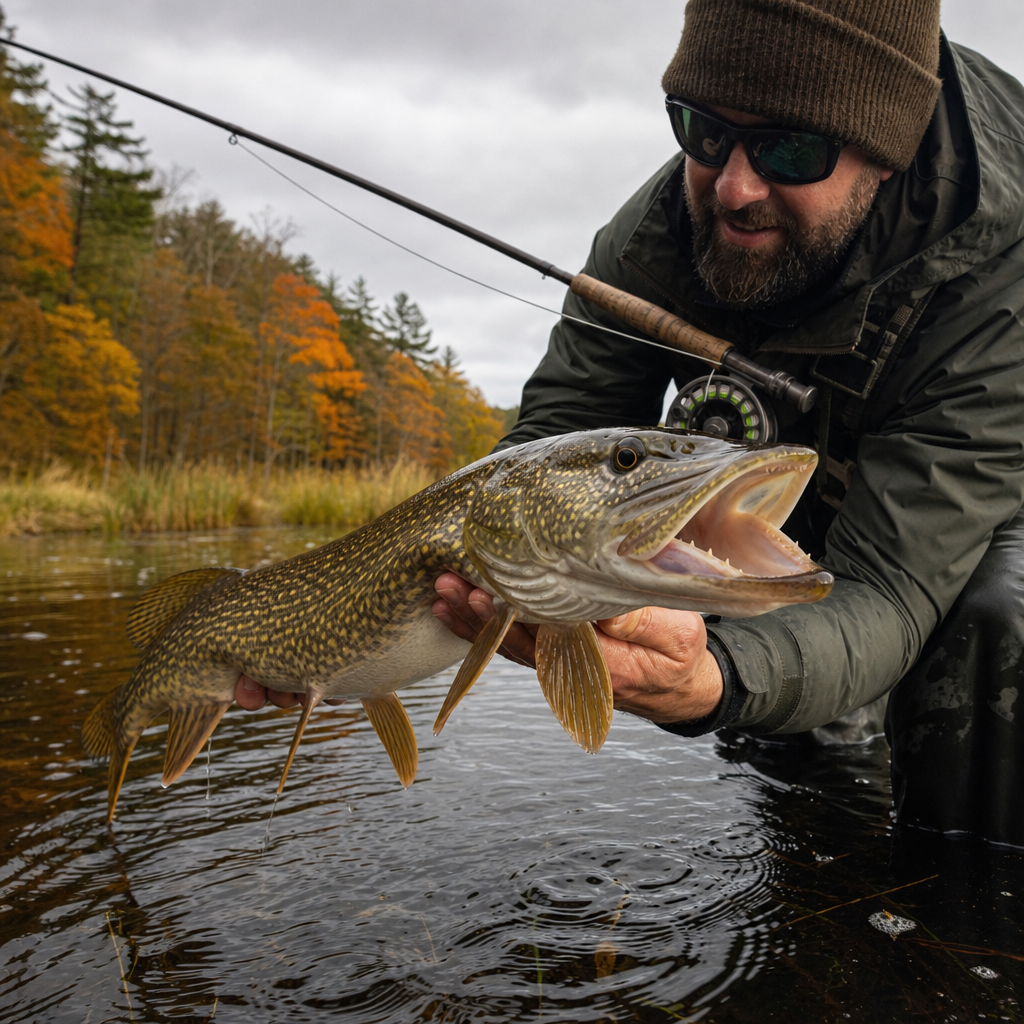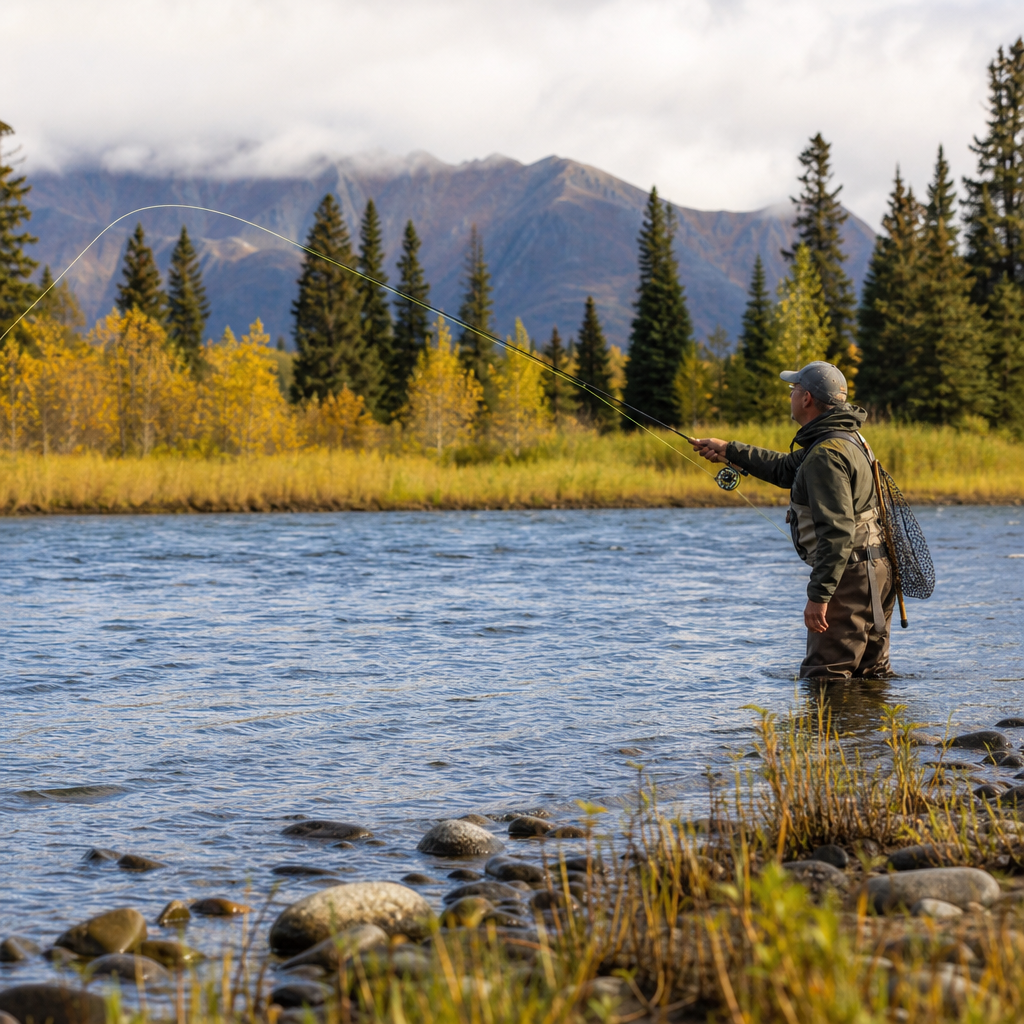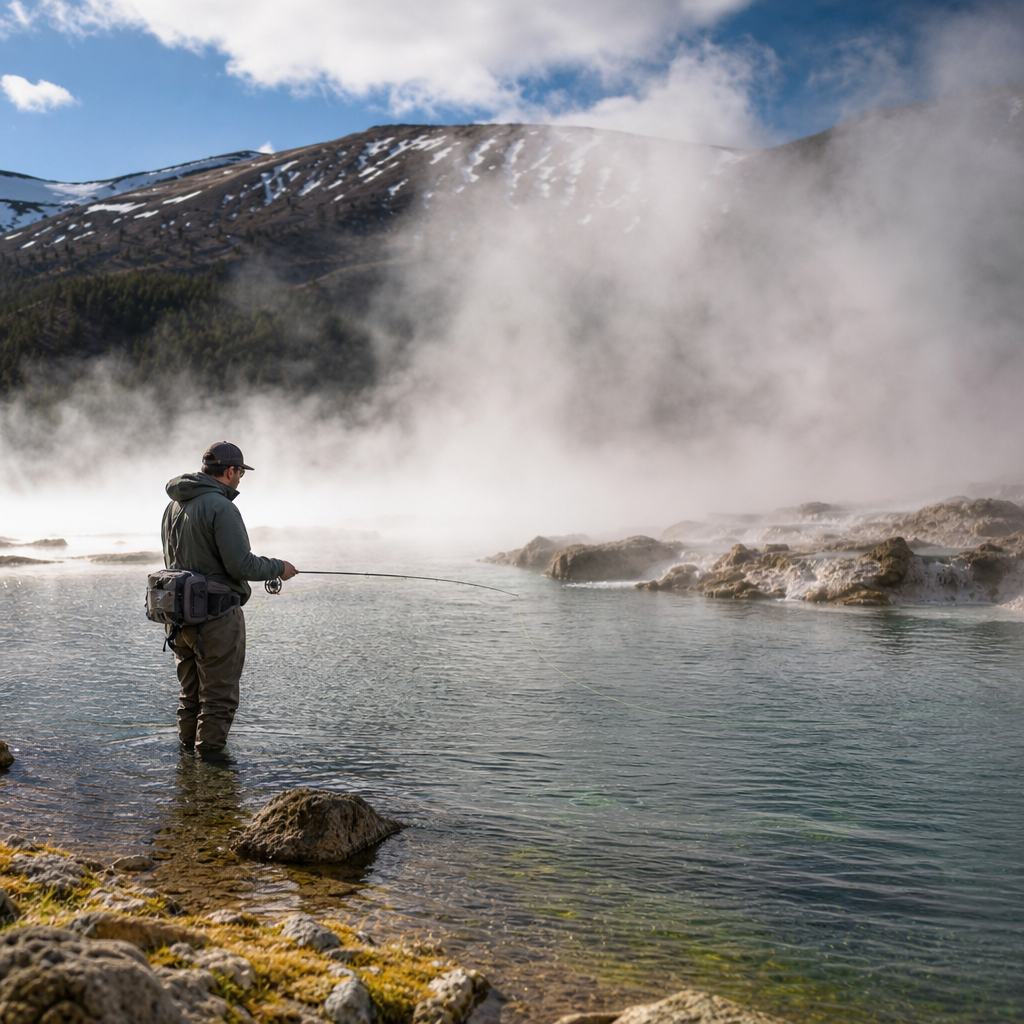
Fly fishing in geothermal waters demands a different playbook than standard river fishing because heat, mineral content, shifting oxygen levels, and unusual insect activity change how trout hold, feed, and move. Geothermal waters include rivers, spring creeks, side channels, and stillwaters influenced by hot springs, geyser basins, or subterranean thermal seepage. In practice, I treat them as mixed-condition systems: part trout stream, part spring creek, part warmwater stress environment. That combination matters for every decision, from where you enter the water to whether you fish at all during a warm spell.
As a hub within seasons and conditions, this guide covers the special conditions that define geothermal fly fishing. The goal is not novelty. It is effective, ethical angling under complex circumstances. Fish in these systems often experience stable winter refuges, abrupt summer temperature spikes, heavy algal growth, and sections with chemistry that supports life only intermittently. Productive anglers read those variables before they tie on a fly. The best strategy starts with water temperature, dissolved oxygen, current structure, insect timing, and access rules, then adapts presentation to the exact thermal influence in front of you.
Some geothermal fisheries are famous, especially in Yellowstone country, Iceland, New Zealand, and volcanic regions of the western United States. Others are quiet local streams where a single warm spring keeps a mile of river open through winter. Across all of them, the same principle holds: thermal influence compresses habitat. Trout concentrate where temperatures stay favorable and oxygen remains adequate. That concentration can create excellent fishing, but it also increases pressure and fish stress. Knowing how geothermal conditions shape holding lies, hatches, and fish safety is what separates informed fly fishing from simply casting into unusual water.
The first step in fly fishing geothermal waters is understanding the thermal map of the system, not just the average temperature. In one hundred yards, water can change from too warm to ideal to nearly sterile, depending on spring inflows and mixing. I always carry a reliable stream thermometer and take readings in the main current, edges, spring mouths, and downstream seams. For trout, the broad feeding comfort zone often sits around 50 to 65 degrees Fahrenheit, while prolonged exposure above roughly 68 degrees increases stress and low oxygen risk. Exact tolerances vary by species and acclimation, but temperature is still the first filter.
Thermal mapping means finding where fish can thrive, not where water merely feels interesting. A hot spring entering a river may look promising, yet the actual fish-holding water is often downstream where the warm inflow mixes with cooler current and creates a stable band of moderate temperature. In winter, that band can become a sanctuary that keeps insects active and trout feeding when nearby freestone water is sluggish. In summer, the same area may become marginal by midday. Productive anglers identify morning windows, shaded reaches, and cold tributary inputs that restore oxygen and keep trout comfortable enough to feed aggressively.
How geothermal water changes trout behavior
Trout in geothermal systems behave according to energy balance. They seek water that offers three things at once: suitable temperature, enough oxygen, and access to food with minimal effort. Warm water speeds metabolism, so fish may feed more often, but only if oxygen remains high enough to support that activity. When oxygen drops, trout slide into faster riffles, the heads of pools, gravelly springbrook channels, or confluences where cooler water enters. In winter I often find fish spread through gentle spring-influenced flats; during warm afternoons they tighten into narrow lanes with current and aeration.
Geothermal influence also affects seasonal movement. In cold climates, trout may migrate toward warm inflows as winter approaches because those areas stay ice-free and maintain active midge, baetis, and scud populations. Brown trout and rainbows can stack in surprising numbers around transition zones, especially below mixing seams. In summer, the migration reverses. Fish may abandon visibly warm reaches and move into tributaries, deeper canyon runs, or groundwater-fed side channels. The key lesson is that geothermal trout are rarely static. Good anglers think in daily movement patterns, not fixed spots saved on a map.
One nuance many anglers miss is avoidance of extreme thermal water itself. Near some hot spring sources, water can be too hot, too mineralized, or too low in oxygen for trout and aquatic insects. The best lies are commonly on the boundary where chemistry and temperature normalize. I learned this on a spring-fed western creek where beginners crowded the bright orange mineral edge, while the fish held twenty feet away in a riffled tongue where cooler mainstem water diluted the inflow. In geothermal fishing, edges and gradients nearly always outproduce the source.
Reading special geothermal holding water
Special conditions create special structure. In geothermal rivers, prioritize confluences, mixing seams, bubble lines below warm inputs, shelf drop-offs near spring channels, and riffles immediately downstream of thermally altered flats. These places combine temperature moderation with oxygen and drift concentration. A common pattern is a warm spring entering a cold river in winter: trout hold on the first inside seam below the inflow because food funnels there and the current stays soft. In summer, look instead for the nearest oxygen-rich chop, undercut bank shade, or tributary junction that cools the reach.
Visibility can be deceptive. Mineral-rich water sometimes looks cloudy, tea-stained, or milky blue, and fish may still feed well if oxygen is adequate and pH remains tolerable. Conversely, crystal-clear geothermal spring water can hold surprisingly few trout if vegetation, mineral deposition, or chemical loading limits insect life. I judge a stretch by life signs first: nymph shucks on rocks, midge clusters, scuds in weeds, caddis adults, or feeding forms at transitions. If you do not see insects, trout, or clean holding current after careful observation, move. Thermal oddity alone does not create a fishery.
Wading requires caution. Algae slicks, soft sediment, and sinter shelves can be treacherous, and in protected geothermal areas they may also be legally off-limits. Many of my best sessions in these waters came from bank fishing because the productive seam was obvious and entering the stream would have scattered fish or damaged fragile substrate. Use a wading staff, felt-free high-traction soles where regulations require them, and longer leaders that let you stand well back. In narrow thermal channels, a single careless step can alter the spot for every angler who follows.
Best fly patterns and presentations
The most reliable fly selection for geothermal waters reflects the food web those temperatures support. Midges, baetis, scuds, sowbugs, small caddis, leeches, cranefly larvae, and egg patterns often matter more than large stonefly imitations. Stable winter warmth encourages year-round midge activity, while weed-rich spring channels produce dense scud populations. I carry zebra midges, thread midges, RS2s, pheasant tails, soft hackles, scuds in gray and olive, small worm patterns where legal, and sparse streamers for larger trout hunting in transition water. Match size before color; in these systems profile and depth usually decide the day.
Presentation should fit the thermal lane you are targeting. In gentle springbrook currents, long leaders, fine tippet, and controlled slack are essential because fish get an extended look. In mixed river currents below hot inputs, indicator nymphing with split shot works well when you need to sink quickly into a narrow feeding seam. Swinging soft hackles can be deadly during midge or baetis emergence because geothermal trout often pod in defined lanes and intercept ascending insects. Streamers excel at dawn, in off-color mineral water, or when larger browns patrol the edge of warmer refuge water.
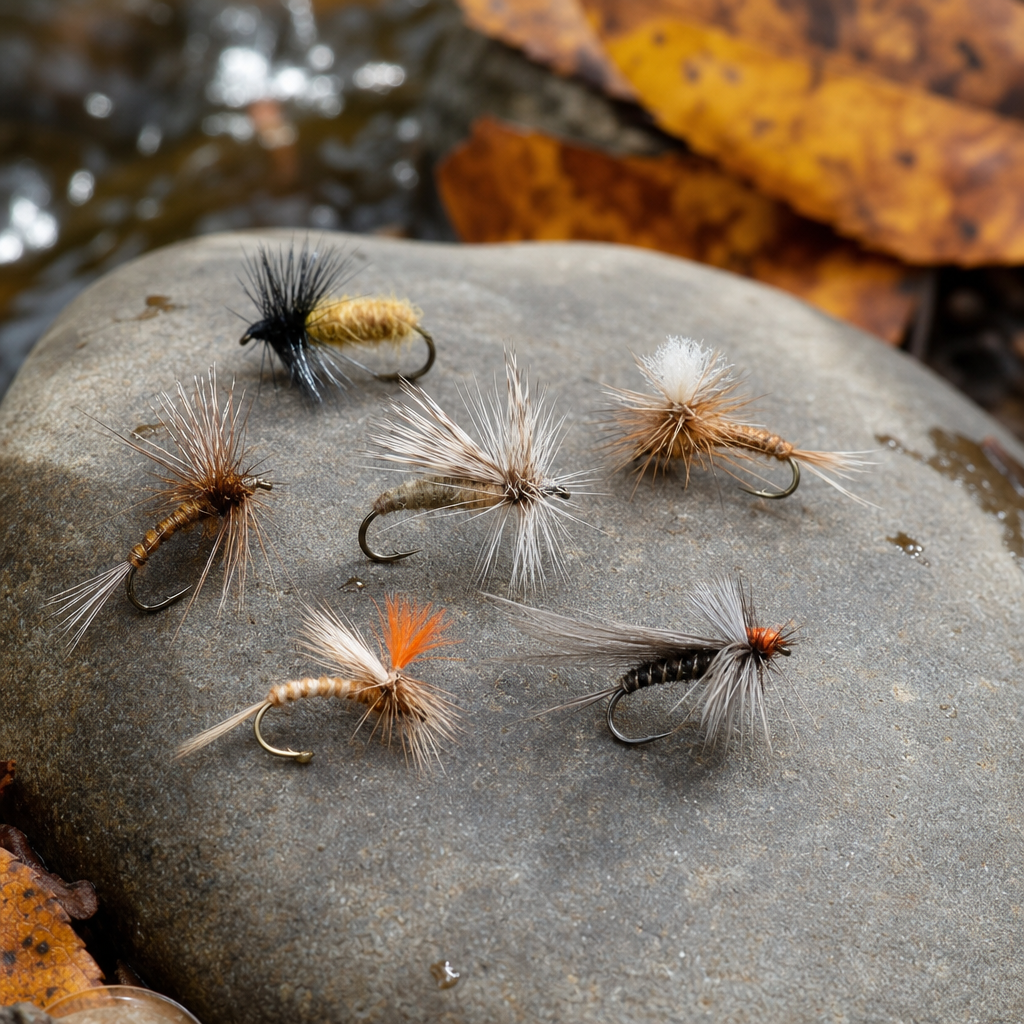
Dry-fly opportunities are real but often overlooked. Winter baetis hatches below thermal inflows can be excellent on overcast afternoons, and midge clusters may bring steady sippers to slow edges. In summer, terrestrials can matter around grassy spring channels, though heat stress may shorten the ethical fishing window. Keep patterns small and low riding: parachute Adams, Griffith’s Gnat, CDC emergers, and baetis cripples cover much of the surface game. When fish refuse, drop a tiny midge pupa eighteen inches below the dry. That dry-dropper setup is one of the cleanest ways to probe shallow geothermal flats.
| Condition | Where trout hold | Effective flies | Presentation |
|---|---|---|---|
| Cold winter morning with warm inflow | Mixing seam below spring mouth | Zebra midge, RS2, scud | Short dead drift under small indicator |
| Overcast winter afternoon hatch | Slow inside edge and flats | Baetis emerger, Griffith’s Gnat | Delicate downstream presentation |
| Warm summer midday | Riffles, shaded banks, cool tributary junctions | Small nymphs, sparse streamer only if temps safe | Fast water drifts; stop if water exceeds safe range |
| Mineral-stained water after thermal surge | Defined soft edge near oxygenated chop | Leech, soft hackle, dark midge | Swing or tight-line close to structure |
Seasonal strategy and ethical fish handling
Winter is when geothermal waters often shine. Thermal influence keeps reaches open, insect activity steady, and trout metabolically willing compared with fish in colder freestone sections. Midday through late afternoon is usually best as light softens and hatches build. Spring can be excellent too, especially where runoff muddies the main river but spring-fed or thermally influenced side channels stay clear. During these periods, geothermal water acts as a stabilizer. Anglers who monitor weather, flow gauges, and local hatch reports often find dependable fishing when surrounding systems are inconsistent.
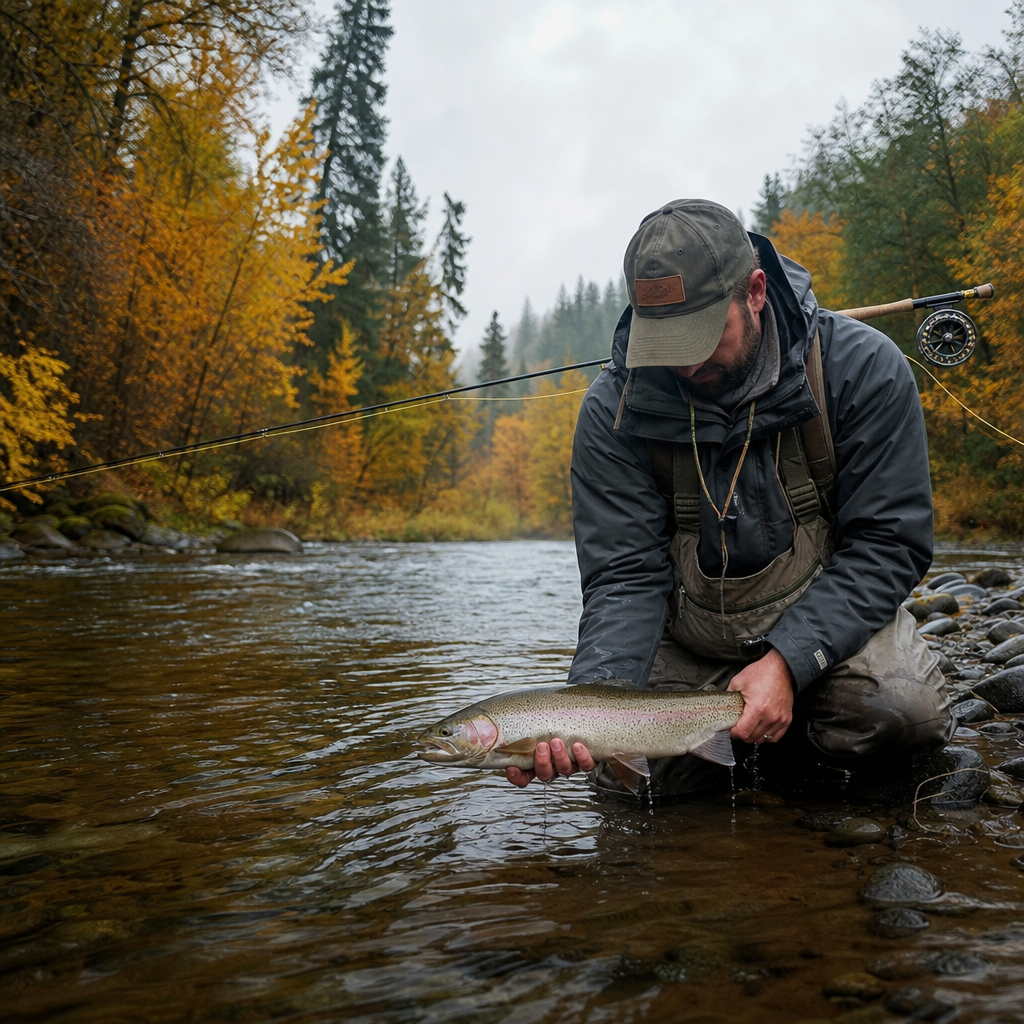
Summer is the caution season. Warm geothermal input can push already warm rivers beyond safe limits, especially in low flow years. If water approaches 68 degrees Fahrenheit, and certainly if it moves into the 70s, stop targeting trout. High temperature and handling stress raise post-release mortality sharply even when fish swim away. Fish early, use heavier tippet to shorten fights, keep trout submerged during hook removal, and skip hero shots. Barbless hooks are not magic, but they reduce handling time. In some regulated waters, afternoon closures exist for good reason; follow them without exception.
Fall can offer a narrow but excellent window. Cooling nights restore oxygen, trout feed hard, and warm spring influence may keep insect life active after neighboring streams slow down. Brown trout moving before spawn often patrol transition zones, especially around weed beds and undercut edges near spring creeks. Still, ethics matter in autumn too. Avoid targeting obvious spawners on redds or the soft tails below them. In geothermal tributaries with concentrated spawning habitat, pressure can become intense. Fish lower in the system, focus on travel lanes, and leave reproductive fish undisturbed.
Gear, access, and hub topics for special conditions
Your standard trout outfit works, but a few adjustments help. A 9-foot 4- or 5-weight covers most geothermal rivers, while a 10-foot nymph rod improves line control on complex seams. Carry a fast-reading thermometer, polarized glasses that cut glare over slick mineral water, and fluorocarbon tippet for subsurface flies in clear spring channels. Boots need maximum traction on algae-coated rocks, and a wading staff is more than optional. I also keep a small seine or aquarium net for checking drift in weeded channels. In thermal systems, knowing the exact bug mix often saves hours of trial and error.
Access and conservation rules are often stricter in geothermal landscapes than on ordinary trout streams. Boardwalk boundaries, closed thermal areas, seasonal sanctuaries, and fish-consumption advisories may all apply. In national parks and volcanic basins, resource protection is inseparable from angling etiquette because sinter formations, thermal crusts, and fragile streamside soils recover slowly from damage. Always verify local regulations, especially where invasive species cleaning protocols, lead restrictions, or felt-sole bans exist. A good hub for special conditions should also connect anglers to related topics such as winter fishing, low-water tactics, spring creeks, and warm-weather trout safety.
Fly fishing in geothermal waters rewards anglers who read conditions precisely, not just scenery. The winning approach is straightforward: map temperatures, find oxygen-rich transition water, match the insects sustained by stable warmth, and adjust by season and time of day. These fisheries can provide remarkable winter action, technical dry-fly fishing, and refuge behavior that concentrates trout in predictable lanes. They can also become fragile and unsafe during heat, low flow, or heavy pressure. Treat them as dynamic systems, fish the gradients rather than the extremes, and let temperature guide every decision. Bring a thermometer, stay observant, and fish geothermal water with purpose.
Frequently Asked Questions
What makes fly fishing in geothermal waters different from fishing a normal trout stream?
Geothermal waters fish differently because the environment is less stable and more chemically complex than a typical coldwater river. Water temperature can change dramatically over short distances, especially where hot spring inflows, thermal seeps, or geyser-fed side channels enter the system. That temperature variation affects trout location, feeding windows, oxygen availability, insect activity, and overall fish stress. In many geothermal systems, one section may behave like a classic spring creek with steady flows and selective fish, while another nearby reach may fish more like a marginal warmwater zone where trout only feed comfortably during short low-stress periods.
Mineral content is another major factor. Thermal influence often changes water clarity, pH behavior, aquatic vegetation, substrate color, and the abundance or timing of insects. Trout in these places may key on unusual food sources, including midges, scuds, small mayflies, and opportunistic terrestrials, while avoiding sections where temperature and dissolved oxygen drop too far. That means anglers cannot rely on standard assumptions such as “deeper is always better” or “the best lies are the obvious current seams.” In geothermal water, the best holding water is often the place where tolerable temperature, enough oxygen, manageable current, and available food all overlap.
The practical takeaway is that geothermal fisheries reward observation more than routine. You are not just reading current and structure; you are reading thermal influence, fish comfort zones, and micro-habitat shifts. Successful anglers move slowly, check multiple water types, pay attention to where weed growth changes, watch for subtle spring inflows, and stay flexible with fly selection and presentation. If you approach geothermal water as a mixed-condition system rather than a standard trout stream, you will make smarter decisions and find fish more consistently.
Where do trout usually hold in geothermal waters, and how can I identify the best water?
Trout in geothermal systems usually hold where conditions are balanced rather than extreme. They want access to food, but they also need water that is cool enough and oxygen-rich enough to remain comfortable. That often places them near transition zones: edges of thermal influence, cooler side inflows, seams between spring-fed and main-channel current, the tails of pools where water reoxygenates, or shaded banks where temperature drops even slightly. In stillwaters or slow geothermal channels, fish may suspend near cooler groundwater inputs, weed edges, or subtle current lanes created by inflowing springs.
One of the biggest mistakes anglers make is casting directly into the warmest visible water simply because it looks active or unusual. The hottest pockets are often biologically interesting, but they are not always where trout spend the most time. More often, fish use nearby moderation zones where warm water boosts insect activity without pushing temperatures into stressful ranges. In a river influenced by hot springs, for example, trout may feed below the thermal influx where bugs drift consistently, then slide back into cooler holding lies nearby. In spring creeks with subterranean geothermal seepage, they may favor undercut banks, deeper slots, gravel transitions, or aquatic vegetation beds that provide both cover and stable conditions.
To identify the best water, look for clues that reveal hidden temperature and oxygen differences. Watch for changes in surface texture, color, vegetation, or mineral staining. Notice where insects gather, where you see dimples or subtle porpoising, and where the current carries food without forcing fish to work hard. If regulations and local ethics allow, a stream thermometer is one of the most useful tools you can carry. Even a difference of a few degrees can explain why one run feels lifeless and another holds multiple trout. In geothermal waters, the prime lie is rarely just about structure; it is about structure plus thermal suitability.
What flies and presentations work best when insect activity is unusual or inconsistent?
In geothermal waters, it pays to build your fly selection around reliability instead of novelty. Because these systems often produce irregular hatches, extended midge activity, spring-creek-style selectivity, and periods of opportunistic feeding, your best patterns are usually versatile, natural-looking flies in moderate sizes. Midges, scuds, small mayfly nymphs, cress bugs, soft hackles, emergers, and sparse dry flies often outperform large attractors. In some systems, terrestrials can also be surprisingly effective, especially where grassy banks, warm edges, and light wind push beetles, ants, and hoppers into the water.
Presentation matters even more than pattern. Trout living in geothermal water often have prolonged feeding opportunities and can inspect flies closely, especially in clear spring-influenced channels. That means drag-free drifts, fine tippet where appropriate, accurate depth control, and subtle movement are critical. If fish are suspended or feeding just below the surface, an emerger under a dry or a lightly weighted nymph can be far more effective than dredging the bottom. In riffled transitional water, a soft hackle swung gently through the seam can imitate the broad range of emerging insects common in thermally influenced systems. In weedy or still sections, slow hand-twists and micro strips can make a scud or midge pattern come alive without looking unnatural.
When insect activity seems strange, match behavior before appearance. Ask whether trout are sipping adults, intercepting emergers, picking nymphs off weed beds, or opportunistically eating drifting food in a mixing zone. A fish rising softly in geothermal spring water may not be taking fully emerged dries at all; it may be feeding on trapped emergers just under the film. Likewise, fish holding below a warm inflow may respond to a small nymph dead-drifted at the exact depth where food concentrates. Start with confidence patterns, adjust size and weight carefully, and let trout tell you whether they want a dead drift, a lift, a swing, or a barely moving presentation.
How should I adjust my strategy during warm periods or low-oxygen conditions in geothermal fisheries?
Warm periods require a fish-first approach. Geothermal systems can reach stressful conditions faster than many anglers realize because elevated temperatures and reduced dissolved oxygen often combine in the same water. Trout may still be visible, but visible fish are not necessarily catchable fish, and they are certainly not always fish that should be targeted. When water temperatures climb too high, trout feed less efficiently, recover more slowly, and become more vulnerable to handling stress. In those conditions, the best strategy may be to avoid fishing entirely or to focus only on cooler reaches, early hours, or sections with strong oxygen exchange.
If you do fish, concentrate on the coolest and most oxygenated windows of the day, usually early morning, late evening, or during weather changes that reduce heat stress. Prioritize riffles, spring-fed sections, shaded banks, inflow zones from cooler tributaries, and the tails of pools where water churn improves oxygenation. Fish quickly and deliberately rather than covering water aimlessly. Long fights in warm water are hard on trout, so use tackle stout enough to land fish efficiently, keep them in the water, and release them immediately. If trout appear lethargic, stop rising naturally, or hold in obvious stress refuges, take that as a signal to back off.
Strategically, this is also the time to simplify. Use flies that can be presented effectively in the most fishable water types rather than forcing marginal situations. Small nymphs, emergers, and sparse dries often let you make efficient, low-impact presentations in cooler microzones where trout are still feeding comfortably. Just as important, know the local regulations and thermal closures. Many geothermal fisheries have unique management rules because the line between productive water and vulnerable habitat can be thin. Good anglers in these environments do not just chase bites; they recognize when conditions have shifted from challenging to unethical.
What gear, timing, and approach give me the best chance of success in geothermal waters?
A balanced, adaptable setup is usually best. For most geothermal rivers and spring-creek-style channels, a 4- to 6-weight rod with a floating line covers the majority of situations, from dry flies and emergers to light nymph rigs and soft hackles. Longer leaders are useful in clear, slow, or selective water, while shorter, more controlled leaders can help in pocket water or mixing zones where drift management matters more than stealth alone. Carry a thermometer, quality polarized glasses, fine and medium tippet options, split shot or tungsten flies for depth control, and a compact fly box built around midges, mayflies, scuds, cress bugs, soft hackles, and a few terrestrials.
Timing is often the true key. In geothermal fisheries, the best fishing frequently happens when temperature, oxygen, and insect activity align for a short window. That may be early in the day during warm weather, midday in colder seasons when thermal influence boosts insect movement, or during overcast periods that stabilize fish behavior. Instead of assuming a full-day grind will produce steady action, plan to observe first and fish second. Spend time watching for rises, checking likely transition zones, and noting where bugs are active. Geothermal trout are often predictable once you find the right water and timing, but frustrating when you fish the wrong zone at the wrong hour.
Your overall approach should be patient, mobile, and analytical. Cover water thoughtfully, not aggressively. Fish the edges of thermal influence before the obvious centerline. Revisit productive spots as conditions shift. Treat every inflow