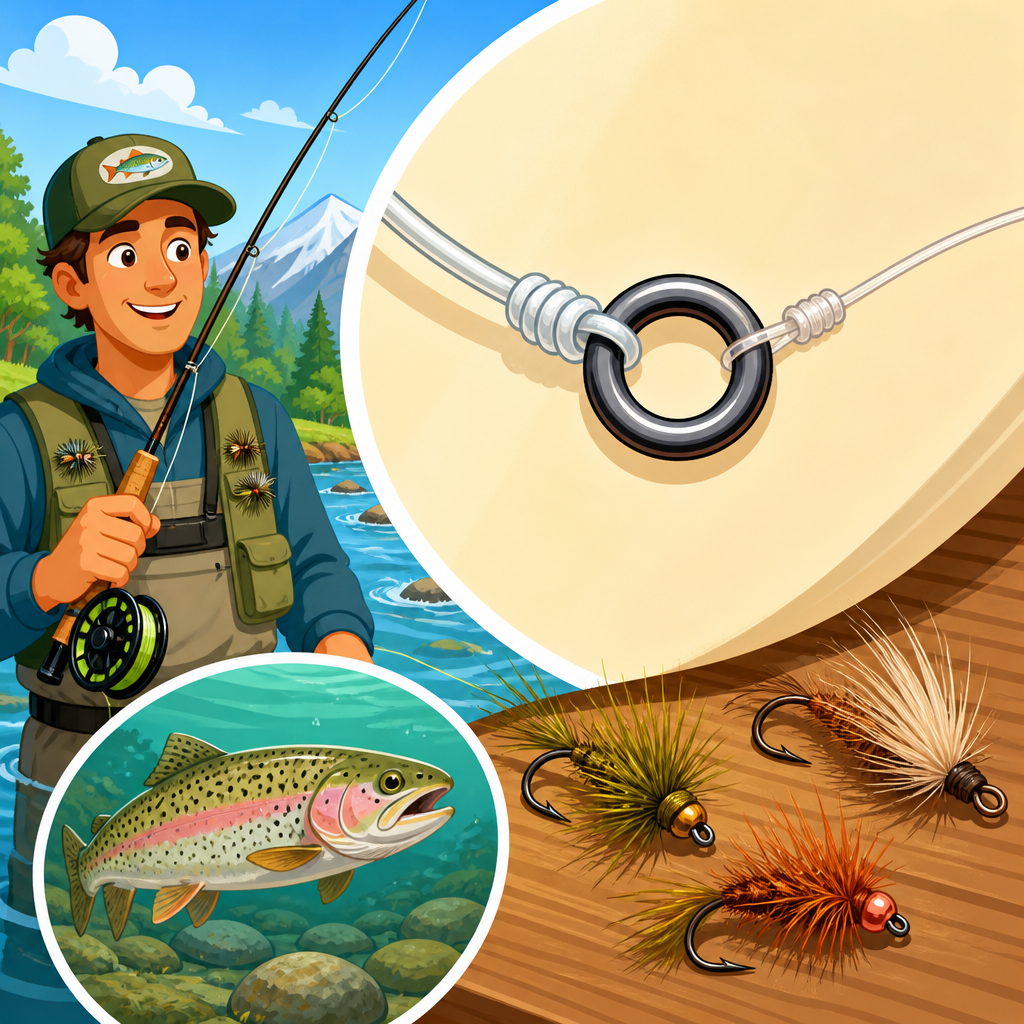
A tippet ring is a tiny metal connector that sits between your leader and tippet, letting you replace only the worn terminal section instead of cutting back the entire leader every time you change flies or rebuild a rig. In fly fishing basics, that sounds like a small detail, but it affects presentation, cost, knot strength, and time on the water. I recommend thinking of the tippet ring as a wear point manager: it preserves the taper of a leader while giving you a durable attachment point for fresh tippet material. For anglers building a dependable gear and equipment system, that makes it more than an accessory. It becomes a practical tool for nymphing, dry-dropper setups, indicator rigs, and any situation where repeated reties would otherwise shorten your leader too quickly.
Before deciding whether one belongs in your kit, it helps to define the core terms. A leader is the tapered section connecting fly line to the final terminal material. Tippet is the level material tied to the end of the leader, usually selected by diameter and breaking strength to match fly size and fish behavior. A tippet ring is usually a stainless steel or nickel alloy micro ring, commonly around 2 to 3 millimeters in diameter, with a smooth welded profile and surprisingly high strength for its size. Good rings often test far above the breaking strength of trout tippet, so failure usually happens at the knot or tippet, not the ring itself.
This matters because leader systems are the foundation of fly presentation. Over years of rigging trout, bass, and light saltwater outfits, I have seen beginners blame poor drifts or missed takes on the rod, reel, or fly pattern when the real problem was a leader that had become too short, too heavy at the tip, or unevenly rebuilt after repeated trimming. A tippet ring helps standardize that end connection. It can also simplify experimentation with fluorocarbon versus nylon, make euro nymph leader maintenance easier, and reduce waste. Still, it is not mandatory. The right question is not whether tippet rings are good in general, but when they improve your specific gear and equipment setup enough to justify one more component.
How a Tippet Ring Works in a Leader System
A tippet ring is tied to the end of the leader butt or taper where you want the replaceable tippet section to begin. Once attached, you tie fresh tippet to the ring using the same knot you would use on a fly eye, most often an improved clinch, Orvis knot, or Davy-style knot depending on line diameter and personal preference. In practical terms, the ring acts like a tiny junction point. Instead of cutting into the tapered leader every time the terminal section gets short or abraded, you cut away only the tippet below the ring and tie on a new length.
The mechanical advantage is straightforward. Tapered leaders transfer energy from the cast down to the fly by gradually stepping down in diameter. When you repeatedly trim and rebuild the thin front end without a fixed junction, you eventually erase part of that designed taper. The result can be poor turnover, especially with dry flies, long leaders, and lighter rods. By preserving the leader at a set diameter, the tippet ring keeps the handoff point consistent. That consistency is one reason competition nymph anglers and guides use them so often on technical rigs that are adjusted many times in a day.
There is also a material advantage. You may want a nylon leader for better floatation with dry flies but prefer fluorocarbon tippet under a nymph because it sinks faster and resists abrasion. A ring lets you switch materials cleanly without complicated blood-knot rebuilds streamside. On rivers where conditions change through the day, that flexibility is valuable. I often start with nylon tippet during a morning mayfly hatch, then move to fluorocarbon when I switch to subsurface patterns in deeper runs, all while keeping the same leader body intact.
When a Tippet Ring Is Worth Using
The short answer is this: a tippet ring is worth using when you expect frequent tippet changes, repeated break-offs, or multiple rig adjustments that would quickly consume the front end of your leader. That includes trout nymphing, dry-dropper fishing, hopper-dropper setups, indicator rigs, stillwater chironomid leaders, and euro nymph systems. In each of these cases, the terminal section is a consumable item. A ring saves time and keeps leader geometry predictable.
On heavily pressured tailwaters, for example, I might cycle through 5X and 6X tippet lengths several times in one session as light, current speed, and fish behavior change. Without a ring, those adjustments steadily eat into the leader. With a ring, the leader remains fixed at the same endpoint. Likewise, on freestone streams where I’m bouncing tungsten nymphs near rocks, abrasion and snag losses are common. Replacing eighteen to thirty inches of tippet from a ring is cleaner than rebuilding knots into the taper all afternoon.
It is also especially useful for anglers still learning leader construction. Beginners often tie poor blood knots on the water or guess at taper transitions that do not make sense. A tippet ring simplifies the system into two tasks: keep a reliable leader above the ring and replace tippet below it as needed. That modular approach makes troubleshooting easier. If drifts are bad, you know the issue is likely tippet length, fly weight, or technique rather than a hidden mismatch somewhere in a hand-built taper.
| Fishing situation | Why a tippet ring helps | When it is less useful |
|---|---|---|
| Indicator nymphing | Frequent depth and tippet changes preserve leader length | If using very short, simple leaders in tight brush |
| Dry-dropper rigs | Easy replacement after wind knots and break-offs | If fishing only one fly for a short session |
| Euro nymphing | Keeps a fixed sighter and transition point | If leader is rebuilt entirely from specialty mono each trip |
| Stillwater trout | Quick material changes between nylon and fluorocarbon | If trolling or stripping stout straight leaders |
| Light saltwater or warmwater | Useful for replacing bite or abrasion sections efficiently | If chasing toothy fish needing wire or heavy shock tippet |
Benefits for Gear and Equipment Planning
As a hub topic within fly fishing basics, gear and equipment is really about system design. Rod, reel, line, leader, tippet, indicators, split shot, and flies must work together. A tippet ring improves that system in four practical ways: economy, consistency, speed, and organization. Economy is the most obvious. Premium tapered leaders are not cheap, especially if you fish often. Rings allow one leader to last much longer because the sacrificial wear occurs below the connection point. Over a season, that can materially reduce how many leaders you burn through.
Consistency matters just as much. A nine-foot 4X leader behaves differently from a seven-foot, unevenly cut-down version of that same leader. Anglers often adapt without realizing they are compensating for degraded leader design. Rings slow that decline. Speed is the third benefit. Rebuilding from a ring is fast, and speed matters when fish are rising, guides are managing clients, or cold hands make knot tying difficult. The fourth benefit is organization. Once you adopt rings, you can carry spools of specific tippet materials and know exactly where they integrate into your setup.
For a fly fishing basics gear page, that organization point is important because it connects naturally to other core equipment decisions. Leader wallets, tippet spools, nippers, hemostats, and floatant all become easier to use when your leader system is modular. Even storage improves: pre-rigged leaders with rings can be looped and labeled for dry flies, nymphing, streamers, or stillwater. Many anglers overlook how much wasted fishing time comes from confusing or rebuilding terminal tackle at the river. A ring reduces that friction.
Limitations and Situations Where You Can Skip It
Tippet rings are useful, but they are not magic, and there are times when they add little value. If you mostly fish short sessions with one straightforward dry-fly leader and rarely change tippet, a ring may not solve a real problem. The same is true if you fish small overgrown streams where leaders are intentionally short, turnover demands are modest, and simplicity matters more than long-term leader preservation. In those environments, one fewer connection can be a reasonable choice.
There are also presentation tradeoffs. Although rings are tiny, they still add a small piece of hardware to the leader. In most trout applications this does not hurt anything, but in extremely delicate flat-water dry-fly fishing at close range, some anglers prefer a knot-to-knot connection for absolute minimalism. I have not found quality micro rings to spook fish on normal river setups, yet it is fair to acknowledge that some technical anglers want the lightest, cleanest leader possible. That preference is legitimate.
Another limitation is knot execution. A tippet ring is only as reliable as the knot tied to it. Very fine tippet can slip if tied poorly, and oversized terminal knots can collect weed or micro debris. Cheap rings can also have rough edges or inconsistent welds. This is why brand quality matters. Reputable options from companies such as Rio, Scientific Anglers, Orvis, and TroutHunter are worth the minor extra cost. Finally, if you are targeting species that require heavy shock tippet, bite wire, or specialized saltwater leaders, the role of a trout-style tippet ring may be limited compared with purpose-built swivels, loops, or crimps.
How to Choose, Rig, and Maintain a Tippet Ring
For most freshwater trout fishing, a ring around 2 millimeters is the safe default. It is small enough to pass energy cleanly and light enough not to disrupt the leader, yet large enough to handle comfortably when threading fine tippet. Breaking strength should exceed the tippet and leader materials you plan to fish; many micro rings are rated far above typical trout needs, often in the twenty- to thirty-pound range or more. Focus less on maximum strength marketing and more on finish quality, weld smoothness, and consistency across the pack.
Placement depends on the rig. On a standard tapered leader, attach the ring where you want the replaceable tippet section to start, usually near the end of the taper before the final thin tip becomes expendable. On euro nymph leaders, place it at the transition between the leader butt or sighter system and the sacrificial tippet section. On dry-dropper or indicator rigs, I generally want enough tippet below the ring to maintain drift and separation, then I build droppers from there as needed. The exact distance is less important than preserving a logical taper and avoiding abrupt diameter jumps.
Maintenance is simple. Inspect the ring whenever you check knots and flies. If it shows corrosion, deformation, or a rough spot, replace it immediately. Salt exposure demands a freshwater rinse and drying, especially for lighter freshwater-rated hardware. Carry spare rings in a small fly box compartment or tippet accessory holder because they are easy to lose in wind or low light. Most important, practice tying to one at home. Anglers who dislike tippet rings usually dislike fumbling with them streamside, which is a solvable preparation problem, not an inherent flaw in the tool.
Final Takeaways for Building a Smarter Fly Fishing Kit
A tippet ring is worth using when it protects leader taper, speeds up re-rigging, and gives you a repeatable connection point for the part of your setup that wears out fastest. That makes it especially valuable in nymphing, dry-dropper fishing, and any style that involves regular tippet replacement. It is less essential for minimalist dry-fly anglers who rarely change rigs, but even there it can extend leader life and simplify maintenance. In the broader gear and equipment picture, its real benefit is system efficiency. Better systems waste less time, cost less to maintain, and perform more predictably.
If you are building out your fly fishing basics knowledge, treat the tippet ring as one modular piece within a larger kit that includes the right leader formulas, tippet materials, knot skills, and rigging tools. Start with a quality 2-millimeter ring on a standard trout leader, fish it for several outings, and pay attention to how often you would otherwise have cut back your leader. That simple test will tell you quickly whether the ring earns a permanent place in your vest or pack. For many anglers, once they see the reduction in hassle and waste, they do not go back.
Frequently Asked Questions
What is a tippet ring, and what does it actually do in a fly fishing setup?
A tippet ring is a very small metal ring, usually made from smooth, corrosion-resistant alloy, that connects the end of your leader to your tippet. Its job is simple but genuinely useful: it creates a durable transition point so you can keep replacing only the tippet section instead of shortening your leader every time you retie a fly, swap rigs, or cut back worn material. In practical terms, it helps preserve the original taper of the leader, which matters because that taper is what transfers energy during the cast and helps the fly turn over cleanly.
Without a tippet ring, repeated fly changes gradually eat into the leader itself. Over time, that changes how the leader behaves on the water and can force you to replace it sooner than necessary. With a ring in place, the leader stays largely intact while the sacrificial section—the tippet—takes the abuse. That is why many anglers think of a tippet ring as a wear-point manager. It protects the part of the system that is more expensive and more important to casting performance, while giving you a clean, reliable attachment point for fresh tippet, droppers, or rebuilt terminal rigs.
When is a tippet ring worth using instead of tying tippet directly to the leader?
A tippet ring is most worth using when you expect to change flies often, rebuild your setup repeatedly, or fish in ways that put heavy wear on the terminal end of the leader. That includes nymphing with multi-fly rigs, fishing dry-dropper setups, switching between subsurface and dry presentations, and any day when breakoffs, wind knots, or abrasion are likely. In those situations, a ring saves time and material because you are replacing only the tippet section rather than trimming back the leader every few adjustments.
It is also especially useful for anglers who want more consistency from their leader formulas. If you have a leader you like and do not want to disturb its taper, a tippet ring lets you preserve that structure much longer. That can improve presentation because the leader keeps behaving the way it was designed to behave. From a cost standpoint, it often means fewer leaders used over a season. From a practical standpoint, it means less time rebuilding from scratch on the water. It may seem like a tiny piece of hardware, but when you are retying in cold weather, low light, or moving water, the convenience quickly becomes real.
Does a tippet ring affect casting, drift, or fly presentation?
In most normal trout applications, a properly sized tippet ring has very little negative effect on casting or presentation. The rings are extremely small and light, so they generally do not disrupt turnover in any meaningful way when matched to an appropriate leader and tippet size. In fact, because a ring helps preserve the leader’s taper over time, it can indirectly improve presentation compared with a repeatedly shortened leader that has lost its intended shape and energy transfer.
On the water, the main concern some anglers have is whether the ring will spook fish or interfere with a natural drift. In clear, technical conditions, that question is understandable, but in practice the effect is usually minor when the ring is small and incorporated into the system correctly. Many anglers fish them successfully on dry flies, nymph rigs, and euro-style setups without issue. The bigger presentation risk is often not the ring itself, but using one that is oversized or tying sloppy knots that collect debris. If you keep the terminal system neat and proportional, a tippet ring is typically more helpful than harmful.
What are the main advantages of using a tippet ring for knot strength, leader life, and efficiency?
The biggest advantage is leader preservation. Every time you tie fresh tippet directly to the leader, you shorten the leader and gradually change its taper. A tippet ring stops that attrition at a single durable point. That means the leader lasts longer, performs more consistently, and does not need to be replaced as often. For anglers who fish frequently, that can add up to noticeable savings over time.
Another major benefit is efficiency. A tippet ring simplifies rig maintenance because all your changes happen below the ring. Want to go longer, lighter, shorter, or stronger with your tippet? Just clip and retie at the ring. Need to rebuild after a breakoff? Start from the ring and you are back in business quickly. As for knot strength, a good ring can provide a dependable connection point as long as you use suitable knots and tie them cleanly. It does not magically make knots stronger, but it can make your system more repeatable and less compromised by repeated trimming of the leader butt-to-tip taper. For many anglers, the combination of durability, consistency, and faster rigging is exactly why tippet rings become standard equipment.
Are there situations where a tippet ring is not necessary or may be less useful?
Yes. If you fish very simple setups, make few fly changes, and rarely rebuild your terminal section, a tippet ring may not provide enough benefit to matter. For example, if you are fishing a straightforward dry fly setup for short sessions and you tend to use an entire leader quickly anyway, tying tippet directly to the leader can be perfectly fine. Some anglers also prefer the absolute minimalism of a knot-to-knot connection and simply do not feel a need for additional hardware in the system.
There are also cases where a ring can be less useful if it is poorly matched to the application. An oversized ring can be clumsy, more visible, and more likely to affect turnover. If your knots are poorly tied, the ring becomes just another place for failure. And for beginners with limited dexterity or vision, threading and tying onto very tiny hardware can take some practice. That said, none of these are major drawbacks when the ring is chosen thoughtfully and used for the right purpose. In most cases, the question is not whether a tippet ring works, but whether your style of fishing makes its advantages meaningful enough to justify adding it.