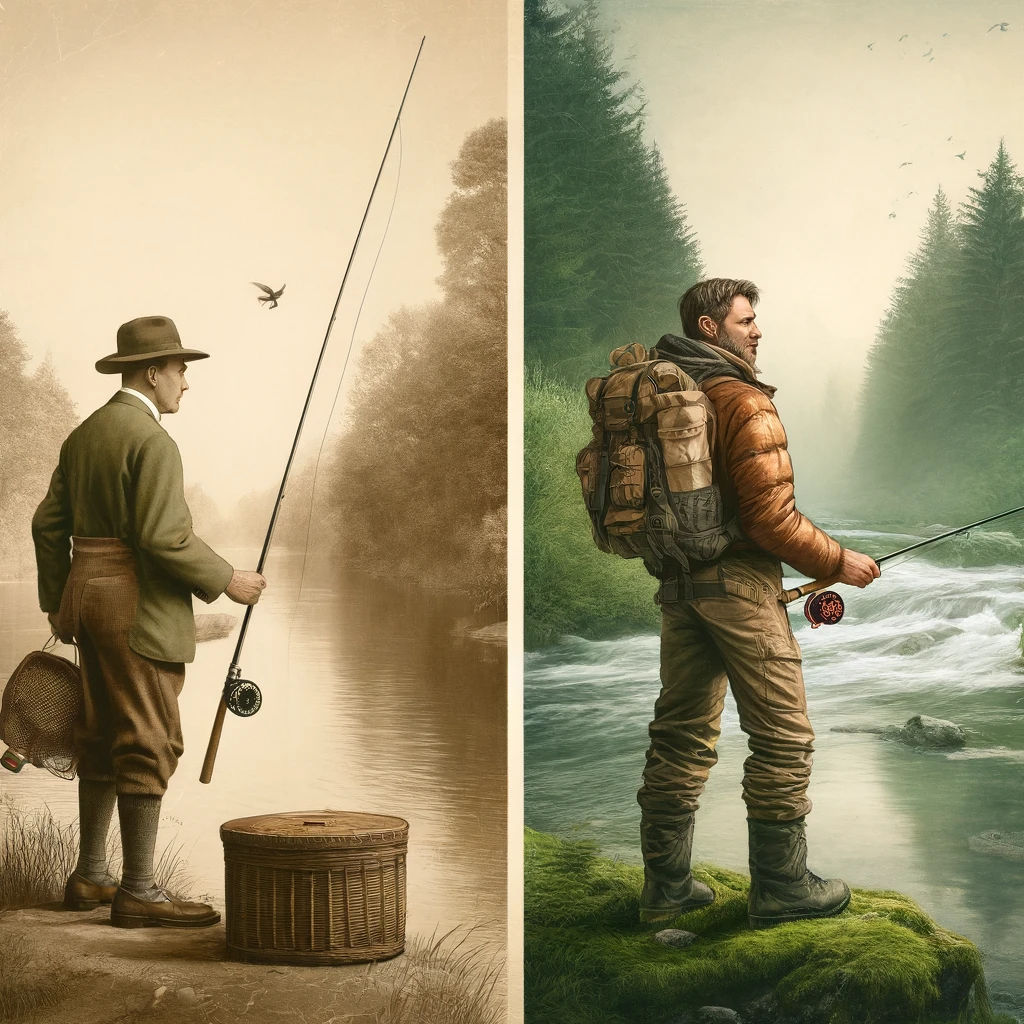
Fly fishing often conjures images of pristine streams teeming with trout or majestic salmon leaping upstream. However, seasoned anglers know that chasing carp—yes, the oft-overlooked, bottom-feeding carp—can be an exhilarating and surprisingly rewarding pursuit. Carp are known for their wariness, sheer power, and incredible fighting ability once hooked, making them a freshwater species that fly fishers shouldn’t underestimate. If you’re seeking a unique challenge and an opportunity to refine your skills, then fly fishing for carp should definitely be on your radar.
Fly fishing for carp has gained traction over the years, especially among those looking for a change of pace from targeting the usual suspects like trout or bass. Carp are abundant in many freshwater systems, often inhabiting lakes, rivers, and ponds, making them an accessible species. Despite their prevalence, they demand a high level of skill and patience, as their cautious nature means that they won’t fall for just any fly—precision and stealth are key. One of the most compelling reasons to target carp is the fight they put up. Hooking a carp on a fly rod is akin to hooking a freight train. They are powerful, resilient, and will test your gear and angling prowess to the limit.
This article will delve deeply into the nuances of fly fishing for carp, revealing tips, techniques, and essential gear that will help you successfully target these underrated game fish.
Understanding Carp Behavior
To consistently catch carp with a fly rod, it’s essential to understand their behavior and habits. Carp are omnivores, meaning they eat a wide range of food, from aquatic plants and algae to insects and small invertebrates. However, targeting feeding carp doesn’t simply mean casting a fly and hoping for the best—it’s about observation and timing.
Carp are often seen cruising just below the surface or tailing in shallow water. Tailing carp, which are actively feeding on the bottom, are your ideal target because they are less likely to be spooked by your presence and more likely to take your fly. When you spot a tailing carp, approach quietly and make minimal disturbances; a stealthy approach cannot be overemphasized.
Another aspect to consider is that carp have an excellent sense of smell. Therefore, using flies that can imitate natural scents can be advantageous. Flies that mimic the appearance and behavior of the carp’s natural food sources tend to be the most successful. This includes patterns like the carp bug, crayfish imitations, or nymphs that can stir up the bottom and draw attention.
Essential Gear for Carp Fly Fishing
The gear you select for carp fly fishing is crucial for success. While you don’t need highly specialized equipment, some choices enhance the effectiveness of your efforts.
Your fly rod should be robust enough to handle the strength of a carp. Typically, a 7 to 9 weight rod is ideal, balancing the need for power and finesse. A reel with a good drag system is equally important. Carp are known for making powerful runs once hooked, and a poor-quality reel may fail under pressure. A large arbor reel is a good choice since it allows for quicker line retrieval, which is particularly useful when a carp makes a sudden, long run.
In terms of lines, a weight-forward floating line works well in most scenarios as it provides good control and versatility. An intermediate sinking line can be useful when fishing deeper waters. Additionally, the leader and tippet matter—a 9 to 12-foot leader with a 12 to 20-pound tippet is generally recommended to withstand the carp’s strong runs and minimize break-offs.
Lastly, have a variety of flies in your arsenal. Effective patterns often include nymphs, crayfish, and other bottom-dwelling imitations. Keep in mind that carp fly fishing often involves trial and error; what works in one body of water might not work in another.

Techniques and Strategies
Perfecting your casting technique can make all the difference when targeting carp. Precision casting is vital because carp can be easily spooked. Generally, you should aim to place your fly gently within a few feet of the carp, allowing it to drift naturally in their feeding zone. Casting too close can send them darting off.
Pay attention to the carp’s behavior post-cast. Subtle pickups and nudges are common as carp are often cautious feeders. Watch for any changes in their posture or the direction of their head—these can indicate they’ve taken an interest in your fly. Because bites can be incredibly subtle, staying alert and being ready to set the hook promptly is crucial.
An effective strategy is to use the “indicator method,” especially in murky waters where visibility is low. Attach a small indicator above the fly, helping you detect when a fish has taken the bait. This method increases your hook-up rate by providing a visual cue for subtle takes.
Another technique worth exploring is sight fishing, especially in clear water. This allows you to target specific fish and present your fly more accurately. Sight fishing requires a good pair of polarized sunglasses to reduce glare and help you see the carp more clearly.
Respecting the Environment
As with any form of fishing, respecting the environment is paramount. Carp often inhabit delicate ecosystems, and it’s crucial to minimize your impact. Carp can play a vital role in the aquatic food chain, and their removal could disrupt local biodiversity. Practice catch and release to preserve carp populations. Handle the fish carefully, using wet hands or a soft net to minimize damage to their protective slime coating. Always release the carp promptly and gently back into the water, allowing them to recover fully before swimming away.
Moreover, be mindful of your surroundings. Avoid trampling on sensitive vegetation and disturbing other wildlife. Respect access regulations for fishing locations, and ensure you leave no trace by cleaning up any trash or fishing gear. Educate others about the value of fishing for carp. As their popularity grows, stressing responsible angling practices will ensure this sport remains sustainable for future generations. Inspire your fellow anglers to also respect the environment and contribute positively to the conservation of our precious freshwater systems.
Conclusion
Fly fishing for carp presents a unique and rewarding challenge that can sharpen your angling skills and provide a thrilling experience. Whether you’re a seasoned angler looking for a new challenge or a beginner eager to broaden your fishing horizons, carp are worthy adversaries. Understanding their behavior, equipping yourself with the right gear, fine-tuning your techniques, and respecting the environment are keys to a successful carp fishing adventure.
By embracing the complexity and excitement of carp fishing, you’ll not only become a better angler but also gain a deeper appreciation for this underrated species. Carp may not have the glamour of trout or the fame of bass, but their tenacity and strength make them equally deserving of respect and pursuit in the world of fly fishing. Next time you find yourself near a body of freshwater, take a moment to observe and perhaps even rig up a fly rod for carp. You may discover a newfound passion for one of the sport’s most challenging and satisfying endeavors. Not to mention, the stories of battling a hard-fighting carp will make for great tales around the anglers’ campfire.