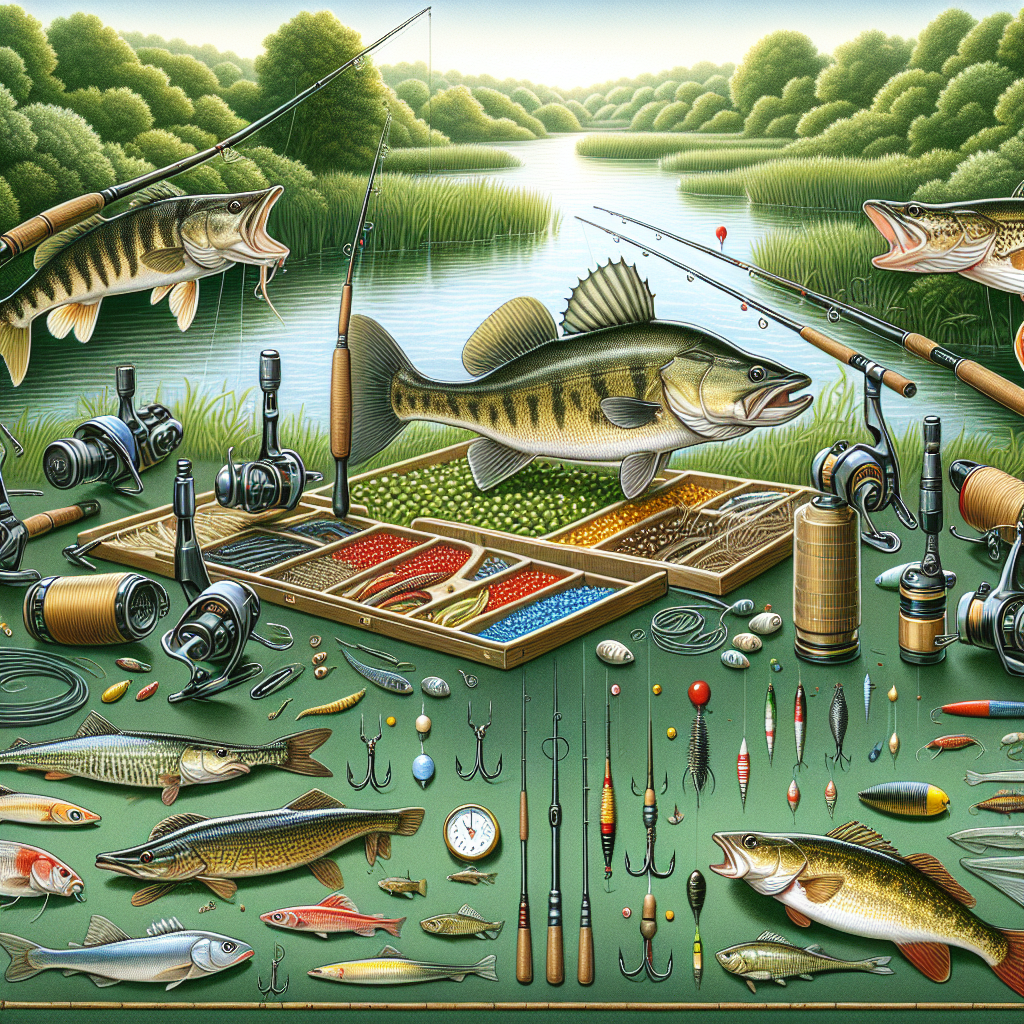
Welcome to freshwater fly fishing, where the promise of a successful catch exhilarates anglers of all skill levels. Whether you’re a seasoned pro or a newbie eager to escape the daily grind, understanding the basics of targeting freshwater predators is crucial for mastering the art of fly fishing. These predatory species, including bass, pike, muskie, and others, offer a thrilling and challenging experience for those willing to dive into their world.
Introduction
Fly fishing, particularly targeting freshwater predators, is one of the most engaging ways to enjoy the great outdoors. From the rhythmic swish of your fly fishing rod to the anticipation as you watch your fly delicately land on the water’s surface, the experience is unparalleled. However, to increase your success rate and make the most of your fly fishing adventures, having a solid grasp on the techniques and strategies specific to targeting freshwater predator species is key.
Freshwater predators like bass, pike, and muskie are known for their ferocious strikes and robust fights, making them a favorite among fly fishermen. These species are not only challenging to catch but also incredibly rewarding. Their behavior patterns differ significantly from other freshwater fish, so understanding their habitats, feeding patterns, and effective fly fishing techniques can elevate your game. This article will walk you through the basics of targeting these magnificent predators. We will explore different types of freshwater predatory fish, their preferred habitats, the best flies to use, and the techniques that will increase your chances of a successful catch. So, whether you’re planning your first trip or looking to refine your skills, read on for some valuable insights into freshwater predator fly fishing.
Understanding Freshwater Predators
Before you can effectively target freshwater predators, it’s essential to understand these fish and their behaviors. Predatory fish are typically at the top of the food chain in their habitats and exhibit aggressive feeding behaviors. They are opportunistic feeders, often preying on smaller fish, insects, and even small mammals or birds in some cases.
Bass
Bass is one of the most popular freshwater game fish, known for their explosive strikes and tenacious fights. They can be found in lakes, ponds, rivers, and streams. Largemouth bass prefer warmer waters with plenty of cover such as vegetation, submerged logs, or artificial structures where they can ambush prey. Smallmouth bass, on the other hand, thrives in cooler, clearer waters with rocky substrates.
Pike and Muskie
Pike and muskie are both members of the Esocidae family and are notorious for their aggressive nature and impressive size. Pike can be found in both shallow weedy areas and deeper waters, making them versatile feeders. Muskies, often referred to as the “fish of ten thousand casts,” are elusive and typically found in lakes and large rivers. They prefer structures like drop-offs, weed edges, and rocky points where they can ambush prey.
Other Predatory Species
Other notable freshwater predators include walleye, catfish, and gar. Each species has unique behaviors and habitat preferences, so understanding these nuances can significantly improve your fly-fishing success. For instance, walleye are known for their preference for low light conditions and are often targeted during dawn, dusk, or overcast days.
Essential Fly Fishing Gear for Targeting Predators
Equipping yourself with the right gear is fundamental when targeting freshwater predators. The thrill of catching these robust fish is unparalleled, but you need to be prepared to handle the fight they put up. Below are some key pieces of gear that will ensure you’re ready for success.
Fly Rods
When targeting large predators, you’ll need a sturdy fly rod that can handle the weight and fight of these fish. An 8 to 10-weight rod is usually sufficient for bass, pike, and muskie. These rods offer the necessary backbone to cast large flies and withstand the forceful strikes and powerful runs that are characteristic of these species.
Fly Reels
Fly reels for predator fishing should have a robust drag system to handle the aggressive nature of these fish. A large arbor reel is ideal as it allows for quicker line retrieval, which is crucial when a predator makes a sudden run. Ensure your reel is well-balanced with your rod to maintain comfort and efficiency during long fishing sessions.
Fly Lines
Floating lines work well for most bass fishing situations, especially when targeting fish in shallow waters or near the surface. For pike and muskie, consider intermediate or sinking lines to reach deeper waters where these fish often lurk. Additionally, using a weight-forward line will help you cast larger, bulkier flies with ease.
Leaders and Tippets
When fishing for predators with sharp teeth, such as pike and muskie, using a wire leader can prevent bite-offs. For bass, a stout monofilament or fluorocarbon leader in the 10 to 20-pound range is generally sufficient. Tippets should be strong enough to handle powerful strikes and runs; therefore, opt for materials that can withstand abrasion from rocks and vegetation.
Fly Patterns
Choosing the right fly patterns is crucial for enticing predator species. Streamers that mimic baitfish are incredibly effective, as are topwater flies that create surface disturbances, provoking aggressive strikes from predatory fish. Popular flies include Clouser Minnows, Woolly Buggers, and large poppers for surface fishing.

Reading The Water
One of the most essential skills in fly fishing is the ability to read the water. Understanding where predators are likely to be will significantly improve your chances of success. Here are some tips to help you identify prime fishing spots.
Structures and Cover
Freshwater predators often use structures and cover to ambush prey. Look for areas with fallen trees, submerged logs, weed beds, rocks, and man-made structures such as piers and docks. These areas provide excellent hiding spots for predators and are prime locations to cast your fly.
Drop-offs and Ledges
Drop-offs and ledges create natural ambush points for predatory fish. These areas allow predators to conserve energy while waiting in deeper water for unsuspecting prey to swim by. Targeting these spots, especially along the edges, can yield successful results.
Water Temperature and Depth
Understanding the temperature and depth preferences of your target species will help you locate them more effectively. For example, largemouth bass prefer warmer waters and can often be found in shallower areas during the warmer months. In contrast, smallmouth bass and walleye prefer cooler waters and may be found in deeper areas.
Current and Flow
Pay attention to the current and flow of the water. Predators often position themselves in areas where they can take advantage of the current to bring food to them. Look for seams where fast and slow water meet, eddies, and behind large rocks. These are prime locations for predators to lie in wait for prey.
Effective Fly Fishing Techniques
Developing effective fly fishing techniques is crucial for enticing freshwater predators. Here are some proven methods to increase your success on the water.
Strip Retrieve
One of the most effective retrieves for predatory fish is the strip retrieve. This method involves stripping the line in short, quick intervals to mimic the erratic movement of injured baitfish. Predators are opportunistic and often can’t resist the appearance of an easy meal.
Pause and Jerk
This technique combines short jerks with pauses to create an unpredictable movement that triggers predatory instincts. After a few quick strips, allow the fly to pause momentarily before resuming the retrieve. This imitates the behavior of prey that is trying to escape but is momentarily disoriented.
Topwater Fishing
Topwater fishing with flies like poppers and sliders can be incredibly exciting. The explosive strikes that occur when a predator attacks a surface fly are a sight to behold. Use a strip-pause-strip retrieve to create surface disturbances that attract attention.
Dead Drift
The dead drift technique involves allowing your fly to drift naturally with the current, imitating a dead or injured fish. This method is particularly effective in river systems where predators are accustomed to feeding on prey carried by the current.
Slow Retrieve
When fish are less aggressive or in colder water, a slow, steady retrieve can be more effective. This method presents a more natural and less threatening appearance to predators, increasing the likelihood of a strike.
Seasonal Considerations
Understanding the seasonal behaviors of freshwater predators can significantly enhance your fly fishing success. Fish behaviors change throughout the year, influenced by water temperature, spawning cycles, and food availability.
Spring
Spring is a prime time for targeting predators as they become more active after the winter. Bass begin their pre-spawn and spawn periods, often moving into shallower waters. This is an excellent time to use topwater flies and streamers that mimic baitfish.
Summer
During the summer, predators like bass and pike seek cooler, deeper waters during the heat of the day but may move into shallower areas to feed during the early morning or late evening. Adjust your fishing times accordingly to target these peak feeding periods.
Fall
Fall is a fantastic time for fly fishing, as many predator species enter a feeding frenzy to prepare for the colder months ahead. Fish are often more aggressive and willing to chase down flies. This is a great time to use larger, more substantial fly patterns that mimic the season’s larger prey.
Winter
Winter fly fishing can be challenging but rewarding. Predators like walleye and pike can still be targeted in deeper waters. Use slower retrieves and smaller flies to account for the fish’s decreased activity levels. Focus on areas where fish are likely to hold, such as deep pools and areas with slower current.
Conclusion
Fly fishing for freshwater predators is an exhilarating and rewarding endeavor that combines skill, knowledge, and patience. By understanding the habits and habitats of predatory species, equipping yourself with the right gear, and employing effective techniques, you can significantly increase your chances of success on the water.
Whether you’re targeting the explosive strikes of bass, the tenacious fight of pike, or the elusive nature of muskie, each fishing trip offers a new challenge and an opportunity to connect with these magnificent creatures. Remember to respect the environment and practice catch and release when possible to ensure that future generations can enjoy the thrill of fly fishing for freshwater predators.