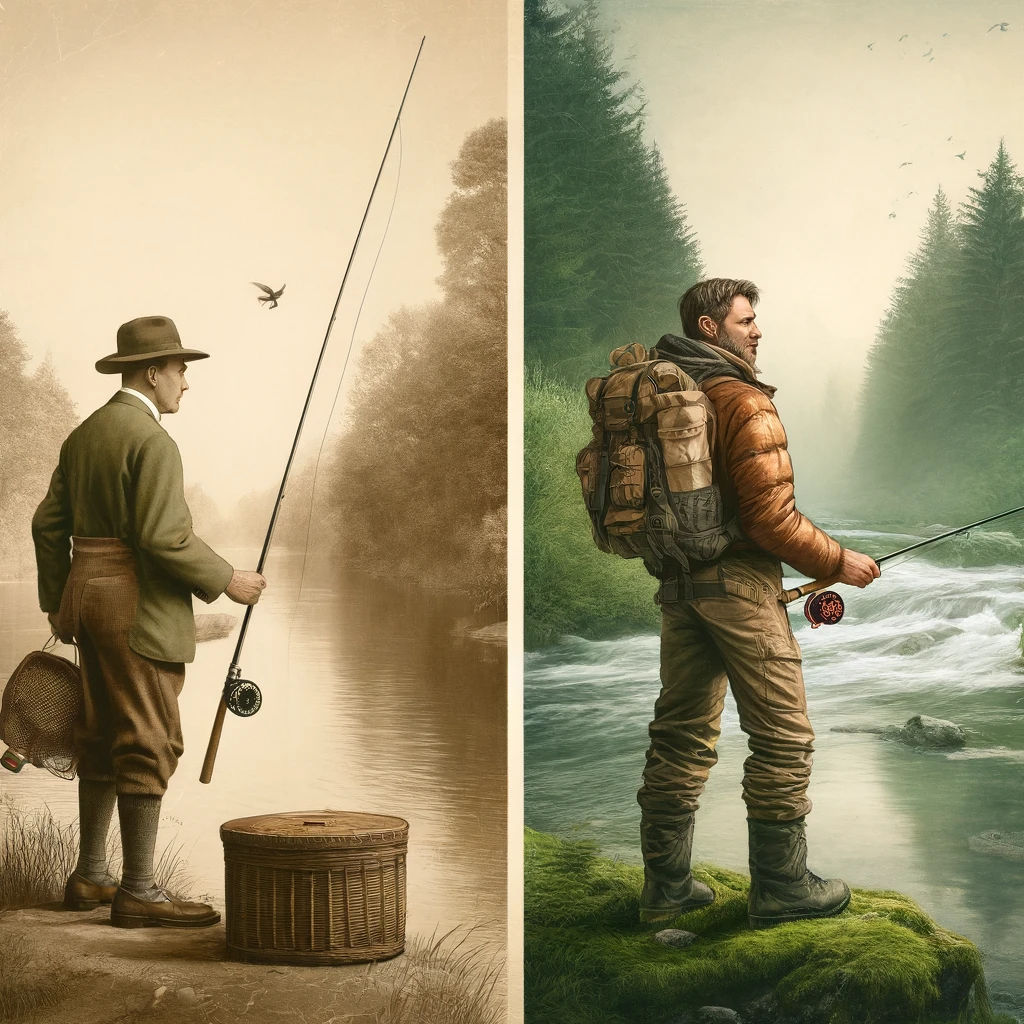
Fly fishing is an ancient and exhilarating method of angling that combines finesse, patience, and skill. For beginners and seasoned anglers alike, targeting panfish (like bluegill, sunfish, and crappie) is an excellent way to hone your techniques and enjoy a productive day on the water. These freshwater species are abundant, relatively easy to catch, and offer a wonderful introduction to the joys of fly fishing. In this comprehensive guide, we’ll cover the essentials of fly fishing for panfish, providing you with all the tips and knowledge you need for a successful and enjoyable experience.
Introduction
Fly fishing is often associated with trout in pristine mountain streams, but many anglers overlook the opportunities provided by freshwater panfish. Panfish are a group of fish that typically includes bluegill, sunfish, crappie, and perch. Despite their small size, these fish offer big rewards. They are accessible, plentiful, and put up a surprisingly good fight on light tackle, making them ideal for fly fishing.
One of the main reasons panfish are such a joy to target is that they are often found in ponds, lakes, and reservoirs, locations that are easily accessible and perfect for a relaxing day of fishing. Additionally, these fish are often more forgiving to beginners who may still be getting the hang of casting and retrieving. In this guide, we’ll explore the gear, techniques, and strategies needed to maximize your success when fly fishing for panfish.
If you’re new to fly fishing or looking for a fun and productive way to spend your time on the water, focusing on panfish can be incredibly rewarding. Not only will you become more adept at handling your gear and perfecting your cast, but you’ll also enjoy the thrill of catching fish that, despite their size, put up a spirited fight.
Gear and Setup
When it comes to fly fishing for panfish, you don’t need extremely specialized equipment. In fact, a simple, lightweight rod and reel setup will often suffice. Here’s what you’ll need to get started:
- Rod: A 3-5 weight fly rod is perfect for panfish. These rods are small enough to provide the necessary sensitivity and lightness but still durable enough to handle a good-sized bluegill or crappie.
- Reel: Look for a reel that balances well with your rod. Most modern fly reels will do just fine for panfish, as these species don’t typically require the high drag settings needed for larger fish.
- Line: The line choice is also straightforward; a weight-forward floating line is generally the best option as it suits various fishing conditions and fly presentations.
- Leader and Tippet: Opt for a 7.5-9 foot tapered leader with a 4X or 5X tippet. This setup will provide a good balance between strength and stealthiness.
As for flies, panfish are not overly selective, but some patterns work better than others. Small poppers, foam spiders, and various nymphs in sizes 10-16 are all effective. Brightly colored flies can attract more bites as these fish are often quite visual and predatory in their strikes.
Finding Panfish in Freshwater Bodies
Where you fish for panfish can make a considerable difference in your success. Panfish tend to congregate in specific types of water and structures. Here’s what to look for:
- Shallow Waters: Panfish often inhabit shallow waters, particularly during spawning seasons. Look for them near the shorelines, especially where there are weed beds or other underwater structures.
- Structures: Panfish love structures such as fallen trees, docks, reeds, and lily pads. These structures provide cover and attract other aquatic life that panfish feed on.
- Time of Day: Early mornings and late afternoons are generally the best times to fish for panfish. They are more active during these cooler parts of the day.
Using this knowledge, you can better position yourself for a successful fishing trip. Approach these areas quietly and cast your fly close to the structures. Quite often, panfish will take the fly as soon as it hits the water, so be ready for a quick strike.

Techniques and Casting
Casting for panfish doesn’t require the precision often needed for trout, but having a few essential techniques under your belt will improve your success rate. Here are some tips:
- Short Casts: Since panfish often reside in shorelines or shallow waters, short, accurate casts are usually sufficient. Work on your roll cast for ease in tight spaces.
- Slow Retrieve: Panfish are curious and may be drawn to flies that move naturally. A slow, steady retrieve with occasional pauses can mimic the behavior of their prey and entice bites.
- Watch Your Fly: Keep an eye on your fly at all times. Panfish often strike softly, and you may not always feel the bite. Watching your fly helps you react quickly.
Panfish are generally less wary than other species, and a well-presented fly will often garner quick attention. Practice makes perfect, and over time you’ll develop an intuitive sense for what works best in different conditions.
Seasonal Considerations
Panfish behavior changes with the seasons, and understanding these changes can help you catch more fish. Here’s a brief overview of seasonal patterns:
- Spring: During spring, panfish move into shallower waters to spawn. This is one of the best times to fish for them as they are more aggressive and easier to find.
- Summer: In summer, panfish may move to deeper, cooler waters or stay in shaded, covered areas. Fishing early in the morning or late in the evening can improve your chances.
- Fall: As waters cool in the fall, panfish will often move back to shallower waters to feed heavily before winter. This can be another great time for fly fishing.
- Winter: In southern regions, panfish can still be active in winter, but in colder climates, they typically slow down and move into deep water.
Adjusting your approach and understanding the seasonal patterns will make you a more versatile and effective angler.
Conservation and Ethics
When it comes to fly fishing, conservation and ethical practices are crucial. As anglers, it’s our responsibility to protect the waters and fish we love. Here are some essential guidelines:
- Catch and Release: Consider practicing catch and release, especially for larger fish that are crucial for the breeding population.
- Proper Handling: Handle fish as little as possible and with wet hands to protect their slime coating. Use barbless hooks to minimize harm.
- Respect the Environment: Leave no trace. Pick up all your trash, and be mindful of the natural habitat, ensuring it’s preserved for future generations.
Engaging in responsible fishing practices helps ensure that panfish populations remain healthy and that the ecosystems supporting them thrive.
Conclusion
Fly fishing for panfish is an excellent way to immerse yourself in the world of fly fishing. Whether you’re a beginner or an experienced angler, targeting these plentiful and spirited fish can provide countless hours of enjoyment. With the right gear, techniques, and understanding of their behavior and habitats, you’ll find that panfish are not only fun to catch but can also be incredibly productive.
Remember, the key to a rewarding fly fishing experience is patience, observation, and continual learning. Each trip to the water is an opportunity to become a better angler and to connect with nature in a profound way. So grab your gear, head to your local pond, lake, or stream, and enjoy the thrill of fly fishing for panfish. You’ll not only catch fish but also create memories that will last a lifetime.