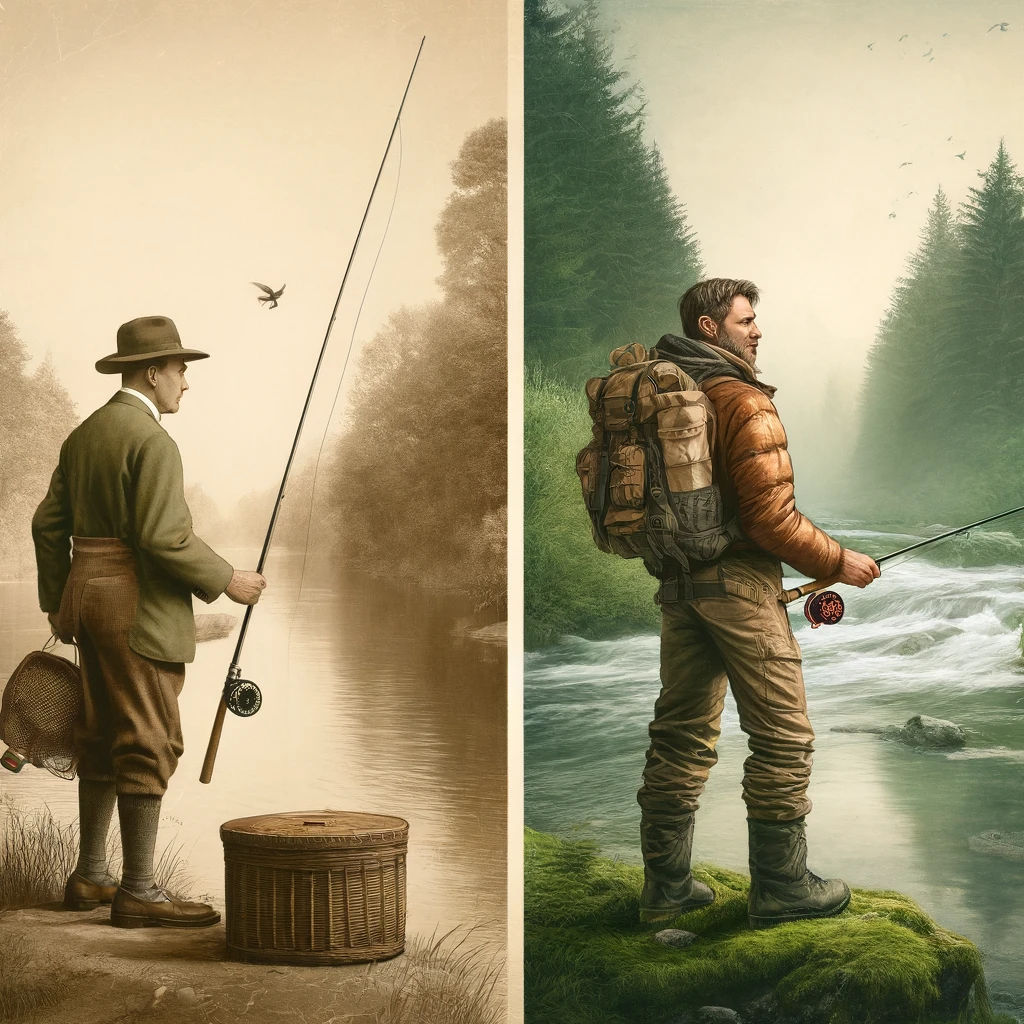
Fly fishing is an adventurous and rewarding sport that takes you into the heart of nature, offering a peaceful escape from the hustle and bustle of everyday life. New Zealand, with its picturesque landscapes and bountiful waterways, is renowned as one of the best destinations for fly fishing enthusiasts. The allure of the sport in New Zealand lies in the diversity of its environments, from crystal-clear lakes to rushing rivers, each teeming with rich fish populations. In this article, we will delve into tips for achieving success in fly fishing in this beautiful country.
To fully appreciate fly fishing in New Zealand, it’s important to understand some key terms. Fly fishing is a method that uses a lightweight rod and specialized reel to cast an artificial fly—a lure crafted to resemble the natural food of fish such as insects or crustaceans—on the water’s surface. The goal is to entice trout, the primary target species in New Zealand, to bite. This method requires patience, skill, and an understanding of the natural environment.
The concept of ‘success’ in fly fishing can vary from angler to angler. For some, it’s about the quantity or size of the fish caught, while for others, it’s the experience and serenity of being in untouched nature that defines success. Why does fly fishing in New Zealand matter? Due to the country’s unique geography and conservation efforts, it represents some of the best trout fishing in the world. The clean, clear waters and thriving ecosystems provide a unique opportunity to engage in a sport that connects deeply with nature. Understanding these environments and mastering the subtle techniques of fly fishing can lead to a truly rewarding experience.
Preparation: Understanding the Environment
Successful fly fishing in New Zealand starts with thoughtful preparation and a deep understanding of the environment. Anglers need to familiarize themselves with the specific characteristics of New Zealand’s water bodies and the habits of local trout populations. New Zealand rivers, such as the Mataura and Tongariro, offer challenging yet highly rewarding fishing experiences due to their diverse ecosystems.
The Mataura River, located in the South Island, is famous for its brown trout population and the challenging ‘rise,’ where experienced anglers observe and interpret fish behavior during insect hatchings. To maximize your chances of success here, study the river’s flow, understand local insect life cycles, and practice casting techniques that mimic the natural drift of these insects on the water.
- Research the specific river or lake in advance to understand seasonal variations.
- Packing the right equipment based on the environment you plan to fish in is crucial.
- Consult local fishing guides or fellow anglers to gain insider tips on current water conditions.
By understanding the environment and conditions unique to each fishing spot, anglers can select the most effective flies and techniques, ultimately improving their chances of a successful outing.
Choosing the Right Equipment
Equipping yourself with the right tools is paramount in fly fishing, especially in diverse environments like those found in New Zealand. The fundamental components of fly fishing gear include the rod, reel, line, and flies, each tailored to specific conditions and personal preferences.
For instance, in New Zealand’s larger rivers, such as the Tongariro, a longer rod (around 9 feet) is often beneficial for achieving greater casting distances. In contrast, smaller or bushy streams like the Hawke’s Bay tributaries might require shorter rods for precision casting in tight spaces. Additionally, select high-quality, well-balanced reels compatible with floating lines to suit the various water depths and currents encountered.
Here’s a simple breakdown of equipment choices:
| Equipment | Recommended Use | Example Locations |
|---|---|---|
| Rod (8-9 feet) | Larger Rivers | Tongariro, Waimakariri |
| Rod (6-7 feet) | Small Streams | Canterbury, Marlborough |
| Floating Line | General Use | Throughout New Zealand |
| Weighted Flies | Deep Pools | Southern Lakes |
By selecting and investing in appropriate equipment that matches the specific fishing situations, anglers can enhance their fly fishing efficiency and effectiveness, leading to a more rewarding experience.
Mastering Casting Techniques
Mastering casting techniques is essential to the success of a fly fishing endeavor. A well-executed cast enables the angler to present the fly naturally and accurately in the water, increasing the likelihood of attracting fish. In the expansive and often windy locations of New Zealand, such as the Otago rivers, perfecting diverse techniques such as roll casts, sidearm casts, or single-handed spey casts can make a significant difference.
For example, the roll cast is highly advantageous when fishing in tight, bushy areas where backcasting is restricted. This technique ensures that the angler can still deliver their fly efficiently without the risk of tangling in nearby obstacles. By contrast, double-haul casts are used in open areas where long distances must be covered, especially when countering strong winds.
Practicing these techniques in various environments will not only enhance your adaptability but also refine your ability to gauge water currents, adjust the casting angle, and precisely control fly placement—all crucial skills for landing a catch successfully in New Zealand.
Reading the Water Effectively
One of the most vital skills to develop in fly fishing is the ability to read the water effectively. This skill involves understanding where fish are likely to be holding and feeding, based on water movement, depth, and structure. A successful angler must be able to identify promising locations such as riffles, pools, and runs within a river.
For example, the Tauranga-Taupo River is characterized by pools and runs that demand an experienced eye to discern optimal fishing spots. Fish tend to congregate in pools where currents are slower and offer more cover. Riffles, where oxygenated water supports insect life, can also be productive due to the plentiful food supply.
By learning to read water, anglers can significantly improve their catching success. Focusing on the characteristics of the water gives clear insights into the behaviors and likely hiding spots of trout, increasing the effectiveness of fly presentation and overall fishing strategy.
Practicing Ethical Fishing and Conservation
Ethical fishing and conservation are integral to the practice of fly fishing, especially in countries like New Zealand that prioritize environmental stewardship. Operating sustainably ensures both the preservation of aquatic ecosystems and future fishing opportunities. New Zealand’s fishing regulations, such as catch limits and specific seasonal closures, are designed to protect fish populations and must be adhered to strictly by all anglers.
Practicing ‘catch and release’ is one method many anglers employ to minimize their impact on natural resources. This technique involves safely returning caught fish to the water, ensuring minimal harm and maximum survival potential. Special care must be taken to handle fish gently and quickly, using barbless hooks to reduce injury.
By embracing these ethical practices and supporting conservation efforts, anglers contribute to preserving New Zealand’s pristine environments and dynamic ecosystems, allowing future generations to enjoy the pleasures of fly fishing.
Taking Guided Trips for Beginners
Beginners or visitors unfamiliar with New Zealand’s waters can greatly benefit from participating in guided fly fishing trips. These excursions provide an excellent introduction to the local fishing environment, techniques, and etiquette under the guidance of experienced anglers. Local guides offer valuable insights into the best fishing locations, ideal flies, and effective strategies to employ at different times of the year.
Guided trips, such as those available in Rotorua or Queenstown, present the opportunity to learn hands-on skills and knowledge, maximizing the chances of experiencing a successful and enjoyable fishing day. They also provide critical safety information, ensuring that anglers are prepared for the diverse and and at times challenging conditions New Zealand environments pose.
Investing in a guided trip is not only a practical step for newcomers to quickly learn the ropes of fly fishing, but it is also an avenue for gaining rich experiences that foster a lifelong appreciation for the sport and environment.
Summary and Next Steps
In conclusion, fly fishing in New Zealand offers an exceptional opportunity to explore and connect with nature, while testing and refining your angling skills. By understanding the environmental nuances, choosing the right equipment, and effectively mastering various techniques, anglers can enhance their chances of success in the pristine waters of New Zealand. Furthermore, practicing ethical fishing and engaging with guided trips can profoundly enrich your experience and contribute towards the conservation of these cherished aquatic habitats.
For those eager to embark on a fly fishing adventure in New Zealand, the initial steps are simple: research potential locations, familiarize yourself with local regulations, and consider booking a guided trip. With preparation and patience, you can enjoy all the rewarding experiences that fly fishing in New Zealand has to offer.
Now is the perfect time to prepare your gear, research your destinations, and set out on an unforgettable journey into the wild beauty of New Zealand’s fly fishing scenes et’s cast into these beautiful waters and experience the thrill of fly fishing amidst truly breathtaking surroundings.
Frequently Asked Questions
1. What makes New Zealand a top destination for fly fishing?
New Zealand is renowned for its fly fishing, and it’s no wonder why. The country boasts stunning and diverse natural landscapes, which serve as the perfect backdrop for an unforgettable fly fishing adventure. From the North Island’s lush, green riverbanks to the South Island’s dramatic mountain vistas and rushing clear rivers, every environment offers a unique fishing experience. These waters are not only picturesque but are also home to a bountiful supply of fish, particularly brown and rainbow trout, making it an ideal setting for both novice and seasoned anglers. The abundant fish populations thrive in the pristine, well-managed ecosystems of New Zealand’s water bodies, providing consistent opportunities for rewarding catches. Additionally, the tranquil surroundings allow anglers to immerse themselves entirely in nature, creating a peaceful escape from the stresses of everyday life. In essence, the combination of unrivaled natural beauty, rich fish populations, and varied environments makes New Zealand a top-tier location for fly fishing enthusiasts worldwide.
2. What is the best time of year to go fly fishing in New Zealand?
The optimal time for fly fishing in New Zealand largely depends on what you hope to catch and the type of experience you’re seeking. Generally speaking, the fishing season runs from October to April, which is spring through early autumn in New Zealand. Spring, spanning from October to November, often sees fish feeding voraciously after winter, making them less selective and providing fruitful fishing conditions. However, this period can also bring variable weather. Summer, from December to February, offers more stable weather, increased insect activity, and longer, sunnier days, which are perfect for sight fishing. During these months, you’ll experience the thrill of targeting trout in gin-clear waters and may also have opportunities to target region-specific species, like the New Zealand chinook salmon that migrate to rivers during this time. As the season winds down, autumn months of March and April often witness less fishing pressure, and fish are more aggressive, packing on weight for the winter. Additionally, these months offer mild weather and beautiful autumnal landscapes. Always check local regulations and weather forecasts, as conditions can change, affecting river flows and fish activity.
3. What types of fish can you catch while fly fishing in New Zealand?
New Zealand is famous for its trout fishing, particularly for brown and rainbow trout, which are the primary species targeted by fly anglers. Brown trout, indigenous to Europe, were introduced in the late 1800s and have since flourished in New Zealand’s pristine waters. These fish are known for their cunning nature and the challenge they present, making them a favored species among experienced fishers. Rainbow trout, introduced from North America, are known for their vibrant colors and acrobatic battles when hooked, providing an exhilarating experience for anglers. Besides these trout species, New Zealand also offers the opportunity to catch chinook salmon in select areas. These salmon are typically found in the South Island’s larger river systems. Both trout and salmon thrive due to the ideal conditions in New Zealand’s waterways, such as clean and cold waters, and abundant food sources. While these are the main species, some waters also hold native fish, like the native galaxias, which contribute to the biodiversity sought after by ecologists and those interested in the ecological aspects of angling. Each species offers a different challenge and experience, contributing to the diverse and exciting fly fishing opportunities in New Zealand.
4. What gear and equipment should I bring for fly fishing in New Zealand?
Your fly fishing trip in New Zealand requires proper preparation and the right gear to ensure a successful outing. A versatile fly rod setup is essential; a 5 to 6 weight rod around 9 feet long is typically suitable for most trout fishing situations in New Zealand waters. You’ll need a quality reel with a reliable drag system as big fish are common, and backing is essential to handle their powerful runs. For fly lines, consider weight-forward floating lines as a staple, but bring sinking or sink-tip options for deeper waters or fast-running rivers. Don’t forget the leader and tippet material, usually in the 3X to 5X range, though you might need lighter or heavier depending on conditions and fish behavior. Fly selection is critical; New Zealand trout can be selective, so versatile patterns like Pheasant Tail Nymphs, Hares Ear, and dry flies such as Adams and Royal Wulff are beneficial. Given New Zealand’s sometimes unpredictable weather, appropriate clothing layers, including waterproof jackets and waders, are crucial to stay comfortable and dry. A good hat, polarized sunglasses, sunscreen, and insect repellent are also key to comfort on the water, providing protection from the elements and bugs. A sturdy backpack can be very useful to carry your gear, along with a reliable pair of wading boots with appropriate grip for slippery river rocks. Finally, don’t forget a camera to capture your successes and the breathtaking landscapes!
5. Are there any specific rules or regulations I should be aware of when fly fishing in New Zealand?
Yes, several rules and regulations are in place to preserve New Zealand’s pristine environments and fish populations, and it’s crucial to adhere to them to ensure sustainable fishing practices. First, obtaining the proper fishing license is a must before you start fishing. These licenses can be purchased from authorized retailers, the Department of Conservation offices, or online. They come in different durations and can cover various types and areas based on your plans. Be aware of the specific regulations governing the waters where you plan to fish; for instance, some waters might have restrictions on the use of certain baits or flies, or may require barbless hooks to release fish more easily. Catch and release practices are highly encouraged to conserve fish populations, so familiarize yourself with proper handling techniques to minimize stress on the fish. Certain rivers or lakes may also have designated access points or closed seasons to protect spawning fish, and these should be respected to help maintain healthy fish stocks. Bag and size limits may also apply in different regions, so make sure you’re informed about them before you head out. Additionally, it’s essential to adhere to New Zealand’s biosecurity regulations to prevent the introduction and spread of invasive species; this includes cleaning and drying your gear, especially wading equipment, thoroughly between different watersheds. Being aware of and following these regulations will help ensure that future generations can enjoy the wonders of fly fishing in New Zealand’s spectacular waters.