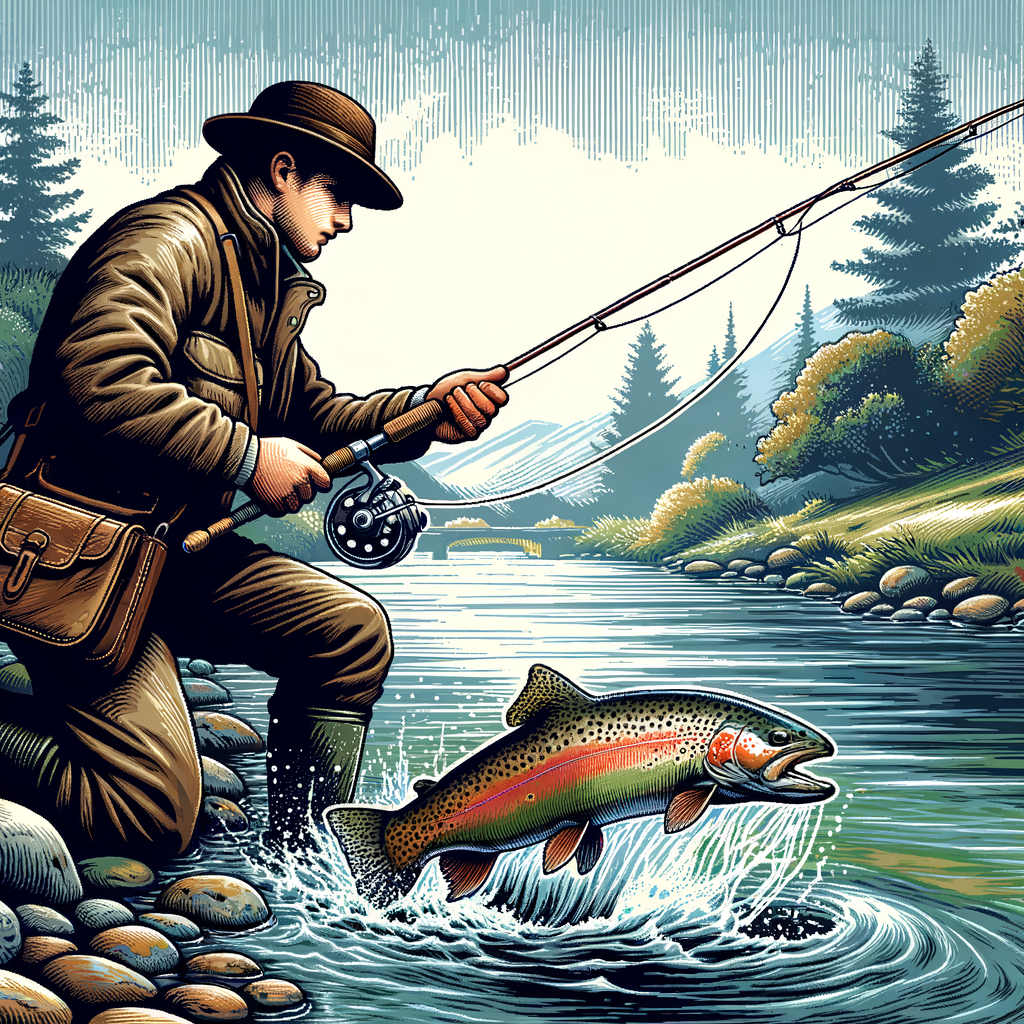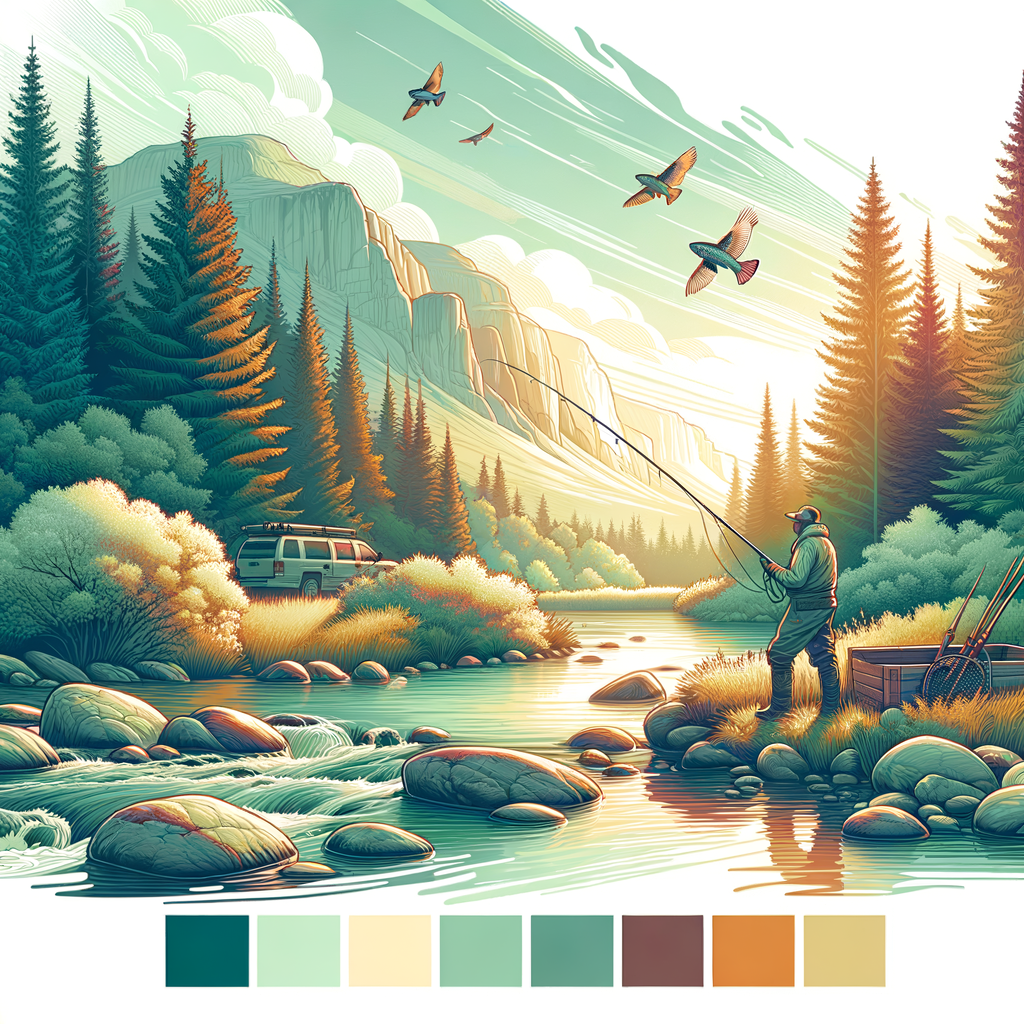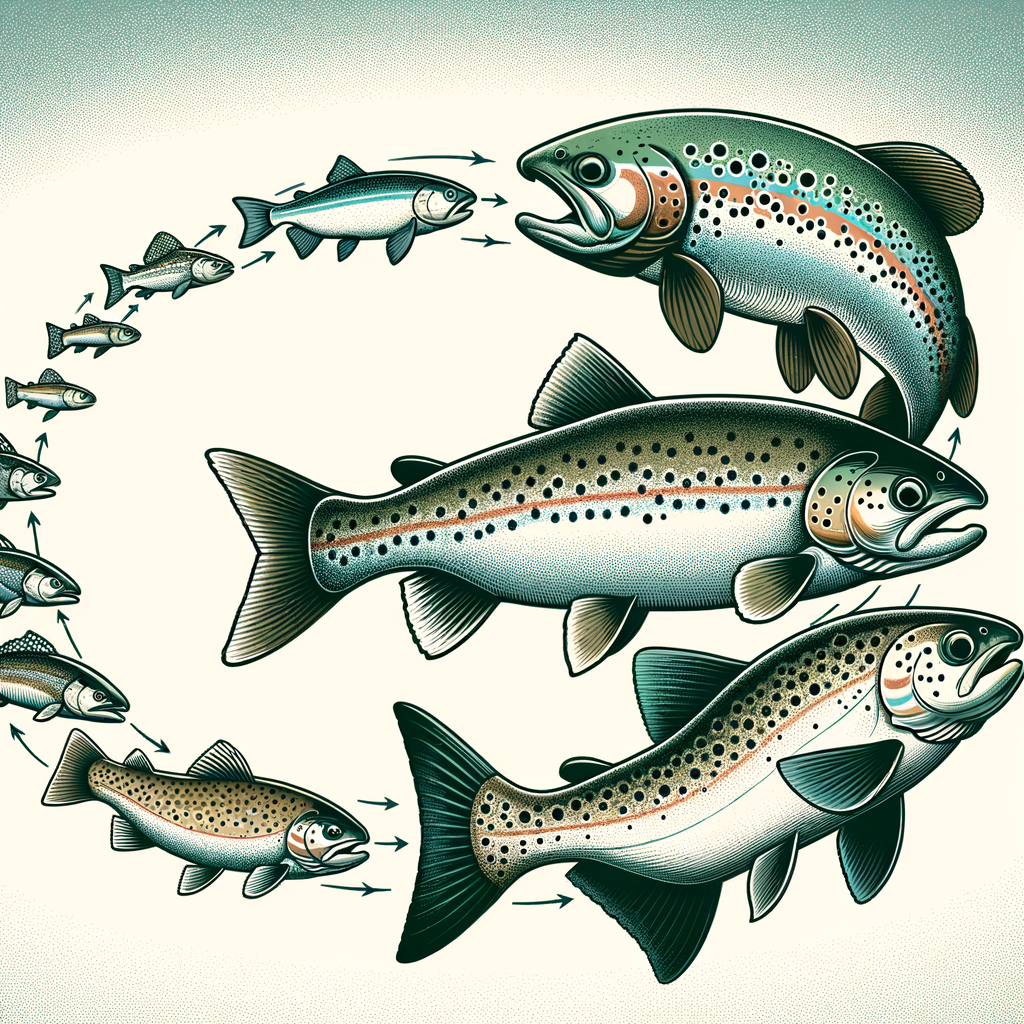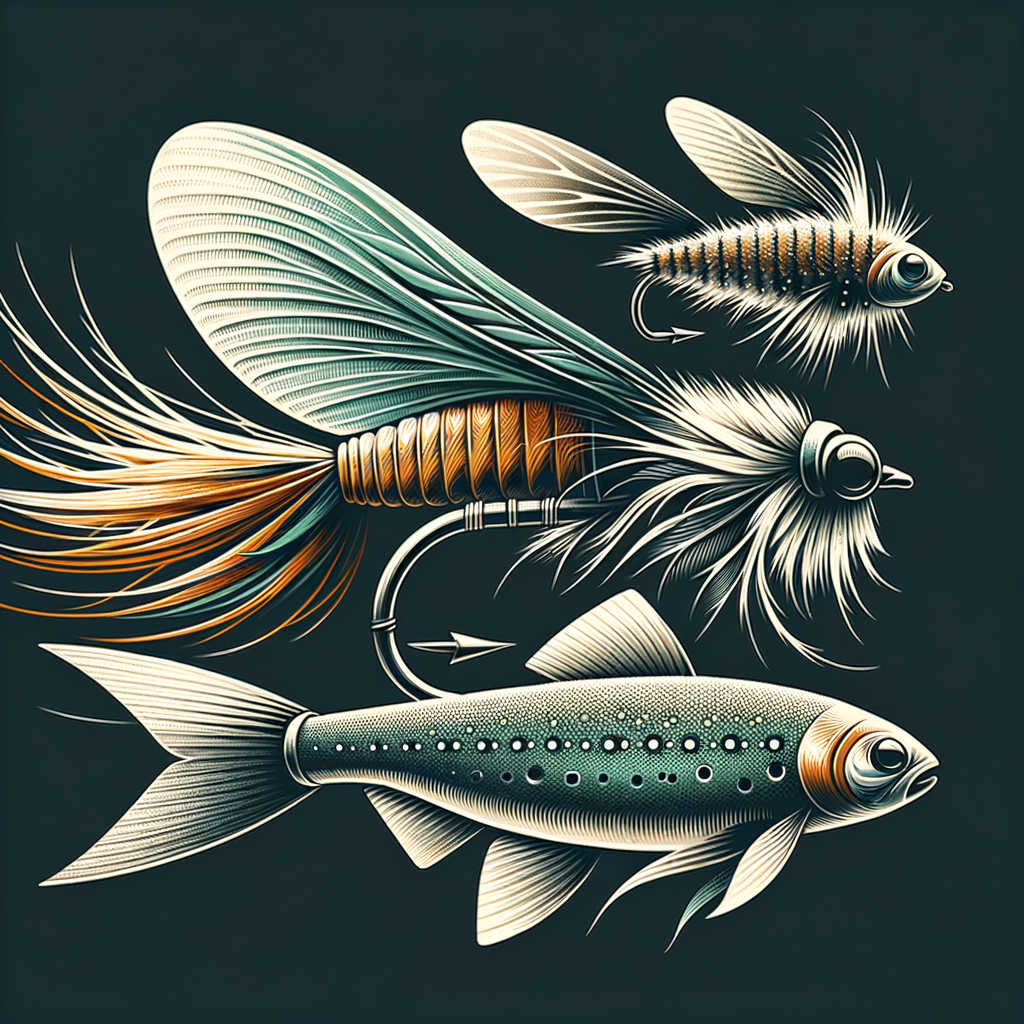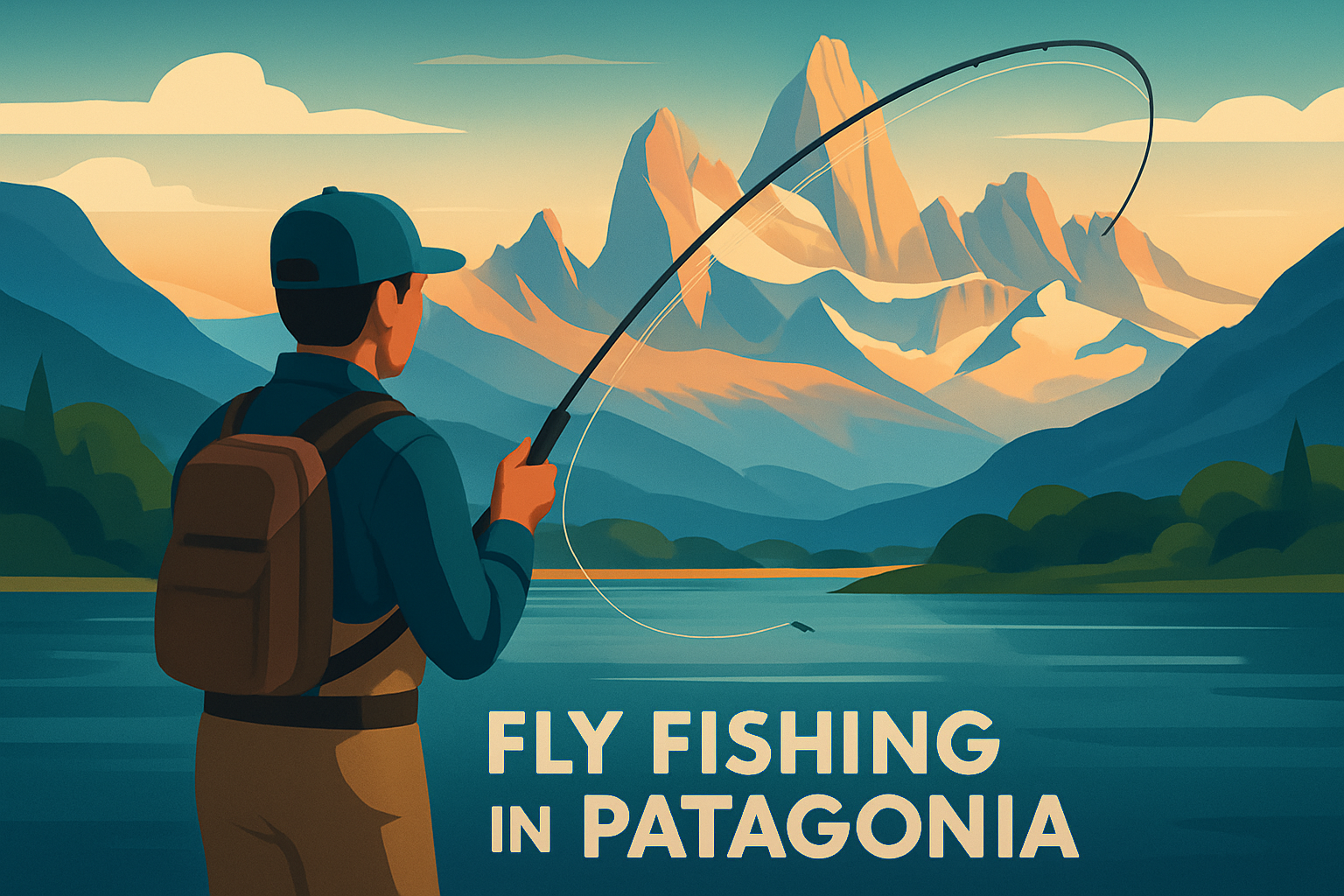
Fly fishing in Patagonia is an unparalleled experience, offering some of the most beautiful and unspoiled wilderness on the planet. This part of South America, stretching across both Chile and Argentina, features a diverse range of freshwater environments, including pristine rivers, expansive lakes, and remote streams teeming with trout and salmon. Magnificent landscapes of towering mountains, sprawling plains, and lush forests provide a breathtaking backdrop for any angler. The region’s diverse ecological system supports an abundance of fish species, making it a prime destination for fly fishing enthusiasts from around the globe.
The techniques of fly fishing are commonly defined by their use of artificial flies as bait, crafted to mimic local insects or the natural prey of fish. It’s not just the type of fishing; it’s an art form and a meditative sport, demanding precision, patience, and skill. Fly anglers rely on lightweight rods and specialized lines to cast these delicate lures onto the surface of the water, aiming to entice fish to rise and feed.
Fly fishing matters not only to those who seek adventure but also to those who appreciate the preservation of our natural ecosystems. Over many years, this sport has cultivated a community centered on sustainable practices, conservation efforts, and respect for fragile habitats. The environmental sensitivity of fly fishermen often translates into active participation in conservation projects aimed at sustaining fish populations and promoting ecosystem health. Visiting Patagonia for fly fishing contributes not only to personal recreation and growth but also plays a vital role in supporting local economies and conservation initiatives.
Planning Your Fly Fishing Trip to Patagonia
Planning a successful fly fishing trip to Patagonia is key to ensuring an unforgettable experience. The prime season for fly fishing extends from November through April, aligning with the Southern Hemisphere’s spring and summer months. During this period, trout and salmon are most active, feeding in preparation for spawning.
Travelers should consider the variety of fishing environments Patagonia offers. The sprawling waters of Lake Yelcho or the fast-flowing currents of the Futaleufú River in Chile provide starkly different challenges. The famous Río Grande in Argentina is renowned for its record-breaking sea-run brown trout. Before setting out, it is essential to research local regulations and secure the necessary fishing license to comply with environmental policies.
- Research current travel conditions and climate forecasts.
- Secure accommodation and transport that aligns with fishing locations.
- Consider hiring a local guide to navigate the expansive and often remote areas.
- Ensure equipment meets local guidelines and specific needs of the chosen waters.
Essential Gear for Patagonia Fly Fishing
The rugged terrain and unpredictable weather of Patagonia demand specialized gear to ensure safety and comfort. Quality over quantity is a mantra to heed when gearing up for this adventure. Key elements include a wading jacket, well-fitting waders, polarized sunglasses, and an assortment of flies suited for targeting local fish species. Patagonia’s fly anglers frequently target species such as rainbow trout, brown trout, and pacific salmon, each with distinct preferences when it comes to fly patterns and colors.
Cold weather conditions necessitate layered clothing, featuring breathable materials and waterproof outerwear to withstand long hours on the water. Choosing high-quality rods and reels tailored to the anticipated catch can make a world of difference. A sturdy, well-balanced rod coupled with a reliable reel can handle the swift and powerful river currents and sizeable fish found throughout the region.
Best Locations for Fly Fishing in Patagonia
Patagonia offers an array of excellent fly fishing locations, each providing unique conditions and species to target. In Chile, the Lakes District features the pristine waters of Lago Llanquihue and Lago Ranco, known for their productive trout fisheries. The fjords and coastal streams of Aisén are ideal for searun browns and the rugged Andes mountains offer challenging yet rewarding environments.
In Argentina, the Río Grande stands out as a premier destination. Known for its sea-run brown trout weighing upwards of 20 pounds, this river promises thrilling catches. Bariloche, with its expansive Nahuel Huapi Lake and surrounding rivers, presents a scenic and diverse landscape, offering a combination of stream and lake fishing within short distances.
| Location | Country | Fish Species | Best Season |
|---|---|---|---|
| Río Grande | Argentina | Sea-run Brown Trout | December to March |
| Futaleufú River | Chile | Rainbow Trout, Salmon | November to April |
| Nahuel Huapi Lake | Argentina | Brown Trout, Rainbow Trout | November to April |
Environmental and Cultural Considerations
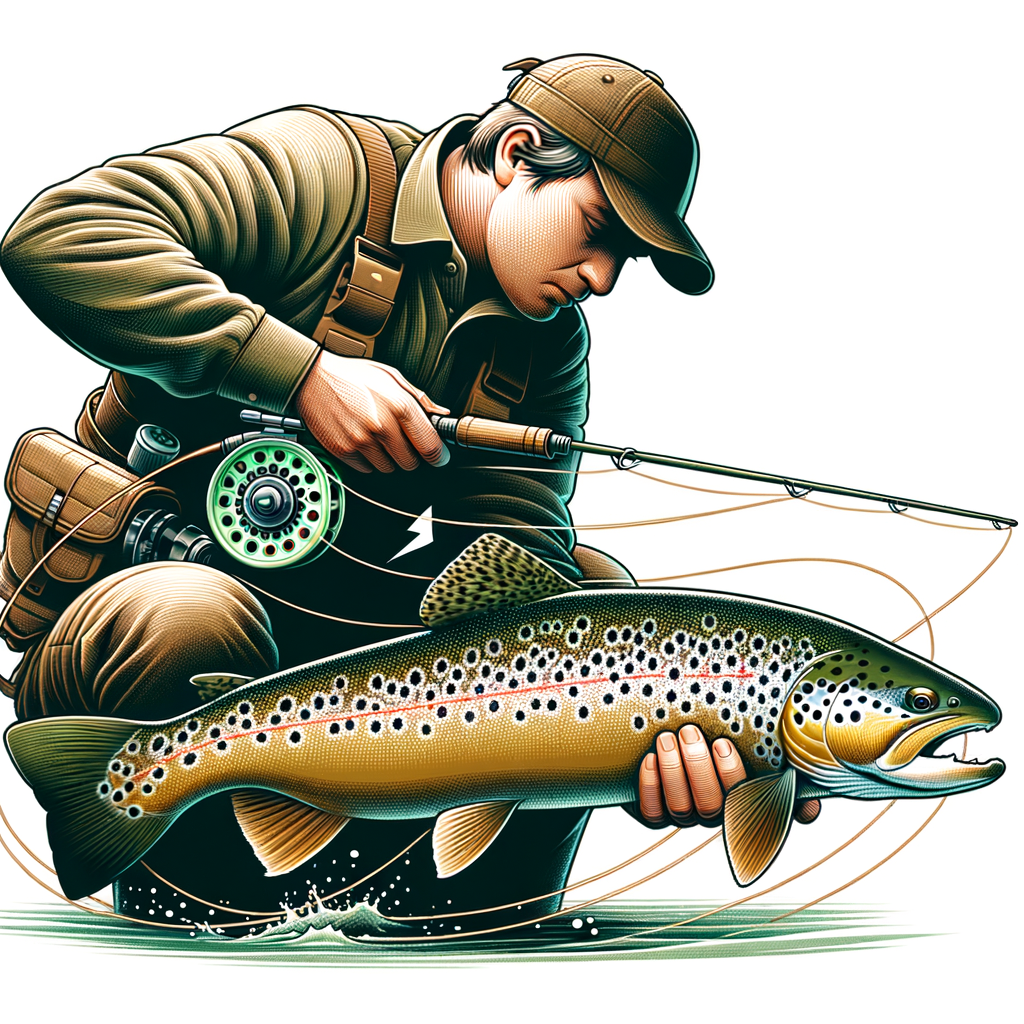
Fly fishing in Patagonia is not only a pursuit of personal enjoyment but also an engagement with the local environment and communities. The ecosystems in this region are delicate and rely heavily on the conscientious behavior of visitors. Anglers should practice catch-and-release techniques with minimal handling and disturbance to fish, allowing them to continue their life cycles unimpeded.
Interactions with local communities also play an essential part in the Argentine and Chilean fly fishing experience. Understanding cultural norms and supporting local businesses and services can enhance the trip’s value and foster positive relationships. Guides, lodges, and local artisans benefit directly from your patronage, contributing to the sustainability of rural economies.
Navigating Challenges and Maximizing Success
Fly fishing in Patagonia is not without its challenges. The vastness of the region and unpredictable weather conditions can be daunting for inexperienced anglers. Preparation, adaptability, and persistence are key attributes for overcoming these hurdles. Having backup plans for poor weather and errant travel schedules increases the likelihood of a successful excursion.
Real-world experiences from seasoned anglers often include tales of battling fierce winds or sudden frost while casting delicate flies. These experiences underscore the necessity of flexibility and a willingness to embrace challenges as integral parts of the adventure. Hiring expert guides, when affordable, is invaluable for navigating Patagonia’s vast landscapes and accessing lesser-known, prime fishing spots.
Conservation Efforts and Sustainable Fly Fishing
The natural beauty and thriving fish populations of Patagonia are central to its draw as a fly fishing destination. Conservation efforts, both grassroots and governmental, are vital in maintaining the balance of these ecosystems. Many lodges and fishing expeditions now include educational components that emphasize conservation awareness, sustainable practices, and community involvement.
Local initiatives, such as habitat restoration projects and fish population monitoring, often rely on the support and participation of visiting anglers. Fish stocking programs and regulated catch-and-release policies are commonly reinforced to sustain thriving populations for future generations. Adhering to these best practices ensures the continued health and vitality of Patagonia’s rivers and lakes, benefiting both the environment and local economies.
Conclusion
Fly fishing in Patagonia is a unique blend of natural wonder, outdoor adventure, and cultural immersion. The preparation involved in planning a trip to this remote region is rewarded by the opportunity to experience its pristine environments and abundant fish populations. Whether casting on a tranquil lake beneath the Andes or navigating a turbulent river’s rapids, anglers return home with stories of triumph and discovery.
The benefits extend beyond personal satisfaction, contributing to the preservation of ecosystems and support for local communities. In taking calculated steps to understand and respect this magnificent environment, anglers play a critical role in ensuring its continued beauty and viability.
For those ready to embark on this adventure, the path forward involves exploring logistical options, securing necessary gear, and adopting sustainable practices that honor Patagonia’s incredible landscapes. With a spirit of adventure and a heart for conservation, fly fishing in Patagonia offers nothing short of an extraordinary experience.
Frequently Asked Questions
1. What makes fly fishing in Patagonia so special?
Fly fishing in Patagonia is a dream come true for many anglers because of its exceptional natural beauty and abundance of fish. The region boasts some of the most pristine and untouched wilderness areas on earth. Imagine casting your line in crystal-clear rivers, surrounded by dramatic landscapes with snow-capped mountains in the distance and the vibrant hues of untouched forests lining the banks.
The unique geographical layout of Patagonia, which spans both Chile and Argentina, offers a diverse range of fishing environments. You can find everything from wide, slow-moving rivers to fast-flowing streams. The diversity of water bodies means that you can fish for various species, including rainbow trout, brown trout, brook trout, and Pacific salmon. These conditions create an angler’s paradise that attracts fly fishers worldwide, all yearning to experience the tranquility and challenge that Patagonian waters provide.
2. What kind of fish can I expect to catch in Patagonia?
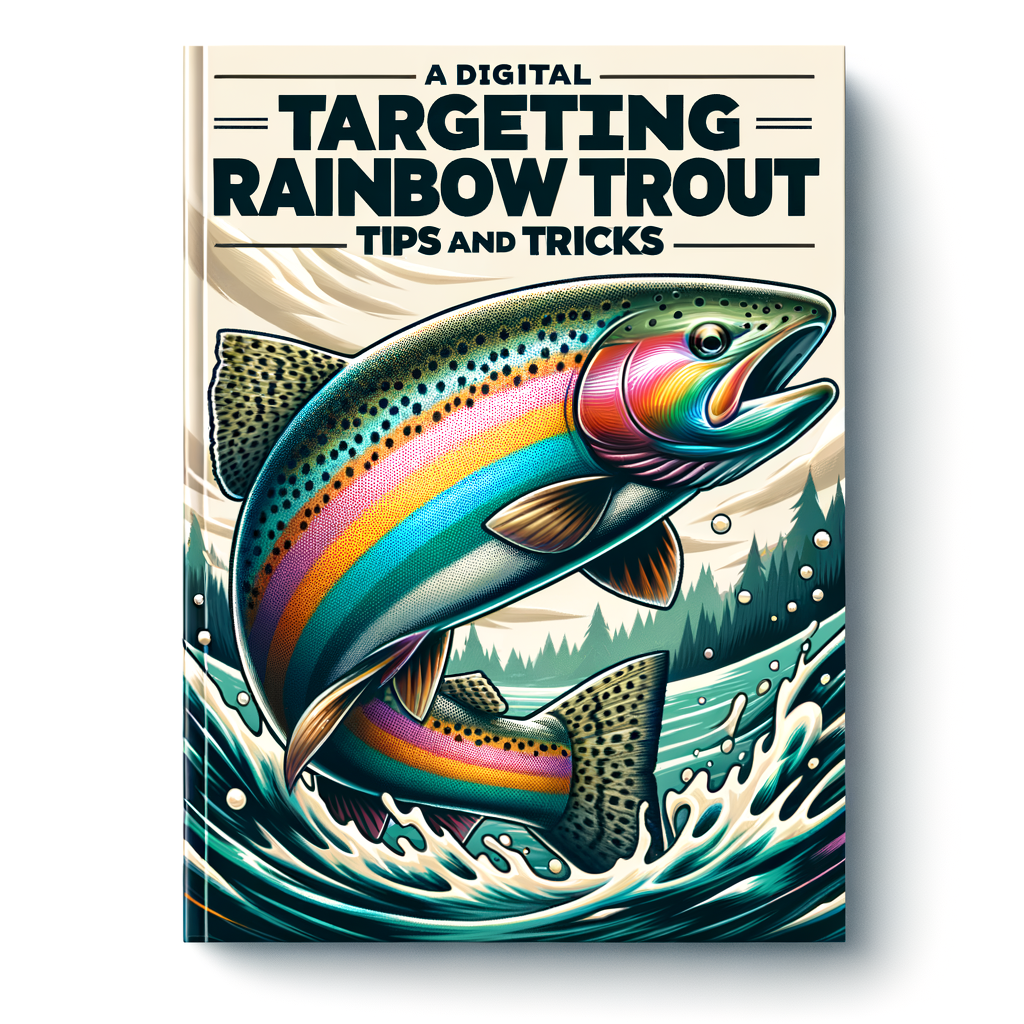
Patagonia is famed for its trout fisheries, making it a prime destination for those targeting trout. You can expect to catch several species, including rainbow trout, known for their colorful appearance and acrobatic fighting style; brown trout, which are often larger and present a rewarding challenge; and brook trout, with their striking patterns. In some areas, you might also find landlocked Atlantic salmon and, depending on the season, even Pacific salmon like Coho and Chinook.
Each water body offers its unique species and challenges, so it’s a great idea to research specific locations beforehand. No matter your target, you’ll find the fish in Patagonia to be healthy, vibrant, and eager to put up a fight, making every catch feel like a true accomplishment.
3. What type of gear should I bring for fly fishing in Patagonia?
Preparing the right gear for your fly fishing adventure in Patagonia is crucial, as the environment and fish can vary significantly. A 5-7 weight fly rod is generally recommended, depending on the size of fish you’re targeting. For larger species like Chinook salmon, you might need an 8-10 weight rod. Bring both floating and sinking lines to adapt to different water depths and conditions.
Additional gear to consider includes breathable waders to keep you comfortable in the cool waters, a good pair of polarized sunglasses to reduce glare and spot fish, and a sturdy net for landing your catch safely. Don’t forget to pack weather-appropriate clothing, as Patagonian weather can be unpredictable. Layers, a waterproof jacket, and protective hats are essential.
Lastly, ensure you have a variety of flies matching the local fish diet. Consulting with local guides or fishing shops can help you determine the best fly patterns. Good preparation can make all the difference in your success and enjoyment.
4. When is the best time of year to go fly fishing in Patagonia?
The fly fishing season in Patagonia generally runs from November through April. These months fall during the Southern Hemisphere spring and summer, offering the best weather conditions and fly fishing opportunities. Early in the season, the waters are cooler and tend to hold more fish; this is a great time to target larger trout species.
Later in the season, from January to April, the weather is warmer, the rivers and lakes become more accessible, and fish are more active on the surface, making it an excellent time for dry fly fishing. However, the best time for you might depend on the specific species you’re after or personal preferences for weather and scenery. Remember that weather can still be unpredictable, with possible rains and brisk winds, so always come prepared for a range of conditions.
5. Do I need a guide or can I go fly fishing on my own?
While it’s entirely possible to fly fish independently in Patagonia, hiring a local guide is often recommended, particularly for first-time visitors or those unfamiliar with the region’s distinct fishing environments. Guides possess invaluable knowledge about the best fishing spots, local fish behavior, and effective techniques that you might not find on your own.
They also provide insight into the local ecology and access to possibly exclusive areas where you’re more likely to have a successful and memorable fishing experience. Many guides can also help with logistic aspects like transportation and acquiring the necessary fishing licenses, allowing you to fully focus on your fly fishing endeavors. However, if you’re experienced and prefer going solo, thoroughly researching the area and ensuring all your permits and gear are in order is essential for a rewarding outing.