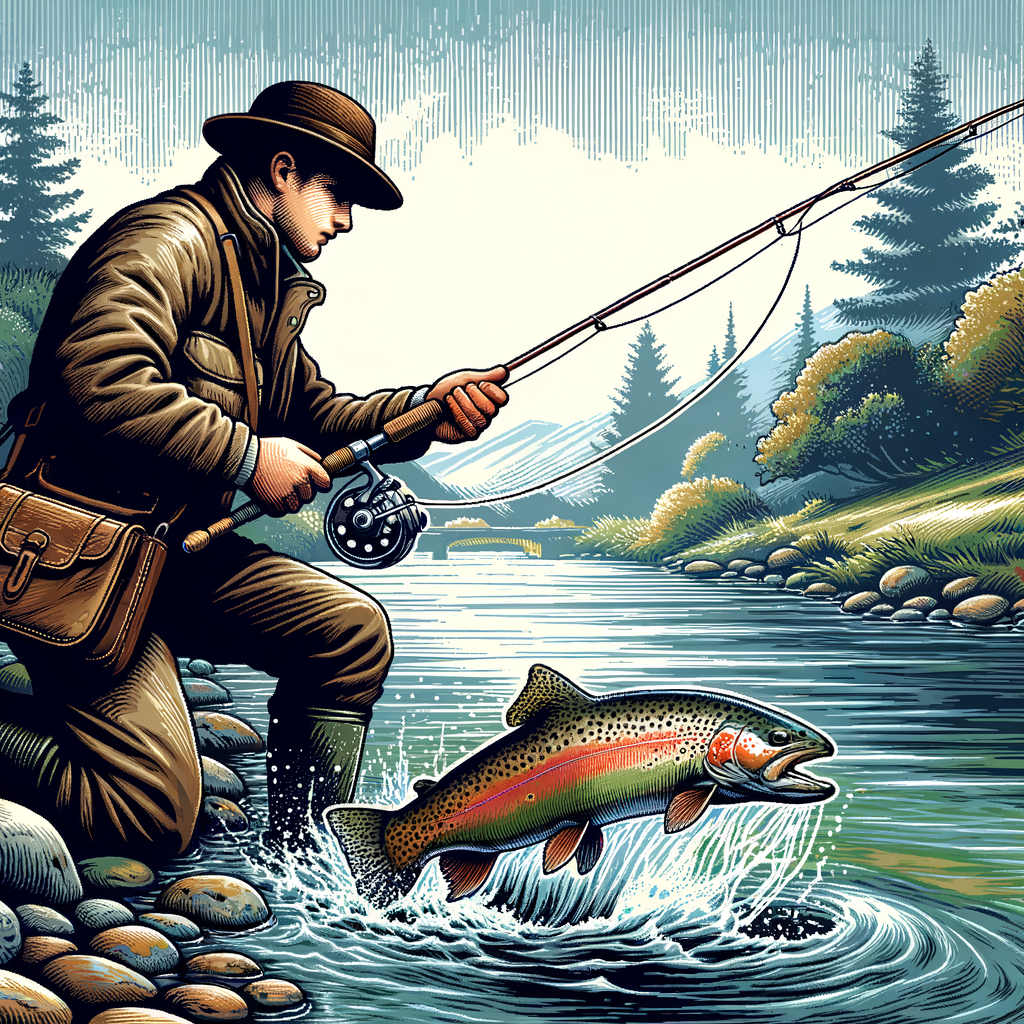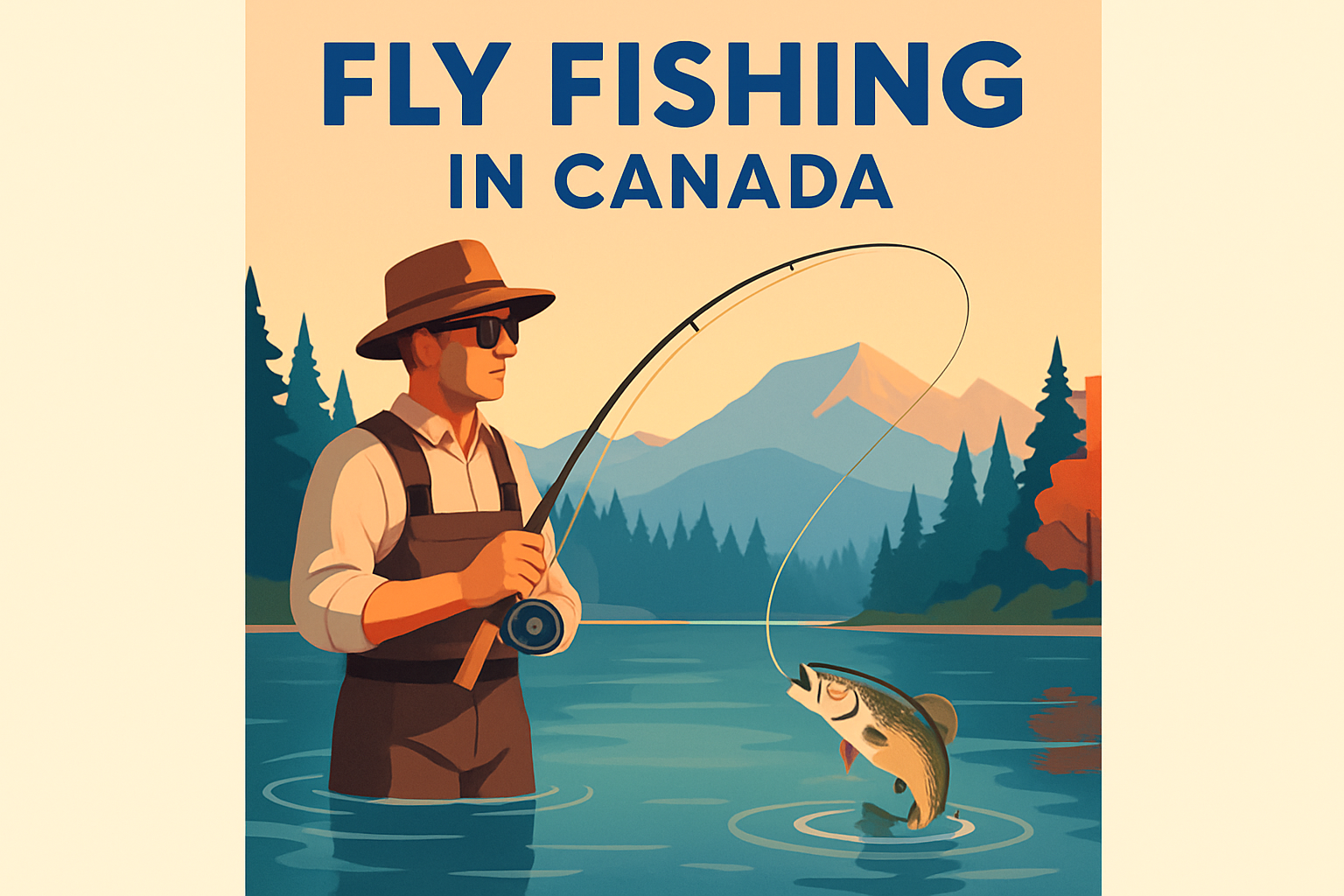
Fly fishing, a popular angling method, primarily involves using artificial flies to catch fish. Unlike traditional fishing, which relies heavily on bait, fly fishing demands skill in casting and an understanding of fish behavior. Canada, with its abundant rivers, lakes, and streams, offers unparalleled opportunities for fly fishing enthusiasts. The diverse aquatic habitats across this vast nation make it a prime destination for those seeking both adventure and tranquility. This article will explore the top destinations for fly fishing in Canada, providing insights into why they matter and what makes them unique.
The significance of fly fishing in Canada extends beyond recreation. It supports local economies and fosters a deeper appreciation for natural environments. Understanding key locations can enrich one’s fishing experience, offering the chance to not only capture remarkable fish but also enjoy breathtaking landscapes. Furthermore, engaging in fly fishing promotes environmental stewardship, as participants frequently become advocates for river conservation and wildlife sustainability.
The Miramichi River, New Brunswick
Known globally for its Atlantic salmon, the Miramichi River offers one of Canada’s most productive salmon fisheries. Flowing through New Brunswick, this river attracts fly fishers from around the world. The prized Atlantic salmon is particularly abundant during the summer months, drawing enthusiasts to its waters in pursuit of this remarkable catch.
A distinctive feature of the Miramichi River is its structured fishing season, divided to accommodate various salmon life stages. The river’s extensive tributaries, each with unique characteristics, complement the fishing experience. Anglers can enjoy diverse conditions, from calm, open waters to swift, challenging rapids.
The region benefits from eco-tourism, which emphasizes the preservation of the river and its habitats. Many lodges along the Miramichi offer guided tours, enhancing the educational aspect of the trips and promoting sustainable fishing practices.
Bow River, Alberta
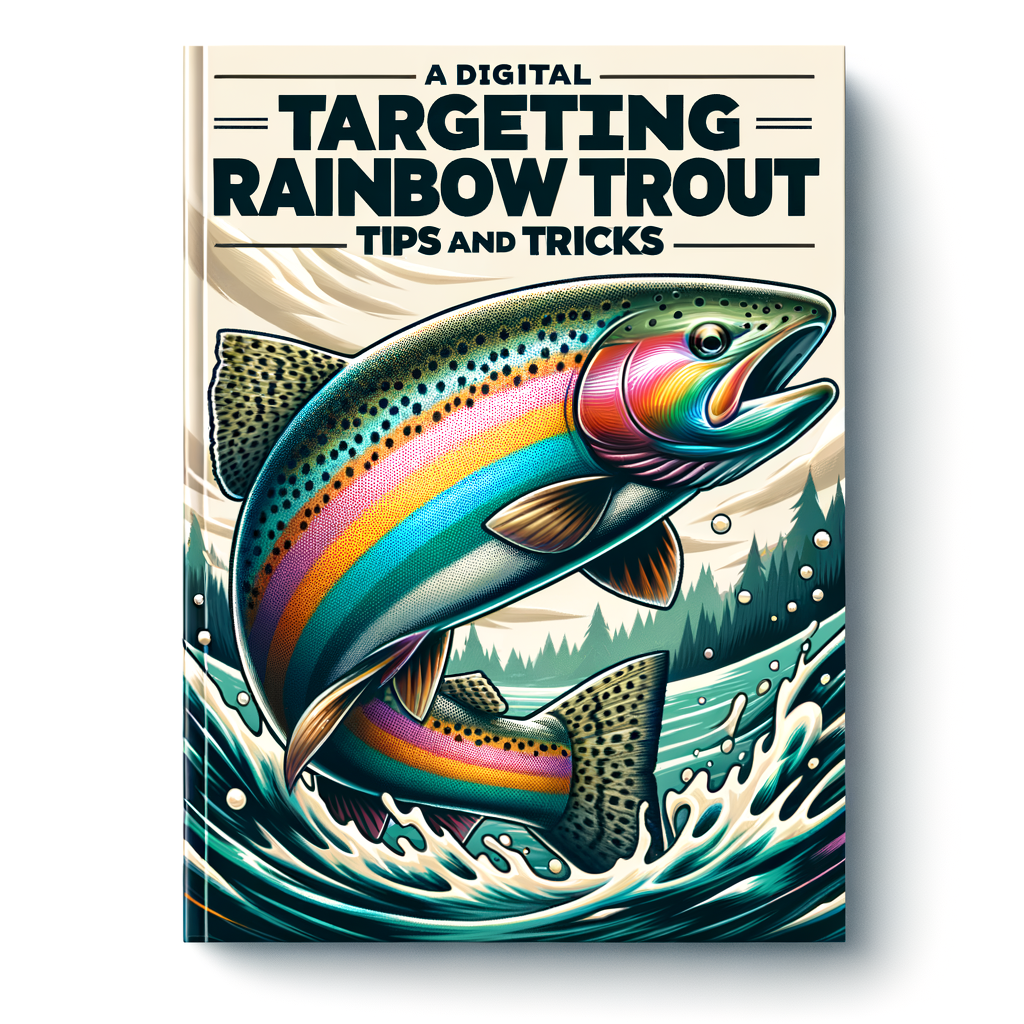
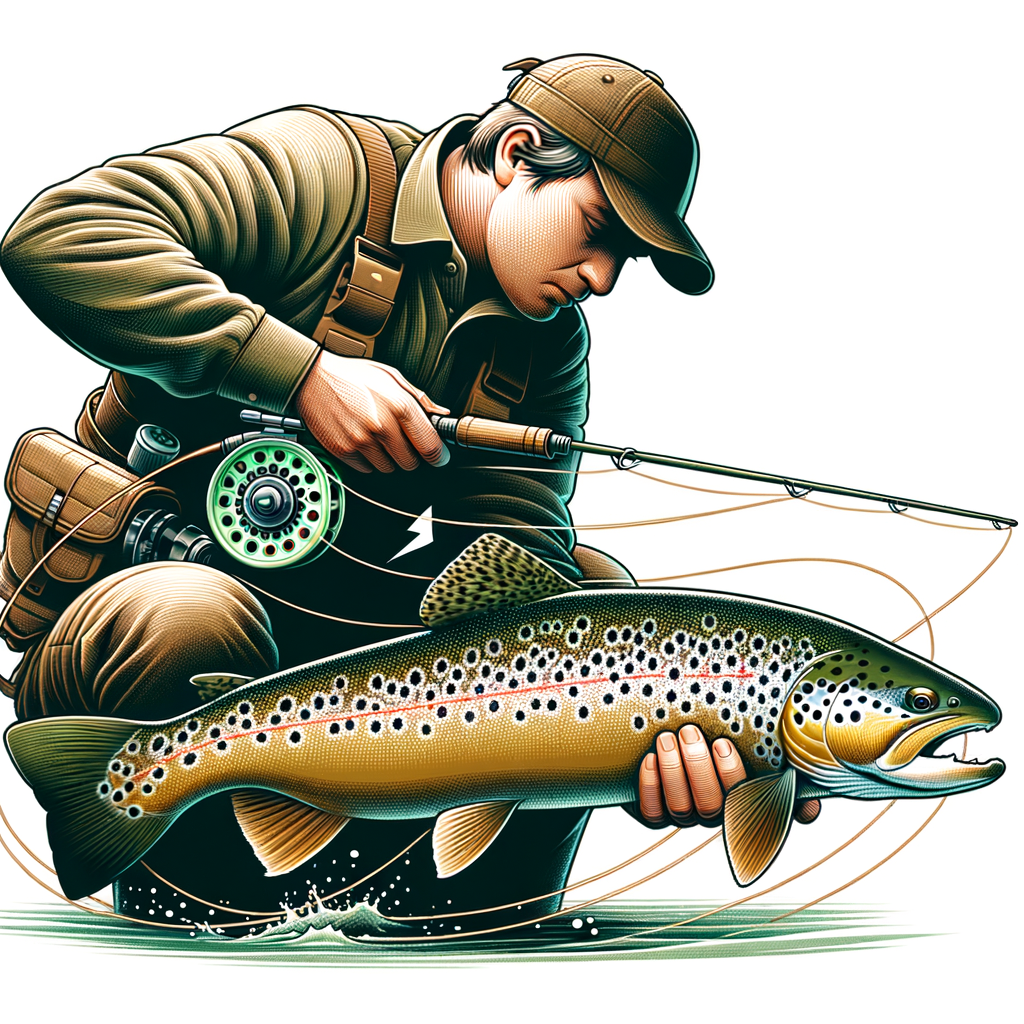
Alberta’s Bow River is renowned for its clear waters and exceptional trout populations. Stretching from the Rockies through the prairie landscapes, the river offers a year-round fishing experience. The primary catch includes brown and rainbow trout, with sizes that frequently surprise even the most seasoned anglers.
The Bow River’s accessibility, coupled with stunning scenery, makes it an excellent choice for both novice and expert fly fishers. Urban stretches near Calgary provide convenient entry points, while rural sections offer a more secluded experience. The river’s uniform flow and consistent temperature make it ideal for insect hatches, further benefiting fly fishing opportunities.
Many local guides operate along the Bow, providing valuable knowledge on the best fishing spots and techniques tailored to the river’s dynamic conditions. Conservation efforts focus on preserving habitat quality, with active participation from the fly fishing community.
Grand River, Ontario
The Grand River in Ontario is famous for its smallmouth bass and brown trout. Spanning over 300 kilometers, this river offers diversity in its fishing grounds. Close proximity to major cities like Toronto and Kitchener makes it an attractive destination for urban anglers seeking a weekend escape.
Fishing on the Grand River is notable for fly fishers of all skill levels, given its gentle flow and consistent depth. The region’s fly fishing clubs and organizations play a vital role in promoting sustainability and educating new anglers about ethical practices.
A unique feature of the Grand River is its diverse ecosystems, ranging from wetlands to forested areas. This variety supports a wide array of aquatic life, enhancing the overall fishing experience. Additionally, the river fosters community events where experienced fishers share insights with beginners, nurturing a strong, inclusive fly fishing culture.
Skeena River, British Columbia
British Columbia’s Skeena River provides thrilling opportunities to catch wild steelhead, coho, and chinook salmon. Due to its remote location, the Skeena offers a pristine environment, largely untouched by urban development. The river’s vastness enables individual exploration and the potential to discover hidden gems.
- Steelhead: Known for their strength and agility, steelheads provide an exhilarating challenge.
- Coho Salmon: These salmon are abundant and highly sought after during their upstream migration.
- Chinook Salmon: The largest of the Pacific salmon, they require skill and patience to land.
Fly fishing on the Skeena River demands a good understanding of its tides and weather patterns. Guides are essential for navigating this diverse river system, helping anglers target the best species and ensuring safety. Skeena’s fishing lodges emphasize responsible fishing and work alongside conservation organizations to protect fish populations.
Restigouche River, Quebec
Flowing between New Brunswick and Quebec, the Restigouche River is esteemed for its large Atlantic salmon. These salmon are more substantial than typical because of the river’s nutrient-rich environment, providing an exciting challenge for fly fishers.
The Restigouche is surrounded by lush forest, adding to the serenity of the fishing experience. Seasonal fishing camps are a traditional aspect of the region, allowing guests to immerse themselves in historical fishing practices while enjoying local hospitality.
Efforts to preserve this river focus on maintaining water quality and protecting the surrounding ecosystems from logging and industrial pollutants. Involvement from international fly fishers fosters global awareness about Canadian fishing practices and environmental conservation.
The Benefits of Choosing Canadian Fly Fishing Destinations
Canada’s fly fishing destinations offer unparalleled experiences due to their diverse environments, rich biodiversity, and robust conservation efforts. Whether angling for salmon in the powerful currents of the Restigouche or wading through the tranquil waters of the Grand River, each location provides a unique adventure.
Fly fishing in Canada matters because it supports sustainable tourism and helps maintain ancient practices while engaging with contemporary environmental issues. Anglers visiting these destinations help fuel local economies and contribute directly to conservation initiatives safeguarding these precious waterways.
Furthermore, the community and camaraderie found in Canadian fly fishing can inspire lifelong devotion to the sport and greater awareness of ecological challenges. The balance of skilled fishing, natural beauty, and the chance for significant personal connection makes Canada a premier choice for the fly fishing enthusiast.
Conclusion: Embark on Your Canadian Fly Fishing Journey
Fly fishing in Canada offers both seasoned anglers and newcomers a diverse spectrum of extraordinary experiences amidst some of the world’s most stunning natural environments. The knowledge gained and memories created while fishing iconic rivers such as Miramichi, Bow, Grand, Skeena, and Restigouche are unparalleled. These destinations stand as a testament to Canada’s commitment to preserving its natural wonders through sustainable practices and community engagement.
The key takeaway is that the adventure of fly fishing in Canada enriches not only the individual but also the environment. Whether it’s the thrill of the catch, the beauty of the scenery, or the camaraderie of fellow fishers, each aspect conveys an important part of the ultimate Canadian fly fishing experience.
As you prepare to embark on this journey, consider booking a guided tour to enhance your knowledge and experience. Remember that every visit contributes to the preservation efforts of these beloved streams and rivers, ensuring that future generations can continue to enjoy them. Grab your gear, respect the waters, and dive into the wild charm of Canada’s foremost fly fishing destinations.
Frequently Asked Questions
1. What are the top fly fishing destinations in Canada?
Canada is a dream come true for fly fishing enthusiasts, thanks to its assortment of rivers, lakes, and streams that provide vibrant fisheries and scenic backdrops. Some of the most coveted fly fishing destinations in Canada include British Columbia’s Skeena River, known for its world-class steelhead; the Bow River in Alberta, teeming with large brown and rainbow trout; and Quebec’s Grand Cascapedia River, famous for its Atlantic salmon. Don’t miss the chance to explore Ontario’s Nipigon River, reputed for record-breaking brook trout, or the mighty Miramichi River in New Brunswick for plentiful Atlantic salmon runs. Each location offers a unique experience, challenging your skills with different species and offering a taste of Canada’s diverse natural beauty.
2. What is the best time of year for fly fishing in Canada?
Fly fishing in Canada can indeed be a year-round activity, but the peak seasons greatly depend on the region and the type of fish you are targeting. Generally, spring to late autumn, spanning from April to October, tends to be the most productive period, as the warmer weather brings fish closer to the surface after the long winter months. For instance, if you’re aiming for trout in Alberta’s Bow River, late June to early September can be particularly rewarding. Meanwhile, enthusiasts seeking Atlantic salmon in Quebec might find the best action from June to October, often linked to the water levels determined by spring melt and seasonal rainfalls. Although some hardy individuals enjoy the unique experience of winter fly fishing, the colder months can pose challenging conditions, requiring special gear and techniques.
3. What types of fish can I expect to catch while fly fishing in Canada?
Canada’s diverse waterways are home to an incredible array of fish species, offering a wide spectrum of targets for fly anglers. The iconic rainbow trout and brown trout are favorites among freshwater fly fishers, especially in the rivers and streams of British Columbia and Alberta. Atlantic salmon is a cherished catch in Eastern Canada, particularly within the pristine waters of Quebec and New Brunswick. Char species such as brook trout and lake trout are prevalent in cooler streams and lakes across the country, while coastal regions, particularly British Columbia’s Pacific coast, are renowned for boasting species like steelhead and various salmon species. With each type of fish presenting distinct behaviors and habitats, Canadian fly fishing continues to captivate anglers searching for new challenges and rewards.
4. What are some key tips for a successful fly fishing trip in Canada?
Embarking on a fly fishing trip in Canada requires a blend of preparation, respect for nature, and a touch of adventure. Firstly, study the specific fishery you plan to visit and understand the particular species, flies, and techniques that work in that locale; local knowledge can substantially increase your chances of success. Investing in quality gear is crucial, as conditions can be variable and harsh, especially waders, boots, and weather-appropriate clothing. Remember to check local regulations, such as catch-and-release practices or permit requirements, to ensure responsible stewardship of these ecosystems. Lastly, don’t forget to embrace the surroundings; Canada offers a tapestry of breathtaking landscapes, so taking moments to appreciate the serenity and natural beauty can enrich your fly fishing experience far beyond just the pursuit of fish.
5. What are the most common fly fishing techniques used in Canada?
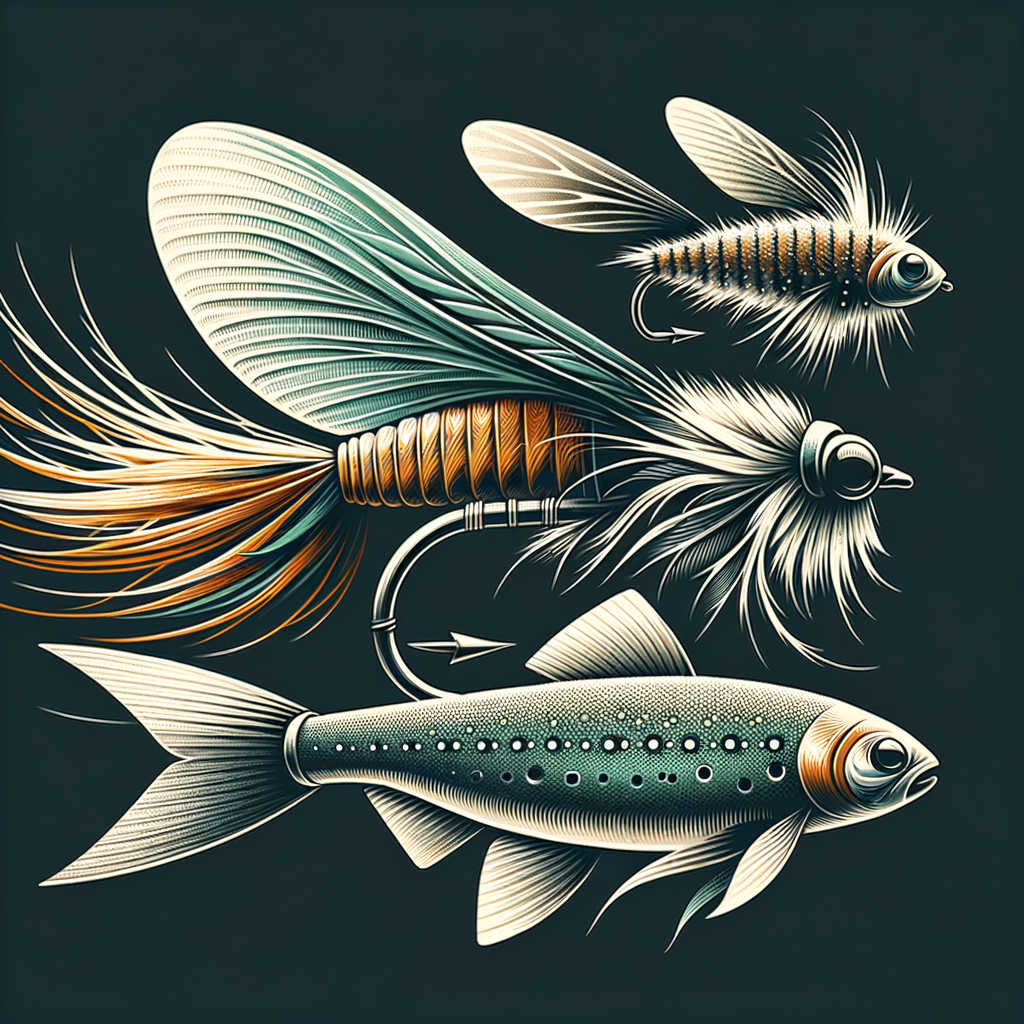
Canadian fly fishing embraces a variety of techniques but often relies on proven methods adapted to target specific fish species and water types. One of the most popular techniques is dry fly fishing, effective for trout, where anglers simulate insects on the water’s surface using lightweight flies and precise casting. Wet fly fishing, involving submerged flies that mimic the underwater life movement, is often employed in deeper streams and is particularly effective with steelhead or salmon. Nymphing is a go-to approach in many Canadian rivers, especially when baiting cautious trout, as it represents larval stages of insects and requires a delicate, often stealthy presentation. For species in larger bodies of water, like in the Great Lakes, streamer fishing can attract larger fish by imitating small fish or other creatures. Mastering a diverse arsenal of techniques allows anglers to adapt to the varied water conditions and seasonal changes they will encounter across Canada’s expansive fishery landscapes.