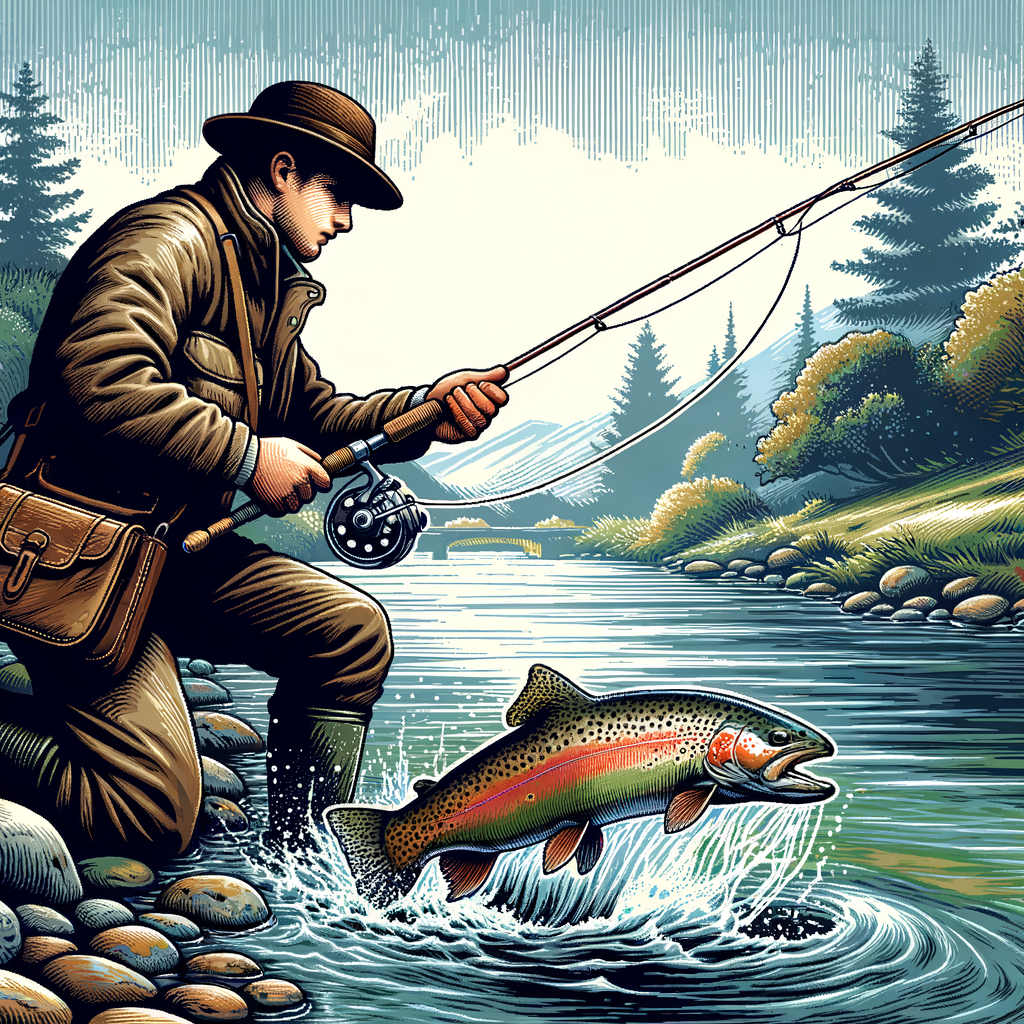
Fly fishing in Alaska is an intriguing and rewarding experience for anglers around the world. The Last Frontier offers a wide range of pristine water bodies teeming with game fish, magnificent landscapes, and unique challenges for both novice and experienced fly fishers. Understanding the ins and outs of fly fishing in Alaska can elevate your angling skills to a new level, providing memories of successful catches in some of the most beautiful locations imaginable. In this article, we provide essential tips and techniques to help you make the most of your Alaskan fly fishing adventure.
Fly fishing is a method that uses artificial flies to catch fish, requiring skillful casting and retrieving techniques. The flies are typically lightweight and crafted to imitate the appearance and movement of fish prey. In Alaska, the sport is considered both a form of recreation and a method to conserve fish populations by encouraging catch-and-release practices. Whether you are aiming to catch the legendary king salmon, coho salmon, rainbow trout, or grayling, understanding the local conditions, suitable equipment, and best practices will significantly increase your success rate.
Fly fishing matters not only for the angler’s personal satisfaction but also for the broader implications for conservation and the local economy. Sustainable fishing practices help protect the sensitive ecosystems of Alaska, ensuring that fish populations remain robust for future generations. Moreover, eco-tourism is a major income stream for Alaskan communities, with anglers from around the globe flocking to its rivers and lakes. Thus, acquiring the right knowledge and skill set is essential for both personal gratification as well as supporting ecologically and economically sustainable angling.
Preparing for the Trip: Gear and Licenses
Before heading to Alaska, it’s essential to prepare adequately. You will need the proper equipment to tackle the unique fishing conditions found here. Don’t underestimate the importance of your fishing rod—opt for rods designed for casting long distances, as Alaskan waters often require such techniques. A 9-foot rod paired with a matching reel is a common choice. Make sure to bring a range of fly lines, leaders, and tippets to adapt to different water depths and currents.
You must also secure a fishing license for your trip. Licenses are available for both residents and non-residents and are typically sold by the day, week, or season. For those interested in salmon, an additional king salmon stamp is often required. Failing to secure the appropriate licenses can lead to hefty fines and penalties, not to mention lost opportunities to fish legally.
Experienced anglers recommend packing versatile gear to tackle diverse weather conditions. Alaska’s weather can be unpredictable, with sudden changes that could spoil your day if unprepared. Bring waterproof clothing, sturdy footwear, and a hat to protect against both the sun and rain. Investing in high-quality polarized sunglasses will not only improve your sight but also protect your eyes.
Understanding the Waterways: Rivers, Streams, and Lakes
Alaska’s waterways vary greatly in terms of size, condition, and the species they harbor. Understanding these differences will improve your planning and execution drastically. The Kenai River, for example, is famous for its massive king salmon and scenic beauty, while the waterways of Bristol Bay teem with various salmon and trout species. Each location requires specific techniques and equipment for optimal results.
Familiarize yourself with the variety of habitats and the types of fish that inhabit them. For each river, stream, and lake, there are optimal times and seasons. As a rule, salmon are usually caught during the summer months, while rainbow trout and grayling are more active in spring and early fall. Exploring different waterways can enrich your fly-fishing experience, offering unique challenges and learning opportunities.
Techniques for Success: Casting, Retrieving, and Selecting Flies
The secret to successful fly fishing lies in mastering a combination of casting, retrieving, and choosing the right flies. Each fish species has unique behaviors and preferences, which means customized tactics are required for different situations. For instance, when fishing for salmon, swinging the fly downstream can imitate the natural drift of prey that salmon tend to seize.
Successful casting requires practice and precision. Whether you’re executing a roll cast, overhead cast, or sidearm cast, the goal is to place your fly accurately on the water surface. Practice these casting techniques in open fields before your trip for better control over distance and direction. If you’re struggling with any technique, consider a fishing guide or expert to help you refine your skills.
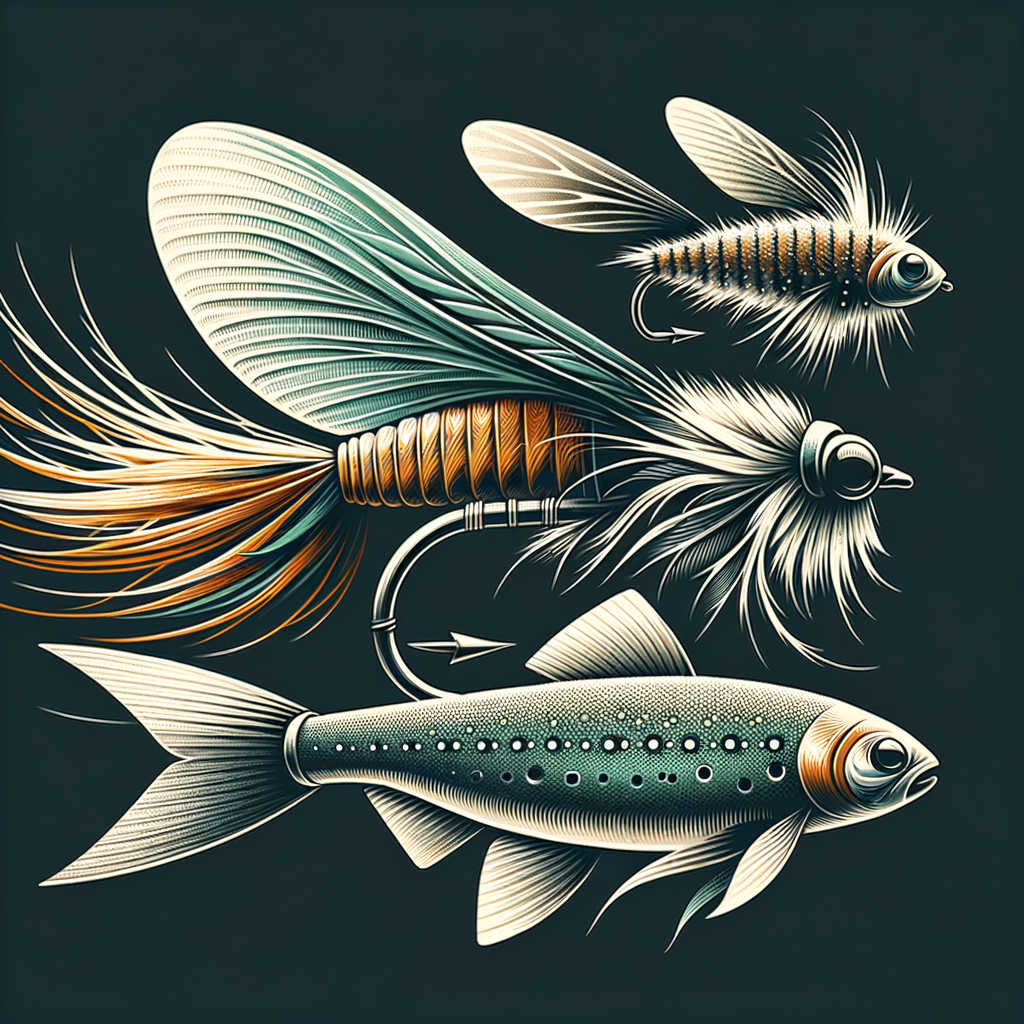
A carefully curated fly selection can make a considerable difference in your catch rate. Salmons are often attracted to bright, colorful flies, while trout prefer natural colors that resemble their natural diet. Take the time to understand the local fish diet and tailor your fly patterns accordingly. Recommended flies include Egg-sucking Leeches, Beadhead Nymphs, and Elk Hair Caddis.
| Species | Common Techniques | Recommended Flies |
|---|---|---|
| King Salmon | Swinging the Fly | Egg-sucking Leeches |
| Coho Salmon | Stripping Fast | Purple Egg Fly |
| Rainbow Trout | Nymphing | Beadhead Nymphs |
| Arctic Grayling | Dry Fly Techniques | Elk Hair Caddis |
The Importance of Conservation: Catch and Release
Fly fishing isn’t merely about catching fish but is intrinsically linked to conservation efforts. Alaska’s ecologies are sensitive; thus, adopting sustainable practices is crucial. Catch-and-release is one of the beneficial methods supporting conservation. When done correctly, it allows fish populations to remain healthy while providing anglers with thrilling yet sustainable experiences.
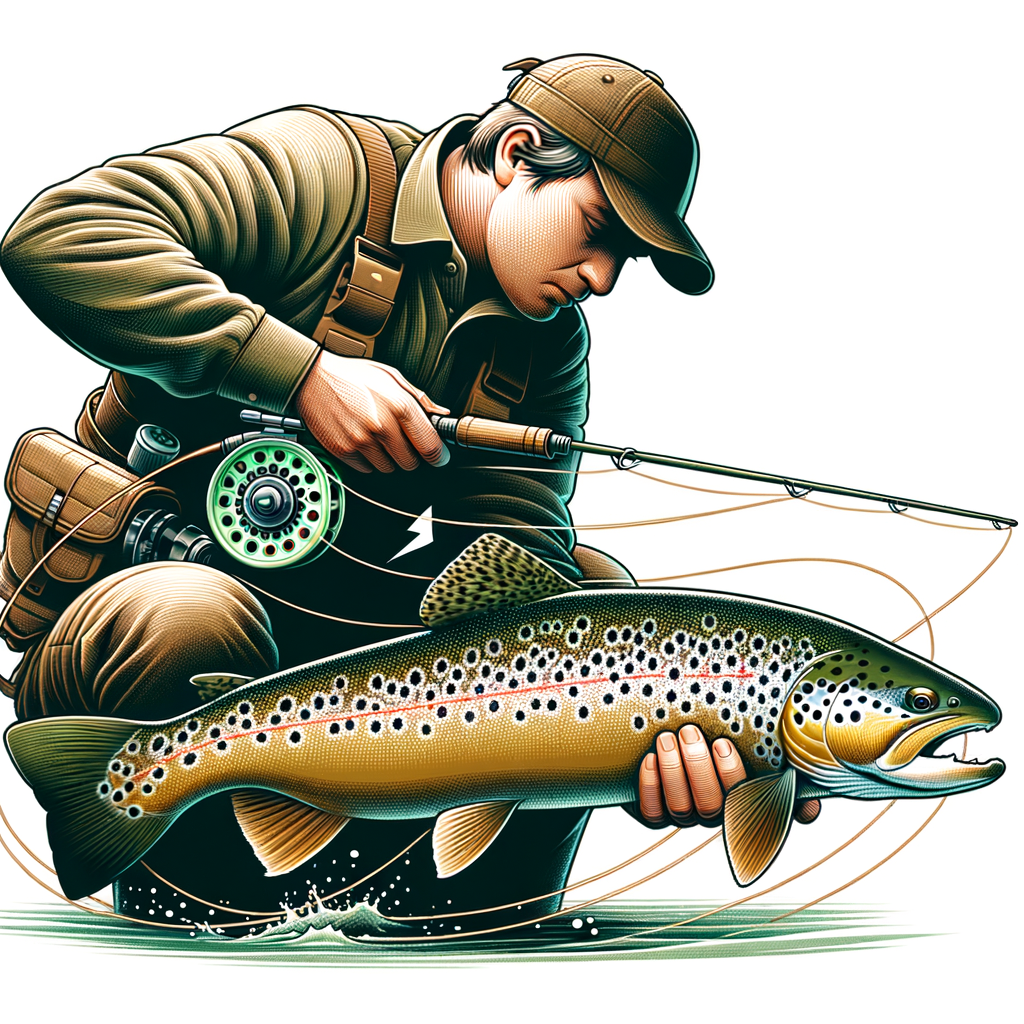
Use barbless hooks to minimize injury and increase the chances of fish survival. Avoid handling the fish with dry hands, as it can damage their protective slime coating. Instead, use a net if possible, and ensure that the fish stays submerged while removing the hook. A quick photograph can capture the memory without compromising the fish’s survival.
Practicing ethical fishing not only protects the environment but also contributes to your credibility as a conscientious angler. You’ll be helping to preserve Alaska’s natural beauty and diverse wildlife for many generations to come.
Real-world Example: An Unforgettable Experience at Kodiak Island
Kodiak Island, located off the southern coast of Alaska, is a hotspot for fly fishers seeking a diverse and challenging experience. Aside from stunning vistas, it offers excellent opportunities for catching various salmon species, Dolly Varden, and halibut. A trip organized by a group of anglers to Kodiak Island featured in their cherished memories, not solely due to their successful catches but because of the landscapes and learning experiences it offered.
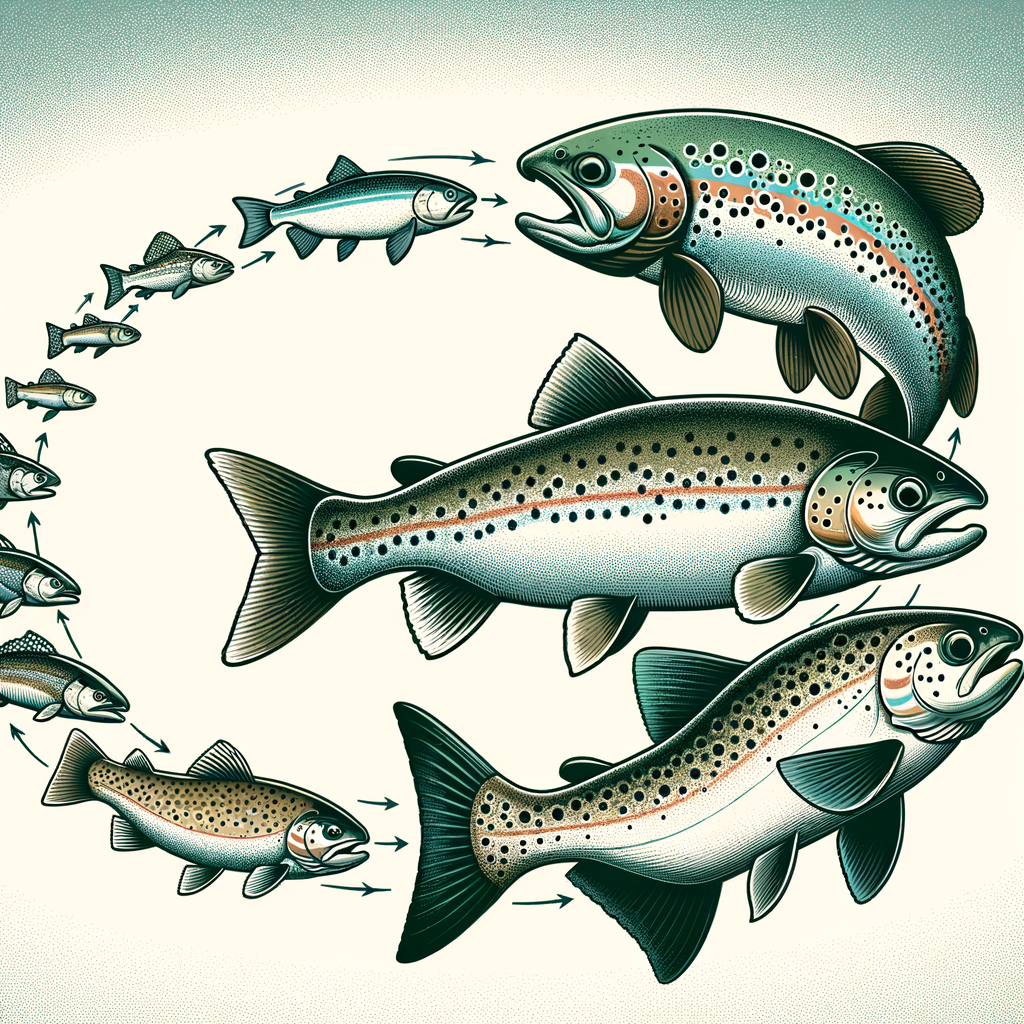
One angler in the group recalls using a swinging fly method in a secluded river section, successfully catching king salmon multiple times. Seeing the fish on their return to spawn provided a profound understanding of the life cycles and challenges faced by these magnificent creatures. This not only heightened the angler’s appreciation of the sport but solidified a lifelong passion for conservation.
Conclusion: Embark on Your Alaskan Fly Fishing Adventure
Fly fishing in Alaska presents an incredible opportunity to connect with nature, improve angling skills, and contribute to conservation efforts. From understanding the necessary equipment and licenses to selecting the best flies and mastering fishing techniques, each component plays a vital role in your fly-fishing success.
The stunning natural landscapes, variety of fish species, and unique ecosystems make Alaska a top destination for anglers worldwide. The skills and knowledge gained in this endeavor not only enhance your angling adventures but encourage a deeper appreciation for nature and conservation. Whether you’re catching massive king salmon or delicate rainbow trout, never underestimate the exhilaration and sense of peace that fly fishing can offer.
In preparing for your exhilarating adventure, take the initiative to gain more insights, and practice diligently. Remember to respect the laws and preserve these beautiful environments. Your journey awaits, and with it comes the promise of unforgettable experiences, enriched skills, and a conscious effort to protect the planet.
So gear up, gather your enthusiasm, and head north to experience the unparalleled joys of fly fishing in Alaska. Happy fishing!
Frequently Asked Questions
1. What makes fly fishing in Alaska different from other places?
Fly fishing in Alaska offers a unique and exhilarating experience unlike any other. Firstly, the state is home to a diverse array of pristine freshwater ecosystems, ranging from crystal-clear rivers and sprawling lakes to mysterious, secluded streams. This natural abundance creates a haven for a variety of game fish, including all five species of Pacific salmon, rainbow trout, Arctic char, and grayling. The remoteness and untouched landscapes of Alaska add an adventurous edge, given that many fishing spots are only accessible by floatplane, boat, or a good old-fashioned hike through dense wilderness.
Additionally, the sheer scale of the Alaskan wilderness, with its dramatic mountain backdrops, sprawling tundras, and dense forests, sets the stage for an unforgettable fishing expedition. The scope for solitude and tranquility is immense, allowing anglers to connect intimately with nature and hone their skills in one of the most serene environments on Earth. Plus, the prolific fish runs are a dream come true for any angler looking to test their expertise, offering plentiful chances for a once-in-a-lifetime catch.
2. What are some essential gear and fly patterns for fishing in Alaska?
When fly fishing in Alaska, preparation is key, and ensuring you have the right gear and fly patterns can make a significant difference to your experience. For starters, since Alaskan waters can be rather swift and unpredictable, having a sturdy fly rod between an 8 to 10 weight is advisable, avoiding lighter rods which may not handle larger species or fast currents. Pair this with a high-quality, reliable reel with a strong drag system, as it is necessary for battling powerful Alaskan fish like king salmon.
In terms of fly patterns, it’s beneficial to carry a variety of both dry flies and nymphs. Popular choices for salmon include the Egg Sucking Leech, Alaska Smolt, and the Dolly Llama. When targeting trout and char, consider patterns like the Muddler Minnow, Beadhead Nymphs, and Woolly Buggers. Also, the introduction of bead fishing has become prevalent in Alaskan fly fishing—using bead imitations of salmon eggs can be highly effective, especially during egg-heavy seasons. Don’t forget your waders for the knee and waist-high ventures, layered clothing for the ever-changing Alaskan weather, and, of course, bear spray for if you encounter any curious wildlife!
3. What are the best times and locations for fly fishing in Alaska?
The best time for fly fishing in Alaska can depend on what you’re aiming to catch and the type of fishing experience you’re seeking. Generally, the fishing season in Alaska runs from mid-May to late September, which coincides with warmer weather and longer daylight hours. During this time, the salmon run is a spectacular event, typically peaking from mid-June to late August. For rainbow trout, early June to mid-July can be productive, as well as the latter half of August when they feast on salmon eggs.
Some prime locations include the Kenai River, known for its trophy-sized rainbow trout and annual salmon runs; the Bristol Bay region, famed for its remarkably high sockeye and king salmon populations; and the remote Togiak River, acknowledged for a more secluded and intimate fishing experience. Another gem is the Kanektok River, cherished for the diversity of fish species and captivating wilderness beauty. Regardless of the chosen spot, it’s wise to research specific timing for peak fishing at your location, and often, booking a guided trip can lead to maximizing your success.
4. How can I overcome the challenges presented by Alaska’s remote fishing locations?
Fly fishing in Alaska’s remote locations demands an ability to adapt to various challenges, chief among them accessibility and safety in the wilderness. Overcoming these hurdles requires thorough preparation. Firstly, acquiring topographic maps and investing in a reliable GPS system can ensure you navigate the vast Alaskan terrain with confidence. Additionally, hiring experienced local guides or outfitters can be pivotal in accessing more secluded fishing spots and understanding the geographical idiosyncrasies.
In terms of transportation, light aircraft or floatplanes are commonplace for reaching isolated fishing locations efficiently, which can also offer you stunning aerial views of the wilderness. Safety should always remain a top priority—equipping yourself with comprehensive first-aid kits, communication devices like satellite phones, and learning basic wilderness survival skills can be life-saving. Lastly, always respect wildlife regulations, recognizing that you share the land with an abundance of creatures including bears and moose, to whom the wilderness is home. Traveling with a partner and being vigilant about your surroundings will also help ensure a successful and safe fly fishing adventure.
5. What are some conservation tips for responsible fly fishing in Alaska?
Practicing responsible fly fishing in Alaska is crucial for preserving its delicate ecosystems and ensuring the longevity of its natural resources. As an angler, one of the most impactful steps you can take is following catch-and-release principles, particularly with species at risk or during spawning seasons. This practice helps maintain healthy fish populations and raises awareness of sustainable fishing practices.
Another important aspect is minimizing your ecological footprint. This can be achieved by being diligent about “Leave No Trace” principles—carry out all trash, carefully dispose of any used fishing line, and avoid disturbing local flora and fauna. When wading or moving around rivers, do your best to tread lightly and avoid trampling sensitive spawning beds known as redds.
Additionally, being informed about and abiding by licensing and area-specific regulations helps support conservation efforts, funding critical habitat preservation programs. Lastly, volunteer or participate in local conservation projects, as giving back to the community and protecting these precious environments ensures that they can be enjoyed by future generations. Together, conscientious decisions and actions can help safeguard Alaska’s unique fly fishing opportunities for years to come.