Introduction to Fly Fishing in Extreme Heat
Fly fishing, a popular method of angling, involves using a lightweight lure—called a fly—to catch fish. As much as it is a sport and an enjoyable pastime, fly fishing requires knowledge, patience, and adaptability, especially when confronted with extreme weather conditions. When summer reaches its peak, fly fishing in extreme heat presents its own challenges but also opportunities for the keen angler. Understanding how heat affects fish behavior, water conditions, and your own safety is crucial.
Extreme heat can dramatically alter the structure of water bodies, reduce oxygen levels, and affect fish activity. For anglers, it becomes imperative to adapt techniques and strategies to maintain productivity during scorching weather. This topic matters not only for successful fishing but for keeping oneself safe and comfortable under such conditions. Moreover, respecting the ecology and ensuring sustainable fishing practices during these periods protect the environment for future angling experiences.
Understanding the Impact of Heat on Fish
When temperatures soar, aquatic environments are affected in multiple ways. Warm water holds less oxygen, which can stress fish, causing them to seek cooler regions of their habitat. As a result, fish are often less active and feeding patterns change, concentrating their activity during cooler parts of the day such as early mornings or late evenings. Recognizing these behavioral shifts is essential for anglers aiming to make successful catches.
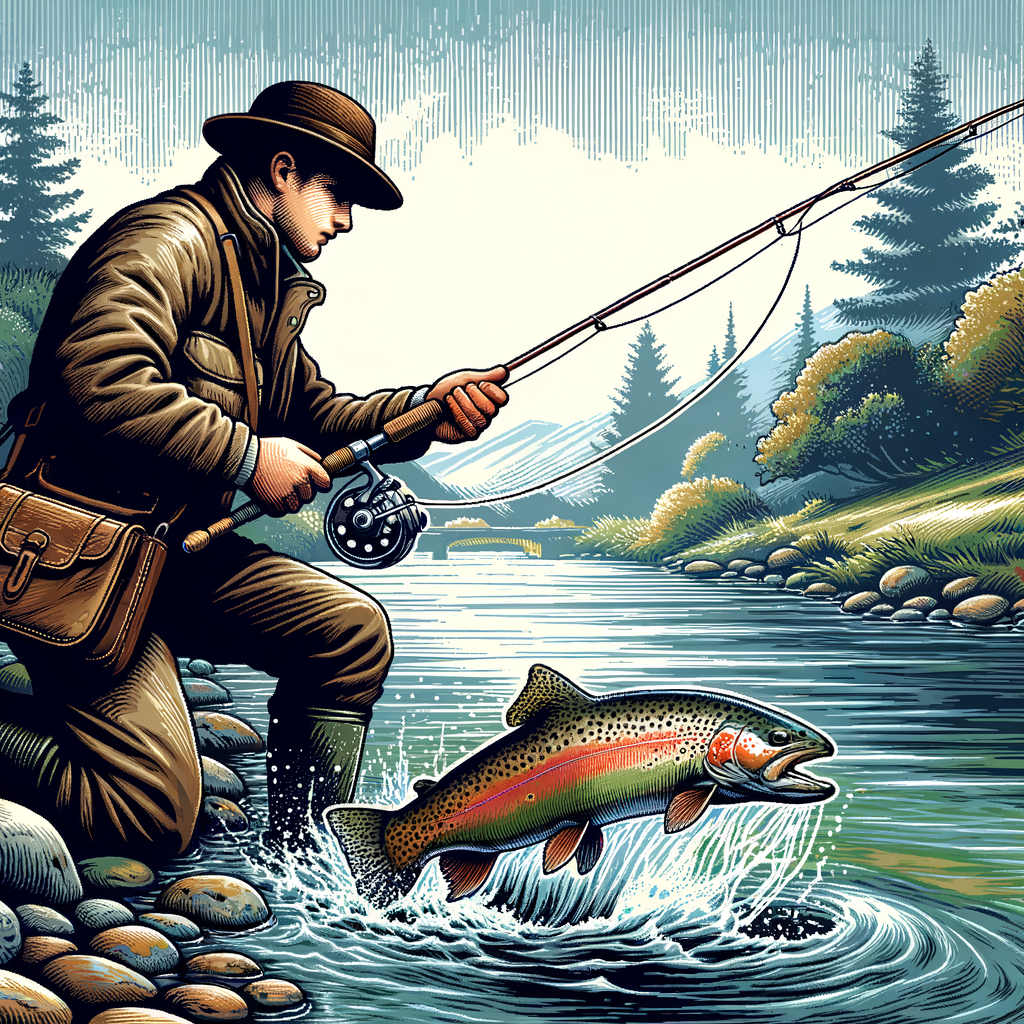
For example, consider a mid-summer day on a river that usually teems with trout. In extreme heat, these fish may retreat into deeper pools or shaded areas, where the water remains more oxygenated and cooler. By focusing on these zones and adjusting fishing techniques accordingly, anglers can continue to be productive even when surface activities seem to have diminished.
Adjusting Gear and Technique for Heat
The choice of gear can significantly influence success in hot weather. Light-colored clothing can reduce heat absorption, and a wide-brimmed hat offers necessary protection against the sun. Wearing polarized sunglasses not only protects your eyes from glare but also enhances visibility beneath the water surface, helping anglers spot fish even under bright conditions.
- Clothing: Opt for breathable fabrics that wick moisture away from the skin.
- Footwear: Use water-resistant or quick-drying boots to keep feet cool and dry.
- Fly Line and Rod: Consider using a medium to fast action rod to quickly cover water and react to swift fish movements.
In terms of technique, slowing down retrieval speeds and using smaller flies can often prove more effective. Fish under stress are less likely to chase fast-moving objects, so a slower, more deliberate presentation may entice them to bite.
Hydration and Health Precautions
Staying hydrated is key when fly fishing in extreme heat to ensure one’s safety and performance. Dehydration can lead to dizziness, confusion, and heat-related illnesses, potentially putting anglers at risk. As a rule of thumb, drink water regularly, even if you don’t feel thirsty. Supplementing meals with snacks that offer both energy and electrolytes can also help maintain stamina throughout the day.
A real-world example is the experience of a seasoned fly fisher on a particularly hot day in Arizona. Despite remaining near a shaded riverbank, the continuous exposure led to severe sunburn and dehydration, cutting his fishing trip short and tarnishing an otherwise enjoyable day out.
Implementing health precautions such as wearing sunscreen, taking regular breaks in the shade, and observing for early symptoms of heat exhaustion can prevent such occurrences.
Time Your Fishing for Best Results
Timing is a crucial factor in fishing productivity during extreme heat. Since fish tend to be more active in cooler water, the early morning or late evening are optimal times for fishing. This not only matches the natural feeding times of many fish species but also offers more comfortable conditions for anglers.
An angler recounted his success on the Missouri River, noting that his catch rate significantly improved between 6 AM and 9 AM, as well as after sunset. The cooler temperatures during these periods meant the fish were more engaged, and casts into shallow, shaded areas yielded good results.
| Time of Day | Fish Activity Level | Angler Comfort |
|---|---|---|
| Early Morning | High | High |
| Midday | Low | Low |
| Late Evening | Medium to High | Medium to High |
Environmental Considerations and Respect
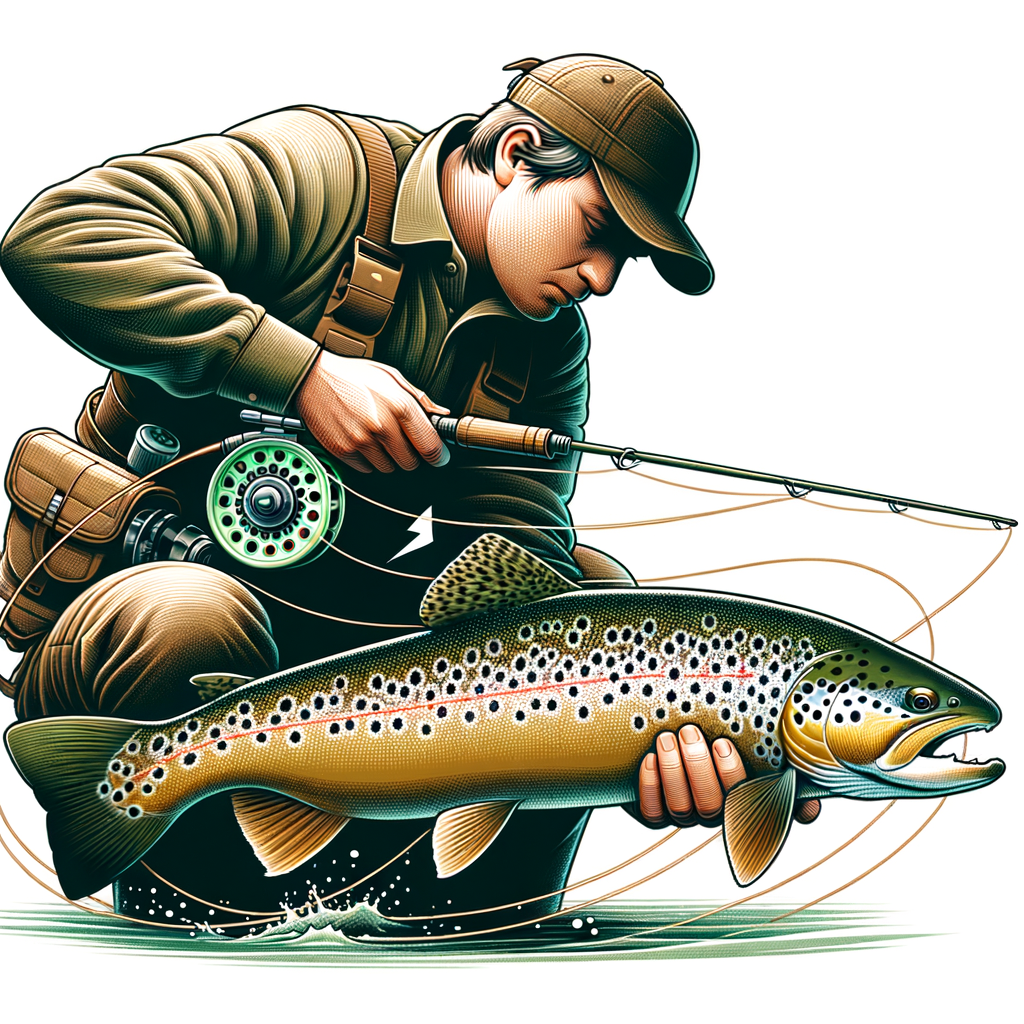
Practicing environmental awareness is paramount when fly fishing, especially during heatwaves that stress aquatic ecosystems. Anglers should adhere to catch and release practices to help ensure fish populations remain healthy. Handle fish with care, quickly and gently, to minimize their time out of water and lessen stress.
For instance, on days when water temperatures are extremely high, it is advisable to refrain from fishing altogether. This avoids adding further stress to the fish and ecosystems. Instead, anglers can use these days to scout new locations or refine their casting skills without engaging in actual fishing.
Conclusion: Efficient and Responsible Fly Fishing
Fly fishing in extreme heat doesn’t have to deter you from enjoying your favorite hobby. By understanding the environmental impacts of high temperatures on fish and their habitats, anglers can adjust gear and techniques, remain adequately hydrated, and time their efforts effectively to stay productive.
Recapitulatory strategies such as focusing on cooler times and locations, using appropriate gear, and practicing responsible techniques play a key role in enhancing fishing success. Ultimately, the rewards of sustainable fishing practices during periods of extreme heat extend beyond mere catch numbers, fostering a deeper respect and appreciation for the natural world.
As the temperatures rise, invite cooler strategies that both protect fish and enhance your own angling experience. Plan your next fly fishing outing with these strategies in mind and embrace the challenges that come with fishing under a blazing sun, transforming them into opportunities for growth and satisfaction.
Frequently Asked Questions
1. How does extreme heat affect fish behavior in fly fishing?
When temperatures soar, fish behavior undergoes significant changes that can affect your fishing success. In extreme heat, water temperatures rise, causing oxygen levels to drop. This is because warm water holds less dissolved oxygen compared to cooler water. As a result, fish tend to become more lethargic and seek areas where they can find cooler temperatures and higher oxygen levels. These areas typically include deeper pools, shaded spots, or areas with faster flowing water where it is cooler and more oxygenated. Additionally, fish might alter their feeding patterns and times, often feeding early in the morning or late in the evening when the temperatures are lower. Understanding these behavioral shifts is crucial for adapting your fly fishing strategy in extreme heat to stay productive.
2. What are the best techniques for keeping cool while fly fishing in extreme heat?
Staying cool while fly fishing in extreme heat is essential not only for comfort but also for safety. One effective technique is to choose breathable, moisture-wicking clothing that offers sun protection. Lightweight long-sleeved shirts and pants can provide coverage and protect against UV rays without trapping heat. A wide-brimmed hat, polarized sunglasses, and a neck gaiter can also provide relief by protecting sensitive areas from the sun. Hydration is critical—drink plenty of water throughout the day to prevent dehydration. Additionally, taking regular breaks in shaded areas and using cooling towels, which can be dampened and placed around your neck, can help lower your body temperature. Fishing earlier in the morning or later in the afternoon when temperatures are cooler can also reduce the risk of heat-related illnesses.
3. How can the heat of summer be advantageous for fly fishing?
While extreme heat presents challenges, it can also offer unique opportunities for fly fishing enthusiasts. During the hot summer months, certain insects hatch in abundance, leading to increased feeding activity among fish. This activity can make fish more predictable and easier to find, as they are drawn to areas abundant with food sources. The heat can also concentrate fish in specific areas of the water body, such as cooler, oxygen-rich zones, reducing the area you need to cover. Additionally, fewer anglers may be out on the hottest days, offering more solitude and less competition for prime fishing spots. By understanding and utilizing these opportunities, anglers can enjoy productive fishing even in extreme temperatures.
4. What type of flies and equipment should I use when fly fishing in hot weather?
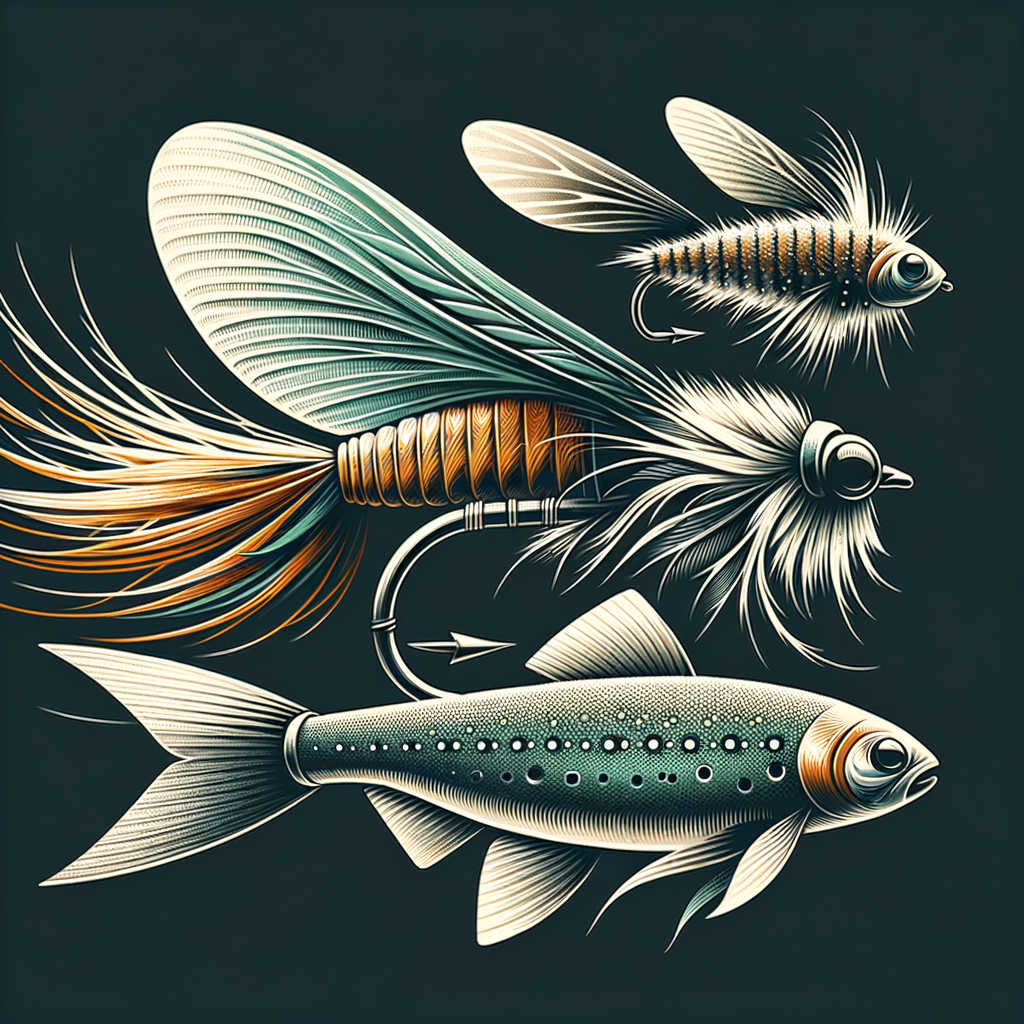
Choosing the right flies and equipment for fly fishing in extreme heat is crucial to success. Because insects are more active during hot weather, using flies that mimic the local hatches can be particularly effective. Dry flies, nymphs, and terrestrials that resemble the insects abundant in your fishing area can entice fish that are actively feeding. As fish often seek deeper and more shaded areas during heatwaves, using weighted flies or adding split shots to your line can help reach the desired depths. For equipment, consider using rods with a fast action to cast over longer distances, allowing you to reach deeper pools or faster-moving water where fish may be congregating. Additionally, using a floating line with a clear intermediate or sinking tip can provide versatility in changing conditions.
5. What safety precautions should be taken when fly fishing in extreme heat?
Safety is paramount when fly fishing in extreme heat, and several precautions can minimize the risk of heat-related illnesses. Begin by planning your fishing outings during the cooler parts of the day, such as early morning or late afternoon, to avoid peak sun exposure. Wear appropriate sun-protective gear, including shirts with UPF protection, sunglasses with UV blocking, and sunscreen. Hydration is essential—bring enough water for your entire trip and drink regularly, even if you do not feel thirsty. Be aware of the signs of heat exhaustion and heatstroke, such as dizziness, excessive sweating, headaches, and confusion, and take action immediately if you experience any symptoms. Finally, fish with a buddy when possible and let someone know your plans, ensuring quick assistance if needed.