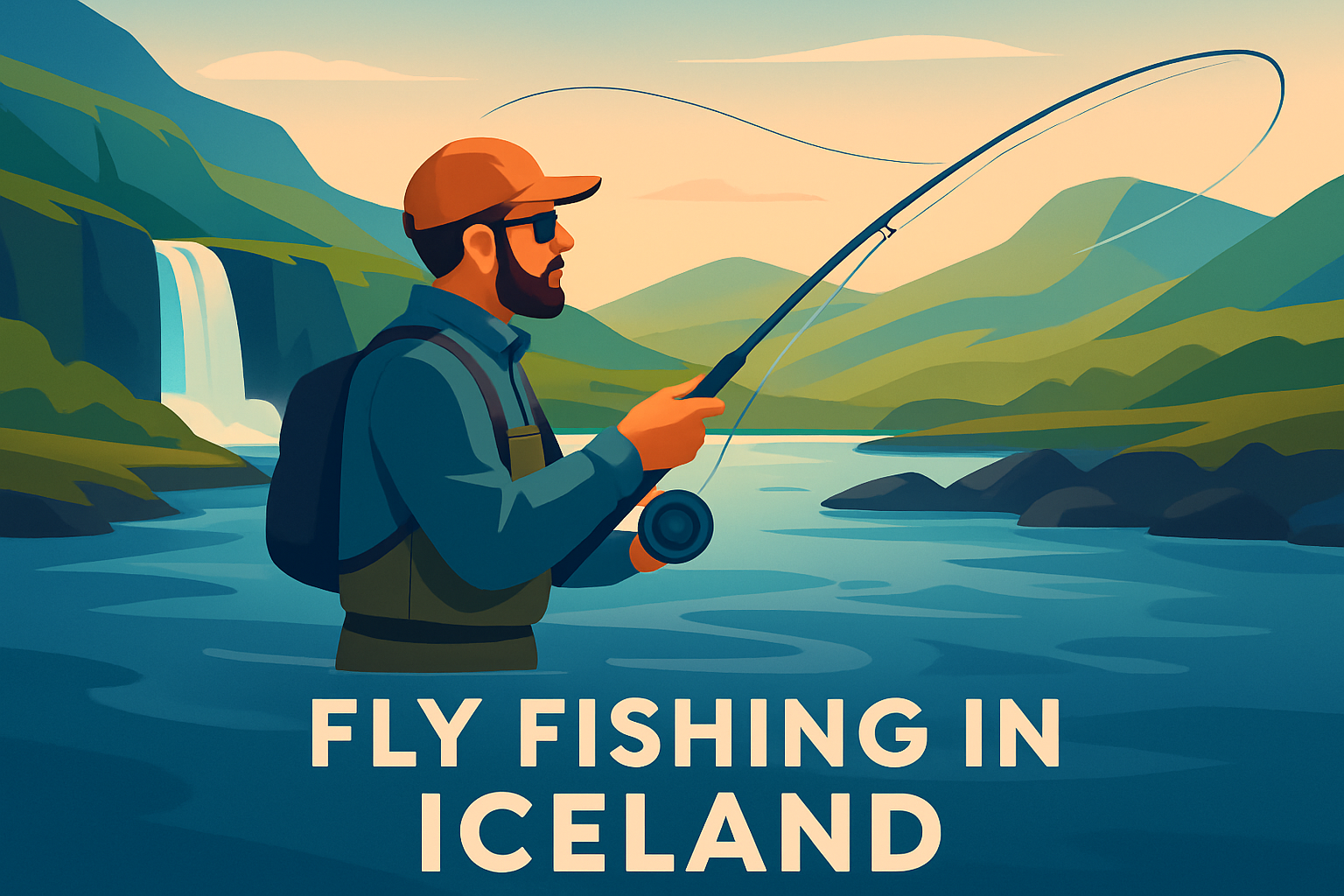
Fly fishing has long been celebrated for its elegance, combining the art of fishing with the tranquil beauty of nature. Iceland, with its abundant freshwater rivers and lakes, serves as a prime destination for fly fishing enthusiasts. The country’s pristine waterways are home to a plethora of fish species, including Atlantic salmon, Arctic char, and brown trout, making it a haven for both experienced anglers and those new to the sport. In this article, we’ll explore the fundamentals of fly fishing in Iceland, delve into effective strategies and patterns, and highlight why this unique blend of sport and environment matters.
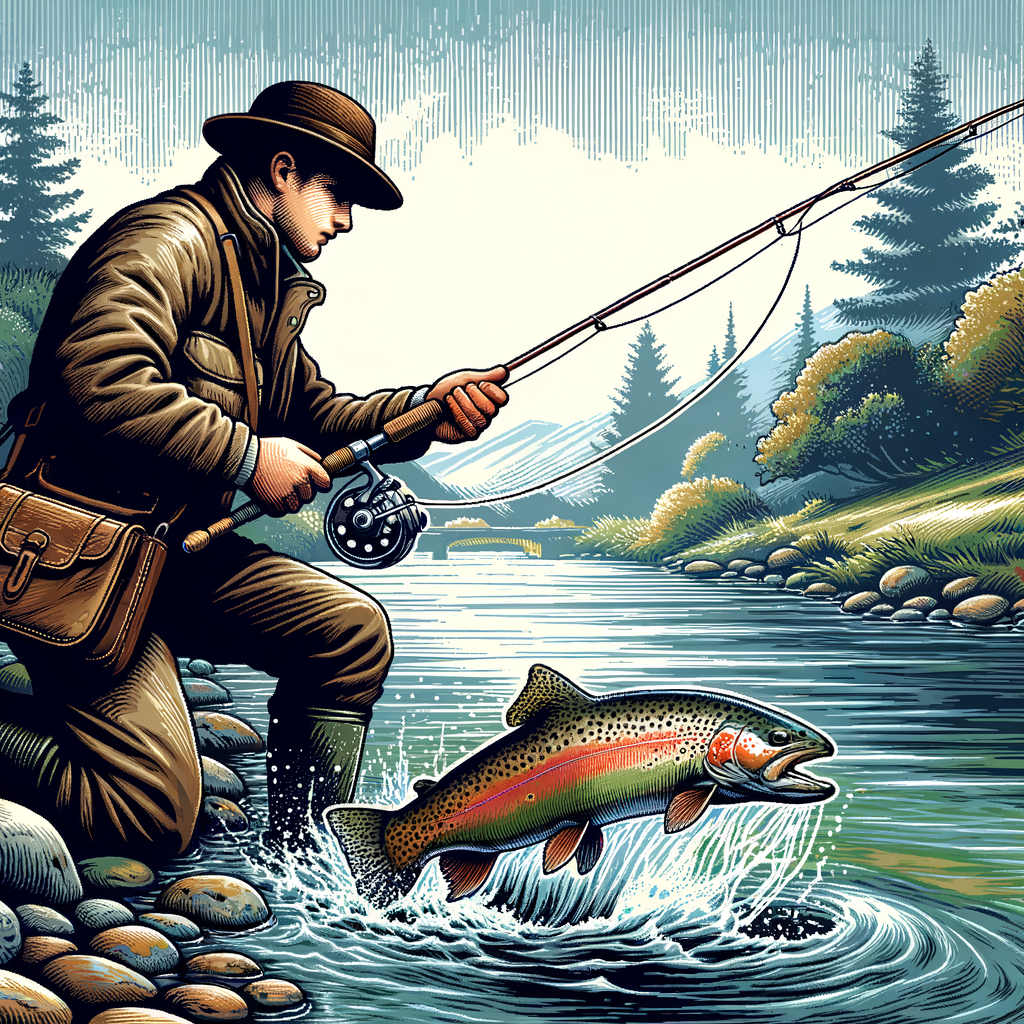
The core of fly fishing lies in the use of artificial flies to lure fish. These flies, tied meticulously by hand, mimic the appearance and behavior of natural food sources for fish. Unlike other fishing methods, fly fishing requires a specialized technique where casting is an art form in itself. The fly angler must deliver the fly delicately to the water’s surface, creating an enticing presentation that tricks the fish into biting. In the context of Iceland, where natural beauty abounds and fishing grounds are often remote and unspoiled, fly fishing becomes a deeply immersive experience, blending sport with nature.
Iceland’s unique geographical features and climatic conditions create an unparalleled environment for fly fishing. The island’s volcanic landscape gives rise to numerous rivers and streams, many of which are fed by glaciers. This constant influx of cold, clear water supports a healthy fish population. Moreover, the country’s conservation laws ensure that fish stocks are preserved, maintaining Iceland’s reputation as one of the world’s top fly fishing destinations. For anglers, this means ample opportunities to catch trophy fish while also engaging in sustainable fishing practices.
Understanding Iceland’s Fish Species
To excel in fly fishing in Iceland, understanding the diversity and behavior of the local fish species is crucial. The main fish species sought after by anglers in Iceland include Atlantic salmon, Arctic char, and brown trout. Each species offers its own set of challenges and requires different strategies for success.
Atlantic salmon, known for their strength and acrobatics, are a highlight for any fly fisher. In Iceland, salmon are predominantly found in the country’s northern and western rivers. These fish migrate from the sea to freshwater rivers to spawn, typically during the summer months. Fly fishers targeting salmon often employ flies that mimic shrimp or small fish, using techniques that trigger the salmon’s instinctive response to strike.
Arctic char present a different set of challenges. These fish are typically found in Iceland’s colder, clearer waters, such as lakes and glacial rivers. Unlike salmon, Arctic char can be caught year-round, but their behavior and feeding habits change with the seasons. Fly patterns for Arctic char often mimic aquatic insects or small crustaceans, and successful anglers adjust their tactics based on water temperature and clarity.
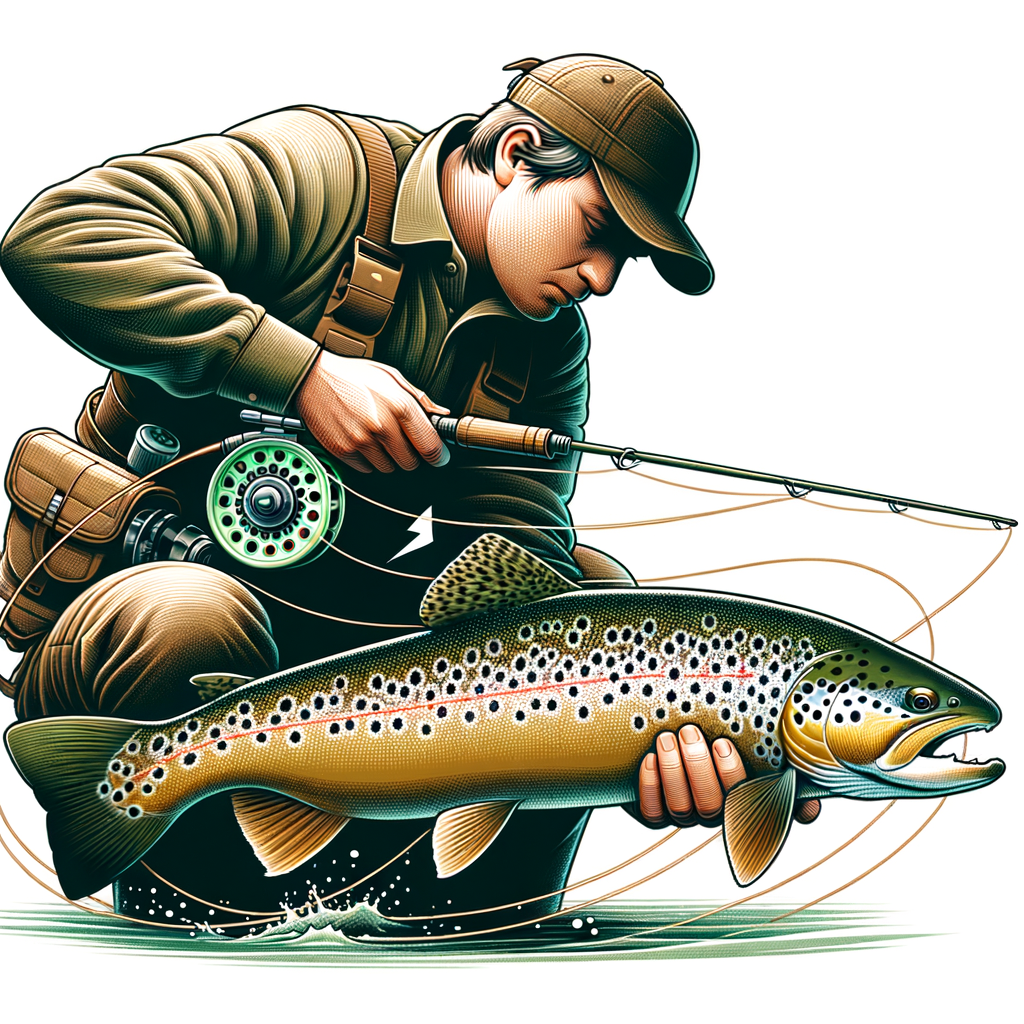
The brown trout, a favorite among fly fishers worldwide, thrive in Iceland’s fertile rivers and streams. Known for their wariness and cunning, brown trout require a delicate approach. As opportunistic feeders, brown trout respond well to a variety of fly patterns, including imitations of insects, fish, and terrestrial creatures like beetles. In Iceland, fly fishers must often adapt their approach based on the trout’s feeding schedule and the availability of food sources.
Effective Strategies for Icelandic Waters
To maximize success in Icelandic waters, fly anglers must employ specific strategies tailored to the unique environmental conditions and fish behavior found in Iceland. These strategies often involve selecting the right fly pattern, understanding fish movement, and mastering casting techniques.
- Choosing the Right Fly: Fly selection is paramount to success in Iceland. Seasonal changes in insect hatches and water temperature can significantly influence fish feeding patterns. During summer, when insect activity peaks, dry flies and nymphs are often effective. In contrast, during colder months or in deeper waters, anglers may turn to streamers to mimic small baitfish.
- Understanding Fish Movements: Knowledge of fish behavior and migration is crucial. For example, salmon run patterns are influenced by tidal changes and water levels, while trout may shift between feeding zones based on weather conditions. Anglers should research and observe local conditions to maximize their chances of success.
- Mastering Casting Techniques: Effective casting requires precision and practice. In Iceland’s often windy conditions, techniques like roll casting or double hauling can prove invaluable. Anglers must adapt their casting style to various situations, whether casting in small streams or expansive lakes.
Real-World Example: The Varma River
The Varma River, located near Reykjavik, provides a perfect example of Icelandic fly fishing conditions. Known for its excellent salmon and sea trout fishing, the Varma hosts runs of strong, healthy fish that challenge any angler. Fly fishing in the Varma often involves the use of small, subtle flies that resemble shrimp or baitfish.
Anglers on the Varma River have achieved consistent success by adjusting their strategies to the river’s conditions. For instance, during the autumn months, sea trout in the Varma can be particularly aggressive. By using streamers or larger wet flies, fly fishers have managed to entice these trout into striking. Furthermore, the river’s currents require anglers to execute precise casts and mends to present the fly naturally in the water column.
Fly Patterns: Creativity and Craft
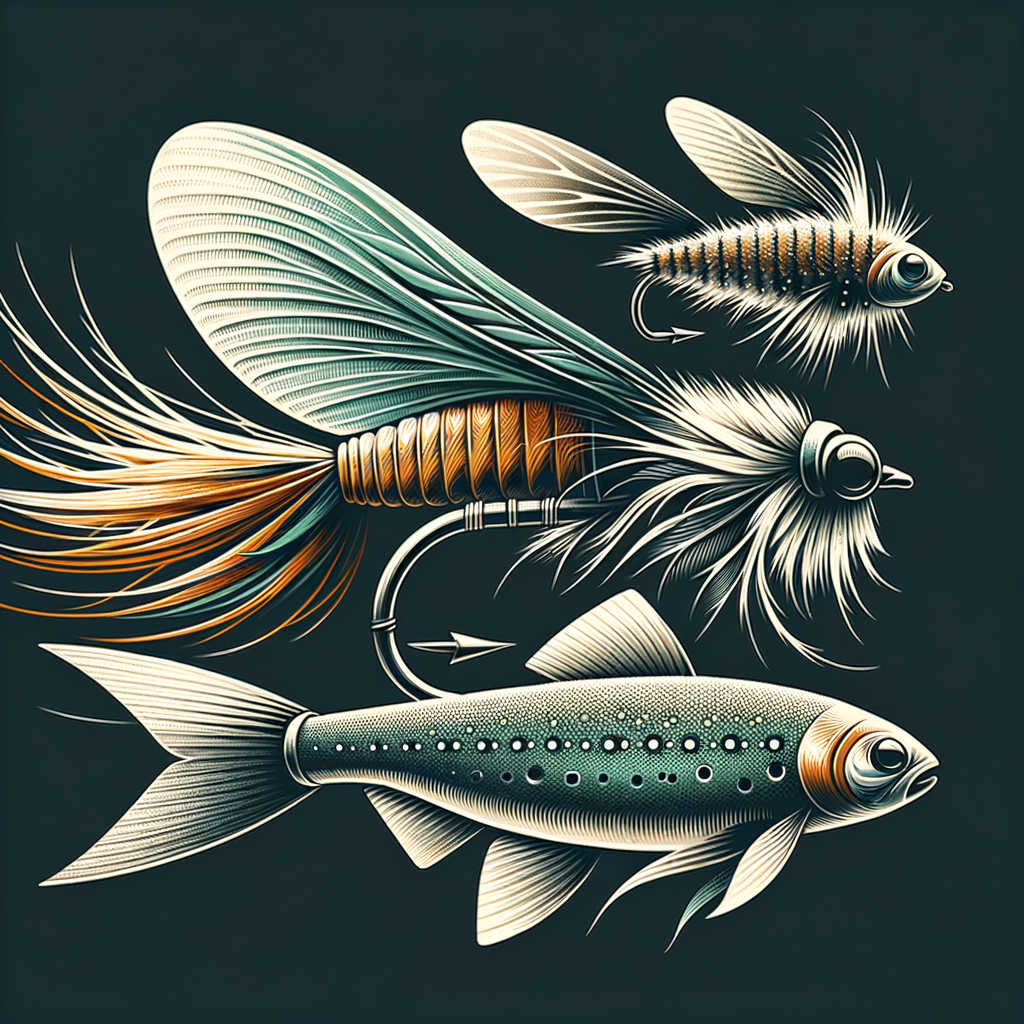
Fly tying, the art of crafting artificial flies, holds a special significance in the world of fly fishing. In Iceland, fly patterns often draw inspiration from the local aquatic life, ensuring their effectiveness in the island’s waters. Different fish species and water conditions call for specific fly designs, making fly tying an essential skill for serious anglers.
One popular fly pattern in Iceland for Atlantic salmon is the “Hitch” fly. These small tube flies are designed to skate across the water’s surface, creating a wake that triggers a predatory strike from salmon. The excitement of watching a salmon rise to such a fly is unparalleled.
For Arctic char, anglers frequently use flies that imitate freshwater shrimps or aquatic larvae. These imitations are particularly effective in glacial rivers like those in northern Iceland, where Arctic char thrive. As water temperatures rise, anglers may switch to dry flies to coincide with insect hatches and increase their chances of success.
Sustainable Fly Fishing Practices
Sustainable fishing practices are vital to preserving Iceland’s fly fishing heritage. Conscious efforts from anglers contribute to the conservation of fish populations and the protection of natural habitats. These practices include catch-and-release fishing, proper handling of fish, and adherence to local fishing regulations.
Catch-and-release practices minimize harm to fish and ensure the sustainability of fisheries. When releasing a fish, anglers should handle it gently, avoiding contact with the gills and keeping it in water as much as possible. Using barbless hooks can also reduce injury and increase survival rates for released fish.
Fly fishing in Iceland often takes place in designated fishing beats, where a limited number of anglers are allowed each day. These regulations are in place to prevent overfishing and maintain the balance of fish populations. By respecting these guidelines, anglers contribute to the long-term health of Iceland’s waterways.
Embrace the Adventure
Fly fishing in Iceland offers a unique opportunity to connect with nature through the artistry of the sport. With its stunning landscapes and diverse fish species, the country provides a backdrop for unforgettable angling adventures. By implementing effective strategies and patterns, anglers can make the most of their experiences while also ensuring the preservation of Iceland’s natural treasures.
Whether you’re a seasoned fly fisher or a newcomer eager to learn, Iceland’s distinctive environment has something to offer. It invites anglers to step outside their comfort zones, experiment with new techniques, and embrace the essence of fly fishing as an art form. As you venture into Iceland’s waters, remember to remain mindful of the environment and adhere to sustainable practices. In doing so, you help preserve the beauty and integrity of Iceland’s fly fishing heritage for future generations to enjoy.
Conclusion
Fly fishing in Iceland is much more than a mere hobby; it’s an opportunity to engage with nature, challenge oneself, and refine angling skills. By understanding the unique fish species, employing effective strategies, and practicing sustainable fishing, anglers can fully appreciate this remarkable experience. Iceland’s blend of untamed landscapes and rich waterways makes it a top destination for those seeking both adventure and tranquility.
The strategies and patterns discussed in this article offer insights into the meticulous planning and creativity required for successful fly fishing. By embracing these techniques and adapting to the local environment, anglers can enhance their fishing experience and increase their chances of success.
Now, it’s your turn. Gear up, tie your flies, and embark on your Icelandic fly fishing adventure. As you cast your line into the pristine waters, remember the importance of conservation and the satisfaction of connecting with nature through this timeless pursuit. Happy fishing!
Frequently Asked Questions
What makes Iceland a top destination for fly fishing enthusiasts?
Iceland’s natural landscape is a fly fisher’s paradise. The country is blessed with an abundance of freshwater rivers and lakes, all teeming with diverse fish species. The crystal-clear waters provide an idyllic setting for anglers, offering unparalleled visibility and the chance to witness fish in their natural habitat. Iceland is renowned for its populations of Atlantic salmon, Arctic char, and brown trout, which are highly sought after by fishermen from around the globe. The island’s unique geology and clean environment create perfect conditions for fly fishing, making it a bucket-list location for both seasoned anglers and newcomers eager to experience the sport’s exquisite combination of tranquility and challenge.
What are some effective strategies for fly fishing in Iceland?
To maximize your chances of success while fly fishing in Iceland, it’s essential to tailor your strategies to the unique conditions of the region. First, consider the timing of your trip: the summer months, from June to September, are ideal as they align with peak fish activity and favorable weather conditions. Understand the behavior and life cycle of your target species; for instance, Atlantic salmon are known for their migratory patterns, which can influence where and when you’re likely to encounter them. When choosing equipment, bring a versatile selection of flies to adapt to the varying conditions and fish preferences. Light to medium-weight rods are generally recommended, given the size range of fish in Icelandic waters. Pay close attention to the match-the-hatch principle, which involves selecting flies that closely mimic the local insects or prey fish that your target species are feeding on at that time. Lastly, practice patience and mindfulness. Fly fishing in Iceland not only demands technical skill but also a keen awareness of the surroundings. Observing the water’s surface for subtle ripples and disturbances can provide valuable clues as to where fish are actively feeding.
Are there specific fly patterns that are particularly effective in Iceland?
Certain fly patterns have proven to be highly effective in Icelandic waters. For targeting Atlantic salmon, the Sunray Shadow, Black Frances, and Red Frances flies are popular choices. These patterns mimic small fish or shrimp, attracting salmon with their movement and vivid colors. For Arctic char, consider using nymph patterns such as the Pheasant Tail Nymph or Prince Nymph, as char often feed on insects and larvae in deeper waters. Additionally, brightly colored streamers like the Muddler Minnow can be effective in provoking aggressive strikes from char. When pursuing brown trout, dry fly patterns resembling various local insects can be successful. The Blue Winged Olive and Elk Hair Caddis are classics that imitate common aquatic insects found in Iceland’s rivers and streams. Experimenting with these fly patterns and adjusting your selection based on specific conditions and fish responses can greatly enhance your fly fishing experience in Iceland.
Do I need a fishing license to fly fish in Iceland, and how do I obtain one?
Yes, to fly fish in Iceland, you must have a valid fishing license. Rules and regulations are strictly enforced to ensure the sustainability of Iceland’s pristine fishing environments. Licenses are typically required for specific rivers and lakes, and availability is often limited, especially during peak seasons. It’s advisable to plan ahead and obtain your fishing permits well in advance of your trip. Licenses can be purchased online through various platforms or directly from authorized agents and outfitters in Iceland. Fees for licenses can vary depending on the water body and the time of year. Some rivers are managed by angling associations or private landowners, and procedures for acquiring licenses can differ. Do your research beforehand to understand the process for the specific locations you intend to fish and ensure compliance with local regulations.
What should I know about catch and release practices in Iceland?
Catch and release is a widely practiced and encouraged method in Iceland, strongly aligning with the country’s conservation ethos. The goal is to ensure that fish populations remain healthy and sustainable for future generations of anglers. When practicing catch and release, it’s crucial to handle fish with the utmost care to minimize stress and injury. Use barbless hooks to make removal less traumatic, and always wet your hands before touching a fish to protect its mucous membrane. If possible, avoid removing the fish from the water entirely. If you must handle the fish, do so gently, supporting its body and keeping it in a horizontal position. Limit the time out of water to just a few seconds, especially when taking photographs. Ensure the fish is fully revived and can swim off on its own before releasing it back into the water. By following these best practices, you contribute to the preservation of Iceland’s beautiful aquatic ecosystems and ensure a vibrant future for fly fishing enthusiasts around the world.