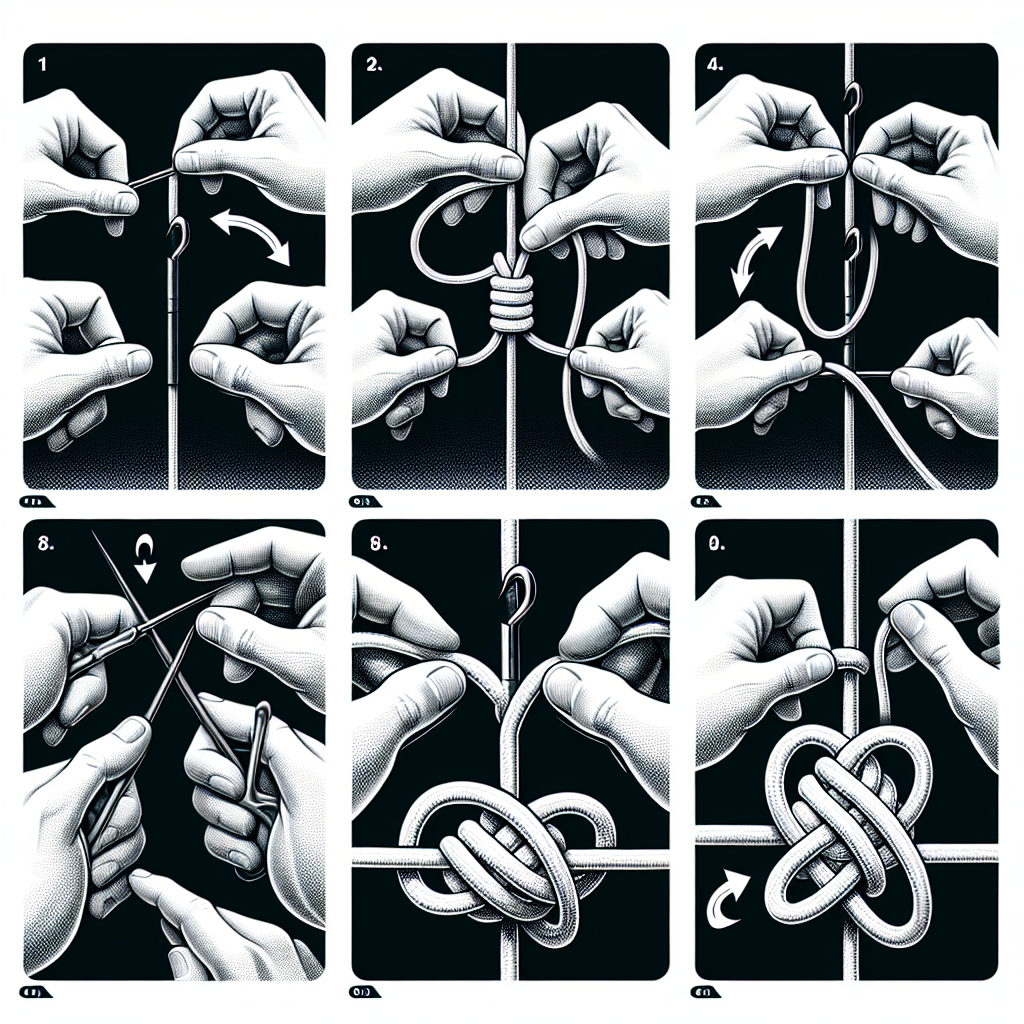
Fly fishing is a time-honored tradition that connects anglers to the great outdoors. Whether you’re a newbie or a seasoned expert, mastering knot tying is crucial. One of the most reliable knots you can add to your repertoire is the Triple Surgeon’s Knot. This knot is celebrated for its simplicity and remarkable strength, making it indispensable when connecting two lines of similar or different diameters.
The Triple Surgeon’s Knot, as its name suggests, involves three passes of the lines through a loop, providing extra securing power compared to the standard Surgeon’s Knot. While it might seem intimidating at first, this knot is surprisingly easy to tie, even for beginners. Once mastered, you’ll find it a go-to for ensuring your lines stay firmly linked, giving you peace of mind so you can focus on the thrill of the catch.
In this comprehensive guide, we’ll walk you through the steps of tying the Triple Surgeon’s Knot, explain its applications, and share some tips and tricks to ensure you get it perfect every time. Let’s dive in and start mastering this crucial fly-fishing knot.
Understanding the Triple Surgeon’s Knot
The Triple Surgeon’s Knot is an extension of the Double Surgeon’s Knot, designed to offer even more security and strength. This knot is particularly effective when you need to join two fishing lines of different diameters or materials. The knot’s design ensures it retains a high percentage of the line’s original strength, making it reliable in demanding fishing situations.
This knot excels in strength due to the three wraps, which distribute the tension and reduce the likelihood of slippage. Unlike some more complex knots, the Triple Surgeon’s Knot doesn’t require extensive practice to learn, although precision and attention to the steps are crucial. It’s often used for tying together tippet and leader lines, and in various fly fishing rigs that necessitate strong, reliable knots.
The knot is versatile and can be tied quickly, making it an excellent choice when you need to re-rig on the go. However, like with all knots, practice makes perfect. Spending time to perfect this knot in a controlled environment will pay off when you’re out on the water and need to tie it swiftly and accurately.
Materials You Will Need
Before you begin tying the Triple Surgeon’s Knot, ensure you have the following materials:
- Fishing Lines: You’ll need two lines to tie together. These can be of similar or different diameters.
- Sharp Scissors or Line Clippers: To trim any excess line after tying the knot.
- A Practice Setup: If you’re a beginner, it might help to practice tying the knot using thicker ropes or cords before moving onto your actual fishing line.
With these materials in hand, you’re ready to start tying the Triple Surgeon’s Knot. Make sure you’re in a comfortable space with good lighting, as working with fishing lines can be delicate and requires clear visibility.
Step-by-Step Guide to Tying the Triple Surgeon’s Knot
Let’s go through the steps of tying the Triple Surgeon’s Knot:
- Line Overlap: Begin by overlapping the ends of the two lines you wish to join. Ensure you have an overlap of about 6 to 8 inches.
- Form a Loop: Take both lines and form a loop by holding the overlapping section and folding it back on itself.
- Start the Knot: Pass the two free ends through the loop. Pull them through completely so you have made the first pass.
- Second Pass: Pass the free ends through the loop again, making the second pass.
- Third Pass: Repeat the process one more time, passing the ends through the loop for the third and final pass.
- Tighten the Knot: Wet the lines with a bit of saliva or water to reduce friction and pull the knot tight slowly and evenly. Ensure that all three passes are seated neatly to form a compact knot.
- Trim Excess Line: Use your scissors or line clippers to trim any excess ends of the line, leaving a small tag to prevent slippage.
And there you have it! With these steps, you have successfully tied a Triple Surgeon’s Knot. If the knot doesn’t look right or feels loose, don’t hesitate to undo it and start again. Practicing this knot will develop your skill and speed.
Tips and Tricks for Perfect Knot Tying
Here are some additional tips to help you perfect the Triple Surgeon’s Knot:
- Keep Lines Wet: Always wet the lines before tightening any fishing knot. This reduces friction and helps the knot seat uniformly.
- Practice Makes Perfect: Spend some time practicing with thicker cord or rope to get the muscle memory before using actual fishing line.
- Trim Carefully: When trimming the excess line, ensure there’s a small tag end left to prevent the knot from slipping, but avoid leaving too much and affecting the knot’s neatness.
- Consistent Tension: Apply uniform tension while tightening the knot. This prevents uneven loops and ensures a strong, secure knot.
- Check Your Work: After tying, inspect the knot for signs of weakness or incorrect loops. Better to re-tie than risk a failed knot while fishing.
Following these tips will not only help you tie the Triple Surgeon’s Knot more effectively but also improve your overall knot-tying skills in fly fishing.
When to Use the Triple Surgeon’s Knot
Knowing when to use the Triple Surgeon’s Knot is just as important as knowing how to tie it. This knot is exceptionally useful in the following scenarios:
- Connecting Tippets to Leaders: The Triple Surgeon’s Knot is perfect for joining tippets to leaders, especially when dealing with lines of different diameters.
- Fly Fishing Rigs: Useful in various fly fishing rigs that require a strong, reliable connection.
- Heavy-Load Situations: When you need a knot that can handle heavy loads or larger fish species, the Triple Surgeon’s Knot provides extra security.
- Quick Rigs: Ideal for situations where you need to tie a knot quickly and without much hassle.
Always consider the strength and security requirements of your specific fishing situation and choose the Triple Surgeon’s Knot for tasks that demand reliability and durability.
Common Mistakes and How to Avoid Them
Even seasoned anglers can make mistakes when tying knots. Here are some common mistakes with the Triple Surgeon’s Knot and how to avoid them:
- Uneven Tension: This can lead to an unreliable knot. Ensure you apply even tension when tying and tightening the knot.
- Improper Wetting: Failing to wet the line can cause friction, weakening the knot. Always wet your line before tightening any knot.
- Skipping Passes: Make sure to complete all three passes through the loop. Missing a pass will turn your knot into a Double Surgeon’s Knot, which, while strong, doesn’t offer the same level of security as the triple version.
- Trimming Too Close: Cutting the tag ends too short can lead to slippage. Leave a small tag to ensure the knot’s stability without compromising neatness.
- Inadequate Practice: Trying the knot for the first time on the water can be frustrating. Practice tying the Triple Surgeon’s Knot in a controlled environment until you’re confident.
By being mindful of these common mistakes, you can tie the Triple Surgeon’s Knot correctly and enjoy a more successful fishing experience.
Conclusion
Mastery of the Triple Surgeon’s Knot is essential for any serious fly fisher. This knot’s combination of simplicity and strength makes it an indispensable tool in your fly fishing arsenal. By following this guide, you’ll be able to tie the Triple Surgeon’s Knot with confidence and precision, ensuring that your fishing lines remain securely joined, even in challenging conditions.
Remember, the key to any successful knot tying is practice. Don’t be afraid to spend time perfecting the Triple Surgeon’s Knot in a relaxed setting before taking it out onto the water. The effort you put into learning will pay off with greater reliability and fewer lost catches.
Now that you have a comprehensive understanding of the Triple Surgeon’s Knot, it’s time to put your skills to the test. Grab your fishing lines and start practicing. With dedication and practice, you’ll soon be tying this knot effortlessly, making your fly-fishing adventures even more enjoyable and successful.