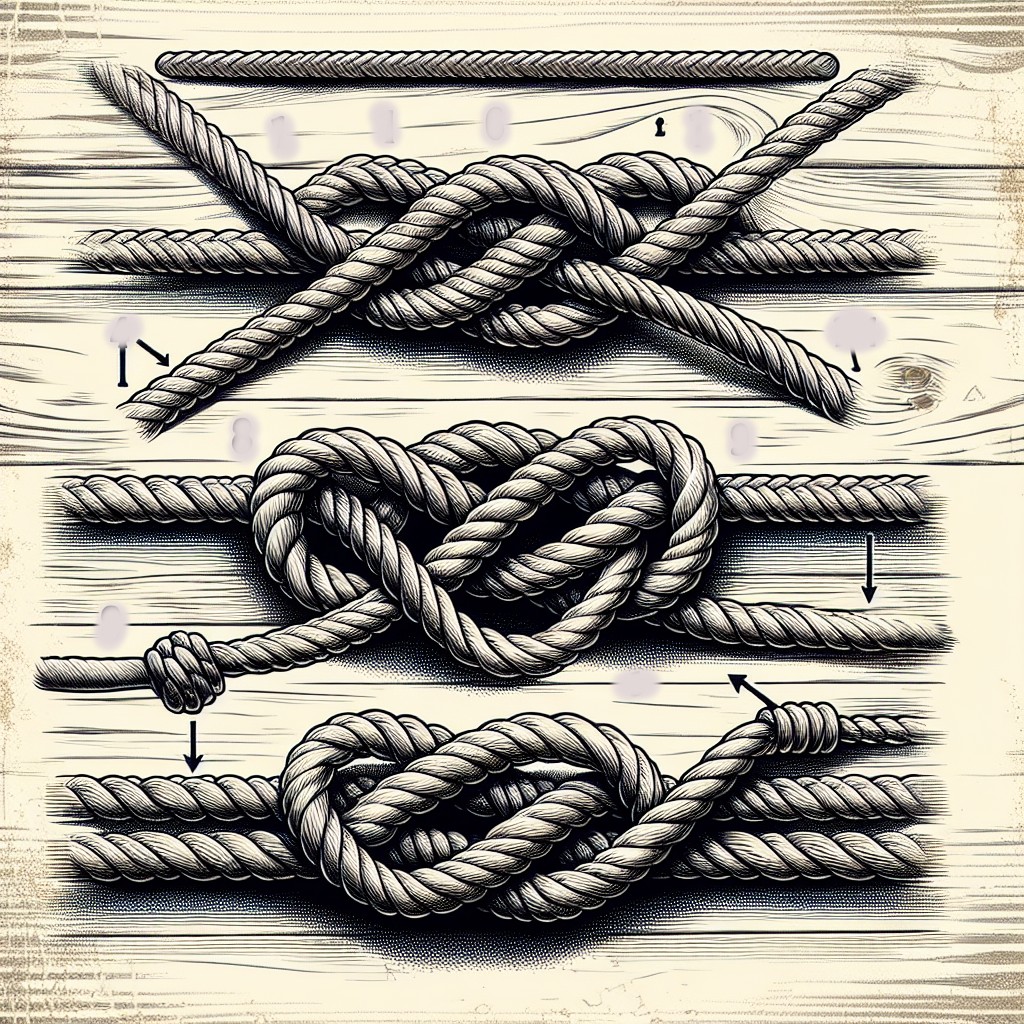
Fly fishing is an exhilarating outdoor pursuit that combines skill, patience, and a deep appreciation for nature. One of the foundational skills in fly fishing is knot tying, a critical component ensuring that your setup remains intact and performs well under various conditions. Among the plethora of knots available to anglers, the figure eight knot stands out due to its simplicity, strength, and versatility. Whether you’re a beginner just getting started or an experienced fisher looking to refine your techniques, mastering the figure eight knot is a valuable skill to add to your repertoire.
Introduction
The figure eight knot, also known as the Flemish knot, is a highly reliable knot used not only in fly fishing but also in climbing, sailing, and a range of other activities that require a strong and secure hold. The knot gets its name from its distinctive shape, which resembles the number eight. Its popularity stems from its ease of tying, superior strength, and resistance to slipping. While there are many knots you can use in fly fishing, the figure eight knot offers a superb blend of simplicity and robustness, making it a perfect choice for securing hooks, flies, and leader lines.
One of the most significant advantages of the figure eight knot is its ability to maintain strength even under load. Unlike some knots that weaken the line, the figure eight knot retains a high percentage of the line’s original strength, making it ideal for scenarios where you might be battling larger fish. Additionally, this knot is easy to inspect for accuracy, reducing the chances of a poorly tied knot failing at a critical moment.
In this comprehensive guide, we will delve into the basics of tying the figure eight knot, its applications in fly fishing, and why it should be a staple in your knot-tying arsenal. We will cover step-by-step instructions, tips for ensuring maximum strength, and common mistakes to avoid. By the end of this article, you will not only understand the importance of the figure eight knot but also be able to tie it with confidence and skill.
Step-by-Step Instructions for Tying the Figure Eight Knot
Tying the figure eight knot is a straightforward process that can be broken down into simple steps. Follow these instructions and practice regularly to develop a quick and efficient technique:
- Form a Loop: Start by forming a loop near the end of your fishing line. The size of the loop will depend on your specific needs, but a small loop is often sufficient for most fly fishing applications.
- Twist the Loop: Twist the loop 180 degrees to create an overlapping section that resembles an “8”. Ensure the loop is tight, and the twists are even.
- Pass the End: Pass the tag end of the line (the free end) through the loop from behind. This step creates the characteristic figure eight shape.
- Tighten the Knot: Gradually pull on both the standing line and the tag end to tighten the knot. Make sure the twists remain in place as the knot tightens and the loop reduces in size.
- Trim the Tag End: Once the knot is tight and secure, trim the excess tag end, leaving a small tail to prevent slipping.
Practicing these steps regularly will help embed the process in your muscle memory, allowing you to tie the figure eight knot quickly and accurately, even in demanding conditions.

Applications in Fly Fishing
The figure eight knot is versatile and can be used in various aspects of fly fishing. Here are some common applications where this knot shines:
- Attaching Flies: The figure eight knot is excellent for attaching flies to tippet or leader lines. Its strength ensures that even strong fish won’t dislodge your fly easily.
- Creating Dropper Rigs: When you need to run multiple flies, the figure eight knot can form reliable dropper loops, allowing you to present several flies at different depths.
- Securing Leader to Line: Use the figure eight knot to attach your leader to the main line securely, ensuring a robust connection that can withstand powerful fish strikes.
- Terminal Tackle: The knot is also ideal for attaching various terminal tackle components, such as swivels and weights, giving you a reliable and easy-to-tie connection.
Its versatility and strength make the figure eight knot a dependable choice in numerous fly fishing scenarios, providing peace of mind that your tackle setup will hold up under pressure.
Maximizing Knot Strength
Even the strongest knot can fail if not tied correctly. To ensure that your figure eight knot retains its maximum strength, consider the following tips:
- Moistening the Line: Before tightening the knot, moisten the line with water or saliva. This reduces friction and heat, which can weaken the line during the tightening process.
- Ensuring Symmetry: Make sure the twists in the knot are even and symmetrical. Uneven twists can create weak points in the knot.
- Avoiding Over-Tightening: While it’s essential to tighten the knot securely, avoid over-tightening, which can damage the line. Apply steady, even pressure to avoid weakening the knot.
- Regularly Inspecting Knots: Frequently inspect your knots for signs of wear or damage. Retie any knots that appear frayed or weakened to maintain a strong, reliable connection.
By following these tips, you can ensure that your figure eight knot performs at its best, providing the strength and reliability you need when fly fishing.
Common Mistakes and How to Avoid Them
Even with its simplicity, there are common mistakes that can compromise the effectiveness of the figure eight knot. Here are some pitfalls to watch out for:
- Incorrect Loop Formation: Forming an uneven or too-large loop can result in a weak knot. Always ensure the loop is appropriately sized and symmetrical.
- Insufficient Tightening: Failing to tighten the knot properly can lead to slippage. Make sure to apply firm, even pressure when tightening.
- Trimming the Tag End Too Short: Trimming the tag end too close to the knot can cause it to unthread over time. Leave a small tail to ensure the knot remains secure.
- Ignoring Knot Condition: Regularly check the condition of your knots. Over time, knots can wear out, particularly if subjected to repeated stress. Retie knots as needed to maintain reliability.
Avoiding these common mistakes will help you tie more effective figure eight knots, ensuring your tackle remains strong and reliable.
Conclusion
Mastering the figure eight knot is an essential skill for every fly fishing enthusiast. Its simplicity, strength, and versatility make it a valuable addition to your knot-tying toolkit. By following the step-by-step instructions, understanding its applications, maximizing knot strength, and avoiding common mistakes, you can tie the figure eight knot with confidence and precision.
Whether you are attaching flies, creating dropper rigs, or securing your leader to the main line, the figure eight knot will provide a dependable and robust connection. Regular practice and attention to detail will ensure that you can quickly and efficiently tie this knot, even in challenging conditions.
As with any skill, consistency and practice are key. Spend time practicing the figure eight knot at home, away from the pressure of the water, so that when you are out on the river, you can tie it effortlessly and confidently. By doing so, you’ll be better prepared to handle whatever challenges come your way and enjoy a more successful and rewarding fly fishing experience.