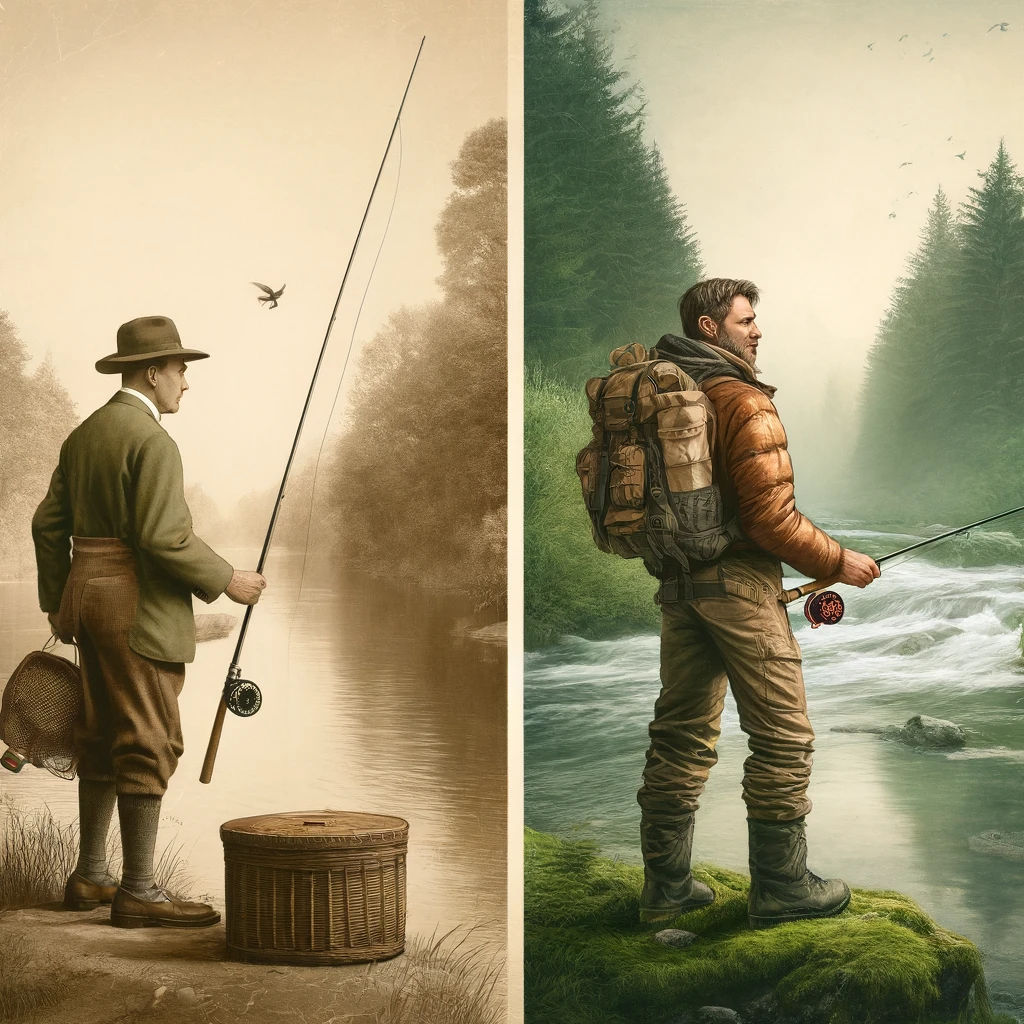
Freshwater fly fishing is a cherished pastime for many enthusiasts. The serenity of nature, the thrill of the catch, and the joy of mastering a skill make this hobby incredibly rewarding. However, with these pleasures comes a significant responsibility: the need to conserve and protect our freshwater resources and the species that inhabit them. Conservation is not just a term; it’s a commitment to ensuring the longevity and health of our ecosystems. This article will provide comprehensive tips on how to practice sustainable fly fishing. From catch and release techniques to habitat preservation, we aim to guide you in becoming a more conscientious angler. Read on to discover how you can make a positive impact on the environment while enjoying your time on the water.
Understanding Catch and Release
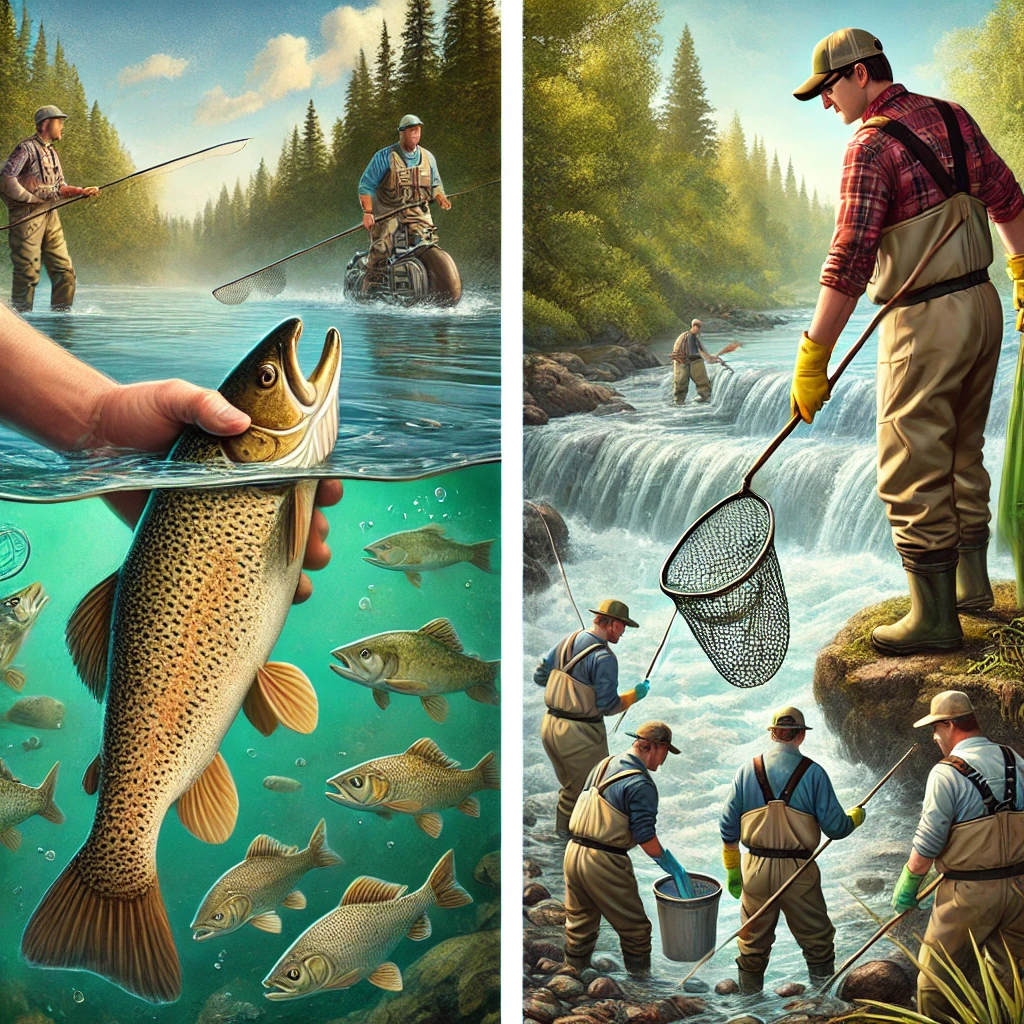
Catch and release is a cornerstone of fish conservation. It allows anglers to enjoy their sport while minimizing the impact on fish populations. To practice effective catch and release, it’s crucial to handle fish carefully to ensure their survival post-release. Here are some essential tips:
- Use Barbless Hooks: Barbless hooks are easier to remove and cause less damage to the fish.
- Minimize Handling: Wet your hands before touching the fish to avoid removing its protective slime layer.
- Keep the Fish in Water: Whenever possible, keep the fish in the water while removing the hook to reduce stress.
- Avoid Playing the Fish to Exhaustion: Try to land the fish quickly to minimize exhaustion, which can be fatal.
- Revive the Fish: If the fish appears lethargic, hold it in the water facing upstream until it revives and swims away.
Using Sustainable Gear
Sustainable fishing gear can significantly reduce your environmental footprint. Here are some tips on choosing and maintaining your fly fishing equipment:
- Biodegradable Fishing Line: Traditional fishing lines can take hundreds of years to decompose. Biodegradable options are much more environmentally friendly.
- Lead-Free Weights: Lead is toxic to wildlife. Use non-toxic alternatives like tin or tungsten.
- Reusable Fly Tying Materials: Opt for natural or recycled materials when tying your flies. Avoid synthetic options that can pollute waterways.
- Eco-Friendly Waders and Boots: Invest in waders and boots designed to minimize aquatic nuisance species (ANS) transfer, such as breathable materials that dry quickly.
Respecting Seasonal Regulations
Fishing regulations are often established to protect fish during critical periods such as spawning seasons. Respecting these regulations is essential for conservation:
- Know the Seasons: Be aware of the open and closed seasons for different species in your fishing area.
- Comply with Catch Limits: Adhere to daily and possession limits to prevent overfishing.
- Respect No-Fish Zones: Some areas are protected to allow fish populations to recover. Avoid fishing in these designated zones.
- Report Violations: If you see illegal fishing activities, report them to local authorities to help protect the fishery.

Maintaining Clean Fishing Practices
One of the simplest yet most impactful ways to conserve our waterways is by maintaining clean fishing practices. Here’s how you can contribute:
- Pack Out What You Pack In: Always take your trash with you. This includes fishing line, bait containers, and other debris.
- Participate in Clean-Up Events: Join or organize local waterway clean-up events to help keep your fishing spots pristine.
- Avoid Using Live Bait: Live bait can introduce invasive species and diseases into the water. Use artificial lures instead.
- Wash Your Gear: Clean your fishing gear to prevent the spread of aquatic invasive species from one water body to another.
Protecting Fish Habitats
Healthy habitats are critical for sustaining fish populations. Protecting these areas ensures that fish have safe places to live, breed, and grow:
- Support Conservation Organizations: Many organizations work to protect and restore fish habitats. Consider donating or volunteering with them.
- Avoid Disturbing Vegetation: Vegetation along water bodies helps to maintain water quality and provides habitat for fish. Be mindful not to trample or remove it.
- Promote Responsible Land Use: Advocate for practices that reduce runoff and pollution, such as maintaining buffer zones of native plants along water bodies.
- Respect Wildlife: Avoid disturbing wildlife and their habitats. Keep your distance and observe from afar.
Educational Outreach and Advocacy
Finally, education and advocacy are powerful tools for conservation. Share your knowledge and passion for sustainable fly fishing with others:
- Teach New Anglers: Mentor new fishermen and women in sustainable practices and the importance of conservation.
- Promote Catch and Release: Advocate for catch and release practices within your fishing community.
- Endorse Eco-Friendly Products: Encourage the use of sustainable fishing gear and support businesses that prioritize environmental responsibility.
- Get Involved in Policy: Stay informed about local and national fishing regulations and policies. Participate in public meetings and voice your support for conservation measures.
Conclusion
Conservation in freshwater fly fishing is an essential practice that ensures we can enjoy fishing for generations to come. By implementing sustainable catch and release methods, using eco-friendly gear, respecting seasonal regulations, maintaining clean fishing practices, protecting habitats, and participating in educational outreach and advocacy, we can all contribute to healthier waterways and fish populations. Each small action, when combined, makes a significant difference. As stewards of nature, let us carry forward the tradition of fly fishing with respect for the environment and a commitment to conservation. Together, we can preserve the beauty and bounty of our freshwater resources.