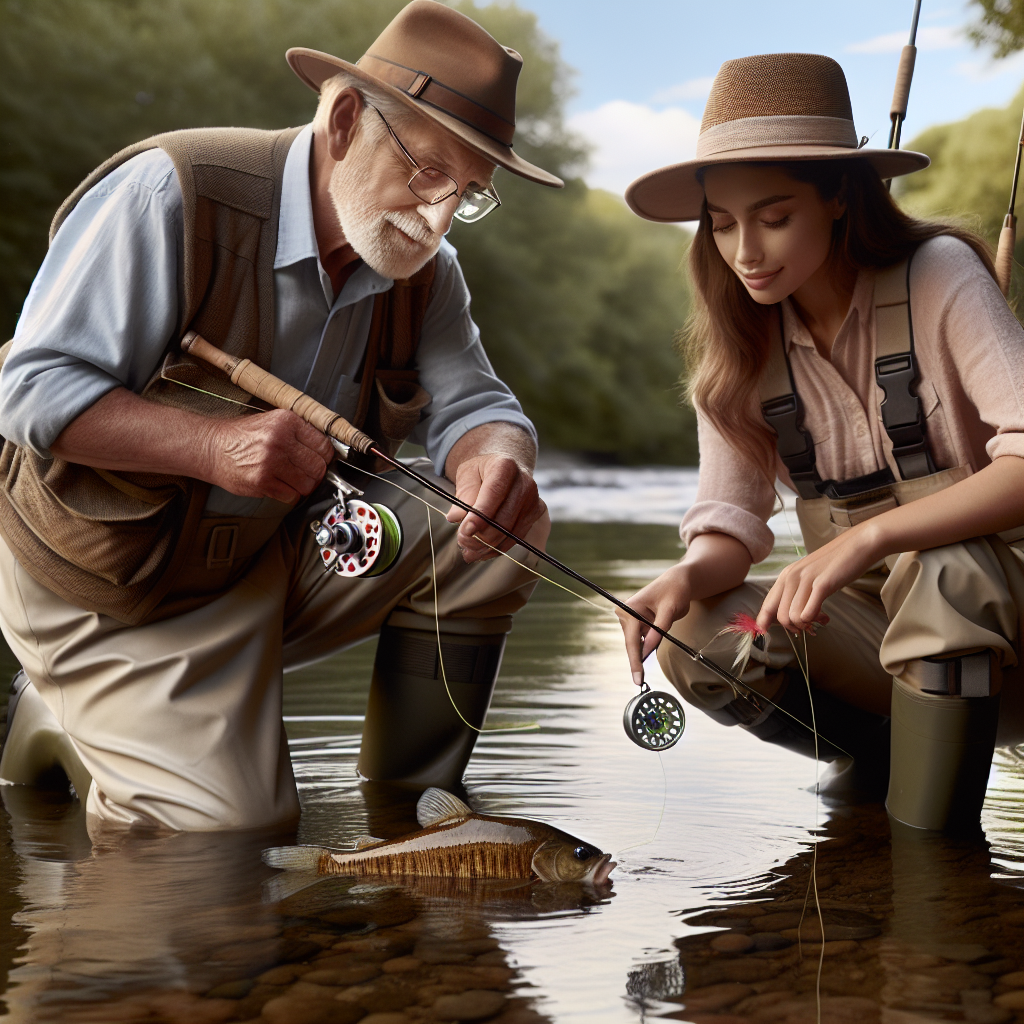
Fly fishing, an art steeped in tradition and grace, offers an exhilarating way to catch the dynamic and spirited smallmouth bass. Known for their fighting spirit and aggressive strikes, smallmouth bass can provide a thrilling angling experience for both seasoned fishermen and newcomers alike. Unlike their largemouth cousins, smallmouth bass prefer cooler, clearer waters and can often be found in rivers, streams, and lakes across North America. The allure of smallmouth bass fishing lies in their unpredictable nature and the various techniques that can be employed to catch them. Understanding the basics, from selecting the right equipment to understanding the fish’s habitat and behaviors, can significantly enhance your fishing adventures. Dive into this comprehensive guide to uncover essential tips and techniques that will help you hook more smallmouth bass on your next fly fishing trip.
Choosing the Right Gear
Your success in fly fishing for smallmouth bass begins with choosing the appropriate gear. The right rod, reel, line, and flies can make a substantial difference. Here’s a rundown of what you’ll need: Rod: A 6-8 weight fly rod is ideal for smallmouth bass. These rods offer the perfect balance of power and delicacy needed to cast larger flies and handle the strong fight of a smallmouth. Reel: Invest in a quality reel with a reliable drag system. Smallmouth bass are known for their hard runs, and a good drag system will help you manage the fight without breaking your line. Line: A weight-forward floating line is excellent for casting larger flies and achieving longer distances. Keep a sinking tip line handy for deep-water fishing or when bass are dwelling near the bottom. Flies: Smallmouth bass are opportunistic feeders and will strike at a variety of flies. Streamers, poppers, and crayfish imitations are popular choices. Don’t forget to carry a selection of different sizes and colors to match various conditions and preferences.
Understanding Smallmouth Bass Behavior
To catch more smallmouth bass, you need to understand their behavior and habitat. Smallmouth bass are structure-oriented fish, often found near rocky outcroppings, submerged logs, and weed beds. They prefer clear, cool waters and are most active during the early morning and late afternoon. Seasonal Patterns: Smallmouth bass behavior changes with the seasons. In spring, they move to shallow waters to spawn. During summer, they seek deeper, cooler waters, while in the fall, they move back to shallows to feed heavily before winter. Understanding these patterns helps in locating them effectively. Feeding Habits: Smallmouth bass are voracious feeders. Their diet includes crayfish, insects, and smaller fish. Match your fly selection to their preferred forage to increase your chances of a strike. Pay attention to the water temperature, season, and time of day as these factors influence their feeding habits. Reading the Water: Observing the water and identifying potential bass-holding structures can give you an edge. Look for areas with current breaks, drop-offs, and undercut banks. Smallmouth bass use these structures to ambush prey.

Techniques for Casting and Presentation
Casting and presenting your fly effectively are crucial skills in fly fishing for smallmouth bass. Mastering these techniques can make all the difference in attracting a bite. Accurate Casting: Smallmouth bass are often found in tight spots near structures. Accurate casting is essential to place your fly in the right spot without spooking the fish. Practice short, precise casts and work on your accuracy over distance. Presentation: The way you present your fly can significantly influence your success. Smallmouth bass are more likely to strike a fly that looks natural. Use a slow, steady retrieve for streamers and a pop-and-wait technique for poppers. Vary your retrieval speed and pattern until you find what works best. Striking and Setting the Hook: When a smallmouth bass strikes, it’s crucial to set the hook properly. Avoid jerking the rod upwards. Instead, strip set by pulling the line tight with your non-rod hand while lifting the rod tip slightly. This ensures the hook penetrates. Drifting and Swinging: In rivers and streams, allow your fly to drift naturally with the current to mimic the movement of prey. Swinging a streamer across the current can also provoke aggressive strikes from smallmouth bass.
Essential Knots and Rigging
Knowing the right knots and rigging techniques is vital for successful fly fishing. Properly tied knots ensure your gear performs optimally and can withstand the powerful runs of a hooked smallmouth bass. Surgeon’s Knot: This knot is ideal for attaching tippets to leaders. It’s strong and easy to tie, providing a smooth connection that can pass through guides without snagging. Improved Clinch Knot: Used for securing the fly to the tippet, the improved clinch knot is reliable and straightforward to tie, ensuring your fly stays attached despite aggressive strikes. Loop Knot: Creating a loop in your leader or tippet allows for a more natural fly movement. The non-slip mono loop knot is preferred for attaching larger flies, granting them free, lifelike motion. Rigging Techniques: Use a tapered leader that matches your line weight and water conditions. For deeper presentations, add split shot or use sinking tip lines. When fishing in clear water, opt for fluorocarbon tippets for their low visibility and abrasion resistance.
Best Times and Conditions for Fly Fishing Smallmouth Bass
Timing and understanding the right conditions can greatly impact your chances of landing smallmouth bass. While they can be caught year-round, specific times and conditions are more productive. Best Seasons: Spring and fall are prime seasons for smallmouth bass. In spring, pre-spawn and spawning activities make them more aggressive and accessible in shallow waters. Fall brings a feeding frenzy as bass prepare for the winter, making them more likely to strike at your fly. Time of Day: Early morning and late afternoon are the best times to fish for smallmouth bass. During these hours, low light conditions make bass more active and willing to feed near the surface. Weather Conditions: Overcast days can be ideal as bass feel more secure under dim conditions. Avoid fishing during bright, sunny mid-days when bass tend to retreat to deeper, shaded areas. Light rain can stimulate feeding activity and make bass less wary. Water Temperature: Smallmouth bass are most active in water temperatures between 60°F and 75°F. During summer, seek out deeper, cooler waters. In winter, focus on slower presentations near deep structures where bass are likely to be holding.
Conservation and Ethical Fishing Practices
As fly fishing enthusiasts, it’s our responsibility to practice ethical fishing and contribute to the conservation of smallmouth bass and their habitats. Sustainable fishing ensures that future generations can enjoy this rewarding pursuit. Catch and Release: Practice catch and release to help maintain healthy fish populations. Use barbless hooks and handle fish with care, minimizing the time they are out of the water. Revive exhausted fish by holding them in the current before release. Respecting Habitats: Tread lightly to avoid disturbing spawning beds and sensitive riverbanks. Avoid fishing in areas marked as conservation zones or spawning grounds during critical periods. Minimizing Impact: Clean your gear between trips to prevent the spread of invasive species and diseases. Use biodegradable products and dispose of waste properly.
Conclusion
Fly fishing for smallmouth bass offers both a challenging and rewarding experience. By understanding their behavior, selecting the right gear, and mastering essential techniques, you can increase your chances of a successful catch. Embrace the thrill of the fight and the joy of being in nature, all while practicing ethical fishing and conservation efforts to ensure this cherished sport endures for years to come. Whether you are a seasoned angler or a newcomer, the thrill of catching smallmouth bass on a fly is an adventure you don’t want to miss. So, pack your gear, head to your favorite fishing spot, and put these tips and techniques into practice. Happy fishing!