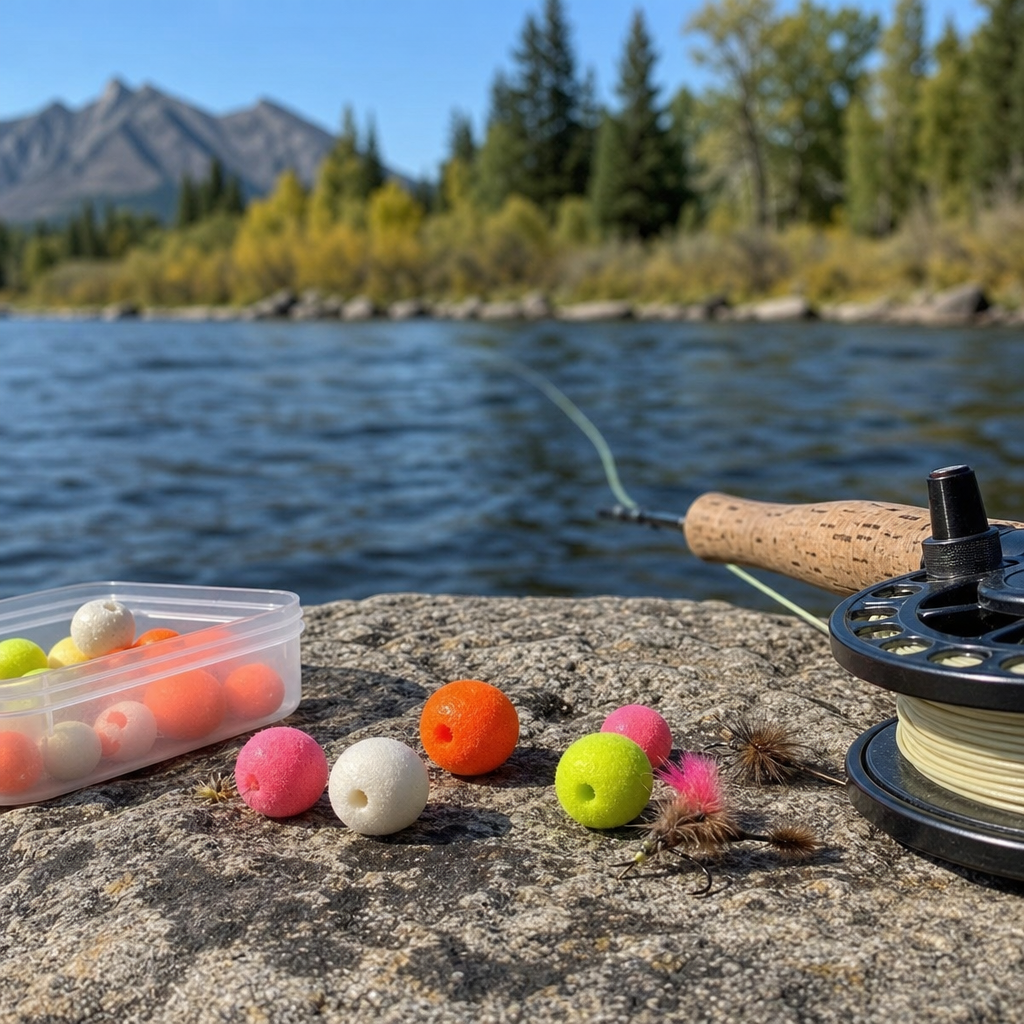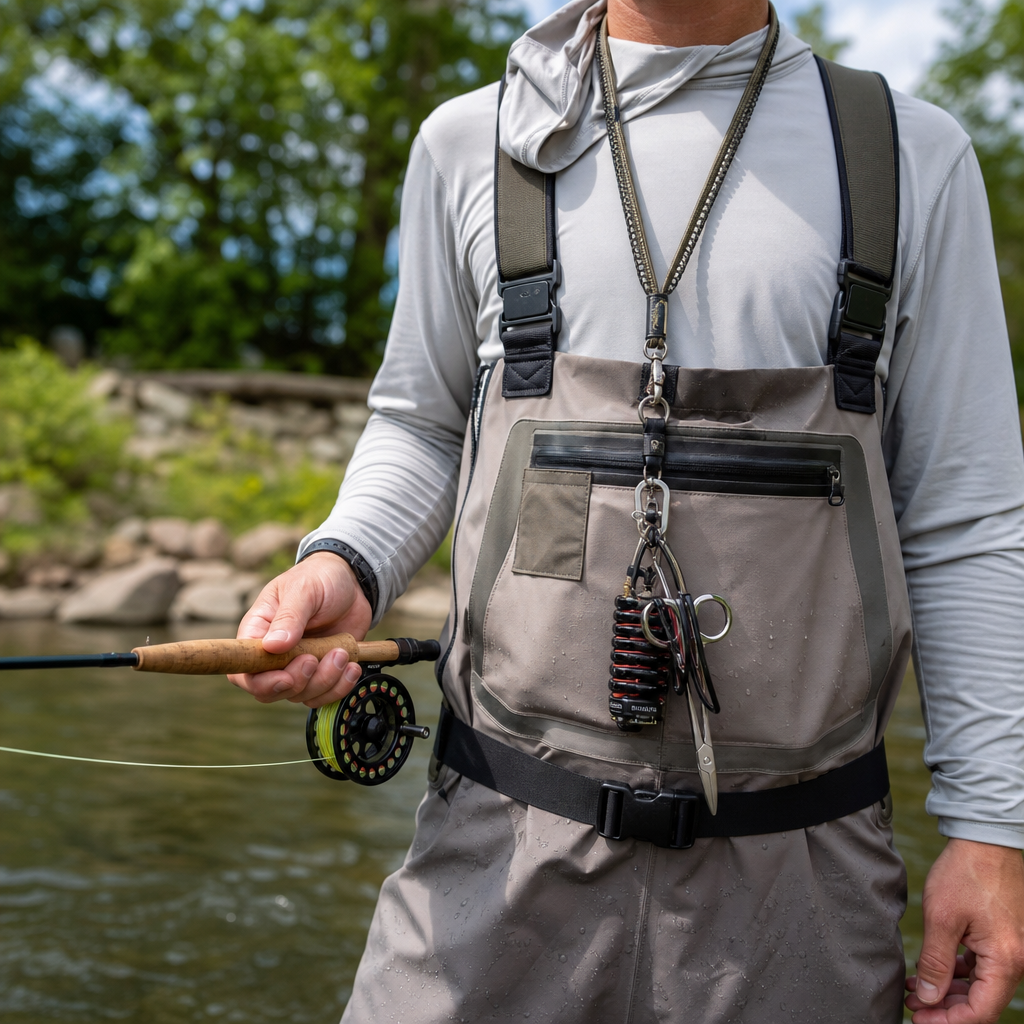
Choosing the right fly fishing books for beginners can shorten the learning curve, prevent expensive mistakes, and make the sport far more enjoyable from the first cast. Fly fishing has its own vocabulary, techniques, etiquette, and gear systems, so new anglers often feel overwhelmed by terms like mending, drift, hatch matching, tippet diameter, and presentation. A good beginner book acts like a patient guide on the riverbank: it explains what matters first, filters out distractions, and gives a new angler a practical sequence for learning. I have seen beginners progress fastest when they pair hands-on practice with books that teach foundational mechanics, fish behavior, knot systems, and water reading in clear language rather than romantic abstraction.
This hub page covers the best fly fishing books for beginners and explains how to choose among them based on learning style, budget, and target species. It also serves as a central guide to book and media reviews within a broader set of product reviews and recommendations, so the emphasis here is not only on identifying strong titles but on understanding what each one teaches well. Some books are ideal for total novices who need a complete overview. Others are better for visual learners, trout-focused anglers, or readers who want practical streamcraft over literary storytelling. The key point is simple: the best beginner fly fishing book is the one that teaches skills you can apply immediately on the water.
For most newcomers, the essential topics are casting basics, rigging, knot tying, insect life, fly selection, reading current seams, and fighting fish responsibly. Those subjects appear repeatedly in the strongest introductory titles because they reflect the real order of problems beginners face. You cannot fish effectively if you cannot build a leader, identify productive water, or achieve a drag-free drift. You also need guidance on conservation, regulations, and fish handling, because poor technique can harm fish even when intentions are good. The books below stand out because they combine practical instruction with durable reference value, helping readers return to them after each trip and improve session by session.
What makes a fly fishing book beginner-friendly
A beginner-friendly fly fishing book does three things well: it organizes information in a sensible order, uses illustrations or photos that clarify technique, and translates river complexity into repeatable decisions. In my experience, books fail beginners when they assume too much prior knowledge or focus heavily on personal narrative without explaining mechanics. Strong introductory books define tackle components clearly, explain why a 5-weight rod is often recommended, show how leader and tippet systems work, and describe when to use dry flies, nymphs, or streamers. They also teach anglers how to observe before casting, which is one of the most valuable habits in the sport.
Look for books that include line diagrams, knot steps, and water-reading examples. A new angler benefits from visual evidence of concepts like dead drift, reach cast, mend placement, and current lanes. The best books also acknowledge tradeoffs. For example, simplified fly selection is useful early, but oversimplifying entomology can become limiting once anglers encounter selective fish. Similarly, a casting chapter should teach loop control and timing, not just “flick the rod.” The goal of a beginner book is not to make the reader an expert overnight. It is to build correct habits, confidence, and a framework that makes future learning easier.
Top fly fishing books for beginners worth buying first
If you want a short list of reliable starting points, several titles consistently perform well for beginners. “The Orvis Fly-Fishing Guide” by Tom Rosenbauer is the most complete all-around recommendation. It explains gear, casting, knots, flies, reading water, and fish fighting in practical language, and it reflects decades of teaching through Orvis schools and media. “Fly Fishing for Dummies” by Peter Kaminsky is another useful entry because it breaks down terminology and process without assuming background knowledge. Despite the branding, it is often clearer than more prestigious titles and works especially well for readers who want direct answers quickly.
“Curtis Creek Manifesto” by Sheridan Anderson remains one of the most approachable beginner classics because the hand-drawn illustrations make abstract concepts memorable. It is funny, compact, and surprisingly effective at teaching streamcraft and common mistakes. For visual learners, “The Bug Book” by Paul Weamer can be an excellent second purchase after a general guide because it introduces aquatic insects in a way that helps new anglers connect hatches to fly selection. For readers focused on trout tactics, books by Dave Hughes often provide a strong bridge from beginner basics to competent river fishing. Hughes writes with technical precision but keeps his advice practical and fish-centered rather than gear-obsessed.
| Book | Best For | Main Strength | Possible Limitation |
|---|---|---|---|
| The Orvis Fly-Fishing Guide | Total beginners wanting one complete reference | Balanced coverage of gear, technique, and on-water problem solving | Less specialized for a single species or region |
| Fly Fishing for Dummies | Readers who want plain-English explanations | Accessible structure and direct terminology breakdowns | Less depth on advanced tactics |
| Curtis Creek Manifesto | Visual learners and younger anglers | Memorable illustrations and practical stream advice | Not as comprehensive on modern gear systems |
| The Bug Book | Beginners confused by insects and hatches | Clear entomology tied to usable fly choices | Works best as a companion, not a standalone first book |
| Dave Hughes trout titles | New trout anglers ready for more tactical depth | Strong instruction on presentation and trout behavior | Can feel slightly advanced as a first-ever purchase |
If I were advising a true beginner buying only one book, I would start with Rosenbauer. If that angler learns best through sketches and humor, I would add “Curtis Creek Manifesto.” If the person is already fishing but struggling to understand what insects matter, I would point to Weamer next. That sequence mirrors how many beginners actually improve: broad orientation first, then visual reinforcement, then selective depth where confusion remains.
How beginner books teach the core skills that matter on the water
The best beginner fly fishing books focus on a narrow set of high-value skills because those skills determine success more than owning premium gear. First is casting. A good book should explain that power in a fly cast comes from timing, abrupt stops, and line control, not from arm strength. Beginners often rush the back cast or use too much wrist, causing tailing loops and tangles. Clear books show how to practice with short amounts of line, watch the back cast, and gradually increase distance only after loops become controlled. That advice saves months of frustration.
Second is rigging. Many new anglers lose confidence because they cannot assemble a leader, tie tippet, or choose a simple effective setup. Strong books explain the practical use of nail knots, improved clinch knots, blood knots, loop connections, and tippet rings. They also explain rod and line matching, such as why a medium-action 9-foot 5-weight rod with weight-forward floating line is the standard beginner trout setup. This is not arbitrary tradition. It is a forgiving system that handles dry flies, nymphs, and small streamers on many rivers.
Third is presentation and reading water. Fish do not reward beautiful false casting if the fly drags unnaturally. Useful books teach beginners to identify seams, riffles, runs, pools, foam lines, undercut banks, and current breaks behind rocks. They explain where trout conserve energy while waiting for food, why upstream approaches reduce spooking, and how a simple mend can preserve a natural drift. Books that handle this well produce faster real-world improvement than books that dwell on tackle catalogs or nostalgic essays.
Fourth is observation. Good authors teach anglers to ask practical questions before tying on a fly: What insects are present? Are fish rising, and if so, how? Is the water clear, cold, and fast, or low and slow? Are fish feeding near the bottom? These questions lead to better decisions than random fly changes. Beginners who learn structured observation from books become adaptable anglers, which matters far more than memorizing dozens of fly names.
Choosing books by learning style, target fish, and media format
Not every beginner learns the same way, which is why a book hub should cover formats as well as titles. Some anglers absorb information through step-by-step text, while others need diagrams, photographs, or video support. If you are analytical, a detailed reference book with chapters on tackle systems and insect categories may suit you well. If you are overwhelmed by jargon, a simpler guide with shorter sections and summary callouts will be more useful. In practice, many beginners benefit from combining one primary book with supporting media such as knot apps, casting videos, and regional hatch charts.
Target species also matters. A trout beginner in Montana, Pennsylvania, or Colorado needs broad river instruction, hatch awareness, and nymphing fundamentals. A warmwater beginner pursuing bass and panfish may need less entomology and more guidance on poppers, baitfish patterns, and structure like weed edges, timber, and drop-offs. Saltwater beginners face another set of priorities: wind management, stripping baskets, durable knots, and species-specific retrieves. A general beginner book is still valuable, but specialized follow-up books become worthwhile once the angler commits to a species and environment.
Media format shapes retention. Print books are best for deliberate study and easy annotation. E-books help with portability, especially when checking knots or insect references on a phone. Audiobooks work for stories and philosophy but are usually poor for technical instruction unless paired with a physical edition. Video courses can accelerate casting understanding because timing is easier to see than imagine, but videos rarely replace a solid book for rigging systems and river reading. The best learning stack for most beginners is one foundational print book, one visual companion, and one trusted video source from an established instructor or brand.
How to evaluate fly fishing book reviews and avoid poor recommendations
Because this page sits within book and media reviews, it is important to explain how to judge recommendations critically. First, separate literary reputation from instructional value. Some famous fly fishing books are wonderful literature but weak beginner manuals. They may inspire interest in rivers and landscapes without teaching how to build a leader or fish a hatch. That does not make them bad books; it simply means they serve a different purpose. When a review says a title is a classic, ask whether it is a classic for storytelling, tactics, conservation writing, or practical instruction.
Second, check publication date and edition. Fly fishing fundamentals change slowly, but gear systems, line design, strike indicators, euro-nymphing methods, and fish handling standards do evolve. A classic beginner book can still be valuable if the core methods remain sound, yet newer editions often improve photography, terminology, and conservation guidance. Third, consider regional bias. A superb spring-creek trout book may not help a smallmouth angler on Midwestern rivers or a beginner learning on stillwater lakes. Good reviews make scope explicit.
Fourth, value reviewers who discuss limitations. No single beginner book covers every climate, species, and tactic equally well. Trustworthy recommendations explain where a title excels and where another book should supplement it. That is how I evaluate gear and media in practice: not by asking whether a product is universally best, but by asking who will benefit most and under what conditions. Beginners should use the same filter. The right recommendation is situational, specific, and honest about tradeoffs.
Building a beginner fly fishing library that supports long-term progress
A smart beginner library does not need to be large, but it should be intentional. Start with one broad introduction, add one streamcraft or insect-focused title, and then choose a regional or species-specific book once your fishing patterns become clear. This sequence prevents information overload while giving you enough depth to solve common problems. For example, an angler starting with “The Orvis Fly-Fishing Guide” might later add “Curtis Creek Manifesto” for reinforcement and then a local hatch guide for their home waters. A bass-focused beginner might pair a general fly fishing primer with a warmwater tactics book and a casting-focused visual resource.
It also helps to revisit books seasonally. Early in the year, review knots, rigging, and casting drills. During spring and summer, spend more time on insects, water types, and presentation. In fall, review streamer tactics, fish behavior changes, and gear maintenance. Mark pages, keep notes from real trips, and compare what the book suggests with what happened on the water. That feedback loop turns books into working tools rather than shelf decorations.
The main benefit of choosing the right fly fishing books for beginners is efficiency. Good books help you spend less time confused and more time practicing the skills that actually catch fish. Start with a comprehensive guide, add depth where your questions persist, and use this hub as your base for future book and media reviews. If you are building your fly fishing kit and learning plan, pick one recommended title today, read it with a notebook, and take its first three lessons to the water on your next trip.
Frequently Asked Questions
What should beginners look for in a fly fishing book?
Beginners should look for a fly fishing book that teaches fundamentals in a clear, practical order instead of assuming prior knowledge. The best beginner titles explain basic gear first, including rods, reels, fly lines, leaders, tippet, waders, and common flies, then move into casting, knot tying, reading water, presentation, and fish-fighting techniques. A strong introductory book should also define fly fishing vocabulary in plain language, because many newcomers get lost not from the actual techniques, but from unfamiliar terms such as mending, drag, dead drift, hatch, and retrieve. When a book explains both the “what” and the “why,” it becomes much easier to apply those lessons on the water.
It also helps to choose a book with visual instruction. Diagrams of casts, line setups, knots, insect life cycles, and stream currents can dramatically shorten the learning curve. Many beginners benefit from books that show step-by-step illustrations rather than pages of dense theory. Another valuable feature is realism. The most useful beginner fly fishing books do not romanticize the sport so much that they skip over common frustrations. Instead, they prepare readers for wind, tangles, poor drifts, missed hooksets, and confusion over fly selection, while offering workable solutions. A good book should leave a new angler feeling informed and encouraged, not intimidated.
Finally, look for a book that matches your actual goals. Some beginners want a broad foundation in trout fishing on rivers and streams, while others are interested in warmwater species, small stillwaters, or learning the sport from a more general outdoor perspective. The right book is one that helps you build confidence quickly, avoid expensive gear mistakes, and understand the core principles that apply almost everywhere. If a book is approachable, well-organized, visually helpful, and focused on practical fishing situations, it is usually a strong choice for a beginner.
Can a beginner learn fly fishing from books alone?
A beginner can learn a great deal from fly fishing books alone, especially the basic concepts that often overwhelm newcomers at the start. Books are excellent for building foundational knowledge because they let readers slow down, reread tricky sections, study diagrams, and absorb terminology at their own pace. A well-written beginner book can teach the purpose of each piece of gear, how a fly rod loads during a cast, how leaders and tippet work together, how to identify productive water, how trout typically position themselves, and why presentation often matters more than fly pattern. For someone who has never stepped into the sport, that kind of structured learning can remove a huge amount of uncertainty.
That said, books are most effective when paired with time on the water. Fly fishing is a hands-on skill, and certain things only truly make sense after practice. Casting mechanics, line control, mending, setting the hook, and fighting fish are difficult to master from reading alone because they involve timing, touch, and repetition. A book can explain what a dead drift looks like, but actually achieving one in current takes experimentation. It can describe a roll cast in detail, but feeling the rod load and learning the right tempo usually comes through doing it. In that sense, books are outstanding teachers of principles and problem-solving, but practice turns those lessons into instinct.
The smartest approach is to use books as a guide before, during, and after fishing trips. Read before going out so you know what to try. Bring notes or mark important sections to revisit when you encounter problems. Then, after a day on the water, return to the book and compare what happened with what the author described. This loop of reading, practicing, and reviewing is one of the fastest ways to improve. So while books alone can absolutely start a beginner on the right path, they work best as part of a wider learning process that includes observation, repetition, and real fishing experience.
Are classic fly fishing books good for beginners, or should they choose modern guides?
Classic fly fishing books can be inspiring and valuable, but most beginners benefit more from modern instructional guides at the start. Many classic books are beautifully written and rich in tradition, river wisdom, and the culture of angling. They often deepen appreciation for the sport and help new anglers understand why fly fishing inspires such loyalty. However, some older books assume a level of background knowledge that beginners simply do not yet have. They may use dated terminology, focus on older gear systems, or spend more time on philosophy and less on the practical mechanics a newcomer urgently needs.
Modern beginner guides are usually better at teaching step by step. They tend to account for contemporary gear, current fly line systems, updated knot recommendations, and the way many new anglers actually learn today. They are also more likely to feature color photos, clearer diagrams, and troubleshooting sections that answer very practical questions like how to stop tailing loops, how long a leader should be, what flies to start with, or when to fish dry flies versus nymphs. For someone trying to shorten the learning curve and avoid common mistakes, that straightforward format is extremely useful.
Ideally, beginners should start with one or two modern, highly practical books and then add classic titles later for broader perspective and enjoyment. Think of it as building in layers. First, learn how to rig a rod, cast safely, approach the water, and present flies effectively. Once that foundation is in place, classic fly fishing books become much more rewarding because the reader can connect the storytelling and deeper reflections to real experience. In other words, modern books often teach beginners how to fish, while classic books often help them understand the heritage, nuance, and enduring appeal of the sport.
Which beginner fly fishing topics matter most in the first book?
The most important topics in a first fly fishing book are the ones that help a beginner get on the water with confidence and make sense of what is happening there. Gear basics should come first. A new angler needs to understand the role of the rod, reel, fly line, backing, leader, and tippet, along with how those pieces connect. Without that foundation, much of fly fishing feels confusing from the start. The first book should also explain a small number of useful flies and basic setups rather than overwhelming the reader with dozens of specialized patterns and techniques.
Casting fundamentals are equally important, but they should be presented simply. A beginner does not need tournament-level precision on day one. What matters is learning the mechanics of a basic overhead cast, how to control line, how to avoid common casting errors, and how to fish effectively at practical distances. Closely related to casting is presentation, which many experienced anglers would argue matters even more. A first book should explain drift, drag, mending, and the general idea of making the fly move naturally. These concepts are at the heart of successful fly fishing, especially for trout, and understanding them early prevents many frustrating outings.
Beyond gear and casting, a strong first book should include reading water, basic insect awareness, fish behavior, simple knot instruction, and on-the-water etiquette. Reading water teaches beginners where fish are likely to hold and why. Insect basics help them understand hatch matching without turning entomology into an obstacle. Knots are essential because weak or incorrect knots cause lost flies and lost fish. Etiquette matters because it teaches beginners how to share water respectfully and safely. When a book covers these areas in a logical, beginner-friendly way, it gives new anglers a complete working foundation rather than a pile of disconnected information.
How many fly fishing books does a beginner really need?
Most beginners do not need a large library to get started. In fact, too many books at once can create confusion because different authors may emphasize different systems, preferences, or regional approaches. For most new anglers, one strong all-around beginner book and one more specialized follow-up book are enough to build a solid foundation. The first should cover the essentials: gear, casting, knots, fly selection, reading water, presentation, and fish behavior. The second can focus on a specific interest, such as nymphing, dry-fly fishing, trout streams, stillwater tactics, or local species. That combination gives a beginner both breadth and useful depth without becoming overwhelming.
The goal at the beginning is not to read everything ever written about fly fishing. It is to understand the basics well enough to make good decisions on the water. A concise, practical collection of resources often works better than constantly switching between books with different terminology and teaching styles. Repetition also matters. A beginner will get more value from rereading an excellent introductory book several times than from skimming ten advanced titles once. The best lessons often make more sense after a few outings, when the reader has experienced tangles, missed strikes, poor drifts, and the challenge of choosing flies in real conditions.
As skills improve, adding more books becomes worthwhile. At that point, new anglers can better appreciate books on advanced presentation, stream entomology, regional tactics, or the deeper strategy behind seasonal fish behavior. But at the start, simplicity wins. A small number of carefully chosen beginner fly fishing books can shorten the learning curve, reduce frustration, save money on unnecessary gear, and make the sport more enjoyable from the first cast onward. Quality matters far more than quantity.