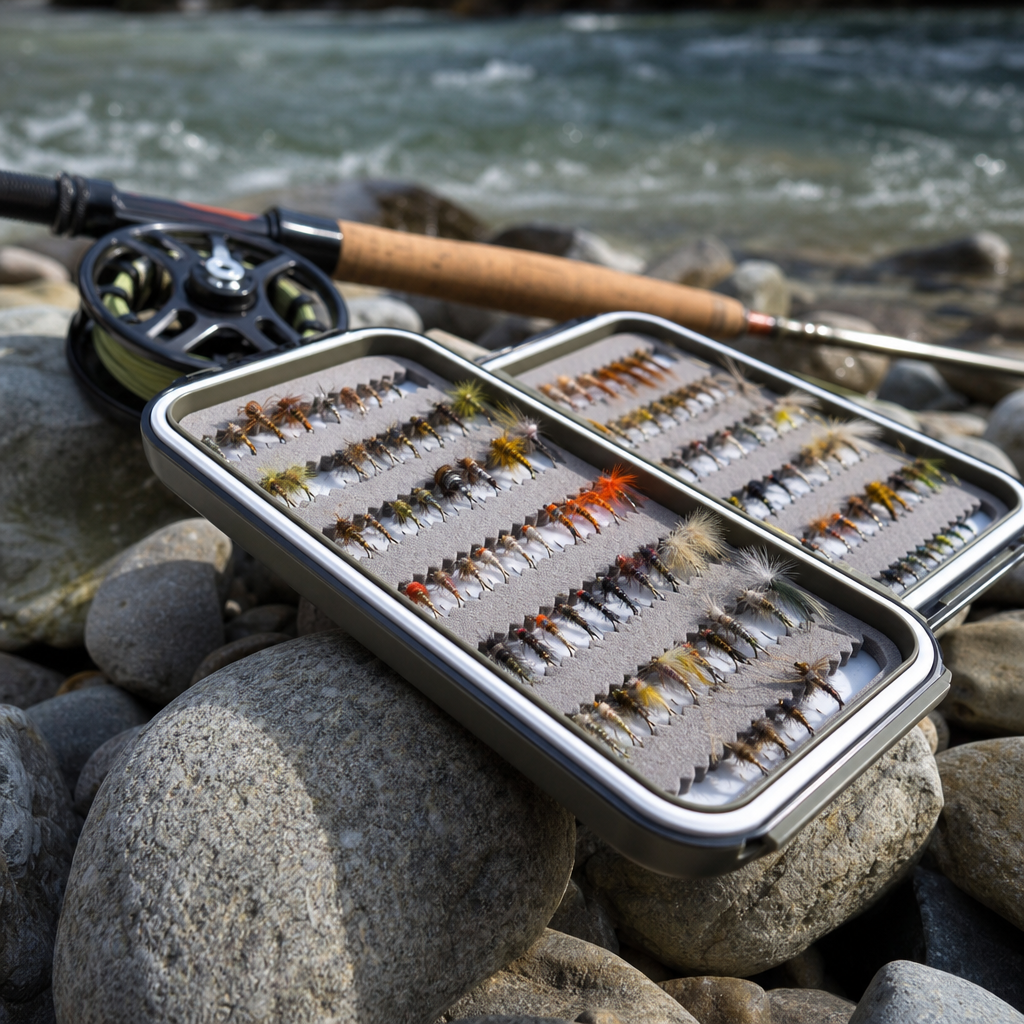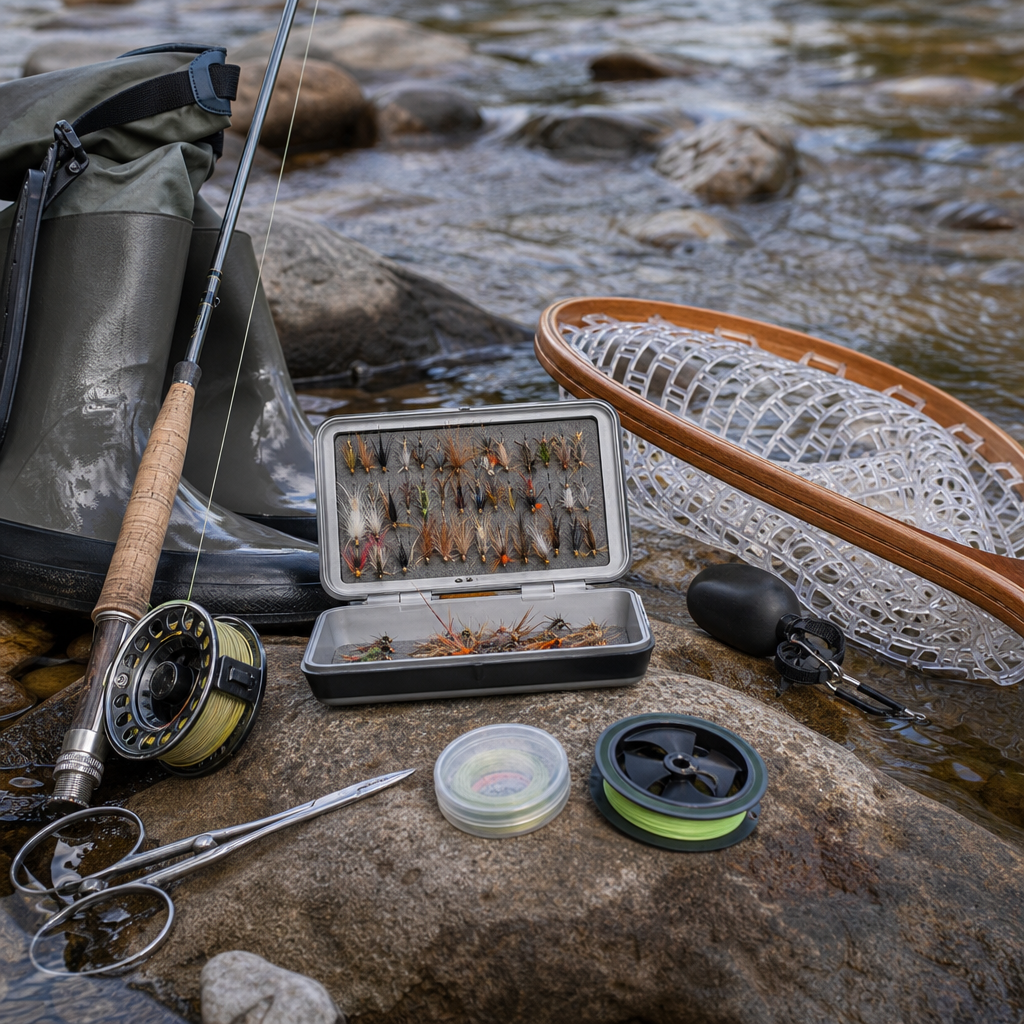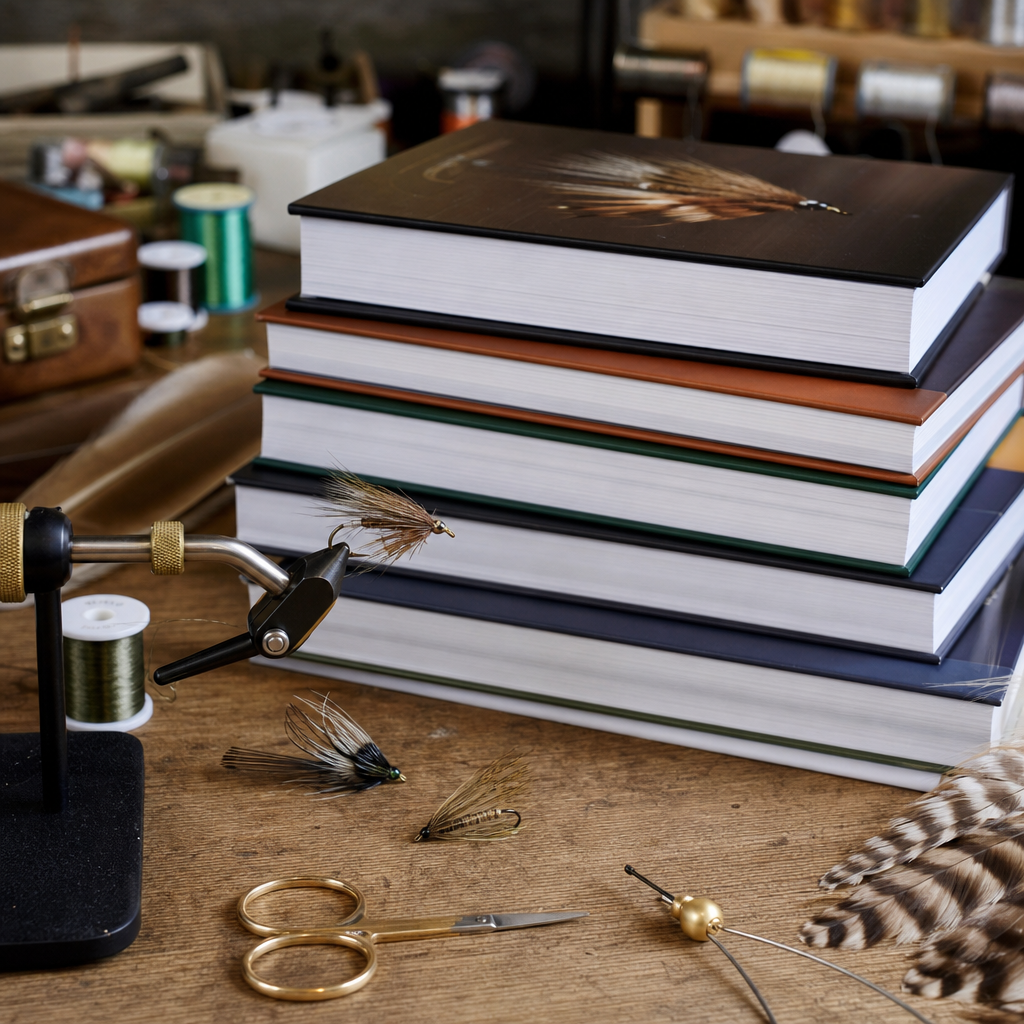
Reviewing the best fly tying books starts with understanding what these books actually do for an angler: they are not just pattern catalogs, but structured references that teach materials, technique, entomology, design logic, and the discipline required to build durable flies. In fly fishing, fly tying is the craft of constructing artificial flies from hooks, thread, feathers, hair, synthetics, and weighted components so they imitate insects, baitfish, crustaceans, or attractor forms. A strong fly tying book matters because videos are excellent for demonstration, but books remain better for systematic learning, pattern indexing, bench-side reference, and long-term skill development. After years of tying trout nymphs, dry flies, bass bugs, and saltwater streamers, I still reach for printed references when I need exact hook proportions, material substitutions, or a forgotten sequence for a classic pattern. This guide reviews the best fly tying books for beginners, intermediate tiers, and specialists, while also serving as a hub for broader book and media reviews within product reviews and recommendations.
What makes a fly tying book worth buying
The best fly tying books do four things well. First, they explain technique clearly, not just with glamour photography but with precise, repeatable instruction. Second, they organize information in a way that helps you learn progressively, whether by fly style, insect type, or skill level. Third, they give enough context to improve judgment, including why a material is used, when a substitute works, and how design choices affect sink rate, profile, movement, and durability. Fourth, they stand up to repeated use on the tying bench with strong photography, legible recipes, and indexing that lets you find a pattern quickly.
When I evaluate a tying book, I look at thread-control instruction, hook and materials specificity, proportion guidance, and whether the author distinguishes tradition from practical adaptation. A beginner book should show foundational skills such as starting thread, controlling torque, tying in tails, dubbing loops, ribbing, hackling, whip finishing, and cement use. An advanced pattern book should assume that foundation and focus on pattern architecture, specialized materials, or a category such as streamers, steelhead flies, or saltwater baitfish. The weakest books are beautiful but vague. The strongest ones let you tie a usable fly the same day you open them.
Best fly tying books for beginners
For most new tiers, the most consistently useful starting point is the Orvis Fly-Tying Guide by Tom Rosenbauer. It is beginner-friendly without talking down to the reader, and it balances techniques, tools, and fishable patterns. Rosenbauer is especially strong at explaining why mistakes happen. If your tails roll, your thread base is uneven; if your dry flies twist leader, proportions are off; if your nymphs fall apart, tie-in points are too bulky. That kind of diagnostic teaching saves money and frustration.
Another excellent entry point is Charlie Craven’s Basic Fly Tying. Craven’s instruction is bench-practical and very clean. His sequencing is easy to follow, his material choices are realistic, and the photography supports each step instead of merely illustrating finished flies. I have recommended this book to several anglers who were overwhelmed by large encyclopedic volumes; most came back saying they finally understood thread pressure and material control. For a beginner, that is more important than owning recipes for three hundred patterns you are not yet ready to tie well.
The Benchside Introduction to Fly Tying by Ted Leeson and Jim Schollmeyer also deserves mention because it teaches process in a highly visual format. Many anglers learn physically, and this book’s step photography helps bridge the gap between reading a technique and actually reproducing it. If you struggle with hackle alignment or wing positioning, this style of presentation can be more effective than text-heavy instruction.
| Book | Best For | Main Strength | Possible Limitation |
|---|---|---|---|
| Orvis Fly-Tying Guide | True beginners | Clear fundamentals and practical patterns | Less specialized depth for advanced tiers |
| Basic Fly Tying | Beginners building clean technique | Excellent step-by-step instruction | Narrower pattern range than encyclopedic books |
| The Benchside Introduction to Fly Tying | Visual learners | Strong photo-driven process teaching | May feel introductory for experienced tiers |
| The Fly-Tying Bible | Beginners wanting variety | Broad overview of tools, materials, and patterns | Depth varies by pattern category |
Best all-around reference books for long-term use
If you want one shelf cornerstone rather than a starter manual, the books by Leeson and Schollmeyer remain among the most useful ever published. The Benchside Reference for Fly Tiers is a serious technical work, and serious is the right word. It breaks techniques into component operations with superb photography and comparison. This is the book I consult when I need to revisit exact methods for dubbing brushes, stacked hair, woven bodies, married wings, or extended-body construction. It is less about giving you quick confidence and more about giving you a durable technical foundation.
For tiers who want a broad pattern resource with enough authority to remain useful for years, Fly Pattern Encyclopedia by Dave Hughes is often valuable, particularly for trout anglers. Hughes writes with practical fish-catching intent rather than decorative nostalgia. His pattern selection reflects flies anglers really use, and his comments on where and why each style works help the reader move from imitation to application.
A book earns all-around status when it supports progression. Early on, you may use it to copy recipes exactly. Later, you use it to substitute materials intelligently. Eventually, you use it to design your own variants. Good reference books enable that progression by explaining principles: sparse versus dense dressing, the effect of bead size, how wire ribbing changes segmentation and durability, why soft hackle fibers pulse better when not overbuilt, and when modern synthetics outperform natural materials. That is what separates a lifetime resource from a coffee-table volume.
Best specialized fly tying books by category
Specialized books become important once you know what you fish most. For trout nymphs, Charlie Craven’s books, especially Charlie’s Fly Box, are excellent because they combine fishability, durable modern patterns, and clear instruction. Craven is particularly strong on guide-style flies that survive multiple fish and still maintain intended profile. If you fish tailwaters or heavily pressured freestone streams, that matters more than ornamental tradition.
For streamers, Kelly Galloup’s Modern Streamers for Trophy Trout changed the way many anglers think about articulated design, movement, and predator response. Even if you never tie Galloup-specific patterns, the book teaches core concepts: shoulder bulk pushes water, articulation changes swim, and materials like marabou, schlappen, and modern synthetics create distinct motion signatures. In my own tying, that book improved not just pattern selection but retrieval strategy because it connects fly design to fish behavior.
For classic salmon flies and traditional work, Kelson and Pryce-Tannatt remain historically important, though they are not beginner books and can feel daunting. Their value lies in preservation of classic methods, proportion standards, and aesthetic grammar. For practical steelhead and salmon patterns, contemporary books with modern materials are usually more useful at the vise. Saltwater tiers should look for books by Bob Popovics or Lefty Kreh-related works, where baitfish profile, translucency, epoxy alternatives, and casting considerations are treated as integrated design problems rather than isolated recipes.
Dry fly specialists benefit from books that discuss hackle quality, flotation, tailing materials, and silhouette. Nymph specialists need guidance on slim bodies, hotspot use, jig hooks, slotted beads, and competition-inspired weighting systems. Bass and warmwater tiers should prioritize books covering deer hair, weed guards, and oversized rubber appendages. The point is simple: the best fly tying book for your shelf depends on the fishery, not just the fame of the author.
How print books compare with digital media and video tutorials
Book and media reviews matter because no single format teaches everything equally well. Printed fly tying books excel at structured learning, scanning recipes, and bench-side permanence. They do not pause for ads, disappear behind a paywall, or bury a useful pattern under weak search results. A good index still beats many video platforms when you need to locate “comparadun wing,” “CDC loop wing emerger,” or “lead-free underbody” in seconds.
Videos are superior for dynamic techniques such as split-thread dubbing, spinning deer hair, applying UV resin, or seeing exactly how soft hackle fibers are stroked rearward during wraps. That is why the strongest learning path usually combines both. I often recommend starting a technique with a book chapter, then using a trusted video to confirm hand position and cadence. The danger with video-only learning is imitation without understanding. Many tiers can replicate motions they see on screen but cannot diagnose failure because the underlying principles were never explained.
Digital books and tablet apps offer convenience, especially for travel, but printed books remain better for bench use. Screens go dark, collect resin smudges, and are awkward with wet fingers or head cement nearby. For pattern storage and quick retrieval, digital is useful. For sustained study and note-taking, print usually wins. The best fly tying library today is mixed: foundational printed books, a few niche e-books, and carefully selected video channels from reputable guides, commercial tiers, and established publishers.
How to choose the right fly tying book for your goals
If you are buying your first fly tying book, choose a fundamentals-first title and ignore the temptation to start with a giant pattern encyclopedia. You need maybe twenty productive patterns and excellent instruction, not two hundred recipes that assume competence. Match the book to your target species and learning style. A trout angler in the Rockies needs different guidance than a warmwater angler tying deer hair divers for farm ponds or a striped bass angler building hollow-tied baitfish.
Also evaluate the publication date intelligently. Older books can be outstanding on proportion, natural materials, and tradition, but they may predate jig hooks, tungsten bead systems, UV-cure resins, modern synthetic dubbings, and today’s barbless competition hooks. That does not make them obsolete; it means you should understand what they do best. Newer books often reflect current fisheries and durable guide patterns, while older classics often teach timeless craft. Ideally, your library includes both.
Price matters less than fit. A thirty-to-fifty-dollar book that prevents wasted hooks, poor-quality capes, and badly chosen materials pays for itself quickly. Before buying, check whether the author includes full recipes, step photos, and technique chapters, not just finished pattern plates. If a book cannot help you tie cleaner flies after a week at the vise, it is probably not the best value.
Building a fly tying library that actually helps you catch fish
The most useful library is small at first and intentional. Start with one beginner technique book, one all-around reference, and one specialized title aligned with your fishing. Add a notebook or pattern cards with your own edits: bead substitutions, hook changes, local insect timing, and what happened on the water. Some of my most productive flies today came from scribbled notes beside published recipes, such as reducing thorax bulk on a pheasant tail variant for flat water or switching from marabou to rabbit for colder streamer conditions.
This page serves as a hub for book and media reviews under product reviews and recommendations, so it should point your next steps clearly. From here, the most useful supporting reviews are beginner fly tying books, advanced fly tying references, best streamer-tying books, top nymph and dry fly books, and the best video courses or channels for specific techniques. Those deeper reviews help narrow choices by species, style, and skill level. The core takeaway is straightforward: the best fly tying books are the ones that improve your hands, your judgment, and your confidence at the vise. Choose one that matches your current level, add one that stretches your skills, and start tying with purpose.
Frequently Asked Questions
What should I look for in the best fly tying books?
The best fly tying books do much more than list fly patterns. A truly useful title teaches the full logic behind tying, so you understand not just what to do, but why each material and technique matters. When reviewing fly tying books, start by looking at how clearly the author explains foundations such as hook selection, thread control, proportion, material handling, durability, and finishing methods. A strong book should help tiers build skills progressively, rather than overwhelm them with pages of recipes that make little sense without context.
Good fly tying books also stand out through structure and instruction quality. Step-by-step photography, well-labeled illustrations, and clear sequencing are essential, especially for beginners who need to see how a fly develops from bare hook to finished pattern. For more advanced tiers, strong books often include material substitutions, design principles, and discussion of how pattern shape, movement, silhouette, and sink rate affect fish response. These elements separate an educational reference from a simple pattern collection.
Another major factor is the scope of the book. Some of the best books focus narrowly on dry flies, nymphs, streamers, saltwater patterns, or regional insects, while others aim to be broad foundational references. The right choice depends on your goals. If you are learning the craft, a book with strong beginner instruction and basic patterns is more valuable than an advanced pattern encyclopedia. If you already tie confidently, a specialized title on streamer design, realistic tying, or entomology may offer more long-term value. The best fly tying books match the tier’s skill level while still leaving room to grow.
Are fly tying books still worth buying when so much information is available online?
Yes, high-quality fly tying books are still absolutely worth buying, even in a time when videos, forums, and tutorials are everywhere online. The biggest advantage of a book is structure. Online content is often fragmented: one video shows a pattern, another explains a technique, and a forum thread debates materials without much organization. A well-written fly tying book is intentionally built as a learning path. It introduces tools, materials, proportions, and methods in a logical order so the reader develops real skill instead of just copying isolated patterns.
Books also tend to be more carefully edited and more consistent in terminology, photography, and instruction. That matters in fly tying, where a small misunderstanding about thread tension, hackle placement, dubbing control, or wing alignment can lead to repeated frustration. Strong books are often written by experienced tiers, guides, or industry experts who have spent years refining their methods and explaining them clearly. That depth of expertise gives books a lasting authority that random online content often lacks.
Another reason books remain valuable is that they encourage deeper understanding. A good fly tying book often includes pattern history, insect life cycle information, design reasoning, and discussion of how flies function in the water. That broader perspective helps anglers become better tiers and better fly fishers. Instead of simply reproducing a fly, you learn why a sparse body may drift more naturally, why certain materials trap air, or why weight placement changes presentation. Online resources are useful supplements, but books remain one of the most reliable and complete ways to build a serious fly tying foundation.
Which type of fly tying book is best for beginners?
For beginners, the best fly tying books are the ones that emphasize fundamentals before complexity. A new tier does not need hundreds of advanced patterns right away. What helps most is a book that starts with tools, explains basic materials, teaches thread handling, and introduces simple techniques such as attaching tails, building tapered bodies, winding hackle, tying in wings, and finishing clean heads. Books designed for beginners usually present a manageable set of versatile patterns that repeat core techniques, allowing the reader to improve through practice instead of constantly starting from scratch.
It is also important for beginner books to have excellent visual instruction. Large step-by-step photos, simple diagrams, material callouts, and clean pattern sequencing make a huge difference. Early on, many tiers struggle with proportion and hand control. A good beginner book reduces that confusion by showing exactly where materials should sit on the hook and how each stage should look before moving on. Books that assume too much prior knowledge can be discouraging, even if they are otherwise respected titles.
The best beginner fly tying books also teach confidence and efficiency. They explain which materials are truly essential, which tools are worth buying first, and which patterns provide the best learning value. Rather than pushing the reader toward expensive, overly specialized setups, they focus on practical flies that catch fish and teach transferable skills. If a beginner can learn to tie a solid Woolly Bugger, basic nymph, simple dry fly, and easy streamer while understanding proportion, durability, and material behavior, that book is doing its job very well.
Do the best fly tying books focus more on patterns or on technique?
The strongest fly tying books usually balance both, but if one side matters more in the long run, it is technique. Patterns are important because they give tiers specific targets to practice and fish, but technique is what allows a tier to adapt, improve, and create durable flies under real conditions. A book filled with famous flies can be inspiring, yet if it does not teach sound thread control, material preparation, proportion, body taper, wing placement, and finishing, the reader may end up with a large recipe list and very little lasting skill.
Technique-focused books are especially valuable because fly tying is built on repeatable mechanics. Once you understand how to control thread pressure, distribute dubbing, stack hair, palmer hackle, spin deer hair, secure slippery materials, or build neat transitions, you can apply those skills across many patterns. That makes the learning process more efficient and less dependent on memorization. Patterns then become examples of technique in action rather than isolated instructions to follow blindly.
That said, pattern content still matters. The best books use patterns strategically to reinforce skills and design concepts. They show why a mayfly dry fly requires different proportions than a caddis, why a streamer’s profile influences movement and visibility, or why a nymph’s weight placement affects sink angle and drift. In other words, the best fly tying books do not force you to choose between patterns and technique. They connect the two, helping anglers understand how skill, material choice, imitation, and fish behavior all work together.
How can a fly tying book make me a better angler, not just a better tier?
A great fly tying book improves angling because it teaches you to think more carefully about what fish are actually seeing and responding to. When you tie flies with intention, you start noticing details that matter on the water: size, silhouette, movement, buoyancy, sink rate, translucence, flash, and durability. Instead of selecting flies only by name or tradition, you begin choosing them based on function. That shift in thinking often leads to better presentation, smarter pattern selection, and more confidence in changing conditions.
Many of the best fly tying books also introduce entomology and pattern design principles, which directly support better fishing decisions. Learning about insect life stages, emergence behavior, seasonal timing, and profile differences helps anglers match food sources more accurately. Understanding why a sparse nymph works in one river or why a broad-shouldered streamer pushes more water in another gives you a deeper practical advantage than simply buying flies from a bin. Tying forces you to study the anatomy and behavior of prey items in a way that sharpens your observation on the water.
There is also a strategic benefit. Anglers who tie their own flies become more willing to experiment, adjust, and refine patterns based on real fishing feedback. If a store-bought fly rides too low, sinks too slowly, or falls apart after one fish, a tier can modify the recipe and solve the problem. That mindset creates a stronger connection between preparation and performance. In that sense, the best fly tying books are not just craft manuals. They are references that help anglers build judgment, discipline, and adaptability, all of which translate directly into more effective fly fishing.