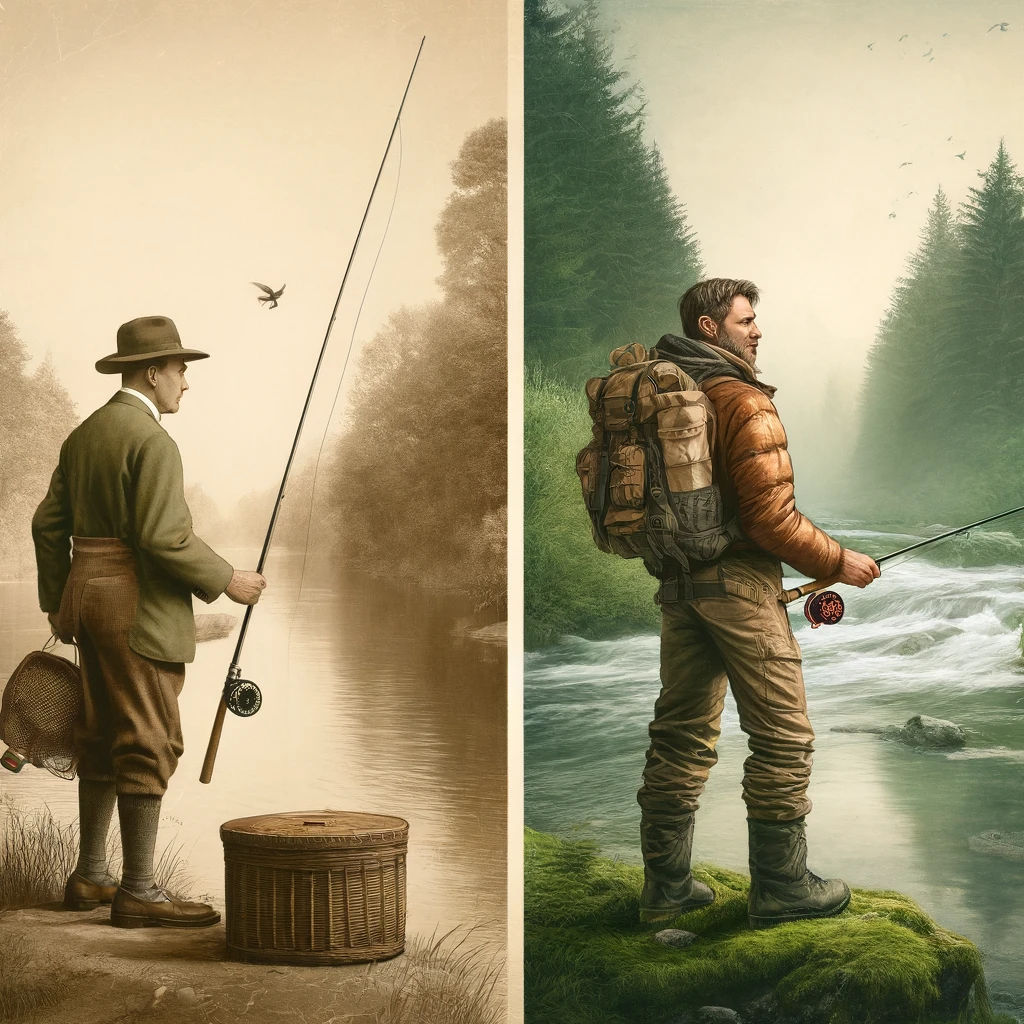
Fly fishing is a fascinating and rewarding outdoor activity that has captivated enthusiasts of all ages for generations. For many beginners, stepping into the world of fly fishing can seem daunting due to the extensive variety of gear and equipment available. However, with the right knowledge and preparation, you can easily navigate this intricate world and make smart investment choices.
The goal of this article is to provide a comprehensive guide on the essential fly fishing gear for beginners. We will cover the critical items you need, their functions, and tips to help you make informed decisions. Whether you’re planning a peaceful day on a local stream or an adventurous trip to a remote river, having the right gear will significantly enhance your experience and success.
Before delving into the gear specifics, it’s essential to understand that fly fishing is not just about catching fish. It’s about connecting with nature, honing your skills, and experiencing a sense of calm and satisfaction. With that perspective in mind, let’s delve into the best fly fishing gear every beginner needs to kickstart their journey in this captivating sport.
Fly Rods
The fly rod is the centerpiece of your fly fishing setup. For beginners, choosing the right fly rod can make a significant difference in your fishing experience. Fly rods are available in various lengths, weights, and materials, each suited for different types of fishing and environments.
The most recommended fly rod for beginners is a 9-foot, 5-weight rod. This size is versatile enough to handle a wide range of fishing scenarios, from small streams to larger rivers. It’s also user-friendly, providing a good balance between flexibility and power.
When selecting a fly rod, consider the material as well. Graphite rods are lightweight, durable, and offer a high level of performance, making them an excellent choice for beginners. Brands such as Orvis, Sage, and Redington offer quality beginner fly rods that provide great value for money.
Additionally, look for fly rod packages that include the rod, reel, and line. These starter kits take the guesswork out of matching these essential components and ensure you have a balanced setup ready to go.
Fly Reels
The fly reel is an essential component that not only holds the fly line but also helps in managing and controlling the line during casting and retrieving. For beginners, choosing a functional and reliable fly reel is crucial.
When selecting a fly reel, focus on three main factors: weight, arbor size, and drag system. A lightweight reel complements the overall balance of your fly rod, making it easier to handle. A large arbor reel is beneficial as it allows for faster line retrieval and reduces line memory, which can be frustrating for newcomers.
The drag system plays a significant role in controlling the tension between the line and the reel, especially when fighting larger fish. Look for a reel with a smooth and adjustable disc drag system, which provides more control compared to a click-and-pawl drag.
Quality brands such as Orvis, Ross, and Lamson produce reliable fly reels that cater to beginners, offering the perfect balance between functionality and affordability. Investing in a good fly reel will enhance your overall fly fishing experience and ensure you are well-prepared for various fishing scenarios.

Fly Lines
The fly line is a critical link between the fly rod and the fish, making it an essential piece of your fly fishing gear. It comes in various types, each designed for different fishing conditions and techniques. Beginners should focus on getting a versatile and easy-to-use fly line.
The most recommended fly line for beginners is a weight-forward floating line, as it is the easiest to cast and works well in most fishing scenarios. The weight-forward design helps to load the rod during casting, providing better control and distance.
Fly lines are generally made of a core surrounded by a coating, which can affect the line’s flexibility and durability. Look for fly lines with a braided multifilament core, as they offer excellent strength and flexibility. The coating should be smooth to reduce friction and ensure easy casting.
Brands like Rio, Scientific Anglers, and Airflo offer high-quality beginner fly lines that are durable and provide excellent performance. Investing in a good fly line will significantly impact your casting ability and overall fly fishing experience.
Fly Fishing Flies
Flies are the artificial lures used in fly fishing to mimic the appearance and behavior of aquatic insects, baitfish, and other prey. As a beginner, you’ll need to build a small selection of essential fly patterns to cover various fishing conditions.
Start with a mix of dry flies, nymphs, and streamers. Dry flies float on the water’s surface and resemble insects that trout often feed on. Nymphs mimic the immature stages of insects found beneath the water’s surface and are highly effective for catching fish that feed subsurface. Streamers imitate small fish and other prey, making them ideal for targeting larger, more aggressive fish.
Essential fly patterns for beginners include the Adams, Elk Hair Caddis, and Parachute Adams for dry flies. For nymphs, the Hare’s Ear and Pheasant Tail are reliable choices. Streamers like Woolly Bugger and Clouser Minnow are excellent for targeting bigger fish.
Building a well-rounded fly box with these patterns will prepare you for various fishing scenarios and increase your chances of success. Additionally, consider purchasing flies from reputable brands or local fly shops to ensure high-quality and effective patterns.
Fly Fishing Accessories
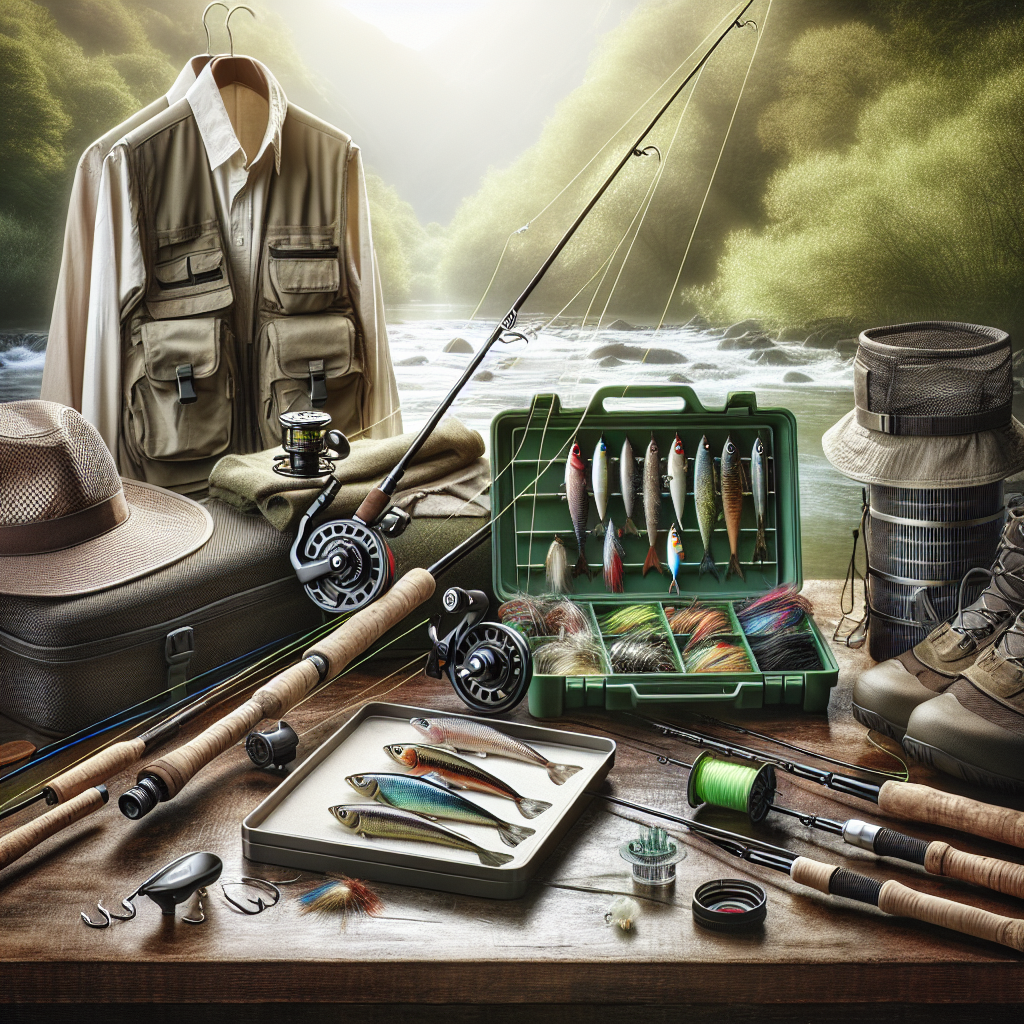
Besides the primary gear, several fly fishing accessories can enhance your experience and make your time on the water more enjoyable. Here are some essential accessories for beginners:
A fly box is crucial for organizing and storing your flies. Choose a waterproof and durable fly box with compartments to keep your flies in order.
Leaders and tippets are essential for connecting your fly to the fly line. Start with a 9-foot tapered leader and a selection of tippet material in different sizes to cover various fishing conditions.
A fishing vest or pack is convenient for carrying and organizing your gear. Look for one with multiple pockets and compartments to keep your essentials within easy reach.
Other useful accessories include nippers for cutting line, hemostats for removing hooks, and a landing net for safely handling and releasing fish. A quality pair of polarized sunglasses will protect your eyes and help you spot fish underwater.
Investing in these accessories will make your fly fishing experience more comfortable and efficient.
Conclusion
Embarking on your fly fishing journey can be both exciting and rewarding. By understanding and investing in the right gear, you’ll set yourself up for a successful and enjoyable experience. The essential fly fishing gear for beginners includes a versatile fly rod, a functional fly reel, a high-quality fly line, a selection of effective flies, and essential accessories.
Remember, the key to success in fly fishing is practice and patience. Take the time to familiarize yourself with your gear, learn proper casting techniques, and observe the behavior of fish and insects in your chosen fishing locations. Joining a local fly fishing club or taking a beginner’s course can also provide valuable knowledge and hands-on experience.
As you gain confidence and develop your skills, you’ll find that fly fishing offers endless opportunities for adventure, relaxation, and connection with nature. So, gather your gear, head to the water, and enjoy the many joys that fly fishing has to offer.