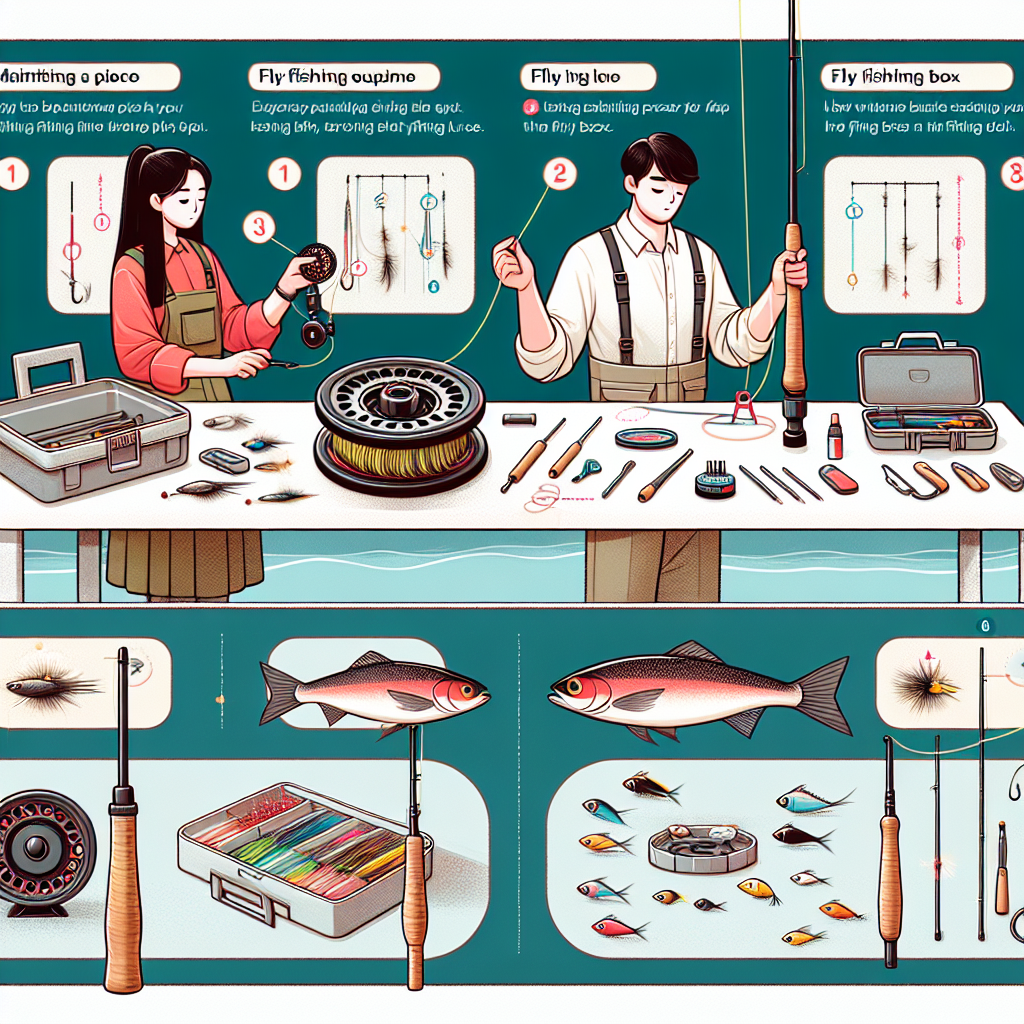
Fly fishing is a revered pastime that combines the beauty of nature, the tranquility of water, and the thrill of a catch. To keep your fly fishing experiences enjoyable and successful, it’s essential to properly maintain your gear and equipment. The following guide will delve into some practical tips and tricks to help you preserve the investment you’ve made in your fly fishing apparatus.
Introduction
Fly fishing enthusiasts understand the importance of having well-maintained gear to ensure a productive day on the water. Whether you are a novice angler or a seasoned veteran, consistent upkeep of your equipment can make a significant difference in performance and longevity. Proper maintenance not only enhances the efficiency and reliability of your gear, but it also helps in preventing unexpected equipment failures which can turn an enjoyable fishing trip into a frustrating ordeal.
When we talk about fly fishing equipment, the list is quite extensive and includes the fly rod, reel, line, flies, waders, and other accessories. Each piece of equipment requires specific care to keep it in optimal condition. Routine inspection and proper handling practices are the backbone of good maintenance. Through regular care, you can avoid costly repairs and replacements, allowing you to focus more on the joy of fishing and less on equipment hassles. This article will walk you through essential maintenance tips for various fly fishing gear, enabling you to extend the life of your equipment and ensure better performance during your fishing trips.
Fly Rod Maintenance
Your fly rod is the backbone of your fly fishing gear, and maintaining it is crucial for smooth casting and handling. After each fishing trip, it’s vital to give your fly rod a thorough inspection and cleaning. Ensure you rinse your rod with fresh water, particularly if you’ve been fishing in saltwater environments. Saltwater can be corrosive and damage your fly rod over time if not properly cleaned off.
Examine each section of your rod for any cracks, nicks, or damage. Small cracks or nicks can result in a broken rod during the next fishing trip. Make sure the ferrules—the metal connectors joining each section of the rod—are clean and free from debris. Dirty ferrules can cause poor connections and damage your rod when casting. Additionally, use a ferrule wax periodically to keep the joints smooth and secure, preventing them from coming loose during use.
Another tip for fly rod maintenance involves the guides and the reel seat. Check the guides for any signs of wear or damage as they can fray your line. Clean them with a soft cloth and a mild soap solution. Lubricate the reel seat using a light oil to keep it functioning smoothly. Store your fly rod in a protective case to avoid any accidental damage and always transport it with care.
Reel Care and Maintenance
Your fly reel plays an essential role in managing and retrieving your line. Proper reel maintenance ensures a smooth and reliable fishing experience. After every fishing venture, remove the reel from the rod and rinse it thoroughly with fresh water. This is particularly important if you’ve been fishing in saltwater, as salt residue can cause corrosion and wear on your reel.
Disassemble the reel to clean the individual components. Pay special attention to the spool, drag system, and the handle. Use a soft brush and a mild soap solution to remove any dirt, grime, or salt deposits. Ensure all components are dried thoroughly before reassembly to prevent rust formation. Regularly lubricate the moving parts, such as the handle and drag system, using a lubricant recommended by your reel manufacturer. This will maintain their smooth operation and prevent any seizure or rust.
Inspect the reel’s drag system for any signs of wear or damage. A malfunctioning drag system can negatively impact your fishing performance. By keeping your reel clean and well-lubricated, you ensure its longevity and reliable functionality.

Fly Line Maintenance
The fly line is a crucial component of your setup and requires regular maintenance to keep it in top condition. After each fishing trip, clean the fly line thoroughly. A fly line cleaning kit, available at most tackle shops, makes this task easier. Alternatively, you can use a mild dish soap solution and a soft cloth.
Inspect the line for any signs of wear, fraying, or cracks. Damaged lines can hinder casting performance and may break under pressure. Replace your fly line as necessary to maintain optimal performance. Additionally, use a line dressing to protect the line’s surface and enhance its longevity. Line dressings help reduce friction, allowing for smoother casting and better line management.
Proper fly line storage is also essential. Avoid exposing your line to direct sunlight for extended periods, as ultraviolet (UV) rays can weaken the line material. Store your line on a flat surface, avoiding tight loops or bends, which can cause memory issues and affect casting efficiency. By regularly cleaning and inspecting your fly line, you ensure consistent performance on the water.
Fly Care and Maintenance
Flies are the heart of fly fishing and require proper care to remain effective. After a day of fishing, carefully inspect your flies for any damage or wear. Check the hooks for sharpness and replace any that are dull or rusty. Damaged hooks can result in missed strikes and lost fish. Additionally, inspect the fly materials for signs of wear or fraying.
Store your flies in a well-ventilated fly box or fly patch to keep them dry and secure. Avoid mixing different types of flies in the same compartment, as this can lead to tangled materials and decrease their effectiveness. Organize your flies by type, size, and pattern for easy access during your fishing trips.
If your flies have been exposed to water, ensure they are completely dried before storing them. Moisture can cause the hooks to rust and the materials to deteriorate. Use a desiccant, such as silica gel packets, in your fly box to absorb any moisture and keep your flies in pristine condition. By properly caring for your flies, you ensure they remain attractive to fish and increase your chances of success on the water.
Wader Care and Maintenance
Waders are essential for staying dry and comfortable while fly fishing. Proper wader care ensures their longevity and functionality. After each fishing trip, rinse your waders with fresh water to remove any dirt, mud, or salt deposits. Use a soft brush or cloth to gently scrub any stubborn stains. Avoid using harsh detergents or solvents, as they can damage the wader material.
Once cleaned, hang your waders upside down in a well-ventilated area to dry. Avoid direct sunlight or high heat sources, as excessive heat can cause the wader material to degrade over time. Store your waders in a cool, dry place, away from sharp objects that could puncture the fabric. Consider using a wader hanger or a dedicated storage bag to keep them organized and protected.
Inspect your waders regularly for any signs of wear or leaks. Patch any small holes or tears using a wader repair kit, which typically includes patches and adhesive. Follow the manufacturer’s instructions for proper repair techniques. Additionally, pay attention to the wader seams and seals, ensuring they are intact and free from damage. By maintaining your waders properly, you can enjoy dry and comfortable fishing experiences for years to come.
Conclusion
Maintaining your fly fishing equipment is essential for ensuring a successful and enjoyable fishing experience. By following the tips and tricks outlined in this article, you can extend the life of your gear, enhance its performance, and avoid costly repairs or replacements. Remember to clean and inspect your fly rod, reel, line, flies, and waders regularly, addressing any issues promptly to prevent further damage. Proper storage and handling practices will also contribute to the longevity of your equipment.
Investing time and effort into maintaining your fly fishing equipment not only saves you money in the long run but also allows you to focus on what you love most – fly fishing. A well-maintained gear setup enhances your casting precision, line control, and overall fishing efficiency. Whether you’re targeting trout in a pristine mountain stream or chasing bonefish in the salt flats, well-cared-for equipment will improve your chances of success and make your time on the water more enjoyable.
So, remember to give your fly fishing gear the attention it deserves. Embrace the maintenance routine as part of the overall fly fishing experience. By doing so, you’ll ensure that your equipment is always ready to perform at its best, allowing you to fully immerse yourself in the art and thrill of fly fishing. Tight lines!