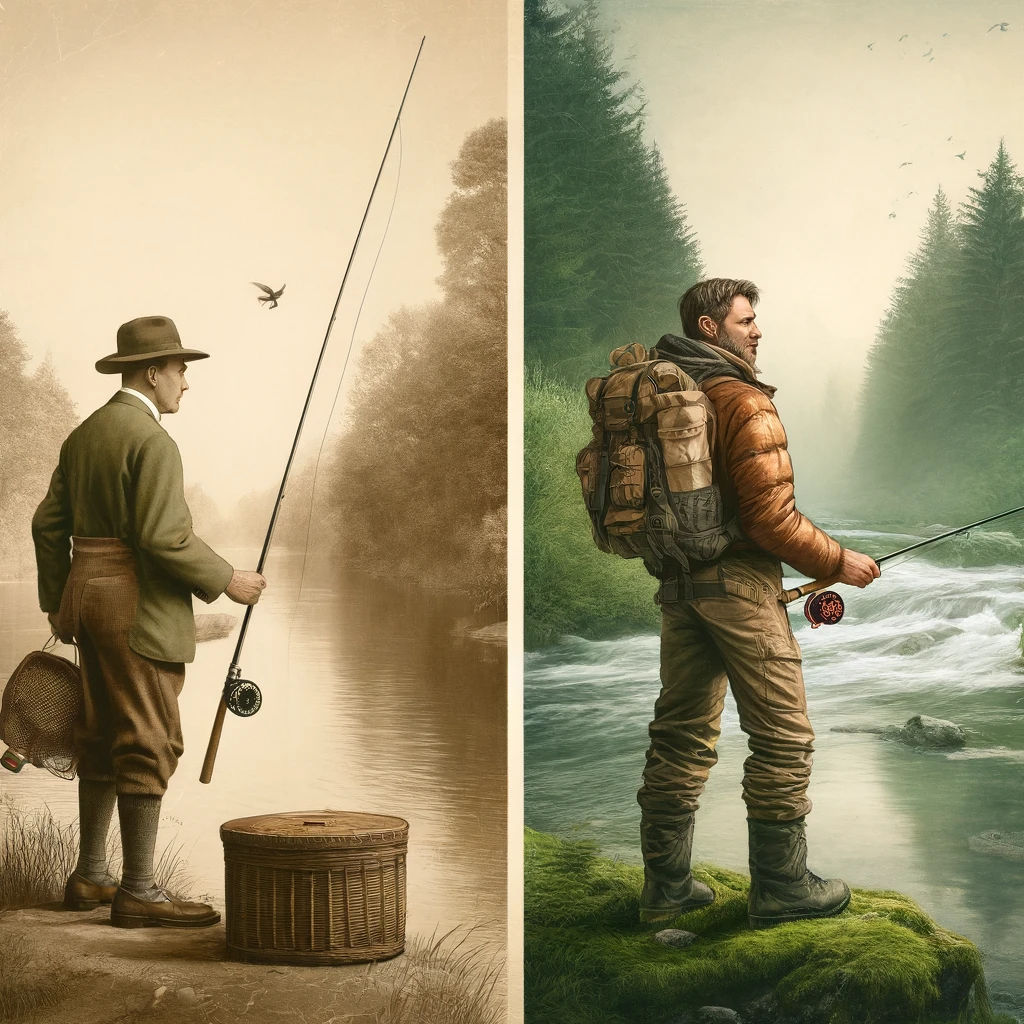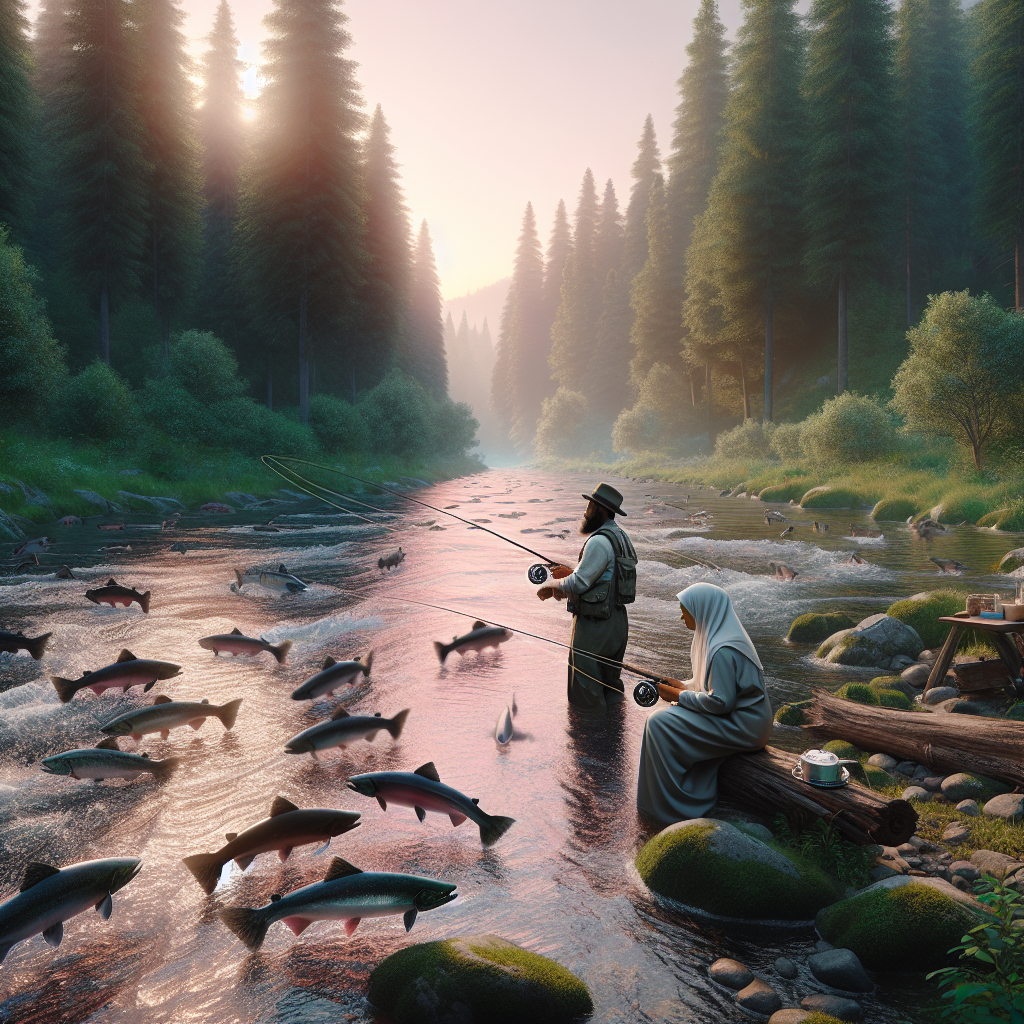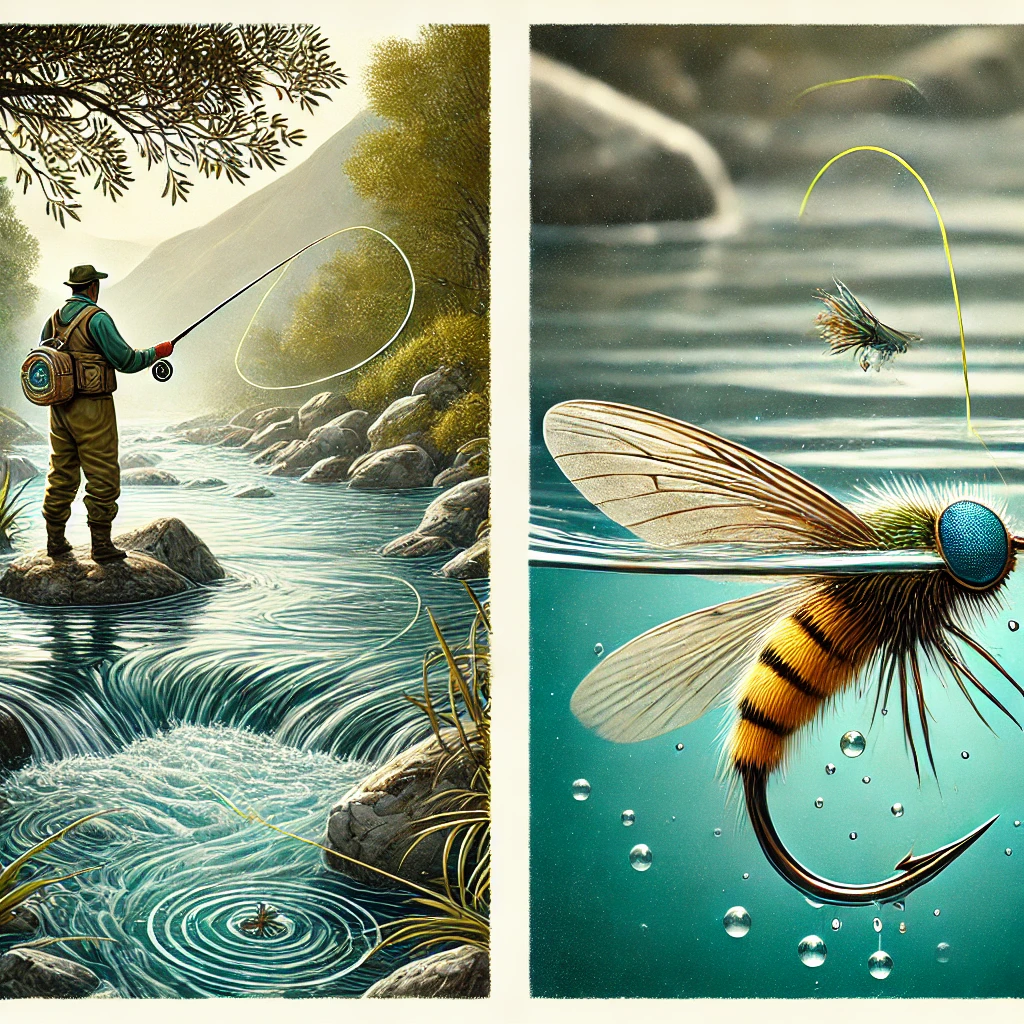
Fly fishing is more than just a sport; it is an art form that requires skill, patience, and a deep understanding of nature. One of the most critical aspects of fly fishing is the presentation of the fly. A fly fisher must make the artificial fly appear as natural as possible to fool the fish into taking it. This process, known as the “art of presentation,” is pivotal for success and can be the difference between a fruitful day on the water and a long, unproductive outing.
To present your fly naturally, you need to understand the basics of fish behavior and the environment in which they live. Fish are naturally cautious creatures and have keen senses that enable them to detect unnatural movements or presentations. Therefore, mastering the art of presentation involves a combination of choosing the appropriate fly, casting techniques, and understanding the water dynamics where you are fishing. In this article, we’ll explore various techniques and strategies that will help you improve your fly presentation skills. We’ll delve into essential topics such as matching the hatch, different casting techniques, presentation strategies for different water types, and the importance of stealth and timing.
Matching the Hatch
Matching the hatch refers to the practice of selecting a fly that closely resembles the insects currently found in the water. Fish are more likely to bite when they see familiar prey, so it’s crucial to observe your surroundings and choose a fly that matches the size, color, and behavior of the local insects.
Observation Skills
Start by observing the water and the surrounding environment. Look for insects flying above the water, resting on the banks, or floating on the surface. Insects like mayflies, caddisflies, stoneflies, and midges are common, and each has distinct characteristics. By identifying what is present, you can make a more informed decision about which fly to use.
Fly Selection
Once you’ve identified the insects present, select a fly from your collection that closely resembles them. Pay attention to not only the appearance but also the stage of life they’re in (nymph, emerger, adult). For instance, if you notice mayflies in their nymphal state, opt for a nymph pattern rather than an adult.
Seasonal Adjustments
Different insects are prevalent during different times of the year. Learn the hatching patterns and seasonal availability of various insects in your fishing area. This knowledge will help you prepare your fly box with the right patterns for any given time.
Casting Techniques: Precision and Delicacy
Casting is an essential skill in fly fishing and can significantly affect your presentation. A well-executed cast places your fly gently on the water, reducing the chances of spooking the fish.
Overhead Cast
The overhead cast is fundamental in fly fishing and is ideal for long-distance casting. Focus on a smooth, fluid motion rather than forcing the rod. Your goal is to present the fly softly and naturally.
Roll Cast
The roll cast is useful in tight spaces where backcasting room is limited. It involves using the tension of the water to load the rod and create a forward cast. This technique is perfect for small streams and heavily vegetated areas.
Double Haul
The double haul cast increases line speed and distance, which is beneficial in windy conditions or when you need to cover a large area. This technique requires more coordination, as you need to synchronize the haul with the cast.
Accuracy and Timing
Practice makes perfect. Spend time practicing your casts and focus on accuracy. Being able to place your fly exactly where you want it, and doing so softly, will increase your chances of a successful presentation.

Presentation Strategies for Different Water Types
Different water types require different presentation strategies. Understanding how fish behave in various environments will help you tailor your approach.
Rivers and Streams
In moving water, fish typically face upstream, waiting for food to drift down. Position yourself downstream and cast upstream, allowing your fly to drift naturally toward the fish. Use a drag-free drift by mending your line to prevent it from creating unnatural movements.
Lakes and Ponds
In still waters, fish are more likely to be cruising in search of food. Cast beyond your target area and slowly retrieve your fly, mimicking the movement of insects in the water. Vary your retrieval speed and pattern to see what works best.
Pools and Riffles
Pools offer deeper, slower-moving water where fish may congregate. Approach quietly and cast to different spots within the pool, allowing your fly to drift naturally. Riffles, on the other hand, are shallower and faster-moving. Fish in riffles are often less cautious and more opportunistic, so a precise cast and quick strike are essential.
Stealth and Timing: The Unsung Heroes
Even the perfect fly and cast won’t work if the fish are spooked. Stealth and timing are crucial aspects of presenting your fly naturally.
Approaching the Water
Approach the water slowly and quietly. Avoid making sudden movements or splashes that could alert the fish to your presence. When possible, stay low and blend into your surroundings.
Timing
Fishing during the right times of the day can make a significant difference. Early morning and late evening are often the best times to fish, as this is when fish are most active and feeding. Additionally, overcast days can provide better cover and increase your chances of success.
Line Management
Be mindful of your line. Avoid false casts that could land the line on the water and spook the fish. Keep an eye on where your shadow is cast, as it can also alert fish to your presence.
Adapting to Conditions
Fly fishing is a dynamic sport, and conditions can change rapidly. Being able to adapt your presentation to the current circumstances is essential for success.
Weather Changes
Changes in weather can affect fish behavior. For instance, a sudden rain shower may increase insect activity, making it a good time to switch to a dry fly. Conversely, bright sunlight might drive fish to deeper waters, requiring a nymph presentation.
Water Clarity
Water clarity can impact how fish perceive your fly. In murky water, use brighter and larger flies to increase visibility. In clear water, opt for more subtle and natural patterns to avoid spooking the fish.
Adjusting Your Tactics
Be prepared to change your approach if things aren’t working. Experiment with different flies, casting techniques, and retrieval speeds until you find what works. Flexibility and willingness to adapt are crucial for a successful day on the water.
Conclusion: Practice and Patience
Mastering the art of fly presentation takes time, practice, and patience. By understanding fish behavior, selecting the right flies, mastering your casting techniques, and adapting to changing conditions, you can significantly improve your chances of success. Remember, every outing is an opportunity to learn and refine your skills. Fly fishing is not just about catching fish; it’s about immersing yourself in nature and enjoying the process. Take the time to appreciate your surroundings, learn from your experiences, and continuously strive to improve. The art of presentation is a lifelong journey, and each step you take brings you closer to becoming a skilled and successful fly fisher.