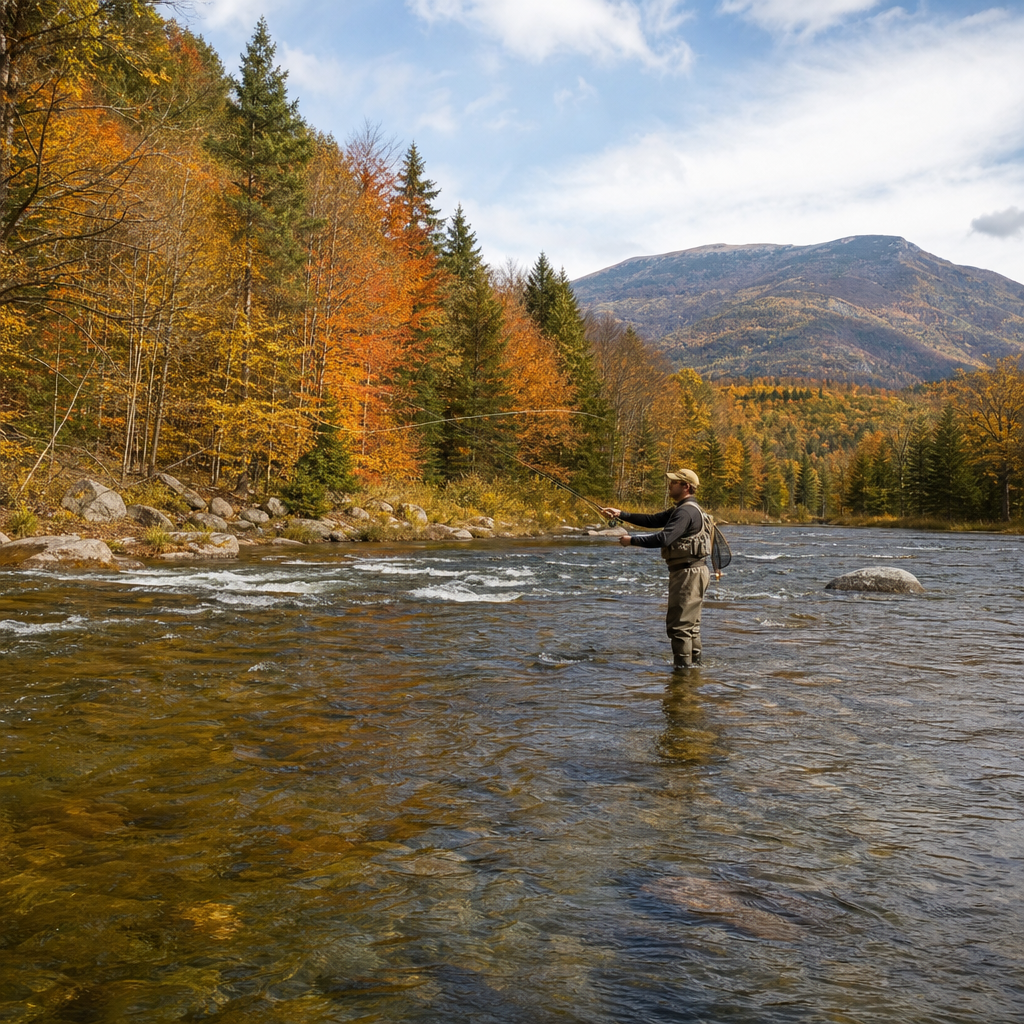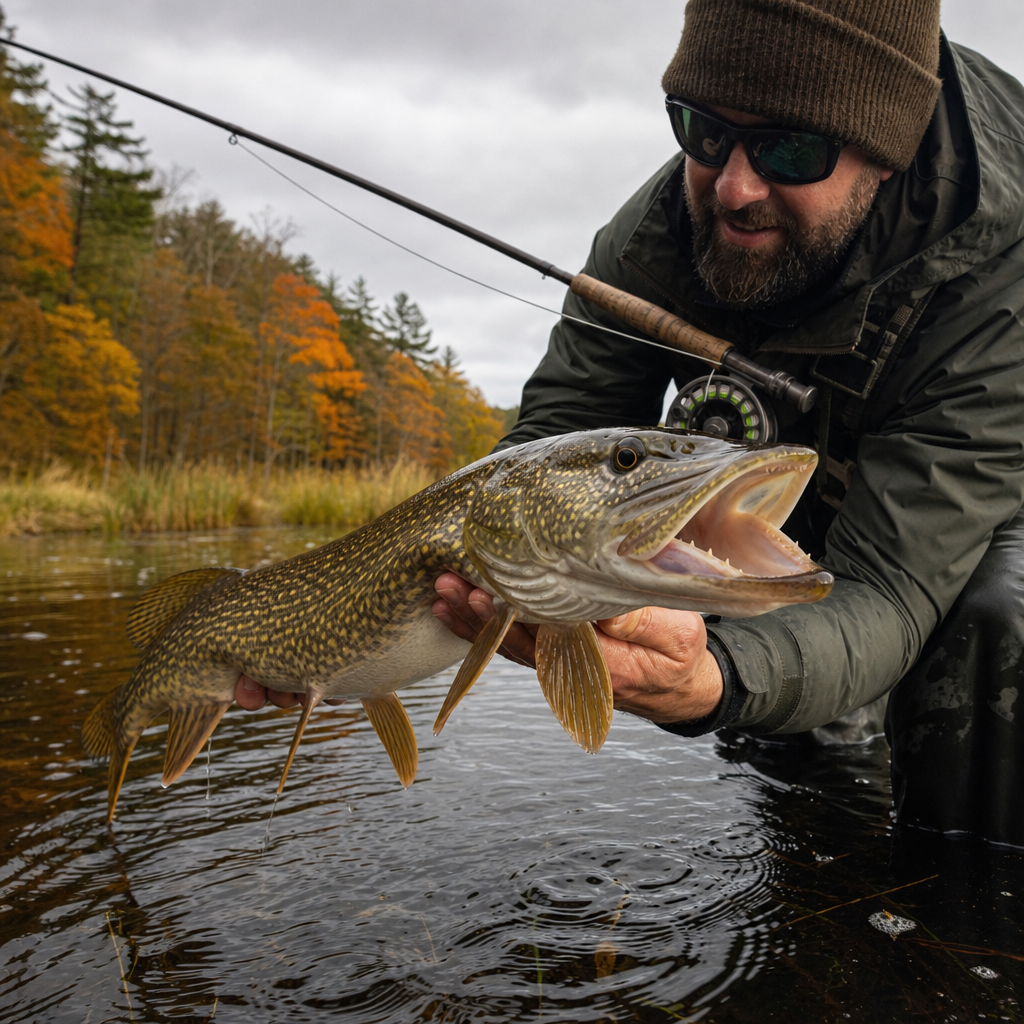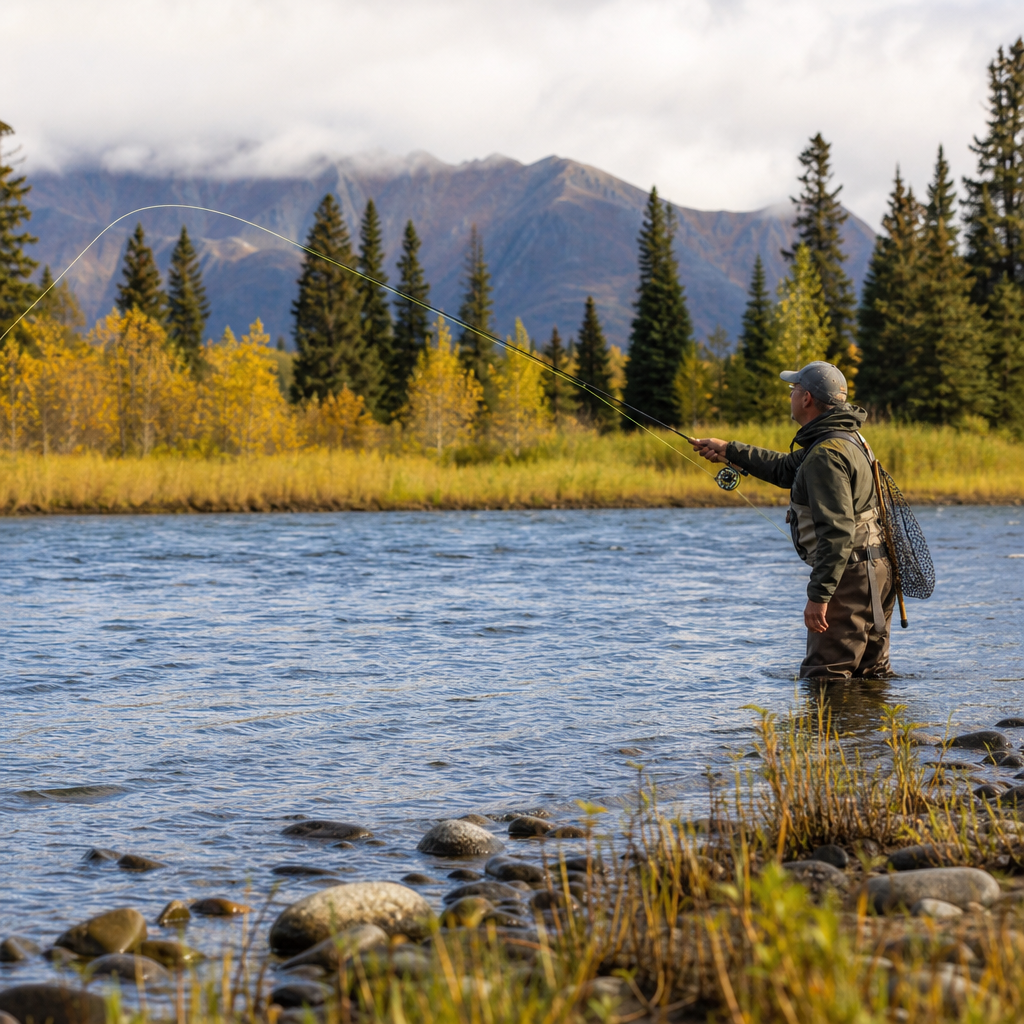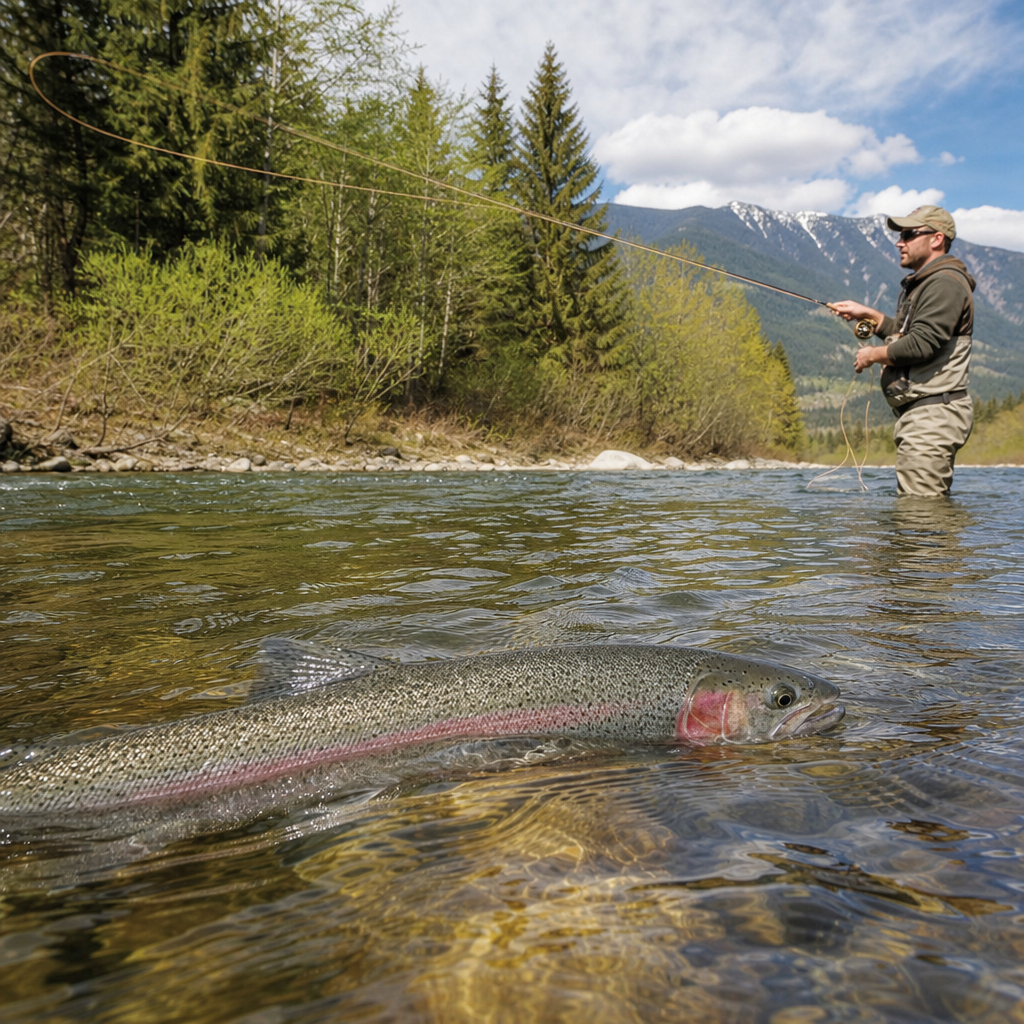
Fly fishing for steelhead in spring demands a different mindset than winter or fall because fish behavior, water temperatures, river flows, and angler tactics all shift quickly as daylight increases and snowmelt begins. Steelhead are anadromous rainbow trout that migrate from large lakes or the ocean into rivers to spawn, and spring fish can include fresh arrivals, overwintered adults, and drop-back steelhead returning downstream after spawning. Spring fly fishing refers to the period when rivers warm from winter lows into the productive mid-forties and fifties, insect life increases, and migratory fish move or hold according to changing flows. This matters because spring often offers the broadest mix of opportunity and complexity: active fish, variable water, crowds on famous runs, and short windows when presentation, depth, and location must align precisely. I have guided and fished enough spring days to know that the anglers who catch consistently are rarely the ones casting farthest. They are the ones who read seams, monitor gauges, adjust sink rate, and understand where steelhead rest during each stage of a river’s rise and drop.
As a hub for spring fly fishing, this article covers the essential techniques, productive water types, and proven locations that shape successful steelhead outings. It also answers the practical questions most anglers ask before a trip: when are fish most active, what flies work in cold versus warming water, how should Spey and single-hand tactics differ, and which rivers are worth traveling for during spring. Conditions matter more than calendar dates. A river at 42 degrees after a cold night fishes differently from the same river at 49 degrees after three stable afternoons. Clarity, discharge, and spawning timing also influence ethics, fish location, and fly choice. The best spring strategy is never one fixed method. It is a system built around river temperature, visibility, current speed, and fish mood.
Understanding spring steelhead behavior
Spring steelhead behavior follows biology first and weather second. As spawning approaches or concludes, steelhead shift from deep winter holding water into travel lanes, tailouts, softer edges near gravel, and transitional buckets where current is moderate and oxygen remains high. In cold water below about 42 degrees, many fish still hold near the bottom and respond best to slower swings, controlled depth, and repeated coverage through prime lies. Once water climbs into the mid-forties, fish often move farther during a swing and may slide into shallower runs, especially under cloud cover. At 48 to 52 degrees, the most aggressive fish become noticeably easier to move on traditional presentations.
River level changes can matter more than temperature alone. Rising water usually pushes steelhead toward softer banks, inside seams, and slower structure near wood or boulders. As rivers drop and clear, fish often settle into classic walking-speed runs with defined buckets and tailouts. After a sharp blowout, the first fishable day can be excellent if visibility reaches roughly 18 to 30 inches and the hydrograph is trending down. In glacial or snowmelt systems, afternoon color and flow increases can reposition fish daily. Watching online gauges from USGS, state agencies, or provincial monitoring stations is not optional for serious spring planning; it is part of the fishing.
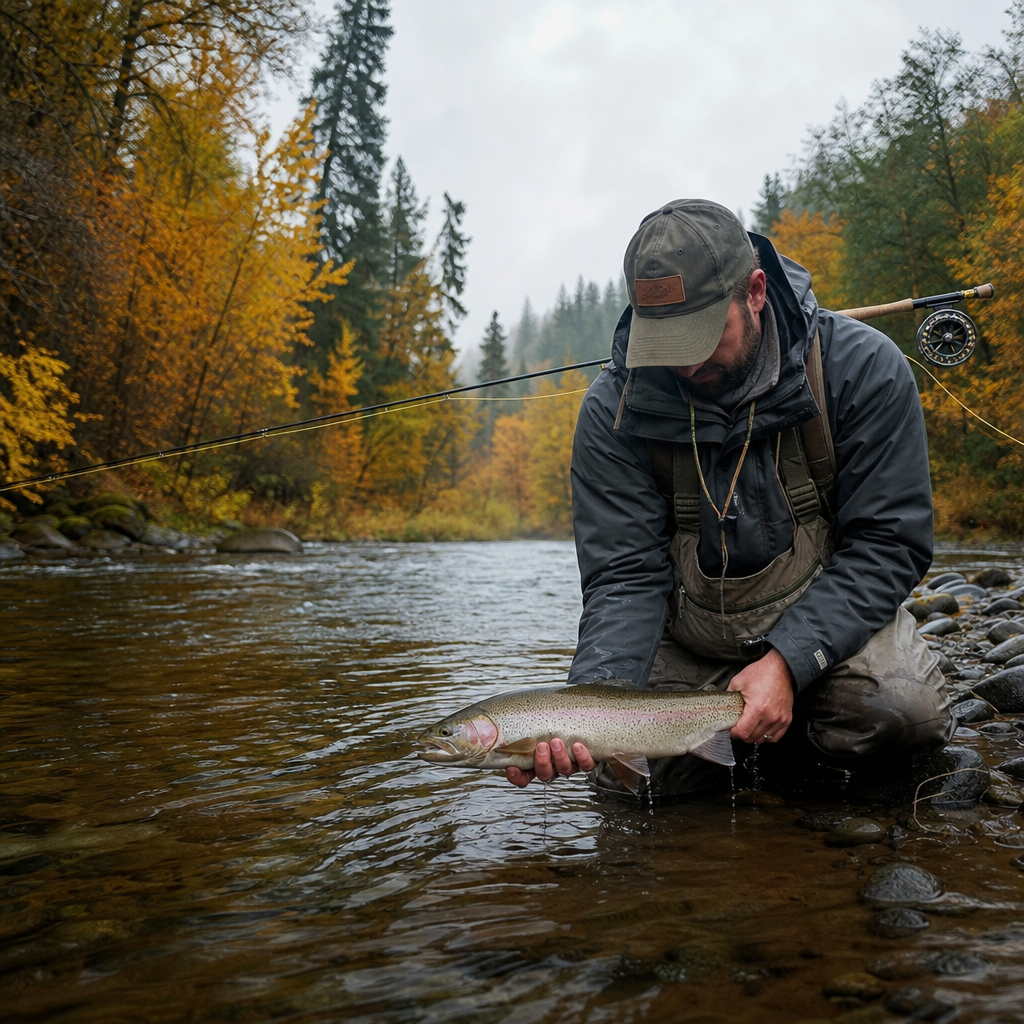
Spawning activity adds nuance. Ethical anglers avoid targeting paired fish actively on redds and instead focus on pre-spawn travelers, post-spawn drop-backs, or fish resting below spawning zones. Drop-backs can be opportunistic feeders and may chase streamers or brighter intruders, but they are often leaner and should be handled quickly. On some Great Lakes tributaries, spring fish stack in lower river pools before dispersing upstream with rain. On Pacific Northwest systems, hatchery and wild fish timing can differ by watershed, and regulations may require selective gear, wild fish release, or closed sanctuary stretches near spawning areas.
Core spring fly fishing techniques
The most reliable spring steelhead technique is still the swung fly, but successful swinging depends on matching line system, angle, speed, and fly profile to the day’s conditions. In colder, higher water, I usually start with a Skagit head, a short stout leader, and a sink tip heavy enough to maintain depth without dragging. Cast across or slightly downstream, mend early, then let the fly come under controlled tension through the holding lane. Many anglers fish too fast. In spring, especially at lower temperatures, steelhead often want the fly broadside and steady, not racing. A short step between casts increases coverage and keeps the fly in front of resting fish longer.
Indicator nymphing is equally effective and sometimes more efficient in smaller tributaries, pocket water, or crowded reaches where a full swing is difficult. Egg patterns, stonefly nymphs, and attractor nymphs under a float can produce when fish hug bottom in cold currents. Depth control is everything. If the indicator never hesitates, the rig is likely too shallow. If it drags constantly, it is too deep or too heavy. Tight-line presentations also work in shorter slots where precise contact matters more than drift length. On very cold mornings, I often tell anglers to begin with dead-drifted presentations before switching to swung flies as temperatures rise.
Stripping streamers has a place too, particularly for drop-backs and fish in softer frog water along current breaks. A lightly weighted leech or sculpin pattern on an intermediate or sink-tip line can trigger fish that ignore a standard swing. The key is controlled movement, not frantic retrieves. Spring steelhead are not saltwater predators; short strips and pauses usually outperform speed. Whichever method you choose, set expectations correctly: steelhead are famous because they are difficult. A good day may involve two grabs, one landed fish, and several hours of disciplined water coverage.
Gear, flies, and presentation decisions
For two-handed anglers, spring steelhead setups usually center on six- to eight-weight Spey or switch rods paired with Skagit or Scandi systems. Skagit heads excel in higher flows and with larger flies because they turn over heavy sink tips cleanly. Scandi systems shine in lower, clearer water where a lighter touch and smaller fly matter. Single-hand anglers do well with seven- or eight-weight rods for indicator rigs and streamer work. Reels should have dependable drags, but line management matters more than maximum stopping power because current, not fish weight alone, creates most of the pressure during the fight.
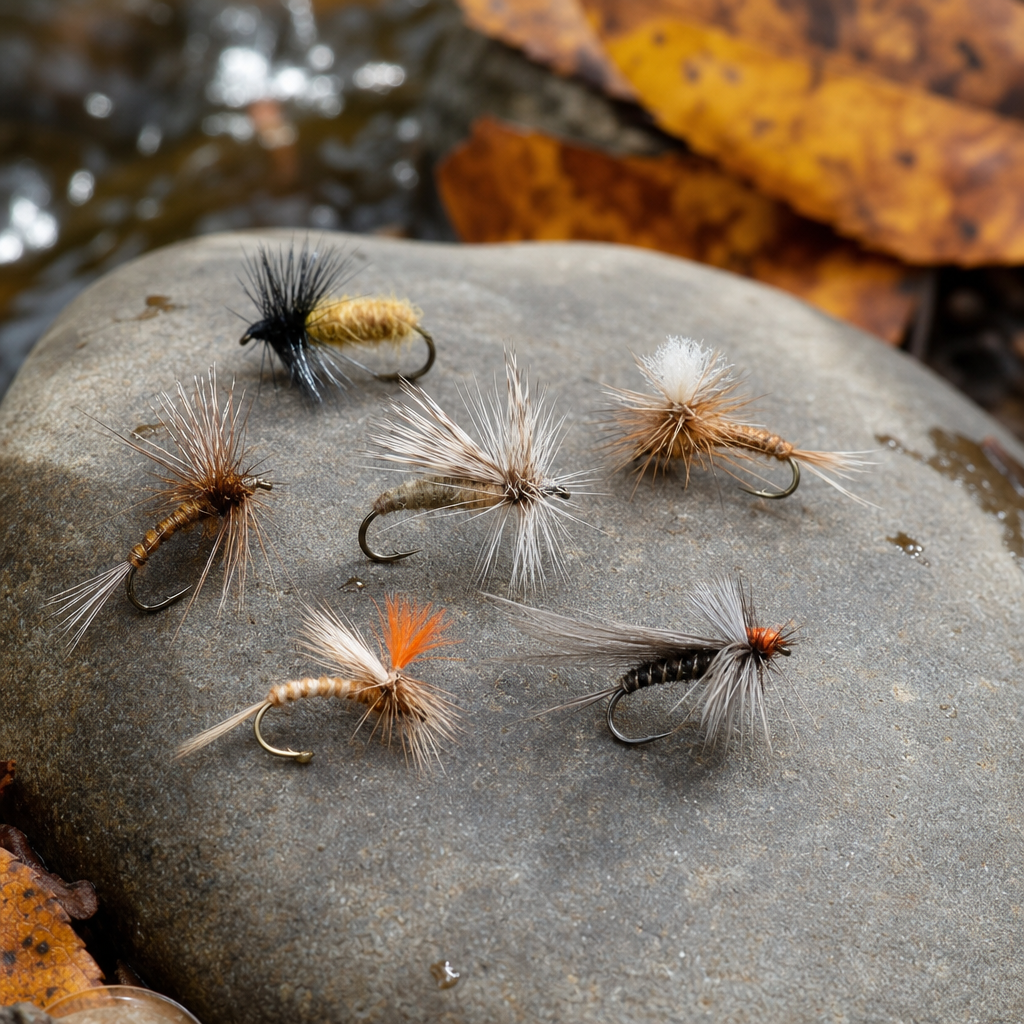
Fly selection should track water color, temperature, and fish position. In cold, stained water, larger profiles in black, purple, blue, and pink stand out well. Intruders, marabou tubes, rabbit leeches, and composite loop patterns move water and remain visible. In clearer flows, downsizing often improves results. Sparse hairwings, small leeches, classic low-water steelhead flies, and natural-toned patterns can outfish bulkier options when fish inspect closely. Egg flies are practical around spawning periods because loose eggs become part of the food chain, but presentation and regulation compliance matter; in some rivers, pegging methods or hook placement rules are specific and enforced.
| Condition | Best Line Approach | Fly Style | Presentation Focus |
|---|---|---|---|
| Cold, high, slightly colored water | Skagit with T-11 or T-14 tip | Large intruder, rabbit leech, black/blue profile | Slow swing, deep path, short steps |
| Stable mid-level flows, 44 to 48 degrees | Moderate sink tip or MOW setup | Medium marabou tube, purple or pink accent | Broadside swing through classic runs |
| Low, clear, warming afternoons | Scandi or light tip | Sparse low-water fly, small leech | Long leader, soft landing, subtle speed |
| Small tributary pockets | Indicator or tight-line rig | Egg, stonefly nymph, attractor nymph | Bottom contact and natural drift |
Leader construction is often simplified for steelhead, but details still matter. For swinging, a short section of 10- to 15-pound Maxima or fluorocarbon is standard because turnover and abrasion resistance matter more than invisibility. For indicator fishing, use enough tippet separation between shot and fly to create a natural drift, then adjust based on current speed. Hook sharpness is nonnegotiable. Many spring grabs are soft plucks or brief heaviness rather than violent takes, so chemically sharpened hooks and frequent checks after rocks save fish. Polarized glasses, a thermometer, and a wading staff are not accessories; they are core tools for reading water and fishing safely in pushy spring currents.
Where to find steelhead in spring
The best spring locations share a common trait: they combine migratory access, stable holding water, and seasonal timing that matches your travel window. In the Pacific Northwest, notable spring steelhead destinations include the Deschutes in Oregon, the North Umpqua, select Olympic Peninsula rivers in Washington, and British Columbia systems where regulations and runs permit targeting steelhead in spring. Each river has its own character. The Deschutes offers classic swung-fly structure and canyon access, but spring conditions can change with runoff and pressure. The Olympic Peninsula provides rain-influenced rivers where dropping water after storms can create short but excellent windows. The North Umpqua is legendary for traditional methods and demanding fish in clear flows.
Great Lakes tributaries also deserve serious attention for spring fly fishing. Rivers in Ohio, Pennsylvania, New York, Michigan, and Ontario can hold large numbers of migratory steelhead from late winter through spring. Systems such as the Salmon River in New York, Michigan’s Pere Marquette and Manistee, and Ontario tributaries off Lake Erie or Lake Ontario often fish well when runoff is manageable. These waters reward mobility. One creek may be blown out while another nearby is green and perfect. Because many Great Lakes rivers are smaller than coastal steelhead systems, nymphing, light streamer work, and stealth often outproduce long swinging sessions, though swung flies still take fish in broader tailouts and lower river runs.
When scouting any spring river, focus first on travel corridors near the lower river, then move toward transitional holding water. Productive water includes inside bends with walking-speed current, heads of pools where current softens after a riffle, ledges beside softer seams, and tailouts above deeper slots. In colder conditions, look for moderate depth and reduced current speed rather than flashy shallow water. As temperatures rise, steelhead may slide into riffled runs with three to five feet of depth and clean gravel nearby. If a run looks perfect but has no visible depth change, no current cushion, and no migration path, move on. Good steelhead water is rarely random.
Timing, conditions, and practical trip planning
Daily timing in spring is usually more important than anglers expect. Early mornings can be slow when overnight air temperatures drop sharply, especially on snowmelt rivers. Late morning through afternoon often improves as water temperatures climb a few critical degrees. I routinely check water temperature at multiple times during the day, not just once. A rise from 41 to 45 degrees can transform a river from dour to responsive. Cloud cover, wind, and barometric changes also influence fish movement, but stable flows remain the strongest predictor of consistent fishing. If you can choose only one factor to prioritize, pick favorable levels and fishable clarity.
Trip planning should start with regulations, then access, then conditions. Many premier rivers have seasonal closures, wild fish release rules, sanctuary zones, or bait restrictions. Study official agency updates before traveling, especially in years with emergency low-water or conservation measures. Access also shapes success. A famous roadside run may see dozens of drifts before your fly arrives, while a thirty-minute walk can reveal rested fish. Wading safety deserves respect in spring because snowmelt and rain create deceptively strong currents. Felt or modern rubber soles with studs, layered insulation, and a conservative crossing policy prevent accidents that end trips quickly.
As the central resource for this spring fly fishing topic, the smartest next step is to build your season around conditions rather than hype. Learn to read a hydrograph, carry both swing and nymph tools, and match your river choice to runoff patterns in your region. Spring rewards anglers who adapt hour by hour. If you want more steelhead on the fly this season, start with one river, track its temperature and flow for several weeks, and fish it enough to see how holding water changes. That disciplined approach turns scattered success into repeatable results, and it is the foundation for every specialized spring fly fishing article that branches from this hub.
Frequently Asked Questions
When is the best time in spring to fly fish for steelhead?
The best time to fly fish for steelhead in spring usually depends on river temperature, runoff timing, and the specific strain of fish using that system, but in general, the most productive window begins when winter conditions start to loosen and fish become more mobile. Early spring can still fish like winter, especially on larger rivers that stay cold and clear, so steelhead often hold in slower seams, tailouts, and softer walking-speed runs where they can conserve energy. As the days lengthen and water temperatures begin climbing into a more active range, steelhead tend to move farther, respond better to swung flies, and spread into a wider variety of holding water.
Many anglers pay close attention to water temperatures in the upper 30s through mid-40s and beyond, because even a small warming trend can change the mood of the fish. Stable flows are often just as important as temperature. A river that has dropped into shape after rain or early snowmelt frequently fishes better than one that is rising, heavily colored, or fluctuating every day. Mid-morning through afternoon is often more consistent than dawn during cold spring periods because the river has had time to warm slightly. On some rivers, the sweet spot comes just before major runoff, while on others it may be during softer breaks in runoff or later in spring when flows settle. The key is to think less in terms of a fixed calendar date and more in terms of water condition, temperature trend, and fish movement.
What are the most effective fly fishing techniques for spring steelhead?
The most effective spring steelhead techniques are usually a combination of adapting depth, speed, and presentation to changing water conditions. In colder early spring water, dead-drifting under an indicator with nymphs, eggs, or small intruder-style flies can be extremely effective because it keeps the fly in the strike zone for a long time. This method shines in deeper runs, slots, inside seams, and softer buckets where fish are reluctant to move far. Split shot placement, leader length, and drift control matter a great deal, because spring steelhead often reward the angler who presents the fly naturally and near the bottom without excessive drag.
As water temperatures rise and fish become more aggressive, swinging flies becomes increasingly productive and often more exciting. A tight line swing with a two-handed rod, sink tip, and moderate-sized profile can cover water efficiently and trigger fish that are willing to move laterally. In softer flows, a floating line with a polyleader or light tip may be enough, while colder or heavier water often calls for denser sink tips to get the fly down. Strip-set discipline is important on the swing, since steelhead often pull the line tight before the hook should be driven home. Anglers also do well by adjusting fly size and silhouette to water clarity: brighter, larger, or more visible patterns in off-color water, and smaller, subtler flies in clear conditions. The best spring anglers stay flexible, switching between nymphing and swinging rather than treating one method as the only answer.
Where should I look for steelhead in a river during spring?
In spring, steelhead can be found in a broad range of holding and travel water, but the exact locations shift with flow level, temperature, and whether the fish are fresh, staged, actively spawning, or dropping back downstream. Early in the season or during cold snaps, steelhead often hold in classic winter-style lies: deeper runs with moderate current, tailouts that slow into softer buckets, and seams where fish can rest while staying close to migration lanes. They generally avoid burning unnecessary energy, so the most productive water is often where depth, cover, and current speed come together in a balanced way.
As conditions warm, steelhead may use shallower walking-speed runs, riffle edges, transition water below gravel, and travel corridors connecting pools and spawning areas. Fresh fish entering a river tend to pause in resting water near current breaks, while pre-spawn fish often move upstream through defined lanes and hold temporarily in spots that allow easy movement. Drop-back steelhead can be especially important in late spring and are frequently found in softer downstream travel water, tailouts, lower river runs, and edges that provide a low-effort route back toward larger water. Productive spring anglers learn to read transitional water rather than focusing only on obvious deep pools. Covering water methodically, watching for subtle changes in current texture, and considering where fish are going rather than only where they have been are all major advantages.
What flies and gear work best for spring steelhead fishing?
Spring steelhead gear should be chosen to handle fluctuating water levels, a wide range of presentations, and fish that may be anywhere from sluggish to highly responsive. Rod choice depends on the water and technique. Single-hand rods can be excellent for indicator fishing and smaller rivers, while switch and Spey rods are ideal for covering broader runs with swung flies. A good reel with a smooth drag is essential, and sink-tip systems are especially valuable in spring because they let anglers adjust quickly to changing depth and current speed. Layered clothing, good wading gear, and a wading staff are also practical necessities, since spring rivers are often cold, pushy, and unpredictable.
Fly selection should reflect both visibility and profile. Egg patterns, stonefly nymphs, caddis larvae, worms, and attractor nymphs are reliable under indicators, particularly where spawning activity or elevated spring food availability influences fish behavior. For swinging, many anglers rely on intruders, leeches, marabou tubes, rabbit-strip patterns, and sparse traditional wet flies. In colder or clearer water, smaller flies in black, purple, blue, olive, or natural tones often perform well; in higher or slightly stained water, pink, orange, chartreuse, and combinations with strong contrast can stand out better. Tippet and leader setup should match the technique and clarity, with stronger materials often preferred in heavier spring flows. The overall goal is not to carry every fly ever tied, but to build a system that allows you to change depth, color, and profile efficiently as conditions evolve throughout the day.
How do spring river conditions like runoff and snowmelt affect steelhead behavior and angler strategy?
Runoff and snowmelt are some of the biggest factors in spring steelhead fishing because they influence river height, clarity, speed, temperature, and fish movement all at once. When rivers rise quickly from warm rain or melting snow, steelhead often shift out of main current and into protected holding water such as inside bends, soft edges, flooded seams, and slower structure near shore. If the water becomes too dirty or unstable, fish may temporarily stop moving or become difficult to reach effectively. On the other hand, a river dropping into shape after a bump can create outstanding fishing because fresh fish move, existing fish reposition, and the water gains a mix of cover and fishable visibility.
Strategically, this means anglers should make decisions based on trend rather than condition alone. A river that looks slightly high but is green and falling can be far better than a lower river that is icy cold and stagnant. During runoff, it often pays to fish closer, slower water and shorten casts rather than forcing presentations into the heaviest current. Later, as flows stabilize, anglers can begin covering broader runs, tailouts, and migration lanes again. Safety also becomes a major concern in spring. Snowmelt can create strong, deceptive currents and unstable footing, so successful anglers do not just chase fishable water; they choose accessible, controlled water where they can present effectively without unnecessary risk. Reading hydrographs, checking weather patterns, and understanding how a particular river responds to rain and melt are every bit as important as fly choice in spring steelhead season.