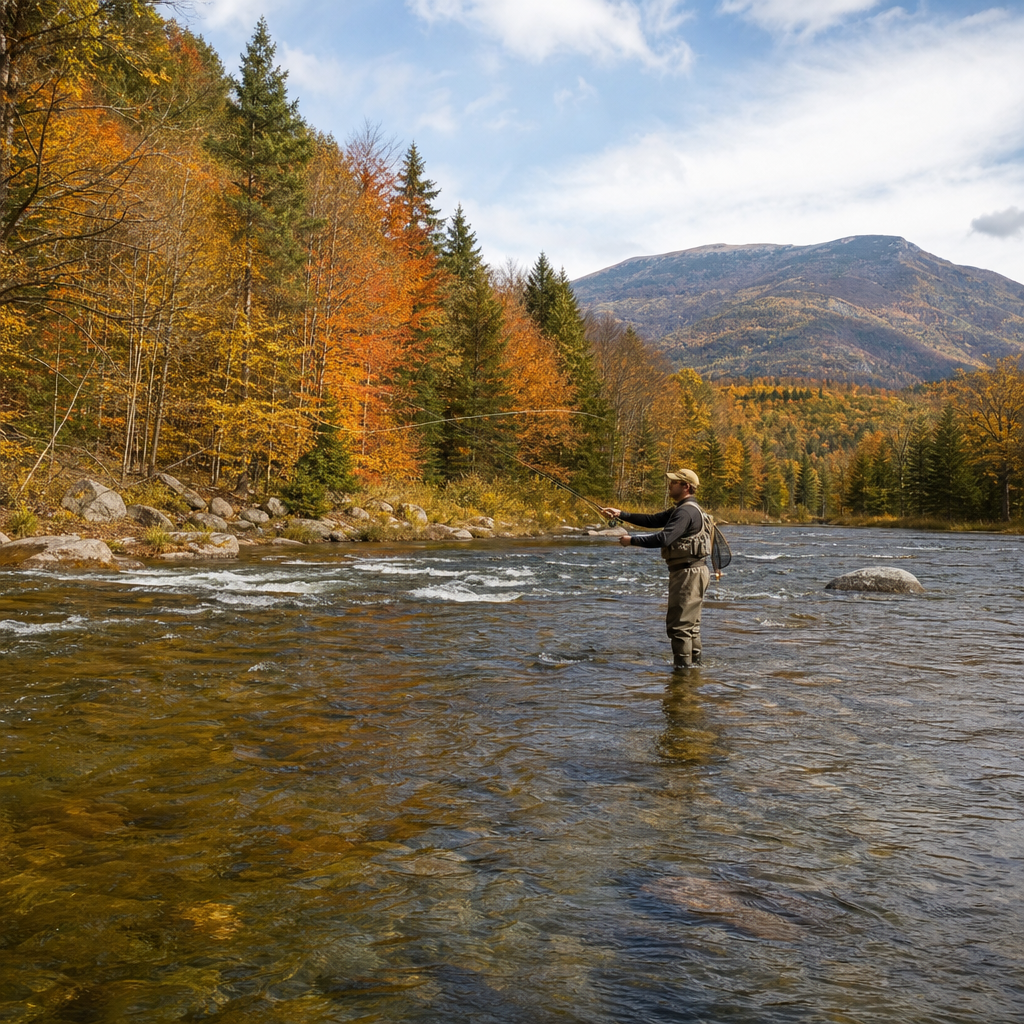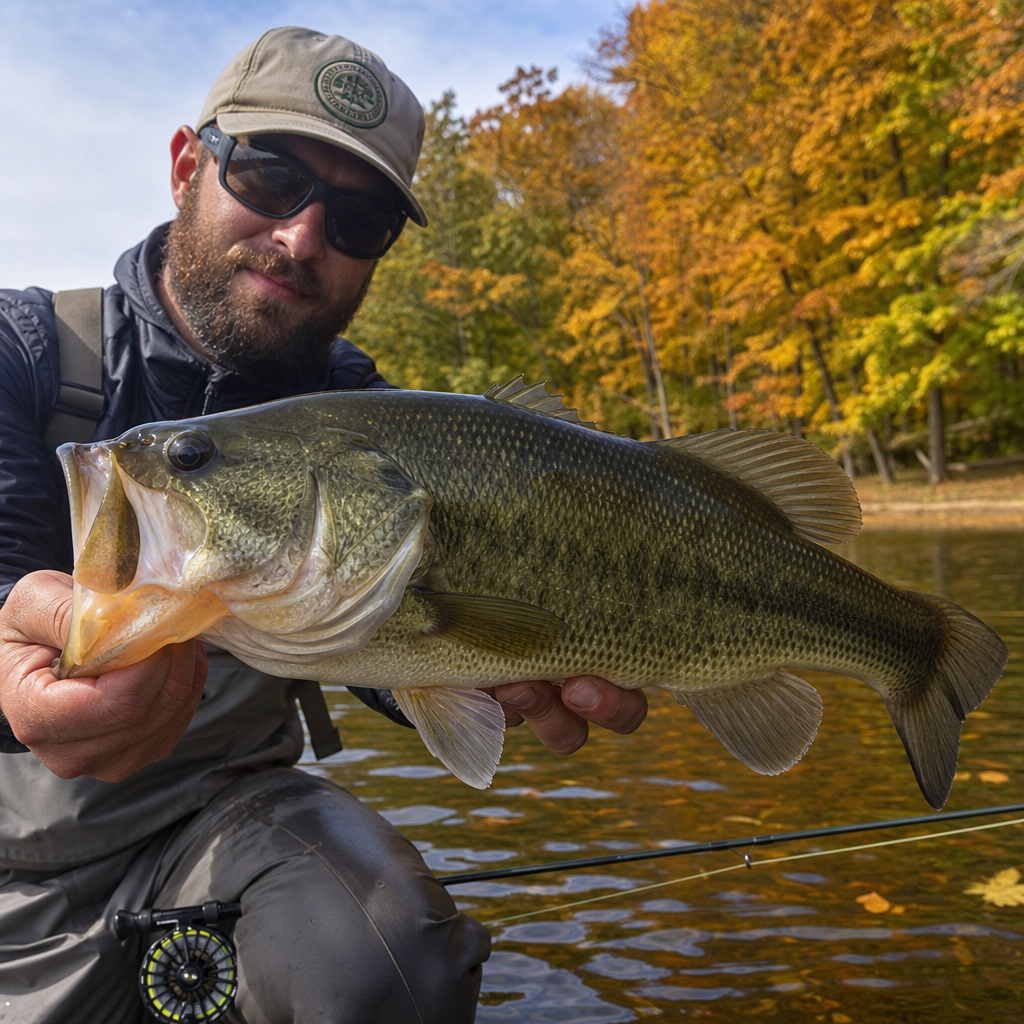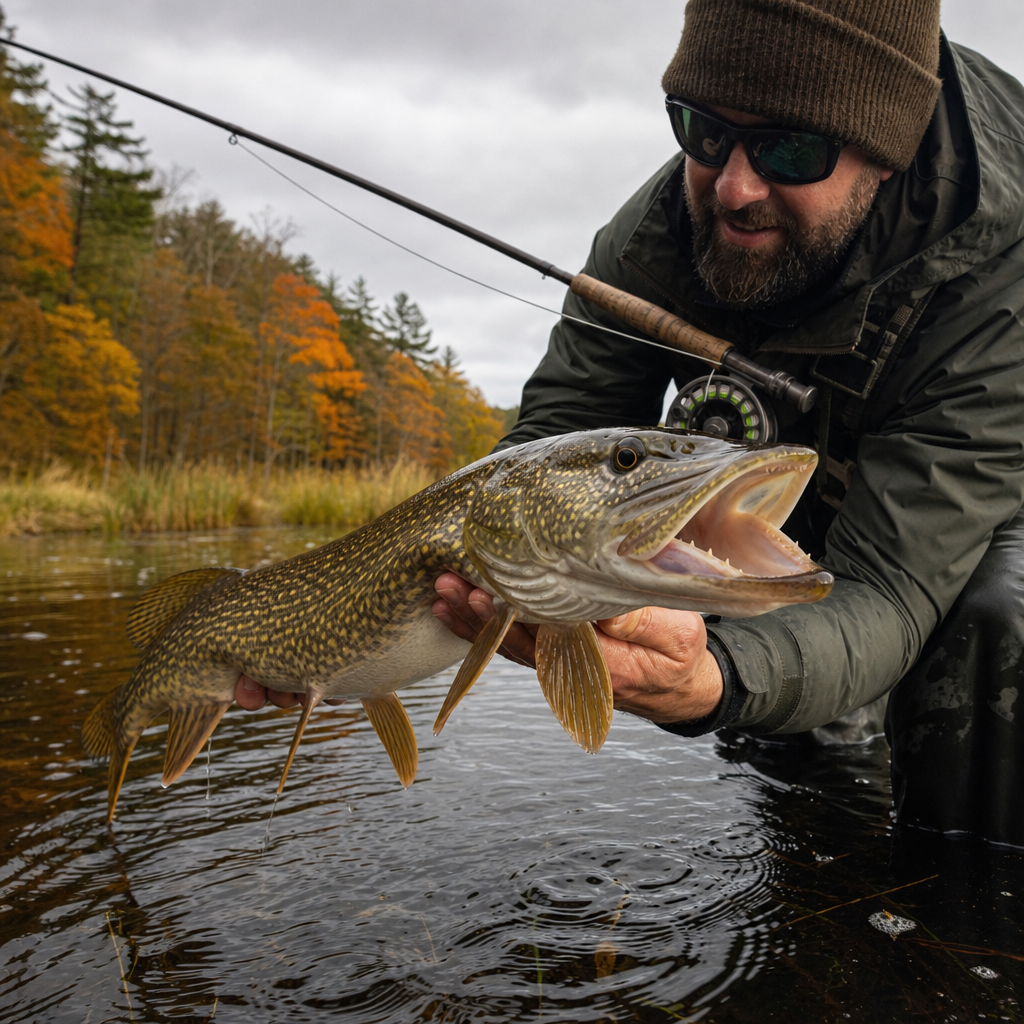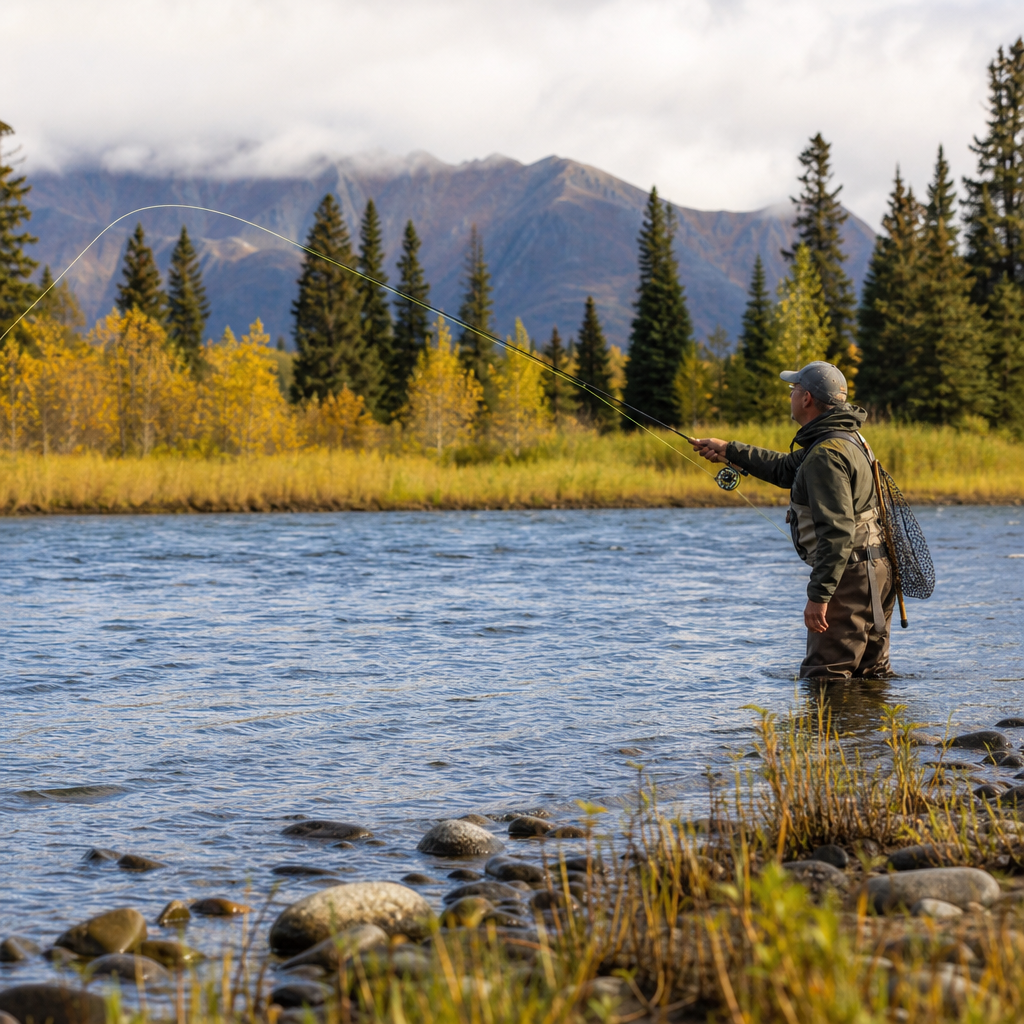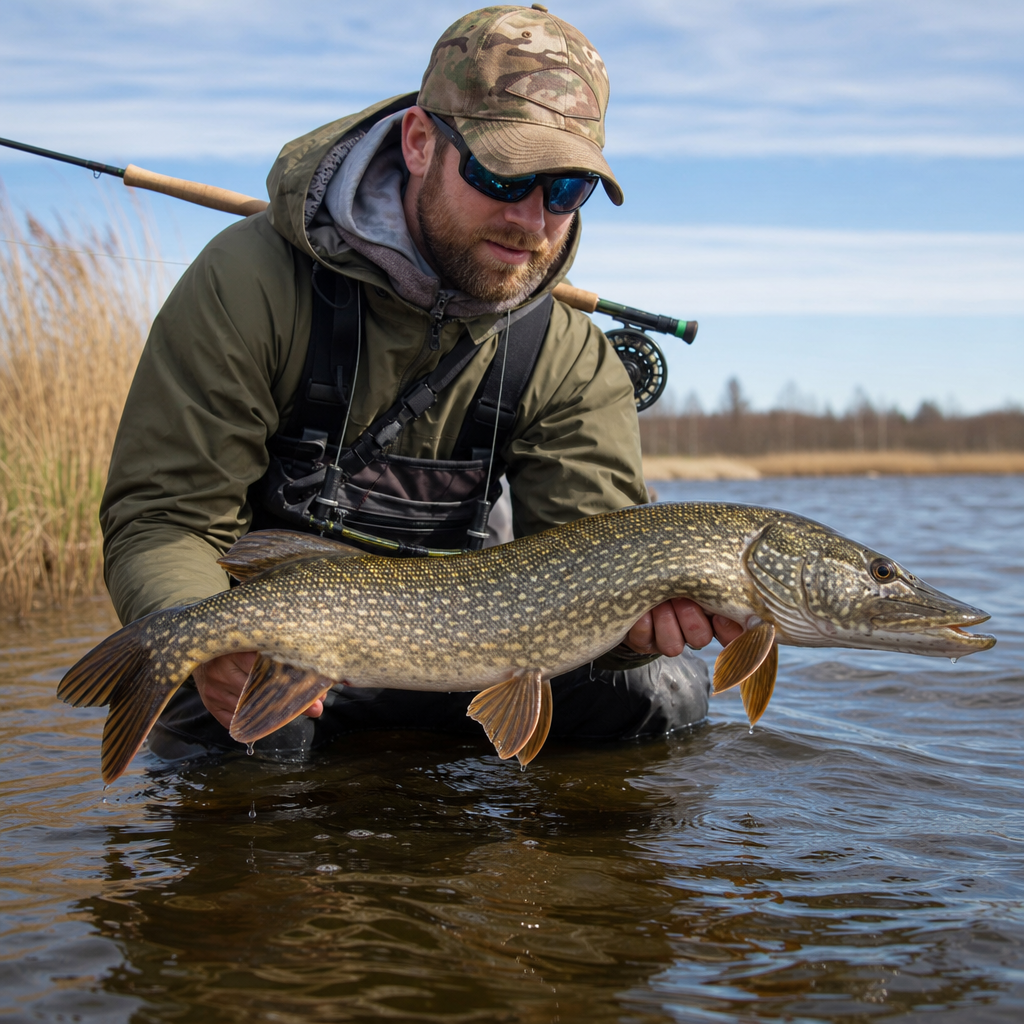
Spring fly fishing for pike is one of the most reliable ways to connect with large, aggressive predators because rising water temperatures, post-ice recovery, and pre-spawn or post-spawn feeding all push fish into predictable areas. In practical terms, spring usually means the period from ice-out until early summer, when weeds are just starting, baitfish are concentrated, and pike patrol shallow bays, marsh edges, creek mouths, and warming flats. For fly anglers, this season matters because fish often hold within casting range, respond to large profiles, and can be targeted with deliberate, visual presentations rather than deep trolling or fast retrieves. I have found that anglers who understand spring timing, water temperature, forage movement, and fish handling consistently catch more pike while putting less stress on the resource. This article serves as a complete hub for spring fly fishing, covering where fish hold, what gear works, which flies produce, how weather changes the bite, and how to fish safely around sharp teeth, cold water, and fragile spawning cycles.
Pike are ambush predators built for short bursts, not long chases. Their body shape, rear-set fins, wide mouth, and impressive acceleration make them especially effective around cover and edges. In spring, those structural advantages line up with seasonal biology. As soon as shallow water warms even a few degrees faster than the main basin, pike move in. In many waters, northern pike spawn shortly after ice-out in flooded vegetation, marshes, and back bays, often before many other gamefish become active. That means spring patterns can be excellent both before and after spawning, but the details change quickly. A cold front can pull fish off a flat. A stretch of stable sun can reload a bay within a day. If you are building a seasonal strategy, spring is the period when location matters most and speed matters least. Find the warmest suitable water, present a fly that looks worth eating, and expect follows, jolting takes, and fish that often reveal exactly how they want the fly moved.
Understanding Spring Pike Behavior
The first key to spring fly fishing for pike is recognizing that “spring” is not one static pattern. Early spring begins at ice-out, when pike enter or remain near spawning zones such as marshes, shallow bays, and low-current backwaters. Mid-spring often overlaps with recovery and heavier feeding, especially in waters where spawning has already ended. Late spring shifts toward expanding weed growth, increasing baitfish spread, and fish gradually dispersing from the warmest shallows into adjacent edges, channels, and first drop-offs. In every phase, water temperature drives behavior more than the calendar. Even a move from 40 to 46 degrees can change fish activity dramatically.
In my experience, the best spring pike water is rarely random. It has three ingredients: warmth, forage, and access to depth. A dark-bottom bay with old reeds, emerging cabbage, and a nearby channel is far better than an equally shallow flat with no cover and no escape route. Pike use transitions. They stage along the inside edge of a reed line, the seam where stained water enters clear water, or the lip where a flooded marsh drains into the lake. Anglers who cast only at obvious shoreline cover miss many fish that sit one cast farther out, using subtle depth changes or isolated clumps as ambush points.
Feeding windows also become easier to predict in spring. Because cold water slows metabolism, pike usually prefer a substantial meal over repeated long chases. That is why broad-profile flies, pause-heavy retrieves, and accurate casts into high-percentage water outperform blind speed casting. The fish may move only a few feet, but they will move decisively when a fly enters the strike lane. Watch for followers. A pike tracking to the boat or bank is not a failure; it is a clue. The fish is telling you the location is right and the retrieve may need a longer pause, a sharper strip, or a change in fly depth.
Where to Find Pike in Spring
If an angler asks the most important question about spring fly fishing for pike, the answer is simple: where is the warmest shallow water connected to spawning habitat and nearby depth? Start there. Productive areas include protected bays on the north or northwest shoreline, marshy backwaters, creek mouths that bring slightly warmer inflow, flooded grass, and dark-bottom flats that absorb sunlight. Wind can help if it pushes warmer surface water and bait into a bay, but too much cold wind can reverse the effect and kill a shallow bite. The best locations usually combine shelter with afternoon sun.
Natural lakes, reservoirs, and river systems all fish differently in spring. In natural lakes, pike often gather in weedy coves, reed beds, and soft-bottom bays. In reservoirs, they may favor warming creek arms, inundated brush, and flats near old channels. In rivers, spring pike commonly hold in slack side channels, flooded backwaters, and current breaks where they can feed without burning energy. I have had some of my most consistent days by focusing on places most trout anglers overlook: ankle- to knee-deep water with last year’s vegetation and a direct route to a deeper trough nearby.
Polarized glasses are essential because many spring fish can be seen before they are cast to. Sight-fishing opportunities increase on calm days when pike cruise the edges of reeds or hover over dark patches waiting for perch, suckers, or juvenile panfish. Even when you cannot see fish, look for the signs of food and shelter: minnows dimpling in a pocket, ducks feeding in a marsh, carp stirring soft sediment, or the first green weeds on a flat. Pike are seldom far from the seasonal grocery store.
Tackle, Leaders, and Flies That Work
A practical spring pike fly setup is built around control, fly turnover, and fish safety. For most waters, an 8- to 10-weight rod is ideal, with a 9-weight being the most versatile choice. It casts large flies, protects against wind, and has enough backbone to pressure fish away from weeds and reduce fight time. Match it with a large-arbor reel carrying a smooth drag and a weight-forward line. Many anglers overcomplicate line selection, but in spring I rely most on floating lines, intermediate lines, and short sink-tip systems. Floating lines shine over flooded grass and shallow flats. Intermediate lines keep broad flies just under the film. Sink-tips help when fish slide to the first break after a front.
Leaders for pike are not optional details. Bite protection is mandatory. A common system is a short, stout tapered leader ending in 30- to 40-pound fluorocarbon or hard mono, followed by a bite tippet of 20- to 40-pound knotable wire or heavy fluorocarbon designed specifically for toothy fish. Wire remains the safest choice when fish are engulfing flies. Heavy single-strand or poorly tied wire can kill casting performance, so use modern knotable products and test every connection. I also prefer flies tied on strong, corrosion-resistant hooks with wide gaps that hold bulk materials without masking the point.
| Condition | Best Line | Effective Fly Style | Retrieve Focus |
|---|---|---|---|
| Flooded grass or reeds | Floating | Light bunny or synthetic deceiver | Slow strips with long pauses |
| Shallow warming bay | Intermediate | Broad-profile baitfish, 4 to 7 inches | Strip-strip-pause cadence |
| Cold-front edge bite | Sink-tip | Weighted hollow tie or jig-style fly | Short pulls near first drop-off |
| Stained inflow water | Intermediate | Bright contrast patterns with flash | Steady retrieve anglers can track |
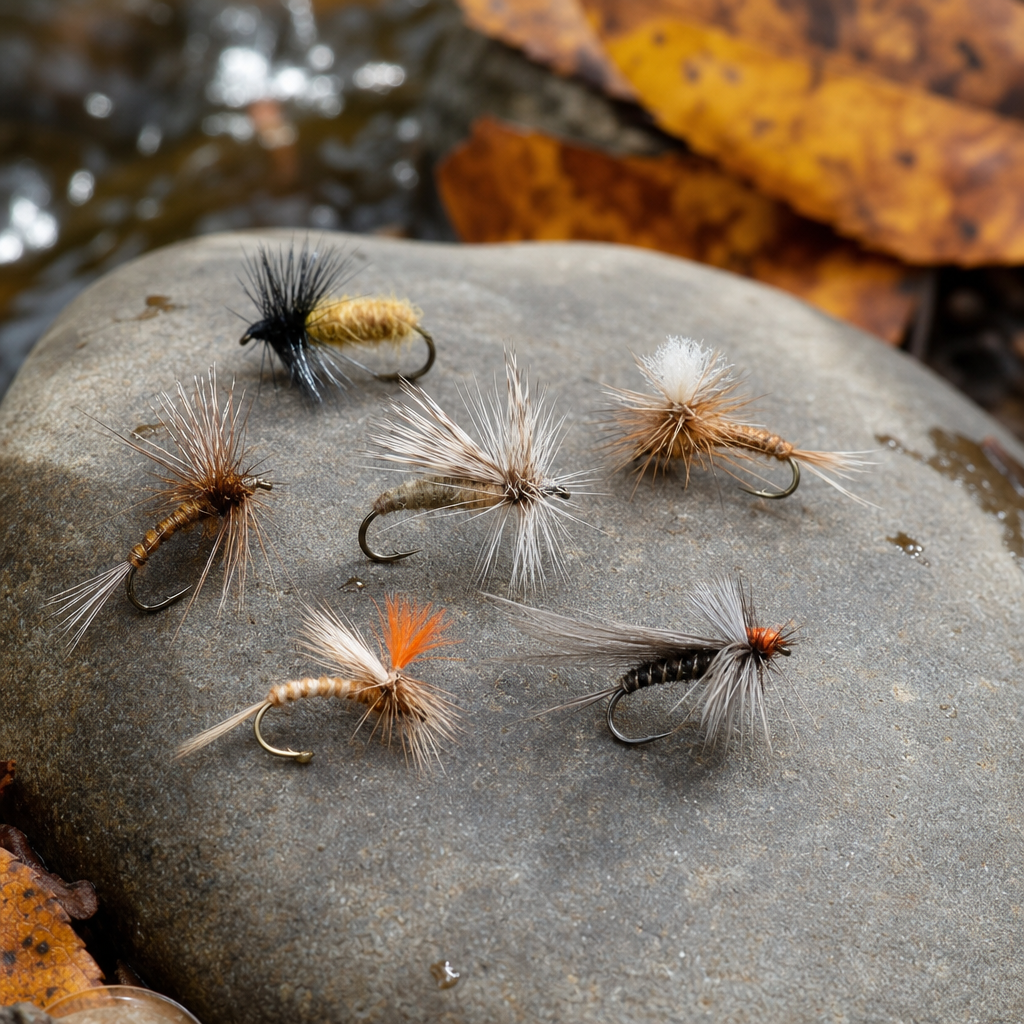
As for fly choice, profile matters more than exact imitation. Spring pike key on vulnerable prey, so flies that push water and remain visible are consistently effective. Lefty’s Deceiver, Hollow Deceiver, Bunny Pike Fly, Buford-style patterns, large Clousers, and modern synthetic baitfish all produce. White, chartreuse, black, firetiger, olive, and perch combinations cover most situations. In clear water, natural perch and sucker tones often excel. In stained water, black and chartreuse create a stronger silhouette. Most spring flies should be 4 to 7 inches long; truly large fish will eat bigger offerings, but moderate sizes cast better and still match common forage.
Presentation, Timing, and Hooking More Fish
How you move the fly in spring is usually more important than how fast you can cover water. Start with a measured retrieve: two medium strips, then a pause. If fish are following but not eating, lengthen the pause or add one hard strip to trigger the strike. Pike often eat on the stall, especially in cold water when a fly appears injured and easy to intercept. Keep the rod tip low, maintain contact, and be ready for a violent take at boatside. Figure-eight tactics from muskie fishing can help, but with pike I usually prefer a wide, slow directional change near the end of the retrieve because the fish often commit when the fly accelerates slightly and swings broadside.
Timing matters through the day. Cold mornings can be slow until the sun warms shallow water, especially after a clear night. Midday and late afternoon regularly outfish dawn in early spring, which surprises anglers used to summer patterns. Stable weather is ideal. Two or three warming days in a row can stack fish into the backs of bays. A severe cold front often pushes them slightly deeper or makes them less willing to chase, but it rarely removes them from an area with food and temperature advantage. Under those conditions, slow down, use an intermediate or sink-tip, and target the nearest breakline outside the warmest flat.
Hooking and landing percentages improve when anglers strip-set instead of lifting the rod like they would for trout. Pike have hard mouths and big leverage. A firm strip-set drives the hook and keeps the fly in the fish if the first attempt misses. Once hooked, clear line quickly and fight the fish from the reel whenever possible. Long battles are unnecessary with proper tackle. A 9-weight rod and tight pressure shorten fight time, reduce exhaustion, and let you release fish in stronger condition.
Safety, Fish Handling, and Seasonal Ethics
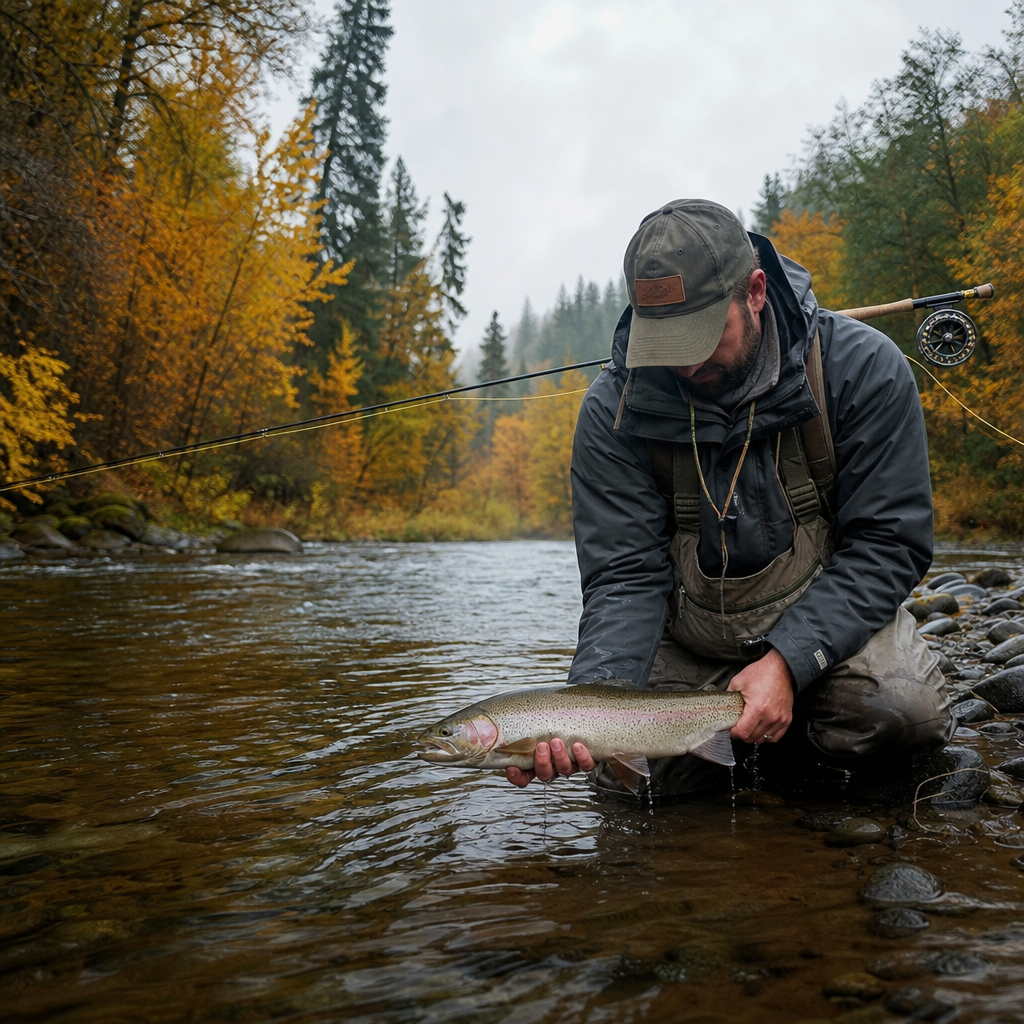
Spring pike are too valuable to handle carelessly. These fish are often encountered in shallow spawning or recovery areas, so quick releases matter. Use a large rubberized landing net, long forceps, jaw spreaders only when absolutely necessary, and quality hook cutters in case a fly is buried. Keep hands wet, support the fish horizontally, and avoid dragging it onto grass, sand, or boat carpet. If the pike is deeply hooked or tangled in wire, cutting the hook is often better than wrestling for a perfect extraction.
Cold water also creates angler safety issues. Wading a soft-bottom marsh or launching into a half-thawed reservoir demands caution. Wear a life jacket in small craft, especially when water temperatures are still dangerous. Spring weather changes fast, and strong wind can make a productive bay impossible to fish or unsafe to exit. The smart move is to plan sheltered options and fish areas that offer easy retreat.
Regulations vary widely, and they deserve attention. Some waters close pike seasons around spawning periods. Others allow catch and release only, impose slot limits, or restrict access to backwater marshes. Ethical fishing goes beyond legality. If fish are actively spawning in inches of water, leave them alone and target adjacent staging fish instead. Protecting large females is particularly important because they contribute disproportionately to recruitment. Healthy pike fisheries depend on anglers who value the future as much as the photo.
Building a Spring Strategy That Scales
The best spring fly fishing for pike plan is simple enough to repeat and flexible enough to adjust. Begin with a map and mark sheltered bays, inflows, marshes, reed flats, and nearby channels. On the water, check temperature in multiple locations, not just the launch. A difference of two or three degrees is meaningful. Start shallow with a floating or intermediate line, a moderate-size baitfish pattern, and a pause-focused retrieve. If action fades, slide to the nearest drop or weed edge before changing lakes or overhauling the fly box. Pattern the fish by location, depth, and cadence first; color is usually the final adjustment, not the first.
This hub should also guide the rest of your seasonal learning. As spring progresses, water clarity, runoff, wind exposure, forage type, and local spawning schedules all shape the bite. Some days demand subtle natural flies and stealthy presentations to cruisers in clear bays. Others call for loud contrast flies stripped through stained inflow water. The common thread is that spring rewards observation more than force. Read the bay, read the weather, read the followers, and let the fish refine your plan. When you do, spring fly fishing for pike becomes less about luck and more about repeatable decisions that put big predators within range.
Spring gives fly anglers a rare mix of accessibility, predictability, and trophy potential, which is why it deserves focused attention within any serious seasons-and-conditions strategy. The essentials are straightforward: find warming shallow water connected to spawning habitat, use tackle strong enough to cast big flies and land fish quickly, protect your leader with proper bite tippet, and fish presentations built around pauses and controlled movement. Location, temperature, and forage consistently outweigh minor fly changes.
The biggest benefit of learning this season well is confidence. Instead of guessing, you can narrow a large lake or river to a handful of high-percentage zones and fish them with purpose. You will know why a dark-bottom bay turns on after sun, why a cold front shifts pike to the first break, and why a broad-profile fly paused beside old reeds gets eaten. Just as important, you will handle fish better and make smarter calls around spawning activity and changing spring conditions.
If you want more success this season, build your next outing around one clear plan: locate the warmest protected water, cover it methodically, and adjust depth before anything else. Do that consistently, keep notes on temperature and location, and spring fly fishing for pike will become one of the most dependable windows in your year.
Frequently Asked Questions
When is the best time in spring to fly fish for pike?
The best spring window for fly fishing for pike usually starts right after ice-out and continues into early summer, but the most productive period depends on water temperature, local spawning cycles, and forage movement. In many waters, pike become especially predictable as shallow areas begin to warm faster than the main lake. That early warming draws baitfish, and pike follow. In practical terms, this often means shallow bays, marsh edges, backwater coves, creek mouths, and dark-bottom flats become prime targets before heavy weed growth takes over.
Early in spring, pike are often recovering from winter and positioning near shallow water that offers warmth and easy feeding opportunities. In pre-spawn periods, they may stage close to marshy spawning areas or slow, flooded vegetation. During and immediately after the spawn, fish can be less aggressive for short stretches, but post-spawn pike frequently resume feeding with real intensity. That is one reason spring is so highly regarded: fish are concentrated, willing to eat large flies, and often easier to locate than they are later in summer.
Rather than fishing by calendar alone, it helps to watch conditions. Warming trends, stable weather, slightly stained water, and increasing bait activity often signal excellent fishing. Sunny afternoons can be especially good in cold early-season conditions because just a small rise in temperature can pull active fish onto the flats. If you want the simplest rule, focus on the period from ice-out through the early development of new weeds, and prioritize the warmest, most food-rich shallow water in the system.
Where should you look for spring pike on a fly rod?
In spring, pike are usually found in places that combine warmth, cover, and food. The most consistent areas include shallow bays, marsh edges, reed lines, creek mouths, backwater pockets, flooded grass, and protected flats with dark bottoms. These zones warm faster than open water, and that increase in temperature attracts both baitfish and predators. Because pike are efficient ambush feeders, they like edges: the transition between open water and reeds, the edge of newly emerging weeds, the drop beside a warming flat, or the seam where current from a creek enters still water.
One of the biggest mistakes anglers make is assuming they need deep water for big fish. In spring, very large pike may hold in surprisingly skinny water, sometimes only a few feet deep, especially when sun, bait, and protection line up. If a bay has warmer water than the main lake, a little stain for camouflage, and nearby access to spawning or feeding routes, it can hold multiple quality fish. Pike often cruise these zones rather than staying pinned to one isolated structure, so covering water methodically is important.
Look closely for signs of life. Nervous baitfish, sunning panfish, waterfowl activity, and visible movement near reeds can all point to productive water. If one shallow bay is two or three degrees warmer than another, that difference can be significant. Also remember that changing conditions move fish. A sudden cold front may push them slightly deeper or closer to the first available break, while a few stable, warm days may flood a flat with active pike. In short, search the warmest shallow habitat near spawning areas and forage concentrations, then fish every edge carefully.
What fly gear and flies work best for spring pike?
A practical spring pike fly setup usually starts with an 8-, 9-, or 10-weight rod matched to a strong reel and a line system suited to shallow water. Many anglers prefer a 9-weight because it balances casting power, fish control, and comfort over a full day. Since spring fish are often shallow, a floating line or an intermediate line handles a lot of situations well. A floating line is excellent for fishing over new weeds, flooded vegetation, and flats, while an intermediate line helps keep larger flies tracking just under the surface in slightly deeper or wind-affected water.
Leaders matter because pike have sharp teeth and violent strike habits. A typical setup includes a short, stout leader with a bite tippet made from wire or heavy knotable bite material. You do not need a long, delicate trout-style leader here. Turnover, durability, and abrasion resistance are far more important. Spring pike flies are usually tied large enough to suggest perch, suckers, roach, shiners, juvenile panfish, or other baitfish, but “large” does not always mean oversized. In cold water, a moderately sized fly that moves well and suspends naturally can outperform something excessively bulky.
Effective spring patterns often use flash, natural baitfish profiles, and materials that breathe at slow speeds. White, chartreuse, black, olive, yellow, and fire-tiger combinations are all proven producers, and color choice often depends on water clarity and light conditions. In clear water, more natural shades may excel, while stained water often favors higher contrast. Flies with lots of movement at slow retrieve speeds are especially important because spring fish do not always want a fast presentation. A well-balanced selection should include bright attractor patterns, darker silhouettes for low light, and natural forage imitators you can fish around reeds, flats, and early weed growth.
How should you present a fly to pike in cold spring water?
Presentation is everything in spring because pike may be aggressive, but they are still strongly influenced by water temperature and daily conditions. In cold water, slower is usually better. That does not mean lifeless. It means giving the fly enough movement to look vulnerable without ripping it away from fish that are following or tracking from cover. Long strips, short pulses, pauses, and occasional directional changes are all useful. Many spring pike eat on the pause, especially when the fly stalls, sinks slightly, or flares in front of reeds or along a weed edge.
Start by making accurate casts tight to likely ambush points such as reed walls, flooded grass lines, isolated clumps of early vegetation, or the lip of a shallow drop. Then retrieve the fly through the strike zone instead of just across open water. If fish are active, a steady strip-pause retrieve often works well. If they are following but not committing, slow down and extend the pause. In slightly warmer water, or during a stable warming trend, pike may respond to a more animated retrieve with stronger strips and sudden bursts that trigger reaction strikes.
It is also important to finish every retrieve properly. Spring pike often follow flies almost to the boat or shoreline before eating, so use a deliberate figure-eight or broad sweep at the end of the cast. That final move converts many lazy followers into committed strikes. If you see fish but cannot get them to eat, adjust one variable at a time: fly size, color contrast, retrieve speed, or depth. Spring pike are predictable, but they are not all in the same mood, and small presentation changes often make a major difference.
What conditions and safety considerations matter most during spring pike season?
Spring pike fishing can be outstanding, but it also comes with rapidly changing conditions and a few important handling and safety concerns. Water temperatures are often cold enough to create real risk if you fall in, especially during early ice-out periods. Wear a life jacket, dress for immersion rather than air temperature if fishing from a boat, and be cautious around ramps, marsh edges, and unstable shorelines. Wind can also become a serious factor on open water in spring, making small craft positioning difficult and turning a productive day into an unsafe one very quickly.
From a fishing perspective, warming trends are usually more favorable than sudden cold snaps. A few days of sun and stable weather can pull pike into shallow water and make them noticeably more aggressive. Conversely, cold fronts, overnight freezes, and sharp barometric swings may push fish off the warmest flats or make them less willing to chase. Water clarity matters too. Slight stain can be excellent because it gives pike confidence in shallow water, but excessive runoff and muddy inflow can reduce visibility enough to hurt the bite unless you adapt with brighter flies, stronger silhouettes, and slower presentations.
Fish handling is another major part of responsible spring pike angling. Use tools such as long pliers, hook cutters, and a suitable net, and keep handling time short. Pike are powerful fish with teeth, gill rakers, and a habit of thrashing at the worst possible moment, so preparation protects both the fish and the angler. Support the fish properly, avoid prolonged air exposure, and release it as quickly as possible unless regulations and harvest goals clearly allow otherwise. Finally, always check local seasons and spawning-area restrictions. Spring can include sensitive periods in some regions, and fishing responsibly means understanding not just where the fish are, but when and how they should be targeted.