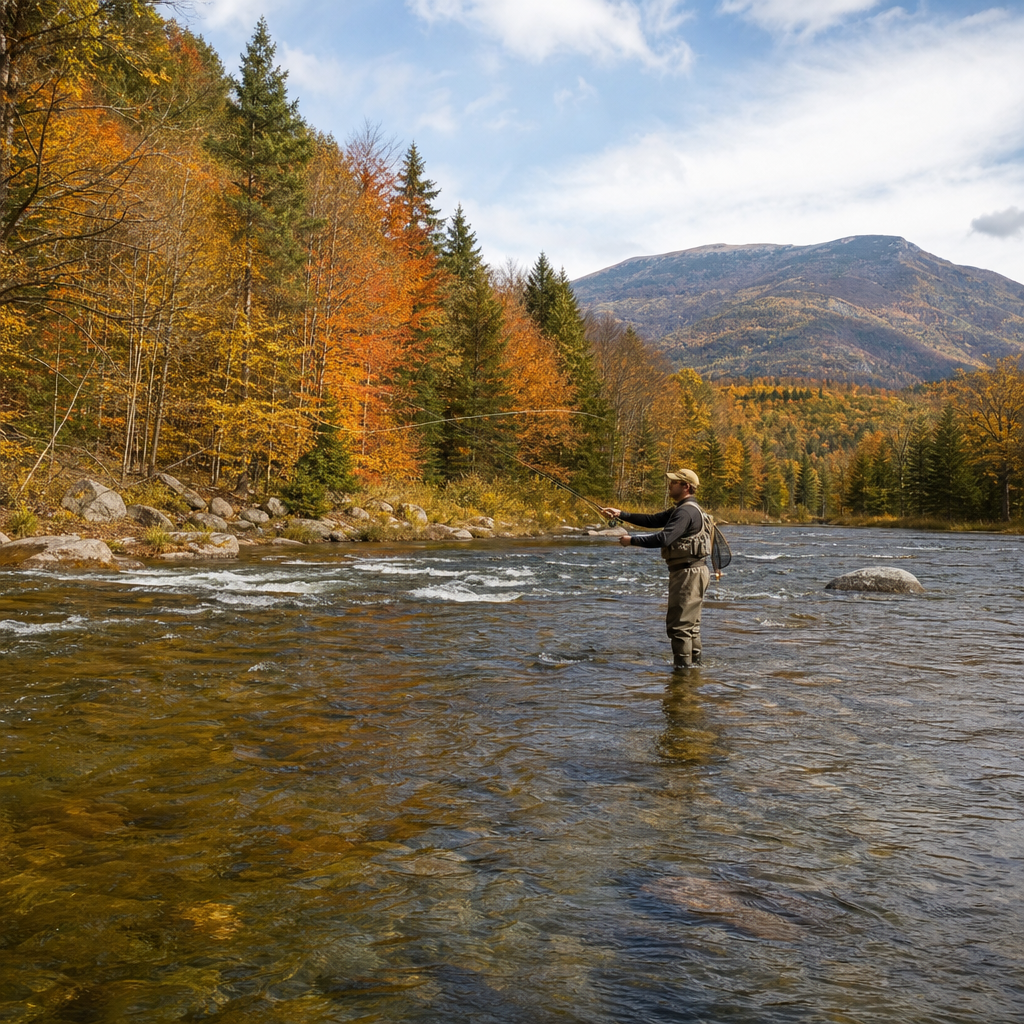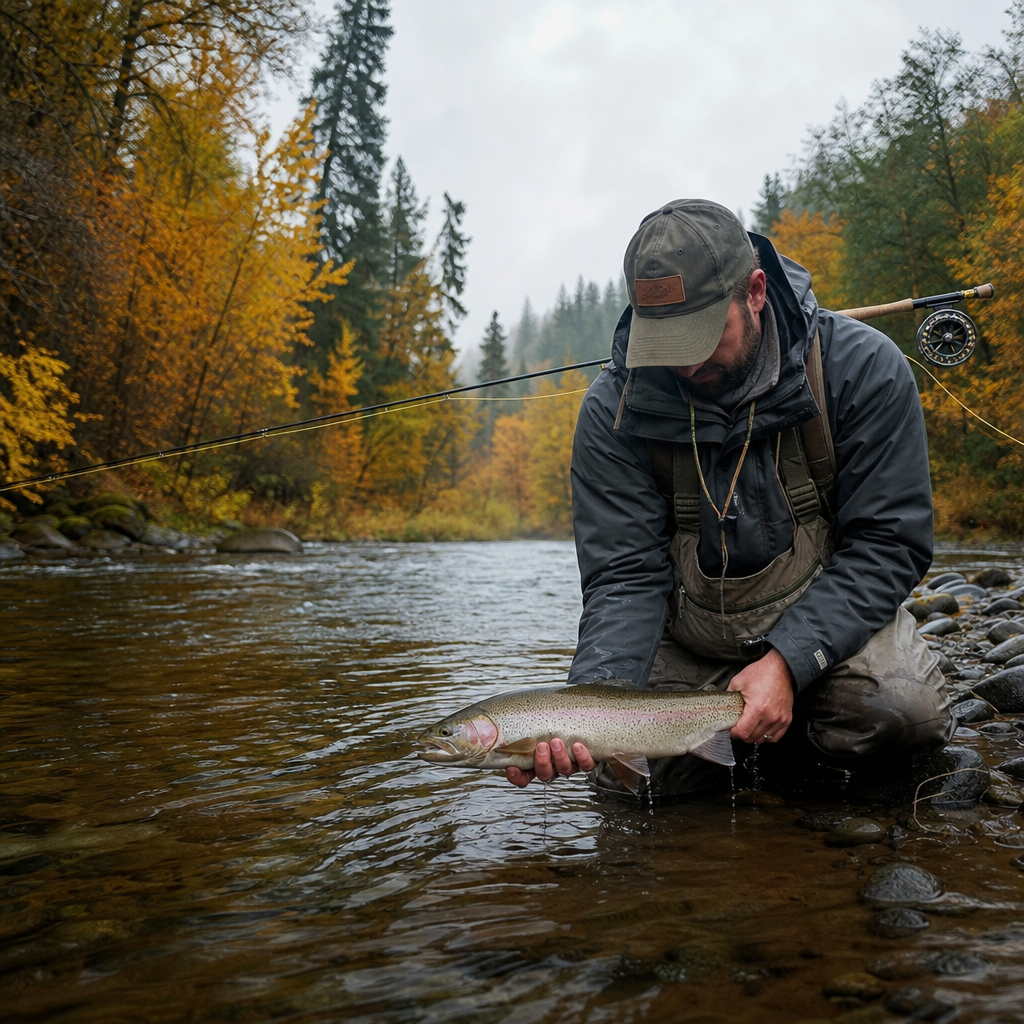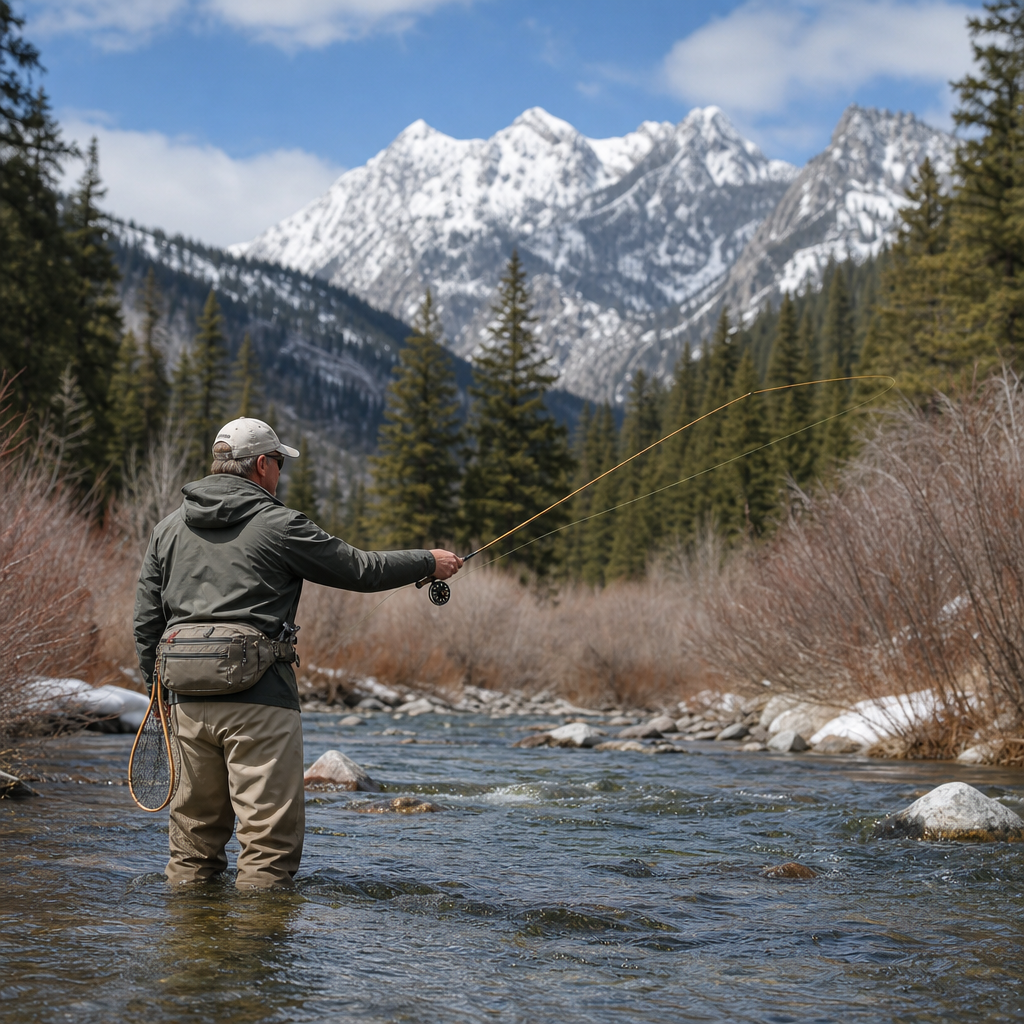
Spring fly fishing in mountain streams rewards anglers who understand runoff, water temperature, insect timing, and trout behavior, because spring changes a stream faster than any other season. In practical terms, spring begins when snowmelt starts influencing flows and ends when stable summer patterns take over. During that window, trout shift from winter conservation mode into active feeding, but they do not feed the same way every day. I have spent many springs on freestone creeks and tailwater tributaries, and the pattern is consistent: anglers who read current speed, clarity, and temperature catch fish steadily, while those who rely on one fly box and one presentation struggle. Mountain streams magnify every seasonal variable. A five degree rise in water temperature, one warm rain, or two days of heavy melt can move trout from deep soft seams into riffle edges or bank pockets. That is why spring fly fishing matters. It offers some of the most productive days of the year, including pre-runoff windows, blue-winged olive hatches, skwala stonefly activity in some regions, and aggressive post-spawn feeding from certain trout populations. It also demands more adaptation than summer fishing. A useful definition for success in spring is simple: match your location, fly size, and drift style to the day’s flow and temperature, not to the calendar. This hub article explains how to do that on mountain streams, with tactics that help you decide where to fish, when to nymph, when to throw streamers, and when a dry fly hatch is worth betting on.
How Spring Changes Mountain Streams and Trout Feeding
Spring conditions in mountain streams are driven by three forces: snowmelt, rain, and daylight. Snowmelt raises volume and cools water. Rain can either stain a stream productively or blow it out completely, depending on soil saturation and slope. Longer days increase insect activity and trout metabolism. The result is a season of moving targets. On many Rocky Mountain freestones, trout begin feeding more consistently once water temperatures reach roughly 40 to 45 degrees Fahrenheit. Between 45 and 50 degrees, nymphing often improves sharply in late morning and afternoon. Once flows spike with hard runoff, trout usually hold near softer current breaks, side channels, inside bends, flooded banks, and seams behind larger structure.
Understanding stream type is critical. Freestone streams react quickly to weather and melt cycles, so color, depth, and speed can change in hours. Spring creeks are more stable in flow and temperature, making hatch timing easier to predict but fish more selective. Tailwaters below dams can fish well through runoff because releases moderate temperature and clarity, though generation schedules still matter. If you are building a spring plan, classify the water first. That one step will tell you whether to chase a hatch, fish a short high-water window, or focus on subsurface methods all day.
Trout positioning in spring follows energy economics. In cold water, fish often hold deep and feed opportunistically, rarely moving far laterally. As temperatures rise, they slide into feeding lanes with better drift access. During high flows, they avoid the heaviest current and sit where food funnels past with minimal effort. That is why the best spring water is often not the prettiest pool center but the edge water around it. I routinely see anglers cast into the fastest chute while fish are stacked along the soft cushion beside a rock, under a cutbank, or on the inside seam below a riffle tongue.
Best Times and Conditions for Spring Fly Fishing
The best time to fish spring mountain streams is usually from late morning through the warmest part of the afternoon, especially after cold nights. Water temperatures are often lowest at dawn and may not trigger active feeding until the sun has had time to warm shallow margins and riffles. A stream thermometer is one of the most useful tools you can carry. I treat it like a compass in spring. If water is 38 degrees at 8 a.m. and 45 degrees at 1 p.m., that difference can change fly choice, depth, and even whether trout will rise.
Weather patterns matter more than single conditions. Two or three stable, mild days often fish better than one bright day after a freeze. Overcast afternoons can be excellent for blue-winged olives because duns emerge steadily in cool, diffused light. Warm rain can improve flows and trigger worms, scuds, and larger nymph movement, but a cold rain on snowpack can shut down activity. Wind is another overlooked factor in mountain valleys. It limits casting, knocks adults off bankside vegetation, and can make short-line nymphing more effective than trying to maintain long drag-free drifts.
Water clarity is a decision filter. Slight stain is often ideal because trout feel secure and feed aggressively. If you can see the bottom in knee-deep water, fish can usually see a nymph or streamer well enough to eat it. Chocolate water from bank-to-bank generally means poor visibility and unsafe wading. In those conditions, switch to tributaries, tailwaters, or lower-gradient side channels. Safety is not optional in spring. Cold water, pushy current, and unstable banks end trips quickly. A wading staff, studs, and conservative crossing decisions catch more fish over a season than bravado ever will.
Fly Selection for Nymphs, Dries, and Streamers
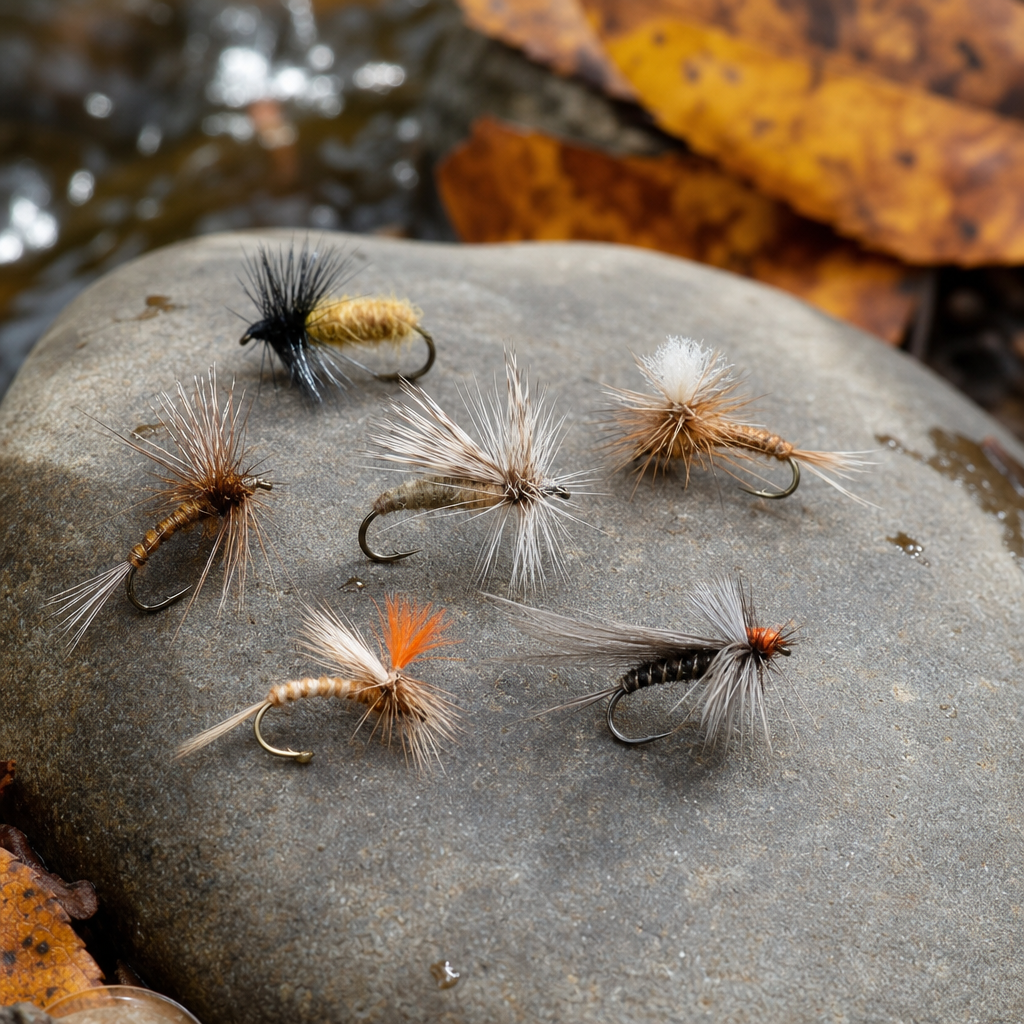
Spring fly selection should be anchored in what mountain trout actually see: mayfly nymphs, caddis larvae and pupae, stonefly nymphs, midges, worms, eggs in some systems, and baitfish or sculpins. You do not need twenty versions of each pattern, but you do need the right sizes, weights, and silhouettes. For nymphing, I rely heavily on pheasant tails, hare’s ears, perdigons, prince nymphs, pat’s rubber legs, zebra midges, RS2s, and region-specific stonefly nymphs. Sizes 12 through 20 cover most spring situations, with heavier tungsten patterns essential in fast runoff seams.
Dry fly opportunities can be excellent, but they are often narrow in timing. Blue-winged olives in sizes 16 to 20 are the classic spring hatch across many mountain fisheries. March browns, gray drakes in some areas, caddis, and skwala stoneflies also matter depending on region. Carry adults, emergers, and cripples. In spring, trout often feed just under the surface because cold water slows full commitment to topwater. A film fly or soft hackle can outperform a high-floating dry even when insects are visible.
Streamers deserve a permanent place in any spring fly fishing plan. Higher water lets trout ambush larger prey with less exposure, and pre-spawn or post-winter aggression can make a six-inch sculpin pattern the best fly of the day. Black, olive, and white cover most needs. Weighted streamers on sink-tip lines excel in deeper runs, while lightly weighted patterns on floating lines are ideal for bank pockets and shallow edges. The mistake I see most often is retrieving too fast in cold water. Short strips, pauses, and swings across current usually produce more follows and eats than summer-speed stripping.
| Condition | Primary Rig | Useful Flies | Why It Works |
|---|---|---|---|
| Cold, clear morning | Indicator nymph rig | Zebra midge, pheasant tail, small stonefly | Gets small food items deep to slower fish |
| Warming afternoon | Dry-dropper or emerger setup | BWO emerger, RS2, parachute BWO | Matches rising insect activity and mid-column feeding |
| High, slightly stained water | Heavy two-nymph rig | Pat’s rubber legs, perdigon, worm | Delivers visibility and depth near soft seams |
| Bank-full runoff edges | Streamer on sink-tip or floating line | Olive sculpin, black leech, white baitfish | Targets aggressive trout tight to cover |
Rigging and Presentation Tactics That Catch More Trout
The most effective spring presentations are usually depth-first. If your nymph is not near the fish, color and pattern matter less. Start by setting your indicator deeper than you think you need, then adjust until you tick bottom occasionally without constant snagging. Split shot placement also matters. Put enough weight above the first fly to sink quickly, but avoid a clumsy rig that drags unnaturally. On steep pocketwater streams, high-stick nymphing with a short line gives superior strike detection and drift control. On wider runs, an indicator rig covers more lanes efficiently.
Mending is central in mountain currents because multiple speeds exist within a single drift. An upstream mend right after the cast buys time before drag forms. On crosscurrents, stack mends keep flies floating naturally through a seam. If trout are feeding in a narrow edge lane, shorten the cast. In spring, the best drift is often the controlled twenty-foot drift, not the heroic fifty-foot cast. I catch more fish by repositioning my feet and targeting one current tongue thoroughly than by spraying line over the entire run.
For dry flies and emergers, presentation should reflect water type. In slower slicks, slack-line casts and fine tippet prevent micro-drag. In riffle transitions, a slightly skated caddis or lifting emerger can trigger takes that a dead drift will not. For streamers, angle determines depth and speed. Casting quartering upstream lets the fly sink before it enters the strike zone. Casting across and allowing a broadside swing covers banks cleanly. Add occasional pauses near structure. Many spring strikes happen when the fly stalls beside a log, boulder, or undercut bank.
Reading Spring Water in Mountain Streams
Spring trout are rarely distributed evenly. They concentrate where food arrives and current cost stays manageable. In low, cold flows, look for deeper buckets below riffles, tailouts with soft center lanes, and slow slots beside boulders. As flows rise, prime lies shift toward banks, inside bends, current seams, side channels, flooded grass, and eddies below large obstructions. Tributary mouths are especially productive because they can add slightly warmer or clearer water, and they funnel drifting food.
One of the most reliable spring rules is this: fish the slow water next to fast water. Trout want access to the conveyor belt without living in it. On freestones during runoff, I often ignore the main chute and work every soft edge from the bank outward. Pocketwater that looks too shallow in summer can become ideal in spring because extra flow creates depth and cover. Conversely, classic midstream boulders may become difficult to fish effectively if the current around them accelerates beyond what trout will hold in for long.
Observation saves time. Before rigging, watch a run for a minute. Note bubbles, foam lines, submerged rocks, and any soft cushion on the inside of current seams. Those clues show where your fly can drift naturally and where fish can sit. Polarized glasses help, but so does stepping back and looking at the whole channel. Spring rewards anglers who think hydraulically, not just visually.
Gear, Safety, and a Seasonal Plan for Consistent Success
A practical spring setup for mountain streams starts with a fast or medium-fast 9-foot 4- or 5-weight rod for versatility. It can handle indicator rigs, small dries, and modest streamers. On tight brushy tributaries, a shorter 3-weight or 4-weight is useful, but most hub-level spring fishing is covered by the standard 9-foot rod. Pair it with a floating line, tapered leaders from 9 to 12 feet, fluorocarbon tippet for nymphs, and nylon for dries. A sink-tip line expands streamer options on larger streams. Essential accessories include forceps, floatant, split shot, strike indicators, thermometer, wading staff, and a waterproof pack with extra layers.
Clothing matters because spring mountain weather changes quickly. Layering merino or synthetic base layers under breathable waders is more effective than overdressing once and sweating through the hike in. Cold hands reduce knot quality and strike response, so fingerless gloves and a backup pair are worth carrying. Studded boots improve traction on algae-slick rocks, and a wading belt is a basic safety measure, not an accessory. If flows are high, fish from the bank more often. Many of the best spring lies are within a rod length of shore anyway.
For consistent results, build each outing around a sequence. Start with temperature and clarity. Choose the safest and most stable water available. Begin subsurface and fish likely holding water thoroughly. Shift to emergers or dries only when insects or rises justify it. Reserve streamers for stained water, warming trends, low-light windows, or when you want to target larger trout specifically. Keep notes on conditions, timing, and productive flies. Over a few seasons, those notes become more valuable than any generic hatch chart because they reflect your mountain streams, your access points, and your best windows.
Spring fly fishing in mountain streams is not about guessing what should work in April or May. It is about measuring what the stream is doing today and responding with the right location, depth, and presentation. The anglers who succeed most often treat spring as a progression: cold mornings call for patience and depth, warming afternoons open the door to emergers and dries, and higher flows reposition trout into edges where careful drifts and well-swum streamers shine. If you remember only a few points, make them these. Fish when water warms, not just when the sun rises. Target soft water beside current, not current for its own sake. Carry flies that cover nymphs, emergers, and baitfish rather than overloading on one category. Wade conservatively and let safety guide every decision.
As a hub for spring fly fishing, this topic connects naturally to runoff tactics, blue-winged olive hatches, streamer strategies, high-water nymphing, reading freestone currents, and choosing spring gear for mountain conditions. Mastering the season comes from linking those pieces, not treating them as separate tricks. When you understand how flow, temperature, and food supply interact, your decisions on the water become simpler and faster. That is the main benefit of learning spring fly fishing well: you stop reacting randomly and start fishing with purpose. Use this guide as your starting framework, then refine it on your local streams with a thermometer, a notebook, and a willingness to adapt every hour the mountain water changes.
Frequently Asked Questions
When is the best time to fish mountain streams in spring?
The best time to fish mountain streams in spring is usually tied less to the calendar and more to changing water conditions. In many mountain systems, spring begins when snowmelt starts affecting flows, and that can create a moving target from year to year. Early in the season, trout are coming out of winter’s slow, energy-conserving pattern and beginning to feed more regularly, especially during the warmest part of the day. On cold mornings, water temperatures can still be low enough to keep fish sluggish, so late morning through midafternoon is often the most productive window.
As spring progresses, daily conditions matter more than the month itself. A few sunny days can raise water temperatures enough to trigger stronger insect activity and noticeably better trout feeding. During runoff, streams may become high, off-color, or difficult to wade, but that does not mean fishing is impossible. It often means adjusting location and timing. Smaller tributaries, tailwaters, spring creeks, and lower-gradient sections can remain fishable when steep freestone streams are blown out. In general, look for days when flows are stable or dropping slightly rather than rapidly rising. Stable water gives trout confidence, improves visibility, and makes it easier for them to hold in feeding lanes.
If you want a simple rule, fish when water temperatures are climbing rather than falling. In spring, even a few degrees can make a major difference. Trout in mountain streams often feed best once temperatures move into a more comfortable range, and that warming trend usually happens from late morning into afternoon. Matching your trips to that daily warming cycle is one of the most reliable ways to improve success.
How does spring runoff affect trout behavior and where should I look for fish?
Spring runoff changes trout behavior dramatically because it alters current speed, water clarity, depth, and the amount of energy fish must spend to hold position. In cold, clear winter flows, trout may sit in slower pools and deeper slots while feeding selectively in short windows. During runoff, that same fish often shifts to softer water that offers protection from heavy current and a dependable food conveyor. Trout want to eat more in spring, but they still avoid wasting energy. That means they gravitate toward places where fast and slow water meet.
Some of the best runoff holding water includes current seams, inside bends, soft edges near the bank, eddies, backwaters, side channels, pockets behind large rocks, and the slower water at the tail ends of pools. In pocket water, fish may sit surprisingly close to shore because that is where the current is gentlest and where dislodged insects, worms, and other food items collect. In larger runs, trout often slide out of the main push and set up along transition lines where they can grab food drifting past without fighting the heaviest flow.
Water color also matters. Slightly stained water can be excellent because trout feel secure and feed aggressively, but muddy, opaque water makes feeding difficult and often pushes fish into the slowest, clearest pockets available. During high water, think in terms of shelter and efficiency. Instead of covering the middle of the river first, target edges, breaks, and structure. Many anglers overlook near-bank water in spring, yet that can be where the most catchable trout are holding. Reading spring water well is often more important than perfect fly selection.
What flies work best for spring fly fishing in mountain streams?
The best spring fly patterns usually reflect two things: the available food and the river’s visibility. Spring trout feed on subsurface insects for much of the season, so nymphs are consistently productive. Patterns that imitate mayfly nymphs, caddis larvae, stonefly nymphs, and midges are reliable starting points, especially in clear or moderately stained water. In many mountain streams, larger stonefly nymphs become especially important because runoff dislodges them from the bottom and makes them easy targets. When fish are not rising, a well-presented nymph rig is often the highest-percentage approach.
As flows increase, attractor nymphs and larger, more visible flies can outperform exact imitations. Golden stone nymphs, dark stone patterns, Hare’s Ear-style nymphs, Pheasant Tail variations, caddis pupae, and bright perdigon-style flies all have a place in spring boxes. If the water is off-color, do not hesitate to use flies with more profile, movement, or flash. Streamers can also be excellent in spring because trout become more aggressive as water warms and because high water can wash baitfish and larger food items into vulnerable positions. A well-swung or stripped streamer along banks, under cutbanks, or through slower seams can draw hard strikes from bigger fish.
Dry-fly opportunities do happen in spring, especially during afternoon hatches. Blue-winged olives, caddis, March browns, and stoneflies can all be relevant depending on stream type and elevation. Still, the key is not to force surface fishing when fish are feeding below. Let the insects and trout behavior dictate your choice. A practical spring strategy is to start subsurface, watch for signs of active hatches or rises, and switch when trout clearly commit to the surface. Anglers who stay flexible with fly size, weight, and visibility usually do far better than those who rely on one confidence pattern all season.
What is the most effective way to present flies in cold or changing spring water?
In spring, presentation often matters more than the exact fly pattern because trout behavior can change quickly with water temperature, flow, and light levels. In colder water, trout usually do not move far to feed, so your fly needs to drift close to their holding position. That means getting nymphs down quickly and maintaining a natural drift. Split shot, tungsten beads, and tight-line or indicator setups can all help, depending on the stream and depth. If your flies are not occasionally ticking bottom in likely holding water, you may not be deep enough.
Short drifts are especially effective in mountain streams. Rather than making long casts that create drag and poor line control, focus on controlled presentations through specific seams, pockets, and current breaks. High-sticking, short-line nymphing, and careful mending are all useful because they reduce conflicting currents and improve strike detection. In pocket water and along runoff edges, a precise drift through a small feeding lane can be far more productive than repeatedly covering broad, fast water that trout are not using.
When fishing streamers in spring, adjust retrieve speed to the mood of the fish and the temperature of the water. In very cold conditions, slower swings, pauses, and short strips may outperform aggressive retrieves. As the water warms and trout become more active, you can speed up and cover more water. For dry flies, timing and drift are everything. Spring hatches may be brief, and trout can shift from sporadic to focused feeding quickly. A drag-free drift over rising fish is essential, but so is recognizing when the rise forms are telling you to go back subsurface. The most effective spring anglers are constantly reading feedback from the water and making small, practical adjustments rather than stubbornly sticking to one method.
What gear and safety considerations are most important for spring fly fishing in mountain streams?
Spring mountain streams demand more attention to gear and safety than many anglers expect because conditions can change fast. High, cold water is the defining challenge. Good wading boots with strong traction are essential, and many anglers benefit from a wading staff during runoff. Even familiar crossings can become dangerous in spring, so it is wise to wade less and fish smarter. Focus on accessible edges, side channels, and productive near-bank water instead of forcing risky crossings. If the current looks questionable, it probably is. No trout is worth a fall in snowmelt-driven water.
Layering is also important because spring weather in the mountains can swing from freezing mornings to warm afternoons and back again with wind, rain, or sudden storms. Breathable waders, insulating base layers, and a waterproof shell help you stay comfortable long enough to fish effectively. Polarized sunglasses are especially valuable in spring because they improve your ability to read seams, spot softer holding water, and judge depth and bottom structure in variable light. A thermometer is one of the most underrated tools you can carry. Knowing whether the water is warming into a productive range or dropping due to overnight cold or fresh melt can help you decide when to fish hard and when to reposition or wait.
From a tackle standpoint, spring often favors versatile setups. A rod that can handle weighted nymph rigs and light streamer work is useful on mountain streams, and a selection of leaders, tippet sizes, split shot, and strike indicators makes it easier to adapt. Keep in mind that fish may hold tight to cover and in heavier currents, so line control and fly depth are often more important than delicate presentation alone. Finally, always pay attention to rising water. Snowmelt, rain, dam releases, and warming afternoon temperatures can all increase flows quickly. Checking stream gauges before and during a trip is a habit that improves both fishing decisions and personal safety.