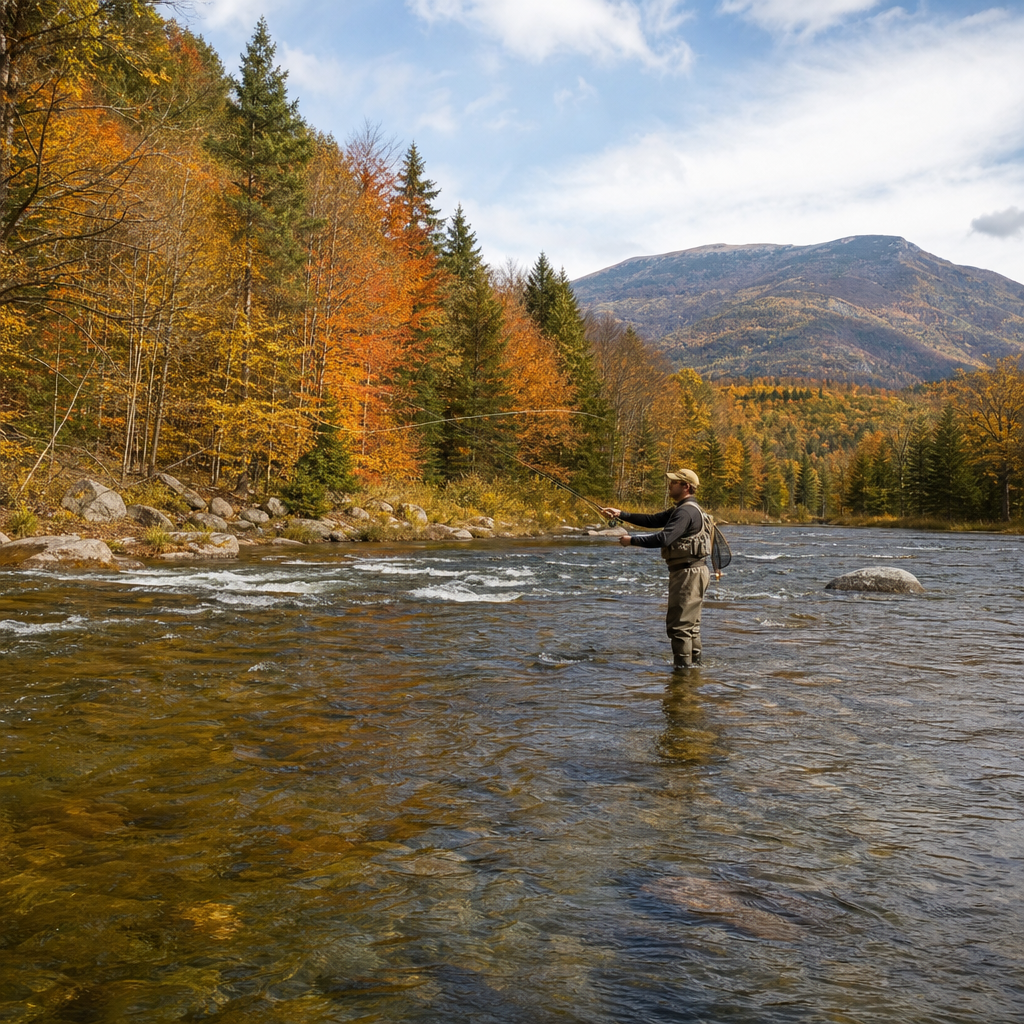
Spring fly fishing in tailwaters rewards anglers who understand how dams, temperature stability, insect timing, and changing flows shape trout behavior from late winter through early summer. A tailwater is a river section directly below a dam, where releases from the reservoir regulate current and often keep water colder in summer and milder in winter than nearby freestone streams. That stability creates long growing seasons, dependable hatches, and trout that feed selectively, especially in spring. I have spent many seasons guiding and scouting tailwaters during this period, and the pattern is consistent: anglers who match water conditions first and fly choice second catch more fish. This matters because spring is the most dynamic season on many tailwaters. Midges may dominate in the morning, blue-winged olives can appear under clouds, caddis may pulse in the afternoon, and spawning behavior can alter where trout hold and how they respond.
Spring also brings complications that surprise people who only fish lakes or freestones. Snowmelt can trigger generation changes, reservoir turnover can stain water, and warming edges can draw baitfish, sowbugs, scuds, and emergers into narrow feeding lanes. Trout in tailwaters often sit in softer seams than anglers expect, conserving energy while intercepting food drifting at a controlled pace. Understanding these details turns a broad topic like spring fly fishing into a set of practical decisions: when to fish, what water to target, which insects to expect, how to rig, and how to adjust through the day. As a hub for the broader spring fly fishing topic, this guide covers the essential mechanics, the major hatches, the best presentations, common mistakes, and the conservation issues that matter during spawning and fluctuating flows. If you want consistent results, start by treating the tailwater as a managed system, not just a river.
How spring changes a tailwater
Spring conditions on tailwaters are driven less by air temperature alone than by release schedules, reservoir depth, and the biology those factors support. Bottom-release dams usually send cold, oxygen-rich water downstream, moderating swings that would otherwise stress trout. In early spring, that can mean water in the high 30s to mid 40s when surrounding streams spike and drop with weather. Trout remain active in that narrower band, but feeding windows expand only when light, insect emergence, and flow align. On rivers like the South Platte below Cheesman, the White below Bull Shoals, or the Delaware tailwater system, a small increase in water temperature of even two degrees can noticeably improve bug activity.
Flow management is equally important. Hydropower schedules may raise the river quickly, while irrigation releases can flatten ideal wading water for days. Because of that, spring anglers should check generation apps, USGS gauges, and local shop reports before leaving home. I build every plan around three numbers: current discharge, trend over the last twenty four hours, and water temperature. If flows are stable, trout settle into predictable lies. If water is rising, fish often slide toward banks, slower inside seams, and gravel shelves where they can feed without burning energy. If flows drop fast, the opposite happens, and fish may move off skinny edges back into defined slots and depressions.
Reading spring water and trout positioning
The best spring tailwater anglers read hydraulics with more precision than they use on summer freestones. Trout rarely hold in heavy current all day when food is available nearby in gentler lanes. Look for three high-value areas: transition seams, shelf edges, and tailouts above depth changes. Transition seams occur where fast release water meets a softer current tongue; these are classic nymphing lanes because insects tumble naturally while trout expend minimal energy. Shelf edges matter because slight warming, aquatic vegetation, and reduced current collect food. Tailouts can be outstanding during emergences, especially when blue-winged olives or midges drift just under the film.
Depth control is the difference between seeing fish and hooking them. In spring, many anglers fish too shallow because the water looks gentle, or too deep because tailwaters have famous buckets. Start by estimating where your flies will drift after the weight settles, not where they land. A strike indicator should be set to tick the bottom occasionally, not drag constantly. With tight-line methods, watch for hesitation when the flies cross from fast to slow current; many takes happen at that speed change. If fish are visible but refusing, shorten the distance between weight and point fly, reduce split shot size, or lengthen fluorocarbon tippet to improve drift quality before changing patterns.
Key spring hatches and food sources
Spring tailwater entomology is richer than many anglers realize. Midges are the baseline food on almost every productive tailwater, especially on colder mornings. Larvae and pupae in sizes 18 to 24 catch fish year-round, but spring emergences often intensify in softer eddies and foam lines. Blue-winged olives, usually baetis species, become important during overcast weather and moderate flows. Their nymphs are agile swimmers, so presentations should allow slight movement rather than dead, lifeless drifts. Caddis activity varies by river, yet where present it can create explosive late-day action. On nutrient-rich systems, sowbugs and scuds remain staples, particularly below dams with aquatic vegetation and stable substrate.
Larger food sources should not be ignored. Spring sculpin movement, leeches, and occasional worm washouts after flow changes can produce the biggest trout of the day. The mistake is assuming “hatch fishing” means dry flies only. Often the most consistent approach is to fish subsurface imitations of the dominant life stage until you actually see adults and rising fish. During one April stretch on a Missouri tailwater, trout ignored parachute olives while feeding heavily on ascending baetis nymphs just below the film. Dropping an unweighted emerger eighteen inches behind a small indicator fly changed refusals into steady hookups. Matching stage matters as much as matching species, and spring is when that lesson pays off fastest.
Best rigs, flies, and presentations
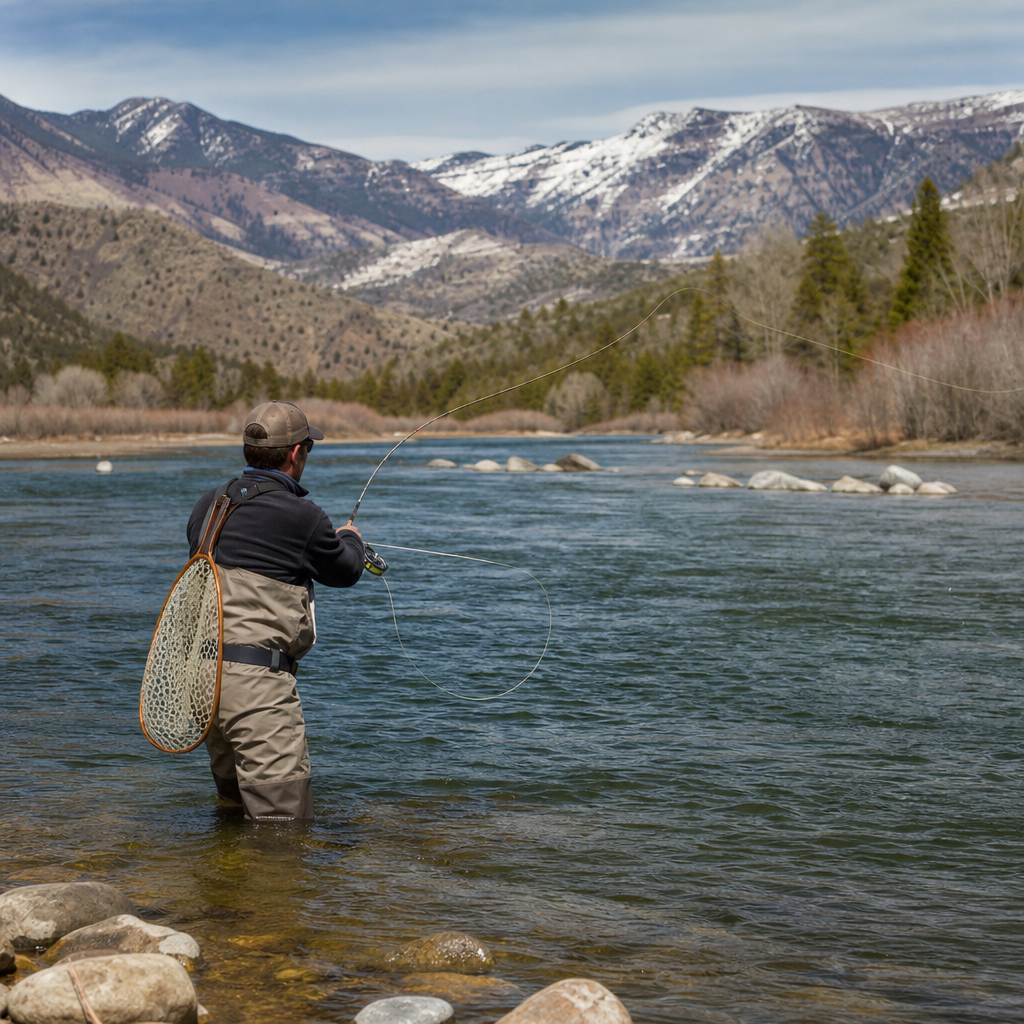
Spring fly fishing in tailwaters rewards anglers who carry a small but intentional system of rigs. For indicator nymphing, a 9-foot 5-weight with a long leader remains the most versatile setup. I typically start with a buoyant indicator, enough weight to touch bottom every few drifts, and two flies spaced to cover separate feeding levels. For technical fish in clear water, euro-style nymphing with thin-diameter leaders improves contact and depth control. During hatches, a dry-dropper or dry-emerger rig is often better than a pure dry because trout may take just under the surface for an hour before confidently rising.
| Condition | Primary Rig | Effective Flies | Why It Works |
|---|---|---|---|
| Cold morning, stable flow | Indicator nymph rig | Midge larva, midge pupa, sowbug | Targets deep, slow feeding lanes before active emergence begins |
| Cloud cover, 42 to 48 degree water | Tight-line or light indicator | Baetis nymph, RS2-style emerger, pheasant tail | Matches blue-winged olive movement through mid-column |
| Afternoon caddis activity | Dry-dropper | Elk hair caddis, soft hackle pupa | Covers surface takes and subsurface refusals at the same time |
| Rising water from generation | Heavier indicator setup near banks | Worm, scud, jig streamer | Fish slide to softer edges and opportunistically grab dislodged food |
| Low clear water with selective risers | Long leader dry or dry-emerger | Comparadun BWO, midge cluster, unweighted emerger | Reduces drag and matches cautious feeding in flats and tailouts |
Presentation rules are simple, but they are not optional. First, mend early so the flies drift naturally before they enter the strike zone. Second, cast slightly upstream of the lie, giving your rig time to sink. Third, adjust weight before changing flies if you are not near fish depth. Fourth, on dry-fly drifts, prioritize drag-free float over exact imitation. Tailwater trout inspect flies closely, yet they reject unnatural movement even faster. Streamers can be excellent in spring, especially during off-color water or post-generation transitions. Fish them on short controlled swings or strip them through soft edge water rather than pounding midriver torrents where trout have little incentive to chase.
Timing, weather, and daily strategy
One reason spring fly fishing feels inconsistent is that the best tactic at 9 a.m. may be wrong by 1 p.m. and useless by evening. Early in the day, colder water usually favors deeper nymphing with smaller food items. As sunlight or cloud cover shifts insect activity, trout may move from winter-like holding water into riffle edges, slick seams, or tailouts. On many tailwaters, the prime dry-fly window begins later than anglers expect because dam releases delay warming. A slow morning can turn excellent from noon through late afternoon once water temperature and bug activity synchronize.
Weather matters, but not in the simplistic way many forecasts imply. Bright sun can suppress delicate olive hatches yet improve sight nymphing in clear runs. Cloud cover often extends emergences, while light rain can create long surface-feeding periods if flows remain stable. Wind is usually negative for dry-fly accuracy but sometimes beneficial because it masks angler movement and pushes adults onto the water. The practical approach is to build a rotating daily plan: start subsurface, watch for emergence signs, switch quickly when rises become consistent, then return to nymphs or small streamers when the hatch fades. Keep notes on discharge, temperature, hatch timing, and successful depth. After a few trips, patterns become surprisingly repeatable on the same tailwater.
Access, etiquette, and conservation in spring
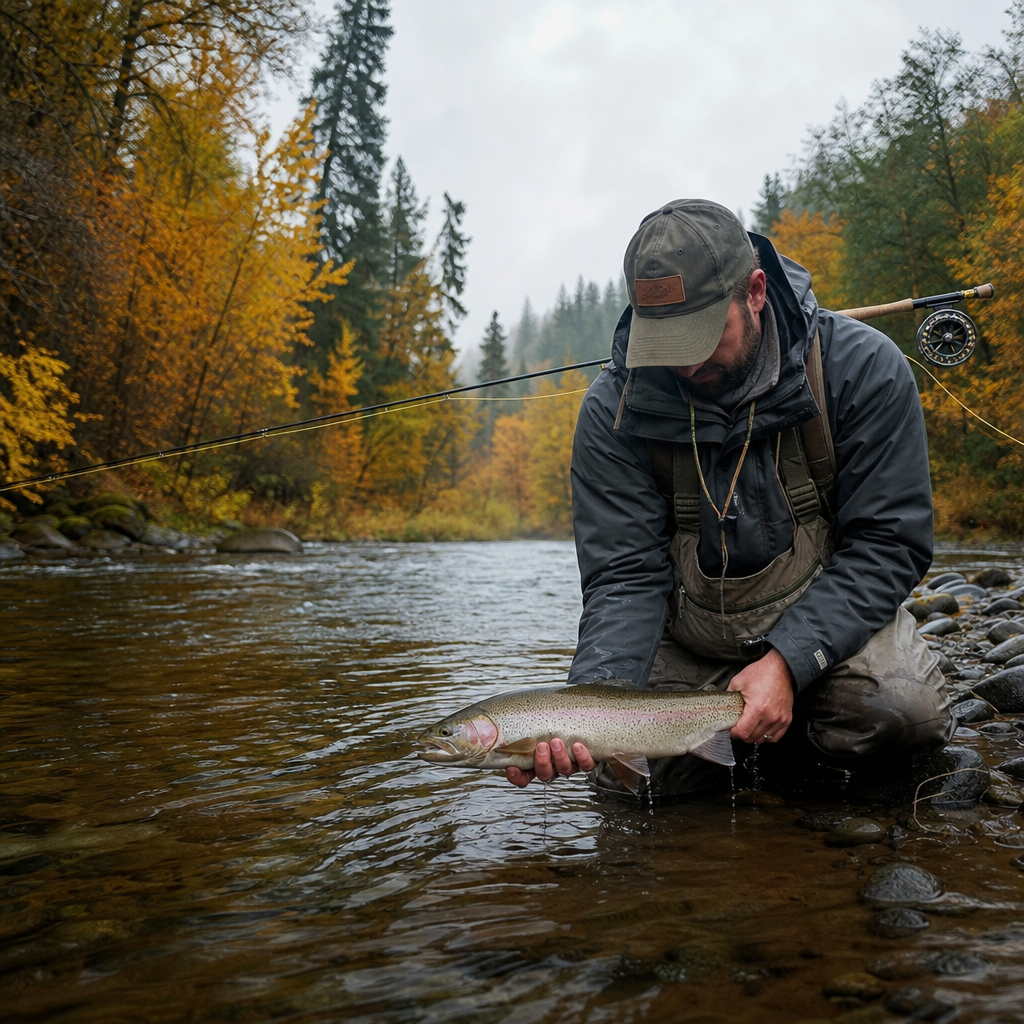
Spring on tailwaters often overlaps with trout spawning or post-spawn recovery, depending on species and region. Brown trout are generally past the fall spawn, but rainbows may be actively spawning in late winter and spring. That means anglers need to identify redds, the clean light-colored gravel nests where eggs are buried, and avoid wading through them or targeting fish obviously paired on beds. Ethical fishing protects future year classes more than any social media slogan. Fish downstream or to the side of redd areas, and focus on deeper buckets where non-spawning trout stage and feed.
Safety is equally important because tailwaters can rise fast. A generation increase of a few hundred cubic feet per second can cover gravel bars, cut off crossings, and transform a comfortable wade into a dangerous retreat. Listen for sirens where they exist, but never rely on them. Know the release schedule, identify exit routes before stepping in, and avoid parking on flood-prone access roads. Etiquette matters too. Tailwater trout often hold in narrow lanes, so crowding another angler by even thirty feet can ruin a drift. Give people room, rotate through runs if local culture supports it, and communicate clearly before stepping into a seam someone is covering. Respect for fish, flows, and fellow anglers is part of catching more fish because tailwaters reward patience and punish chaos.
Spring fly fishing in tailwaters becomes far less mysterious when you break it into controllable variables: flow, temperature, location, food source, depth, and presentation. Stable water below dams creates extraordinary trout habitat, but it also creates selective fish that respond to small differences in drift and timing. The anglers who succeed most consistently are not guessing about flies; they are reading release conditions, targeting soft feeding lanes, matching the life stage of the hatch, and adjusting rigs as the day evolves. Midges, blue-winged olives, caddis, sowbugs, scuds, and streamers all have a place, but each works best under specific spring conditions.
As the central guide within the broader spring fly fishing topic, this article should help you connect the pieces before exploring more specialized subjects such as baetis tactics, tailwater nymphing setups, or reading generation schedules. Start every outing by checking gauges and local reports, then fish the river in front of you with a clear system rather than a bag of random patterns. If you do that, spring tailwaters stop feeling technical for the sake of being technical and start revealing a dependable logic. Use these principles on your next trip, keep detailed notes, and build your own seasonal playbook one hatch and one flow change at a time.
Frequently Asked Questions
What makes spring fly fishing in tailwaters different from fishing freestone rivers?
Spring fly fishing in tailwaters is different because dam releases create a far more controlled environment than you usually find on freestone rivers. In a tailwater, water temperature, current speed, and river height are heavily influenced by reservoir management, which means trout often experience more stable conditions from late winter through early summer. That stability tends to support consistent insect life, long feeding windows, and a growing season that can be much longer than on nearby streams that rise and fall with snowmelt, rain, and air temperature.
For anglers, that means trout in tailwaters are often more predictable in where they hold, but less forgiving in how they feed. They commonly sit in classic seams, gravel runs, transition zones, and soft edges where food funnels naturally past them. Because these fish see steady food supplies and regular fishing pressure, they can become highly selective during spring hatches. On many tailwaters, success comes less from covering miles of water and more from reading current precisely, matching insect size and stage carefully, and presenting flies with a natural drift.
Another major difference is timing. Freestone rivers in spring can be blown out by runoff, but many tailwaters remain fishable because release schedules moderate some of those swings. That does not mean flows never change, only that changes are often tied to dam operations rather than purely weather. Understanding that distinction is critical. A tailwater angler who watches generation schedules, water temperatures, and hatch cycles usually has a significant advantage over someone who approaches the river like a typical mountain stream.
How do dam releases and changing flows affect trout behavior in spring?
Dam releases are one of the most important factors in spring tailwater fishing because they control current speed, depth, and the amount of food drifting downstream. When flows are low and stable, trout often spread into riffles, shallow shelves, and feeding lanes where they can pick off midges, blue-winged olives, sowbugs, scuds, or early-season mayflies with very little effort. In these conditions, fish may feed delicately and hold in specific lies, making accurate presentations essential.
When releases increase, trout usually shift to softer water. They slide toward banks, drop behind structure, tuck into current breaks, and move into deeper slots where they can avoid expending too much energy. Higher water can also trigger feeding because it dislodges nymphs, worms, scuds, and other subsurface food sources. That is why a rising flow does not automatically mean poor fishing. In many tailwaters, the first hours of a flow change can be extremely productive if you adjust quickly and target new holding water rather than casting to where fish were an hour earlier.
The key is learning whether a given tailwater responds gradually or dramatically to generation changes. Some fisheries rise slowly enough for anglers to adapt in place, while others can become dangerous and effectively fish a whole section off the map in a short period of time. Checking release schedules before you fish, monitoring river gauges, and staying alert to visual clues on the water are all basic best practices. In spring especially, anglers who understand flow timing can plan around safer wading windows, better hatch periods, and the daily movement patterns trout follow as water levels shift.
What insects should I expect on tailwaters in spring, and how important is hatch timing?
Hatch timing is extremely important on spring tailwaters because trout often feed in rhythm with recurring insect activity. Common spring food sources include midges, blue-winged olives, caddis on some systems, and in many tailwaters a steady subsurface menu of scuds, sowbugs, worms, and small mayfly nymphs. Depending on the river, larger seasonal events may also show up later in spring and early summer, but the foundation of good tailwater fishing is usually a strong understanding of smaller bugs and the stages trout are targeting at a given moment.
Midges are often a major player from late winter into spring, especially during cold mornings and stable weather patterns. Blue-winged olives can become especially important on overcast, damp, or cool days, and they frequently produce some of the best dry-fly opportunities of the season. What makes hatch timing so important is that tailwater trout often shift from general subsurface feeding to narrow, stage-specific feeding very quickly. Fish may ignore a standard nymph rig if they are keyed on emergers in the film, and they may refuse a larger pattern if the natural insects are tiny and abundant.
The best approach is to watch the water closely and let the river tell you what stage matters most. Look for rising trout, inspect surface bugs, seine the drift if possible, and note whether fish are bulging under the film, sipping adults, or feeding deep. On selective tailwaters, a small adjustment in size, color, or presentation can matter more than changing to an entirely different insect family. Anglers who pay attention to timing often do far better than those who simply tie on a generic spring pattern and hope trout will take it.
What fly patterns and rig setups work best for spring tailwater trout?
Spring tailwater trout are usually best approached with a flexible system rather than a single confidence fly. A two-nymph rig is often a strong starting point, especially when fish are feeding below the surface between hatches. Common anchor patterns include small pheasant tails, midge larvae, zebra midges, RS2-style flies, sowbugs, scuds, or other slim mayfly and midge imitations sized to match the river’s natural food base. The exact patterns vary by fishery, but in general, spring tailwater fish respond well to realistic profiles, modest flash, and clean, drag-free drifts.
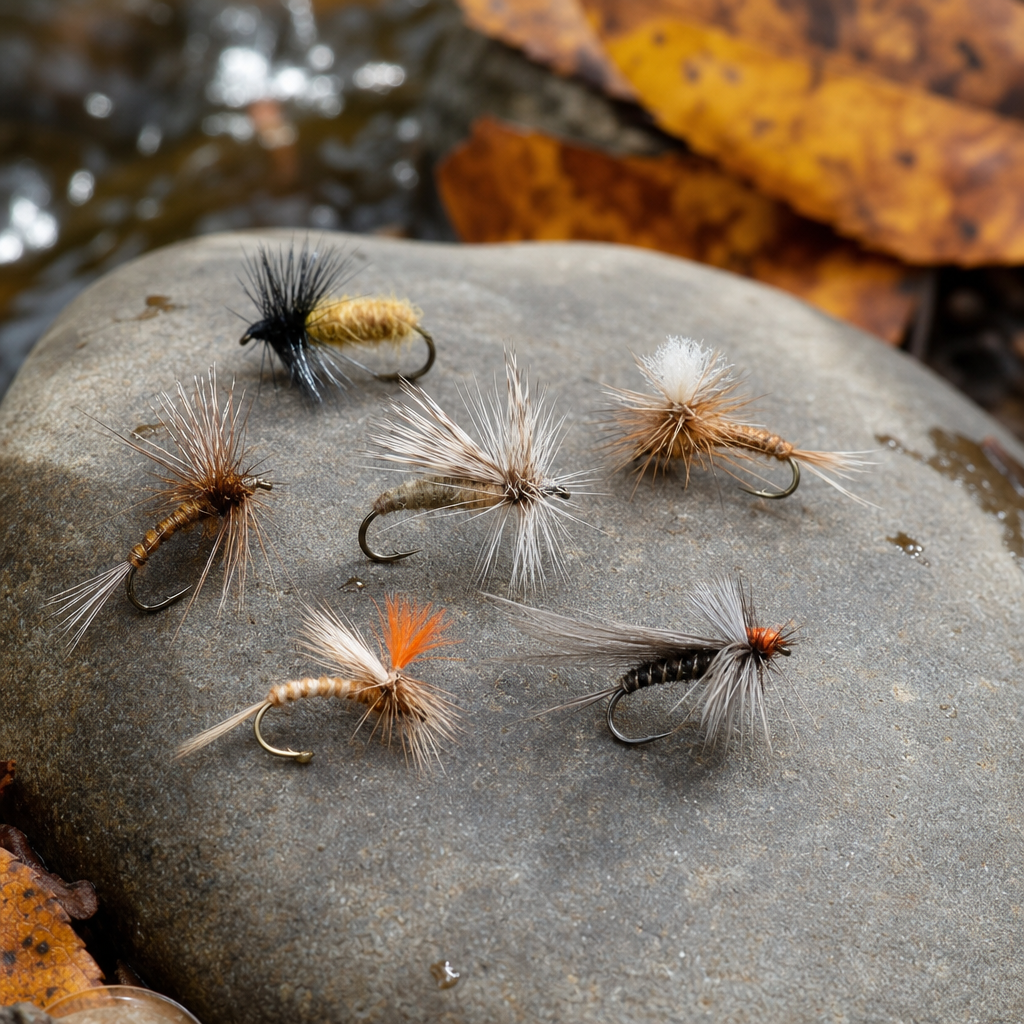
When trout are suspended higher in the column or focused on emergers, lighter flies under a small indicator or on a tight-line setup can be especially effective. During active surface feeding, switching to dry-dropper combinations or dedicated dry-fly rigs makes sense. Small parachute mayflies, comparaduns, midge clusters, and delicate emerger patterns are often far more productive than bushier, high-floating flies that look out of place on technical water. Tailwater fish commonly inspect flies closely, so fine tippet, careful leader construction, and accurate drag control are just as important as the pattern itself.
Depth control is often the biggest separator between average and excellent spring days. Many anglers use the right fly but fish it too high or too low. Adjust weight, indicator placement, split shot, and leader length based on current speed and holding depth. If fish are near the bottom during stable flows, your flies need to be in their lane quickly and consistently. If trout begin rising during a hatch, do not keep dredging out of habit. Tailwaters reward anglers who adapt rigging to the fish’s feeding level rather than forcing the same setup all day.
What are the biggest mistakes anglers make when fly fishing tailwaters in spring?
One of the biggest mistakes is underestimating how technical spring tailwater trout can be. Because these fish often live in fertile, stable water with steady food supplies, they do not have to make impulsive decisions. They can inspect flies carefully and reject anything that drifts unnaturally. Anglers often fish too heavy, too fast, or too sloppily for the conditions. Oversized indicators, thick tippet, poor mending, and imprecise casts can all reduce success, especially during clear spring flows and concentrated hatches.
Another common mistake is ignoring flow management. Many anglers arrive focused only on weather, when in fact generation schedules may matter more than cloud cover or air temperature. If you do not know when flows rise, how quickly the river changes, or where trout relocate during those changes, you can waste valuable time fishing unproductive water or put yourself in unsafe wading conditions. Tailwaters demand more planning than many anglers realize, and a quick check of release data can shape the entire day’s strategy.
A third mistake is failing to observe before acting. Spring tailwaters often give off subtle clues: occasional rises along a foam line, insects collecting in softer water, fish sliding from riffles to edges as flows build, or a brief hatch window that turns on for only thirty minutes. Anglers who rush in and fish the same setup all day often miss those clues. The better approach is simple and disciplined: study the current, watch the trout, identify likely food, and adjust throughout the day. In spring, tailwater success usually goes to anglers who combine patience, observation, and precision rather than those who rely only on repetition.