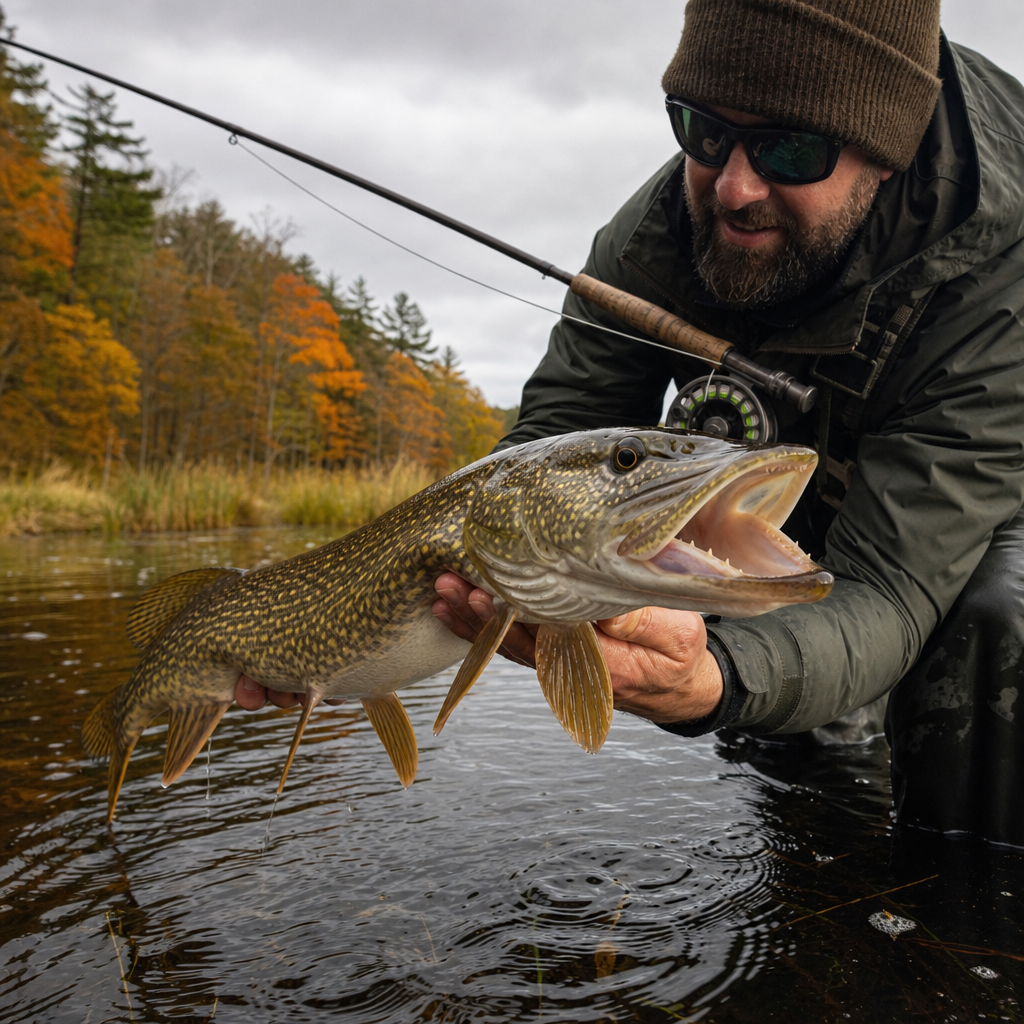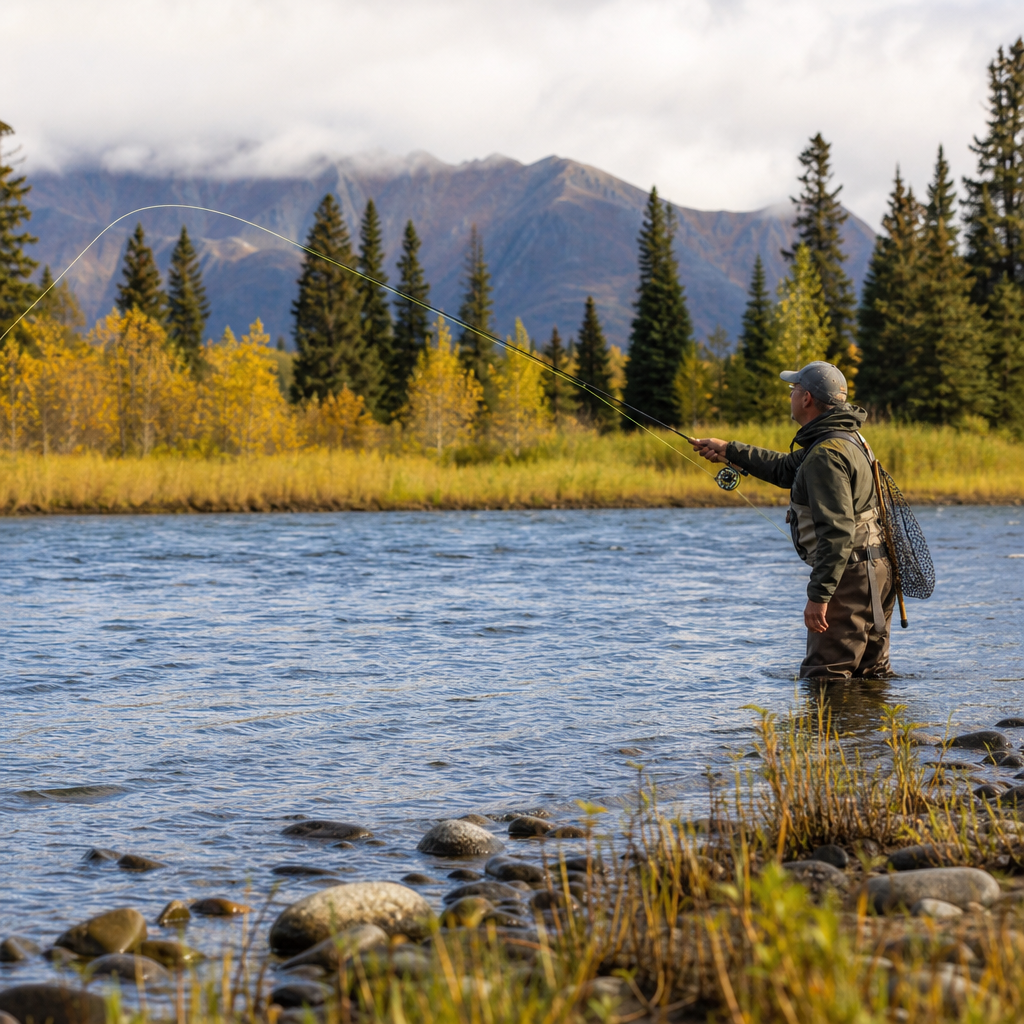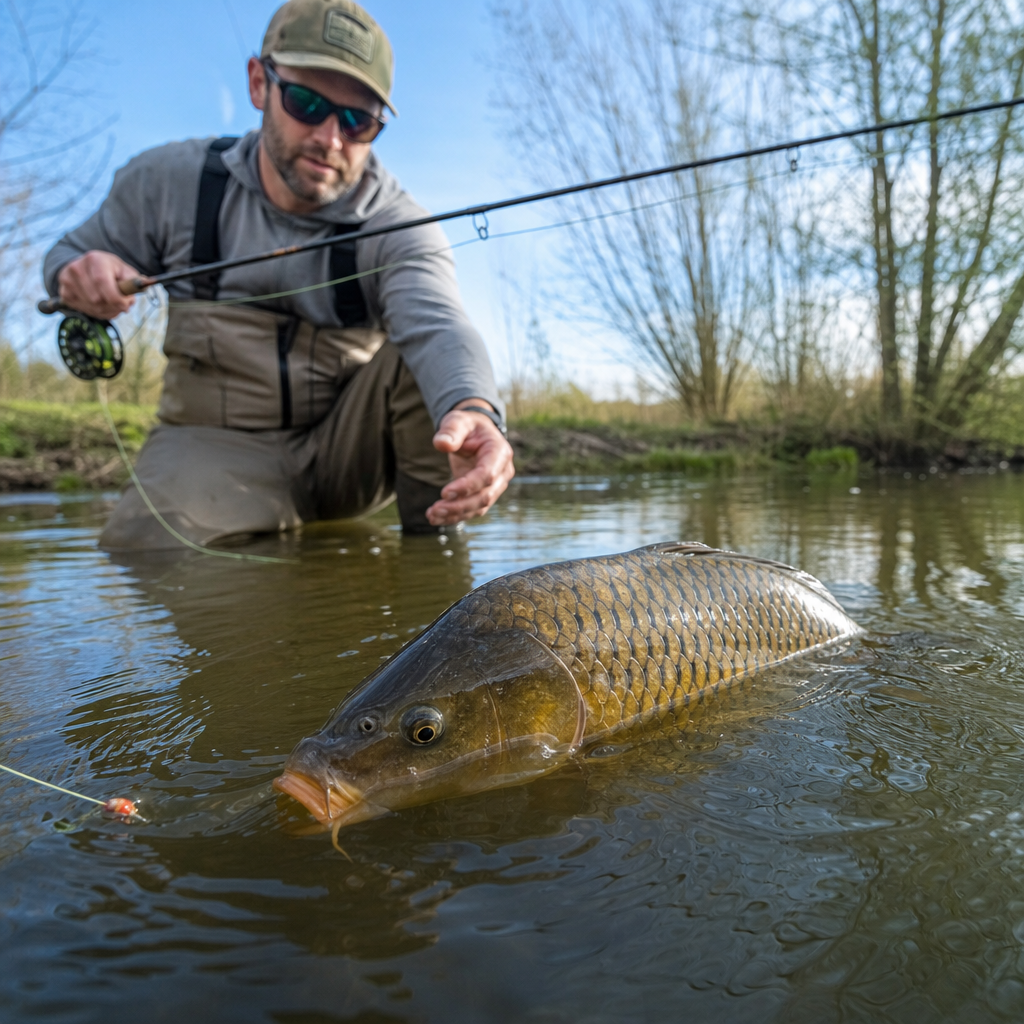
Spring is the season that turns carp from winter shadows into visible, catchable fish, and that shift makes fly fishing for carp in spring one of the most technical and rewarding games in freshwater angling. In practical terms, spring fly fishing means targeting fish during the warming period between late winter dormancy and the stable heat of early summer, when water temperature, spawning behavior, weather swings, and food availability all reshape where carp hold and how they feed. Carp, whether common, mirror, or grass carp in some waters, are not simply “mudders” rooting at random. They are temperature-driven, energy-conscious fish that move with purpose, respond sharply to pressure changes and sunlight, and often feed selectively enough to punish lazy presentations.
I have spent many spring days stalking shallow bays, flooded reeds, canal edges, and mud flats where carp appear for only short windows, and the pattern is consistent across rivers, lakes, reservoirs, and urban ponds: when the water rises into the upper 40s and 50s Fahrenheit, fish begin sliding out of wintering areas; when it reaches the mid 50s to low 60s, they become dramatically more available on the fly; and once spawning starts, catchable feeding windows can shrink or become erratic. That timing matters because the best spring carp fishing is usually not a single calendar month. It is a progression tied to water temperature, photoperiod, and local conditions. Anglers who understand that progression catch more fish than anglers who simply show up on the first warm weekend.
This page serves as a hub for spring fly fishing because the season requires a linked understanding of conditions, fish behavior, fly patterns, and presentation. If you are building a spring program, think in three questions. Where are the fish today? What are they doing right now? Which presentation solves that exact situation? Answer those three well and the rest becomes execution. Spring carp reward deliberate choices: longer leaders in clear flats, darker flies on stained mud, pauses for neutral fish, and quick pickups when a fish turns or flares. The sections below break down the seasonal phases, the most productive water types, proven spring strategies, and the fly patterns that consistently convert follows into eats.
How Spring Changes Carp Behavior
The central fact of spring carp fishing is that warming water compresses food, oxygen, and fish movement into predictable shallow zones. During winter, carp often hold in deeper, more stable water where metabolism stays low. As spring advances, they slide into protected areas that warm first: north-facing banks shielded from wind can still be cold, while sunlit coves, dark-bottom flats, marinas, canal margins, and backwaters gain a few critical degrees. Two or three degrees can transform a dead flat into active water. A handheld thermometer is not optional if you want consistency. I use one on every stop because temperature differences across the same lake regularly explain why one bank has fish and another looks empty.
Behavior changes in stages. Early spring fish may bask, cruise slowly, or tip occasionally without fully committing to heavy feeding. These fish are catchable, but only if the fly lands softly and enters the fish’s path without forcing a reaction. Mid spring usually brings the best balance of movement and feeding. Carp patrol shorelines, tail in soft sediment, and inspect insect life, eggs, worms, and emerging nymphs displaced by runoff and wave action. Late spring often adds pre-spawn and spawn-related movement. You may see groups of fish pushing into reeds or bumping along flooded grass. Those fish are often poor targets because they are occupied with reproduction rather than feeding. Ethically and practically, the smarter move is to find adjacent singles or small groups still eating on the perimeter.
Weather is a stronger spring variable for carp than many fly anglers expect. Stable warming trends are ideal. Three sunny days can make a flat come alive. A hard overnight cold front can reverse that in hours, pushing fish slightly deeper or making them lockjaw on the same water they fed in the day before. Wind can help by piling warm surface water and food into one shoreline, but a strong cold wind can chill a shallow bay enough to scatter fish. Barometric pressure matters less than the combined effect of temperature, light penetration, and comfort. In plain terms, carp want efficient calories in comfortable water, and spring constantly changes where that comfort exists.
Best Spring Water Types and Fish Locations
Not all shallow water is good spring carp water. The best areas combine warmth, food, visibility, and manageable depth. Dark-bottom flats are prime because mud absorbs sunlight better than pale sand. Protected coves often beat open shorelines because they hold temperature overnight. Urban ponds and canals can fish especially well in spring because concrete, riprap, and reduced water volume warm quickly. Reservoir backwaters and creek mouths are also high-value zones, especially after moderate inflow adds food without turning the water opaque. In rivers, soft inside bends, sloughs, flooded margins, and wintering holes adjacent to flats are dependable starting points.
As a rule, look for water from one to four feet deep with enough clarity to spot fish before you cast. Absolute clarity is not necessary. In fact, lightly stained water is often excellent because carp feel secure and feed confidently, while you can still detect tails, backs, pushes, and mud puffs. Polarized glasses are essential, and lens color matters. Copper or amber lenses usually help in mixed spring light because they enhance contrast over mud and vegetation. A brimmed hat that cuts side glare often improves spotting more than another expensive fly line.
Location clues are visual and behavioral. Tailing fish are the highest percentage targets because they are actively feeding. Slow cruisers can be good if they travel a defined line. Stationary fish with occasional pectoral fin movement may eat if the fly drops close and remains subtle. Fast cruisers, jumpers, and paired fish pushing reeds are low-percentage opportunities. Mud clouds require interpretation. Fresh, isolated mud with visible tails nearby is ideal. Massive chocolate water with no shape or direction can mean fish were present but have already moved. Experience teaches you to read the difference quickly.
| Spring phase | Typical water temperature | Common carp behavior | Best fly approach |
|---|---|---|---|
| Early spring | 45 to 52°F | Slow cruising, basking, occasional rooting | Small natural patterns, long pauses, precise leads |
| Mid spring | 53 to 62°F | Active feeding on flats and edges | Worms, crayfish, damsel and dragon nymphs, short strips |
| Late spring | 63 to 70°F | Pre-spawn movement, territorial fish, uneven feeding | Target singles off spawning groups, heavier flies for quick drops |
Spring Fly Fishing Tactics That Consistently Work
The most effective spring tactic is stillwater-style sight fishing adapted to carp behavior: spot first, cast second, move third. Blind casting can pick up occasional fish in channels or muddy edges, but the highest-value spring opportunities come from reading individual fish. Lead distance depends on direction and speed. For slow feeders in shallow water, six to eighteen inches ahead is often enough. For cruisers, two to four feet may be necessary so the fly settles before the fish arrives. Depth control matters more than pattern color in many situations. If the fly lands and hangs unnaturally above the bottom, refusals increase. If it reaches bottom quietly and looks edible, eats follow.
Strip speed should match mood, not angler nerves. Most missed chances happen because the angler moves the fly too much. Spring carp commonly eat on the pause or after a tiny bump that suggests a nymph, worm, or small crayfish trying to reposition. Watch the fish, not the fly. A flare of the gills, a tilt of the head, a slight acceleration, or the fish stopping over the fly usually means set with a firm strip strike. Lifting the rod like a trout angler loses fish because carp have hard mouths and often eat while moving away at an angle. Strip strike first, then raise the rod once the fish is pinned.
Boat and bank positioning are part of presentation. From shore, crouch early and use bank vegetation as cover. From a skiff, kayak, or paddleboard, keep your shadow off the flat and avoid line slap. Carp tolerate some ambient noise in urban water, but they react instantly to unnatural pressure waves close overhead. On sunny spring days, approach with the sun over your shoulder when possible so you can see deeper, but be ready to work side light on muddy edges where contrast reveals tails better than direct glare. In windy conditions, cast shorter and heavier rather than longer and prettier. A controlled, accurate thirty-foot cast catches more spring carp than a heroic fifty-foot miss.
Another productive strategy is intercepting transition fish. When a cold front knocks fish off skinny flats, they rarely vanish far. Check the first drop, adjacent channel edge, marina basin, or deeper trough next to the warm flat. Carp often suspend low or cruise these lanes until the afternoon sun rebuilds the shallows. This is where intermediate lines or lightly weighted flies become useful. Many anglers leave too early after a cold morning. In spring, the best hour can be midafternoon, especially after dark-bottom water gains heat. If the forecast shows full sun after a cold night, patience is often the deciding factor.
Best Fly Patterns for Spring Carp
Spring carp flies work when they solve three problems at once: sink rate, bottom posture, and food suggestion. Exact imitation matters less than a believable profile that lands softly and behaves naturally. My core box in spring is simple. It includes hybrid worm patterns, small to medium crayfish, damselfly and dragonfly nymphs, buggy leech-nymph crosses, and a few carp-specific flies with bead-chain or small lead eyes that invert the hook and keep snagging down. Sizes 4 through 8 cover most situations, though I carry size 10 patterns for pressured urban fish in clear water.
Color selection should reflect bottom tone and water clarity. Black, dark olive, rusty brown, and muted tan consistently outperform bright colors in spring because they silhouette cleanly and resemble common prey. On dark mud in stained water, black can be easiest for carp to track. On sandier bottoms or clearer reservoir flats, olive-brown blends more naturally. Orange hotspots and flashy materials can help in some muddy water, but too much flash often hurts on calm, clear days when fish inspect the fly at close range. Weighting should be just enough to reach bottom in the target depth. Heavy dumbbell eyes are useful in wind or on transition edges, but lightly weighted flies usually fish better on one-to-three-foot flats.
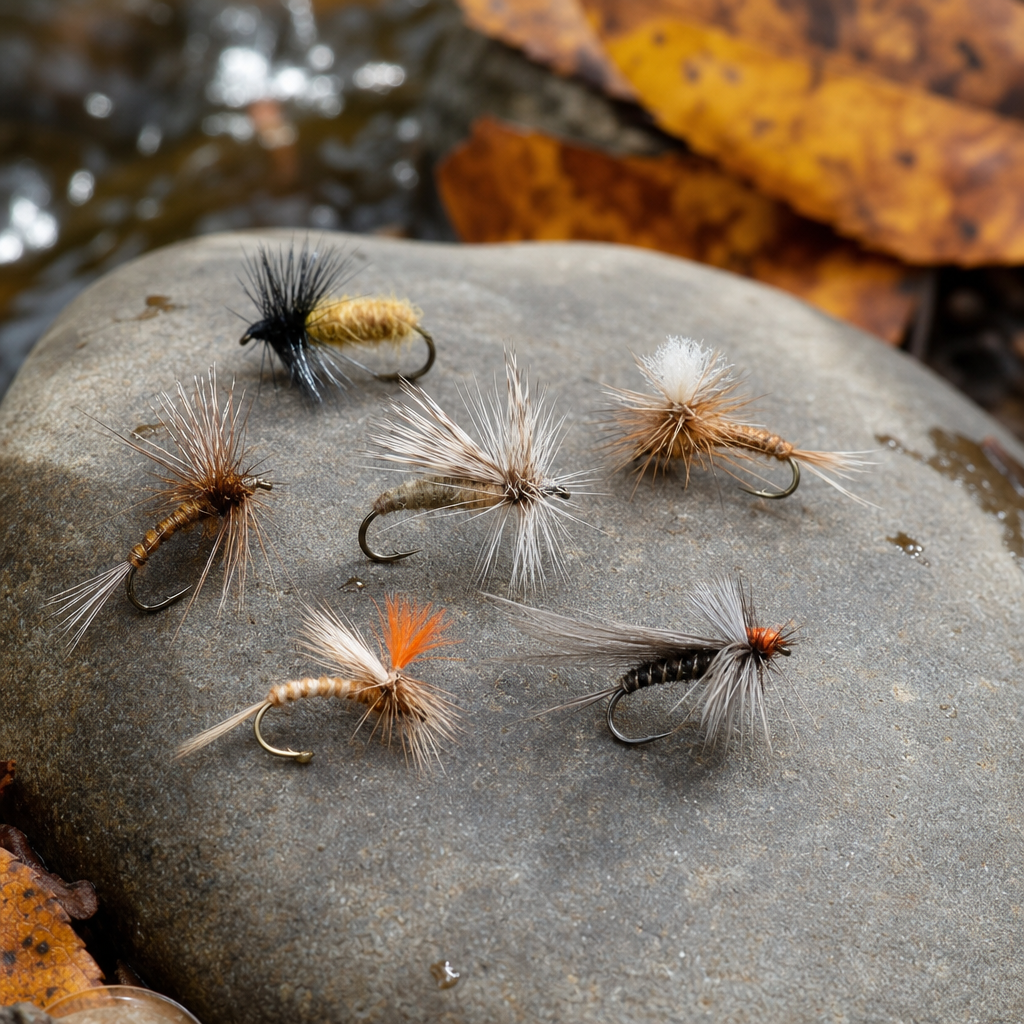
Several patterns have earned permanent space in spring boxes because they cover common feeding modes. A hybrid worm with a rabbit strip tail or chenille body excels after rain when natural worms wash in from banks. A small Backstabber-style carp fly drops hook point up and lands softly around sparse weeds. A Whitlock-style NearNuff crayfish, tied slim rather than bulky, works when fish are grubbing aggressively on firmer bottoms. Dragon and damsel nymph patterns shine in ponds and lakes with vegetation, especially as insect activity builds through mid spring. In rivers, a buggy Simi Seal or dubbing-loop nymph in olive or black can suggest almost anything living in the substrate, which is exactly why it works.
Tippet choice connects the fly to the tactic. In most spring situations, 10- to 16-pound fluorocarbon is the practical range. Lighter tippet can increase bites in very clear water, but abrasion from reeds, rocks, and the carp’s first run makes undergunned setups costly. Leader length of nine to twelve feet is standard, with longer leaders favored for calm, shallow flats. Rods in the 6- to 8-weight class handle the job well. A 7-weight is the best all-around spring carp rod because it turns over weighted flies, protects tippet, and still presents delicately enough for close targets.
Mistakes, Ethics, and Building a Seasonal System
The biggest spring mistake is casting at every fish you see without classifying it. Feeding fish, neutral fish, and spawning fish are different problems. Feeding fish deserve immediate attention. Neutral fish may need angle changes, smaller flies, or longer pauses. Spawning fish should mostly be left alone, both because they are poor targets and because responsible anglers avoid disrupting reproduction. Many waters rely on strong year classes to maintain quality carp populations, and spring is when that future is being made.
Other common errors are false casting over fish, setting too late, and moving too fast through good water. Spring carp often use the same warm stretch for hours, but only certain microzones on that stretch hold active fish: a mud seam beside cattails, a culvert outflow, a sunlit corner protected from wind, or a darker patch that gains heat first. Mark these areas and revisit them. Over time you build a seasonal milk run. That is how consistent anglers turn spring fly fishing from occasional luck into a repeatable system.
The main benefit of understanding fly fishing for carp in spring is simple: you stop guessing and start matching fish location, behavior, and fly design to the conditions in front of you. Warmest water is not always best, but the right warm water usually is. The flashiest fly is rarely best, but the fly that lands softly and reaches bottom naturally usually is. The most aggressive fish are not always catchable, but the fish that are feeding with purpose nearly always are.
Use this spring fly fishing hub as your starting framework. Track water temperature, note weather trends, study shallow habitat, and fish a compact set of proven patterns with disciplined presentation. Then expand into your local variations, whether that means pond carp on worm flies, reservoir carp on dragon nymphs, or river fish on buggy crayfish. Spring gives you visible clues and short windows; your job is to read them quickly and respond precisely. Start with one warm flat, one thermometer, and three confidence flies, and build from there.
Frequently Asked Questions
When is the best time in spring to fly fish for carp?
The best spring window for fly fishing for carp usually begins when water temperatures start climbing out of the winter range and fish become consistently visible in the shallows. In many waters, that means the period from late pre-spawn warming through the weeks just before heavy spawning activity. Early in spring, carp often move slowly and feed in shorter windows, especially during the warmest part of the day. As the season progresses and temperatures stabilize, they become more active, more willing to patrol flats, and easier to target on fly tackle. A few consecutive sunny days can dramatically improve the bite, while cold fronts, muddy inflows, and overnight temperature drops can push fish back into deeper or more protected water.
From a practical standpoint, focus less on the calendar and more on conditions. Look for afternoons with warming sun, light wind, and water that is clear enough to spot fish or at least read their behavior through muds, tails, and subtle movement. In the early part of spring, south-facing shorelines, dark-bottom bays, canals, and protected coves often warm first and attract feeding carp. Once fish shift into active spawning mode, catching can become less consistent because many carp are more interested in reproduction than feeding. That makes the weeks leading up to the spawn, and the recovery period after it, especially productive for anglers who want engaged fish that will track, tip down, and actually eat a fly.
Where do carp hold in spring, and how do I find them on the water?
Spring carp positioning is driven by temperature, security, and food. As water warms, carp frequently slide out of wintering areas and begin using shallow flats, soft-bottom margins, reed lines, mud bays, inflowing creeks, and protected backwaters. They are often looking for places that heat quickly and concentrate natural food like worms, nymphs, small crustaceans, and dislodged aquatic life. Dark mud bottoms are especially important because they absorb warmth and can draw fish earlier in the day or earlier in the season than cooler, harder-bottom areas. In lakes and ponds, this may mean sheltered coves and weedy shorelines. In rivers, it can mean slow side channels, flooded edges, and soft seams near backwaters.
The most reliable way to find spring carp is to combine visual hunting with environmental clues. Sight-fishing is ideal, so scan for tails, backs, pushing wakes, mud clouds, and subtle flashes in skinny water. Polarized glasses are essential. If visibility is poor, pay close attention to rolling fish, bubbles over feeding zones, and fresh muddy patches that indicate bottom-grubbing carp. Also watch how weather affects location. A warming trend may bring fish onto broad flats, while a cold snap may pull them into slightly deeper troughs adjacent to those same feeding areas. Wind can help by pushing warmer surface water and food into a bank, but too much wind can reduce visibility and make precise presentations difficult. The key is to keep moving, read the water constantly, and identify fish that are actually feeding rather than simply cruising or spawning.
What flies work best for spring carp, and how should they be presented?
The most productive spring carp flies usually imitate the food items carp naturally encounter while rooting in warming shallows. That often means buggy, suggestive patterns rather than perfectly exact imitations. Carp nymphs, worm patterns, small crayfish flies, damselfly or dragonfly nymphs, hybrid grub patterns, and lightly weighted soft-bottom flies all have a place in spring. In many situations, muted natural colors like brown, rust, olive, black, tan, and dull orange outperform flashy materials because they look more believable in clear, shallow water. Weight matters just as much as pattern choice. A fly that lands softly and settles naturally into the feeding zone is often far more effective than one that crashes down or sinks too aggressively into silt.
Presentation is usually the deciding factor. Spring carp often reward careful, deliberate casting rather than aggressive stripping. For tailing or mudding fish, place the fly slightly ahead of the fish’s path or just beyond the head, then let it settle to the bottom where the carp can find it naturally. Small strips, tiny hops, or even no movement at all may be enough. Many eats are subtle: the fish tips down, flares slightly, pauses, or simply changes body language. If the carp is cruising steadily, lead it enough that the fly enters its lane without spooking it, then make only the movement needed to trigger interest. In colder spring conditions, slower is generally better. As water warms and fish become more active, they may respond to a bit more animation, especially with crayfish-style or nymphing presentations. Matching the fish’s mood is more important than relying on one “magic” pattern.
How do weather changes and spawning behavior affect spring carp fishing?
Weather is one of the biggest variables in spring carp fishing because it directly affects water temperature, clarity, fish mood, and location. A stable warming trend usually improves the fishing by increasing metabolism and pushing carp into more predictable shallow-water feeding routines. Bright sun can be a major advantage because it warms skinny water and improves visibility for the angler. On the other hand, a strong cold front can shut fish down fast. Carp that were tailing aggressively one afternoon may become lethargic, slide into deeper water, or stop feeding altogether after a sudden temperature drop. Heavy rain can help or hurt depending on the system: warm inflow may activate fish, while muddy runoff can reduce visibility and scatter them.
Spawning behavior adds another layer of complexity. As spring progresses, carp often gather in shallow, weedy, protected water to spawn, and these fish can be frustrating targets. Spawning carp may be easy to see but hard to catch because feeding is not their priority. They may bump, ignore, or swim past a perfect presentation. The best strategy is usually to identify fish that are separate from the active spawning groups—single fish, pairs, or small pods feeding on the edges of the activity. Pre-spawn fish are often among the best targets of the season because they are shallow, visible, and actively eating. Post-spawn fish can also be excellent once they recover and resume normal feeding. In short, if you understand how weather and spawning stage influence behavior, you can avoid wasting time on uncatchable fish and focus on those most likely to eat.
What are the most common mistakes anglers make when fly fishing for carp in spring?
The most common mistake is casting to every visible carp without first reading what the fish is doing. In spring, behavior matters more than mere presence. A slowly tailing fish, a mudding fish, or a carp clearly patrolling with purpose is usually a much better target than a nervous cruiser, a suspended fish, or a fish locked into spawning activity. Another frequent error is poor presentation angle. Even the right fly will be refused if it lands on the fish’s head, crosses its line unnaturally, or enters the water with too much splash. Spring carp, especially in shallow clear water, can be extremely alert. Long before they eat, they evaluate sound, pressure, movement, and anything that appears out of place.
Other mistakes include fishing too fast, using flies that are too heavy for the depth and bottom type, and striking before the fish has actually eaten. Many anglers also underestimate how much weather changes matter in spring and return to yesterday’s productive flat even though a cold overnight shift has moved fish elsewhere. Wading carelessly, wearing highly visible clothing, or failing to use polarized glasses can cost opportunities before a cast is ever made. The anglers who do best in spring are usually the ones who slow down, observe more, and make fewer but better presentations. Carp are technical fish, and spring magnifies that challenge. If you focus on fish selection, stealth, angle, and pace, your odds improve dramatically.