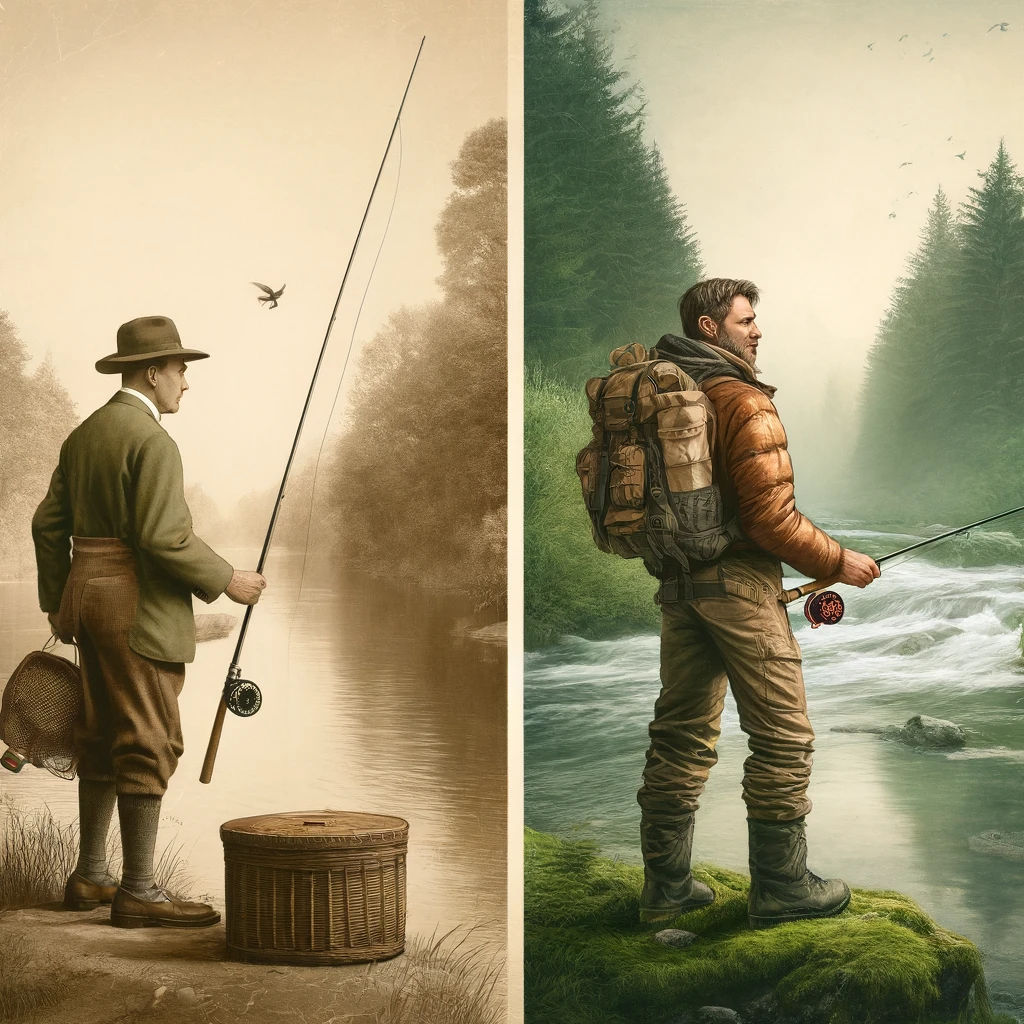
Fly fishing is an angling method that uses a light-weight lure called an artificial fly, which is cast using a fly rod, reel, and specialized weighted line. The art of fly fishing is not just in casting but also in selecting the right type of fly. “Matching the hatch” is a crucial concept in fly fishing that involves choosing a fly that mimics the aquatic insects or baitfish that fish are currently feeding on. This piece will take you through the basics, techniques, and strategies to help you make the right choices when selecting your fly.
Introduction to Fly Fishing Basics
Fly fishing has been around for centuries, emerging as a popular sport and hobby that combines the thrill of fishing with the beauty of nature. At its most basic, fly fishing involves using a rod and line to catch fish. Unlike traditional fishing, where the lure is heavier than the line, fly fishing utilizes a lightweight, artificial fly and a weighted line to create the cast. The essence of fly fishing lies in its ability to imitate fish food and entice fish to strike.
One of the first things every aspiring fly angler should understand is the various types of flies available. These include dry flies, wet flies, nymphs, and streamers, each designed to mimic different stages of aquatic life. Your choice of fly will largely depend on the species you’re targeting and the specific conditions you’re fishing in.
The concept of “matching the hatch” is pivotal in fly fishing and forms the basis of choosing the right fly. It requires observing the types of insects present in your fishing location and selecting a fly that closely resembles these insects. By doing so, you significantly increase your chances of attracting fish. In subsequent sections, we’ll break down the techniques and strategies that will help you master this essential skill.
Understanding Aquatic Insects and Their Life Cycles
The foundation of matching the hatch starts with a good understanding of aquatic insects and their life cycles. The primary insects that fly fishers imitate include mayflies, caddisflies, stoneflies, and midges. These insects go through various life stages: egg, larva or nymph, pupa, and adult. Fish are familiar with these stages and are often selective in what they feed on depending on the time of year and water conditions.
For example, mayflies are a highly influential insect in many trout streams. They begin life as eggs laid in the water, which hatch into nymphs that live underwater for several months. When it’s time to become adults, they surface, shed their nymphal shucks, and transform into winged insects. Understanding such life cycles can greatly aid you in choosing the appropriate fly pattern.
Using entomology books or online resources can be beneficial for identifying insects in your local waters. Sometimes, simply observing what insects are in and around the water can offer clues about what the fish might be feeding on. Once you identify the prevalent insects, you can select a fly that mimics one of these life stages.
Techniques for Observing and Identifying Hatches
Observation is the key technique in identifying hatches and choosing the right fly. Spend some time walking along the riverbank, looking under rocks, studying the water surface, and examining insects in the air. Carry a small insect net to catch and identify any flying insects. This can give you a closer look at what’s hatching and what the fish might be feeding on.
Pay attention to what’s happening on the water’s surface. If you see a lot of rising fish, it often means they are feeding on emerging insects or adult forms. Conversely, if you see no surface activity, it might indicate sub-surface feeding on nymphs or pupa. Fish behavior can provide great insights into what they are eating and hence, what type of fly you should opt for.
Journaling your observations is another effective technique. Keep a record of hatch timings, weather conditions, water temperature, and the types of flies that were effective. Over time, this will become a valuable resource that can guide your future fly selections.

Selecting the Right Fly: Dry Flies and Wet Flies
Now that you’ve observed the hatches, it’s time to select the appropriate fly. Dry flies are designed to float on the water’s surface, imitating adult insects. They’re best used when you see fish actively rising to the surface. Some popular dry flies include the Adams, Elk Hair Caddis, and Parachute Adams.
Wet flies, on the other hand, sink below the surface and are used to imitate insects in their nymph or pupal stage. They can be particularly effective when fish are not rising or during the early spring months when many aquatic insects are still in their nymphal stages. Popular wet flies include the Hare’s Ear Nymph, Pheasant Tail Nymph, and Woolly Bugger.
The key to mastering dry and wet fly fishing lies in understanding when each type is most effective. Pay attention to the water temperature, as insects are more likely to be in their nymphal stage during colder months. In warmer months, dry flies tend to be more effective as more insects reach their adult stage.
Advanced Techniques: Nymphing and Streamer Fishing
As you become more proficient, you might want to delve into more advanced techniques such as nymphing and streamer fishing. Nymphing involves fishing with wet flies that imitate immature insects (nymphs) and is often done using indicator rigs that help you detect subtle takes. This method can be extremely effective in both rivers and still waters.
To get started with nymphing, choose a weighted nymph fly and pair it with a strike indicator that will float on the surface. When the indicator moves or dips, it usually signifies a fish has taken the nymph. Adjust your depth until you find where the fish are feeding.
Streamer fishing involves using larger flies that imitate baitfish, leeches, or other larger prey. Streamers can be particularly effective for targeting larger fish and are usually fished with an active retrieve. Some popular streamer patterns include the Muddler Minnow, Zonker, and Clouser Minnow.
Both nymphing and streamer fishing require a bit more skill and practice but can significantly improve your success rate once mastered. They provide a level of versatility allowing you to fish various water conditions efficiently.
Troubleshooting Common Fly Fishing Challenges
Even seasoned anglers encounter challenges that can make fly fishing frustrating. One common issue is “micro-drag,” which occurs when your fly doesn’t drift naturally with the water because of the tension in your line. This is often due to poor mending, where the line isn’t properly adjusted after the cast, causing an unnatural drift that fish can detect.
To overcome micro-drag, practice proper mending techniques to ensure your fly moves naturally with the current. Pay attention to the line and the water to make minute adjustments as needed.
Another common challenge is selecting the wrong fly size or pattern. Remember that fish can be very selective, especially in pressured waters. Sometimes, downsizing your fly or switching to a different pattern can make a significant difference.
Lastly, environmental factors like weather, water temperature, and clarity can impact your success. Always be adaptable and ready to change your setup accordingly. If fish aren’t biting, try different flies, alter your presentation, or move to another spot. Flexibility can often be the key to a fruitful fishing experience.
Conclusion: Mastering the Art of Matching the Hatch
Matching the hatch is both a science and an art that requires a combination of observation, knowledge, and practice. Understanding the life cycles of aquatic insects and the behavior of fish can significantly improve your fly fishing success. By mastering basic techniques and being willing to learn from each outing, you will become more adept at choosing the right fly and enticing fish to take the bait.
Remember, fly fishing is not just about the catch but also about the connection with nature and the joy of being on the water. The skills you develop in observing hatches and selecting flies will not only make you a better angler but will also deepen your appreciation for the aquatic ecosystems you explore.
So grab your fly rod, step into the water, and start practicing the techniques and strategies outlined above. Over time, your ability to match the hatch will become second nature, leading to more successful and enjoyable fly fishing adventures.