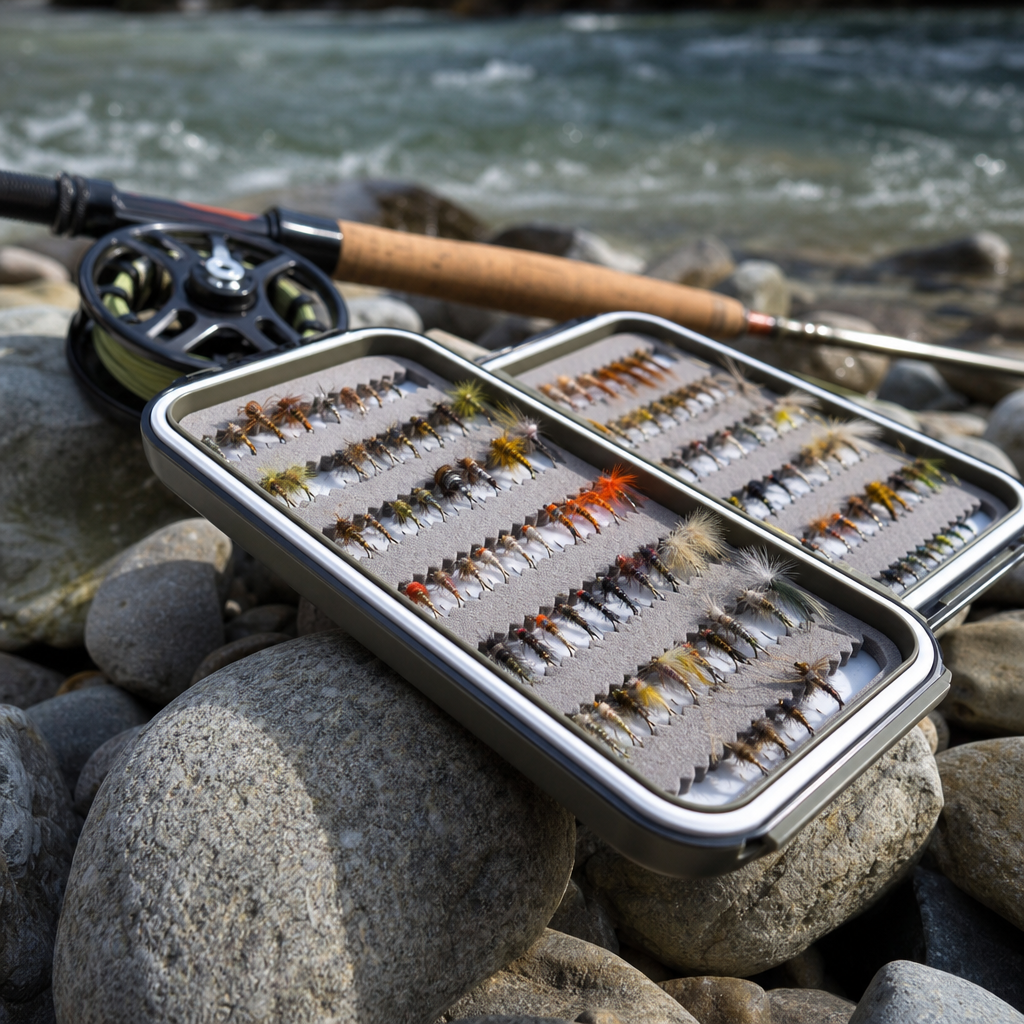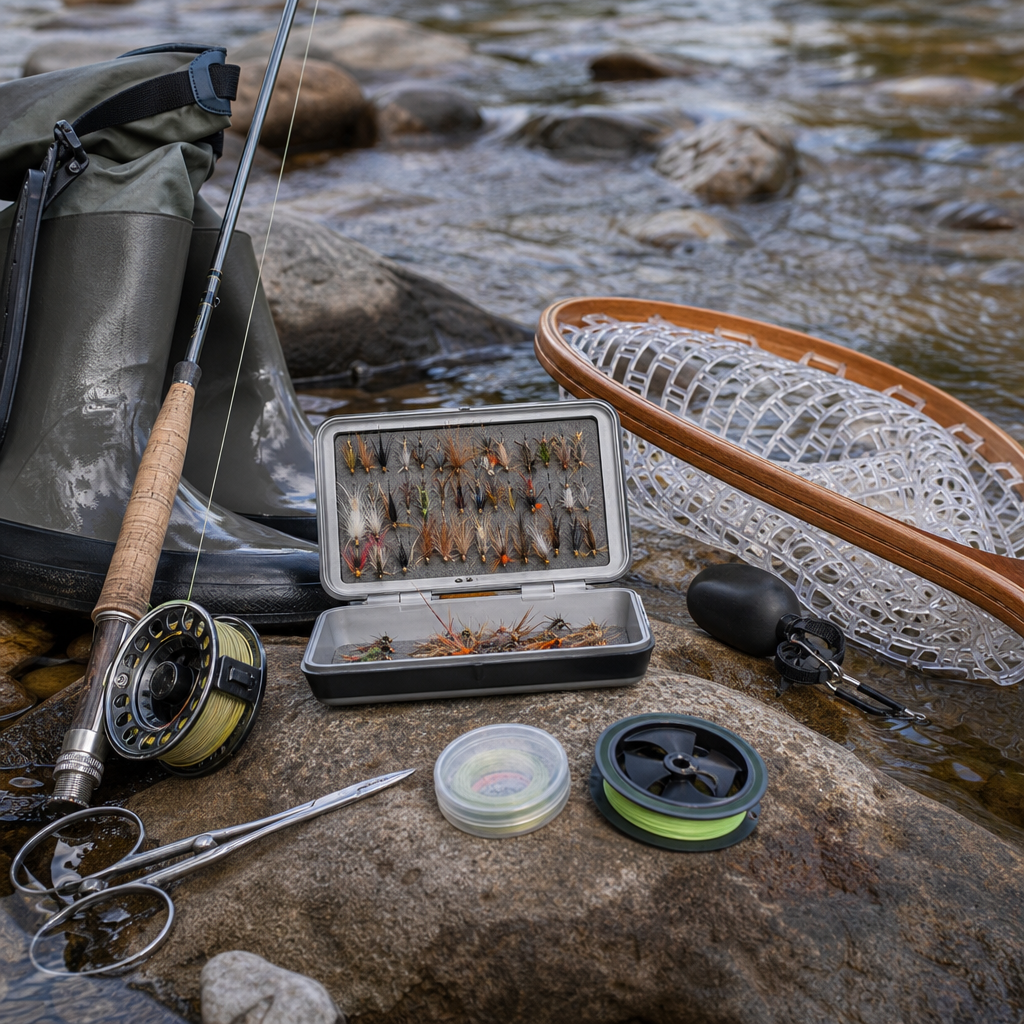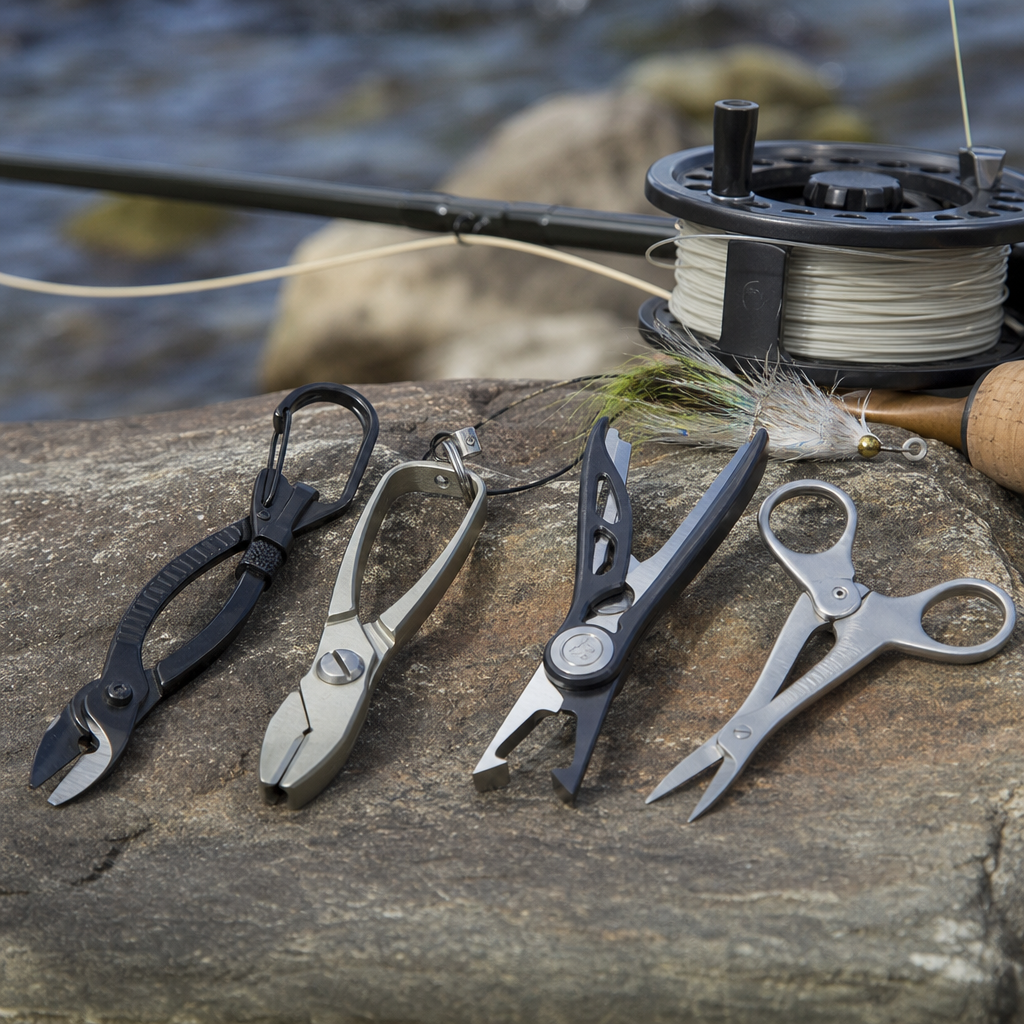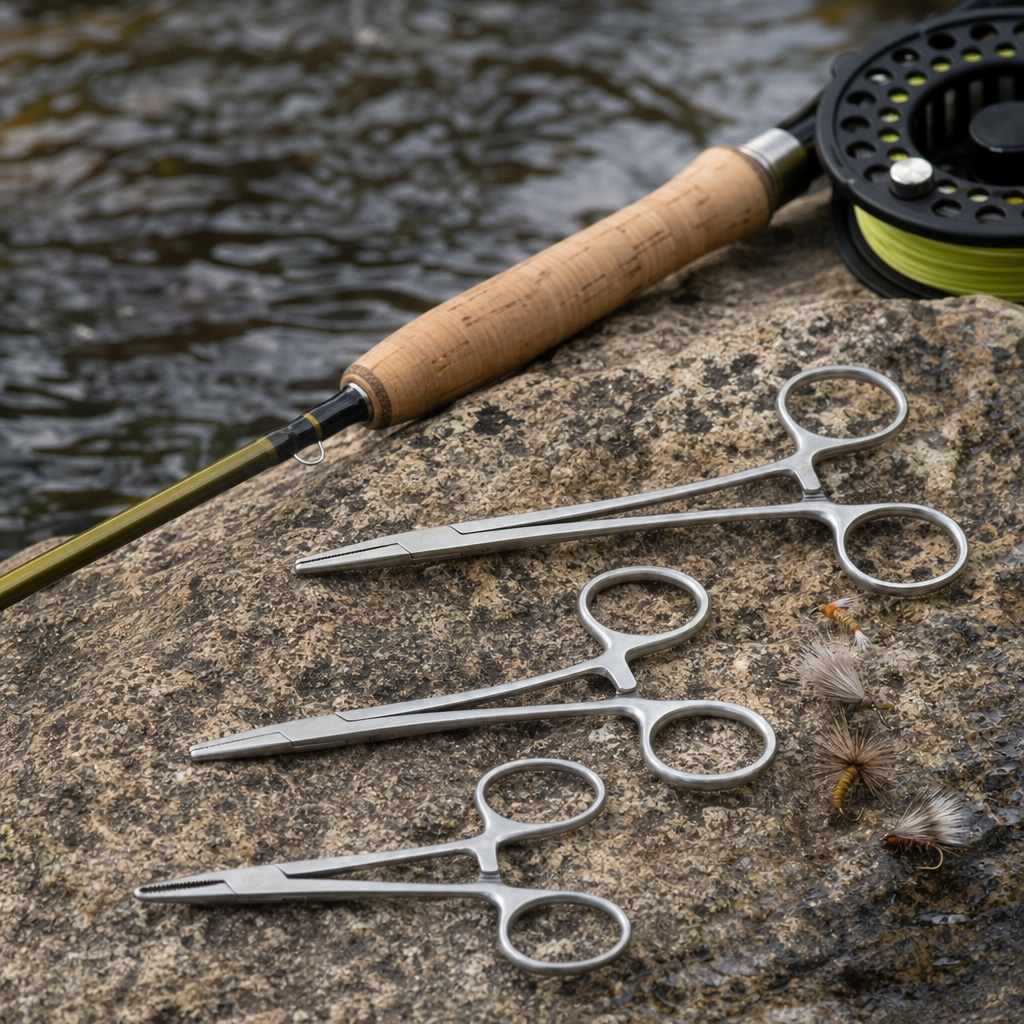
Choosing the right fly fishing tackle bag affects far more than convenience; it shapes how efficiently you move, protect gear, and respond to changing water conditions throughout a day on the river. In this review of the top fly fishing tackle bags, I am treating the category as an equipment review hub, because anglers rarely buy a bag in isolation. They compare sling packs, hip packs, backpacks, chest packs, waterproof duffels, and hybrid systems based on trip length, box capacity, weather exposure, and how often they wade deep or hike long distances. A tackle bag, in this context, means any purpose-built carrying system for fly boxes, tippet, leaders, tools, hydration, spare layers, and small accessories. The best choice is not simply the most expensive model; it is the one that matches your fishing style, body mechanics, and gear load.
This matters because fly fishing puts unusual demands on carry systems. You need one-handed access while managing a rod, strong organization for tiny components, and materials that resist abrasion, water, and grit. I have tested bags on tailwaters, freestone streams, lakes, and salt flats, and the same pattern always emerges: poor layout wastes time, poor weight distribution causes fatigue, and poor fabric choices fail right where seams, zippers, and attachment points take repeated stress. The strongest fly fishing tackle bags combine smart ergonomics, corrosion-resistant hardware, drainage or waterproofing where appropriate, and attachment architecture that actually supports nets, forceps, floatant, and hemostats without turning the exterior into a snagging hazard.
As a product review hub under equipment reviews, this article covers the leading bag types, standout models, and the buying criteria that should guide your shortlist. It also answers the practical questions anglers ask before purchasing: Which bag is best for wading? What size is enough for a half-day trip? Are waterproof zippers worth it? How do premium brands differ from budget options? By the end, you should know which top fly fishing tackle bag category and model best fits your needs, and where to go deeper when comparing packs, vests, and waterproof storage systems across the rest of your equipment lineup.
What to Look for in the Best Fly Fishing Tackle Bags
The best fly fishing tackle bags solve five problems at once: carry comfort, access speed, organization, weather protection, and durability. Capacity should be measured in real fishing terms, not abstract liters alone. A “10-liter” sling means little until you know whether it holds four large fly boxes, a spool wallet, a compact rain shell, and a 1-liter bottle without crushing foam inserts. In field use, layout matters more than raw volume. Bags with layered internal dividers, stretch side pockets, and docking stations for tools usually outperform bigger but less structured designs.
Material selection tells you a lot about long-term value. High-denier recycled nylon with TPU or PU coatings is common among better bags from Patagonia, Fishpond, and Simms. Waterproof models often use welded construction and submersible zippers such as YKK AquaSeal or TIZIP, which improve storm and dunk resistance but add stiffness, cost, and opening effort. Non-submersible packs can still be excellent if they use DWR-treated fabrics, smart drainage, and raised internal pockets for phones or keys. Hardware quality also matters. Hypalon lash points, bar-tacked webbing, corrosion-resistant buckles, and oversized zipper pulls perform noticeably better after a season of wet sand, sunscreen, and repeated freezing mornings.
Fit is the most overlooked criterion. A sling that feels clever in a store may torque your shoulder after six hours. A hip pack can be liberating on easy water yet frustrating when scrambling through brush. Backpacks excel on long approaches, but many require taking the pack off for routine fly changes unless paired with a chest pod. In my experience, the best buying approach is to start with access style, then narrow by weather resistance, then compare pocket architecture. That order prevents you from paying for features you will not use while ensuring the bag supports your actual fishing rhythm.
Top Fly Fishing Tackle Bags by Type and Best Use
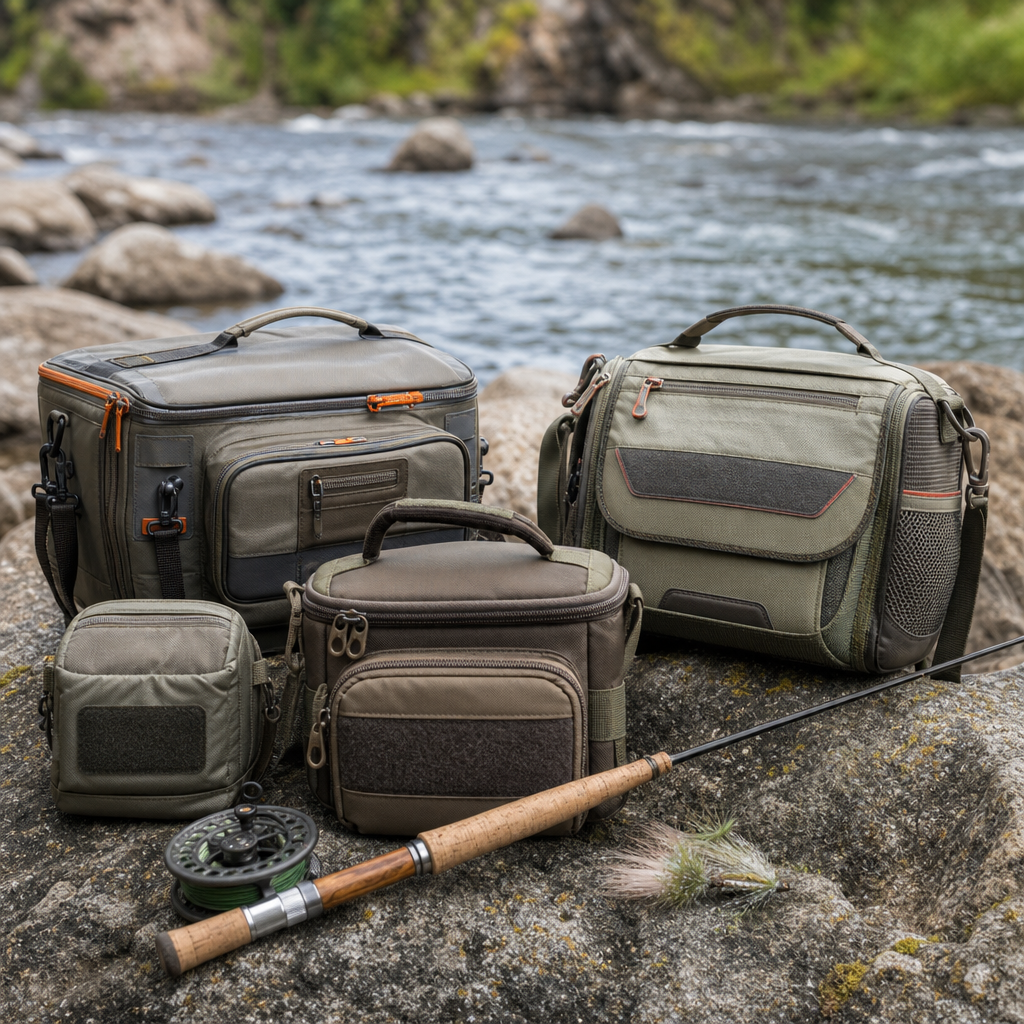
Different bag styles dominate in different scenarios, so a true review of the top fly fishing tackle bags has to compare categories, not just list products. Sling packs remain popular for walk-and-wade trout fishing because they rotate to the front quickly and distribute moderate loads better than a traditional chest pack. The Patagonia Stealth Sling and Fishpond Summit Sling are strong examples, with thoughtful internal organization and enough structure to keep fly boxes upright. For anglers carrying two to five boxes, tools, tippet, and a light layer, this format often offers the best balance of mobility and access.
Hip packs are ideal when breathability and freedom of movement matter most. The Orvis Guide Hip Pack and Fishpond Thunderhead Submersible Lumbar are especially strong for warm-weather wading. Hip packs reduce upper-body fatigue and work well with nets, but they can interfere with deep wading if worn low and overloaded. Backpacks suit anglers hiking into alpine lakes or carrying camera gear, food, and insulation. Simms and Fishpond both make excellent technical fishing backpacks, though I generally recommend them for destination days rather than quick local sessions because access is slower.
Chest packs still deserve respect. They keep tools and flies immediately visible and pair well with minimalist wading. However, they can feel bulky, warm, and restrictive unless carefully packed. Waterproof duffels and boat bags belong in this discussion too, especially for guides, raft anglers, and saltwater fishers protecting reels, layers, and electronics. Those are not “active access” bags, but they are critical parts of a complete tackle storage system.
| Bag Type | Best For | Main Strength | Main Limitation | Notable Models |
|---|---|---|---|---|
| Sling Pack | Half-day river wading | Fast front access | Single-shoulder fatigue | Patagonia Stealth Sling, Fishpond Summit Sling |
| Hip Pack | Warm-weather mobility | Comfort and ventilation | Can hinder deep wading | Orvis Guide Hip Pack, Fishpond Thunderhead Lumbar |
| Backpack | Long hikes and larger loads | Best weight distribution | Slowest access | Simms Tributary Backpack, Fishpond Cutbank Tech Pack |
| Chest Pack | Minimalist technical fishing | Immediate organization | Bulk on torso | Umpqua NorthFork Chest Pack, Fishpond Cross-Current Chest Pack |
| Waterproof Duffel | Boat, travel, saltwater | Maximum protection | Not designed for active access | Simms Dry Creek Duffel, Patagonia Guidewater Duffel |
Review of Standout Brands and Models
Fishpond consistently earns a top place in fly fishing tackle bag reviews because its designs blend fish-specific organization with strong materials and a sustainability story that is not superficial. The Thunderhead series is particularly relevant if you need waterproof protection without improvising with dry bags. The Thunderhead Submersible Lumbar is expensive, but its welded construction, integrated net slot, and practical waist-belt structure make it one of the best premium choices for serious wade anglers. The Summit Sling, by contrast, is more versatile for everyday freshwater use and easier to justify on value.
Patagonia’s tackle bags tend to excel in thoughtful restraint. The Stealth line avoids overbuilding and usually carries lighter than it looks. The Stealth Sling has impressed me with clean access, low-bulk profile, and excellent usability for anglers who do not want every external surface covered in loops and tabs. Patagonia also tends to specify durable recycled materials and field-friendly layouts. If your fishing style is mobile and minimalist, Patagonia is often one of the safest recommendations.
Simms is strongest when durability and integration with wading systems matter. Their packs generally feel substantial, with robust fabrics, practical attachment points, and hardware meant to survive hard guide-style use. Orvis offers some of the best middle-ground products in the category: less expensive than many premium waterproof options, but still refined in suspension, organization, and fishability. Umpqua deserves mention for chest pack systems and smart modularity. The brand often appeals to anglers who like to customize how tools, boxes, and accessories ride on the body. For budget-minded buyers, Allen and Redington can work, but they usually trade premium fabric hand, zipper quality, and long-term seam resilience for lower price.
How to Match a Tackle Bag to Your Fishing Style
If you fish small trout streams for two to four hours, a compact sling or chest pack is usually enough. You need room for fly boxes, indicators, split shot, floatant, nippers, forceps, tippet, leaders, and perhaps a snack. Going larger often leads to carrying unnecessary gear, which slows movement and encourages clutter. On medium and large rivers, especially during variable weather, a larger sling or lumbar pack becomes more practical because you may add a rain shell, gloves, extra spools, and a water bottle.
Stillwater anglers often benefit from larger lumbar packs or backpacks because they carry more flies, sinking leaders, and clothing layers, especially when covering banks or moving between spots. Saltwater fly anglers should prioritize corrosion resistance and waterproofing more aggressively than trout anglers. Spray, sand, and sun degrade hardware quickly, and a truly water-resistant tackle bag helps protect expensive reels, fly lines, and electronics. Flats skiffs, surf, and kayak fishing all reward minimalist waterproof systems with easy-clean surfaces.
Travel also changes the equation. If your bag will double as an airline carry-on personal item or nest inside a larger duffel, shape and compressibility matter. I prefer tackle bags with removable dividers and subdued exterior profiles for travel because they fit more spaces and look less like hard-use technical luggage. The right answer depends less on what is “best overall” and more on your trip pattern. Buy for your most common fishing day, not your rarest one.
Common Buying Mistakes and How to Avoid Them
The most common mistake is buying too much bag. Anglers often assume extra storage equals preparedness, but overloaded tackle bags create shoulder strain, slower fly changes, and disorganized gear. A second mistake is confusing waterproof fabric with a waterproof bag. Unless a pack has welded seams and a truly submersible closure, water can enter through seams, zippers, and attachment points during heavy rain or immersion. Many excellent packs are water-resistant, not waterproof, and that distinction matters if you wade deep or fish from a kayak.
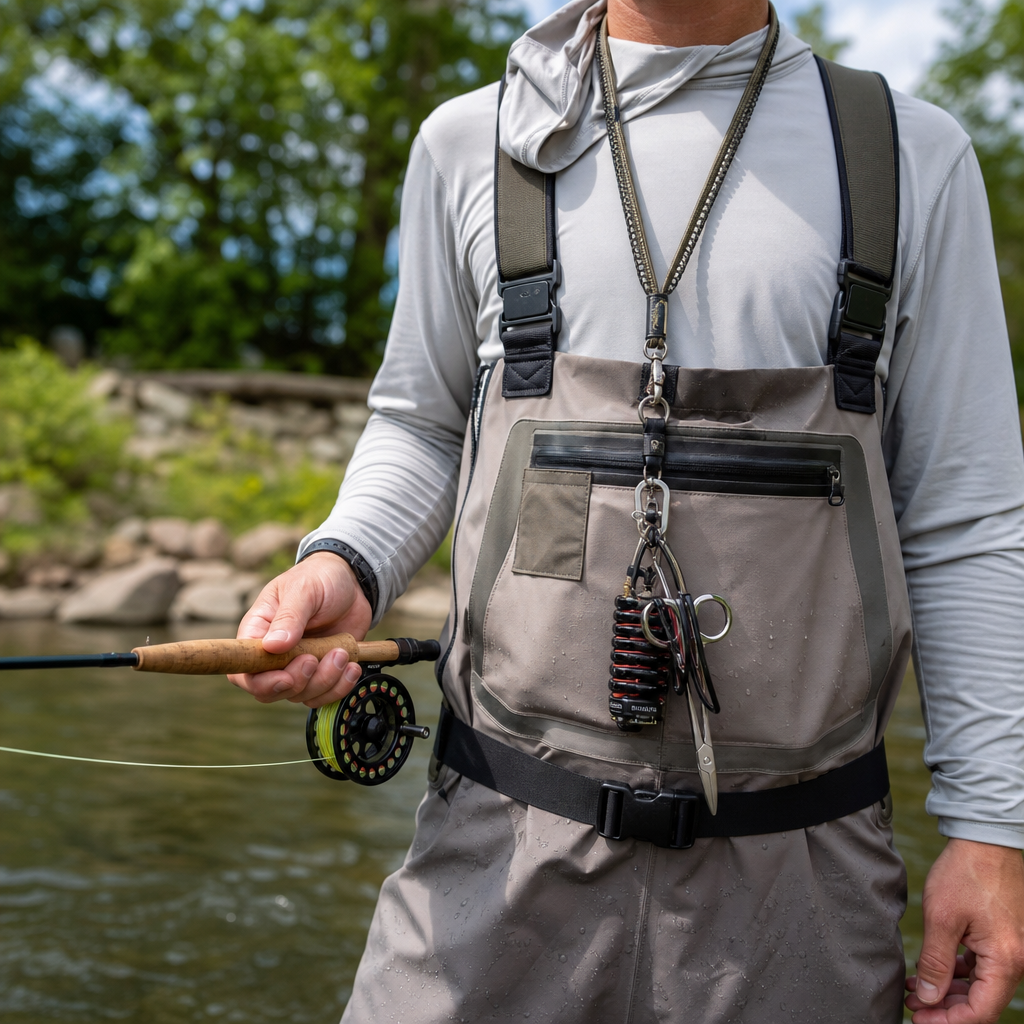
Another mistake is ignoring tool management. Forceps and nippers should dock securely where you can reach them with either hand. Retractors are useful, but poor placement turns them into swinging snag points. Test whether a bag allows natural access to tippet spools, floatant, and your primary fly box without dumping contents or setting the bag on wet ground. Also watch for zipper orientation. Some packs look sleek but require awkward two-step opening motions once worn.
Finally, do not judge durability by fabric thickness alone. Seam design, reinforcement, zipper quality, and buckle reliability matter just as much. I have seen thick, inexpensive bags fail at stitched stress points long before lighter premium models. Reading equipment reviews with close attention to long-term use reports is smarter than relying on first impressions or catalog specifications.
How This Equipment Review Hub Helps You Build a Better Kit
This page is designed as the central starting point for equipment reviews within product reviews and recommendations, and tackle bags are one of the most useful places to begin because they influence how every other item performs in the field. Your fly boxes, leaders, tools, net, wading jacket, and hydration system all become easier or harder to use depending on how your bag is organized. Once you identify your preferred carry style here, it becomes easier to compare related gear categories such as fly boxes, nets, wading packs, travel duffels, and waterproof phone storage.
The top fly fishing tackle bags are not interchangeable. Fishpond leads in premium waterproof lumbar systems and eco-conscious materials. Patagonia stands out for clean, efficient carry. Simms remains a benchmark for ruggedness. Orvis offers excellent all-around value. Umpqua shines in technical chest-pack organization. The best bag for you is the one that supports your real fishing habits with fast access, stable carry, and the right level of weather protection. Start by defining where and how you fish most often, narrow the category, then compare specific models with a ruthless focus on fit and function. If you are building or upgrading your kit, use this hub as your launch point and shortlist two or three tackle bags to handle in person before you buy.
Frequently Asked Questions
What type of fly fishing tackle bag is best for most anglers: sling pack, hip pack, backpack, or chest pack?
The best fly fishing tackle bag depends less on what is “most popular” and more on how you actually fish. Sling packs are a favorite for anglers who want quick access to fly boxes, tippet, tools, and leaders without fully removing the bag. They work especially well for short to medium sessions, covering water on foot, and situations where convenience matters more than maximum storage. Hip packs are excellent for mobility and balance, particularly when wading. They keep weight low and out of the way, and many anglers find them less fatiguing over a full day than shoulder-based systems. Backpacks are ideal when you need to carry extra layers, food, water, camera gear, rain equipment, and a larger box selection for all-day or destination trips. Chest packs shine when immediate front access is the priority, especially on technical water where changing flies and organizing small accessories quickly can make a real difference.
In practice, most anglers should choose based on trip length, carry load, and wading style. If you fish local rivers for a few hours and want simplicity, a sling or hip pack is often the sweet spot. If you hike into remote water or carry more than just fly boxes, a backpack or hybrid backpack-chest system usually makes more sense. If you fish from a drift boat or spend time in varied weather, a waterproof duffel or larger pack may be better as a base bag, paired with a smaller on-body setup for active fishing. The right choice is the one that gives you easy access to essentials, keeps your gear protected, and does not interfere with casting, rowing, or wading.
How much storage capacity do I really need in a fly fishing tackle bag?
Most anglers need less total storage than they think, but they need better organization than they expect. A good tackle bag should hold the core kit comfortably: fly boxes, leader and tippet spools, floatant, indicators, split shot, forceps, nippers, a small first-aid item, and weather-dependent extras like gloves or a rain shell. For short sessions, compact bags with room for two to four fly boxes and basic accessories are often enough. For full-day trips, you may want space for lunch, water, spare clothing layers, and a wider fly selection. For travel or mixed-water outings, larger bags become more practical because they reduce the need to leave critical gear behind.
The key is matching storage to your fishing style rather than buying the biggest bag available. Oversized bags often encourage overpacking, which adds weight and makes gear harder to find when conditions change quickly. A well-designed bag with smart pocket layout, dedicated tool attachment points, and easy-access compartments will usually fish “bigger” than a poorly organized bag with more raw volume. When reviewing top fly fishing tackle bags, capacity should always be considered alongside layout, box compatibility, pocket depth, and whether the bag still feels balanced and comfortable when fully loaded.
Are waterproof fly fishing tackle bags worth it, or is water-resistant protection enough?
Waterproof tackle bags are absolutely worth considering if you regularly fish in heavy rain, deep wading conditions, boats, kayaks, saltwater environments, or rivers where slips and full submersion are realistic possibilities. A true waterproof bag, especially one with welded seams, waterproof zippers, or roll-top closure, offers a level of gear protection that water-resistant models simply cannot match. This matters if you carry a phone, camera, keys, dry layers, maps, or expensive fly boxes with specialty patterns you do not want soaked. Waterproof designs also help control long-term exposure to moisture, which can contribute to rusted hooks, corroded tools, and damaged accessories.
That said, fully waterproof bags are not always the best answer for every angler. They can be heavier, more expensive, and sometimes less convenient for fast access, especially if sealing systems are more rigid. Water-resistant bags are often enough for anglers fishing fair-weather conditions, shallow water, and shorter outings where occasional spray or drizzle is the main concern. Many anglers do well with a water-resistant tackle bag plus internal dry pouches for electronics and documents. In a review setting, the right question is not simply whether a bag is waterproof, but whether its weather protection matches the environments you actually fish. If your gear is regularly exposed to significant water, waterproof construction is a strong investment. If not, a lighter and more accessible water-resistant option may be the smarter value.
What features should I look for when comparing the top fly fishing tackle bags?
The most important features are comfort, access, organization, durability, and fishability. Comfort starts with strap design, back panel structure, load distribution, and adjustability. A bag may look impressive in photos, but if it shifts while wading, rubs your casting shoulder, or becomes awkward after several hours, it will not perform well on the water. Access is equally important. You should be able to reach fly boxes, tippet, tools, and key accessories quickly, ideally with one hand and minimal disruption. Good tackle bags make routine tasks feel seamless instead of forcing you to stop and dig through compartments.
Organization features matter more than many anglers realize. Look for dedicated fly box compartments, exterior attachment points, zinger or tool docks, net sleeves or loops, water bottle compatibility, and pockets sized for small essentials that tend to disappear in oversized storage areas. Durability should include abrasion-resistant fabric, reinforced stitching, corrosion-resistant hardware, dependable zippers, and materials suited to repeated exposure to mud, moisture, and sun. Finally, think about how the bag functions while actively fishing. The best models stay out of your casting path, do not hang awkwardly when landing fish, and make transitions between walking, wading, and changing flies efficient. A premium tackle bag should feel like part of your system, not an obstacle you are constantly adjusting.
How do I choose a fly fishing tackle bag for full-day trips, travel, or changing river conditions?
For full-day trips and variable conditions, versatility becomes the deciding factor. You need a tackle bag that can carry more than flies and tools without becoming cumbersome. That usually means enough room for extra leaders, multiple fly boxes for different hatches, food, hydration, a rain shell, and temperature-based layering pieces. If weather can shift quickly or water conditions vary from shallow riffles to deeper runs, a bag with flexible organization and secure external carry options becomes far more valuable than one built only for minimalist storage. Backpack-style systems often excel here, especially for anglers who walk long distances or carry camera gear, extra reels, or personal safety items.
For travel, durability and packing efficiency should rise to the top of the checklist. A tackle bag should fit your broader gear strategy, whether that means sliding into luggage, doubling as a carry-on organizer, or serving as a boat bag at the destination. Look for designs that protect contents during transport, maintain shape, and make it easy to separate wet gear from dry items. Hybrid systems can be especially useful because they let you move from travel mode to fishing mode without repacking everything. When river conditions are unpredictable, modularity helps: removable chest packs, integrated waterproof compartments, and expandable storage can make a bag much more adaptable. In the end, the best tackle bag for demanding days is one that gives you enough capacity and protection to prepare for change, while still letting you move efficiently and fish without distraction.