Starting a conservation initiative in your fly fishing community begins with a simple truth: healthy fisheries do not stay healthy by accident. Rivers, spring creeks, ponds, estuaries, and alpine lakes all depend on active stewardship, informed anglers, and local organizations willing to protect habitat before damage becomes irreversible. If you want to know how to start a conservation initiative in your fly fishing community, the process is practical, collaborative, and more achievable than most anglers assume.
In fly fishing, conservation efforts include habitat restoration, water quality monitoring, stream access protection, fish handling education, policy advocacy, invasive species prevention, and long-term community engagement. Ethics overlaps with conservation, but the distinction matters. Ethics governs how anglers behave on the water: catch-and-release practices, respecting spawning fish, minimizing trampling, and leaving no trace. Conservation efforts focus on improving ecological conditions and defending the systems that sustain fish populations over time. The strongest communities treat both as inseparable.
I have worked with local angling clubs, watershed groups, and guide networks on stream cleanups, redd protection campaigns, public comment letters, and volunteer monitoring days, and one lesson repeats everywhere: small, consistent local action outperforms occasional grand gestures. A single annual cleanup looks good in photos, but a coordinated community that tests water monthly, reports barriers to fish passage, teaches best fish handling, and shows up at planning meetings creates durable results.
This matters because fly fishing depends on functioning ecosystems, not just fish stocking or access points. Trout, salmon, steelhead, bass, carp, and panfish all respond to water temperature, dissolved oxygen, sediment load, riparian cover, flow regime, and spawning habitat quality. Warmer summers, altered runoff, bank erosion, and development pressure are changing many watersheds faster than casual anglers realize. A conservation initiative gives your community a structure for responding with purpose rather than frustration.
Define the Problem Before You Build the Program
The first step is to identify the exact conservation problem your fly fishing community can influence. Effective initiatives are specific. “Save our river” is too broad to organize around, measure, or fund. “Reduce summer thermal stress on a tailwater by improving riparian shade and supporting flow advocacy” is concrete. So is “protect spawning redds on the upper tributary through signage, volunteer outreach, and seasonal education.”
Start by gathering baseline information. Review state fish and wildlife agency reports, water quality dashboards, USGS streamflow data, local watershed assessments, and conservation district publications. Talk to biologists, guides, landowners, and longtime anglers who have observed changes over ten or twenty years. Ask direct questions: Are fish numbers declining, or are fish simply harder to catch? Is the main issue water temperature, siltation, migration barriers, low flows, poaching, litter, or public misunderstanding?
In most communities, the answer is not one problem but a chain of connected pressures. A stream with poor trout recruitment may also have cattle access degrading banks, undersized culverts blocking juvenile movement, and anglers unknowingly walking through spawning zones. When you define the problem correctly, your initiative can match the right tools to the right cause. That saves volunteer energy and builds credibility immediately.
Build a Core Team With Clear Roles
No conservation initiative lasts if it depends on one enthusiastic person doing everything. Build a core team of five to ten people with complementary strengths. Include at least one person trusted by local anglers, one person comfortable with science or data, one organizer who can coordinate volunteers, and one communicator who can write updates, handle social posts, and speak to shops or clubs. If possible, add someone with relationships in local government or a watershed nonprofit.
Assign roles early. A project lead sets priorities and keeps meetings moving. A science liaison gathers technical information and checks claims. A partnerships lead contacts agencies, TU chapters, watershed councils, schools, and local businesses. A volunteer coordinator manages signups, waivers, and workdays. A fundraising lead tracks donations, grants, and sponsorships. Clear ownership reduces confusion and prevents the common failure point where everyone supports the mission but nobody knows who is responsible for the next step.
Set expectations in writing. Decide how often you meet, how decisions are made, and what success looks like in the first six months. Communities fracture when goals stay vague. A simple one-page charter is enough: your mission, target water, initial projects, safety rules, and communications standard. Professionalism matters, even for volunteer groups, because agencies and donors respond better when they see organization instead of good intentions alone.
Choose Projects That Produce Visible Ecological Value
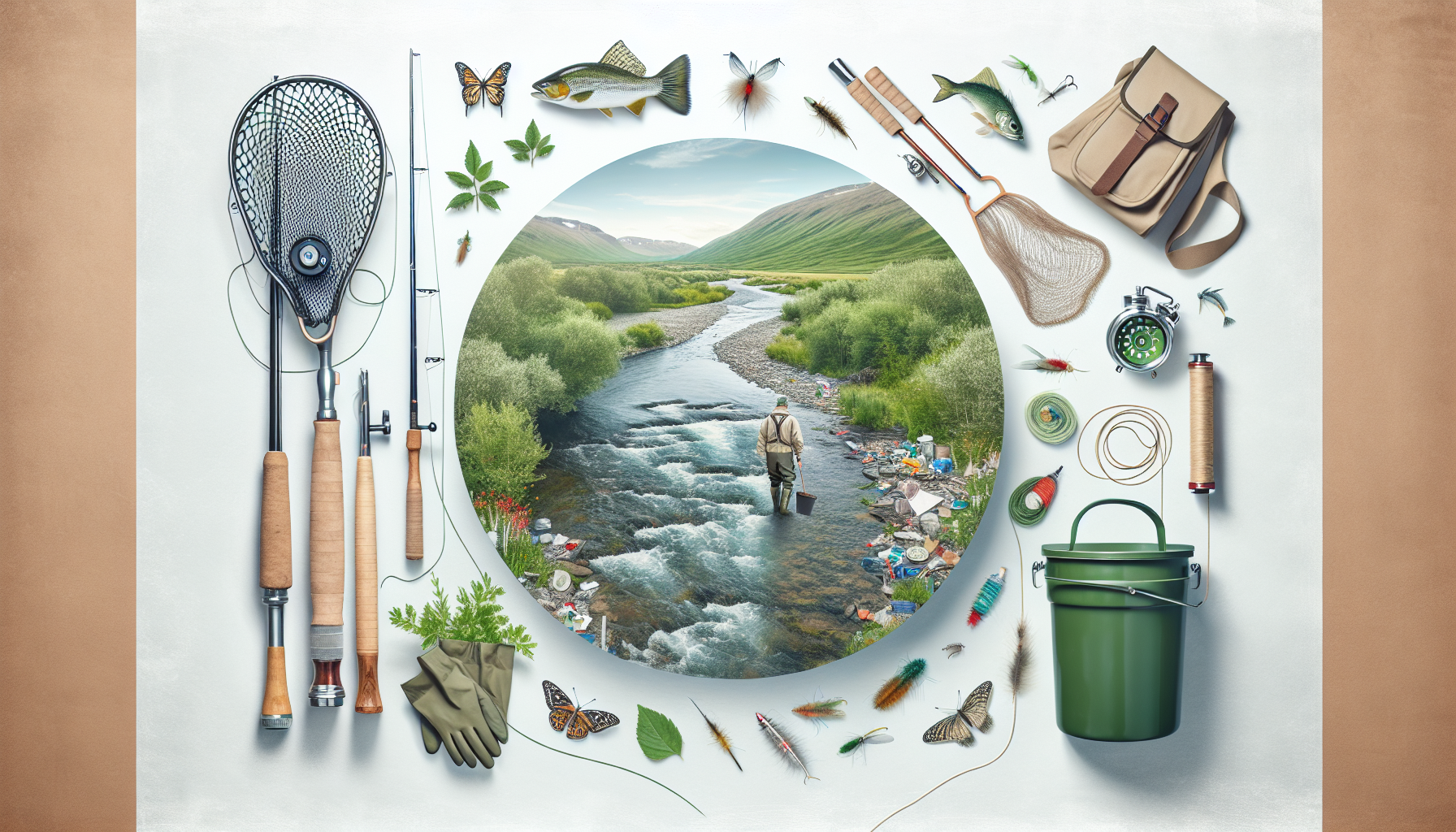
Your first projects should be realistic, locally relevant, and visible enough to earn trust. New groups often choose work that is symbolically appealing but ecologically weak. Better options are projects with measurable outputs and a clear connection to fish habitat or angler behavior. Streambank planting, trash removal in chronic problem reaches, boot brush stations for invasive species prevention, temperature logger deployment, fish handling clinics, and spawning season signage are all strong starting points.
Use a practical screen when selecting projects: can your team complete it safely, can results be measured, does it align with agency guidance, and will it matter to the water you fish? For example, on a small spring creek, riparian fencing and bank stabilization may deliver more benefit than a generic cleanup. On a heavily used urban trout stream, angler education and monofilament disposal stations may reduce direct harm quickly. On a migratory river, advocacy around culvert replacement or minimum flows may matter most.
| Project Type | Best Use Case | What to Measure | Typical Partners |
|---|---|---|---|
| Riparian planting | Streams with eroding banks and high summer temperatures | Survival rate, shade coverage, bank stability | Watershed groups, landowners, conservation districts |
| Water monitoring | Watersheds lacking localized temperature or chemistry data | Temperature trends, dissolved oxygen, conductivity | Agencies, schools, volunteer labs |
| Spawning protection outreach | Rivers with visible redd trampling pressure | Volunteer contacts, sign placement, observed compliance | Guide services, shops, fish biologists |
| Invasive species prevention | Waters with high boat, wader, or multi-river traffic | Station use, outreach reach, inspection participation | Marinas, fly shops, state agencies |
Visible wins matter because they recruit the next layer of volunteers. People support what they can see and understand. If your first season ends with planted willows, published temperature data, and improved public signage, your initiative gains legitimacy that makes larger projects possible.
Work With Agencies, Shops, Guides, and Landowners
Strong conservation efforts in fly fishing are cooperative, not territorial. Before launching publicly, meet the organizations already active around your watershed. Contact the state fisheries biologist, local parks staff, conservation district, watershed alliance, chapter leaders from established angling nonprofits, and owners of nearby fly shops. Ask what work is already planned, where volunteer help is useful, and which actions require permits or landowner approval.
This step prevents duplication and avoids well-meaning mistakes. I have seen volunteer groups announce gravel additions in spawning areas without understanding fluvial geomorphology or permitting rules. I have also seen simple outreach campaigns become highly effective because local guides helped deliver the message to clients every day. Expertise already exists in your community. A good initiative gathers it instead of competing with it.
Landowners are especially important. Many high-value reaches flow through private land, and access tensions can undermine conservation progress if approached carelessly. Lead with respect. Explain the ecological goal, the expected activity, the timeline, and who is responsible for liability, trash removal, and follow-up. Some landowners will decline. Others will support the project once they see professionalism and restraint. Long-term trust with even a few key landowners can unlock restoration opportunities that no public campaign could force.
Educate Anglers So Conservation Becomes Daily Practice
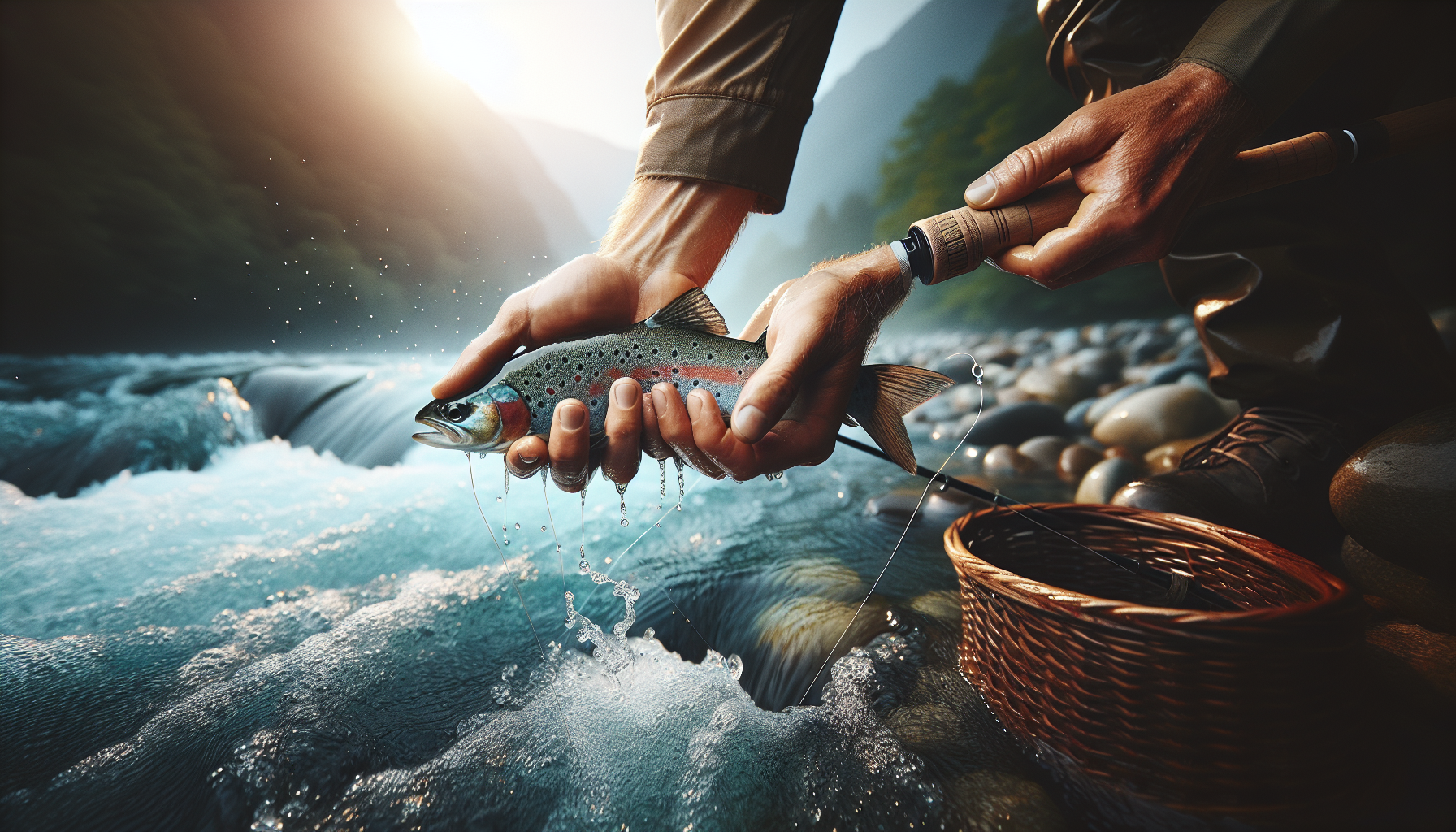
A conservation initiative should not operate only on scheduled volunteer days. It should change what anglers do every week. Education is where that shift happens. Focus on practical behaviors: keeping fish wet, limiting air exposure, using barbless hooks where appropriate, avoiding targeting fish in extreme heat, cleaning gear to prevent the spread of didymo or whirling disease vectors, staying out of redds, packing out tippet and leader waste, and reporting pollution or fish kills promptly.
Plain language works better than scolding. Most damaging behavior in fly fishing communities is not malicious; it is uninformed, habitual, or copied from others. Use fly shop posters, river access signs, club presentations, guide briefings, and short field demos. A ten-minute pre-trip talk from a guide or club leader can do more for fish survival than a long online argument about ethics.
This hub page on conservation efforts should also connect readers to deeper resources within your broader conservation and ethics content. Build internal pathways to detailed articles on catch-and-release best practices, invasive species prevention, stream cleanup planning, water temperature and trout stress, habitat restoration methods, responsible access, and policy engagement. A hub succeeds when it helps anglers move from general concern to specific action without confusion.
Use Data, Funding, and Policy to Sustain the Initiative
Lasting conservation work needs records, money, and a voice in local decisions. Track participation, project costs, volunteer hours, before-and-after photos, water conditions, and observable outcomes. Even simple spreadsheets are enough at first. Data helps you evaluate what worked, improve future events, and show donors or agencies that your group is serious. If you collect environmental data, use consistent methods and stay within recognized protocols so findings are useful rather than anecdotal.
Funding can start small. Ask shops to sponsor gloves, trash bags, native plants, or signage. Use event donations for tools and insurance. Explore grants from state conservation programs, local foundations, Trout Unlimited chapters, community environmental funds, or corporate giving programs connected to outdoor recreation. Be specific in every request. Donors respond to budgets tied to named actions, not abstract appeals to “support conservation.”
Policy matters because many threats to fisheries are structural. Zoning decisions, stormwater rules, dam operations, culvert design, hatchery policy, and instream flow allocations often shape fishing quality more than any cleanup ever will. Your initiative does not need to become partisan to be effective. It does need to monitor public processes, submit informed comments, attend hearings when relevant, and support science-based management. When anglers show up with data, respectful testimony, and local knowledge, decision-makers listen more than many assume.
The best conservation initiatives in fly fishing communities combine on-the-ground stewardship with education, partnerships, and civic engagement. Start small, define the real problem, and commit to repeatable work instead of one-off events. Build a team with clear roles, choose projects tied to measurable ecological benefits, and collaborate with agencies, shops, guides, and landowners rather than operating in isolation.
Remember that conservation efforts are the practical expression of care for a fishery. Healthy fish populations require cold water, connected habitat, stable banks, clean spawning gravel, thoughtful angling pressure, and communities willing to defend them. If your local river, creek, or lake matters to you, do not wait for someone else to organize the response. Gather a few committed people, pick one solvable problem, and begin this season. Your fly fishing community will be stronger for it, and the water will show the difference over time.
Frequently Asked Questions
What is the first step in starting a conservation initiative in a fly fishing community?
The first step is to clearly identify a local conservation need that anglers and community members can rally around. Strong initiatives usually begin with a specific issue rather than a vague desire to “help the river.” For example, your focus might be streambank erosion, warming water temperatures, poor fish passage, declining insect life, litter accumulation, spawning habitat damage, or a lack of angler education around handling wild fish. Start by observing the fishery closely, talking with guides, fly shops, biologists, landowners, watershed groups, and longtime anglers, and gathering enough local information to understand what is happening on the water. Once you define the problem, you can set practical goals, such as organizing seasonal river cleanups, restoring riparian habitat, improving public awareness, or partnering with an existing organization on habitat projects. This early stage matters because it gives your initiative direction, credibility, and a realistic scope. The most effective conservation efforts are rooted in local conditions, community trust, and a clear understanding of what success would actually look like over time.
Do I need to form a nonprofit to launch a conservation effort?
No, you do not need to form a nonprofit right away, and in many cases it is better not to. Many successful conservation efforts begin as informal community groups, volunteer coalitions, or partnerships with organizations that already have legal structure, insurance, fundraising systems, and conservation experience. If your goal is to get people involved, educate anglers, host cleanup days, or support a habitat improvement project, you can often make meaningful progress by working under the umbrella of a local watershed council, Trout Unlimited chapter, fly fishing club, conservation district, land trust, or parks department. This approach lets you focus on momentum instead of paperwork. Creating a nonprofit can eventually make sense if your initiative grows large enough to require its own board, accounting, grant management, and long-term governance, but that comes with administrative responsibility. In the beginning, it is usually smarter to validate the need, build a committed base of supporters, and establish partnerships before deciding whether a separate legal entity is necessary. Conservation work depends more on relationships, trust, and consistent follow-through than on formal status alone.
How do I get other anglers and local partners involved in the initiative?
People get involved when they understand the problem, see a clear role for themselves, and believe the effort will be well organized. Start by communicating in practical, local terms. Instead of using broad messaging, explain exactly what is at stake in your community: cleaner spawning gravel, more stable streambanks, improved trout survival during summer heat, reduced pressure on fragile areas, or better stewardship among new anglers. Reach out to fly shops, guides, clubs, outfitters, conservation groups, schools, local businesses, and public agencies, and ask them to participate in ways that match their strengths. A fly shop may help promote events, a guide may provide on-the-water education, a biologist may help explain habitat priorities, and a local business may donate supplies or sponsor outreach. Make volunteering easy by offering clear opportunities such as cleanup days, tree planting events, angler ethics workshops, youth education nights, or fundraising gatherings. Just as important, communicate consistently and professionally. Share updates, photos, project outcomes, and next steps so people know their time matters. When participants see visible results and feel respected, they are far more likely to stay engaged and help the initiative grow.
What kinds of conservation projects are most effective for a local fly fishing community?
The most effective projects are the ones that address real local pressures and can be supported over time. In many fly fishing communities, high-impact projects include riparian planting to improve shade and bank stability, stream cleanup events, invasive species education, habitat restoration for spawning and juvenile fish, water temperature awareness campaigns, responsible fish handling education, and angler outreach around seasonal closures or low-water stress. Some communities may benefit from advocating for better access management, reducing trampling in sensitive spawning areas, or supporting culvert replacement and fish passage improvements. Others may need to focus on policy and education, especially if the main threats involve development, irrigation pressure, pollution, or overuse rather than visible trash or bank damage. A good project is not just visible; it is relevant, achievable, and connected to measurable outcomes. That means working with local experts whenever possible, understanding permitting requirements, and choosing actions that fit the biology of the fishery. Effective conservation is not about doing what looks impressive on social media. It is about doing what the water, fish, and habitat actually need, then staying committed long enough to see those efforts make a difference.
How can I keep a conservation initiative active and sustainable over the long term?
Long-term sustainability comes from building structure without losing community energy. Start by setting realistic goals for the first year and tracking progress in a way people can understand. That might include volunteer turnout, pounds of trash removed, number of trees planted, educational events hosted, partner organizations added, or funds raised for restoration work. Document your efforts and communicate results regularly through email, social media, local events, and partner networks so supporters can see steady progress. It also helps to create a small leadership team rather than relying on one motivated person to do everything. Shared leadership improves consistency, prevents burnout, and gives the initiative continuity if someone steps back. Funding is another key piece, but it does not always need to be complicated at first. Small donations, sponsor support, collaborative events, and grants through partner organizations can all help. Most importantly, keep the initiative tied to the values that matter most to your fly fishing community: healthy fisheries, access to thriving water, ethical angling, and passing strong resources on to the next generation. When people feel the work protects places they love and they can see tangible results, conservation becomes part of the local culture instead of a short-term project.