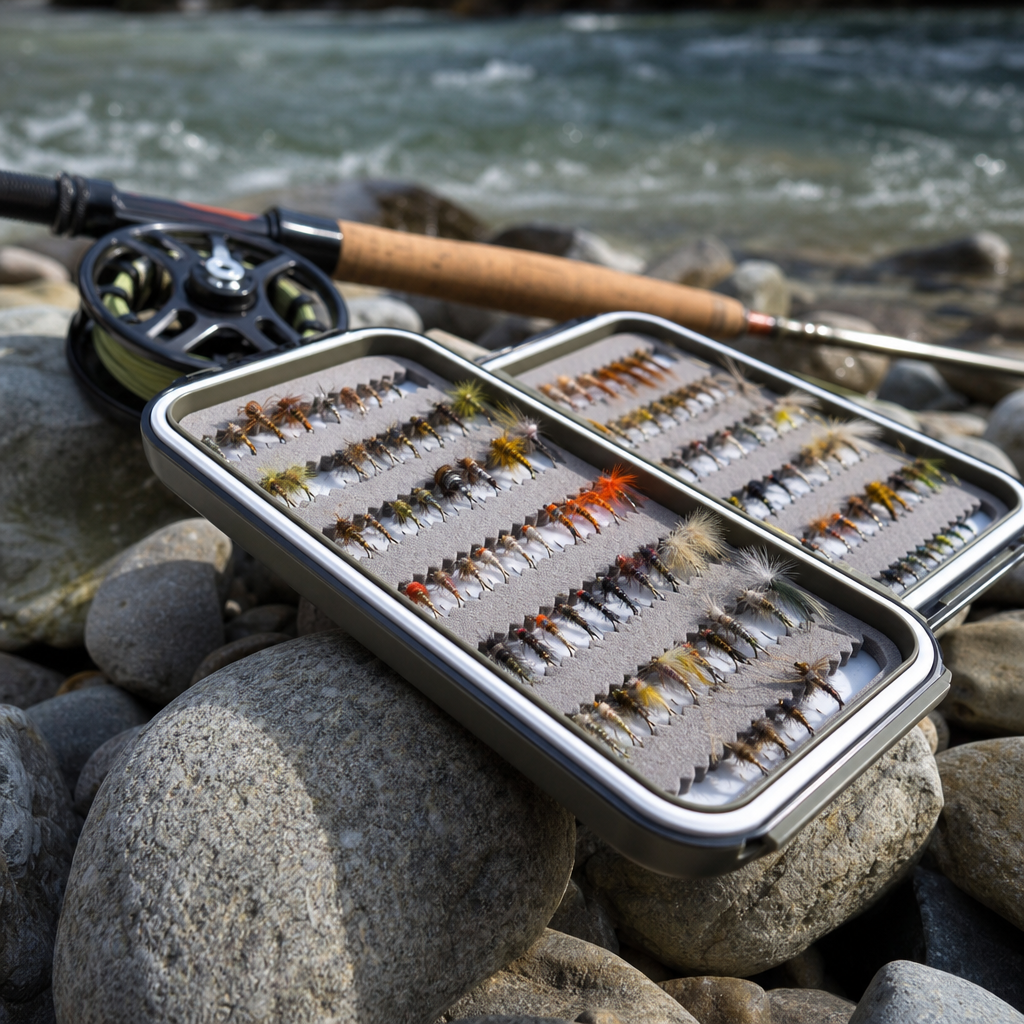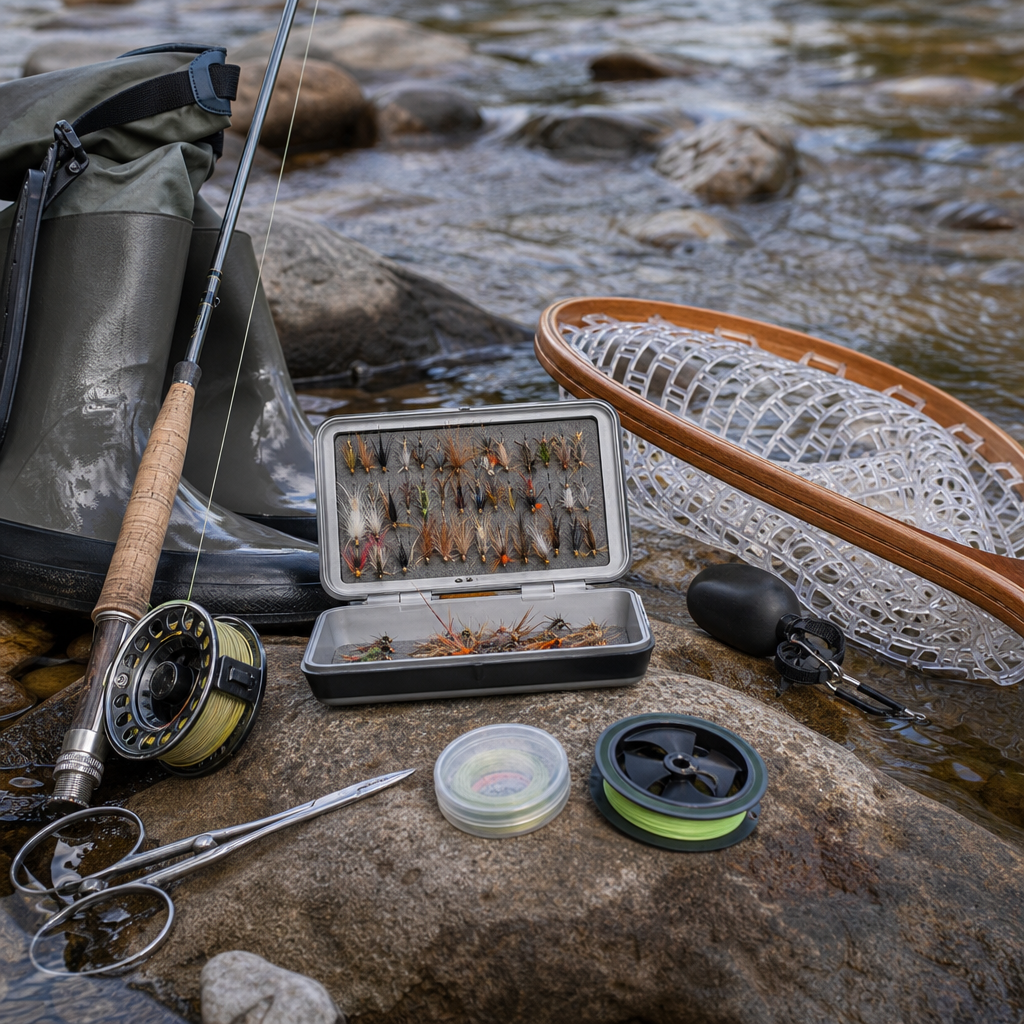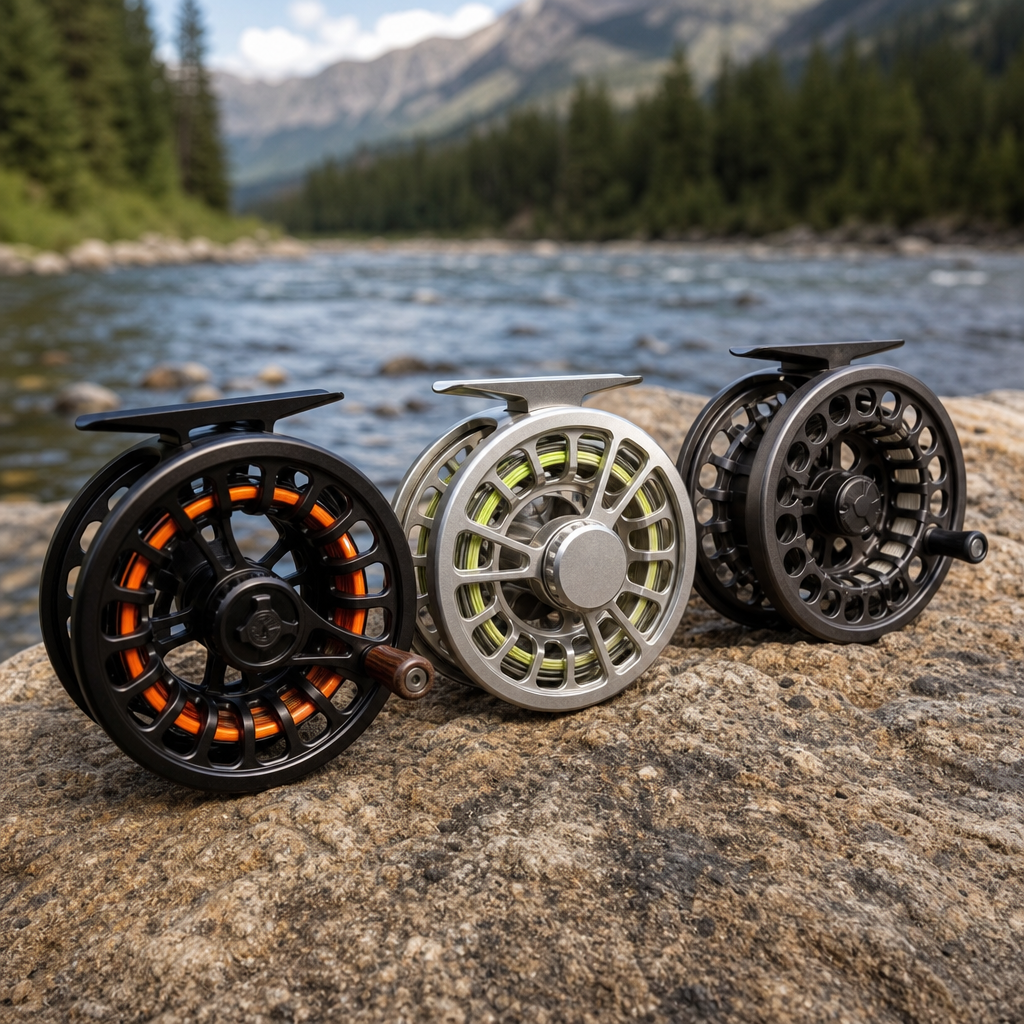
Fly fishing reels with the best drag systems earn their reputation when a strong fish makes a fast downstream run and the reel controls pressure smoothly instead of surging, sticking, or failing under heat. In practical terms, the drag system is the braking mechanism inside the reel that resists spool rotation, protects tippet, and lets an angler apply measured pressure through every phase of a fight. I have fished enough rivers, salt flats, and stillwaters to see the difference immediately: a mediocre reel feels fine while stripping line by hand, but under a hard run from a steelhead, bonefish, or big brown trout, the drag becomes the whole story. That is why anglers researching the best fly fishing reels often start with drag design before they compare weight, machining, arbor size, or finish.
For a hub page in gear reviews, this topic matters because drag quality influences performance across nearly every category of fly fishing. Trout anglers may think drag matters less than on salmon or saltwater trips, yet even on 5-weight outfits, startup inertia can break 6X tippet or cost a fish at the net. On heavier setups, sealed carbon disc systems, tolerance control, and consistent adjustment range become nonnegotiable. When readers ask what makes a great drag, the answer is straightforward: low startup inertia, smooth pressure through the full range, resistance to water and grit, usable knob indexing, dependable heat management, and serviceability. The best reels combine these traits rather than excelling at only one.
This guide covers fly fishing reels with the best drag systems by explaining how drag mechanisms work, what specifications actually matter on the water, and which reel families stand out in current gear reviews. It also serves as a central resource for broader product reviews and recommendations, connecting the drag conversation to reel sizing, application-specific buying decisions, maintenance, and value. If you want a concise definition, here it is: the best drag systems deliver repeatable pressure without sudden jumps, stay consistent when wet or hot, and match the species, line class, and fishing environment. Everything else about a reel is secondary once a fish is on the reel.
What makes a fly reel drag system truly excellent
A top drag system does two things at once: it protects light tippet at the start of a run and supplies enough sustained resistance to turn a fish later in the fight. The key term is startup inertia, the extra force needed to get a stationary spool moving. In testing, this is where cheap drags reveal themselves. The knob may feel smooth on the bench, but when a fish surges, the reel hesitates, then releases line in a jerk. That tiny stutter snaps leaders. Better reels minimize startup inertia through quality materials, precise machining, and even pressure across the drag surfaces.
The dominant high-performance designs today are stacked disc drags, usually carbon fiber against stainless steel or another hard surface. Carbon drags are popular because they dissipate heat well, maintain friction characteristics across repeated runs, and handle water exposure better than old cork systems. Cork still has a loyal following, particularly in some classic big-game reels, because it can feel exceptionally smooth when maintained correctly. Its weakness is maintenance sensitivity. In a modern gear review context, sealed carbon disc drags lead the category because they combine smoothness with lower upkeep.
Sealing matters more than many first-time buyers realize. A sealed drag keeps out salt, silt, fine sand, and dried algae that can score surfaces or alter pressure. If you fish from a drift boat on silty western rivers, or wade tropical flats where wind drives sand into everything, a sealed system is not a luxury. It is one of the clearest differentiators between entry-level and premium reels. Fully sealed does not mean indestructible, but it dramatically improves consistency and cuts down on mid-season failures.
Key drag features to compare before buying
When comparing fly reels, ignore vague claims like “powerful drag” unless the maker explains range, adjustment, and construction. Focus first on adjustment resolution. A good drag knob should offer enough incremental control that one click does not jump from trout-safe to tippet-breaking pressure. Large, machined knobs with positive detents are easier to adjust with cold hands or while wearing stripping guards. I also look for a full usable range, from nearly free spool to firm stopping power, without dead spots where the knob turns but pressure barely changes.
Next, consider arbor size and retrieve rate in relation to drag performance. Large arbor reels recover line faster and typically maintain more consistent drag feel as line leaves the spool because the spool diameter changes less dramatically than on small arbor designs. This matters during long runs. Weight and balance matter too; a drag can be excellent, but if the reel makes a rod tip-heavy or butt-heavy, overall fishability suffers. Frame rigidity is another overlooked point. Under load, poorly supported frames can flex, allowing spool rub that feels like drag inconsistency.
Service support is a buying criterion, not an afterthought. Brands with established repair departments, available spare spools, and clear parts policies deserve preference, especially for travel fishing. Hatch, Abel, Nautilus, Ross, Galvan, Lamson, Orvis, and Sage have all built reputations not only on product quality but also on post-sale support. The right choice depends on use case, but the best recommendation is always the reel that fits your species, line class, environment, and maintenance habits rather than the most expensive option on the wall.
Top reel families known for outstanding drag systems
Several reel lines repeatedly rise to the top when anglers discuss fly fishing reels with the best drag systems. Nautilus reels, especially the CCF-X2 series, are widely respected for sealed carbon fiber drag performance, high retrieve rates, and low startup inertia that plays well from bonefish to tarpon applications. Hatch Finatic reels have become a benchmark for durable sealed drags and frame rigidity; guides like them because they tolerate abuse and stay smooth through heavy use. Abel SDS reels emphasize a large, externally mounted drag knob and a strong, sealed system that is easy to adjust under pressure.
In freshwater and crossover categories, Ross Evolution LTX, Lamson Guru S HD, Lamson Litespeed, and Galvan Torque all deserve attention. Ross has long delivered refined drags with excellent trout-to-light-salt versatility. Lamson’s sealed conical drag remains one of the most proven systems in the category, notable for simplicity and consistency. Galvan Torque reels are favorites among anglers who want smooth startup and robust machining without unnecessary bulk. Orvis Mirage reels also belong in any serious conversation, especially for anglers who move between freshwater and salt and want broad pressure range with polished ergonomics.
| Reel family | Drag type | Best use | Why anglers choose it |
|---|---|---|---|
| Nautilus CCF-X2 | Sealed carbon disc | Saltwater and powerful freshwater species | Very low startup inertia, fast retrieve, strong sealing |
| Hatch Finatic | Sealed stacked disc | Guide use, salmon, steelhead, saltwater | Exceptional durability, rigid frame, dependable pressure |
| Abel SDS | Sealed multi-disc | Big fish and quick drag changes | Large external knob, wide range, premium machining |
| Lamson Litespeed/Guru S HD | Sealed conical drag | Trout, light salt, all-around use | Simple design, consistent feel, strong value |
| Ross Evolution LTX | Sealed carbon system | Freshwater versatility | Light weight, smooth drag, excellent fit and finish |
| Galvan Torque | Sealed disc drag | Trout through steelhead | Fine adjustment, smooth startup, USA machining |
No single reel is “best” for every angler. A flats guide targeting permit may rank sealed protection and high top-end resistance above all else. A dedicated spring creek angler may care more about startup smoothness at lower settings. In my own use, the reels that stand out over time are not always the flashiest; they are the ones that feel exactly the same on fish number fifty as they did on fish number one. Consistency is the mark of a truly elite drag.
Choosing the right drag for trout, steelhead, salmon, and saltwater
For trout fishing, drag needs vary by technique. On small streams where most fish are hand-stripped, drag quality is less critical than weight and balance, but it still matters when fishing light tippet on tailwaters or lakes with larger fish. A smooth low-end setting is ideal on 3- to 6-weight outfits. Reels like the Ross Evolution LTX, Galvan Torque, and Lamson Guru S HD fit that niche well because they protect fine leaders without feeling overbuilt.
For steelhead and salmon, you need greater sustained pressure, frame rigidity, and dependable control during long runs in current. Fish can use river flow to multiply force, and a drag that heats up or changes pressure becomes a liability. Hatch Finatic, Abel SDS, and larger Galvan Torque sizes are strong fits here. The reel should balance a 7- to 9-weight rod and carry enough backing without becoming cumbersome. Oversizing slightly is often smart if the reel remains balanced.
Saltwater raises the bar. Bonefish may expose startup flaws instantly, permit demand smoothness and quick pickup, and tarpon require heat resistance and top-end stopping power. Corrosion protection becomes just as important as drag strength. Sealed systems from Nautilus, Hatch, Abel, Orvis Mirage, and higher-end Sage and Tibor offerings remain popular because they hold up to repeated rinsing, heat, and contamination. If your primary fishing is in salt, buy the best sealed drag you can justify. It is cheaper than losing a trip to gear failure.
How to evaluate drag performance in real-world gear reviews
The most useful gear reviews separate bench impressions from on-water behavior. Turning a knob in a shop tells you almost nothing about startup inertia under line tension. A better test is to string the reel on the intended rod, run line through the guides, pull sharply from different spool fill levels, and feel for stick-slip behavior. Listen as well. A smooth outgoing click is fine; scraping, pulsing, or roughness suggests alignment or drag issues. During actual fishing, pay attention to whether pressure remains consistent after several long runs.
Heat management is especially important on reels for saltwater, salmon, and lake fish that run hard. Disc drags create friction, and friction creates heat. Better designs vent effectively, use materials that resist glazing, and spread load evenly so one part of the stack does not overheat. This is one reason premium reels cost more: machining tolerances and material selection directly affect performance. A reel that feels similar to a premium model in casual handling may diverge dramatically once a fish takes a hundred feet of line.
Any trustworthy recommendation should also mention tradeoffs. A heavier reel may offer superior rigidity and drag confidence but make a light rod feel clumsy. Some ultralight reels balance beautifully yet offer less inertia in strong crosswinds or less line capacity for large rivers. Price matters too. There are excellent drags in the midrange market now, especially from Lamson and some Orvis models, but premium tiers still tend to lead in sealing, long-term durability, and service support. Honest reviews explain where paying more changes actual on-water results.
Maintenance, setup, and common drag mistakes
Even the best drag system performs poorly if it is neglected or set up incorrectly. For sealed reels, routine care is simple: rinse gently with fresh water after salt use, dry the reel, back off drag pressure before storage, and inspect the spool and frame for grit. Do not blast water into seals with a hose nozzle; that can force contamination past protective interfaces. For non-sealed or partially sealed drags, follow the manufacturer’s service schedule exactly. Over-lubrication is a common mistake and can attract debris or alter friction surfaces.
Another mistake is setting drag too tight at the start of the fight. I see this often with anglers transitioning from trout to saltwater. They clamp down because they fear being spooled, then break fish off on the first surge. Start with enough pressure to control slack and raise it only when the fish is settled and the rod angle supports extra load. Also remember that palming the rim on trout reels can supplement drag, but on large fish it should be deliberate and practiced, not panic braking.
Finally, match reel size to line and backing realistically. Underfilling a spool slows retrieve and changes effective drag leverage more dramatically during runs. Overfilling invites line creep and tangles. Use the manufacturer’s capacity chart and your actual fly line diameter, not just the printed line weight, especially with textured or oversized tapers. Good setup lets a good drag perform as designed.
Final recommendations for building your gear review shortlist
If you are building a shortlist of fly fishing reels with the best drag systems, start by defining the hardest fish and harshest conditions the reel will face, then buy to that standard instead of the average day. For all-around freshwater, prioritize smooth startup, balance, and practical service support. For steelhead, salmon, and travel fishing, move toward more rigid frames and stronger sealed systems. For saltwater, make sealing, corrosion resistance, and heat stability mandatory. In every category, a drag that is smooth at low settings and consistent at high settings beats one that is merely strong on paper.
The reel families most consistently worth your attention are Nautilus CCF-X2, Hatch Finatic, Abel SDS, Lamson Litespeed and Guru S HD, Ross Evolution LTX, Galvan Torque, and Orvis Mirage. Each has a clear use case, and each has earned credibility through real fishing rather than marketing claims. The right choice comes down to line weight, target species, and how much abuse the reel must tolerate. As a hub for gear reviews, this page should guide your next step: compare reels within your price range, read model-specific reviews, and choose the drag system you can trust when the best fish of the season finally runs.
Frequently Asked Questions
What makes a fly fishing reel drag system truly good?
A truly good fly fishing reel drag system does three things exceptionally well: it starts smoothly, maintains consistent pressure throughout the fight, and stays reliable when conditions get demanding. Smooth startup matters because the first surge from a strong fish is often where light tippet gets broken. If the drag sticks for a split second and then releases all at once, that sudden shock can cost you the fish. The best drag systems engage without hesitation or jerking, allowing the spool to turn under controlled resistance from the first pull.
Consistency is the next big factor. A quality drag should not feel different halfway through a run than it did at the beginning. When a fish heads downstream, changes direction, or makes repeated bursts, the reel needs to apply pressure evenly instead of pulsing or surging. This is where premium sealed disc drag systems tend to stand out. They are built to handle heat, friction, and prolonged runs without fading or becoming erratic. In practical fishing terms, that means better tippet protection, better control, and a much higher margin for error when the fight gets intense.
Durability also separates average drag systems from great ones. Reels exposed to sand, salt, silt, and repeated use need internal components that resist contamination and corrosion. A drag can feel excellent in a shop, but what matters is whether it still performs after long days on rivers, salt flats, or stillwaters. The best drag systems combine smoothness, adjustability, heat management, and long-term reliability, giving anglers confidence when a fish is running hard and there is no room for mechanical inconsistency.
Are sealed drag systems better than non-sealed drag systems?
In many situations, yes, sealed drag systems are the better choice, especially for anglers who fish often, travel between different environments, or spend time in saltwater. A sealed drag is designed to keep out water, grit, sand, and fine debris that can interfere with the drag’s performance. That added protection helps preserve smooth startup and consistent pressure over time. On salt flats or beaches, where reels are exposed to salt spray and abrasive particles, a sealed drag is more than a luxury; it is often the smartest long-term investment.
That said, non-sealed drag systems are not automatically inferior. Some are simple, dependable, and easy to service, which appeals to anglers who fish mostly freshwater and like straightforward maintenance. In trout fishing, for example, where runs are often shorter and environmental exposure is less extreme, a well-made non-sealed drag may perform perfectly well. The key is not just whether the drag is sealed, but how well the system is engineered overall. A poorly designed sealed drag can still underperform, while a high-quality non-sealed drag can be smooth and dependable in the right setting.
If your fishing includes larger fish, harsh weather, frequent travel, or saltwater use, sealed drags generally provide a clear advantage in reliability and reduced maintenance. They tend to hold their settings better, resist internal contamination, and perform more predictably under pressure. For anglers who prioritize longevity, protection, and consistent drag performance in demanding conditions, sealed systems are usually the benchmark.
How much drag strength do you actually need in a fly reel?
Most anglers need less maximum drag strength than marketing might suggest, but they need much better drag quality than they often realize. For many trout applications, the reel does not need massive stopping power. What matters far more is precise control at the lower end of the range. Light tippet and smaller hooks demand a drag that can protect fine leaders while still slowing a fish gradually. In these cases, smooth low-end performance is far more important than having an oversized drag with extreme maximum pressure.
As fish size and environment change, drag requirements increase. For steelhead, salmon, carp, pike, redfish, bonefish, striped bass, or light saltwater species, you want a reel that offers a wider useful range and enough resistance to pressure a fish decisively without becoming jumpy or difficult to fine-tune. For large, fast saltwater species such as permit, tarpon, or giant trevally, stronger drags become much more relevant because the reel must manage long, fast runs and sustained pressure while resisting heat buildup. In those situations, high maximum drag and thermal stability are genuine performance advantages.
The practical answer is to match drag strength to target species, rod weight, tippet size, and fishing environment. A strong drag is helpful, but only if it is controllable. The best reels are not just powerful; they let you make small, meaningful adjustments without overcorrecting. That kind of precision gives anglers more confidence and leads to better fish-fighting control across a wide range of conditions.
How can you tell if a fly reel drag system is smooth before buying it?
One of the best ways is to test the startup resistance and adjustment range by hand. Pull line from the reel steadily and pay close attention to how the spool begins turning. A quality drag should start cleanly, without sticking and then suddenly releasing. That initial hesitation, often called startup inertia, is one of the easiest warning signs to detect. Even in a quick in-store test, a drag that feels jerky or uneven at the beginning of the pull can create real problems when a fish makes an explosive first run.
You should also rotate through the drag settings and evaluate how progressive the adjustment feels. Good drag systems increase resistance in a controlled, predictable way. Small knob turns should create useful changes without huge jumps between too little and too much pressure. If the drag seems vague, inconsistent, or overly sensitive, it may be difficult to dial in on the water. Listen as well: while sound is not a direct measure of quality, grinding, rubbing, or irregular noise can suggest roughness or poor internal alignment.
Beyond the hands-on test, look at the reel’s intended use, drag design, and brand track record. Reputable manufacturers usually provide information on whether the drag is sealed, what materials are used, and how the system handles heat and corrosion. Reviews from experienced anglers can also reveal how the drag performs after real use, not just on day one. A smooth feel in the shop is important, but long-term consistency under actual fishing pressure is what ultimately defines a great fly reel drag.
Why does drag smoothness matter so much when fighting strong fish?
Drag smoothness matters because fish do not pull in tidy, predictable increments. They surge, stop, turn, and accelerate again, often when the angler is off balance or the line angle changes suddenly. A smooth drag absorbs those changes without transmitting sharp shocks into the leader, knot, rod, or hook hold. When the drag sticks and then slips, the result is abrupt pressure spikes that can snap tippet or pull hooks free. In contrast, a smooth drag creates a more controlled connection between angler and fish, especially during fast downstream runs or repeated bursts near the net.
It also improves your ability to apply effective pressure. Many anglers think only in terms of stopping power, but smoothness is what lets you stay close to the edge of maximum safe pressure without going past it. That is especially important when fishing lighter tippets or fighting species known for sudden changes in speed. A smooth reel helps maintain steady resistance so the fish tires more efficiently, while still giving line when it truly needs to. This balance is what protects terminal tackle and keeps the fight under control.
On larger fish or in hotter, longer fights, smoothness becomes even more important because drag systems are working under sustained friction. Inferior drags can change behavior as they heat up, becoming sticky, inconsistent, or weaker than expected. High-end drag systems are designed to remain stable through those conditions, which is a major reason they earn their reputation. When everything is happening fast and the fish is testing your gear, drag smoothness is not a minor refinement; it is one of the core reasons you land fish consistently.