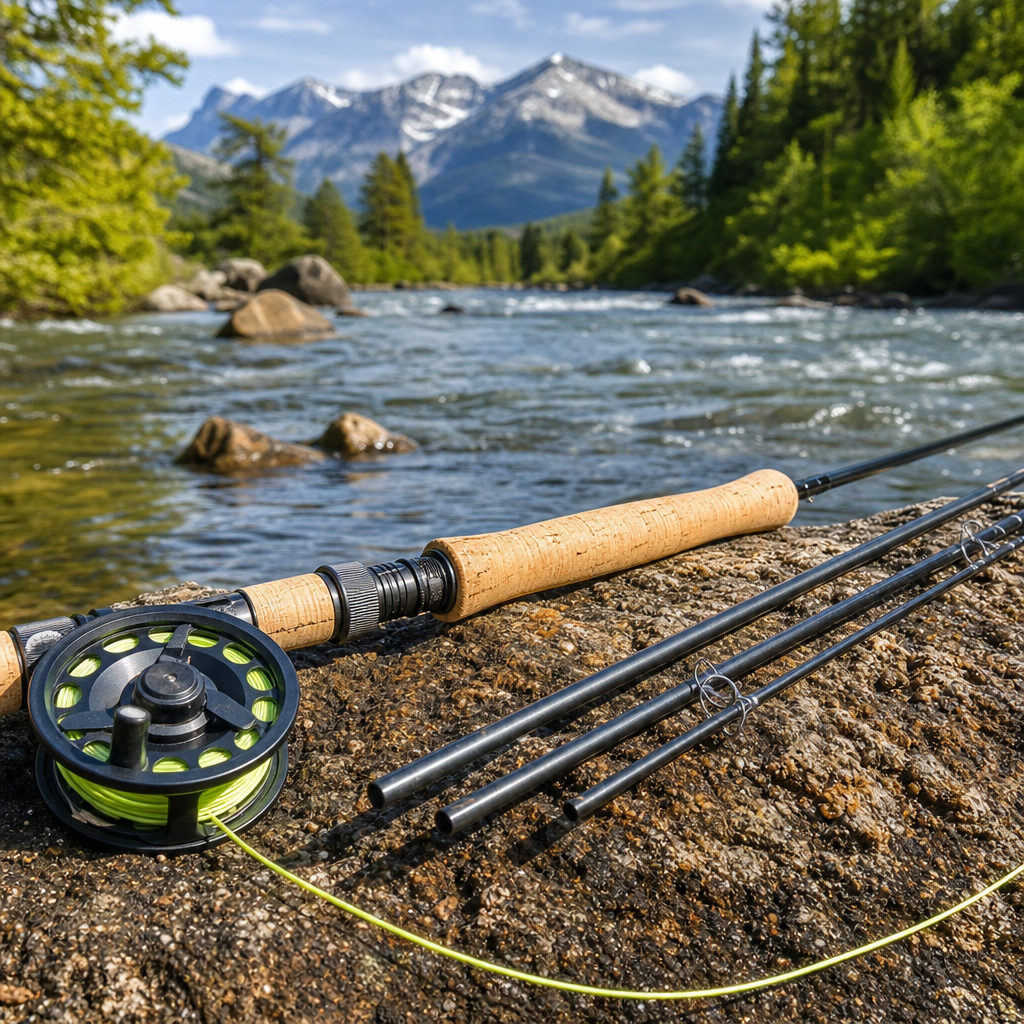
Choosing the right fly fishing rod for trout shapes everything that follows on the water, from how accurately you place a dry fly under overhanging branches to how confidently you protect light tippet when a strong fish runs downstream. In simple terms, a trout fly rod is the primary casting tool in a fly setup, and its length, line weight, action, materials, and build quality determine how it performs in specific conditions. When anglers search for the top fly fishing rods for trout, they usually want more than a product list. They want to know which rods fit small creeks, spring creeks, big Western rivers, stillwater, indicator rigs, dry-dropper setups, and streamer fishing. They also want honest reviews, not generic praise.
I have fished enough trout water to know that rod selection is rarely about finding a single “best” model. It is about matching a rod’s design to the way you actually fish. A moderate 3-weight that feels perfect on a brushy Appalachian brook trout stream can be the wrong tool for windy tailwater nymphing. A fast 6-weight that launches articulated streamers on the Madison can feel heavy and overbuilt on a technical dry fly river. That is why this guide approaches gear reviews as a hub, not a narrow roundup. It covers standout trout rods, the performance categories that matter, and the buying framework that helps anglers make a sound decision.
For trout, most anglers focus on rods between 3-weight and 6-weight, commonly in lengths from 7 feet 6 inches to 9 feet. “Weight” refers to the fly line size the rod is designed to cast, not the physical mass of the blank. “Action” describes where and how a rod flexes under load. Fast-action rods recover quickly, generate high line speed, and excel in wind or at distance. Moderate and medium-fast rods flex deeper, often load more easily at short range, and usually offer finer touch with dry flies. Good trout rod reviews must explain these terms because they directly affect casting rhythm, presentation, fish-fighting control, and fatigue over a full day.
This topic matters because fly rods are expensive, and mistakes are costly. Premium trout rods now commonly retail from $850 to $1,100, while strong mid-range options sit around $250 to $600. The good news is that anglers no longer need to buy the most expensive model to get real performance. Modern graphite manufacturing, improved tapers, better ferrule design, and tighter quality control have raised the floor dramatically. The best reviews separate marketing language from fishable benefits. That is the goal here: identify the top fly fishing rods for trout, explain where each one shines, and give you a practical map for the broader world of gear reviews and recommendations.
What Makes a Trout Fly Rod Truly Excellent
A great trout rod does four things consistently: it loads predictably, tracks cleanly, protects light tippet, and matches the fishing scenario it was built for. Predictable loading means the rod bends in a way you can feel, so timing becomes intuitive. Tracking refers to how straight the rod tip travels during the casting stroke. Better tracking usually translates into tighter loops and improved accuracy. Tippet protection matters because many trout are hooked on 5X or 6X material, especially in clear water. A rod that is too stiff in the tip can cost fish during head shakes near the net.
Build quality also separates top-tier rods from average ones. Look closely at guide alignment, ferrule fit, reel seat tolerances, cork density, and epoxy finish. Premium rods from Sage, Winston, Scott, Orvis, and G. Loomis usually show stronger consistency here, though some value brands have improved significantly. Warranty terms matter as well. Orvis and Redington have long benefited from easy-to-understand service programs. That does not make a rod cast better, but it absolutely affects long-term ownership value, especially for anglers who travel, hike rough terrain, or fish hard through an entire season.
Another sign of excellence is versatility without vagueness. Many rods are advertised as all-purpose trout tools, but the best ones have a clear identity. A true all-around 9-foot 5-weight should present a size 18 parachute Adams delicately at 30 feet, mend line effectively, and still handle a weighted dry-dropper rig. It does not need to be the absolute best at any one niche, but it should perform confidently across many tasks. When a rod tries to be everything yet lacks feel, line control, or lifting power, the compromise becomes obvious on the water.
Top Fly Fishing Rods for Trout: Reviews by Use Case
The Sage R8 Core 590-4 is one of the strongest all-around trout rods currently available. In real fishing, it combines the line speed and recovery expected from a modern fast-action rod with better feel at fishing distances than many earlier high-stiffness designs. It excels on larger rivers where casts range from 25 to 60 feet, and it handles dry flies, nymph rigs, and small streamers without feeling specialized to one tactic. If you want one premium trout rod for broad use, this is an easy recommendation.
The Orvis Helios D 905-4 stands out for accuracy. Orvis built the Helios series around reducing lateral tip movement, and that design goal shows up when placing flies near banks, seams, and pocket water. The D version favors distance and power, making it especially effective for Western rivers, windy days, and anglers who prefer a crisp stroke. It is not the softest dry fly rod in close, but for anglers who want dependable tracking and high-end fit and finish, it remains a top choice.
The Winston Air 2 in a 9-foot 5-weight is a different kind of premium trout rod. Winston rods are known for feel, touch, and a smooth progressive bend, and the Air 2 stays true to that tradition while adding modern recovery speed. It shines for dry fly fishing, spring creek work, and anglers who care deeply about presentation. This rod rewards timing rather than brute force. On technical trout water, that character is an asset, not a limitation.
The Scott Centric 905/4 is one of the most refined fast-action rods in the category. Scott managed to build a rod with strong reserve power that still bends enough to communicate load clearly. In practical terms, that means it can throw long mends, carry line in the air, and still feel alive with a single dry fly. It suits experienced casters particularly well, though competent intermediates can grow into it. For anglers fishing varied Western trout water, the Centric deserves serious attention.
For value, the Orvis Clearwater 905-4 remains one of the safest recommendations in trout fly rod reviews. It is not as light or as precise as flagship rods, but it covers the core tasks of trout fishing extremely well for the price. Beginners can learn on it without immediately outgrowing it, and experienced anglers often keep one as a backup, travel rod, or loaner. The action is approachable, and the warranty support adds confidence.
The Redington Classic Trout series deserves mention for anglers prioritizing small streams and dry fly feel over raw power. In shorter and lighter weights, especially the 8-foot 4-weight and 7-foot 6-inch 3-weight, it offers a forgiving medium action that suits close-range casting. On brushy creeks where casts are short and delicate, that matters more than distance charts. This is one of the most enjoyable budget-friendly trout rod lines for traditional presentations.
If your trout fishing leans toward nymphing and indicator work, the Echo Trout X and the Douglas Sky G are worth a hard look in 10-foot 4-weight configurations. Extra length improves reach, line control, and mending, and the lighter line weight keeps the rod from feeling clubby. These rods are not niche only; they can still fish dries well enough. But their real advantage appears when managing drifts at distance or lifting long leaders off conflicting currents.
| Rod Model | Best Use | Action | Ideal Angler |
|---|---|---|---|
| Sage R8 Core 590-4 | All-around trout fishing | Fast | Angler wanting one premium do-it-all rod |
| Orvis Helios D 905-4 | Wind, distance, accuracy | Fast | Western river angler or strong caster |
| Winston Air 2 905-4 | Dry flies, technical presentations | Medium-fast | Angler who values feel and touch |
| Scott Centric 905/4 | Versatile premium performance | Fast | Experienced caster fishing mixed water |
| Orvis Clearwater 905-4 | Budget all-around use | Medium-fast | Beginner to intermediate angler |
| Redington Classic Trout 480-4 | Small streams and dry flies | Moderate | Creek angler seeking finesse on a budget |
How to Choose the Right Trout Rod Weight, Length, and Action
If you are asking what rod weight is best for trout, the shortest accurate answer is this: a 5-weight is the standard all-around choice. It balances casting ease, fish-fighting control, and versatility across common trout techniques. A 4-weight becomes the better option when dry flies, lighter rigs, and medium-sized rivers dominate your season. A 6-weight earns its place for streamers, larger flies, windy lakes, and oversized trout. A 3-weight is usually a specialty tool for smaller water and lighter fish.
Length should follow water type and presentation needs. An 8-foot to 8-foot 6-inch rod is often ideal for tight cover and shorter casting ranges. A 9-foot rod remains the mainstream trout standard because it handles most situations well. A 10-foot rod gives superior reach for euro nymphing, indicator control, and mending on larger rivers. The tradeoff is swing weight. Longer rods can feel more tiring if the blank is poorly balanced or if you spend the day making compact dry fly casts at close range.
Action is where many anglers make avoidable mistakes. Fast rods are not automatically better. They simply demand more precise timing and often perform best when paired with a confident casting stroke. Moderate rods are not “beginner only” either. Many advanced anglers prefer them for dry fly fishing because they load deeper and protect tippet beautifully. The right action is the one that matches your tempo, not the one with the most aggressive marketing language. Whenever possible, cast rods lawn-side with the actual line you plan to fish.
Small Stream, Dry Fly, Nymphing, and Streamer Specialists
Different trout techniques expose different rod strengths. On small streams, shorter rods in 2-weight through 4-weight classes improve maneuverability under trees and beside bankside brush. A 7-foot 6-inch 3-weight can roll cast in confined lanes, bow-and-arrow cast around obstacles, and make small wild trout feel lively. Models like the Butter Stick from Redington, though fiberglass rather than graphite, also appeal here because slower actions load deeply at close range and make short casts intuitive.
Dry fly specialists usually want a rod that lands line softly and stays connected during aerial mends and reach casts. The Winston Air 2, Scott G Series, and certain moderate-action Japanese domestic market rods have built loyal followings for exactly this reason. In practical fishing, these rods make size 20 mayfly imitations easier to place with slack and subtlety. They are not weak. They are simply optimized for presentation before power.
Nymphing rods split into two groups: general-purpose indicator rods and dedicated euro nymphing rods. A 10-foot 4-weight all-around nymph rod can throw bobbers, split shot, and tandem rigs while still handling standard overhead casts. Dedicated euro rods often run 10 to 11 feet in 2-weight to 4-weight classes with soft tips and sensitive blanks designed for tight-line contact. They are deadly effective, but less universal. Anglers should choose them only if tight-line methods are a major part of their trout fishing.
Streamer rods are their own category. Once you start throwing weighted sculpins, conehead buggers, or articulated baitfish patterns, a 6-weight becomes the realistic baseline for comfort and control. Many streamer-focused trout anglers step up to a 7-weight, especially on big water. A rod like the Sage Payload or a fast 690 graphite model can deliver those flies efficiently and reduce fatigue. The tradeoff is obvious: those rods are less pleasant for fine dry fly work. Specialization always cuts both ways.
How This Hub Fits the Wider Gear Reviews Landscape
As a hub for gear reviews, this page should point anglers toward the larger trout tackle system, because rods never work alone. A review of the best trout rod is incomplete without discussing reels, fly lines, leaders, tippet, and even packs or vests. In actual testing, the wrong line can make a good rod feel dead or overly stiff. For example, many modern fast-action rods come alive with a line built a half-size heavy, such as the Scientific Anglers MPX or Rio Gold XP, while true-to-grain lines may better suit more moderate tapers.
Reels matter less for trout drag performance than for balance, durability, and spool design, yet balance affects perceived rod weight all day long. The same is true for leaders. A powerful 9-foot 5-weight paired with a short, aggressive leader can turn over hopper-dropper rigs beautifully, while a longer 12-foot leader better suits technical dry fly work. Good gear reviews explain these interactions. They do not isolate a rod as if it exists in a vacuum.
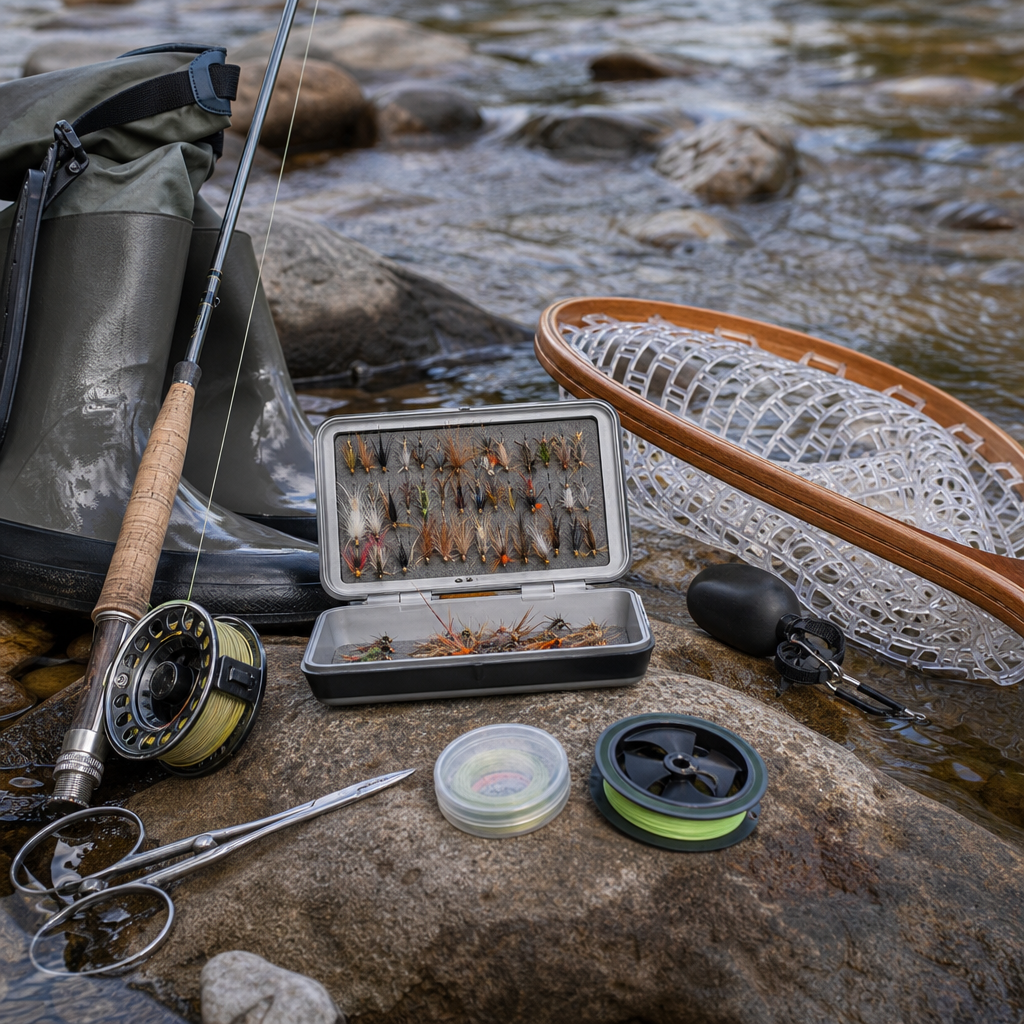
For anglers building a review reading list under the broader product recommendations category, the most useful next steps are specific subtopics: best trout fly reels, best fly lines for 5-weight rods, euro nymphing setups, trout waders, fly boxes, polarized sunglasses, and travel fly rods. Organizing reviews this way helps anglers compare systems, not just products. It also prevents a common buying error: overspending on the rod while underinvesting in the line, which is often the more immediate performance upgrade.
Buying Advice, Value, and Final Recommendations
The smartest way to buy a trout fly rod is to decide where you fish most, what techniques dominate your season, and how much casting experience you bring. If you want one rod for broad trout use, buy a 9-foot 5-weight. If your fishing is mostly small streams, consider an 8-foot or shorter 3-weight or 4-weight. If you fish larger rivers with heavy nymph rigs, a 10-foot 4-weight deserves priority. Those are not trends. They are durable gear rules based on how trout rods actually perform on the water.
In premium rods, the Sage R8 Core, Winston Air 2, Scott Centric, and Orvis Helios all justify serious consideration, each with a distinct personality. In mid-range and value options, the Orvis Clearwater, Echo Trout X, and Redington Classic Trout cover the needs of many anglers without forcing premium-level spending. Price matters, but fit matters more. A $400 rod that matches your fishing will outperform a $1,000 rod chosen for status.
The central lesson from these fly fishing rod reviews is simple: the top fly fishing rods for trout are the ones that solve real fishing problems with consistency, not the ones with the loudest claims. Use this guide as your starting hub for gear reviews, compare rods by use case, and cast before you buy whenever possible. Choose with intention, match the rod to your water, and you will fish better from the first drift onward.
Frequently Asked Questions
What should I look for when choosing a fly fishing rod for trout?
Start with the basics: rod length, line weight, and action. For most trout anglers, these three factors do more to shape performance than any marketing claim or cosmetic feature. A rod in the 8’6″ to 9′ range is the most versatile for general trout fishing because it gives you solid line control, enough casting range for rivers and lakes, and good mending ability when fishing dry flies, nymphs, or small streamers. Line weight matters just as much. A 4-weight or 5-weight is often the sweet spot for trout because it can present small flies delicately while still handling average fish and moderate wind. If you fish tiny creeks with short casts and small trout, a 3-weight may feel ideal. If you regularly throw heavier nymph rigs, streamers, or deal with windy open water, a 6-weight can make more sense.
Action refers to where and how much the rod bends under load. Fast-action rods flex more in the upper section and usually generate higher line speed, which helps with distance, wind, and heavier rigs. Medium-action rods bend more progressively and are often easier for many anglers to cast accurately at normal trout distances. They also tend to protect light tippet well and offer a more forgiving feel. Beyond those core specs, pay attention to build quality, component durability, grip comfort, and overall balance with the reel you plan to use. A high-end rod is not automatically the best trout rod for every angler. The right choice is the one that matches your fishing style, casting ability, and the waters you fish most often.
What rod weight is best for trout fishing?
The best rod weight for trout fishing is usually a 5-weight, simply because it covers the widest range of trout conditions. A 9′ 5-weight is widely considered the all-around standard for good reason. It can cast dry flies, nymph rigs, small streamers, and indicators with enough versatility to handle freestone rivers, spring creeks, tailwaters, and even stillwater trout fishing. If someone wants one rod to do nearly everything for trout, this is often the safest recommendation.
That said, there is no single perfect rod weight for every trout situation. A 3-weight shines on small streams where fish are modest in size, casts are short, and finesse matters more than power. A 4-weight is a favorite for anglers who want delicate presentation but still need more reach and control than an ultralight setup offers. A 6-weight becomes increasingly useful when trout are larger, winds are stronger, or the flies and rigs are heavier. This is especially true if you fish streamers, weighted nymph systems, or larger western rivers. The key is to match the rod weight to the line size, fly size, and fishing environment. Lighter is not always better, and heavier is not always more capable. For trout, the best rod weight is the one that lets you cast efficiently, present the fly properly, and fight fish without over-stressing light tippet or over-powering the experience.
Is a fast-action or medium-action fly rod better for trout?
Neither is universally better; it depends on how and where you fish. Fast-action rods are popular because they generate higher line speed and recover quickly, which can improve performance in wind and help with longer casts. They also tend to handle weighted nymph rigs and streamers more effectively than softer rods. If you fish bigger rivers, need to punch casts through afternoon gusts, or prefer a crisp, powerful feel, a fast-action trout rod may be the better fit. Many modern premium rods fall into this category because they are designed to be versatile and capable under a broad range of conditions.
Medium-action rods, however, remain excellent trout tools and are often favored by anglers who value feel, touch, and presentation. They can be easier to load at short to moderate distances, which is where much trout fishing actually happens. This can help with accuracy, timing, and smoother dry-fly presentations. Medium-action rods also tend to cushion light tippet well during the fight, which matters when fishing smaller hooks and fine leaders. For technical dry-fly fishing, smaller streams, and anglers who prefer a more relaxed casting tempo, medium action can be a real advantage. In practical terms, choose fast action if you need more power and line speed, and medium action if you want more feel and forgiveness. The best trout rod action is the one that complements your casting stroke and the flies you fish most often.
How important are rod length and material in a trout fly rod review?
They are extremely important because both directly affect how a rod performs on the water. Rod length influences casting range, line control, mending ability, and fish-fighting leverage. A 9-foot trout rod has become the standard because it performs well in many scenarios, from dry-fly fishing to indicator nymphing. It gives anglers enough reach to manage drift and mend effectively without feeling too specialized. Shorter rods, such as those around 7’6″ to 8’6″, can be a better fit for tight brushy streams where roll casting, short presentations, and maneuverability matter more than distance. Longer rods can also be useful for specialized nymphing approaches where extra reach improves line control.
Material matters because it affects weight, sensitivity, recovery speed, and durability. Most modern trout fly rods are made from graphite, and for good reason. Graphite offers a strong balance of light weight, responsiveness, and casting efficiency, making it the dominant choice for most anglers. Higher-modulus graphite often feels lighter and faster in hand, but design quality matters more than a single material claim. Fiberglass rods are still appreciated by some trout anglers for their slower, deeper flex and classic feel, especially on small waters and at short range. Bamboo remains a premium traditional option with a distinctive casting character, though it is far more niche. In a rod review, length and material should never be treated as side notes. They are central to understanding how a rod loads, how it presents flies, and where it truly excels.
Are expensive trout fly rods really worth it?
Sometimes yes, but not for everyone. Expensive trout fly rods often deliver real advantages: lighter overall swing weight, better recovery, cleaner tracking, stronger component quality, and more refined performance across a wider range of casting situations. Premium rods can feel more precise when making technical presentations, more stable in wind, and less tiring over a full day on the water. They also tend to come with better warranties and stronger manufacturer support, which adds long-term value for anglers who fish often. If you spend a lot of time on the water and can clearly feel differences in accuracy, line speed, and responsiveness, a high-end rod can absolutely be worth the investment.
At the same time, many mid-priced trout rods today perform exceptionally well and are more than capable of handling real-world fishing conditions. For newer anglers, spending more does not automatically lead to better casting or better results. Technique, line selection, and matching the rod to your fishing style matter just as much. A well-designed mid-range 5-weight may outperform a premium rod that does not suit the angler using it. The best approach is to evaluate value, not just price. Read reviews with an eye toward actual on-water use: dry-fly accuracy, nymphing control, streamer handling, comfort, and durability. In the end, an expensive rod is worth it if its performance benefits are meaningful to you and align with the type of trout fishing you do most.