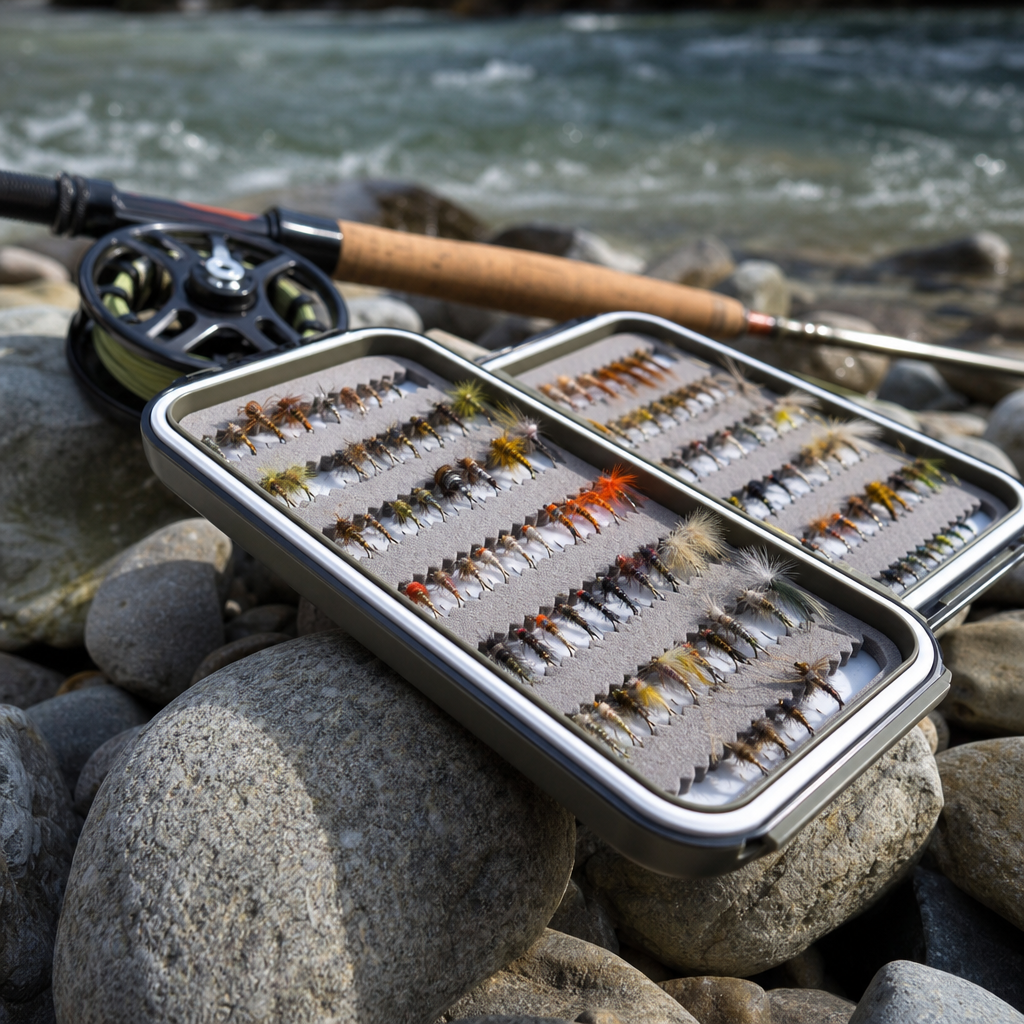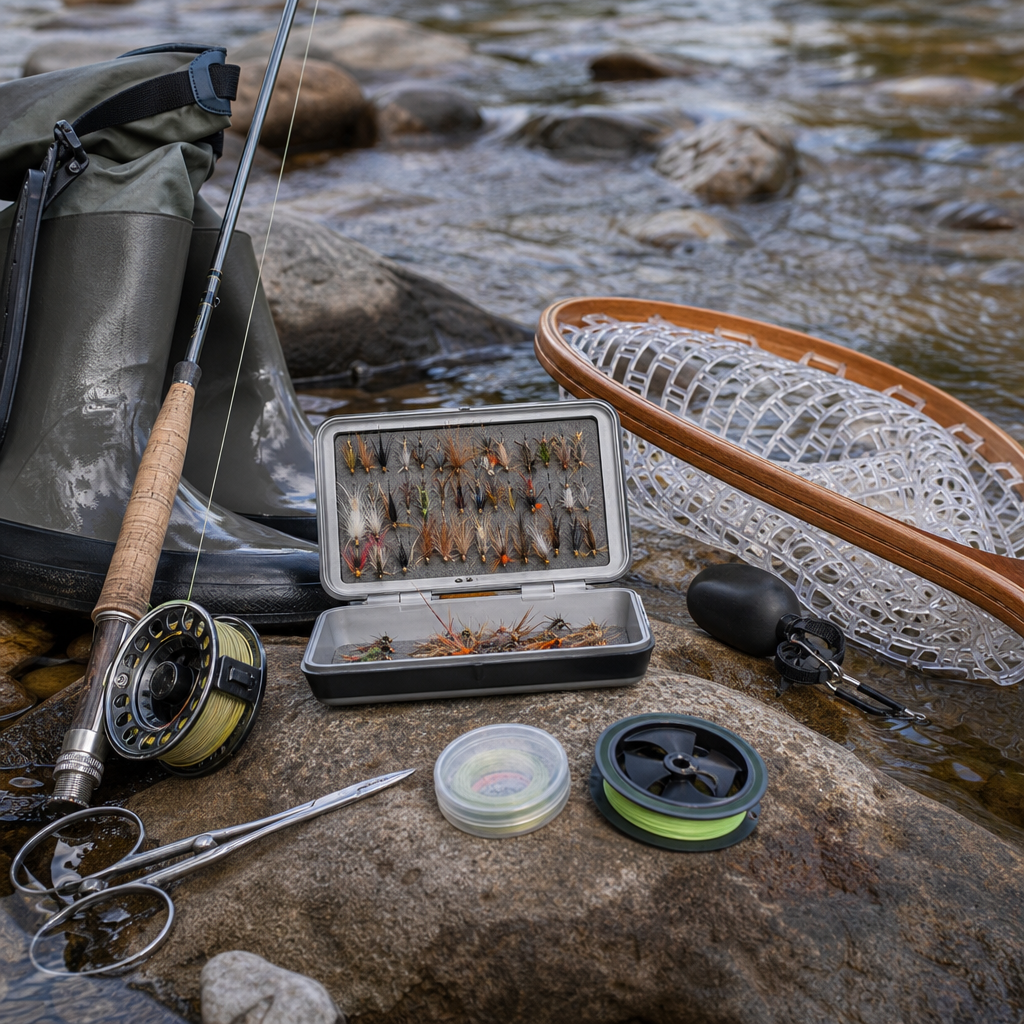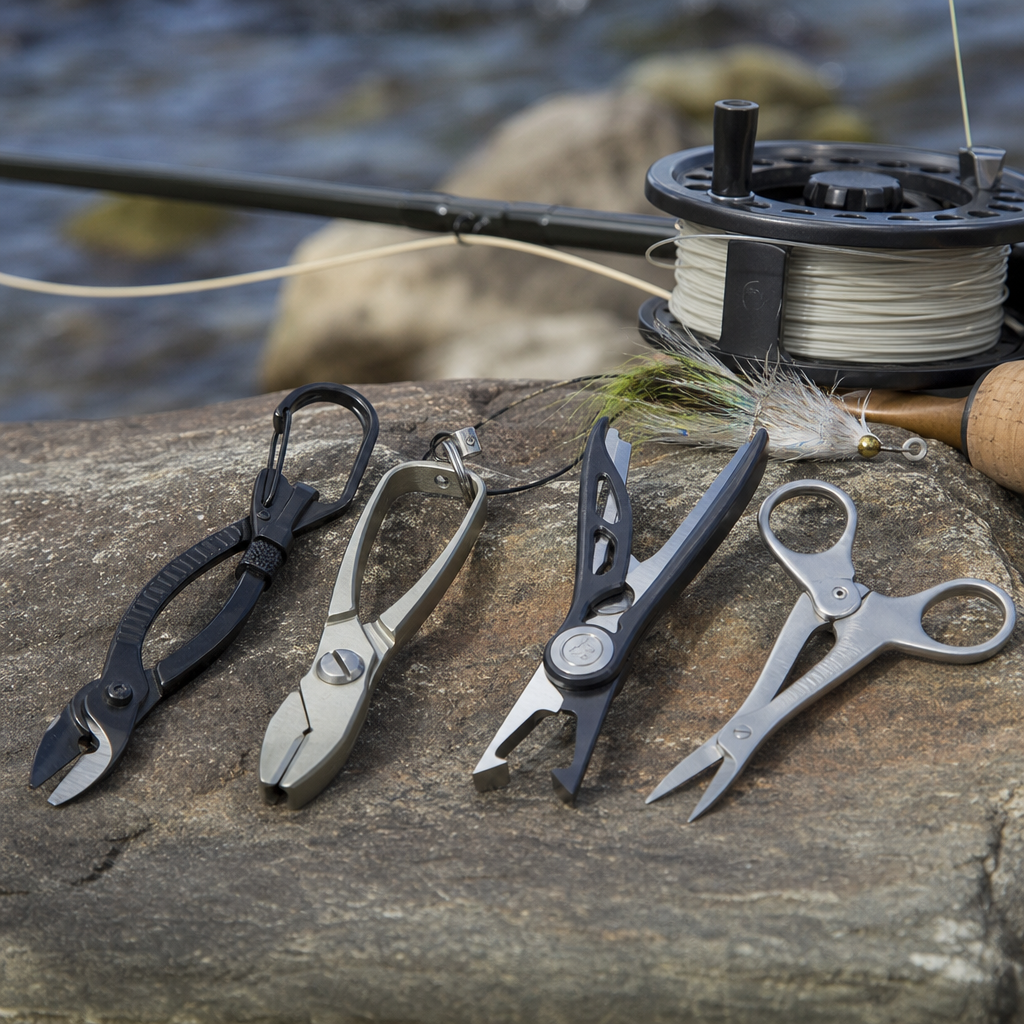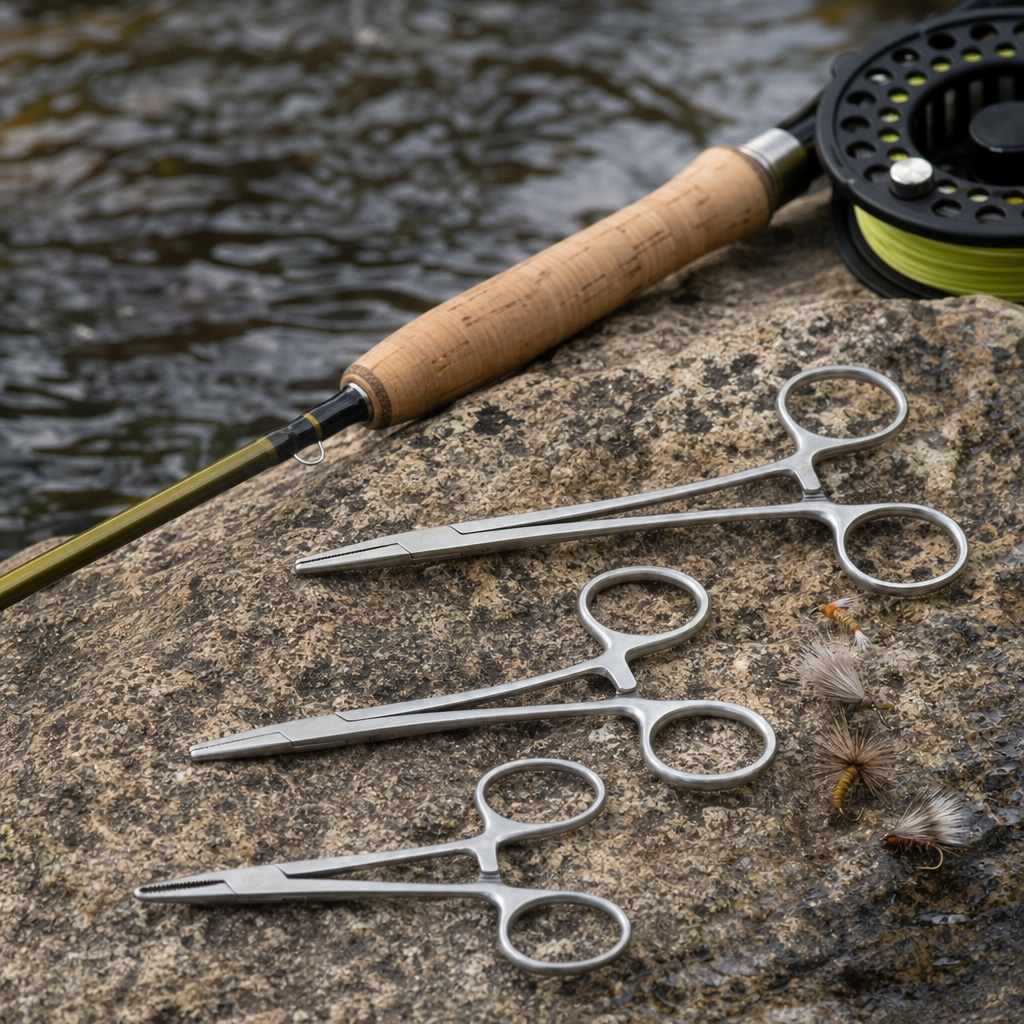
Choosing the right fly fishing gear bag is one of the least glamorous decisions an angler makes, yet after years of loading drift boats at dawn, hiking into small streams, and drying soaked packs in motel bathrooms, I can say it affects every hour on the water. A fly fishing gear bag is more than a container for reels, fly boxes, tippet, leaders, tools, and outerwear. It is a carry system built around access, protection, organization, and weather resistance. In practical terms, the best fly fishing gear bags keep critical items easy to reach, protect expensive tackle from impact and moisture, and reduce the constant friction that turns a good day into a disorganized one.
This review of top fly fishing gear bags is designed as a hub within gear reviews, so it covers the main bag categories anglers compare before they drill down into individual product choices. That includes sling packs, chest packs, lumbar packs, backpacks, duffels, waterproof submersible bags, and boat bags. Each serves a different style of fishing. A waist pack that feels perfect on a spring creek can become frustrating on a long hike, while a large backpack that excels on alpine approaches may be overkill for two hours on a local tailwater. Matching the bag to the trip matters as much as brand quality.
Good gear bag reviews should answer a few direct questions. What capacity do you actually need? How water resistant is enough? Which bags balance comfort with quick access? Which models justify premium pricing? The answers depend on where and how you fish, but some standards apply across the board. Durable shell fabrics such as 420D to 840D recycled nylon hold up better against abrasion. YKK zippers, welded seams, TPU coatings, and reinforced lash points are reliable signs of quality. Smart internal organization, not sheer pocket count, determines whether a bag helps or hinders. Weight distribution also matters more than most buyers realize, especially when the bag carries water, rain gear, camera gear, and several fly boxes.
In the current market, the strongest names in fly fishing gear bags include Fishpond, Simms, Patagonia, Orvis, Umpqua, and Vedavoo. These companies consistently build around fishing-specific use cases rather than generic outdoor carry. Some emphasize sustainability through recycled fabrics, some focus on submersible construction, and some lead on modular attachment systems. This article explains where each type shines, highlights standout products, and gives plain-language guidance so you can choose a fly fishing gear bag that supports your fishing instead of complicating it.
What Makes a Great Fly Fishing Gear Bag
The best fly fishing gear bags solve four problems at once: carrying comfort, fast access, weather protection, and sensible organization. In field use, one weak point usually ruins the experience. I have tested bags that were comfortable but impossible to open one-handed in current, and others with impressive pocket layouts that trapped sweat and bounced badly during a hike. The winning designs feel stable while walking, stay out of the casting stroke, and let you reach the items you use most often without setting the bag on the ground.
Materials are the first filter. Standard water-resistant bags typically use coated nylon with DWR treatment and weather-resistant zippers. These handle rain, spray, and wet grass well, but they are not intended for full immersion. Submersible bags use heavier TPU-laminated fabrics, welded construction, and airtight zipper systems such as TRU Zip or TIZIP. They cost more, weigh more, and can feel stiffer, but they are the right choice if you regularly wade deep, fish from kayaks, or encounter surf launches, heavy weather, or repeated dunkings.
Fit and access are the next priorities. Sling packs remain popular because they rotate to the chest for quick access. Chest packs excel when you need tools and flies in front of you all day. Backpacks dominate for destination days because they carry layers, food, camera gear, and hydration more comfortably than front-heavy alternatives. Lumbar packs spread weight across the hips and are excellent for moderate loads. Duffels and boat bags matter less while actively casting, but they are critical for travel, vehicle organization, and keeping spare gear protected and easy to sort.
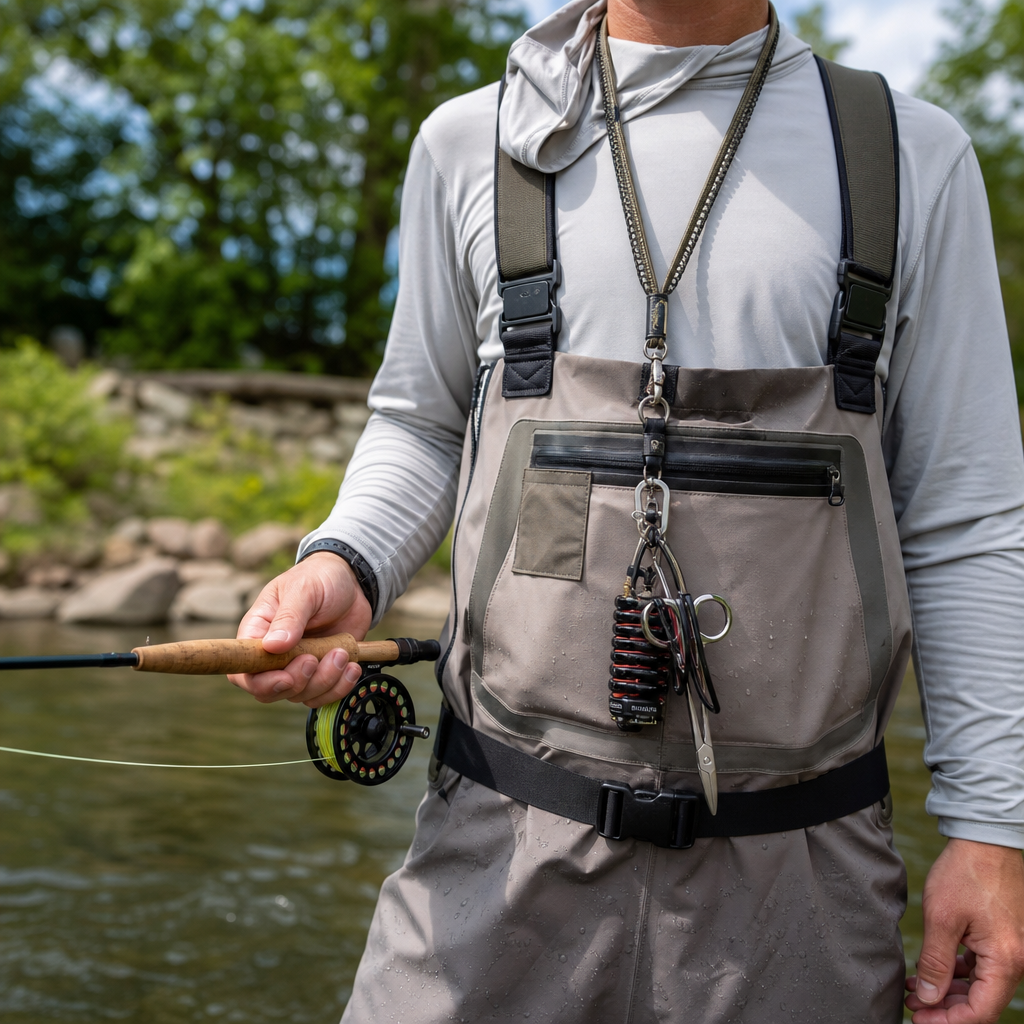
One detail buyers often overlook is attachment architecture. Net slots, hypalon tabs, forceps docks, shoulder-strap stations, and integrated water bottle sleeves sound minor until you fish several hours. A bag without intuitive external carry points quickly becomes cluttered with retractors and zingers. Better designs stage frequently used tools where your hand naturally goes. That small ergonomic advantage is one reason premium bags usually feel worth the money after a season, not just on the store wall.
Best Sling Packs and Chest Packs for Active Wading
Sling packs and chest packs are ideal for anglers who want fast access without carrying a full backpack. Among sling options, the Fishpond Summit Sling 2.0, Patagonia Stealth Sling, and Orvis Guide Sling Pack are repeatedly strong performers. The Fishpond model stands out for thoughtful internal organization, recycled fabric construction, and a layout that suits anglers carrying several fly boxes, indicators, split shot, and tools. Patagonia’s Stealth Sling is lighter and more streamlined, making it a smart fit for anglers who prioritize mobility and minimalist carry. The Orvis Guide Sling offers a balanced middle ground with user-friendly compartments and good all-day comfort.
For chest packs, the Fishpond Canyon Creek Chest Pack, Umpqua Northfork Chest Pack, and Orvis Chest Pack remain relevant because they keep flies and terminal tackle directly in view. This format is excellent on technical water where fly changes are frequent. It also reduces the motion required to reach forceps, floatant, or tippet. The tradeoff is limited volume and more pressure on the front torso, which can feel restrictive in hot weather or on long uphill approaches. Anglers who fish close to the road, spend most of the day wading, or use compact rain shells often accept that trade gladly.
In real use, sling packs beat chest packs when you need a bit more capacity and less front clutter. Chest packs beat slings when precision and access matter more than capacity. If you fish freestone rivers with constant fly changes and short walks, chest packs are hard to beat. If your day includes hiking, layered clothing, and a lunch kit, a sling usually wins.
Best Lumbar Packs and Backpacks for All-Day Trips
Lumbar packs are the most underrated category in fly fishing gear bags. For medium loads, they often provide the best balance of comfort and access. The Fishpond Switchback Pro system is especially notable because it combines a lumbar base with modular front transfer capability. That system lets anglers swing the pack forward when needed, then move it back out of the way. Simms’ Freestone Hip Pack and Patagonia’s Guidewater Hip Pack also deserve attention. The Simms model is practical, rugged, and well priced for many anglers. The Patagonia version adds stronger waterproof performance for wet environments.
Backpacks become the correct answer once you carry extra insulation, lunch, camera gear, hydration, and multiple tackle modules. Standout examples include the Simms Dry Creek Z Backpack, Fishpond Thunderhead Submersible Backpack, Patagonia Guidewater Backpack, and Orvis Bug-Out Backpack. The Simms and Fishpond options are favorites among anglers who need near-total weather protection, especially on boats or in regions with persistent rain. Patagonia’s Guidewater line is similarly purpose-built for wet conditions. Orvis’ Bug-Out Backpack is less specialized for immersion but highly useful for anglers who hike and need practical storage at a more approachable price.
The biggest backpack mistake is buying too much bag. Oversized packs encourage overpacking, which adds fatigue and hides essential items. For most day trips, 15 to 25 liters is enough. Once capacity climbs above that, evaluate whether you are truly buying a fishing pack or drifting toward a travel or expedition bag. There is nothing wrong with that, but the best fly fishing gear bag is the one sized for your actual routine, not your most ambitious once-a-year outing.
Top Waterproof Duffels, Boat Bags, and Travel Choices
Not every fly fishing gear bag needs to be worn while casting. Some of the most useful purchases are duffels and boat bags that keep spare clothing, fly boxes, reels, and electronics organized before and after you step into the river. The Simms Dry Creek Duffel, Patagonia Guidewater Duffel, Fishpond Thunderhead Roll-Top Duffel, and YETI Panga are leading examples. These bags matter for road trips, float fishing, airline travel, and wet weather logistics. A dependable duffel prevents the all-too-common problem of mixing soaked waders, dry layers, lunch, and camera equipment in one chaotic space.
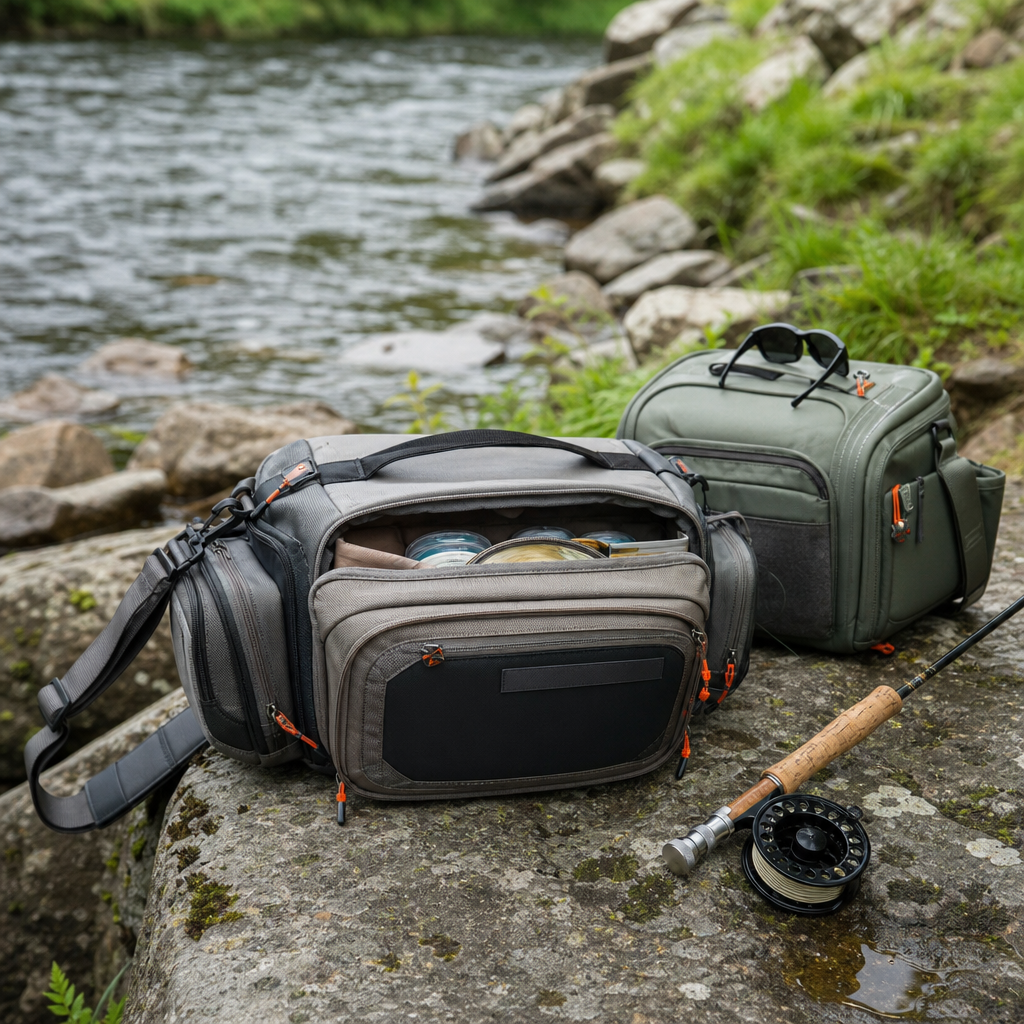
Boat bags are especially valuable for guides and serious anglers. A proper boat bag sits open securely, uses rigid or semi-rigid construction, and provides segmented storage for leader wallets, fly boxes, sunscreen, first aid, and client essentials. Fishpond and Umpqua both offer strong organizational designs in this space. The main distinction from a standard duffel is access. A boat bag should function like a mobile workstation, not just a sealed storage sack. If you fish from rafts or skiffs regularly, this category delivers more practical benefit than many impulse tackle purchases.
| Bag Type | Best Use | Main Strength | Main Limitation |
|---|---|---|---|
| Sling Pack | Wading with moderate gear | Fast rotation access | Can fatigue one shoulder |
| Chest Pack | Technical water, frequent fly changes | Tools and flies always in front | Limited capacity |
| Lumbar Pack | All-day river fishing | Balanced carry and access | Less ideal with heavy loads |
| Backpack | Hiking and full-day trips | Best comfort for larger loads | Slower access while fishing |
| Waterproof Duffel | Travel, boat, vehicle storage | Protects spare gear from soaking | Not designed for active casting |
For travel, check dimensions, zipper reliability, and whether the bag has lash points, removable shoulder straps, and easy-to-clean interiors. Saltwater anglers should also value corrosion-resistant hardware and simple rinse-down maintenance. Those details determine whether a premium travel bag lasts five seasons or fifteen.
How to Choose the Right Fly Fishing Gear Bag for Your Style
The smartest way to choose among top fly fishing gear bags is to start with fishing style, not brand loyalty. If you fish small streams for three hours at a time, a compact chest pack or sling is usually enough. If you spend full days on western rivers carrying layers, water, and lunch, a lumbar pack or day backpack is more efficient. If you guide, float fish, or travel often, add a waterproof duffel or structured boat bag to your system instead of forcing one pack to do everything poorly.
Climate and wading depth should drive the waterproof decision. In dry climates, a water-resistant pack is often sufficient and usually lighter. In coastal environments, rainy regions, or places where slips into deep water are realistic, submersible bags earn their keep. Budget matters, but so does replacement cost. A bargain bag that fails after one hard season is not cheaper than a premium model that performs for many years. I advise anglers to spend more on the category they use most and save on secondary storage.
Finally, test access with your non-dominant hand, check whether the bag interferes with your net or casting stroke, and think about what you actually carry every trip. The best fly fishing gear bag is rarely the largest or most expensive. It is the one that disappears while you fish, keeps essentials dry and organized, and fits the way you move on the water. Use this hub as your starting point, compare the categories that match your fishing, and then narrow your search to the models built for your exact days outdoors.
Frequently Asked Questions
What should I look for first when choosing a fly fishing gear bag?
The first thing to evaluate is how and where you actually fish, because the best bag for a drift boat angler is often the wrong choice for someone bushwhacking into tight mountain streams. Start with carry style: a boat bag, backpack, sling, duffel, or chest-oriented system all solves a different problem. If you spend most of your time walking and covering water, comfort, balance, and quick access matter more than maximum storage. If you fish from a raft, drift boat, or truck, capacity and gear protection usually move to the top of the list.
After that, focus on organization. A good fly fishing gear bag should make essential items easy to find without forcing you to dig through a single large compartment. Dedicated pockets for fly boxes, tippet spools, leaders, floatant, indicators, forceps, and rain layers make a real difference over a long day. Internal dividers, zippered mesh pockets, and external attachment points help keep tools and accessories from becoming a tangled mess. The less time you spend searching for gear, the more efficiently you fish.
Material quality and weather resistance are also major factors. Look for abrasion-resistant fabrics, reinforced bottoms, dependable zippers, and stitching that can handle repeated loading, wet conditions, and rough handling. Water-resistant fabrics are enough for many anglers, but if you regularly fish in heavy rain, run splashy rivers, or leave your bag on a wet boat floor, waterproof construction or at least highly water-resistant panels and sealed areas become much more valuable.
Finally, think about long-term practicality. A bag that feels slightly oversized in the store may become frustrating when fully loaded and carried for miles. A smaller, better-organized bag often performs better than a huge one stuffed with unnecessary gear. The right choice is the bag that fits your fishing style, protects what matters, and lets you access your equipment quickly without wearing you down.
Are waterproof fly fishing gear bags really worth it?
For many anglers, yes, but only if the conditions justify the price and trade-offs. Waterproof bags are most valuable when your gear is regularly exposed to rain, boat spray, wet ground, or accidental submersion. If you fish from a drift boat, raft, kayak, or skiff, or you often travel in bad weather, a truly waterproof bag can protect expensive reels, fly boxes, electronics, cameras, spare layers, and documents from damage that ordinary water-resistant bags may not prevent.
That said, not every angler needs full waterproof construction. Many excellent gear bags use durable water-resistant fabrics, coated zippers, and smart flap designs that keep gear dry in light rain and routine river use. These bags are often lighter, more flexible, easier to open, and less expensive than fully waterproof models. If most of your fishing is fair-weather wading or short walk-in sessions where your bag stays in the truck or on dry ground, water resistance may be enough.
It is also important to understand that “waterproof” can mean different things in marketing. Some bags are fully submersible with sealed closures, while others simply resist heavy splashes. Roll-top closures, welded seams, and specialized zipper systems usually offer better protection, but they can be slower to access on the water. That matters if you are changing flies constantly or reaching for tippet, leaders, or tools throughout the day.
The best approach is to match the bag to your exposure level. If getting wet is an occasional inconvenience, a well-built water-resistant bag is often the smarter value. If your gear is routinely at risk, paying more for waterproof protection can save far more than it costs by extending the life of your equipment and reducing the stress of fishing in rough conditions.
How much storage capacity do I actually need in a fly fishing gear bag?
Most anglers need less capacity than they think but better organization than they expect. The goal is not to carry every possible piece of gear; it is to carry the right gear for the day without clutter. A practical fly fishing gear bag should hold your essentials comfortably: fly boxes matched to the season, tippet and leaders, nippers, forceps, indicators, floatant, split shot, a spare spool or reel if needed, snacks, water, and an extra layer or rain shell depending on the weather.
If you mainly fish local rivers for a few hours at a time, a compact sling or medium backpack may be plenty. These styles work well when mobility matters and you want to keep weight down. For full-day trips, destination travel, or mixed-condition fishing, extra room becomes more useful. A larger backpack or boat bag can accommodate additional fly boxes, gloves, a first-aid kit, camera gear, lunch, wading accessories, and dry clothing. The key is making sure that added space does not turn into dead space filled with unnecessary weight.
Capacity should also reflect your fishing platform. Wading anglers usually benefit from a streamlined setup that keeps them light and nimble. Boat anglers can take advantage of larger duffels or structured gear bags because they are not carrying the load all day. Travel anglers may want enough room for reels, fly wallets, lines, outerwear, and packing cubes so their bag can double as a trip organizer before and after time on the water.
A useful rule is to buy for your most common trip, not your most gear-heavy fantasy trip. If a giant bag is only full twice a season, it will probably be annoying the other ninety percent of the time. A well-designed medium-capacity bag with smart pocket layout usually outperforms an oversized bag that invites overpacking and makes simple items harder to reach.
What bag style is best for wading versus boat fishing?
For wading, the best bag style is usually one that balances mobility, access, and comfort. Sling packs, smaller backpacks, waist packs, and chest-compatible systems are popular because they keep gear close without interfering too much with casting and movement. A sling pack offers excellent quick access, especially when rotated to the front, and works well for anglers who carry a moderate amount of gear. A traditional backpack distributes weight better for longer hikes and larger loads, though it can be less convenient for frequent access unless it includes side-entry or workstation features.
Waist packs are excellent for minimalist anglers and small-stream fishing because they keep the upper body clear and encourage disciplined packing. They can also pair nicely with a vest or chest pack. The downside is limited capacity and the potential to feel bulky when scrambling over rocks or wading deep. In all wading setups, the ideal bag should move with you, stay stable, and allow one-handed access to the items you use constantly.
For boat fishing, larger and more structured bags often make more sense. Boat bags, duffels, and roomy waterproof packs can carry multiple fly boxes, spare reels, jackets, lunch, camera gear, and backup tackle without concern for all-day carrying comfort. Since the bag usually sits on a deck or seat, capacity, durability, and water protection become bigger priorities than body-hugging ergonomics. A wide opening and clearly separated compartments are especially helpful when you need to grab gear quickly in changing conditions.
If you split time between wading and boats, a medium backpack or versatile pack with modular organization is often the safest choice. It may not be perfect in every situation, but it can handle trail approaches, river miles, and boat days without forcing major compromises. The best style depends less on trends and more on whether the bag supports how you fish hour after hour in real conditions.
How can I keep a fly fishing gear bag organized and make it last longer?
Good organization starts with assigning categories to specific compartments and resisting the urge to let gear float around loosely. Keep fly boxes together by hatch, species, or water type. Store tippet, leaders, strike indicators, split shot, and floatant in one clearly accessible section. Put tools such as forceps, nippers, and zingers on dedicated attachment points so they are always in the same place. Wet items, including used leaders, damp buffs, or soaked gloves, should be separated from dry gear whenever possible to prevent moisture buildup and confusion.
Using small pouches or zip organizers inside a larger bag can make a major difference. One pouch for terminal tackle, one for tools and accessories, and one for repair or emergency items keeps everything easy to locate. This also makes it simpler to move gear between different bags depending on the trip. Labeling or color-coding can help even experienced anglers avoid rummaging during low light, cold weather, or fast-changing conditions on the water.
To extend the life of the bag, dry it completely after every trip, especially if it has been exposed to rain, river water, sand, or mud. Leaving a damp pack zipped up overnight is one of the fastest ways to create odor, mildew, corrosion, and fabric breakdown. Empty the bag regularly, shake out debris, and wipe down the interior. Pay attention to zippers, buckles, and seams, since these are often the first points of failure. Rinsing mud or grit from zipper tracks can dramatically improve their lifespan.
It also helps to avoid chronic overloading. Even premium bags wear out faster when stuffed beyond their intended shape and stress points. Carry what you need, not everything you own.