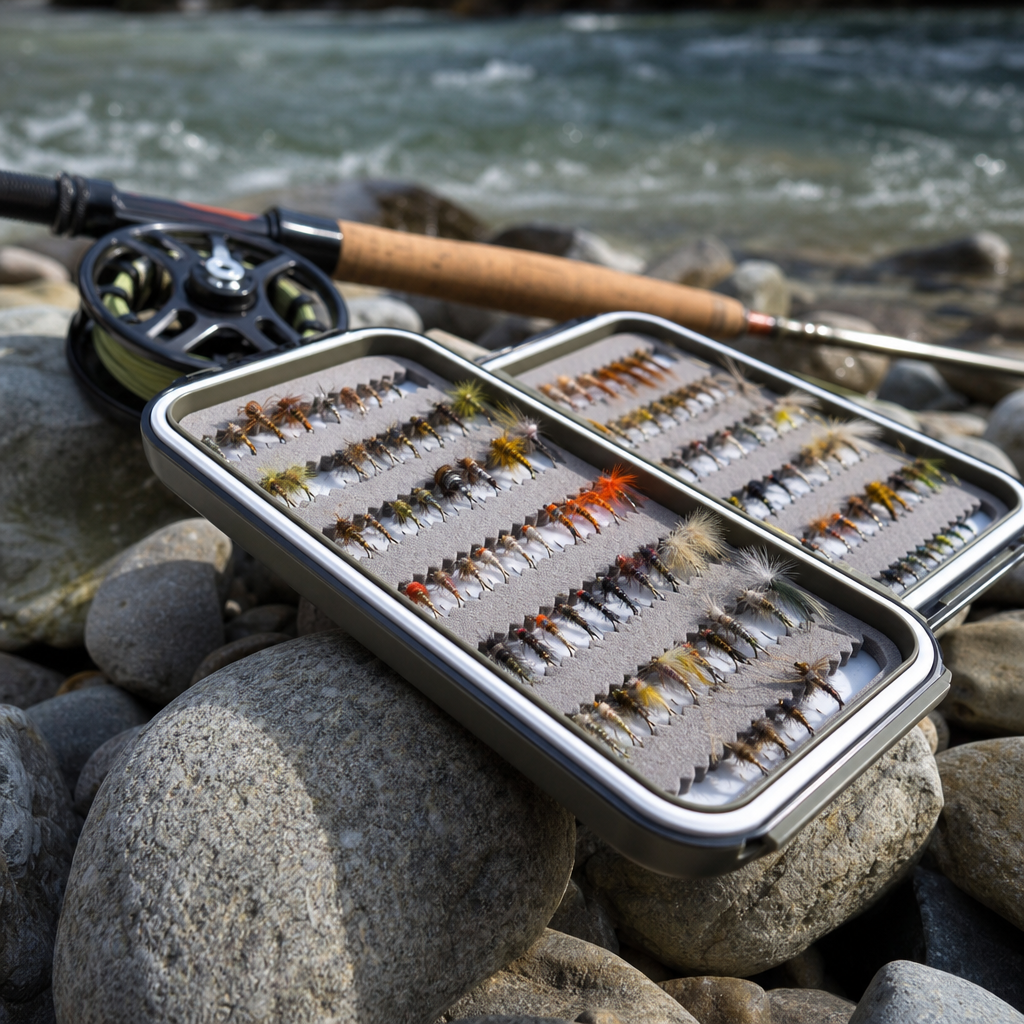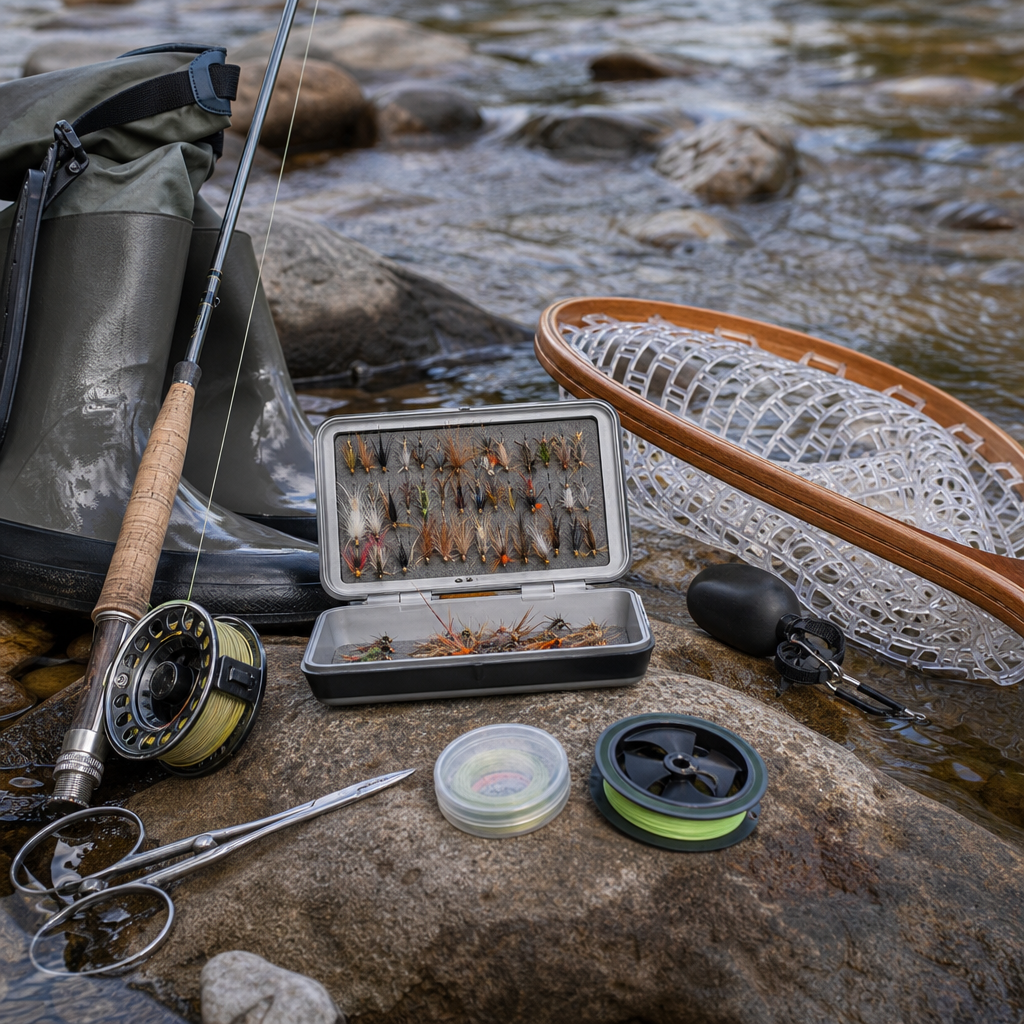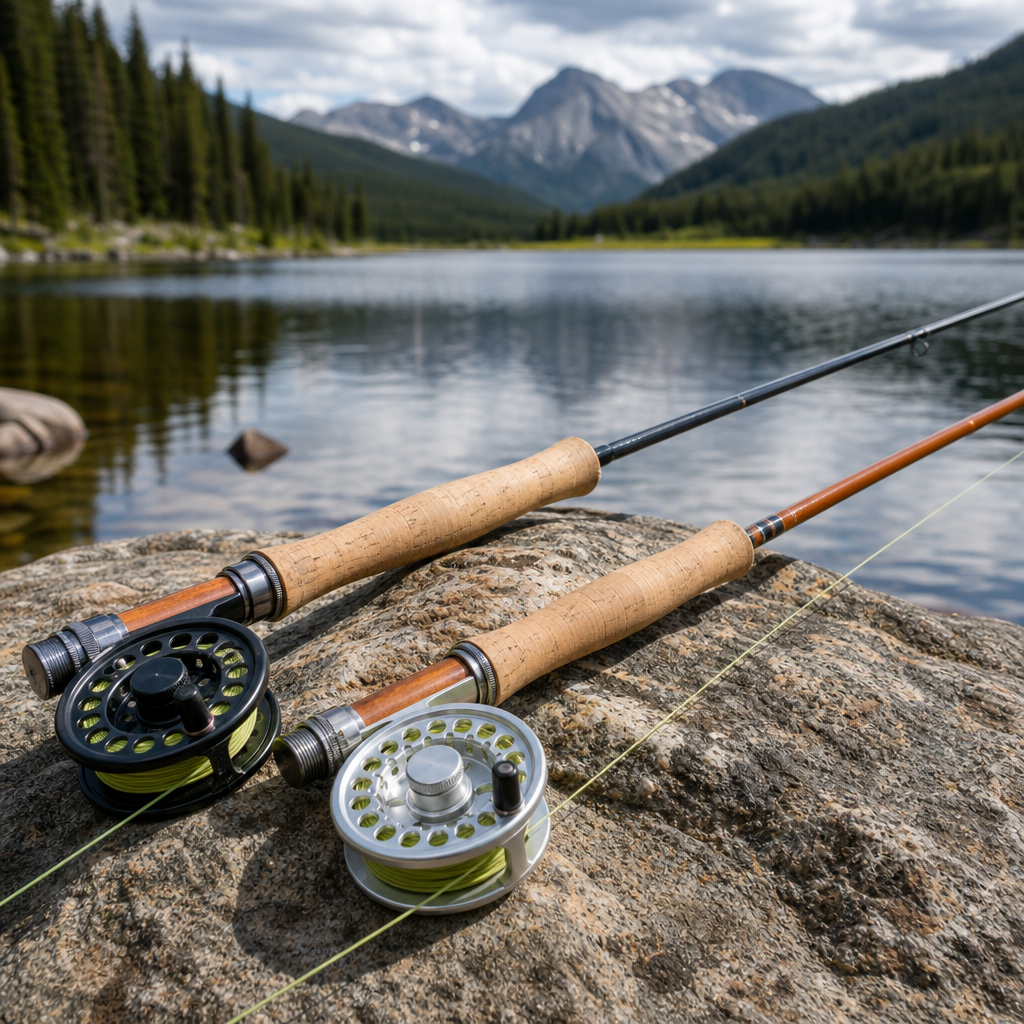
Choosing between graphite and fiberglass is one of the most important gear decisions a fly angler can make, because rod material shapes casting feel, fish-fighting control, durability, and the type of water where a setup performs best. In fly fishing, the rod is not just a lever for delivering line. It is the central tool that transfers energy from your hand to the fly line, protects light tippet, helps mend line on the water, and determines how accurately you can present a dry fly, nymph rig, streamer, or popper. When anglers compare fly fishing rod materials, they are really comparing two different design philosophies: graphite emphasizes speed, recovery, and weight reduction, while fiberglass emphasizes deep flex, resilience, and feel.
This matters because the right material improves both success and enjoyment. I have fished mountain creeks with short fiberglass rods that made ten-inch trout feel memorable, and I have spent long days on larger rivers with graphite rods that reduced fatigue and handled wind far better. Neither material is universally superior. The best choice depends on casting distance, fly size, fish species, line weight, and personal preference. A new angler often assumes newer graphite automatically means better performance. In practice, many experienced anglers keep both materials in rotation because each solves a different problem on the water.
As a hub page for gear reviews and recommendations, this guide explains how graphite and fiberglass differ in construction, action, sensitivity, durability, and price. It also answers the practical questions anglers ask before buying: Which material is better for beginners? Which is stronger? Which casts farther? Which feels better in close? By the end, you should know not only which rod material fits your fishing, but also what related gear review topics to explore next, including line pairing, reel balance, small-stream rod selection, and saltwater-ready setups.
How graphite and fiberglass rods are built and why the material changes performance
Graphite fly rods are made from carbon fiber sheets, usually called prepreg, rolled around a mandrel and cured into a tapered blank. Manufacturers vary fiber modulus, resin systems, scrim patterns, and wall thickness to tune stiffness, weight, and recovery speed. Higher-modulus graphite can produce lighter, faster rods, but it can also become less impact-resistant if the design pushes too far toward thin walls and extreme stiffness. That is why premium rods from brands like Sage, Orvis, G. Loomis, Scott, and Winston emphasize not just modulus, but complete layup design.
Fiberglass rods use glass fibers, commonly E-glass or S-glass, in a similar rolled blank construction. E-glass is traditional and smooth-flexing, while S-glass is stronger, lighter, and more responsive. Fiberglass naturally bends deeper into the blank than graphite, which creates the classic slower action many anglers associate with relaxed timing and exceptional tippet protection. Modern fiberglass is not the heavy, clubby material some anglers remember from decades ago. Current builders such as Epic, Echo, Redington, and Butter Stick-oriented designs have shown that well-made glass rods can be lively, accurate, and practical well beyond tiny streams.
The core performance difference comes from stiffness-to-weight ratio. Graphite is stiffer for its weight, so it recovers faster after the stop in the cast. That faster recovery means tighter loops, better line speed, and stronger wind penetration. Fiberglass bends more deeply and recovers more slowly, so it tends to form more open loops with a more deliberate casting rhythm. Neither trait is inherently better. They simply suit different fishing styles and conditions.
Casting feel, rod action, and presentation on the water
If you want the shortest answer, graphite usually feels crisp and efficient, while fiberglass feels smooth and connected. On the water, that difference shows up immediately. A medium-fast graphite 5-weight can pick up line quickly, redirect a cast, and fire a tighter loop across a riffle with less false casting. A comparable fiberglass 5-weight asks for better timing and rewards a slower stroke, but it also makes short casts easier to feel because the blank loads with very little line out.
For dry-fly fishing at short to medium range, fiberglass often excels because it encourages softer presentations. On spring creeks or brushy streams where casts are twenty to thirty feet, a glass rod can protect 6X tippet and land a fly gently. For streamer fishing, heavy indicator nymphing, or long-distance casts, graphite usually has the advantage. It picks up weighted rigs more cleanly, manages mends at distance more efficiently, and has the reserve power to move line fast when conditions deteriorate.
Action labels like slow, moderate, and fast only tell part of the story. Two rods can both be called moderate-fast and feel completely different because taper design, ferrule placement, and swing weight matter as much as raw stiffness. That is why serious gear reviews should discuss tempo, loop shape, tracking, and recovery rather than repeating catalog labels. In my experience, anglers who struggle with fiberglass are often trying to cast it like a fast graphite rod. Once they lengthen the pause and let the rod finish the job, accuracy improves dramatically.
Distance, accuracy, and line control in real fishing conditions
Graphite is usually the better tool for distance. Faster recovery creates higher line speed, and higher line speed helps carry more line in the air, cut through wind, and deliver larger flies. That matters on western rivers, lakes, and saltwater flats, where a forty- to sixty-foot cast may be routine rather than exceptional. It also matters when fishing from a drift boat, where one quick shot can decide whether you reach the seam before the boat passes the target.
Fiberglass shines at short range accuracy and fishable feedback. Because the rod bends more deeply, many anglers can feel exactly when the blank is loaded on a fifteen- or twenty-foot cast. That is useful on overgrown creeks, undercut banks, and brook trout water where roll casts, bow-and-arrow casts, and quick flips under branches are common. At those distances, maximum line speed is less important than immediate load and controlled delivery.
Line control is a more nuanced category. Graphite generally mends better at distance because its stiffness lifts more line off the water with less effort. Yet fiberglass can protect light tippet during close-range fights better because the blank absorbs sudden surges. If your home water involves technical dry flies at thirty feet or less, fiberglass may improve your actual fishing more than graphite’s extra distance ever would. If your water demands repeated aerial mends and long drifts, graphite is the safer recommendation.
| Performance factor | Graphite | Fiberglass |
|---|---|---|
| Typical action feel | Crisp, fast to moderate-fast recovery | Deep flex, smooth moderate to slow recovery |
| Best casting range | Medium to long distance | Short to medium distance |
| Wind performance | Excellent with proper line match | More limited in strong wind |
| Tippet protection | Good, varies by taper | Excellent because of progressive flex |
| Weighted rig handling | Better for streamers and indicator setups | Better with lighter flies and simpler rigs |
| Close-range loading | Can require more line out on faster rods | Loads easily with little line out |
| Fatigue over long days | Usually lower because of lighter weight | Can be higher in larger line weights |
Durability, impact resistance, and long-term ownership
Many anglers ask which material is stronger. The practical answer is that fiberglass is generally more impact-tolerant, while graphite is generally more brittle under point damage. A graphite blank can be extremely strong under casting and fish-fighting loads, but a nick from a split shot, car door, or weighted fly can create a failure point. Most broken graphite rods do not fail because the fish was too strong. They fail because of prior impact damage. Fiberglass is more forgiving in those situations and can survive rough handling that would worry graphite owners.
That does not mean fiberglass is indestructible. Ferrules can loosen, tips can be overstressed, and lower-quality blanks can still fail. But if you are hard on gear, fish from kayaks, bushwhack to small streams, or want a rod that children can learn on without constant anxiety, fiberglass offers real peace of mind. This is one reason many guides keep glass rods for bluegill, bass bugs, and beginner lessons.
Long-term ownership also includes warranty and service. Major graphite brands often back rods with strong repair programs, though fees and turnaround times vary. Fiberglass brands may offer similar support, but buyers should confirm whether parts replacement is straightforward. In gear reviews, warranty language matters because premium graphite rods often justify their price partly through after-sale support. If you travel often, a four-piece rod with reliable factory service is usually a better investment than a cheaper rod with uncertain replacement options.
Who should choose graphite and who should choose fiberglass
Graphite is the best choice for anglers who need versatility across many waters. If you regularly fish rivers larger than small creeks, cast in wind, throw weighted nymph rigs, or target species like larger trout, smallmouth, carp, bonefish, or redfish, graphite gives you a broader operating range. It also suits anglers who value low swing weight and want one rod to do most things reasonably well. For a first trout rod, a moderate-fast graphite 9-foot 5-weight remains the standard recommendation because it handles dry flies, nymphs, and small streamers with minimal compromise.
Fiberglass is ideal for anglers who prioritize feel, close-range loading, and fun over maximum efficiency. If you fish small streams, blue lines, farm ponds, warmwater edges, or trout water where most casts stay inside forty feet, fiberglass can be a better experience. It is especially rewarding in line weights from 2-weight through 5-weight. A 3-weight or 4-weight glass rod can transform simple dry-fly fishing, making short presentations intuitive and fish fights more tactile.
Beginners can succeed with either material, but the right answer depends on where they will fish. A beginner on tight Appalachian or alpine streams may actually learn faster with fiberglass because the rod clearly communicates load. A beginner on broad western rivers or mixed fisheries will usually outgrow fiberglass limitations faster than graphite limitations. For most buyers asking for one do-everything recommendation, graphite still wins. For buyers building a specialized quiver, fiberglass often becomes the memorable second rod they reach for whenever conditions allow.
Price, value, and how to evaluate gear reviews before buying
Graphite dominates the market, so it exists at every price level, from entry rods near one hundred dollars to premium models above one thousand. Fiberglass options are fewer but increasingly strong in the midrange, especially from brands that focus on niche anglers. Price does not always track enjoyment. Some of the most satisfying fiberglass rods cost less than flagship graphite rods and still deliver distinctive on-water character. Conversely, premium graphite often earns its price through reduced swing weight, cleaner recovery, better component quality, and superior fit and finish.
When reading gear reviews, focus on use case rather than hype. Look for details about line pairing, real casting distances, fly sizes, and the reviewer’s home water. A review that says a rod is “powerful” tells you almost nothing unless it explains whether that power helps throw an articulated streamer, punch into a twenty-mile-per-hour headwind, or mend forty feet of line across conflicting currents. Good reviews compare the rod to specific peers, such as a 7-foot 6-inch fiberglass 3-weight versus an 8-foot 4-weight graphite small-stream rod, and explain the tradeoffs honestly.
As you continue through this product reviews and recommendations hub, the most useful related topics are fly line matching, reel balancing, rod length selection, and application-specific reviews for small streams, all-around trout setups, warmwater bass kits, and saltwater outfits. Rod material is foundational, but performance depends on the whole system. A well-matched line can wake up a rod that felt dead in a shop, while a poor line choice can make an excellent blank seem inaccurate.
Graphite versus fiberglass is not a battle with one winner. It is a decision about priorities. Graphite offers lighter overall weight, faster recovery, better wind performance, and greater versatility across distances and fly sizes. Fiberglass offers superior close-range feel, deep loading, strong tippet protection, and higher tolerance for bumps and rough handling. Those are meaningful differences that affect everyday fishing, not just casting lawn demonstrations.
If you want one rod for broad trout use or mixed fisheries, choose graphite first, especially in a 9-foot 5-weight or similar all-around configuration. If you mainly fish small water, enjoy dry flies, value touch over speed, or want a rod that makes average fish feel exceptional, choose fiberglass in lighter line weights. Many committed anglers eventually own both because each material earns its place under different conditions.
The best next step is simple: match the rod material to your actual water, average casting distance, and fly style, then use that lens as you explore the rest of this gear reviews hub. Compare line recommendations, read application-specific rod reviews, and if possible cast both materials side by side before buying. The right rod does more than cast well. It makes your fishing more effective, more comfortable, and more enjoyable every time you step into the water.
Frequently Asked Questions
What is the main difference between graphite and fiberglass fly rods?
The biggest difference between graphite and fiberglass fly rods is how each material stores and releases energy during the cast. Graphite is lighter, stiffer, and generally faster in action, which means it recovers more quickly and can generate higher line speed with less overall rod bend. That makes graphite especially popular for longer casts, windy conditions, larger rivers, and techniques where accuracy, line control, and quick hook sets matter. Fiberglass, by contrast, bends deeper into the blank and typically has a slower, more relaxed action. Many anglers describe it as smoother, more forgiving, and more tactile because you can feel the rod load more easily throughout the casting stroke.
That difference in feel affects almost every part of fishing performance. A graphite rod often excels when you need to pick up line quickly, mend at distance, throw tight loops, or fish heavier rigs such as weighted nymphs and streamers. A fiberglass rod tends to shine in close- to medium-range fishing, especially on small streams, spring creeks, or situations where delicate presentations and tippet protection are a priority. Neither material is automatically better in all circumstances. Instead, the choice comes down to how and where you fish, the casting tempo you prefer, and whether you value speed and precision more than softness and feel.
Which material is better for beginners: graphite or fiberglass?
For beginners, the better choice depends on the kind of learning experience they want and the type of water they plan to fish most often. Fiberglass can be very beginner-friendly because its slower action makes the rod load more noticeably, helping newer casters feel the timing of the cast. That feedback can make it easier to understand the basic rhythm of fly casting without rushing the stroke. Fiberglass is also forgiving of timing mistakes, which is helpful when someone is still learning how to form loops, manage line, and avoid overpowering the rod. On top of that, fiberglass often protects light tippet well and can make smaller fish feel lively and enjoyable.
Graphite, however, is still the most common recommendation for many new fly anglers because it is versatile, widely available, and better suited to a broader range of fishing situations. A medium-fast graphite rod in an all-around line weight such as a 5-weight can handle dry flies, nymphs, and small streamers across many rivers and lakes. It is also easier to grow with as skills improve, especially if the angler eventually needs better distance, line pickup, and wind-cutting ability. In practical terms, a beginner who mostly fishes smaller streams at shorter distances may love fiberglass, while someone who wants one rod to cover as many situations as possible will usually be better served by graphite. The smartest approach is not to ask which material is universally easier, but which one matches the angler’s local waters, target species, and learning goals.
Is graphite always better for casting distance and windy conditions?
Graphite is generally better for distance and wind, but “always” is too strong. In most cases, graphite’s lighter weight, higher stiffness, and faster recovery allow it to produce greater line speed and tighter loops, both of which help carry line farther and cut through wind more effectively. That is why anglers fishing large rivers, lakes, saltwater flats, or open banks often favor graphite. When you need to throw a longer leader, turn over a weighted rig, or punch a cast into a headwind, graphite usually offers a clear advantage. It also tends to make repeated long casts less physically tiring because the rod recovers quickly and handles modern line designs well.
That said, distance and wind performance are not determined by rod material alone. Rod design, taper, line pairing, casting skill, and overall setup all matter. A well-designed fiberglass rod can still cast respectably and fish very effectively at practical trout distances, especially in calm conditions or on smaller water where 25- to 40-foot casts are the norm. Many anglers simply do not need extreme distance in their everyday fishing. If your fishing happens on brushy creeks, meadow streams, or compact pocket water, the ability to cast 70 feet into the wind may not matter nearly as much as presentation quality, short-range loading, and fish-fighting feel. So while graphite usually wins the distance-and-wind category, that advantage only matters if those are regular demands in your fishing.
How do graphite and fiberglass compare when fighting fish and protecting light tippet?
Fiberglass is widely appreciated for fish-fighting feel and tippet protection because it bends more deeply and cushions sudden surges extremely well. That softer, more progressive flex helps absorb head shakes and quick runs, which can be a major advantage when fishing smaller flies, fine leaders, or delicate presentations to selective trout. Many anglers feel that fiberglass keeps fish pinned nicely because the rod maintains steady pressure without transmitting sharp shocks as directly. It also adds enjoyment with smaller fish, since the deeper bend makes them feel more connected and lively. On tight streams or when fishing dry flies at close range, that character can be a real asset.
Graphite can still protect tippet very well, especially in lighter line weights and more moderate actions, but it usually feels crisper and more direct under load. That directness can be an advantage when steering fish away from structure, making quick pressure changes, or driving hooks home at longer distances. In larger rivers or with bigger fish, graphite often provides more lifting power and better line control after the hook set. The key point is that fiberglass tends to offer a softer buffer, while graphite tends to offer more speed and authority. If your priority is fine-tippet dry-fly fishing or enjoying every head shake on small to medium trout, fiberglass has a strong appeal. If you need more reach, control, and power across varied conditions, graphite often makes more practical sense.
How should I choose between a graphite and fiberglass fly rod for the water I fish most?
The best way to choose is to match the rod material to your most common fishing environment, not to an abstract idea of which one is “best.” If you regularly fish small streams, overgrown creeks, spring creeks, or intimate trout water where casts are short and presentations need to be gentle, fiberglass deserves serious consideration. Its slower, deeper flex can make roll casts, short pickups, and close-range dry-fly presentations feel intuitive and enjoyable. It also complements anglers who prefer a slower casting tempo and want a rod that communicates the cast clearly through the hand.
If you fish bigger rivers, tailwaters, lakes, or any water where longer casts, mending at distance, wind management, and multi-technique versatility matter, graphite is usually the more efficient choice. It tends to perform better when you need to throw indicator rigs, weighted nymphs, hoppers with droppers, or small streamers, and it often gives you a wider performance window across changing conditions. Think about your typical day on the water: casting distance, fly size, wind exposure, target species, and whether you value feel over speed. Also consider whether you want one do-everything rod or a specialty tool for a specific style of fishing. For many anglers, graphite becomes the primary all-around rod and fiberglass becomes a favorite niche rod for smaller water and more relaxed, feel-oriented fishing. The right answer is the rod material that supports the fishing you actually do most, not the one that sounds best in theory.