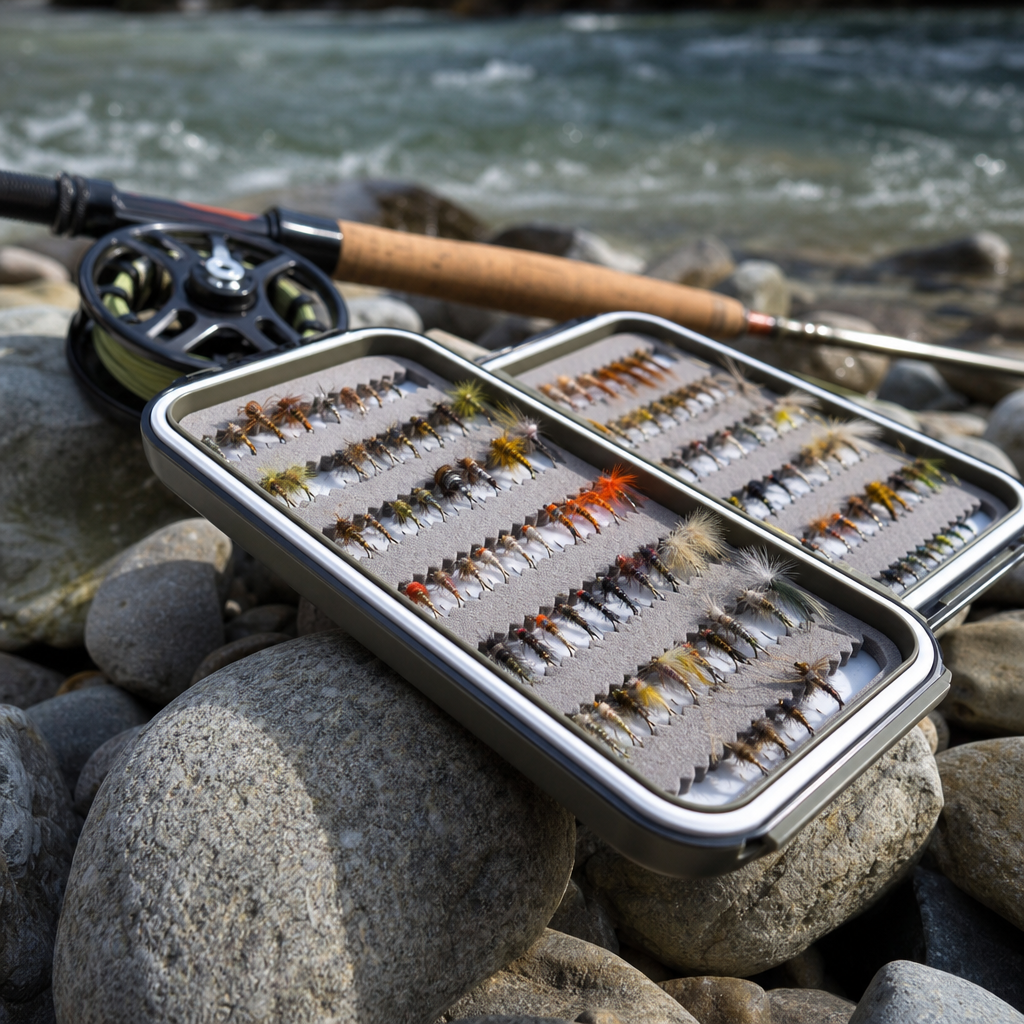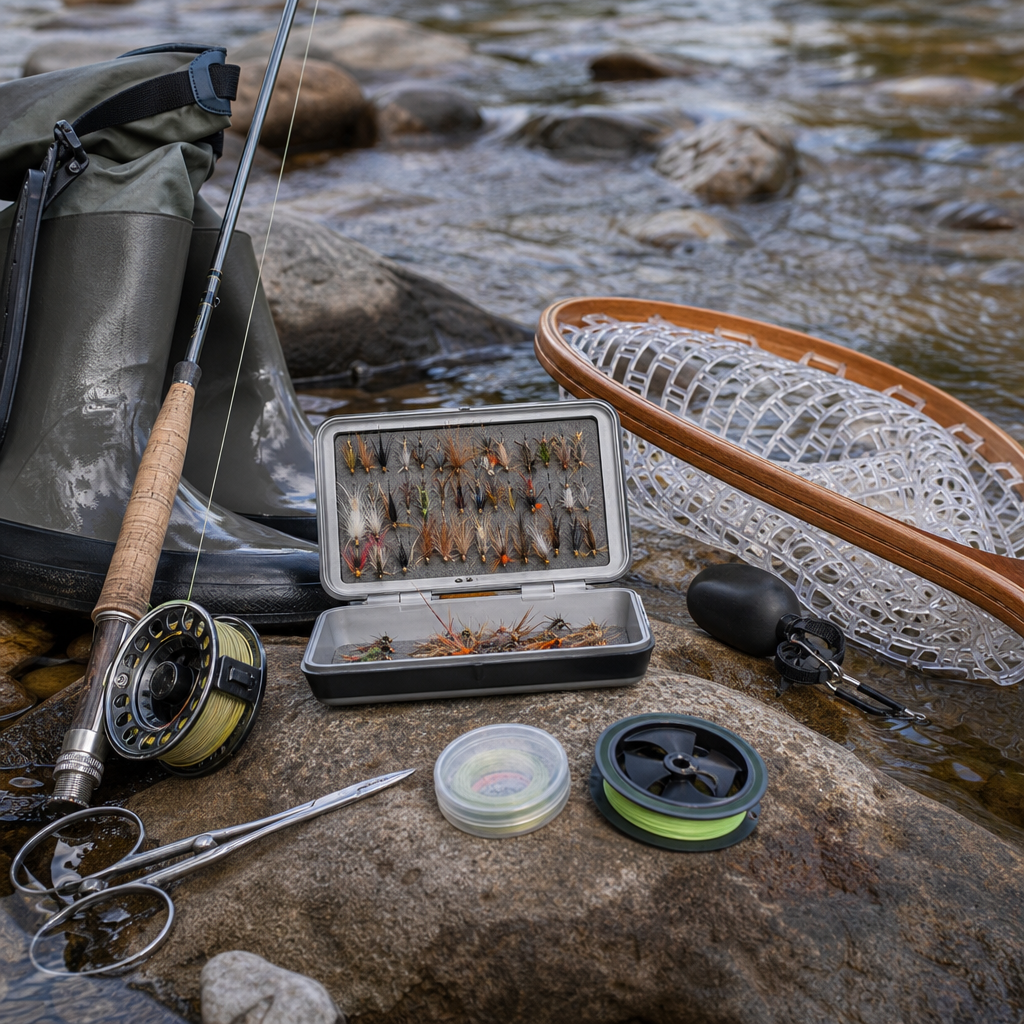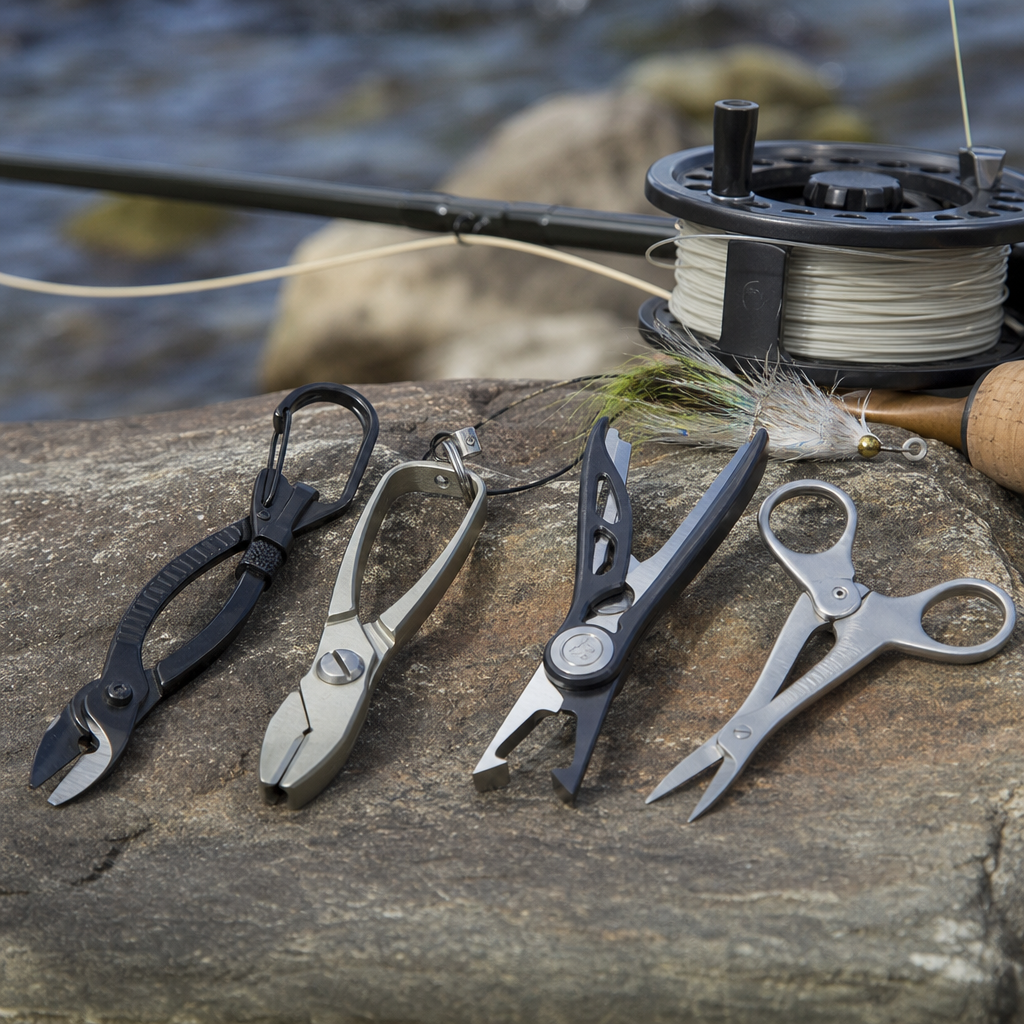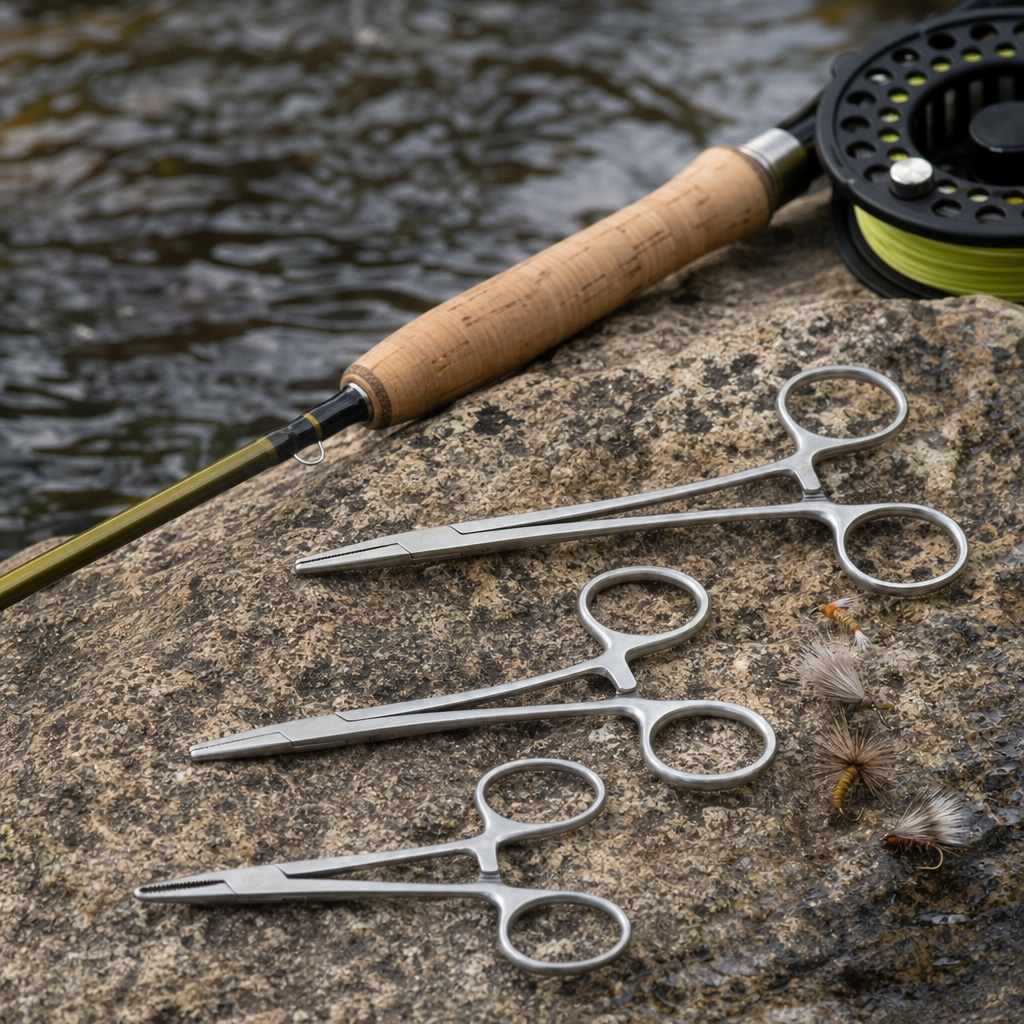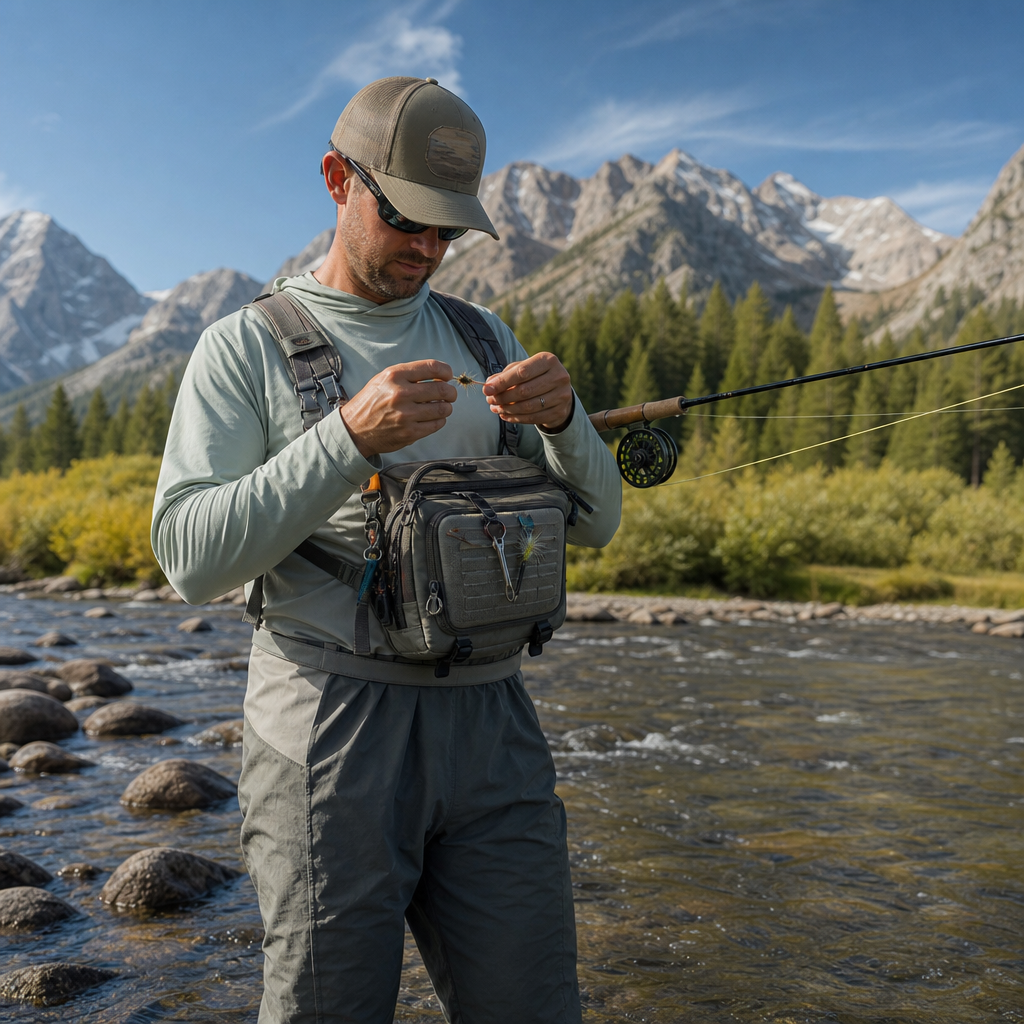
Finding the best fly fishing chest packs for 2025 starts with knowing what a chest pack is supposed to solve on the water: fast access, balanced carry, and enough organization to keep flies, tools, tippet, and indicators ready without dragging around a full vest or backpack. In practical terms, a chest pack is a compact front-mounted storage system worn high on the torso, usually with shoulder straps, a neck yoke, or integration points for a backpack or wader harness. Anglers choose chest packs because they keep essentials visible and reachable while wading, hiking short distances, or fishing from drift boats where repeated lure changes and rig adjustments matter.
This category has matured quickly. Ten years ago, many chest packs were little more than zip pouches with poor weight distribution. The best current models use structured panels, magnetic docking points, molded workstations, breathable harnesses, and modular attachment systems. That evolution matters because fly fishing accessories are heavier than they look. Two full fly boxes, fluorocarbon spools, split shot, floatant, hemostats, nippers, forceps, and a phone can easily push a pack past three pounds. Poor design turns that load into neck strain, wader interference, and constant fumbling. Good design makes the same kit feel invisible.
As a hub article for accessory reviews, this guide covers what separates a great chest pack from a mediocre one, which designs suit different fishing styles, and which 2025 models deserve shortlisting. It also helps readers navigate the broader accessory review landscape, because chest packs connect directly to other gear decisions: fly boxes, zingers, retractors, tippet holders, hydration systems, rain shells, and sling packs. If your goal is to build an efficient fly fishing setup, the chest pack is often the anchor piece. Choose the right one, and every accessory works better around it.
For 2025, the leading chest packs fall into a few clear groups: minimalist low-profile packs for technical trout water, mid-capacity all-around packs for day fishing, and modular chest systems that can pair with backpacks for longer missions. The models below stand out for layout, comfort, durability, and real on-water usability, not just feature lists. The best fly fishing chest packs are the ones you stop noticing while fishing and start appreciating every time you change flies, retie tippet, or land a fish in moving water.
What makes a fly fishing chest pack worth buying in 2025
A strong chest pack should do five things well. First, it must give one-handed access to core tools and at least one primary fly box. Second, it should ride securely without bouncing during wading or scrambling over rocks. Third, it needs enough structure that pockets open predictably instead of collapsing into each other. Fourth, it should manage accessories cleanly, with docking stations for nippers, forceps, zingers, and tippet. Fifth, it has to work with the rest of your kit, especially rain gear, a landing net, and either a lumbar pack or backpack.
Materials and construction matter more than many buyers expect. High-denier recycled nylon with TPU or PU coatings improves abrasion resistance and sheds spray, though few chest packs are truly waterproof unless they use welded seams and submersible zippers. YKK zippers remain the standard because failure points in fishing packs almost always show up at zipper tracks, not fabric panels. Foam-backed harnesses improve comfort, but the shape of the yoke and the position of sternum straps matter just as much. A pack can have premium fabric and still fish poorly if it rides too low or blocks your view when tying knots.
Organization is where premium packs justify their price. The best designs separate high-frequency tools from lower-use storage. That means forceps on an external dock, floatant in a side sleeve, tippet on a swing-out or bottom rail, and fly boxes in the main compartment. Internal stretch pockets are useful, but too many become dead space if they are shallow or badly placed. In testing and on guided days, I have seen anglers waste time digging through overbuilt interiors when a simpler compartment layout would have worked better. Utility beats novelty.
Comfort is especially important for anglers who fish long sessions. A chest pack concentrates weight forward, so balance is everything. Wider shoulder contact zones, rear stabilizer straps, and integration with hydration-compatible back panels reduce fatigue substantially. This is why some of the best chest packs now function as front modules in larger carrying systems. You get immediate front access for active fishing and rear storage for layers, lunch, or water without overloading the chest itself.
Top chest pack recommendations for different anglers
No single model is best for everyone. The right pick depends on how much gear you carry, how far you walk, and whether you fish tiny spring creeks, broad Western rivers, warmwater banks, or salt flats. The strongest 2025 choices come from brands with long track records in fly-fishing load carriage, especially Fishpond, Patagonia, Orvis, Simms, and Umpqua. Each approaches the category differently, which is useful because chest pack preferences are highly personal.
| Model | Best For | Key Strength | Main Tradeoff |
|---|---|---|---|
| Fishpond Cross-Current Chest Pack | All-around trout anglers | Balanced organization and comfort | Not the lightest minimalist option |
| Patagonia Stealth Work Station | Minimalist technical fishing | Low profile and excellent tool access | Limited capacity for larger day kits |
| Orvis Pro Chest Pack | Guides and heavy-gear users | Structured storage and smart workstation layout | Can feel bulky on small streams |
| Simms Headwaters Chest Pack | Mobile wading anglers | Stable harness and durable construction | Less modular than some rivals |
| Umpqua NorthFork Chest Pack | Value-conscious buyers | Practical layout at a lower price | Fewer premium materials and refinements |
The Fishpond Cross-Current Chest Pack is the most versatile choice for many anglers. Fishpond has consistently understood accessory placement, and this model typically nails the details that matter: smooth-opening compartments, practical hemostat docks, enough room for multiple fly boxes, and harness geometry that does not shift while wading. It is a strong recommendation for anglers who want one chest pack to cover dry-fly days, nymphing sessions, and moderate streamer fishing without feeling underbuilt.
The Patagonia Stealth Work Station suits anglers who prioritize freedom of movement. Its low-profile design excels on technical rivers where repeated casting, kneeling, and close visual line management matter. Patagonia’s fishing accessories tend to emphasize stripped-down function over oversized capacity, and that works here. If you carry just a few boxes, one or two tippet sizes, and a tight toolkit, this style keeps your chest clear and your hands efficient. It is especially appealing for small-stream trout anglers and anyone who dislikes bulk.
The Orvis Pro Chest Pack is often the better pick for anglers who carry more specialized gear. On guided trout rivers, where indicators, split shot, dry-dropper components, and several fly categories all need dedicated space, the extra structure helps. Orvis usually integrates attachment points thoughtfully, and their higher-end packs tend to have a more “workbench” feel once opened. That can be an advantage for anglers who rerig often and want every item to have a defined place.
The Simms Headwaters Chest Pack focuses on durability and movement. Simms has long built packs for hard use around waders, boats, and abrasive environments, and their better chest systems usually show that heritage in fabric choice and harness stability. This kind of pack suits anglers who cover ground, climb banks, and fish in rough weather. The layout may feel less modular than Fishpond’s ecosystem, but many anglers would trade some customization for a secure, rugged fit.
Umpqua remains a smart brand to watch for practical, no-nonsense chest storage. Their accessory DNA comes from fly organization, and that often shows in box compatibility and interior usability. For newer anglers building an accessory system under a tighter budget, a well-priced Umpqua chest pack can outperform flashier options that look technical but fish awkwardly. Value is not just lower cost; it is paying for features you will actually use.
How to match pack size, layout, and harness design to your fishing style
If you mainly fish half-day trout sessions, a compact pack in the three- to five-liter range is usually enough. That carries two slim boxes, leaders, tippet, indicators, floatant, forceps, and a phone. Once you start carrying streamers, extra reels, camera gear, or food, the load changes fast. At that point, many anglers are better served by a chest pack paired with rear storage rather than simply buying the largest front pack available. Overloading the chest compromises posture, line control, and visibility.
River type matters. On small streams with lots of brush and frequent crouching, low profile wins. You do not want a deep pack snagging branches or blocking your line of sight while tying 6X tippet. On large freestone rivers, where weather shifts and fly changes are constant, a larger chest pack with a fold-down workstation becomes more useful. On stillwaters, some anglers prefer chest packs because they stay accessible when seated in a float tube or pontoon, though waterproofing becomes more important around repeated splash exposure.
Harness design is the most overlooked factor in chest pack reviews. Neck-heavy rigs become miserable within an hour. Look for shoulder-led suspension with an adjustable sternum strap and a rear anchor point that keeps the front panel high without choking the neck. Breathable mesh helps in warm climates, but shape matters more than ventilation alone. A great harness spreads load across the upper torso and resists sway when you step into current or lean to net a fish.
Modularity is another buying checkpoint. Some anglers run a chest pack only. Others connect it to a backpack for long hikes, or clip it onto a compatible wader suspender system. If you fish varied conditions, modularity gives you more use cases from one purchase. I generally advise anglers to favor packs that can scale up or down, because fishing days rarely stay identical. A chest pack that works on a two-hour evening hatch and an all-day float trip delivers better long-term value.
Accessory compatibility and the wider role of chest packs in gear planning
As the hub for accessory reviews, this page should help readers see chest packs as part of a system rather than an isolated purchase. A chest pack influences what fly boxes fit best, where you clip retractors, whether your nippers hang cleanly, and how your net attaches at the back. It also affects how easily you can layer a waterproof shell over your setup. A pack that seems perfect indoors can become frustrating if its tool docks interfere with jacket zippers or if its depth pushes your stripping basket or boat seat awkwardly.
Fly box compatibility is the first practical issue. Many modern chest packs are optimized for slimmer boxes from brands like Umpqua, Tacky, Fishpond, and Fulling Mill. If you still carry thick foam boxes or large streamer boxes, confirm dimensions before buying. Tippet management is next. Packs with integrated rails or docking points save time, but the rail should not let spools slap your waders or tangle in loose line. The best systems keep tippet available yet controlled.
Tool placement should reflect frequency of use. Nippers and forceps belong outside, reachable with either hand. Floatant can live in a side pocket if the opening is easy to hit by feel. Indicators, split shot, and leaders should sit near the top of the main compartment or in a front admin panel. Phones deserve better protection than most anglers give them; even in “water-resistant” packs, I still recommend a sealed pouch. Water resistance is helpful, but one deep wade can defeat assumptions fast.
Chest packs also fit into a larger accessory review strategy because they interact with carrying alternatives. Sling packs shine for bigger loads and all-day comfort, but they are slower for constant fly changes. Hip packs carry weight well, yet they can interfere with deep wading or drift behind you when you need immediate access. Traditional vests still work, especially for anglers with lots of small items, but they run hotter and often distribute weight less efficiently than modern harness-based systems. The chest pack remains the best middle ground for anglers who want immediate access without a full garment.
Buying tips, maintenance, and the smartest way to choose
When comparing the best fly fishing chest packs for 2025, start by laying out the gear you actually carry on a normal day, not the gear you imagine carrying once a year. Count your fly boxes, tippet spools, tools, and small accessories. Then test whether you need external workstation features or just clean storage. Many buyers overestimate capacity needs and underestimate comfort needs. In long-term use, a lighter, simpler chest pack often fishes better than a feature-rich model packed to the limit.
Try to evaluate packs while wearing your waders or layering system. Strap geometry changes once bulk clothing is involved. Check whether the bottom edge of the pack hits your upper abdomen while seated or crouched. Open zippers with cold hands. Clip and unclip forceps one-handed. These small motions decide whether a chest pack becomes a trusted piece of gear or a thing you tolerate. If a pack feels awkward in a shop, it will feel worse in current.
Maintenance is straightforward but important. Rinse mud, sand, and salt after use, especially around zipper tracks and magnets. Let packs dry fully before storage to prevent odor and coating degradation. Inspect stitching at high-stress attachment points, especially where nets, retractors, or loaded zingers pull downward. If a brand offers replaceable straps, buckle kits, or repair support, that adds meaningful value. Fishing packs live hard lives, and serviceability is worth paying for.
The bottom line is simple: the best chest pack is the one that matches your fishing style, carries only what you need, and keeps those essentials instantly accessible. For most anglers, Fishpond, Patagonia, Orvis, Simms, and Umpqua offer the most dependable starting points in 2025. From there, focus on fit, layout, and compatibility with your broader accessory system. If you are building out your fly fishing setup under the Product Reviews and Recommendations umbrella, use this chest pack guide as your starting hub, then compare fly boxes, tools, and carry systems with the same level of scrutiny. Better organization on the water leads directly to better fishing decisions. Choose carefully, fish lighter, and make your next accessory upgrade count.
Frequently Asked Questions
What should I look for when choosing one of the best fly fishing chest packs for 2025?
The best fly fishing chest packs for 2025 should solve three core problems on the water: access, balance, and organization. A good chest pack keeps your most-used items directly in front of you so you can swap flies, grab tippet, clip forceps, or add an indicator without digging through a backpack or overloading a traditional vest. Start by looking at overall capacity. If you usually carry a few fly boxes, floatant, nippers, tippet spools, hemostats, and split shot, a compact to mid-size chest pack is often ideal. If you fish bigger rivers, carry multiple fly box styles, or like to keep a camera, snacks, and layered accessories close at hand, you may want a larger model with expandable storage.
Fit and comfort are just as important as storage. The best chest packs ride high and secure on the torso without bouncing when you hike, wade, or scramble along banks. Look for adjustable shoulder straps, breathable back panels, and stable harness systems that distribute weight evenly instead of concentrating pressure on the neck. Materials matter too. Water-resistant fabrics, corrosion-resistant zippers, reinforced attachment points, and durable stitching all help a pack hold up through repeated exposure to moisture, mud, and abrasion. Finally, pay attention to organization details: zippered compartments, fold-down workstations, docking stations for foam fly patches, integrated tippet bars, tool retractor loops, and smart attachment points for net carry or hydration compatibility. The best choice is the one that matches your fishing style, not simply the one with the most pockets.
Are chest packs better than fly fishing vests or sling packs?
Chest packs are not automatically better than vests or sling packs, but they are often better for anglers who want fast front access and a more streamlined loadout. A chest pack places your essential gear where you can see and reach it immediately, which can make a big difference when conditions are changing quickly or when you are waist-deep in current and do not want to twist around to access gear. Compared with a vest, a chest pack usually feels less bulky and can be more comfortable in warm weather because it covers less of your torso. Compared with a sling pack, it reduces the need to swing a bag around your body every time you need a fly box or tool.
That said, there are tradeoffs. Vests often provide the most total storage and distribute gear across many pockets, which some anglers still prefer for all-day variety and tradition. Sling packs can carry more bulkier items and may be better for anglers who want one medium-size bag for both fishing and light hiking. Chest packs shine when minimalism and efficiency are the priorities. They are especially useful for wade fishing, small-stream fishing, technical nymphing, and situations where constant access to flies, tippet, and tools matters more than carrying extra layers or lunch on your chest. For many anglers in 2025, the sweet spot is a modular setup: a chest pack up front for immediate-use gear and a backpack or rear storage option for larger items.
How much gear can a fly fishing chest pack realistically hold?
Most fly fishing chest packs can comfortably hold the essentials for a focused day on the water, but “realistic capacity” depends on how disciplined you are about what belongs in front storage. In practical use, a well-designed chest pack can typically carry several fly boxes, one or two spools or a bar of tippet, floatant, indicators, split shot, nippers, forceps, extra leaders, and small accessories like strike putty or a hook hone. Many also include external docking areas for zingers, line clippers, and hemostats, which frees up interior room. Some larger chest packs can also accommodate a compact phone pouch, a small camera, or a lightweight rain shell stuffed into an outer compartment.
What a chest pack is not meant to do is replace a full daypack for every kind of trip. If you need extra water, multiple large streamer boxes, spare reels, gloves, lunch, or cold-weather layers, you will probably be happier pairing a chest pack with a backpack or choosing a hybrid system designed to integrate both front and rear storage. One common mistake is overpacking a chest pack until it becomes heavy, rides low, and interferes with casting or visibility when tying knots. The best chest pack setups stay intentional: keep high-frequency items in the front, keep bulkier backup gear elsewhere, and preserve the reason chest packs work so well in the first place—quick, organized access without unnecessary weight.
Are fly fishing chest packs comfortable for all-day wear and wading?
Yes, a well-designed fly fishing chest pack can be very comfortable for all-day wear, but comfort depends heavily on fit, pack size, and how you load it. The main advantage of a chest pack is that it centralizes your core tools and fly storage in a stable, easy-to-reach area. When the harness is adjusted properly and the pack is not overloaded, it can feel more balanced and less fatiguing than a vest stuffed with gear or a sling pack that shifts from side to side. For wading, especially in moving water, many anglers appreciate how a chest pack keeps gear secure and accessible without forcing them to twist around or open side compartments while standing in current.
To maximize comfort, look for padded or contoured straps, a breathable harness, and a shape that sits high enough on the chest to avoid interfering with stripping line or your view of your feet in uneven terrain. A lower-quality or overstuffed chest pack can bounce while walking, feel top-heavy, or press awkwardly against your upper body when bending forward. This is why adjustability matters so much. The best chest packs for 2025 often include refined harness systems, low-profile designs, and compatibility with waders or rain shells so they stay stable across seasons. If you fish long sessions, hike into spots, or spend a lot of time climbing banks, prioritize a model that balances weight evenly and offers just enough storage rather than the biggest pack available.
Do I need a waterproof chest pack, or is water-resistant enough?
For most fly fishing situations, water-resistant is enough, but whether you need a fully waterproof chest pack depends on where and how you fish. Water-resistant chest packs are typically built from coated fabrics and feature splash-resistant zippers or treated materials that handle rain, spray, wet hands, and occasional dunking well enough for general use. For trout streams, moderate river wading, and everyday fly fishing, this level of protection is usually sufficient—especially if you keep sensitive items like phones, keys, or paper licenses in an internal zip pouch or separate waterproof sleeve.
A fully waterproof chest pack becomes more valuable if you fish in heavy rain, deep wading scenarios, float trips, saltwater environments, or any condition where submersion is a real possibility. Waterproof models can protect electronics and critical gear better, but they often come with tradeoffs such as stiffer materials, higher cost, and sometimes fewer quick-access features. Many anglers find that a smart middle ground works best: choose a durable, highly water-resistant chest pack with dependable zippers and drainage where appropriate, then use small waterproof inserts for valuables. In 2025, the best chest packs are less about being absolutely watertight in every situation and more about matching protection level to real fishing conditions while preserving comfort, accessibility, and efficient organization.