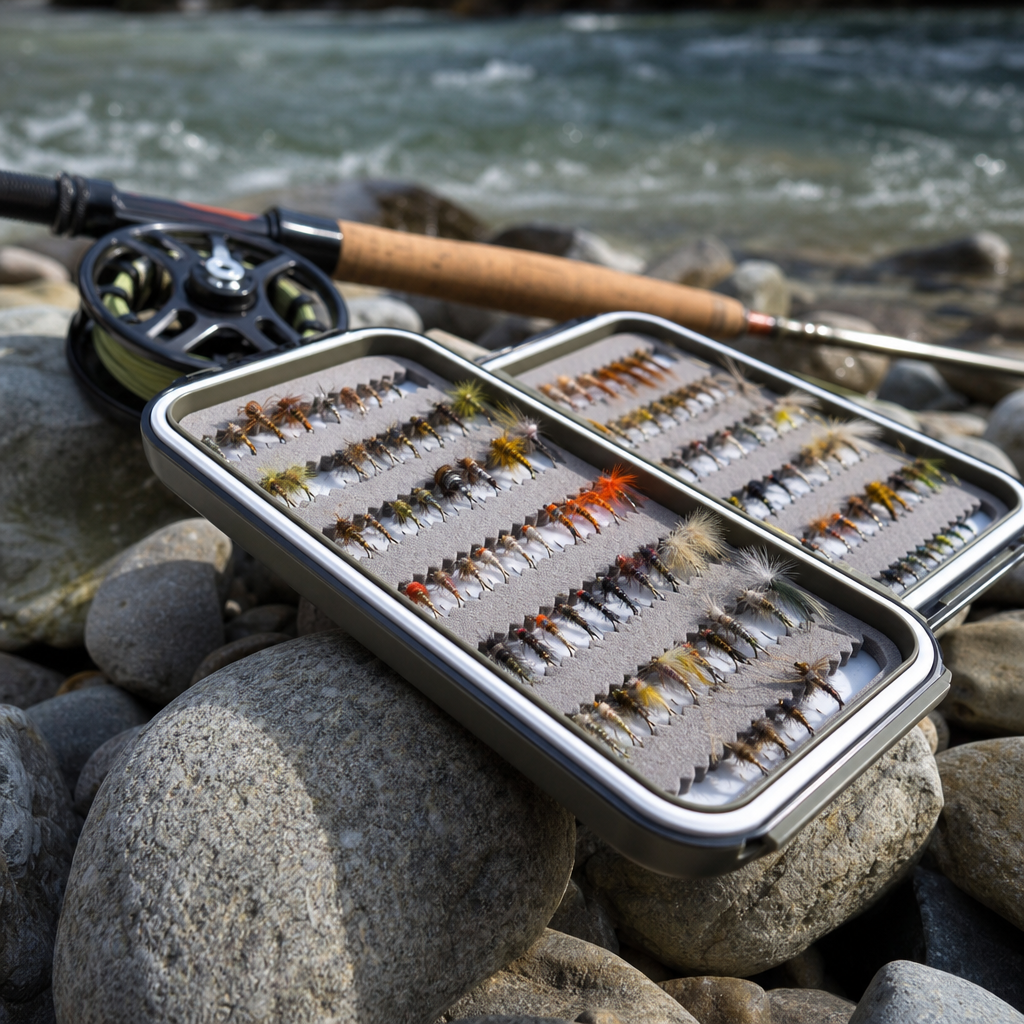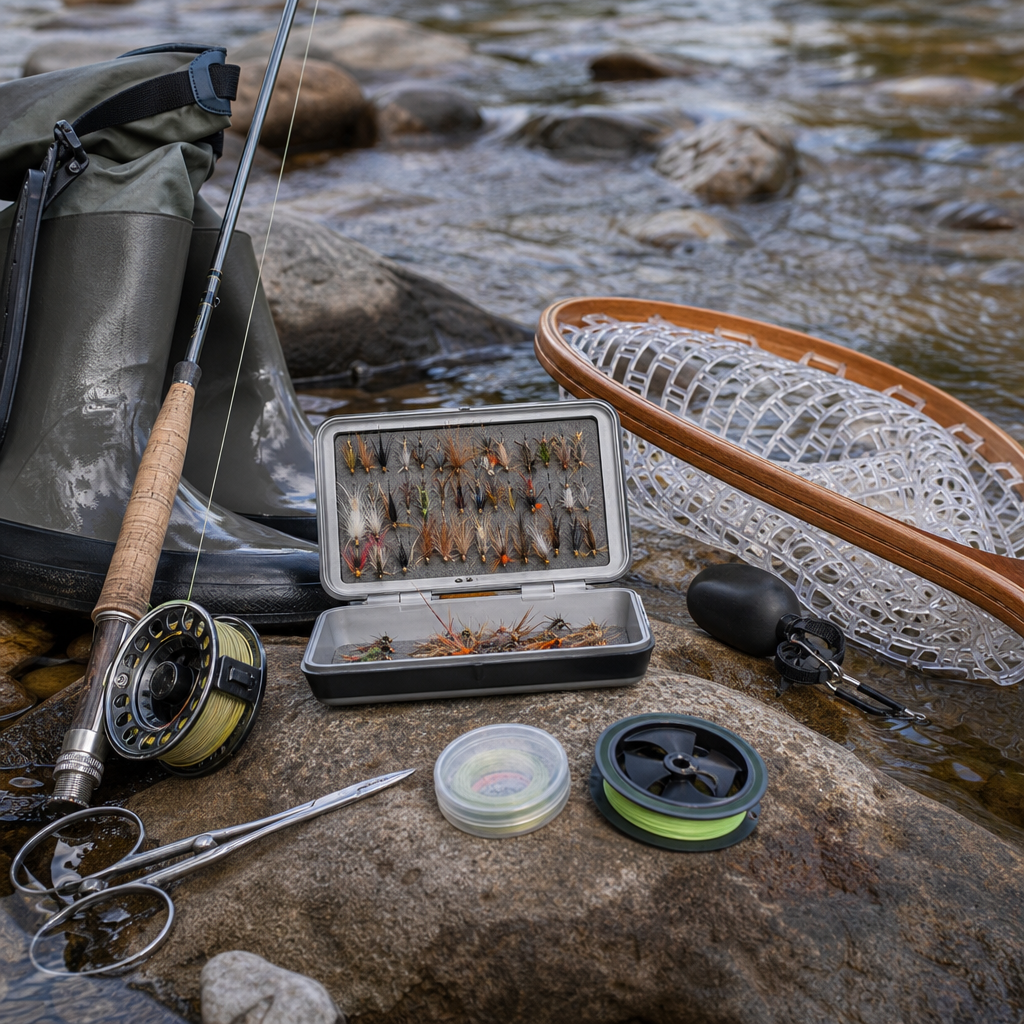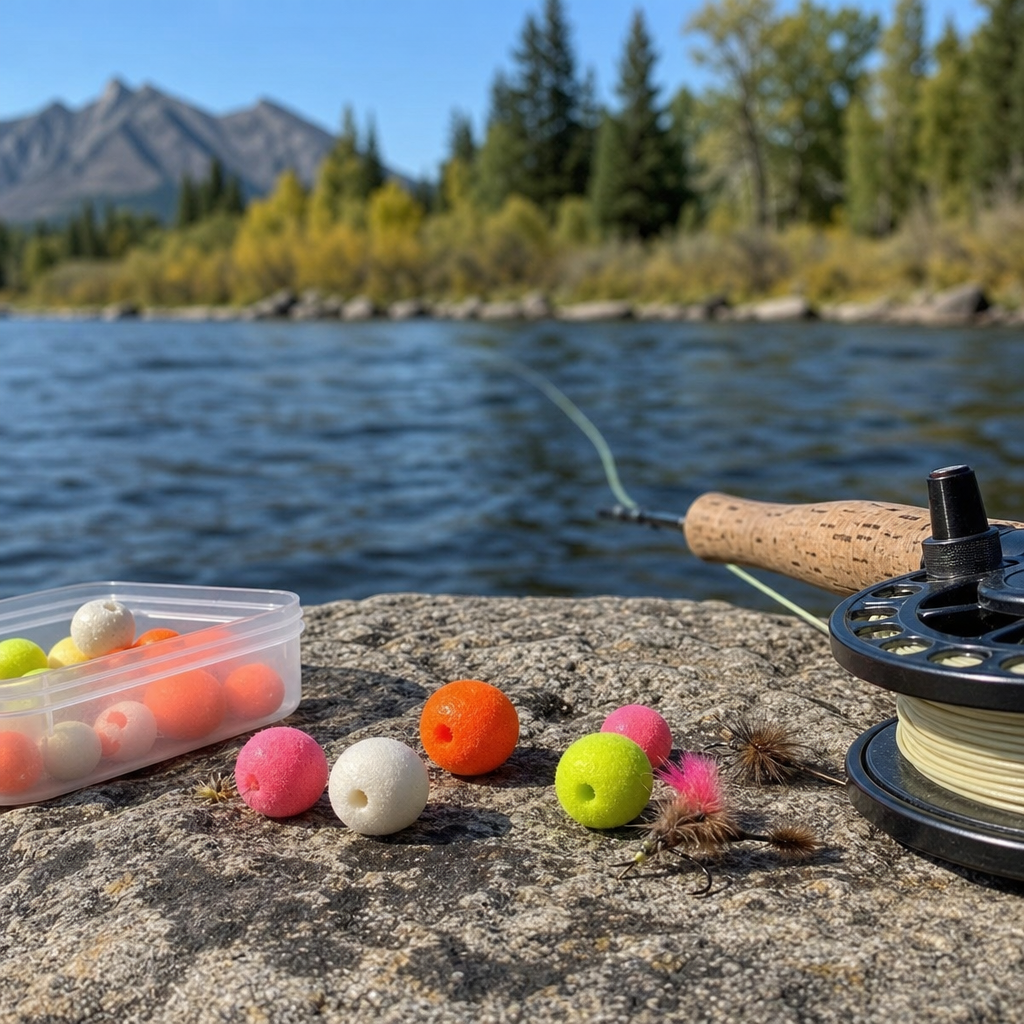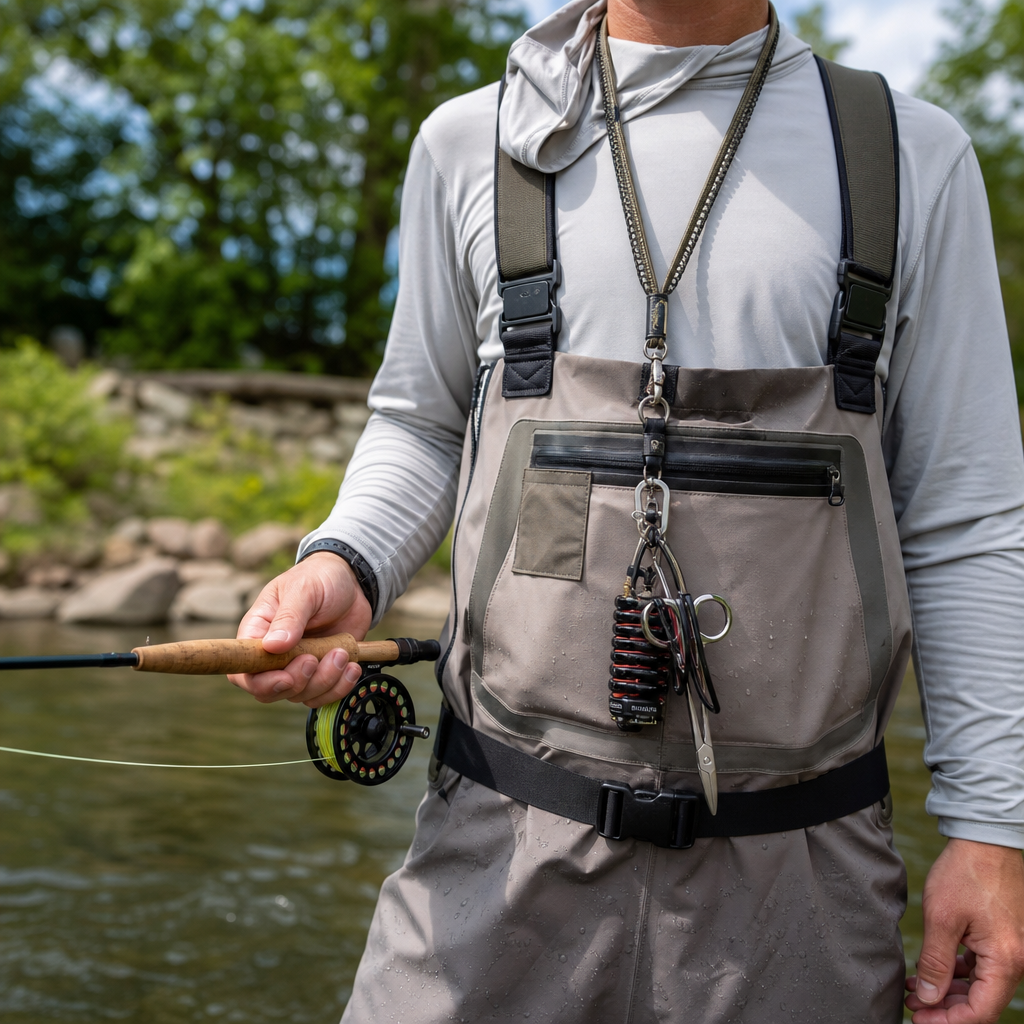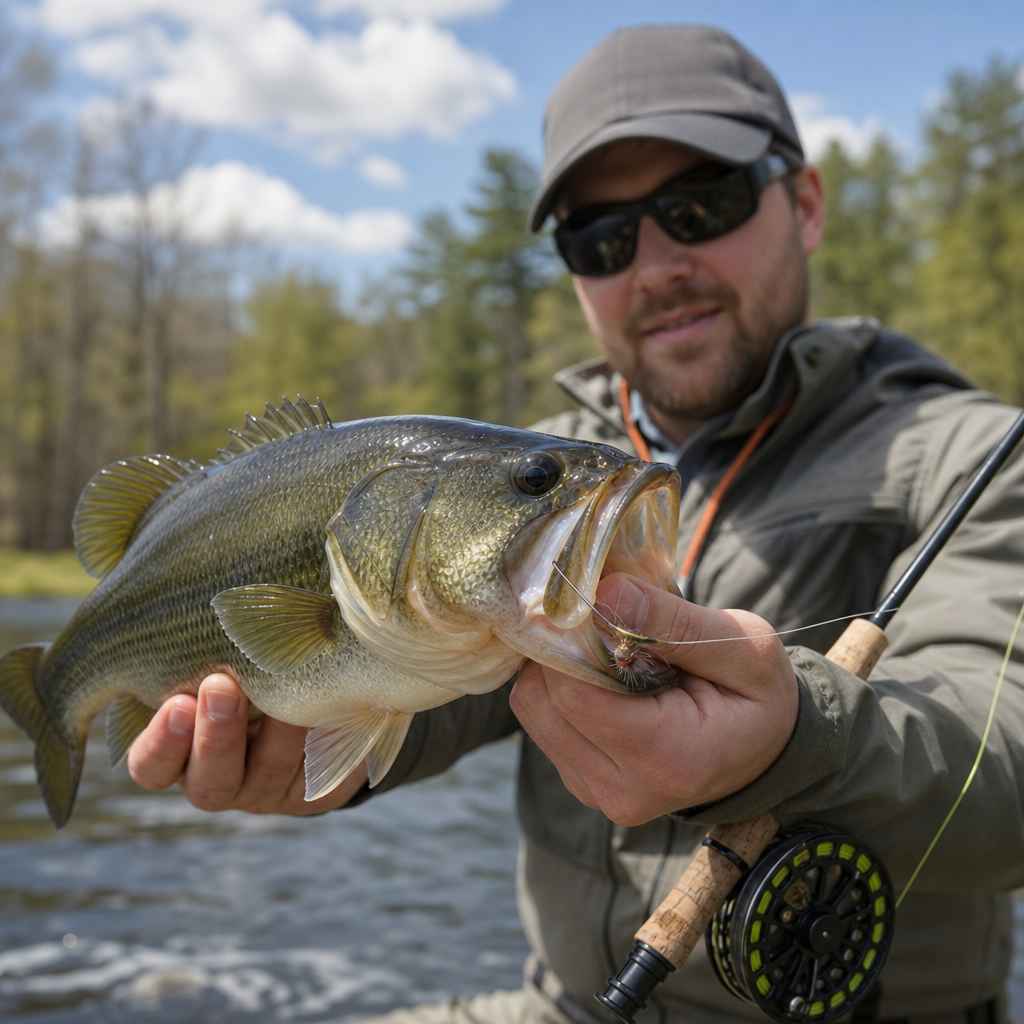
Choosing the best fly fishing rods for bass fishing starts with understanding that bass are not just larger trout. They live around weeds, timber, docks, and lily pads, and they routinely eat bulky flies that push air, move water, and challenge underpowered tackle. A bass fly rod must cast heavy deer-hair bugs, weighted streamers, and articulated baitfish patterns accurately at short to medium range. It also needs lifting power for turning fish away from cover. After years of testing rods on farm ponds, reservoirs, and slow rivers, I have found that the right rod makes the difference between dropping a popper beside a stump and wearing it in your shoulder all afternoon.
In practical terms, a bass fly rod is usually faster, stronger, and slightly more specialized than an all-purpose trout rod. Key terms matter here. Rod weight refers to the line size the rod is designed to cast, not the rod’s physical mass. Action describes where the rod bends and how quickly it recovers; fast-action rods flex more in the upper section and generate high line speed, while moderate rods bend deeper and often feel more forgiving. Length affects line control, casting leverage, and close-quarters accuracy. Material, almost always graphite in modern premium rods, influences recovery speed, durability, and sensitivity. These definitions are basic, but they frame every serious gear decision in bass fly fishing.
This topic matters because bass are the entry point for many warmwater fly anglers and a long-term obsession for experienced ones. Largemouth and smallmouth are widely available across North America, willing to eat topwater flies, and powerful enough to expose weaknesses in equipment quickly. Many anglers search for one rod that can throw divers at dawn, Clouser Minnows at noon, and a rabbit-strip leech at dusk. Others want a dedicated setup for kayak fishing, boat fishing, or bank fishing. As the hub for gear reviews in this category, this guide explains what to buy, why it works, and how different rods fit different bass scenarios so you can build a system instead of making a random purchase.
The short answer is this: for most anglers, the best fly fishing rod for bass fishing is a 9-foot 7-weight fast-action graphite rod. That setup balances power, casting ease, and versatility better than anything else. A 6-weight can handle smaller bugs and average smallmouth. An 8-weight shines when cover is thick, wind is steady, and flies are oversized. Specialty bass tapers and compact-head fly lines can improve performance further. Still, the rod is the foundation, and choosing wisely means matching rod weight, action, length, and build quality to the flies, fish size, and water you actually fish.
What Makes a Great Bass Fly Rod
The best bass fly rods do three things exceptionally well: they pick up line quickly, carry wind-resistant flies without collapsing, and deliver accurate casts in the 20- to 60-foot range where most bass fishing happens. Unlike trout presentations that may depend on subtle drifts at distance, bass shots are often visual and immediate. You see a bank pocket, dock edge, or weed lane and need the fly there now. That favors rods with crisp recovery and enough butt strength to drive tight loops with large patterns. A rod that feels wonderful with a size 16 dry fly can feel overwhelmed by a foam popper the size of your thumb.
Power alone is not enough. The best rods for bass also load efficiently at short range. Many manufacturers build premium fast-action rods that come alive at 50 feet, but bass anglers often fish inside 40. That is why true bass tools have strong lower sections paired with tips that engage quickly. Models such as the Sage Payload, Scott Sector series crossover options, and TFO Axiom II-X have earned attention because they combine line speed with practical short-game load. In my testing, the rods that stay useful all day are not necessarily the stiffest ones; they are the ones that cast a compact bass bug taper cleanly with one backcast from a sitting position in a kayak or from under overhanging trees.
Durability matters more than many buyers realize. Bass fishing is rough on gear. Rods get laid across casting decks, shoved into truck beds, leaned against riprap, and asked to horse fish from pads. High-modulus graphite delivers excellent recovery, but design and resin systems determine whether that performance holds up over seasons of hard use. Reputable brands back their rods with solid warranties and maintain repair pipelines. That support is part of value. A bargain rod that cannot be repaired quickly during prime season can cost more in missed time than a premium rod bought once and fished for years.
Best Rod Weights for Largemouth and Smallmouth Bass
If you want one answer to the question of best fly rod weight for bass, choose a 7-weight. It covers the broadest range of bass tactics without excessive fatigue. A quality 7-weight throws size 2 to 2/0 streamers, deer-hair poppers, and medium divers effectively, yet it still protects tippets and keeps average fish fun. For pond largemouth, river smallmouth, and mixed warmwater trips, a 7-weight is the clear center of the market because it solves more problems than it creates.
A 6-weight is the light end of practical bass specialization. It works well for smallmouth in moving water, clear lakes where smaller baitfish flies dominate, and anglers who cross over into trout, panfish, or light warmwater work. If your flies are mostly Clouser Minnows, Woolly Buggers, and smaller surface bugs, a 6-weight can be excellent. The tradeoff appears in wind and fly size. Once you start casting large spun-deer-hair bugs or heavily weighted patterns, many 6-weights feel overmatched, especially late in the day when your timing slips.
An 8-weight is the power option and often the best tool for serious largemouth fishing. It handles big frog patterns, hollow-body style bass bugs, weed guards, sinking lines, and hard hooksets into heavy cover. It also manages strong wind better than lighter rods. The downside is reduced finesse and increased fatigue for anglers who fish long hours or prefer smaller flies. Some anglers default to 8-weights because bass are strong, but strength alone is not the point; presentation efficiency is. If your water is mostly sparse cover and open banks, an 8-weight can be more rod than you need.
| Rod Weight | Best Use | Fly Size Range | Main Advantage | Main Limitation |
|---|---|---|---|---|
| 6-weight | Smallmouth rivers, light pond fishing | Size 6 to 2 | Lighter feel and better finesse | Struggles with wind and bulky bugs |
| 7-weight | All-around bass fishing | Size 4 to 1/0 | Best balance of power and versatility | Not ideal for the very biggest flies |
| 8-weight | Heavy cover, large largemouth flies, sinking lines | Size 2 to 3/0 | Excellent lifting power and wind performance | Heavier in hand and less delicate |
Action, Length, and Line Pairing That Actually Work
Fast action is the default recommendation for bass fly rods, and in most cases that is correct. Fast rods generate the line speed needed to turn over large flies and punch into wind. They also lift sinking lines more effectively and recover quickly for repeated target casting. However, fast action should not be confused with broomstick stiffness. The best bass rods have enough tip responsiveness to load at close range. Rods marketed for saltwater often have the power bass anglers want, but some are less pleasant for short accurate work unless matched carefully with the right line.
The standard length is 9 feet, and that remains the best choice for most bass applications. A 9-foot rod offers strong line control, good mending ability when fishing rivers for smallmouth, and enough leverage to steer fish around cover. Shorter rods can be useful in brushy creeks or compact kayaks, but they give up versatility. Longer rods, such as 9 feet 6 inches, can help with line lifting and boat-side control, yet they are less common in mainstream bass fly setups and can feel cumbersome for all-day casting of big bugs.
Line pairing is where many rod reviews fail anglers. A rod cannot be judged in isolation because bass performance depends heavily on head design. A specialized bass bug taper with a short aggressive front section can make a moderate-fast 7-weight feel transformed. Scientific Anglers Mastery Bass Bug, Rio Elite Warmwater Predator, and Airflo Bass Musky are proven examples. In many cases, overlining by half to a full line size improves short-range loading, especially with fast rods. I have seen average casters struggle with a premium rod using a standard weight-forward floating line, then cast confidently the moment a compact warmwater taper was installed. If you are building a reliable setup, treat rod and line as a matched system.
Top Fly Rod Categories and Standout Recommendations
For premium buyers, standout bass-capable rods typically come from brands with strong saltwater and streamer pedigrees. The Sage Payload has become a reference point because it was designed specifically for large flies and heavy lines. It loads deeply enough to feel accessible but keeps enough backbone to move real air. G. Loomis NRX+ Saltwater models in lighter sizes also cross over well for anglers who prioritize recovery speed and tracking. Orvis Helios rods, especially in 7- and 8-weight configurations, offer a combination of low swing weight and high accuracy that is valuable when you are making repetitive shots at shoreline targets. These rods are expensive, but they justify their price through refined blank design, consistency, and excellent component quality.
In the mid-price range, several rods deliver outstanding value and are often the smartest recommendation for most anglers. TFO has built a strong reputation in bass and streamer circles because models like the Axiom II-X and Blue Ribbon series provide practical fishability without boutique pricing. Echo’s Bass and streamer-oriented rods deserve attention for their straightforward power and sensible tapers. Redington’s Predator series has long been a favorite among warmwater anglers who need a rod that will cast ugly flies in ugly weather without complaint. These rods may lack some of the polish, weight savings, or recovery refinement of top-tier sticks, but they are legitimate fishing tools, not compromises disguised as savings.
Budget options can also work if expectations are realistic. A bass angler does not need a flagship rod to catch fish consistently. What matters is whether the rod handles the line and flies you intend to cast. Entry-level rods from Fenwick, Redington, and TFO often provide enough backbone for occasional bass fishing, especially when paired with a purpose-built line. Where budget rods usually fall short is recovery speed, component longevity, and overall refinement under heavier loads. They can bounce more after the stop, track less precisely, and feel heavier over a full day. For beginners, though, a sensible budget setup is far better than postponing time on the water while chasing ideal gear.
How to Match Rods to Real Bass Fishing Scenarios
Largemouth in shallow cover demand a different rod behavior than smallmouth in current. For largemouth around pads, laydowns, docks, and grass lines, prioritize lifting power and turnover. A 7- or 8-weight fast-action rod with a floating bass bug line is usually right. This setup throws frogs, divers, and sliders accurately into openings and helps pull fish away from structure immediately after the eat. If you fish from a bass boat, where long backcasts are often available, a stouter rod becomes even more useful. If you fish from a kayak, where casting angles are restricted, pick a rod that loads quickly with minimal line out.
Smallmouth fishing is often more varied. In rivers, you may dead-drift crawfish patterns, swing baitfish flies through current seams, or pop foam bugs over shoals. Here a 6- or 7-weight is ideal depending on fly size and wind. Many river smallmouth anglers prefer a rod with a slightly less aggressive feel than a dedicated largemouth stick because they cast more mixed techniques during a day. A rod that can mend, roll cast, and still fire a streamer under a sycamore branch has real value. For lake smallmouth, especially on windy points and rocky banks, the equation shifts back toward a crisp 7-weight with strong line speed.
Season also changes rod choice. In spring, prespawn and spawn patterns often involve larger streamers and shallow presentations around visible cover, favoring the 7- or 8-weight. In summer, topwater bugs dominate early and late, while midday fishing may require weighted patterns along deeper edges. In fall, baitfish imitations can get larger as bass key on shad and perch, and wind becomes a bigger factor on open water. Rather than owning many rods immediately, most anglers are best served by one excellent 7-weight and a second spool with an intermediate or sink-tip line. That combination covers more seasonal variation than buying multiple mediocre rods.
Buying Advice, Common Mistakes, and Building Your Gear Review Shortlist
The most common mistake in buying a bass fly rod is choosing by brand prestige alone. A premium logo does not guarantee the rod fits your casting stroke, your water, or your fly sizes. The second mistake is underestimating the importance of line selection. The third is buying too light because a lighter rod feels pleasant in the shop. On the water, pleasant disappears quickly when a soft rod cannot turn over a deer-hair bug into a crosswind. Whenever possible, cast rods with the actual line and flies you plan to use. If that is not possible, read reviews from anglers who specifically discuss bass bugs, warmwater lines, and short-range casting performance.
When creating a shortlist, evaluate rods through five filters: intended fly size, average casting distance, cover density, wind frequency, and budget. If your flies are mostly topwater bugs and unweighted baitfish, a 7-weight remains the safest starting point. If you routinely fish heavy cover or throw large articulated patterns, move to an 8-weight. If your fishing centers on river smallmouth with mixed presentations, consider a versatile 6- or 7-weight with a less extreme taper. Pay attention to handle shape, stripping guide quality, reel seat security, and warranty turnaround. Those details are not glamorous, but they matter after a hundred days on the water.
The best fly fishing rods for bass fishing are the rods that make your most common cast easier, not the rods that impress in a parking lot demo. For most anglers, that means a 9-foot 7-weight fast-action graphite rod matched with a true bass bug line from a reputable brand. From there, refine based on species, cover, and fly size. If you are building out your product reviews and recommendations research, start with that baseline, compare premium, mid-range, and budget options honestly, and invest where performance changes outcomes. Pick the rod that fits your bass fishing reality, then fish it hard enough to know exactly why it works.
Frequently Asked Questions
What fly rod weight is best for bass fishing?
For most anglers, a 7-weight or 8-weight fly rod is the sweet spot for bass fishing. These rod weights have enough backbone to cast the larger, wind-resistant flies that bass commonly eat, including deer-hair poppers, foam bugs, weighted streamers, and articulated baitfish patterns. They also provide the lifting power needed to steer fish away from weeds, dock posts, submerged timber, and other heavy cover where bass tend to live. While a lighter 6-weight can work for smaller bass and less demanding presentations, it often feels underpowered when you start throwing bulky flies or fishing in wind. On the other end, a 9-weight can make sense if you regularly target big largemouth in thick cover, throw oversized flies, or fish for hybrid applications where stronger tackle is an advantage.
In practical terms, a 7-weight is an excellent all-around choice if you want versatility. It handles medium-sized topwater bugs and streamers well, remains pleasant to cast all day, and is often ideal for smallmouth in rivers and lakes. An 8-weight is usually the better choice if your focus is largemouth bass, especially around heavy vegetation or when using bigger flies that create a lot of air resistance. The best rod weight ultimately depends on the size of the flies you throw most often, the amount of cover you fish around, and how much wind you typically face. If you want one bass-specific fly rod to do nearly everything well, most experienced anglers would point you toward an 8-weight.
Why are bass fly rods different from trout fly rods?
Bass fly rods are built for a very different job than trout rods. Trout rods are often designed around delicate presentation, lighter tippets, smaller flies, and longer casts with more finesse. Bass rods, by contrast, need to move heavier fly lines, launch larger and more wind-resistant patterns, and generate quick power at short to medium distances. That matters because bass fishing is usually about making accurate casts to targets such as weed edges, laydowns, docks, lily pads, and shoreline pockets rather than delivering tiny flies softly to selective fish in clear current.
The action and power profile of a bass rod are typically more aggressive. Many of the best bass fly rods have a fast action with a strong butt section, which helps load quickly, punch bulky flies into the wind, and control fish immediately after the eat. That immediate control is important because bass often strike near cover, and if your rod lacks lifting strength, the fish can bury itself in vegetation or wrap around structure before you can react. In short, bass are not simply “bigger trout.” Their habitat, feeding style, and the flies used to target them demand a rod that emphasizes power, accuracy, turnover, and fish-fighting leverage more than finesse.
Should I choose a fast-action fly rod for bass fishing?
In most cases, yes. A fast-action fly rod is usually the best choice for bass fishing because it helps cast heavy lines and bulky flies more efficiently, especially at the short to medium distances where bass are commonly targeted. Fast-action rods recover quickly, generate higher line speed, and make it easier to drive poppers, divers, and weighted streamers into tight openings around structure. They also tend to perform better in wind, which is a major advantage because many prime bass fisheries are exposed and breezy during the best fishing periods.
That said, “fast action” should not be confused with “stiff for the sake of being stiff.” The best bass rods still need to load well at practical fishing distances. A rod that only comes alive on long casts may feel great on a casting field but less effective when you are making repeated 30- to 50-foot shots to shoreline cover. Ideally, you want a fast-action rod with enough feel in the tip to load quickly and enough reserve power in the mid and butt sections to turn over big flies and fight fish hard. Some moderate-fast rods can also be excellent for bass, particularly if you value a slightly smoother casting stroke or fish smaller poppers and streamers. But overall, if your goal is a true bass-focused setup, fast action remains the most dependable starting point.
What rod length works best for bass fly fishing?
The standard and most versatile length for a bass fly rod is 9 feet. A 9-foot rod gives you a strong balance of casting control, line management, hook-setting ability, and fish-fighting leverage. It is long enough to help pick line up quickly for repeated shots, mend when necessary, and keep pressure on fish around cover, but not so long that it becomes cumbersome when casting all day from a boat, kayak, or shoreline. For the majority of bass applications, a 9-foot rod in a 7- or 8-weight is the benchmark setup for good reason: it simply does almost everything well.
There are cases where a slightly different length makes sense. An 8-foot 6-inch rod can feel a bit more compact and maneuverable in tight quarters, especially around overhanging trees or when fishing from smaller watercraft. Some anglers also like slightly longer rods for added line control, but for bass-specific work, the benefits of going beyond 9 feet are usually less noticeable than they are in some trout scenarios. Since bass fishing often emphasizes quick, target-oriented casting rather than technical line management at long range, the 9-foot format remains the best place to start. If you are buying one rod specifically for bass, 9 feet is the safest and smartest choice.
What features should I look for in the best fly fishing rod for bass fishing?
The best fly fishing rods for bass fishing share a few key traits. First, they need enough power to cast large, air-resistant flies without collapsing under the load. That means a strong butt section, a crisp recovery, and an action that can handle aggressive presentations. Second, they should perform well at short to medium distances, because bass fishing is often about quick, accurate shots to visible structure rather than long, elegant casts. A rod that excels from roughly 25 to 60 feet is usually far more useful in bass fishing than one designed mainly for distance demonstrations.
Durability is another major factor. Bass fishing often puts gear in rough environments, including boats, brushy shorelines, docks, and heavy vegetation. A quality rod should feel solid, well-constructed, and equipped with dependable components. A comfortable grip matters too, since bass anglers often cast repeatedly all day and may throw larger flies that require more effort than standard trout patterns. You should also pay attention to how the rod balances with an appropriate reel and line. Even a great rod can feel disappointing if matched with the wrong line, while the right bass taper can make a rod feel dramatically more effective.
Finally, think about your actual fishing style. If you throw mostly topwater bugs for largemouth in slop and shallow cover, prioritize lifting power and turnover. If you fish more for river smallmouth with streamers and divers, you may value a slightly more versatile feel that still maintains authority. The best bass fly rod is not just the most expensive or the fastest on paper. It is the rod that consistently helps you deliver big flies accurately, manage fish around cover, and fish efficiently in real bass water.