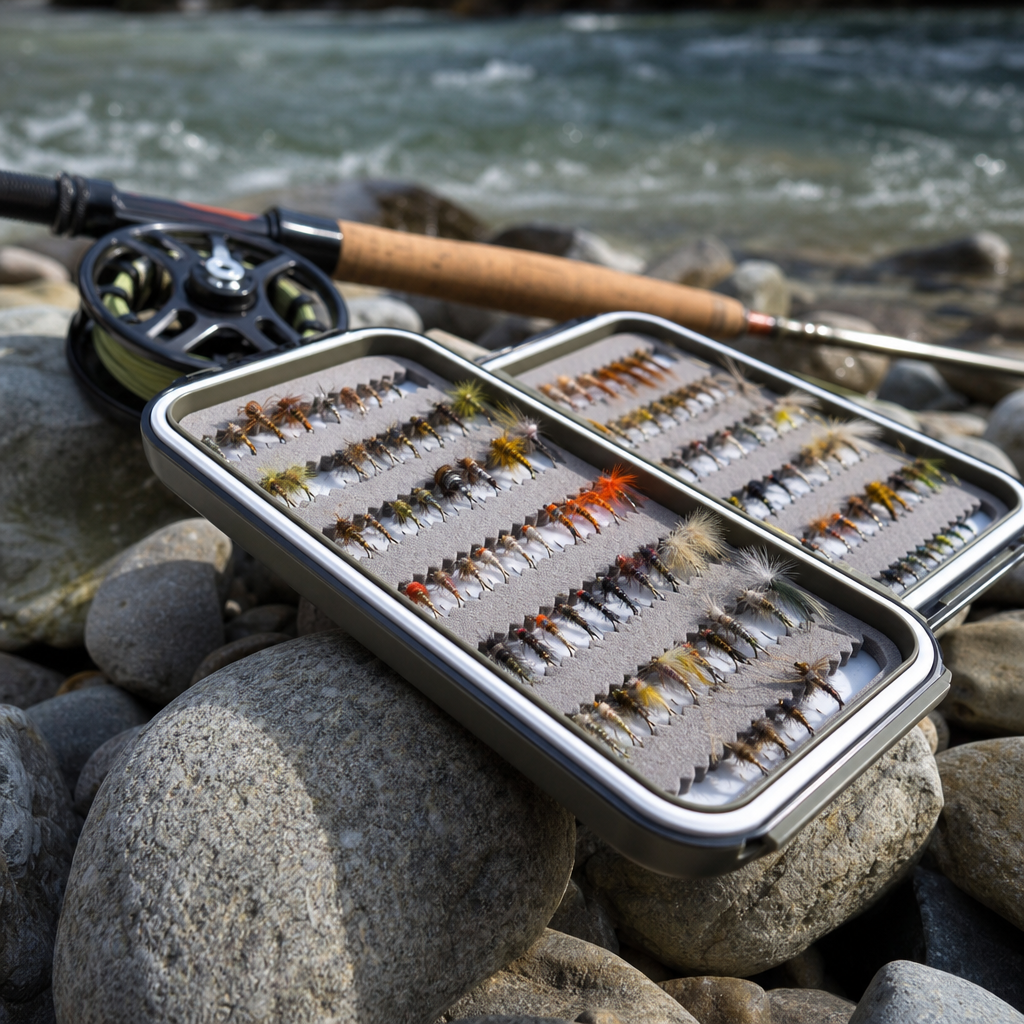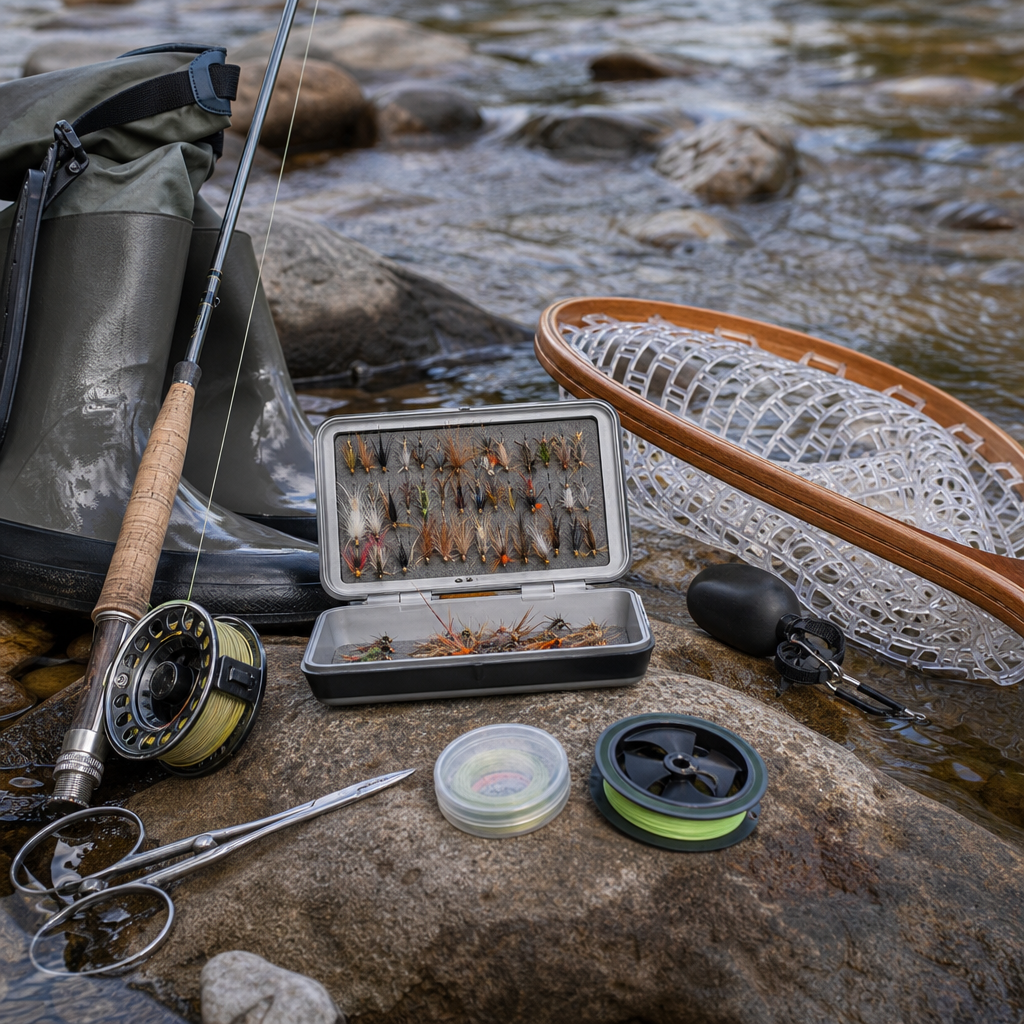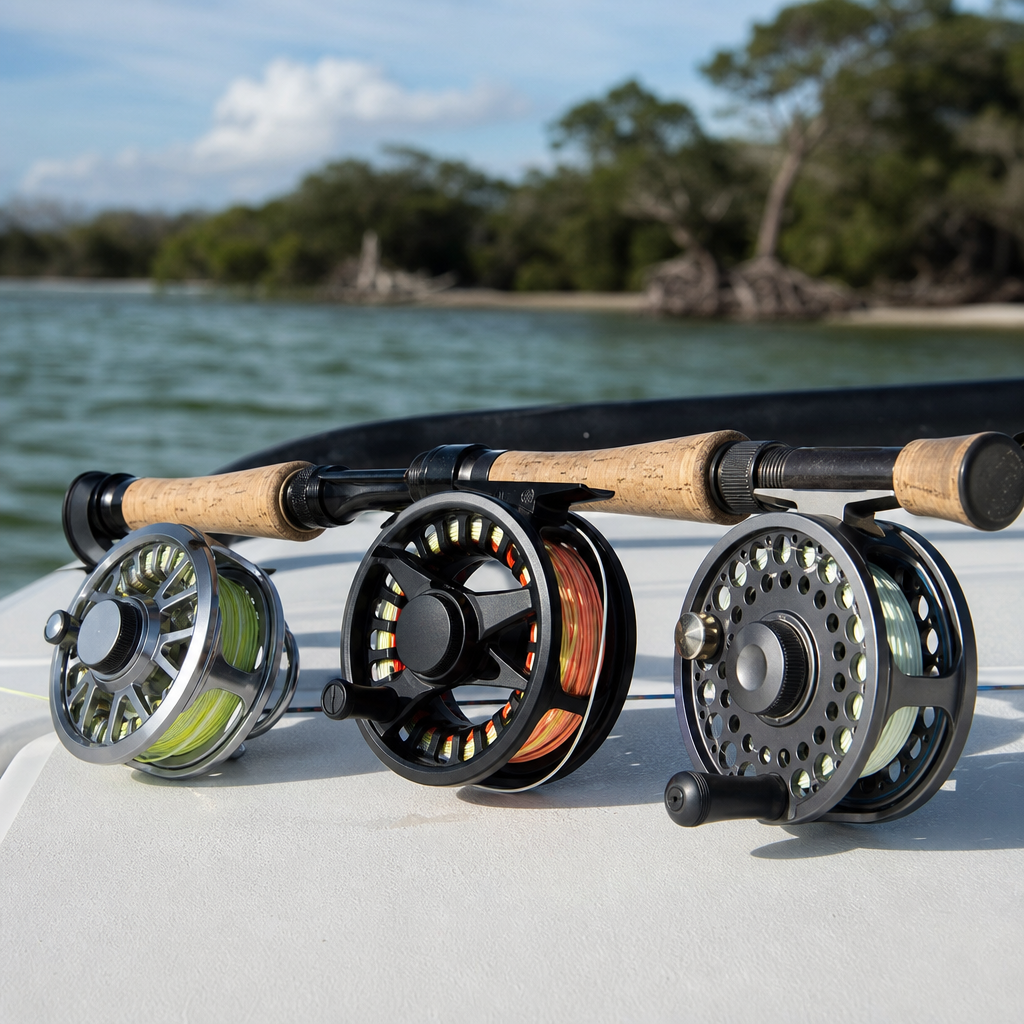
Saltwater fly fishing reels are the mechanical heart of a saltwater setup, and reviewing the top saltwater fly fishing reels requires more than listing popular models. A serious reel must survive corrosion, protect light tippet with a smooth drag, recover line quickly, and balance a rod that may be cast all day in wind, surf, or open water. In practical terms, a saltwater fly reel is a large-arbor reel built with a sealed drag system, corrosion-resistant materials, and frame tolerances tight enough to prevent thin running line from slipping between spool and cage. Those details matter because saltwater species run harder, longer, and in harsher environments than most freshwater fish.
Within gear reviews, reels deserve hub-level attention because they connect directly to performance, maintenance, and long-term value. I have fished reels from budget die-cast models to fully machined drags on flats skiffs, jetties, and beaches, and the differences become obvious the moment a fish changes direction at speed. A reel that feels smooth in a shop can seize after spray exposure, wobble under pressure, or develop startup inertia that breaks tippet on the first surge. The best saltwater fly reels avoid those failures through design choices such as stacked carbon drag washers, hard-anodized finishes, stainless or titanium hardware, and oversized drag knobs that can be adjusted with wet hands.
This hub article is designed to help readers compare reel categories, understand the core specifications that actually matter, and identify strong models for common saltwater applications. It also serves as a guide to the wider gear reviews landscape, because fly reels do not exist in isolation. Backing capacity, retrieval rate, drag range, rod balance, and intended species all influence which reel belongs on an 8-weight for bonefish, a 10-weight for striped bass and redfish, or a 12-weight for tarpon, tuna, or giant trevally. If you are researching premium, mid-range, or budget options, this review explains what to look for, where manufacturers differ, and which reels consistently earn a place in serious saltwater kits.
What makes a saltwater fly reel worth buying
The best saltwater fly fishing reels combine four traits: drag consistency, corrosion resistance, structural rigidity, and practical line management. Drag consistency matters because saltwater fish accelerate fast and often surge close to the boat or shoreline. A drag must start smoothly, stay stable as the spool heats under long runs, and offer enough upper-end resistance without becoming jerky. Corrosion resistance matters because salt, sand, sunscreen, and humidity attack every exposed surface. Structural rigidity matters because frame flex under load can cause spool rub, inconsistent retrieve, or line trapping. Line management matters because shooting heads, tropical fly lines, and thin gel-spun backing all find weaknesses quickly.
Sealed drag systems are the standard for modern saltwater reels. Hatch, Nautilus, Abel, Tibor, Mako, Galvan, and Ross all build models with strong reputations here, though they approach sealing and drag architecture differently. A fully sealed drag keeps salt crystals and grit away from friction surfaces, reducing maintenance and preserving startup smoothness. That does not mean open drags are unusable. Tibor reels, for example, built decades of trust with cork drags that remain respected for smoothness and field serviceability. The tradeoff is that traditional systems require disciplined rinsing and occasional care, while fully sealed systems generally tolerate neglect better.
Large arbor design is another core feature because it increases retrieval rate and reduces line memory. On the flats, rapid pickup can decide whether you stay connected during a fish charging toward the skiff. On the surf, it helps clear slack before a wave drops tension. Arbor size also affects effective drag because drag pressure changes as spool diameter shrinks during a run. Well-designed reels manage that change predictably. In reviews, I pay close attention to startup inertia, retrieve ergonomics, spool fit, drag click confidence, and whether the reel remains comfortable to palm when wet, cold, or covered in sunscreen.
How to evaluate drag, sealing, and frame construction
Drag design is the first technical checkpoint in any reel review. Carbon fiber drag stacks dominate today because they are durable, heat tolerant, and capable of broad adjustment ranges. Cork still has loyal supporters because a well-built cork drag can feel exceptionally smooth and powerful. In practical use, what matters most is startup inertia, the amount of resistance needed to begin spool movement from a dead stop. Low startup inertia protects 12-pound and 16-pound tippet when a bonefish bolts or a tarpon lunges after a jump. Manufacturers rarely publish startup numbers, so field reputation, teardown reviews, and long-term user reports become important.
Sealing quality is not binary. Some reels are fully sealed at the drag interface only, while others isolate bearings, clutch components, and key hardware more completely. Nautilus CCF-X2 reels are widely known for strong sealed drag performance and fast spool changes. Hatch Finatic reels have built a following for rugged sealing and compact frame geometry. Mako reels are praised for exceptional machining and drag refinement, though they sit firmly in the premium bracket. When reviewing any of them, I also look at how easy it is to rinse, whether the spool release can trap grit, and if the drag knob indexing remains precise after repeated exposure.
Frame construction separates serious reels from casual options. Fully machined bar-stock aluminum is the benchmark because it produces tighter tolerances and better strength than cast construction. A hard anodized finish is critical; cosmetic anodizing may look good in a catalog but fail quickly around reel feet, edges, and screw heads. Tight frame tolerances matter if you use thin backing such as 50-pound or 65-pound gel spun, which can slip through gaps on cheaper reels. Handle design matters too. An oversized, knurled handle is easier to grab during a sudden direction change than a small, polished knob that becomes slick in spray.
Top saltwater fly fishing reels by category
Not every angler needs the same reel, so the smartest way to review the top saltwater fly fishing reels is by category rather than by one universal ranking. Premium reels deliver the best machining, finishing, drag refinement, and long-term durability, but they come at a steep price. Mid-range reels often offer the best value because they provide sealed drags and machined construction without luxury-level cost. Budget reels can work for occasional trips, schoolie stripers, or backup setups, but they are where compromises in sealing, finish, and tolerances show up fastest. The right category depends on species, trip frequency, and maintenance discipline.
| Category | Notable reels | Best use | Main strength | Main tradeoff |
|---|---|---|---|---|
| Premium | Hatch Finatic, Mako, Abel SDS, Tibor Riptide | Tarpon, permit, GT, heavy inshore and offshore travel | Maximum durability and drag confidence | High purchase price |
| Mid-range | Nautilus CCF-X2, Ross Evolution R Salt, Galvan Grip | Bonefish, redfish, striped bass, all-around salt use | Strong performance-to-price ratio | Fewer finish and machining refinements than top tier |
| Budget | Redington Behemoth, Lamson Liquid S, Orvis Clearwater | Entry-level salt trips, backup reels, occasional use | Accessible pricing | More weight, less sealing, lower long-term toughness |
Among premium options, Hatch Finatic remains one of the safest recommendations for anglers who want a reel that simply keeps working. The drag is dependable, the frame is compact and rigid, and the finish holds up well. Abel SDS reels stand out for refinement and stopping power, especially for anglers who appreciate premium fit and finish. Tibor’s Riptide and Gulfstream remain classics because they have proven themselves for tarpon guides over decades. Mako is often the benchmark when anglers discuss precision and drag smoothness, though availability and cost make it a more selective purchase.
In the mid-range class, Nautilus CCF-X2 is one of the most complete saltwater choices because it combines a fast, sealed drag with low weight and strong backing capacity. Ross Evolution R Salt offers polished machining and a smooth drag in a slightly more crossover-friendly package. Galvan Grip reels deserve more attention than they often receive; they are durable, practical, and especially strong for anglers who split time between inshore salt and larger freshwater species. For budget-minded buyers, Redington Behemoth offers surprising drag power for the money, but it is heavier and less refined than the machined reels above it. Lamson Liquid S is a logical backup reel, especially for traveling anglers who want spare spools without overspending.
Matching reel size to species, lines, and fishing conditions
Reel sizing is often mishandled because anglers focus only on rod weight. In saltwater, the better approach is to match the reel to the species, fly line design, and expected backing requirement. An 8-weight flats setup for bonefish usually fishes best with a reel holding a tropical floating line plus roughly 150 to 200 yards of 20-pound backing, though many anglers now prefer thinner gel-spun backing for extra capacity. A 10-weight for redfish, stripers, false albacore, or juvenile tarpon may need 200 yards or more depending on where you fish. A 12-weight tarpon reel should comfortably hold a full line and 250 yards of strong backing without becoming bulky.
Balance also matters. A heavy reel can calm a tip-heavy rod, but too much weight becomes exhausting during repeated casting. Lightweight reels look attractive on paper, yet extreme weight savings can sometimes mean less mass for drag heat management or a less planted feel when a fish runs hard. The best reel size is the smallest model that carries the right line and backing with a drag suited to the target fish. That is why many bonefish anglers prefer a solid 7/8 or 8/9 reel rather than an ultra-light freshwater crossover model advertised for the same rod weight.
Fishing conditions further narrow the field. Wading surf anglers benefit from highly sealed drags and frame tolerances that resist sand intrusion. Flats skiff anglers may prioritize quick spool changes and low startup inertia. Jetty and boat anglers targeting striped bass may value retrieve rate and line pickup more than extreme drag output. Travel anglers should think about serviceability, spare spool availability, and whether the brand has dependable warranty support. In my experience, the best buying decisions happen when anglers define the trip first, then choose the reel that fits the fishery rather than the one with the flashiest finish.
Maintenance, value, and common buying mistakes
Even the top saltwater fly fishing reels need maintenance, though the amount varies by design. The baseline routine is simple: light freshwater rinse, wipe dry, back off the drag after use, and inspect the frame and spool for trapped grit. Do not blast a reel with high-pressure water; that can push salt and sand deeper into interfaces. Periodically remove the spool, clean the spindle area, and check screws, handle play, and drag knob operation. Cork drag reels may need manufacturer-approved lubrication at intervals, while sealed carbon systems usually need less owner intervention but still benefit from inspection after hard travel or surf exposure.
Value is broader than purchase price. A premium reel that lasts fifteen years of hard use with available parts and strong resale value can be cheaper over time than replacing lower-cost reels every few seasons. Brands with established service departments and easy parts access deserve extra credit in reviews. Hatch, Abel, Nautilus, Ross, Tibor, and Lamson have all built reputations around service, though turnaround times can vary by season. Finish durability and spool pricing also affect value. A reel may be fairly priced until you discover each spare spool costs enough to reshape the entire setup budget.
The most common buying mistakes are predictable. Anglers overspend on drag they will never use, underspend on corrosion resistance for surf conditions, buy a freshwater reel marketed as salt-capable, or choose capacity based on catalog optimism instead of actual line dimensions. Another mistake is ignoring ergonomics. If the drag knob is hard to adjust with wet fingers or the handle becomes slippery under pressure, the reel becomes harder to fish effectively. The smart approach is to read detailed gear reviews, compare backing capacities with your exact line, and buy the reel that fits your real fishing calendar, not the fantasy trip that may happen once.
Final recommendations for building a dependable reel lineup
The clearest lesson from reviewing the top saltwater fly fishing reels is that reliability beats novelty. A reel earns trust by protecting tippet on the first run, staying smooth after repeated spray exposure, and managing line cleanly when the fish changes direction. Premium models such as Hatch Finatic, Abel SDS, Mako, and Tibor remain leaders because their drags, machining, and long-term durability are proven in demanding fisheries. Mid-range standouts such as Nautilus CCF-X2, Ross Evolution R Salt, and Galvan Grip offer excellent real-world performance for more anglers. Budget choices still have a place, especially as backups, travel insurance, or entry points for occasional saltwater trips.
For most readers building a gear reviews shortlist, the best strategy is simple. Start with your main species, then verify backing capacity, drag quality, sealing, and total weight. If you fish surf, prioritize sealing and tolerance control. If you fish flats, prioritize smooth startup and fast line pickup. If you travel often, prioritize service, spare spool access, and proven durability. Saltwater gear is expensive, but the right reel can stay in your rotation for many seasons if it is matched well and maintained consistently.
Use this hub as your starting point for gear reviews across the broader product reviews and recommendations category, then narrow your search by target species and budget. Compare specifications carefully, read long-term user reports, and handle reels in person whenever possible. The right saltwater fly reel should feel boring in the best sense: no surprises, no weaknesses, just dependable performance when the fish of the trip finally runs.
Frequently Asked Questions
What features matter most when reviewing the top saltwater fly fishing reels?
The most important features are corrosion resistance, drag performance, frame strength, line retrieval speed, and overall balance on the rod. In saltwater, a reel is constantly exposed to harsh conditions including spray, sand, humidity, and direct immersion, so materials and construction matter immediately. The best reels are typically machined from bar-stock aluminum or similarly durable metals with strong anodizing or other protective finishes that help resist corrosion over time. A quality saltwater reel also needs a sealed drag system. That keeps salt, grit, and moisture away from the internal drag components and helps maintain consistent pressure during long runs from powerful fish.
Drag quality deserves special attention because saltwater species often make fast, unpredictable runs, and weak drag startup can break light tippet instantly. A reel can have high maximum drag numbers on paper and still perform poorly if the startup inertia is jerky. Smooth engagement, fine adjustability, and repeatable pressure are often more important than sheer stopping power. Reviewers should also look closely at arbor size and retrieve rate. A large-arbor design helps recover line quickly, reduces memory in heavier fly lines, and gives anglers better control when fish change direction. Finally, tight frame tolerances are a major practical detail. Good tolerances prevent thin running line from slipping between the frame and spool, which is a common and frustrating problem during high-speed runs. The top reels stand out because they combine all of these traits rather than excelling in just one category.
Why is a sealed drag system so important in a saltwater fly reel?
A sealed drag system is important because saltwater is unforgiving, and even a small amount of salt, sand, or moisture inside the drag housing can compromise performance. In freshwater, an exposed drag may work acceptably for a long time with routine care, but in saltwater the environment is much more destructive. Salt crystals can build up, lubrication can break down, and fine grit can create inconsistent pressure or premature wear. A sealed drag helps isolate the internal components from contamination, which improves long-term reliability and keeps the reel functioning the same way after repeated use in surf, flats, estuaries, or offshore conditions.
From a fishing standpoint, sealing matters because drag consistency is critical when a fish accelerates hard against light tippet. Species such as bonefish, redfish, striped bass, false albacore, permit, and tarpon can expose any weakness in a reel immediately. If the drag sticks at startup or surges under pressure, the result can be a break-off even when the angler does everything right. A well-designed sealed drag delivers smooth startup, stable pressure through long runs, and less maintenance burden between trips. That does not mean a sealed reel is maintenance-free. It still needs rinsing, drying, and occasional inspection. But compared with open systems, a sealed drag gives the angler a far better margin of protection in real saltwater use.
How does large-arbor design improve performance on saltwater fly fishing reels?
Large-arbor design improves performance in several ways that are especially useful in saltwater. First, it increases line retrieval speed. When a fish charges the boat or runs toward shore, being able to recover slack quickly can determine whether you regain control or lose tension. A large arbor picks up more line per revolution than a smaller traditional spool, making it easier to stay connected during fast changes in direction. This becomes even more valuable when fishing from skiffs, jetties, beaches, or boats where line management is already challenging.
Second, large-arbor reels help reduce line memory and coiling because the fly line is stored in wider loops around a bigger core. Saltwater fly lines can be stiff, especially in certain temperatures, and less coiling usually means smoother shooting and fewer tangles at your feet or in the stripping basket. Third, a large arbor often supports better drag consistency during long runs because the spool diameter changes less dramatically as line leaves the reel. That can help maintain a more predictable feel under pressure. Of course, large arbor alone does not make a reel great. It still needs a rigid frame, strong drag, and sound engineering. But in practical use, large-arbor construction is one of the clearest advantages modern saltwater reels offer.
Do expensive saltwater fly reels really perform better than budget models?
In many cases, yes, but the difference is not just about brand prestige or appearance. More expensive saltwater fly reels often use higher-grade materials, tighter machining tolerances, better drag systems, and stronger corrosion protection. Those upgrades become noticeable when reels are used heavily or pushed by strong fish. Premium reels usually feel more refined in the hand, with smoother startup inertia, more precise drag adjustments, stronger frame rigidity, and less flex under load. They also tend to hold up better after repeated exposure to saltwater, which matters for anglers who fish often or travel to demanding destinations.
That said, a budget reel can still be a very good choice for the right angler. Many mid-priced models now offer sealed drags, large-arbor spools, and decent corrosion resistance, which makes them more capable than entry-level saltwater reels of the past. The key is to match the reel to the species, frequency of use, and conditions. Someone chasing schoolie stripers or inshore fish occasionally may not need the same level of drag refinement and durability as an angler targeting tarpon, giant trevally, or fast pelagics several times a year. A good review should explain where the extra money goes. The best expensive reels justify their cost through long-term reliability, serviceability, drag performance, and confidence under pressure, not just through premium marketing.
How should anglers maintain a saltwater fly reel after fishing?
Proper maintenance starts the moment the trip ends. After every saltwater outing, the reel should be rinsed gently with fresh water to remove salt residue. The key word is gently. A hard spray can force salt and grit deeper into seams and moving parts, especially around the handle, spindle, and drag housing. Once rinsed, the reel should be dried thoroughly with a soft cloth and then left to air dry completely before storage. If the spool is removable, many anglers benefit from taking it off occasionally to inspect the arbor, frame interior, and backing area for trapped moisture or salt buildup.
It is also wise to check the drag setting before storing the reel. On many models, backing the drag off slightly during storage helps reduce unnecessary long-term pressure on drag components, though anglers should always follow manufacturer guidance. Periodic inspection is just as important as rinsing. Look for early signs of corrosion around screws, the reel foot, handle hardware, and spool release mechanism. If the reel has been dunked in surf or exposed to sand, a more careful cleaning may be needed. High-end reels with sealed drags still benefit from routine service, and any reel used hard in saltwater should be professionally serviced at appropriate intervals. Consistent maintenance does more than preserve appearance. It protects drag smoothness, prevents corrosion from spreading, and extends the useful life of a reel that may be one of the most important investments in a saltwater fly setup.