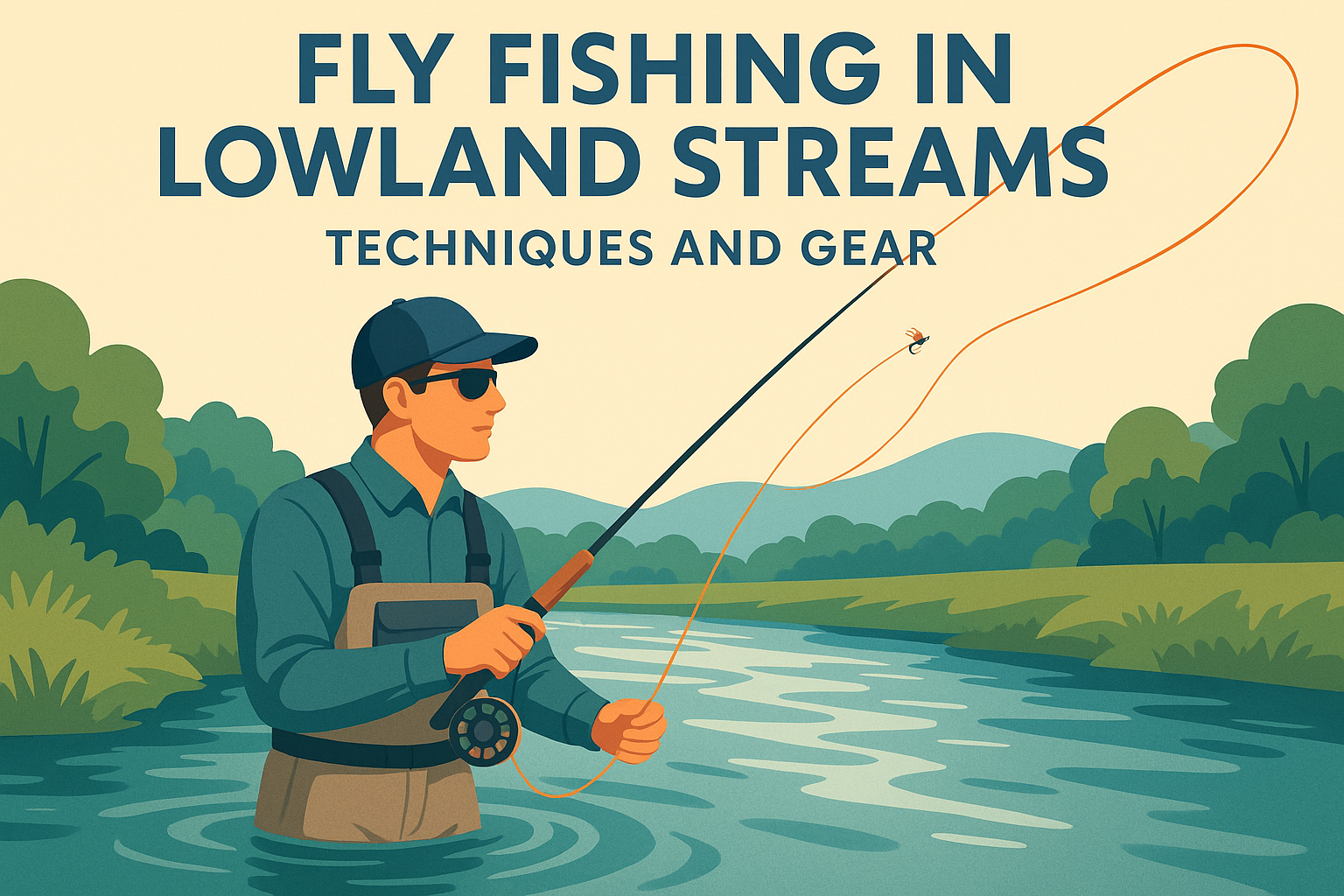
Fly fishing in lowland streams is a pursuit that brings together skill, patience, and a deep appreciation for the subtle beauty of nature. Unlike mountain streams, where the waters are fast and clear, lowland streams present fly fishers with a distinctive set of challenges and opportunities. In this article, we will define critical terms, explore essential techniques and gear, and examine why fly fishing in lowland streams is a rewarding experience for both novice and experienced anglers. Understanding what sets fly fishing in lowland streams apart from other forms of angling is important for anyone looking to master this craft. With the right approach, techniques, and gear, anyone can enjoy the thrill of catching fish in these tranquil waters and experience the unique satisfaction that comes with it.
Fly fishing matters deeply to those who cherish a closer connection to nature. Lowland streams offer an ideal environment to hone one’s skills and enjoy the serenity of fishing in a peaceful, slower-paced setting. Whether one aims to catch species like trout, bass, or panfish, the calm, wider waters of lowland streams, typically found at lower elevations, offer a different rhythm that can rejuvenate the soul and inspire new techniques in fly fishing. Moreover, these streams often present different ecological aspects and fish behavior, requiring refined tactics and specific gear, adding a whole new layer to the angling experience. Let’s delve into the specifics of fly fishing in lowland streams to better understand why it is so popular and how its unique challenges can be successfully met.
Understanding Lowland Stream Ecosystems
Lowland streams differ significantly from their highland counterparts, offering a diverse habitat characterized by slower currents, warmer temperatures, and wider, deeper channels. This creates an environment rich in aquatic vegetation and plentiful in insects, the primary diet of many fish species. Understanding the ecosystem is crucial because it influences the choice of flies and techniques employed during fishing.
For instance, the presence of aquatic plants may require different casting techniques to avoid snags, while clearer waters might make fish more sensitive to disturbances. Fly fishermen need to be adept at reading these waters to identify fish-holding areas such as undercut banks or overhanging branches. A seasoned angler might understand how a specific stretch of a lowland stream changes throughout the seasons, affecting fish behavior and feeding patterns.
Consider a lowland stream in the southern United States during the mid-summer months. The warmer waters would host species such as smallmouth bass and bluegill, which are more active during this period. Insect hatches, especially during warm evenings, can create exceptional opportunities for catch with dry flies. By observing local insect life, anglers can select flies that closely mimic the natural prey of these fish—an approach known as “match the hatch,” which often results in greater success.
Techniques for Successful Fly Fishing
Fly fishing in lowland streams often calls for subtlety and precision. The techniques employed must be adjusted according to the stream’s characteristics. Let’s explore some of these techniques using a structured overview:
| Technique | Application | Advantages |
|---|---|---|
| Short-Line Nymphing | Ideal in narrow streams with overhands | Precise control over fly placement |
| Sight Fishing | Used in clear waters for selective feeding fish | Target specific fish with precision |
| Dry Fly Fishing | Best during insect hatches | Exciting visual strikes by fish |
Short-line nymphing is a favored approach where the angler keeps the fly line short and uses slight movements to mimic the drift of insects in the current. This method is advantageous in narrow streams with overlying vegetation, allowing the angler to offer the fly naturally and avoid snagging vegetation.
Sight fishing is another technique that works particularly well in lowland streams with clear waters. By spotting fish visually before casting, anglers can present flies more accurately, increasing the opportunity for a strike. This form of fishing adds a layer of excitement and challenge, as the angler must observe fish behavior and react accordingly.
Dry fly fishing, as the name suggests, involves using floating flies to tempt fish during surface feeding, especially during insect hatches. The visual aspect of seeing a fish rise to take the fly is thrilling and requires knowing which hatches are occurring and choosing flies that effectively imitate emerging insects. Timing and skill in presenting the fly are critical in this technique, making it a favorite for many fly fishermen during peak hatch times.
Essential Gear for Lowland Stream Fly Fishing
The right gear is paramount for fly fishing success, as it directly affects casting accuracy, fly presentation, and ultimately the angler’s comfort. While some gear overlaps with what might be used in highland stream fishing, lowland streams present unique considerations that necessitate particular choices. For example, rod selection plays a significant role in these waters. A medium-action fly rod between 8 to 9 feet allows the angler to handle both tight casts in narrow channels and longer rotations needed in more expansive open sections.
The choice of line also depends on the fly fishing technique being employed. A weight-forward floating line is versatile enough to manage most situations encountered in a lowland stream. This type of line facilitates longer casts while retaining the sensitivity required for subtle nymph presentations or the delicate placement of a dry fly.
Moreover, weight and buoyancy management through proper use of leaders, tippets, and possibly small split shots are worth noting. Going for a tapered leader that transitions smoothly into the tippet can help the angler achieve delicate presentations essential in still or clear water where fish can easily detect disturbances.
Consider an angler gearing up for a day of fly fishing along the banks of a French lowland stream. They might select a 5-weight rod complemented by a floating line suitable for both nymphs and dry flies. A simple assortment of flies, including various dries, nymphs, and streamers, would ensure that they are prepared for a range of conditions and fish preferences.
Real-World Fly Fishing Example: The River Thames
One of the most fascinating examples of lowland stream fishing is on the western stretches of the River Thames in England. Known for its slower flow and diverse fish population, this section of the river offers superb fly fishing opportunities.
The Thames is home to brown trout, pike, perch, and chub—all of which can be targeted using fly fishing techniques. Fishing on such a historic river requires respecting its ecological balance and adhering to local regulations concerning catch limits and allowed fishing methods.
For instance, chub are often caught in the calmer backwaters of the Thames. A practical approach is using a mix of dry and nymph flies, targeting these fish near eddies or around in-stream obstructions where they tend to hide. The fishing here reflects deeper knowledge of aquatic ecosystems and effective application of fly-fishing techniques necessary for success.
Conclusion
Fly fishing in lowland streams presents both an inviting challenge and an opportunity to deepen one’s appreciation for the natural world and the art of angling. By embracing the diverse ecosystems of these waters, mastering subtle techniques, and selecting the right gear, anglers can improve their chances of a successful and fulfilling fly fishing experience.
The importance of understanding local conditions, such as water temperature, insect hatches, and fish behavior, cannot be overstated. As we have discussed, the varied techniques like short-line nymphing, sight fishing, and dry fly fishing offer exhilarating challenges that can be adapted to suit different scenarios found in lowland streams. Furthermore, engaging with local waters like the River Thames or your nearest stream gives a nod to the conservation and enjoyment of these aquatic environments.
Ultimately, each cast is an opportunity to connect not just with the fish beneath the surface but with oneself and one’s surroundings. Whether you’re just starting out or have been fly fishing for years, consider taking the next step and exploring a lowland stream near you. Find peace and adventure in equal measures and relish the journey of fly fishing.
So, pack your gear, select your flies, and get ready to experience the simplicity and complexity that is fly fishing in lowland streams.
Happy fishing!
Frequently Asked Questions
1. What makes fly fishing in lowland streams different from mountain streams?
Fly fishing in lowland streams is a unique experience compared to fishing in mountain streams. These streams typically have slower-moving waters and may be more nutrient-rich, which supports a different range of insect life—critical food sources for fish. Unlike mountain streams, where waters are often clear and speedy, lowland streams can be murkier, which is why stealth and careful approach are key. Vegetation along the banks is usually more abundant, offering fish more places to hide, but also providing more opportunities for fly fishers who can adapt their techniques.
Fishing in these waters often requires a different set of tactics, such as mastering the art of delicate presentations to avoid spooking fish. It may also involve more technical casting, given the often overgrown environments. Understanding the behavior of fish in slow-moving waters and how they relate to their environment can dramatically increase your success. It’s about appreciating and adapting to the subtle dynamics of lowland stream ecosystems.
2. What are the essential techniques for fly fishing in lowland streams?
The techniques for fly fishing in lowland streams hinge upon precision and subtlety. Given the slower current, fish have more time to inspect your fly, so accuracy in casting becomes critical. One essential technique is mastering the roll cast, a method particularly useful in tight quarters where backcasting is not possible due to dense tree cover or other obstructions.
Another important technique is nymphing, which involves presenting your fly beneath the water’s surface, simulating the environment where fish naturally find their food. Mending your line to ensure a drag-free drift is crucial for a natural presentation, which requires practice and a keen understanding of water currents.
Lowland stream fishing also often calls for stalking tactics. Moving slowly and quietly along the banks can prevent fish from being startled. Sight-fishing, where anglers visually locate fish before casting, is another effective approach, as is using stealthy tactics to avoid casting shadows over the water.
3. What gear is best suited for fly fishing in lowland streams?
Choosing the right gear for fly fishing in lowland streams can make all the difference. For starters, a shorter fly rod—ranging from 7’6” to 9’—is often ideal due to the confined spaces you might encounter with overhanging vegetation. Reels with a smooth drag system are beneficial in these environments where precise fighting control is essential.
Your fly line choice should also match the rod’s weight, usually in the 3 to 5 weight range. Floating lines are common as they are versatile and allow for both dry fly presentations and nymphing. Leaders and tippets should be fine, around 5X to 6X, to ensure they don’t scare off cautious fish in clear sections of the stream.
In terms of flies, it’s crucial to have a varied collection of both dry flies and nymphs, imitating local aquatic insects. In lowland streams, terrestrials like ants and beetles are effective as fish are accustomed to these insects falling into the water from the lush banks.
4. How do you find good spots for fly fishing in lowland streams?
Finding productive fishing spots in lowland streams can seem daunting, but with a little perseverance and knowledge, you can locate areas teeming with fish. Look for spots where natural conditions provide an abundance of food and cover for fish, such as bends in the stream or sections where the current is slow and eddies form. Fish are often found near undercut banks and beneath overhanging vegetation where they have both protection and easy access to meals.
Another critical factor is to consider water temperature and clarity, as these can significantly affect fish behavior. Early morning or late afternoon are the optimal fishing times when water temperatures are cooler, and fish are more active. Keeping an eye on hatch activity can also be immensely helpful in deciding fly patterns and determining which sections might be most productive.
Engaging with local anglers and guides can provide invaluable insights into specific locales, encouraging beginners and seasoned fishers alike to explore new spots shrouded within these low habitats.
5. Why is fly fishing in lowland streams considered rewarding?
Fly fishing in lowland streams is a rewarding endeavor due to the unique challenges and tranquil beauty it offers. The slower pace of fishing in such environments can teach patience and precision, making each hook-up deeply satisfying. Anglers are afforded the chance to immerse themselves into the serene and often lush habitats, offering a sense of peace and solitude.
This type of fishing also allows for a more intimate connection with nature. The diversity of flora and fauna encountered along lowland streams means every trip can yield a new discovery. Observing wildlife in their natural setting, whether it’s a heron silently stalking the shores or a trout gently sipping flies off the surface, amplifies the wonder of being outdoors.
For seasoned anglers, the different requirements of lowland streams offer a refreshing challenge, while beginners can find joy in the simplification of the sport’s basics and the excitement of newfound success. It’s the perfect setting for anyone looking to deepen their affection for fly fishing or to simply relish the uncomplicated joys of nature.