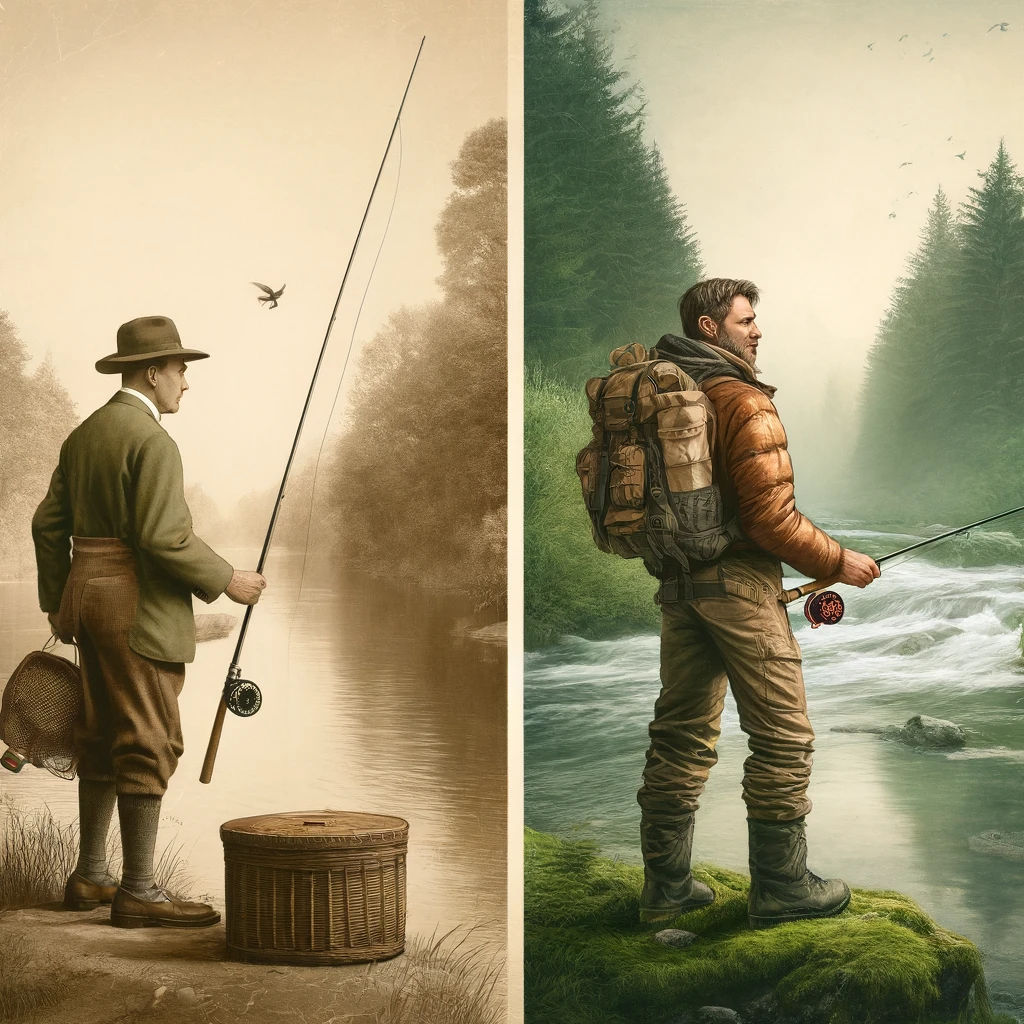
Fly fishing is an age-old pastime that combines the serenity of nature with the thrill of the catch. It’s an adventure that finds its most idyllic setting in the pristine mountain streams where the water is crisp, the scenery is breathtaking, and the fish are aplenty. Mountain stream fly fishing is more than just a hobby; it’s a passport to exploring remote environments and engaging with the natural world in a profound way. Unlike many other forms of fishing, fly fishing requires a nuanced understanding of the art form, technical skills, and an appreciation for the delicate ecosystems that foster a thriving aquatic life. Since mountain streams present specific challenges and opportunities due to their unique characteristics, learning fly fishing in these environments is particularly rewarding.
Many anglers are drawn to fly fishing in mountain streams for its peacefulness and the unique connection it fosters with the environment. The pursuit is about patience, understanding, and honing of one’s skills to match the wits of the fish. The rushing waters and rocky terrain offer a challenging backdrop that requires specific insights and techniques. For both novice and seasoned anglers, understanding these dynamics is crucial to finding success and enhancing the overall fly fishing experience. This guide aims to equip you with essential tips and practical knowledge that will help you make the most of your fly fishing adventures in high-altitude streams.
Understanding the Mountain Stream Ecosystem
Mountain streams are characterized by their fast-moving waters, clear and cold nature, and the rocky beds that define their channels. These streams are often home to species like rainbow trout, brook trout, and brown trout, each presenting unique challenges and rewards for anglers. The physical environment of a mountain stream significantly influences the behavior of these fish, including their feeding patterns and habitat preferences. For instance, the low nutrients in these waters mean fish are highly opportunistic, feeding on whatever insects or prey items are available.
Knowing the types of insects that inhabit these streams and their life cycles can dramatically increase your chances of success when fly fishing. Many anglers utilize techniques such as matching the hatch, which involves selecting fly patterns that closely mimic the local insect population at a given time of year. This harmony between fly and natural insect is crucial because fish are familiar with their environment and will naturally be more attracted to recognizable prey items.
Selecting the Right Gear for Mountain Stream Fly Fishing
When it comes to gear, mountain stream fly fishing requires specific equipment tailored to its unique conditions. The fast currents and rugged landscapes mean you’ll need a durable, lightweight rod that offers precision and flexibility. Four-weight or five-weight fly rods are often recommended due to their versatility in handling both small and large fish, as well as their adaptability in differing stream conditions.
Reels should have a robust drag system to allow you to maintain control of your catch in swift water. Additionally, the type of flies you use should correspond to the stream’s insect life. Dry flies, nymphs, and streamers each mimic different stages of insect life and are necessary components of a well-rounded tackle box. For instance, when fishing in the early spring, nymphs may be more effective as fish are typically found below the surface feeding on larvae. Conversely, during late summer, dry flies often see more action as adult insects become more prevalent.
- Rod: Lightweight, flexible with a 4-5 weight
- Reel: Good drag system for fast water
- Flies: A mix of dry flies, nymphs, and streamers
- Waders and Boots: Breathable with strong traction for rocky terrain
Reading the Water: Finding the Fish
One of the most vital skills in mountain stream fly fishing is learning how to read the water. Fish often seek refuge in locations where they can easily ambush prey, such as behind rocks, within riffles, or under overhanging vegetation. Each of these areas offers strategic advantages for both the fish and the angler. For example, riffles are rich with oxygen and tend to hold plenty of trout, whereas pools often serve as resting spots for larger fish.
Another critical aspect of reading water is understanding stream currents. Knowing how the water flows and where the strongest currents are can help anglers anticipate fish behavior and adjust their casting strategy accordingly. Seasoned anglers can assess a stream visually, identifying likely fish territories and adapting their approach to maximize success. A trick to gain an edge is to fish upstream, allowing flies to drift naturally into these areas, which often results in more strikes.
Perfecting Your Casting Technique
Casting is where the art of fly fishing truly shines, requiring finesse, precision, and timing. Especially in mountain streams where space can be constrained by trees and boulders, developing a short cast is crucial. Anglers must practice different casting techniques, including roll casts and reach casts that enable precise placement of the fly at varying distances and under different wind conditions.
The roll cast is particularly useful in mountain streams due to its ability to be executed in tight quarters without disturbing the water surface significantly. With the rise in fish density and their skittish nature, subtlety becomes paramount, and effective casting can often mean the difference between a productive day at the stream and going home empty-handed. Moreover, practicing the technique in different conditions aids in understanding how to adjust one’s casting rhythm to the unique constraints of a mountain stream environment.
Staying Safe and Responsible
Safety cannot be overstated when fly fishing in mountain streams. With rapidly changing weather conditions, slippery rocks, and potentially fast-moving water, being prepared for all eventualities is crucial. Invest in quality footwear with good grip and a sturdy pair of waders to navigate the terrains safely. It is always wise to fish with a partner and to let someone know your plans, including your intended location and expected return time.
Additionally, practicing good environmental stewardship ensures that these natural settings remain pristine and accessible for future generations. Always adhere to catch and release policies where applicable, and minimize your impact by packing out all trash and avoiding stepping on fragile streamside vegetation. Being conscientious of your ecological footprint is an integral part of being a responsible and successful angler.
Conclusion
Fly fishing in mountain streams presents a unique set of challenges and rewards that appeal to both the soul and skillset of an angler. With an understanding of the local ecosystem, appropriate gear, and the knowledge of effective techniques, you can transform a leisurely day of fishing into a rewarding interaction with nature. As you hone your fly fishing skills amidst the rugged beauty of mountain streams, remember that each outing offers the chance to learn and connect more deeply with the environment.
The benefits of mastering the art of fly fishing in such a pristine setting are manifold. Not only does it offer an exceptional opportunity for personal growth and relaxation, but it also nurtures a respect for the delicate balance of natural ecosystems. As you leave the stream and contemplate the tales of the fish that got away or of those you caught, remember that practice is not just for the improvement of skills but also for the enhancement of your connection with the natural world.
Ready to cast your line? Grab your gear, respect the stream, and embrace each moment, knowing that with every cast, you step deeper into the tranquil embrace of the mountains.
Frequently Asked Questions
1. What are the essential gear items for fly fishing in mountain streams?
Fly fishing in mountain streams offers a unique experience that requires specific gear to be successful. Firstly, a sturdy fly rod and reel are necessary. For mountain streams, a lighter rod, typically between 3 to 5 weight, is ideal due to the smaller fish and limited casting space. Always match your reel to the rod for optimal balance and performance. Fly line is another crucial element, with a floating line being the common choice for these settings to prevent snagging on rocks or debris.
Additionally, a selection of flies that mimic the local insects is vital. Nymphs, dry flies, and streamers that replicate the aquatic insects’ lifecycle stages will give you an edge. Don’t forget a fly box to keep them organized and accessible. Waders and boots fitted with felt or studded soles will help navigate slippery rocks and cold waters safely. A well-stocked vest to carry your tools–like nippers, forceps, and floating solution–ensures everything is at your fingertips. Polarized sunglasses are also essential to reduce water glare, so you can see fish and underwater structures better. Lastly, carry a hat and sunscreen for sun protection, as the high elevation can intensify the sun’s effects.
2. What are some effective strategies for selecting the right fly for these environments?
Choosing the right fly for mountain stream fly fishing can greatly impact your success while on the water. Start by observing the stream to get a sense of the natural insects present. Note sizes, colors, and types, as this will guide your fly selection toward realistic imitations. Throughout the day, as temperatures shift, so does insect activity; thus, changing your fly to match the hatch is key.
When no active hatch is evident, resort to tried-and-true patterns. Dry flies like the Adams Parachute or Stimulator can be effective for surface feeding fish. For subsurface activity, nymphs like the Pheasant Tail or Hare’s Ear are always reliable. Streamers like the Woolly Bugger work well in deeper pools where fish may be lurking for prey.
Being versatile and prepared to switch flies as conditions change is crucial. Wind can carry various insects to the water, and overcast days might see a different hatch pattern. Having an assortment of flies in various sizes and colors ensures you’re ready for whatever nature presents.
3. What techniques are best for casting in tight, tree-lined areas?
Mountain streams often involve casting in confined spaces where overhead trees and brush add an extra challenge to your technique. Mastering shorter, accurate cast techniques can greatly enhance your probability of a successful day on the water. One valuable approach is the roll cast, which is excellent in situations with overhead obstructions. The roll cast utilizes the tension of the line on the water to project the fly forward without the need for a back cast.
The bow-and-arrow cast can also be highly effective in tight spots. By gripping the fly and bending the rod backwards before releasing, a short, precise cast can land the fly under overhanging vegetation. Another technique, the sidearm cast, allows you to keep the fly low and parallel to the water, avoiding tree branches above.
However, the most significant skill is being aware of your surroundings. Make practice casts before starting to fish, and pay attention to wind currents that can influence your line’s path. Constant vigilance and adapting to the immediate environment is crucial to make efficient casts without snags.
4. How can I read the water to find the best fishing spots?
Understanding how to read the water is crucial when fly fishing in mountain streams. Fish tend to congregate in specific areas where currents bring food and where they can conserve energy. Riffles, pools, and runs are three critical types of water features to recognize.
Riffles are shallow areas with fast, bubbly water. They often carry a lot of food due to the increased oxygen level, making them prime spots for feeding fish, especially trout. Cast toward the head or sides of these areas. Pools, the deeper sections with slower current, serve as resting areas for fish. Look for locations around submerged structures or the transition from faster to slower water where fish might be resting, waiting for food. Runs are stretches of moderate depth and current speed, often found between riffles and pools, providing another promising fishing area.
Look for cover like boulders, fallen trees, or undercut banks where fish can hide from predators and harsh currents. Sunny days can reveal the dark shadows of fish swimming, whereas on overcast days or in low light, movement in the water can hint at fish presence. The ability to interpret these signs will vastly improve your chances of landing a catch.
5. How should I approach fly fishing in mountain streams to minimize my environmental impact?
Conscious environmental stewardship is essential when fly fishing in sensitive ecosystems like mountain streams. Leave no trace is an imperative principle; always pack out your trash, including monofilament and tippet scrap, which can be hazardous to wildlife. Also, stay on designated trails to help reduce soil erosion and habitat damage.
Catch and release practices are recommended to sustain fish populations. Handle fish carefully using wet hands or a landing net to minimize harm to their protective slime layer. Keep the fish in the water as much as possible and be swift yet gentle when removing hooks to expedite recovery.
Only use barbless hooks to simplify the release process and respect seasonal closures, which protect spawning fish. Freshwater ecosystems can be fragile, so ensure your gear, especially wading equipment, is free from invasive species after each trip. Drying gear in direct sunlight can help kill potential contaminants.
By adopting these practices, fly anglers can enjoy their time on the water while preserving it for future generations. Actively engaging with water conservation organizations or stream restoration initiatives is also a great way to contribute positively to these beautiful environments.